This Week's Sponsor:

HomeSnap

A Private, Read-Only Window Into Your HomeKit Home


The Great Disparity in Global iTunes Prices

Over the weekend I curiously started investigating whether Australians had been getting a progressively worse deal for their iTunes purchases as the Australian dollar rose from USD$0.60 to parity whilst iTunes prices stayed constant. The answer is most definitely a yes but it doesn’t just apply to Australians, and the extent of the price disparity is larger than I had thought.

Whilst Apple is entitled to have different prices for different regions, it doesn’t really need to. Furthermore the extent to which there is price disparity is very extensive for the music section of the store and this article aims to bring the inequity to light. Apple has previously been under similar pressure but the exchange rates reverted back, I would hope Apple again reconsiders their iTunes pricing system now when exchange rates have pushed the disparity to a very high level.

This turned into a bigger article than I had expected so here are the key things I cover and keep reading after the break for a full run down with tables, graphs and more.

  • iTunes uses fixed prices (i.e. $0.99, $1.29 etc.) and for stores outside the US these price levels were converted using a very conservative prediction of the future value of a particular currency
  • The price levels in non-US stores seem not to have been updated in a long time, yet the value of the non-US currencies have mostly appreciated since then. As a result people purchasing from most of the non-US iTunes Stores are now paying more than US customers and Apple is earning more from those customers
  • The conversion rate is different for the App Store and Music store (and likely the other stores too), the App store conversion rates are much more appropriate and the price disparity is less extreme.

Updated on April 27 2011 - see end of article for revised figures and comment.
Read more


Android Gains 22% Of Tablet Market, Becomes #1 Smartphone Platform by Shipments

According to two different reports surfaced this morning, Google’s Android mobile operating system has gained 22% of the tablet market share and has become the world’s leading smartphone platform with 33.3 million shipments in Q4 2010.

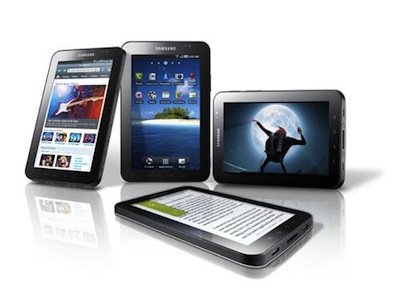
The first report, as noted by The Loop, details how Android-based tablets grabbed 22% of the market in the fourth quarter of 2010, and while the iPad is still “dominant”, the Samsung Galaxy Tab drove sales of tablets running Google’s OS.

Strategy Analytics sees continued growth for Android-based tablets in 2011 with the release of Motorola’s Xoom and other high-profile devices. The company expects that as more Android devices hit the market, media developers in the United States and elsewhere will increasingly support the devices with content.

Read more


Xserve Third Party Replacement, ActiveSAN Revealed

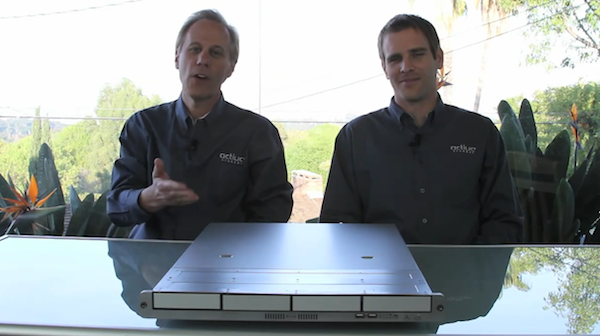
ActiveSAN, the product that was being teased over the past few days has finally been announced as third party replacement for Apple’s Xserve which was discontinued in January.

The product, called ActiveSAN is rack-mountable unit, runs on the Linux operating system with metadata controllers and the ‘Quantum StorNext SAN file system’. It’s hardware uses the Active Storage product design, runs on the Intel Nehalem server platform and is Xsan compatible.

No definite word on whether it is officially endorsed by Apple yet.

Jump the break for a video introduction by the company and additional details as they come.

Read more


Mac App Store: Miro Converts Videos for iOS, For Free

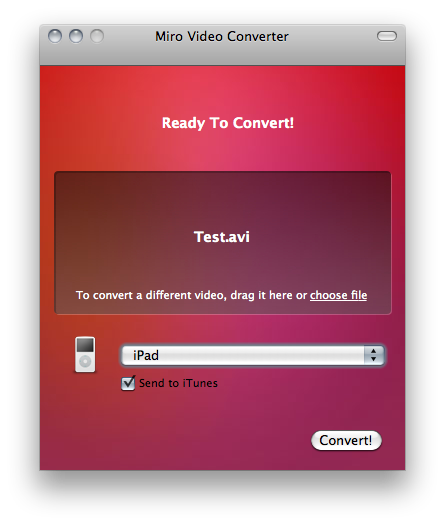
Available for free in the Mac App Store, Miro Video Converter is a little utility that converts almost any kind of video to formats compatible with iOS and other Apple devices, Android handsets, WebM, Theora and a variety of other platforms. As you can guess, Miro Video Converter comes from the creators of Miro, video player and torrent downloader.

The app doesn’t offer all the control and customization possibilities seen, for example, in the popular Handbrake video conversion tool, but it’s got a nice and simple interface where all you have to do is drop a file, select the output and hit Convert.

Miro Video Converter is available here. Check out the list of supported formats and devices below. Read more


Netgear CEO Makes A Few Predictions on Apple, Steve Jobs

Netgear CEO Makes A Few Predictions on Apple, Steve Jobs

Netgear CEO Patrick Lo doesn’t get it:

At a lunch in Sydney today, Patrick Lo said Apple’s success was centred on closed and proprietary products that would soon be overtaken by open platforms like Google’s Android.

Lunch was not the main point. Here it is:

Lo said Apple’s closed model only worked because, in many product categories like MP3 players, “they own the market”.

“Once Steve Jobs goes away, which is probably not far away, then Apple will have to make a strategic decision on whether to open up the platform,” said Lo.

This is a common mistake: thinking that Apple’s integrated model is somehow linked to Steve Jobs’ personality or physical presence at Apple. But there’s more:

Right now the closed platform has been successful for Apple because they’ve been so far ahead as thought leaders because of Steve Jobs,” said Lo.

Wrong again. They have been successful because they predicted what consumers wanted, not because of Jobs’ personal tastes.

Eventually they’ve got to find a way to open up iTunes without giving too much away on their revenue generation model.

What does this mean, exactly? This is business lingo. I think he wants Apple to accept any kind of app. The real gem is about Flash:

What’s the reason for him to trash Flash? There’s no reason other than ego,” he said.

Or maybe – but you know, I’m just guessing here –  it was a business decision.

Permalink

Marco Arment’s MacBook Pro Speculation

Marco Arment’s MacBook Pro Speculation

Marco Arment predicts a new MacBook Pro 15” inspired by the success of the new MacBook Airs:

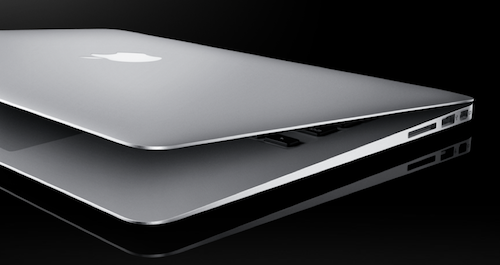
And I’m guessing that the 15” will undergo its most significant change in a very long time: it will adopt the wedge shape of the Air, losing its thick, uncomfortably sharp front edge. Removing the optical drive will free up a lot of space inside, leaving room for a rearrangement that can enable the wedge shape without giving up a significant amount of battery volume.

No glass and SSD by default may end up on the new MacBook Pro as well. The problem with a wedge design is that it leaves small room to “big ports” like FireWire and Ethernet, something users are really used to have on the MBP 15-inch. I agree with Marco when he says there’s little sense to keep the 13-inch MacBook Pro in the line-up now that the 13-inch MacBook Air is so portable and powerful.

Also, Apple’s homepage says it all: MacBook Air is the next generation of MacBooks. We just have to wait to see where do we go from here.

Permalink

Windows Phone 7 Theme Coming to iPhone

If you have an iPhone but you’ve been keeping an eye on the devices running the promising Windows Phone 7 operating system, I guess you know one of the biggest selling points of Microsoft’s mobile platform is the concept of “Springboard” that’s entirely different from those seen on iOS and Android. Instead of presenting a background with app icons, Windows Phone 7 offers “live updating tiles” with real-time information for third-party apps and default software like calendar and weather.

Theme creator Wyndwarrior thought it’d be nice to port the Windows Phone 7 experience to the iPhone, so he designed a theme that replicates Microsoft’s homescreen on the iPhone, live tiles and application list included. The theme is in pubic beta and more details will be added come the final release, in the meantime check out the demo video below. [ModMyI via AppAdvice] Read more


Woz Says White iPhone 4 Will Be Released Soon

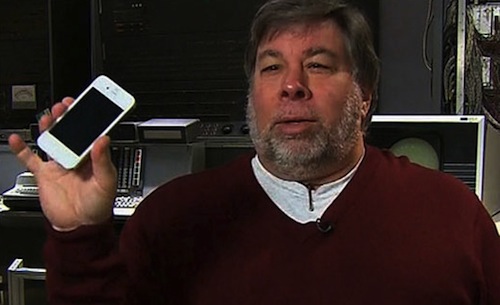
The white iPhone 4 has become the mythical beast in Apple’s product line up. First expected to launch alongside the standard black iPhone 4 last year, the device got delayed multiple times and never came out. At the latest Engadget Show that aired tonight, Apple’s co-founder Steve Wozniak confirmed Apple has fixed the problems with the painting of the white iPhone and that the device is coming out soon. He also said he got custom white parts from the kid who used to sell them online, and indeed those parts lead to light leakage issues and washed-out pictures.

A report surfaced last week suggested a new Japanese paint has fixed the issues with the white iPhone, and the unit was spotted on various international carrier websites. Back in December, another report pointed to the iPhone 4 becoming available in “Spring 2011”.

At this point, we’re pretty confident the white iPhone 4 is real and its production woes a thing of the past. We also believe, though, that a white iPhone 4 on Verizon’s big launch day next would have been perfect.


Mac App Store: Developers Make App Free, Gain 24,000 Downloads in 48 Hours

Todolicious is a neat todo app for the Mac we originally previewed ahead of the Mac App Store launch. The app was priced at $4.99 and, since the new Store’s grand opening, has been selling hundreds of copies, slowly sliding to lower sales numbers due to new apps taking over the Top Paid and Category charts. That’s what usually happens after the launch of a new app, when new apps are released and you’re not Angry Birds.

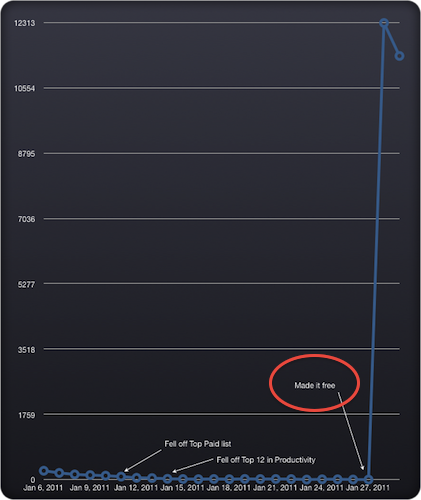
The Mustacheware developers, however, tried to make the app free for two days to see how would the experiment play out. It turns out, making a simple and useful app like Todolicious free for 48 hours over the weekend brought in more than 24,000 downloads. See the graph above to see the difference between paid vs. price drop.

We have heard several stories of success in the Mac App Store in the past weeks. Autodesk announced the new Store doubled a year’s sales of Sketchbook Pro in just 20 days, Pixelmator grossed $1 million in the same amount of time and another developer went from 7 sales a day to 1,500. Given the youth of the Mac App Store, it’s too early to say “free apps do better than paid apps”, because Pixelmator and Sketchbook Pro are here to remind us paid software can do great as well. It also needs to be mentioned, though, that Todolicious was sold at $4.99, not exactly the “premium” $29.99 you would spend for a graphic editing app. As strange as it sounds, many users are willing to pay a premium to download a pro app rather than “yet other 5 bucks” to download a simple Mac app. Still, the numbers are in and they are surprising: 24,000 downloads aren’t bad for a small indie development studio that’s seeking to build a user base for the future iPhone version of the app, and whether or not these 24,000 people will stick around the exposure provided by the Mac App Store and Top Free charts is incredible.