Apple Addresses Reported iPhone Slowdowns After Software Updates

There’s an age-old conspiracy theory that Apple intentionally slows down older iPhone models to compel upgrades to new ones. Every year around the time a new version of iOS releases – which also happens to be the time new iPhone models launch – users report that their old phones aren’t as speedy as before. While some of this felt downgrade is to be expected with new features introduced in major iOS versions, Apple today confirmed that there is in fact more to it than that – at least, in certain cases.

Earlier this week John Poole shared Geekbench results that seemed to indicate some level of throttling of iPhones after certain software updates. His charts showed that for an iPhone 6s, iOS 10.2.1 introduced a performance change, while for the iPhone 7, iOS 11.2 did the same. Seemingly in response to these tests, Apple has released a statement to Matthew Panzarino of TechCrunch that aims to make sense of the inconsistencies.

“Our goal is to deliver the best experience for customers, which includes overall performance and prolonging the life of their devices. Lithium-ion batteries become less capable of supplying peak current demands when in cold conditions, have a low battery charge or as they age over time, which can result in the device unexpectedly shutting down to protect its electronic components.

Last year we released a feature for iPhone 6, iPhone 6s and iPhone SE to smooth out the instantaneous peaks only when needed to prevent the device from unexpectedly shutting down during these conditions. We’ve now extended that feature to iPhone 7 with iOS 11.2, and plan to add support for other products in the future.”

Panzarino explains:

Basically, iPhones were hitting peaks of processor power that the battery was unable to power and the phones were shutting off. Apple then added power management to all iPhones at the time that would ‘smooth out’ those peaks by either capping the power available from the battery or by spreading power requests over several cycles.

While Apple’s lack of communication on this matter can certainly be viewed as a problem, ultimately the issue appears rooted in battery technology generally rather than in iPhones specifically. Lithium-ion batteries have certain limitations, which are exacerbated in certain conditions, and Apple made the decision to reduce peak performance in those conditions rather than leave users facing unexpected device shutdowns.

Permalink

#MacStoriesDeals Holiday Edition 2017: The Best Deals for iPhone, iPad, and Mac Apps & Games

Every year, thousands of iOS and macOS app deals are launched for the holidays. At MacStories, we handpick the best deals for iOS and Mac apps and collect them in a single roundup with links to buy or share discounted products directly. You don’t have to be overwhelmed by app deals; we take care of finding the best ones for you.

Bookmark this post and come back to find updated deals starting today through the rest of the week. Updates will be listed as new entries at the top of each section.

For real-time updates, you can find us as @MacStoriesDeals on Twitter.

Read more


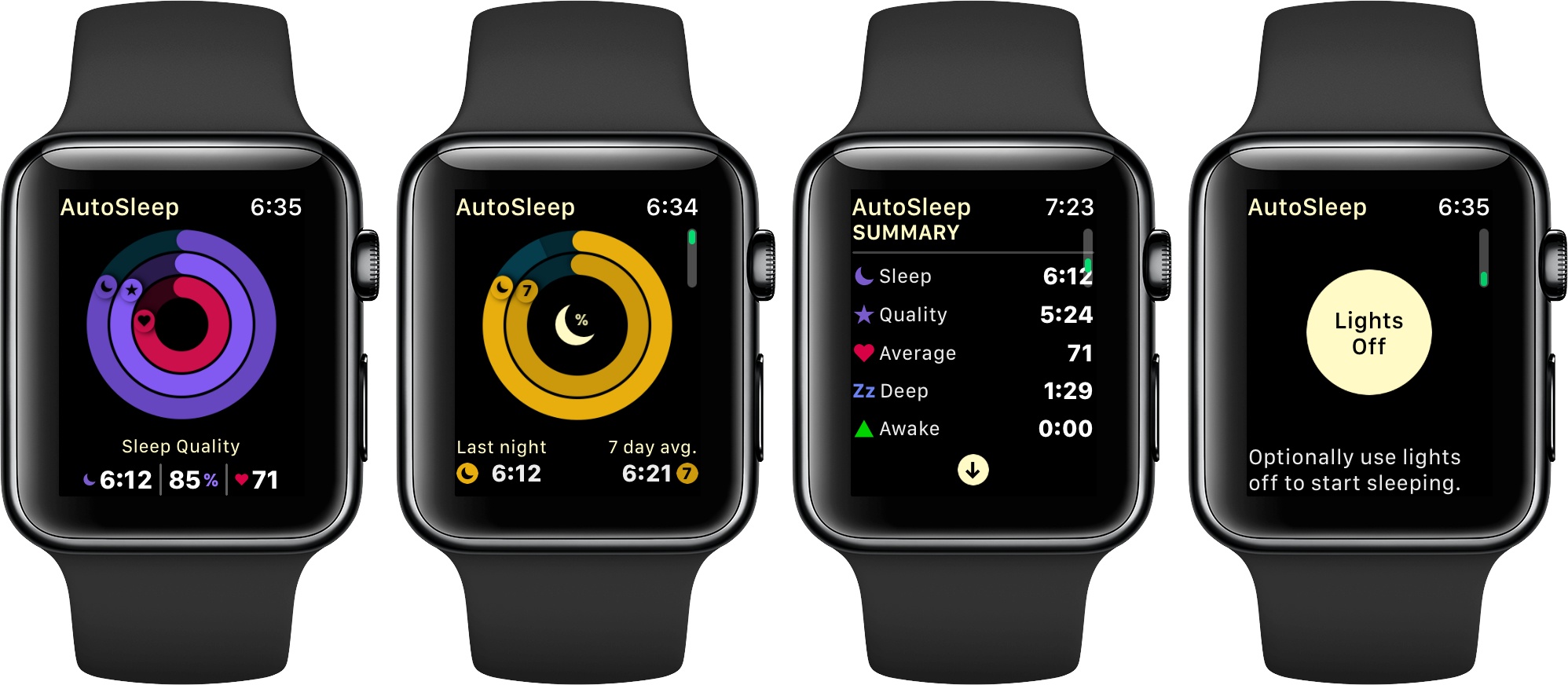
AutoSleep 5 Adds Automatic Apple Watch Sleep Tracking and Much More

Slowly but surely, the Series 3 has changed my Apple Watch habits. I abandoned earlier models of the Watch for most tasks other than notifications and workout tracking because, with some notable exceptions, few apps worked well enough to be more convenient than pulling out my iPhone in most circumstances.

The Series 3 Watch is different. Not only is it faster, but the battery life is significantly better. The changes have caused me to rethink how I use my Apple Watch and look for new ways to use it. So when I heard AutoSleep, an app that Federico uses and has reviewed in the past, was getting a big update that includes enhanced Apple Watch functionality, I saw another opportunity to extend how I use my Series 3.

I haven’t been disappointed. AutoSleep 5 is a broad-based update that touches every aspect of the app, but what I like best is its Apple Watch integration, which has begun to give me new insight into my sleep patterns. Although I find the amount of data displayed in AutoSleep overwhelming at times, after spending several days with the app, I plan to stick with it as I try to adjust my schedule to get more rest each week.

Read more


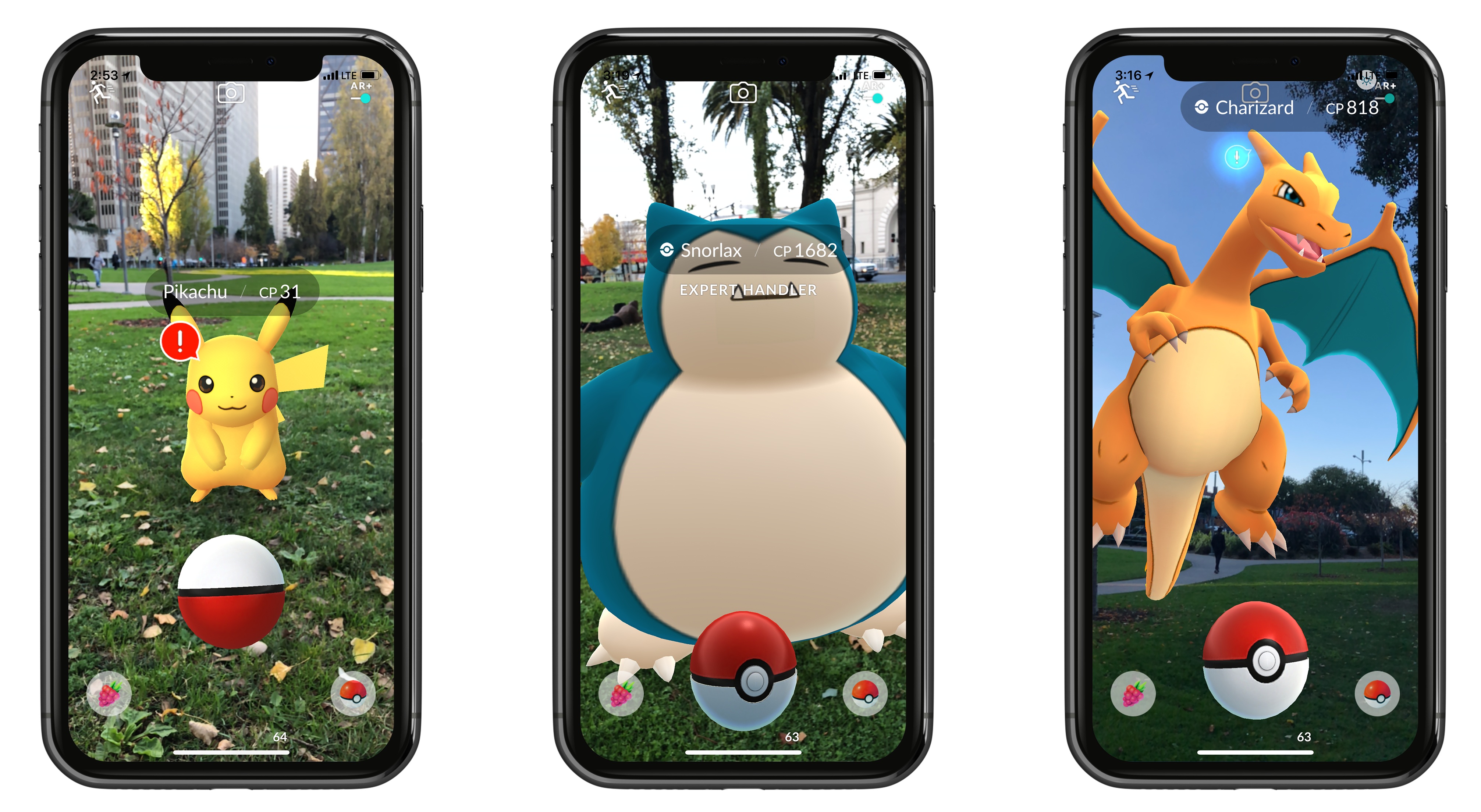
Pokémon GO’s ARKit-Powered Release Coming Soon

The most well-known augmented reality smartphone game will soon be better than ever. As was previously announced at WWDC, Pokémon GO is adopting Apple’s ARKit framework to provide a more true-to-life AR experience. The Pokémon GO website announced that this update, featuring what the post dubs ‘AR+’, is launching very soon.

AR+ will not only make Pokémon appear more accurately in space, but it also brings enhancements to actual gameplay. Because the game will be able to better measure distance and placement of objects, each Pokémon found in the wild will now have an awareness meter. The meter fills up as Pokémon grow more aware of your looming presence, and if the meter fills up completely, the Pokémon will run away. But if you sneak up carefully, not only will you prevent the Pokémon from fleeing, but you’ll earn some nice perks: an Expert Handler bonus that increases the amount of XP and Stardust you receive, and a better chance at earning Great and Excellent Throw bonuses. These additions are a clever way of using ARKit to not only improve the realism of the game’s visuals, but its mechanics too.

One either nice perk of AR+ is that, as a side benefit of being fixed to a precise point in space, Pokémon will display in an accurate scale, so you can walk up and see just how big or small a Pokémon truly is.

While Pokémon GO’s days as a worldwide phenomenon are over (at least for now), the game continues to receive important updates, and the adoption of ARKit appears to be a key one. The update’s exact release timeline is unclear, but by all indications it’s imminent.


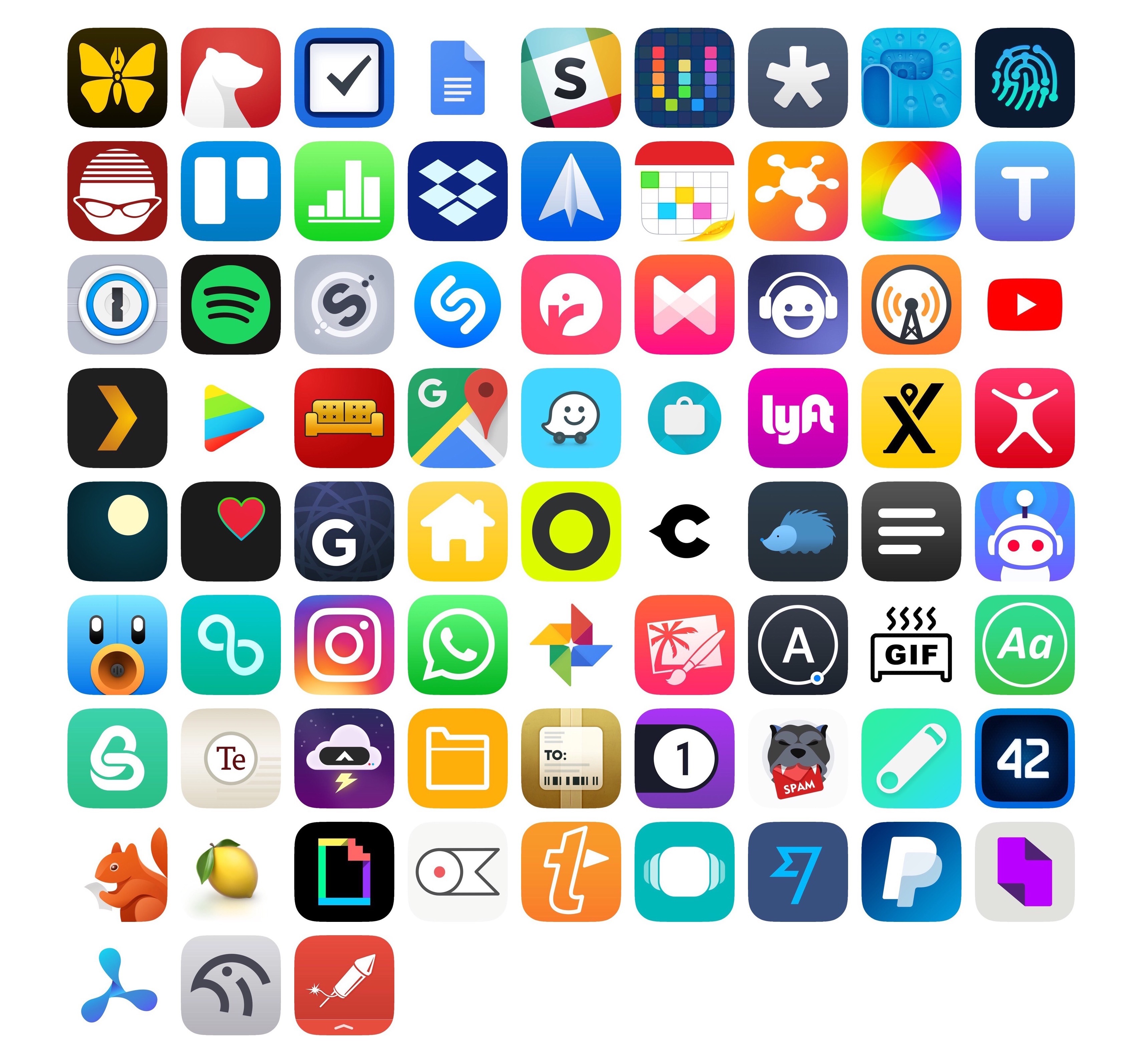
My Must-Have iOS Apps, 2017 Edition

Feature of the Year

Apollo’s Jump Bar

Most Reddit apps come with clunky navigation systems that require you to dig deep into nested views to get to your favorite subreddits. With its Jump Bar, Apollo rethinks the concept of a favorite page altogether, allowing you to easily switch between different views in the app simply by tapping the title bar, which combines favorites with autocomplete for popular subreddit search results. Apollo’s Jump Bar is a fantastic example of how a classic iOS interface element can be reimagined and improved, and it’s my favorite feature of the year.

Runner-Up

Lookmark’s Notifications

I write about apps for a living, and as such I need to keep tabs on app updates as much as possible. Lookmark makes it possible for me to never miss an update even if I don’t have the apps I’m monitoring installed on my iOS devices. If you care about keeping on top of app releases, Lookmark’s new notification service is a must-have.


Redesign of the Year

Things 3.0

Earlier this year, Cultured Code relaunched their popular task manager with a focus on elegance and simplicity. The result was a bold aesthetic that, while predating iOS 11, felt instantly at home on Apple’s new operating system when it launched. Several months later, Things 3.0 still manages to strike a balance of consistency with the platform while also looking unlike anything else on my devices. Things 3.0 is stunning, and an inspiration for other designers on how to build upon Apple’s design language.

Runner-Up

Ulysses 12

With an update that blended Apple’s large title approach with a major overhaul of the app’s layout, Ulysses 12 is a rare instance of a redesign that feels new without causing any confusion or initial perplexity. It simply makes sense. Ulysses 12’s redesign has dramatically improved navigation in the app, and it’s remarkable on the 12.9-inch iPad Pro.


Update of the Year

CARROT Weather 4.0

It’s hard to stand out in the App Store these days, and it’s even harder if your app is part of a crowded category such as weather utilities. CARROT Weather has always been unique, but with version 4.0 developer Brian Mueller managed to fundamentally improve every aspect of the experience – from the app’s personality and weather sources to deep customization on iPhone and, with the 4.3 update, even Apple Watch. CARROT Weather’s evolution into a mature product that hasn’t compromised on its original vision has been outstanding, and Mueller’s work in 2017 deserves to be recognized and celebrated.

Runners-Up

Bear 1.3 and 1.4

In the span of two months, Shiny Frog brought advanced drag and drop to Bear with the Drop Bar and support for rich text drag items, then supercharged its tagging system with auto-complete and icons for popular tags. Bear shows how a well thought-out subscription model – not a hastily implemented one – can let small development shops build sustainable productivity apps that are constantly iterated upon.

Workouts++ 2.0

David Smith’s advanced fitness app encapsulates everything I want from a utility that keeps track of my workouts: stats, the right amount of customization, and a little more flexibility than Apple’s built-in solution. Workouts++ 2.0 may have launched towards the end of the year, but it’s clearly one of the best app updates we’ve seen in 2017.


Debut of the Year

Gladys

An app that flew under everyone’s radars when it launched and that somehow managed to become the best drag and drop assistant for the iPad. Gladys is the missing shelf from iOS 11 – an app that can hold anything you throw at it, sync it with iCloud, and keep multiple versions of each item in its library. In just a few months, Gladys has become my go-to app for dealing with all kinds of file attachments, rich text clippings, and images I need to move between multiple apps. If Gladys’ update cycle in 2017 is of any indication, we should keep an eye on this app next year.

Runner-Up

Apollo

I didn’t think it was possible, but Apollo made me like browsing Reddit again. The years of work that developer Christian Selig poured into Apollo are evident if you use his app just for a few minutes, and it’s the kind of passion project with a deep attention to detail that ought to be studied and admired.


App of the Year

Ulysses

I’ve spent hundreds of hours writing in Ulysses this year. The app is a superb reinvention of Markdown for the modern age of iOS text editing, which enhances the writing experience with features such as inline link and footnote editors, smart paste, glued sheets, and filters. Ulysses is more than a plain text editor: it’s a professional writing suite based on plain text and integrated with other iOS apps through automation, drag and drop, and extensions.

Ulysses has defined the past year of writing at MacStories: there’s nothing else like it on iOS, and its developers have adopted a business model that allows them to continuously improve, fix, and innovate.

Ulysses represents the modern pro app for iOS and, without hesitation, it is my App of the Year.

Runners-Up

A few honorable mentions for apps that also defined my iOS usage in 2017. These are fantastic pieces of software, showing how the iOS developer community is still vibrant and thriving.


2017

Looking back at the apps I’ve used in 2017, I see two emerging themes: iOS 11 is reshaping many of my favorite apps, primarily because of iPad multitasking or drag and drop; and, as time goes on, I increasingly value good UI design and have less tolerance for cross-platform apps that don’t feel native on iOS. The former is something I expected, as I wrote in last year’s conclusion. As for the latter: perhaps, as I approach my thirties, I’m getting older and wiser; personally, I just think the best hardware products Apple has ever shipped – the iPhone X and 2017 iPad Pros – demand the absolute best software they can run.

In hindsight, I was wrong about Workflow having a bigger impact on my iOS usage in 2017 – or, at least, I was off by a year, as I couldn’t predict Apple’s acquisition. So I’m going to repeat what I wrote at the end of 2016: it’ll be interesting to see what an entirely new Workflow made by Apple could unlock for iOS productivity in 2018, and how it could tie into Siri and HomePod as well. Even though its development cycle has slowed down, I remain optimistic about the future of Workflow.

I expect Apple to continue iterating on iPad productivity enhancements next year (I don’t think they’re done with iOS 11), and, obviously, I will continue discovering and experimenting with new apps. iOS 11 revitalized the App Store, and I’m excited to see what developers will invent next.

As always, let’s check back in a year.



    AppStories, Episode 36 – The Impact of App Pre-Orders on Developers and Their Customers

    On this week’s episode of AppStories, we discuss app pre-orders, a new feature introduced by Apple that has interesting implications for developers and their customers.

    Sponsored by:

    • Spark – The future of email.
    • Finances — Effortless bookkeeping for everyone.
    AppStories+ Deeper into the world of apps

    AppStories Episode 36 - The Impact of App Pre-Orders on Developers and Their Customers

    0:00
    34:02

    AppStories+ Deeper into the world of apps

    Permalink

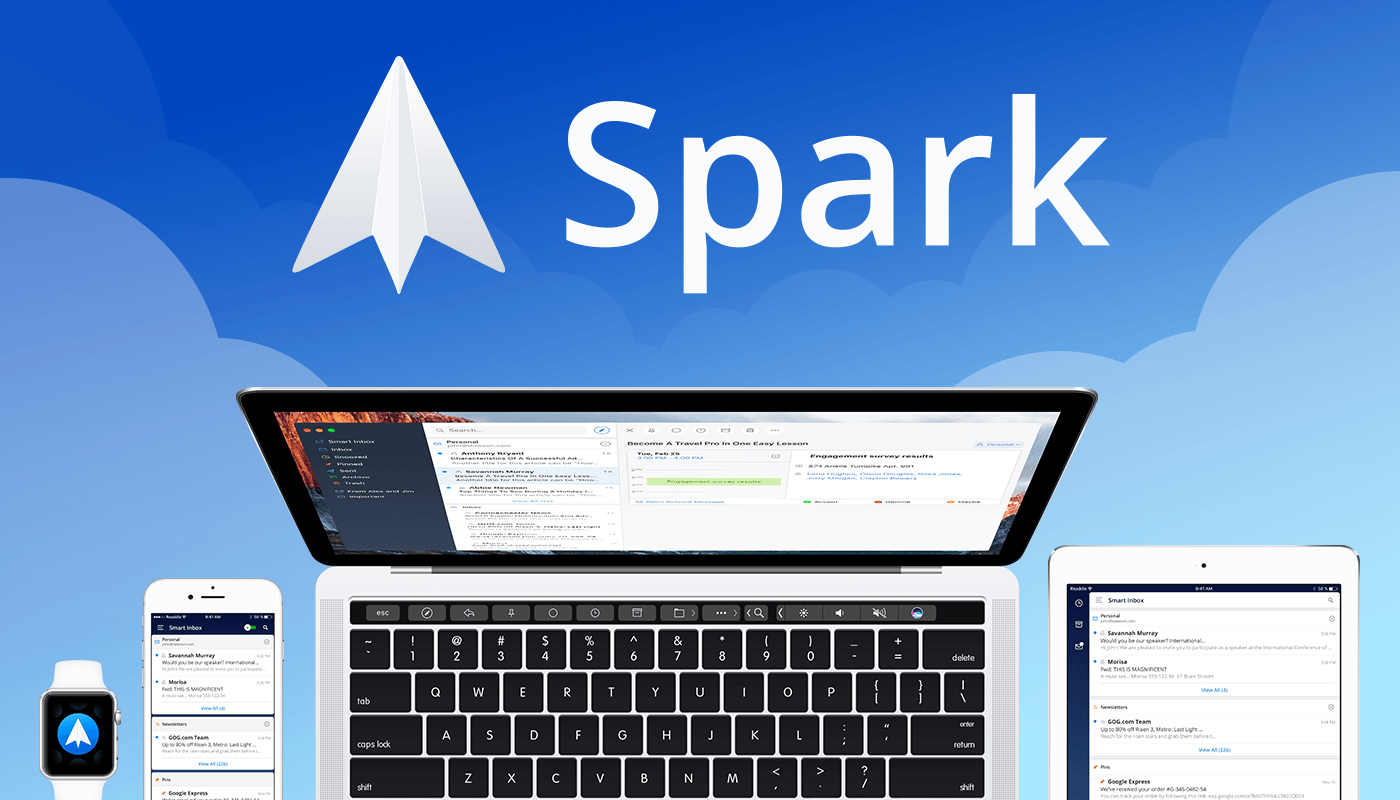
    Spark: The Future of Email [Sponsor]

    Email robs you of precious time. Spark recovers those lost moments by knowing what’s important and organizing it for you neatly and automatically.

    Spark’s smarts start with its inbox. Messages that arrive in Spark’s Smart Inbox are automatically categorized as Personal, Notifications, and Newsletters, which makes it easy to focus on what’s important and return what’s not later.

    Intelligent search makes it simple to find messages no matter where they are. Spark’s natural language algorithm thinks like you do. Just ask for messages the way you would if you were asking a friend.

    Email notifications are a problem that can spin out of control quickly. Spark uses Smart Notifications to filter out the junk and only notify you what you need to know now.

    In addition, Spark features beautifully designed card-style calendar invitations that can be accepted with just one tap, the ability to send later and set up reminders for messages that don’t receive a reply, message snoozing, and Quick Replies that let you acknowledge a message with a single tap. Spark also has customizable gesture actions and works with Dropbox, Box, iCloud Drive, and more. Spark is beautifully designed too with a threaded message view that makes following a conversation simple.

    As if that weren’t enough, in just a few short months, Spark 2.0 will introduce Spark for Teams, which will change the way teams collaborate giving them the ability to do things like comment and discuss messages and write messages together.

    The future is now. Download Spark today for free on iOS or on macOS and take control of your inbox.

    Thanks to Spark for supporting MacStories this week.


    Rainbrow, a Game Controlled by the iPhone X’s TrueDepth Camera

    Joe Rossignol, writing for MacRumors about Rainbrow, a free arcade game for the iPhone X that requires you to raise your eyebrows or frown to move the character on screen:

    Simply raise your eyebrows to move the emoji up, frown to move the emoji down, or make a neutral expression and the emoji stays still. Note that if you raise your eyebrows, and keep them raised, the emoji will continue to move in an upwards direction, and vice verse when maintaining a frowning expression.

    While there are no levels, the game gets increasingly difficult as more obstacles appear. The goal is simply to get the highest score possible, but players can only compete against themselves right now. Gitter told us that he plans to integrate Apple’s Game Center for multiplayer competition in a future update.

    Here’s a video of the game in action:

    I played this for 20 minutes last night. It’s genius. Using the TrueDepth camera on the iPhone X, Rainbrow can detect the movements of muscles around your eyes and thus ask you to raise or lower your eyebrows to move an emoji up and down to collect points. What makes this game feel like magic – as if the iPhone is reading your mind – is that there’s no camera preview on screen and no buttons to press: you don’t see your face in a corner; the game simply reacts to your expressions in real-time without an interface separating you from the actual gameplay. It’s fun, and it’s a good demonstration of the accuracy of the TrueDepth system.

    Here’s what I wrote two weeks ago in the TrueDepth section of my iPhone X story:

    I’ve been asking myself which parts of iOS and the iPhone experience could be influenced by attention awareness and redesigned to intelligently fit our context and needs. I don’t think this idea will be limited to Face ID, timers, and auto-lock in the future. What happens, for example, if we take attention awareness farther and imagine how an iPhone X could capture user emotions and reactions? TrueDepth could turn into an attention and context layer that might be able to suggest certain emoji if we’re smiling or shaking our heads, or perhaps automatically zoom into parts of a game if we’re squinting and getting closer to the screen. A future, more sophisticated TrueDepth camera system might even be able to guess which region of the display we’re focusing on, and display contextual controls around it. Siri might decide in a fraction of a second to talk more or less if we’re looking at the screen or not. Lyrics might automatically appear in the Music app if we keep staring at the Now Playing view while listening to a song.

    It might be a silly game, but Rainbrow is the kind of different application of TrueDepth I had in mind. The same goes for Nose Zone, a game that uses ARKit’s TrueDepth-based face tracking to turn your nose into a cannon to shoot squares (I’m serious). While these first TrueDepth games are fun gimmicks, I believe we’re going to see invisible, persistent attention awareness and expression tracking become embedded into more types of apps over the next year.

    Permalink

    How Apple Watch Saved One Man’s Life

    Amazing story shared by Scott Killian with 9to5Mac:

    Then Killian, who wears his Apple Watch to bed three to four nights a week for sleep tracking, says his Apple Watch woke him up around 1 am with an alert from a third-party app called HeartWatch saying his resting heart rate was elevated while sleeping (Apple recently introduced a built-in feature that can do this with Apple Watch Series 1 and later). Killian experienced mild indigestion which can be a sign of a heart attack, but says he generally didn’t feel sick.

    His Apple Watch charted his heart rate at around 121 beats per minute in the middle of the night while data previously captured showed his average resting heart rate at around 49 beats per minute. The data also showed that this was the first time his resting heart rate had reached this level since he began wearing Apple Watch, so he decided to go to the emergency room as a precaution.

    I’ve been using HeartWatch since it came out in late 2015 – if you care about heart rate stats monitored by the Apple Watch, I can’t recommend it enough.

    Permalink