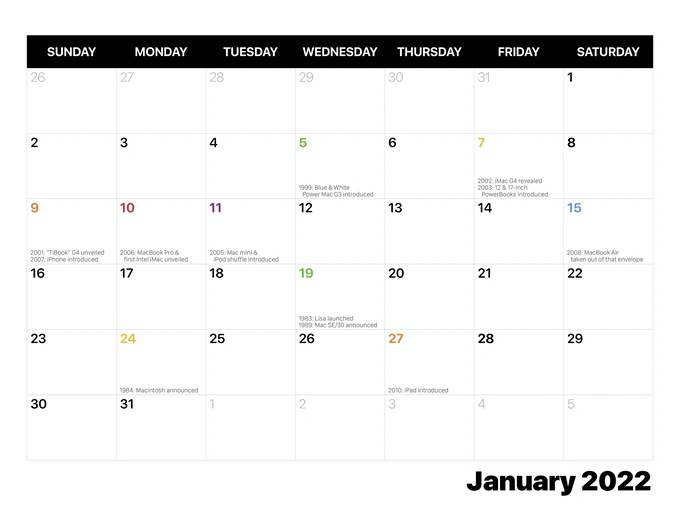
The 20”x13” 2022 calendar features product photography shot using hardware from Stephen’s extensive collection and marks important milestones in Apple hardware history alongside the usual holidays. Backers who pledge $30 will receive the calendar, but there are also options for a set of digital wallpapers featuring the photography used in the calendar for $5 or more and the wallpapers plus 4”x6” prints of the photos for $16 or more. You can pledge $42 or more to get everything too.
It’s been fun to watch Stephen put this project together over the past few weeks, and it’s a fantastic way to show off his collection of vintage hardware and the photography he’s done over the years. Digital calendars are great, but they can’t brighten up your room like these wonderful photos will.
Today Apple released the first public beta of macOS Monterey after just over three weeks of developer testing. The public beta is a chance for anyone who doesn’t have a developer account to preview the new features coming to the Mac’s OS this fall.
I’ve been using Monterey since the first developer beta was released during WWDC and switched to it full-time about a week ago when developer beta 2 was released. I’ll have a lot more to say about Monterey this fall when it’s officially released. However, having already spent a substantial amount of time using the OS for my everyday work, I wanted to share my first impressions with readers who are thinking about trying it too.
I’m sure there are a lot of MacStories readers eager to install the Monterey beta. It’s a good year to do that too. I haven’t run into any show-stopping bugs, and this year’s beta is far more approachable than the Catalina or Big Sur betas were. Those updates included fundamental shifts in the way the OS worked that made the update uncomfortable for some users. There’s some of that in Monterey, but less than in the past couple of years. Instead, Monterey introduces a collection of enhancements to existing system apps and new cross-system feature integrations that make the update useful immediately. Coupled with the debut of Shortcuts on the Mac, there’s a lot in this year’s beta that I’m sure MacStories readers will enjoy testing.
To Apple’s credit, much of Monterey feels like a natural extension of the OS’s existing features and system apps, even in the early betas. Focus, Quick Note, Live Text, and AirPlay to Mac all fit into that category, feeling right at home with the rest of the OS. However, that’s not universally true. I think Apple has overshot its target with Safari in some respects, which is disappointing in no small measure because there are also meaningful innovations coming to the browser this fall that have already been useful in my daily web browsing.
Of course, I’m also very excited about Shortcuts for Mac. If you’ve used the automation app on the iPhone or iPad and have a Mac, I don’t know how you couldn’t be eager to try the app. If you rely on Shortcuts as I do, Monterey is a very big deal that, even early in the beta cycle, delivers on the promise of a unified vision of automation across Apple platforms.
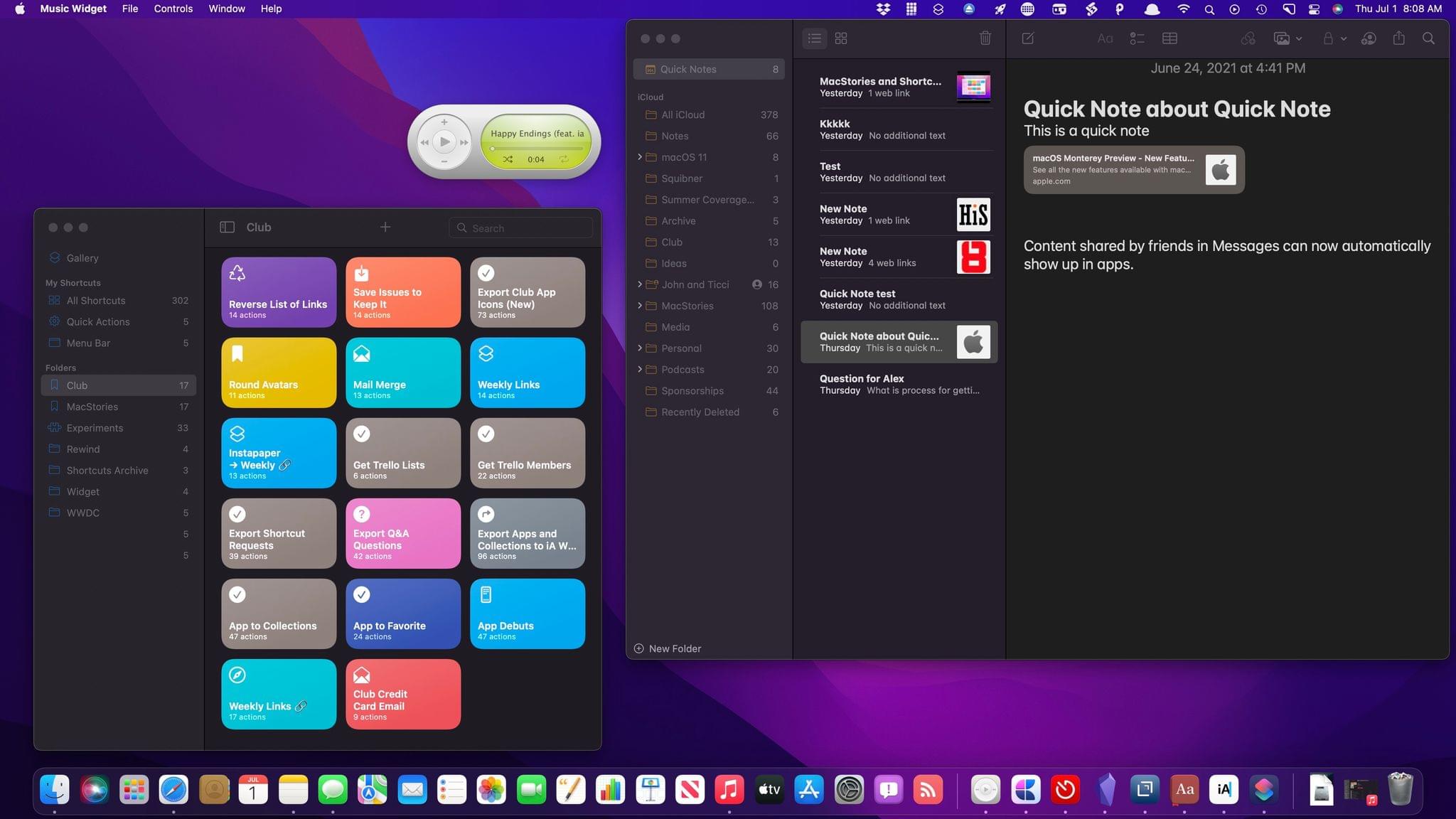
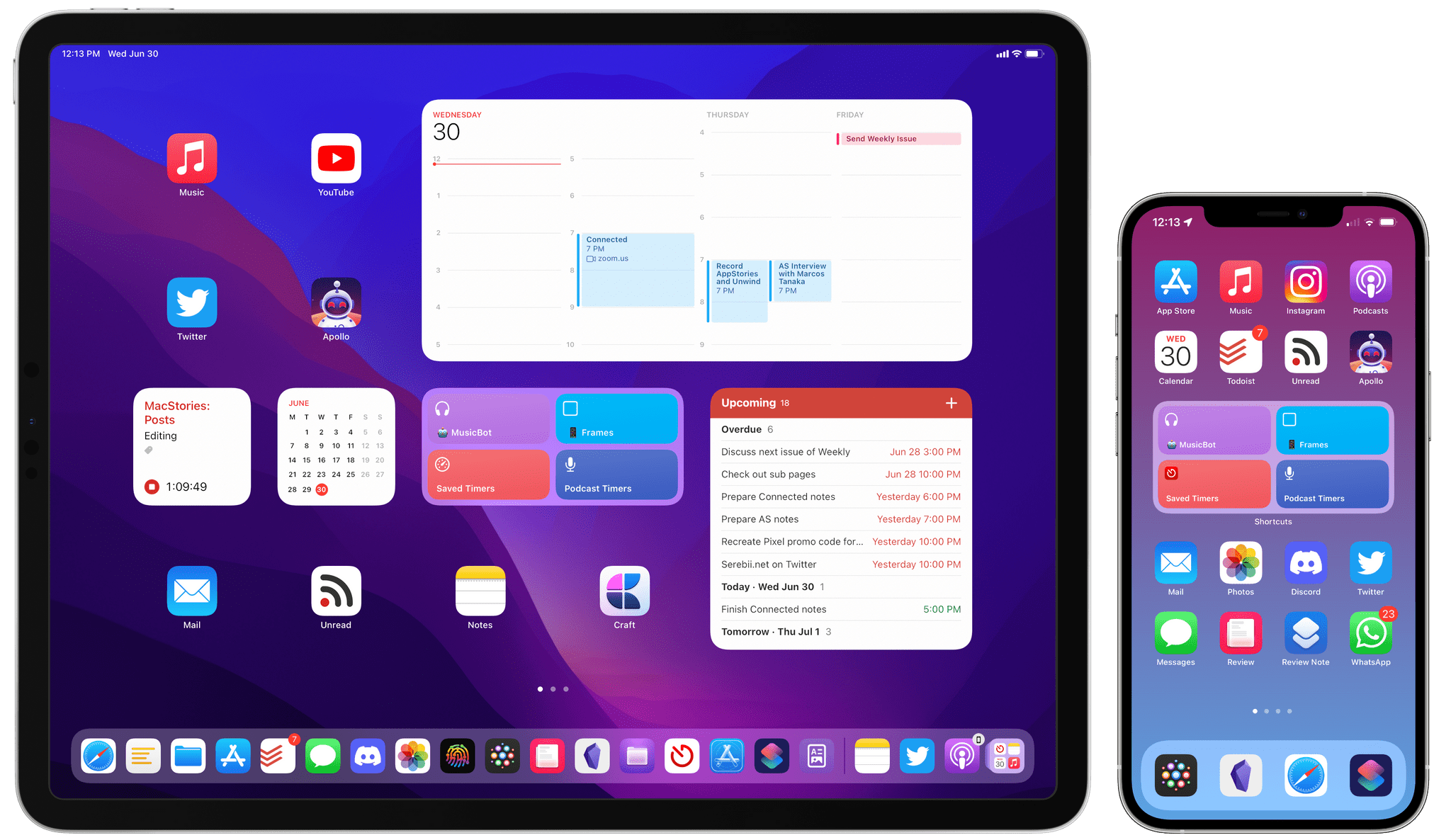
Many of my existing shortcuts worked immediately on the Mac.
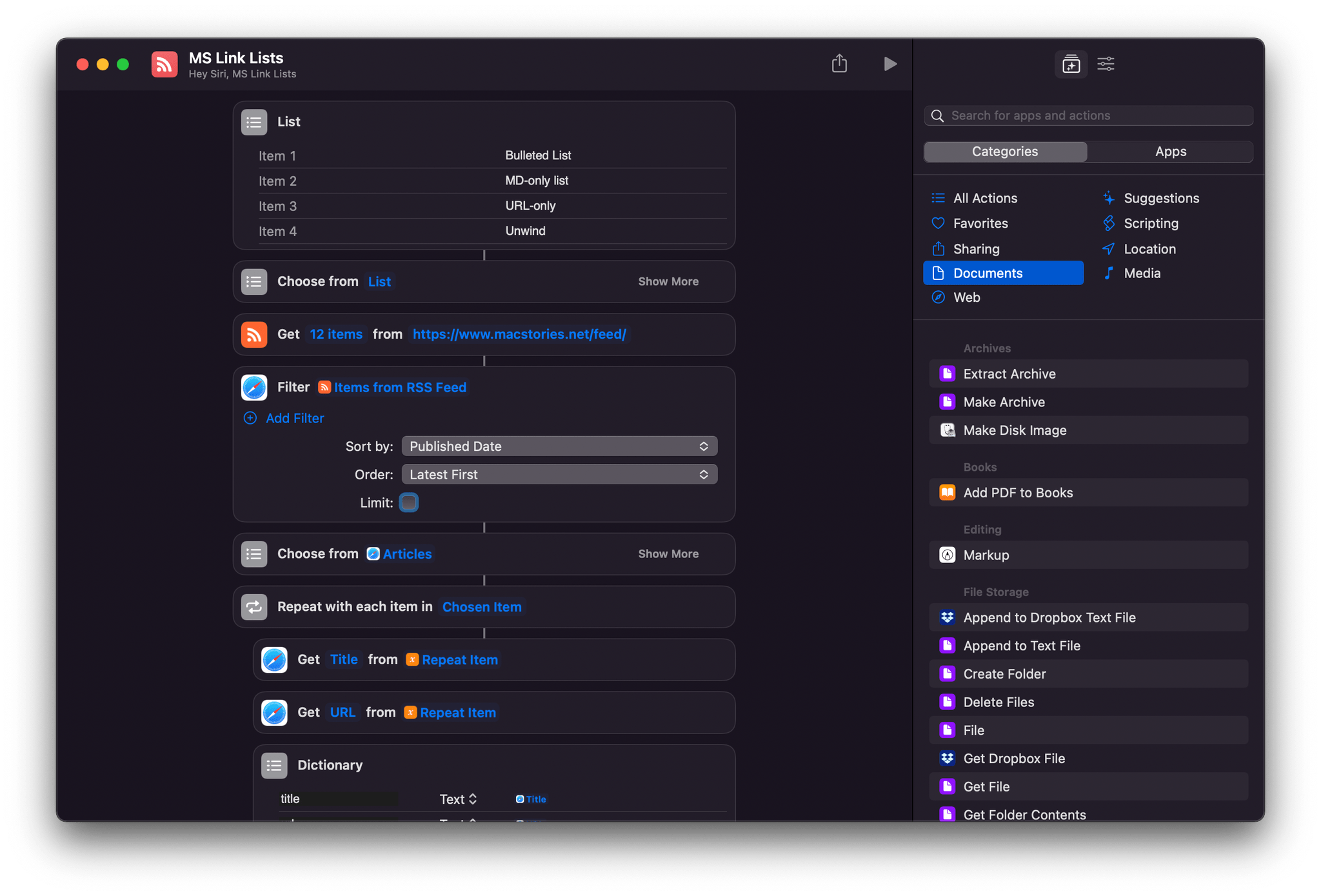
The Shortcuts team has done a remarkable job of ensuring that many of my everyday shortcuts already work without needing me to do anything. Combined with deep integration of existing scripting systems, Monterey backs up the statement made onstage at WWDC that Shortcuts is the future of automation on the Mac. There’s still work to be done before Shortcuts is as powerful as other Mac automation solutions, but the app is off to an excellent start.
Before diving into what it’s been like to work full-time with Monterey, it’s worth stepping back and considering where macOS has come from over the past few years. In many ways, Monterey feels like the third act of a story that’s played out since the introduction of Catalina. That update was a little unsettling. It was clear macOS was heading in a new direction, but the destination was unclear.
With the introduction of M1 Macs, improvements to Mac Catalyst, and Big Sur’s design changes, macOS’s destination began to come into focus. The OS was being aligned more closely with Apple’s other OSes through a combination of design and underlying technologies to create a continuum that respects device differences but unifies user experience across the entire lineup.
I don’t think I’d go so far as to declare Monterey the conclusion of macOS’s three-act drama. There are elements of tying up the loose ends left over from the prior two releases of the OS. However, we’re also seeing the first tangible examples of where the Apple silicon era will take the Mac even as the company continues to migrate the machines to its own SoCs.
One thing’s for certain, though: the sometimes awkward evolution of macOS over these past few years and the adjustments required to move the Mac and iPad into closer alignment are bearing fruit. For the first time in memory, Apple is releasing features across all of its platforms at once. The days of waiting for features that start on one platform to make their way to others seem to be coming to an end. That’s terrific news for users who will be able to move more freely between platforms without a steep learning curve, eliminating a lot of the frustration of the past.
With that, let’s dig into some of the details that I think will have an immediate impact on readers who download the macOS Monterey public beta.
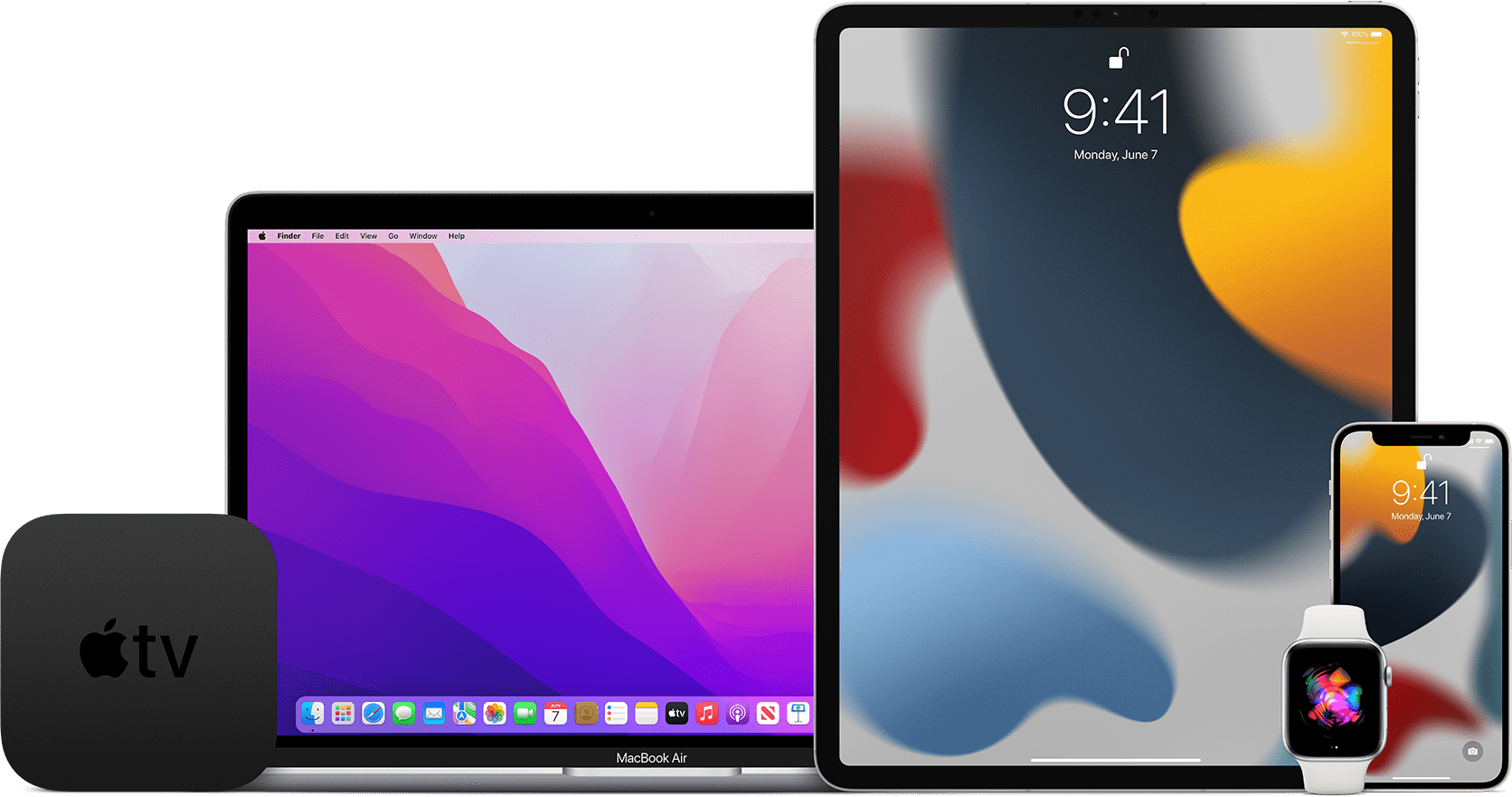
Apple has opened its public beta program for iOS 15, iPadOS 15, watchOS 8 and tvOS 15 on the Apple Beta Software Program website. macOS Monterey is not yet publicly available, but Apple’s beta site says it is ‘coming soon.’
Developers, who can access betas of Apple’s OS releases before the general public, received the first developer builds a few weeks ago during WWDC. If past practice is a guide, the public betas released today should be identical to the second developer beta released last week.
If you would like to sign up but haven’t, visit beta.apple.com and log in using your Apple ID. It should go without saying that you should only install betas on your devices after you’ve taken appropriate steps to protect your data and are willing to endure potentially buggy software.
Stay tuned for more over the summer too. The MacStories team is working on special preview stories that cover a wide range of features in the public betas as we approach the publication of our annual OS reviews this fall. Federico and I will also be doing special interview episodes of AppStories this summer to dig deeper into what the new OSes will mean to MacStories readers and the apps they love.
For the past three weeks, I’ve been running the developer beta of iOS and iPadOS 15 on my iPhone 12 Pro Max and M1 iPad Pro, respectively. Common wisdom says you’re not supposed to install early developer builds of iOS and iPadOS on your primary devices; I have to ignore that since work on my annual iOS and iPadOS reviews starts as soon as the WWDC keynote wraps up, which means I have to get my hands on the latest version of the iPhone and iPad operating systems as quickly as possible. As I explained on AppStories, putting together these reviews is some of the most challenging work I do all year, but it’s rewarding, I have fun with it, and it gives me a chance to optimize my writing setup on an annual basis.
The result of jumping on the beta bandwagon early is also that, at this point, having used iOS and iPadOS 15 daily for over three weeks, I have a pretty good sense of what’s going to be popular among regular users, which features power users are going to appreciate, and what aspects of the OSes still need some fine-tuning and tweaks from Apple. And with both iOS and iPadOS 15 graduating to public beta today1, I have some initial impressions and considerations to share. You could also see this story as advance work for this fall’s proper review, and you wouldn’t be mistaken: in this article, I’m going to focus on areas of iOS and iPadOS 15 that I’ll also cover more in depth later this year.
Let me cut to the chase: I don’t think iOS and iPadOS 15 are massive updates like iOS and iPadOS 13 or 14 were. There are dozens of interesting new features in both updates, but none of them feels “obvious” to demonstrate to average users like, say, dark mode and iPad multiwindow in iOS and iPadOS 13 or Home Screen widgets in last year’s iOS 14. And, for the most part, I think that’s fine. The wheel doesn’t have to be reinvented every year, and the pandemic happened for everyone – Apple engineers included.
In many ways, iOS and iPadOS 15 remind me of iOS 10 and 12: they’re updates that build upon the foundation set by their predecessors, bringing welcome consumer additions that, while not earth-shattering, contribute to making iOS more mature, intelligent, and deeply integrated with Apple’s ecosystem.
If you’re installing the iOS 15 public beta today and want to show it off to your friends, know this: Live Text in the Camera and custom Focus modes make for the best demos, followed by the new Weather app and rethought multitasking controls on iPad. SharePlay is neat but can feel already dated now that more countries are rolling out vaccinations and returning to a semi-regular social life; the new Safari needs more work; Mail is surprisingly unchanged despite the rise of remote work in the past year. That’s how I would describe iOS and iPadOS 15 in two sentences as of the first public beta released today.
Of course, however, I want to share a bit more about iOS and iPadOS 15 while I’m busy working on my annual review. So for this preview story, I’ve picked three areas of iOS and iPadOS 15 I’ve spent the most time testing and tinkering with over the past few weeks. This year, I’m including a ‘What I’d Like to See Improved’ sub-section for each of the areas I’m covering in this story. I thought it’d be fun to summarize my current criticisms and suggestions for each feature, and it should be interesting to revisit these in the fall when iOS and iPadOS 15 are released.
This week on AppStories, we walk through all the changes coming to Shortcuts this fall, including changes to the Shortcuts editor and the new actions you’ll find in Shortcuts on the iPhone, iPad, and Mac.
We kicked off the MacStories Summer OS Preview Series on AppStories a couple of weeks ago with interviews of four 2021 Apple Design Award winners. We’ll also publish a series of in-depth first-looks at what users can expect this fall from iOS and iPadOS 15, macOS Monterey, and watchOS 8. We’ll also be interviewing developers on AppStories, exploring the technical details that we expect will have the biggest impact on upcoming app updates and releases. You can follow along with the series through our dedicated hub or subscribe to its RSS feed.
Today, we wanted to continue the conversations that began with the AppStories ADA interviews by talking to seven more developers about a wide range of topics. Now that the initial excitement has passed and the dust settled from WWDC, we wanted to hear more from the developers who will be using Apple’s latest technologies to bring readers new apps and innovative updates to readers this fall.
The following is a collection of the responses from each of the developers I interviewed on a wide range of topics from new frameworks and APIs to Shortcuts on the Mac, the ability to publish apps built on the iPad, SharePlay, SwiftUI, Swift concurrency, and more. Thanks so much to everyone for sharing their insights on these topics with MacStories readers. We greatly appreciate everyone taking time out of their busy post-WWDC schedules to participate.
I received fantastic, thoughtful responses from all of the developers I interviewed, which resulted in more material than I could use for this story. However, we’ll be featuring unabridged versions of the interviews in the next two issues of MacStories Weekly. It’s an excellent way to get an even deeper sense of the ramifications of this year’s WWDC announcements. If you’re not already a member, you can learn more at //www.macstories.net/club or sign up below.