As 2017 draws to a close, we’ve seen what may prove to be a shift in iOS gaming. With the recent introduction of app pre-orders, iOS may attract more paid-up-front indie games and ports of console and PC titles than in the past. Pre-orders aren’t limited to games, but it’s no coincidence that the first batch of pre-orders released on the App Store were all successful indie titles.
It’s too early to tell if recent developments are the beginning of a trend towards a more diverse and interesting iOS game market or a one-off anomaly that will fizzle, but I hope it takes hold. The prospect of the App Store attracting new sorts of games could broaden the appeal of iOS as a gaming platform, which in turn, could change the dynamic of iOS gaming in 2018.
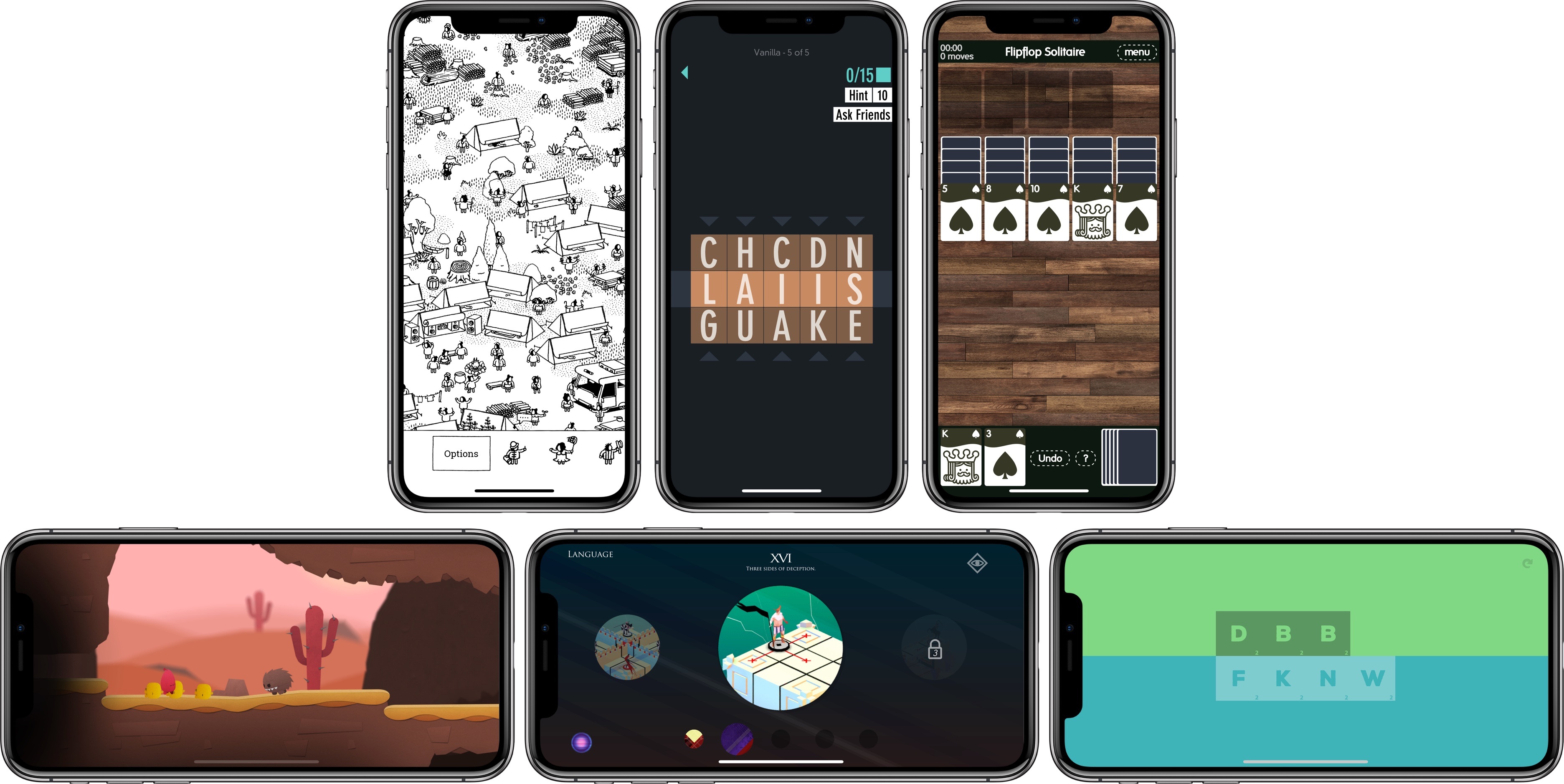
We’ll have to wait to see what 2018 has in store, but in the meantime, the end of the year is a good time to look back. It’s always hard to pick favorites. So many excellent games were released this year, and I didn’t have time to try them all, but here are my six favorites of the 37 that I covered in 2017 along with links to each of the reviews of them.
Simply raise your eyebrows to move the emoji up, frown to move the emoji down, or make a neutral expression and the emoji stays still. Note that if you raise your eyebrows, and keep them raised, the emoji will continue to move in an upwards direction, and vice verse when maintaining a frowning expression.
While there are no levels, the game gets increasingly difficult as more obstacles appear. The goal is simply to get the highest score possible, but players can only compete against themselves right now. Gitter told us that he plans to integrate Apple’s Game Center for multiplayer competition in a future update.
Here’s a video of the game in action:
I played this for 20 minutes last night. It’s genius. Using the TrueDepth camera on the iPhone X, Rainbrow can detect the movements of muscles around your eyes and thus ask you to raise or lower your eyebrows to move an emoji up and down to collect points. What makes this game feel like magic – as if the iPhone is reading your mind – is that there’s no camera preview on screen and no buttons to press: you don’t see your face in a corner; the game simply reacts to your expressions in real-time without an interface separating you from the actual gameplay. It’s fun, and it’s a good demonstration of the accuracy of the TrueDepth system.
I’ve been asking myself which parts of iOS and the iPhone experience could be influenced by attention awareness and redesigned to intelligently fit our context and needs. I don’t think this idea will be limited to Face ID, timers, and auto-lock in the future. What happens, for example, if we take attention awareness farther and imagine how an iPhone X could capture user emotions and reactions? TrueDepth could turn into an attention and context layer that might be able to suggest certain emoji if we’re smiling or shaking our heads, or perhaps automatically zoom into parts of a game if we’re squinting and getting closer to the screen. A future, more sophisticated TrueDepth camera system might even be able to guess which region of the display we’re focusing on, and display contextual controls around it. Siri might decide in a fraction of a second to talk more or less if we’re looking at the screen or not. Lyrics might automatically appear in the Music app if we keep staring at the Now Playing view while listening to a song.
It might be a silly game, but Rainbrow is the kind of different application of TrueDepth I had in mind. The same goes for Nose Zone, a game that uses ARKit’s TrueDepth-based face tracking to turn your nose into a cannon to shoot squares (I’m serious). While these first TrueDepth games are fun gimmicks, I believe we’re going to see invisible, persistent attention awareness and expression tracking become embedded into more types of apps over the next year.
With the recent release of Animal Crossing: Pocket Camp, Nintendo has now delivered all of its previously announced smartphone games. The shocking change in company policy that lead to the development of these titles was one of the final projects that Nintendo’s former president, Satoru Iwata, managed before his untimely passing.
These games have been a mixed bag of success for Nintendo, both in terms of quality and profits, and since all of the known games are now out in the wild, it’s a good time to check in and see where each Nintendo mobile game stands at the end of 2017.
My goal here is to examine what the games set out to achieve, how successful they were with those goals on launch, where they are today and where they can go from here.
Finch is spot-on about Super Mario Run and what went wrong with the game, and I agree with his assessment of Animal Crossing’s future potential. I wonder what Nintendo could do with a future mobile Zelda game.
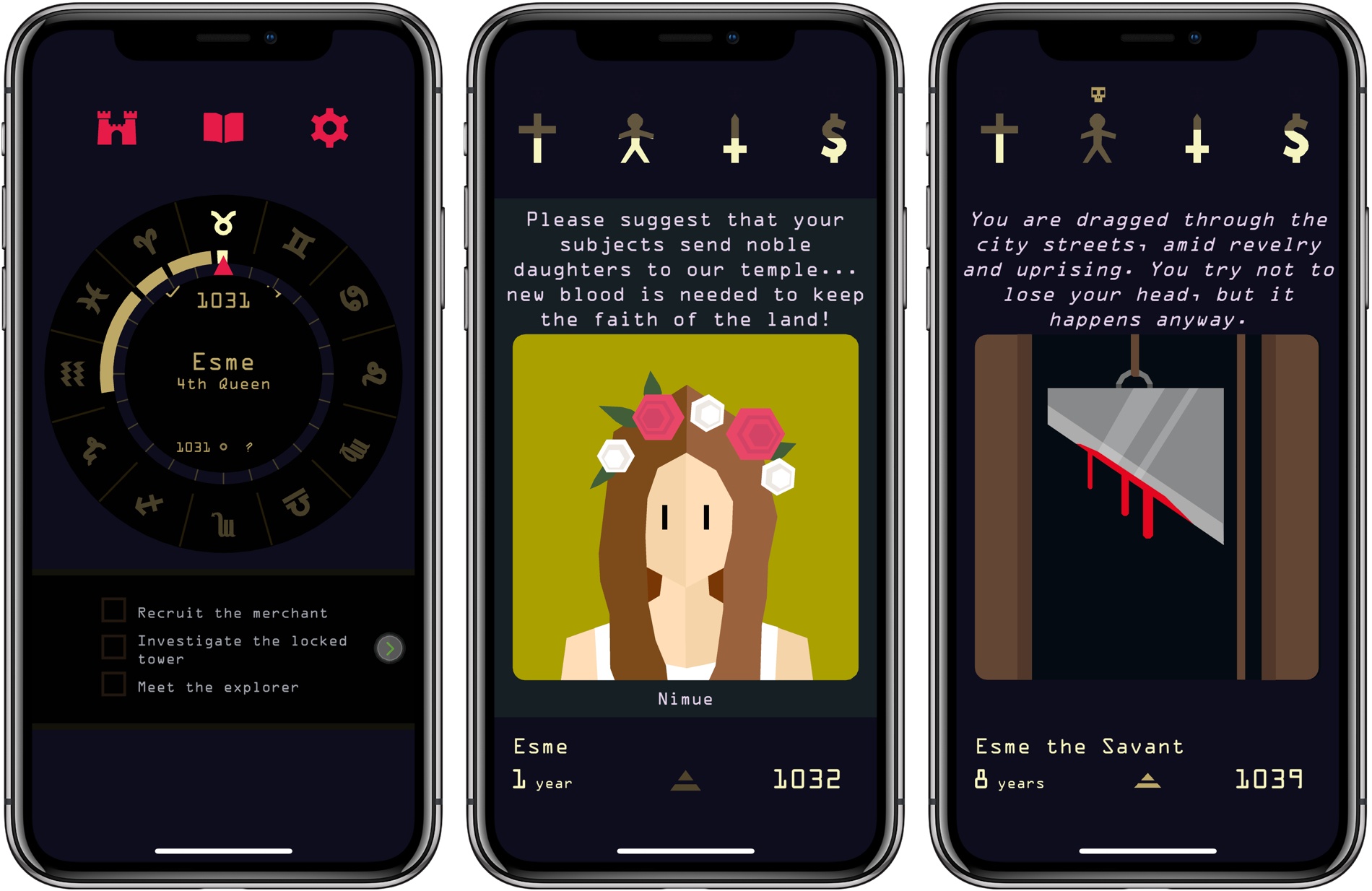
Nerial undoubtedly has another hit on its hands with Reigns: Her Majesty. The iOS game, which is published by Devolver Digital, will be familiar to anyone who played its forerunner, Reigns. The game mechanics and art style are largely the same, but there’s greater depth and nuance to Her Majesty, which takes it beyond a dull retread of a hit formula.
Instead, the game showed up unexpectedly early on November 21st. This isn’t the first time Nintendo has surprised fans with an early release. In September, after announcing a release date for a major update to Super Mario Run on the App Store, Nintendo released that game a day early too.
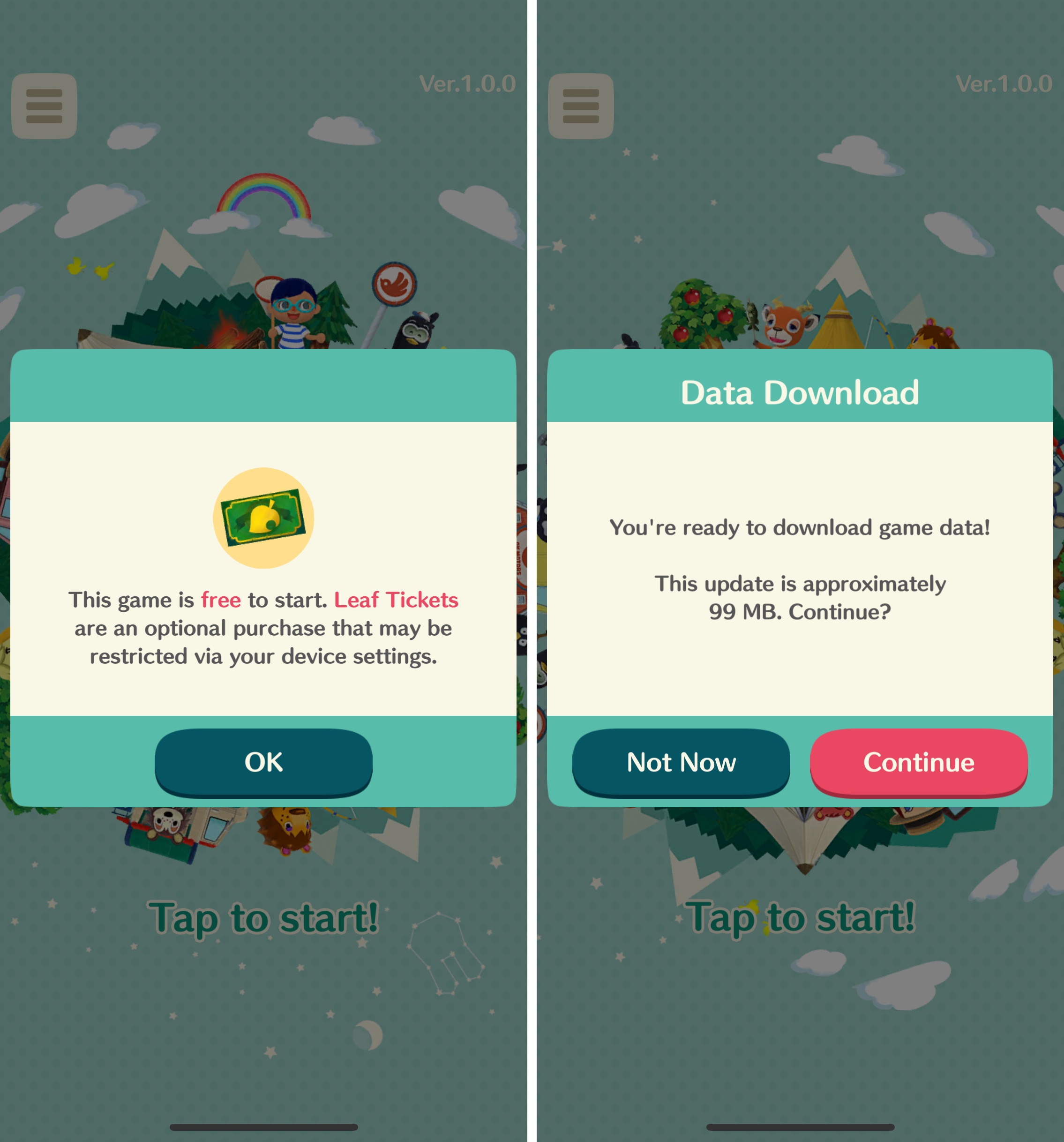
In a move that may be in response to complaints that some levels of Super Mario Run required an in-app purchase, Animal Crossing is up front about its pricing, imposing a popup during the setup process that explains that Leaf Tickets, which are an in-game currency, can be purchased, but are optional. Before you can get started, there are also other instructions and a 99 MB update to download. It’s a laborious process but doesn’t take long if you have a good Internet connection.
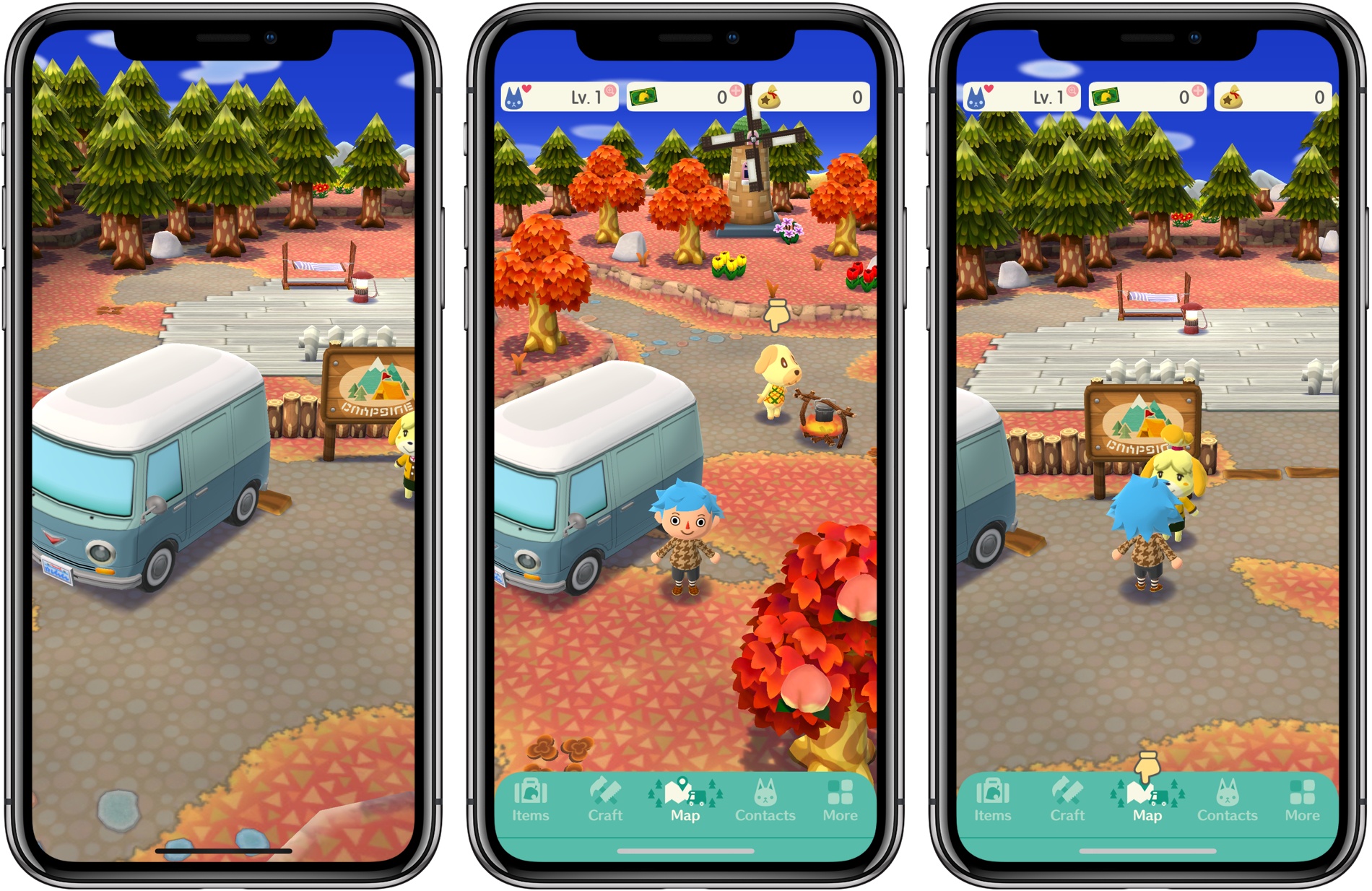
Animal Crossing is based on Nintendo’s 3DS title Animal Crossing: New Leaf - Welcome amiibo and includes some of the same characters. You play as the manager of a campground, building your campsite and interacting with animals you meet. As you play, you collect items and complete tasks for the animals you meet. The materials you collect are used to craft items to decorate your campsite. Leaf Tickets, which you can earn in-game or purchase as an In-App Purchase can be used to purchase accessories for your campsite or speed up the construction of items.
I have only just scratched the surface of Animal Crossing, but it looks great, especially on an iPhone X. The game’s colors are vivid, and it takes full advantage of the iPhone X’s display. While not as deep as the Animal Crossing games available on Nintendo’s hardware, Pocket Camp looks like a fun way to spend some time over the long Thanksgiving weekend in the US. I’m also looking forward to connecting with friends who have Nintendo accounts to see what kinds of campsites they build.
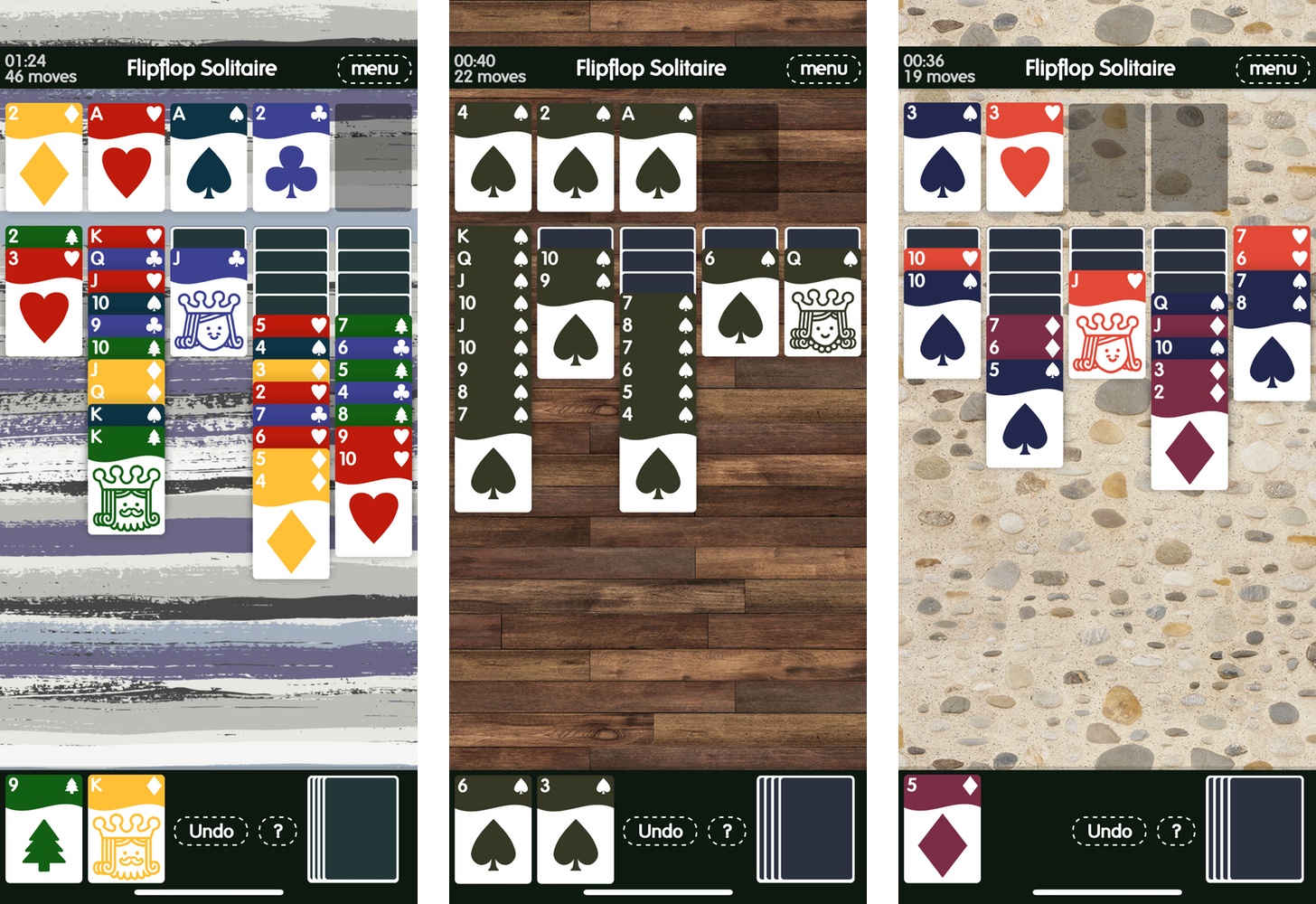
Zach Gage has a reputation for messing with the rules of classic games with releases like Bad Chess and Sage Solitaire. With Flipflop Solitaire, Gage is back with another take on solitaire that’s simultaneously familiar and disorienting. The result is a fun, addictive game that breathes new life into the traditional card game.
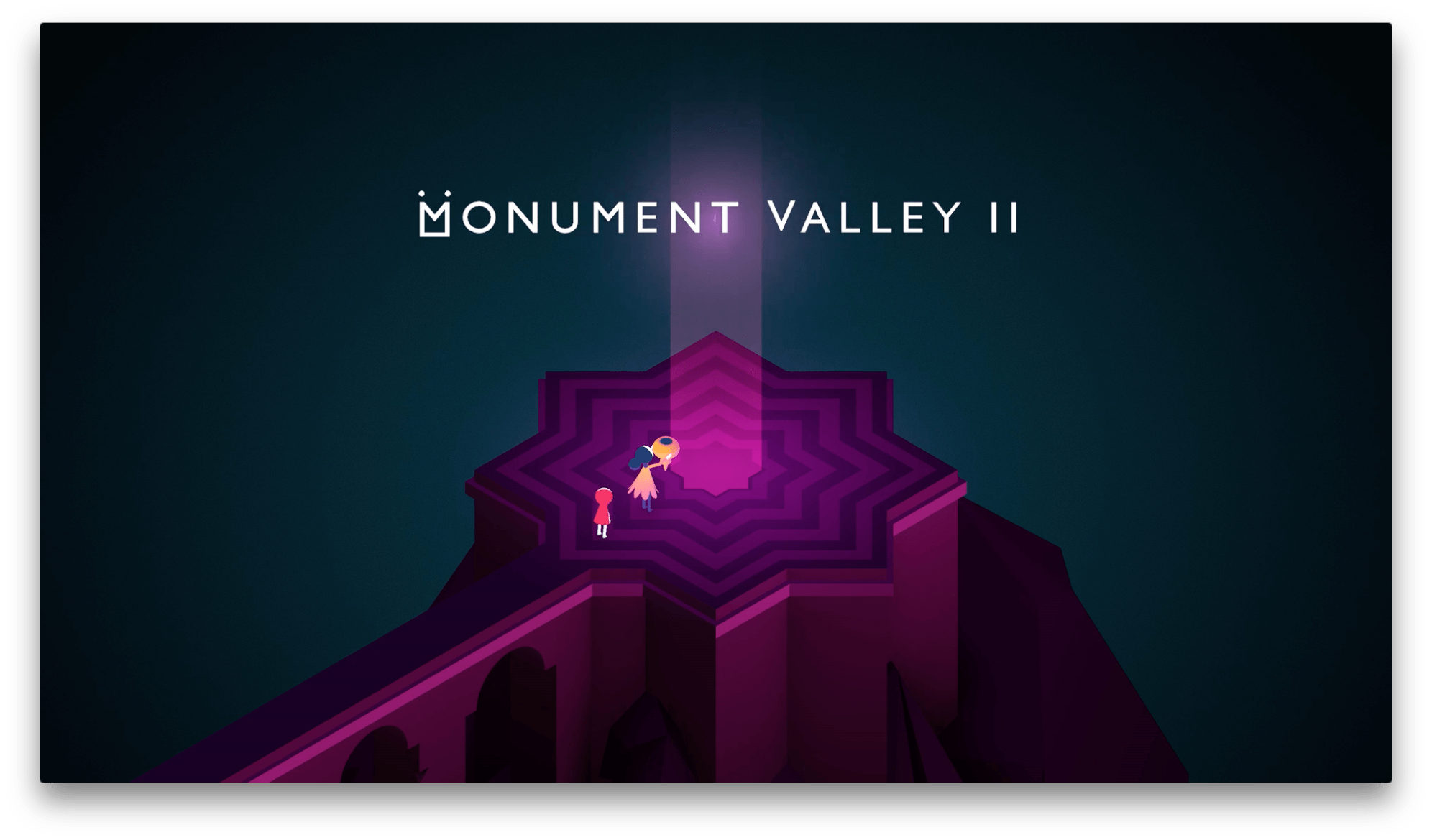
Since WWDC, the follow-on to one of the biggest App Store hits in recent years is selling well, including in China where sales are greater than in the US. Still, it remains to be seen whether ustwo’s latest release can match the original, which did even better in its second year on the App Store. Asked about how that kind of success can be replicated, ustwo head Dan Gray said:
“Your game needs to operate on a number of levels — at least that’s how we work,” he says. “When we think about how kids interact with Monument Valley, they treat it like a toy. There are these amazing structures, and it’s very tactile, there’s a lot of audiovisual feedback. That’s the most simple form of interaction. And then there are the people who understand the basic premise. In Monument Valley 2, that is a mother and child trying to solve problems together. Then there are the people who talk on internet forums and Twitter, and have really high-level, deep discussion.”
The Verge’s profile coincides with the release of a behind-the-scenes video created by ustwo that follows its team as they fly to San Jose and reveal Monument Valley 2 to the world.
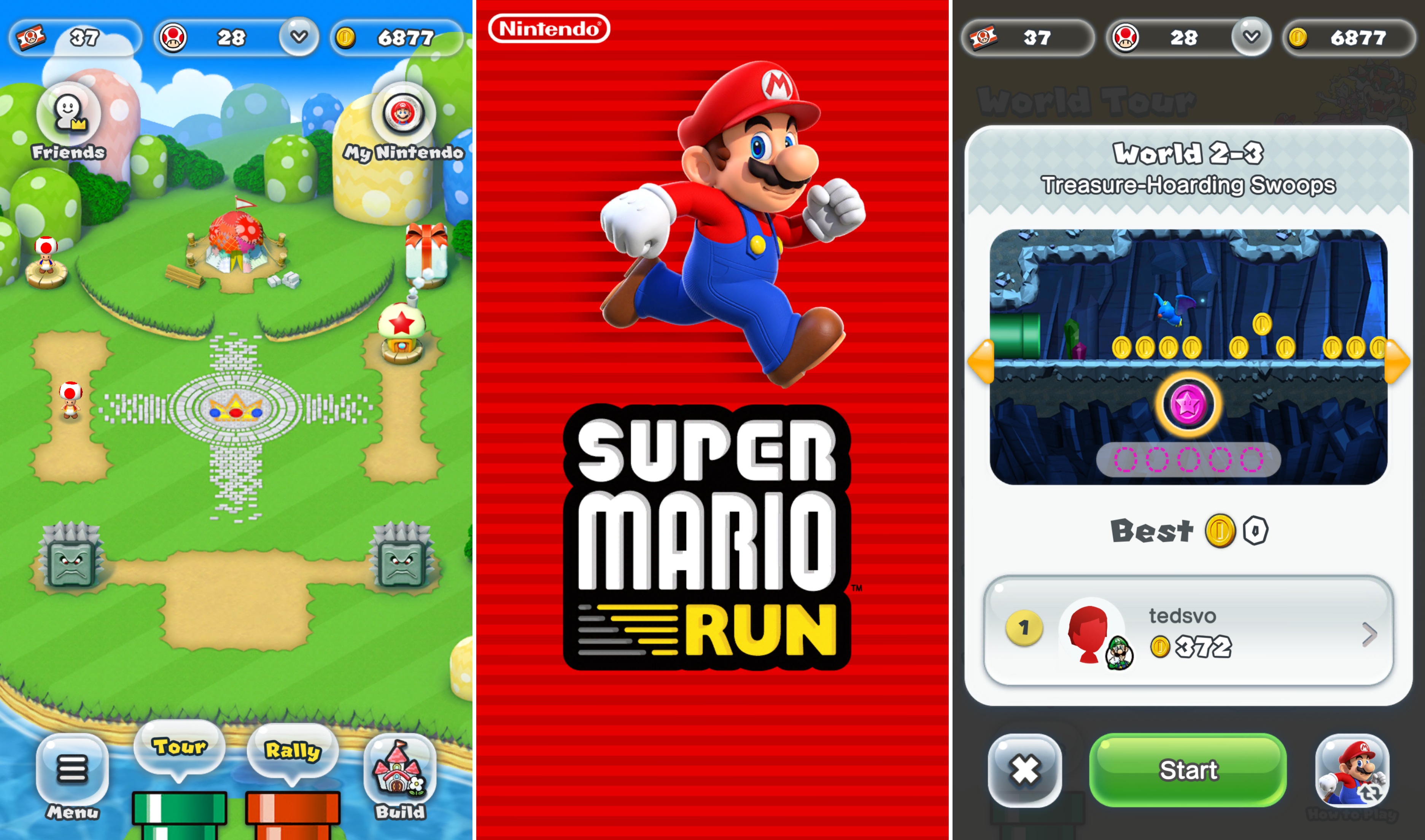
As part of its earnings report, Nintendo announced today that its iOS game, Super Mario Run, has not yet reached ‘acceptable profits.’ At this point, nearly a year after the game’s debut, it’s hard to imagine when, if ever, that point will be reached barring a major shift in the game’s business model.
Super Mario Run took the App Store by storm in December 2016 breaking download records and topping the charts around the globe. But the game, which is free to download costs $9.99 to unlock all the levels. That’s a steep price by App Store standards for games. About a month later, the Wall Street Journal reported that Super Mario Run had been downloaded 78 million times and earned $53 million in revenue.
In contrast, Nintendo says that Fire Emblem, which was released in February and features a free-to-play model, has met its profit objectives. The same in-game consumables model has been adopted for Animal Crossing: Pocket Park, which is available in Australia and New Zealand but won’t debut in the rest of the world until late November.
I’m not a fan of free-to-play games in general, although they can be done tastefully. Perhaps Nintendo’s profit expectations for Super Mario Run were too optimistic from the start, but it’s hard to argue against free-to-play for a company like Nintendo when even its most beloved franchise is perceived a failure on mobile platforms.