Shaking off the Cobwebs
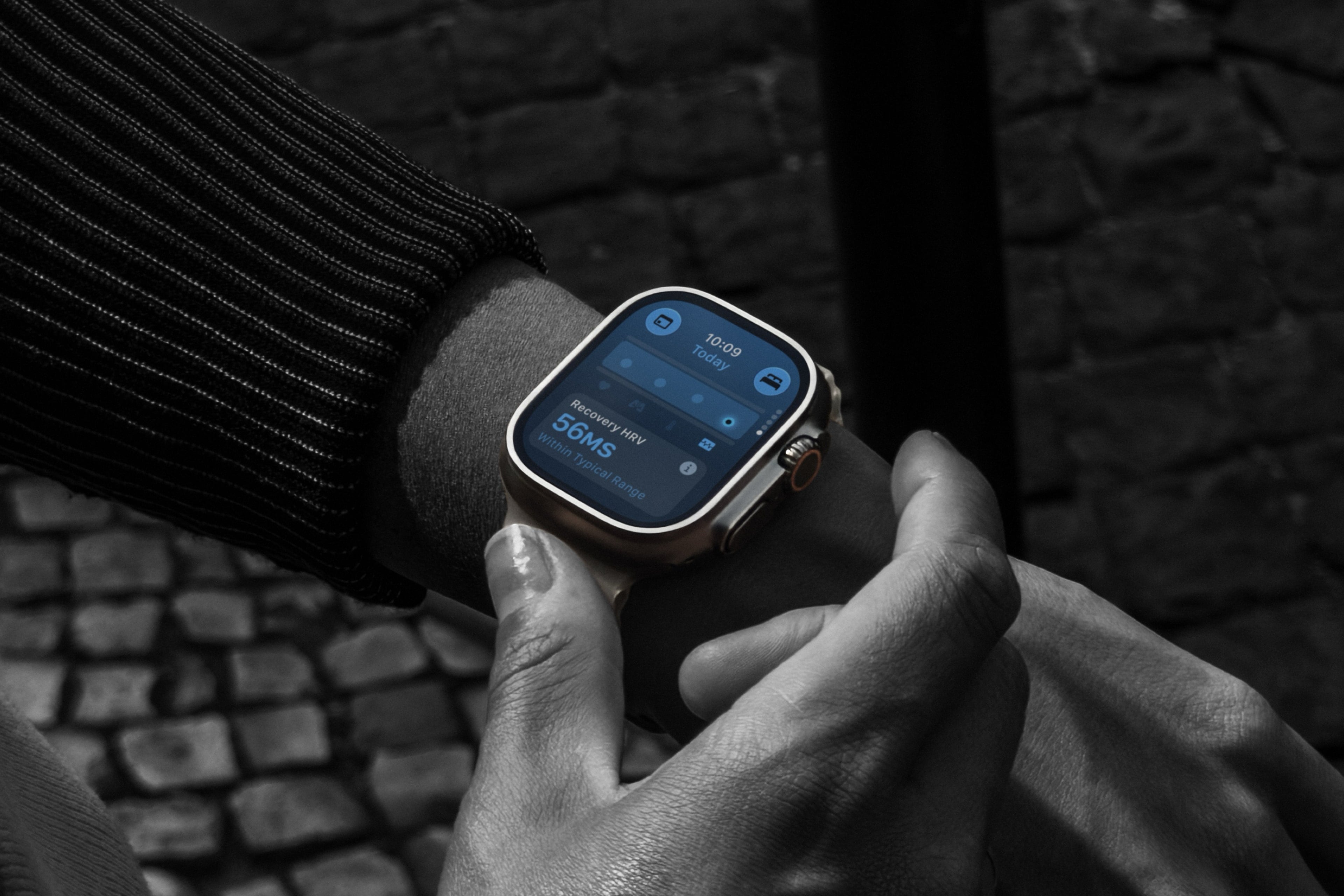
It’s funny to write a watchOS review hot on the heels of finishing my macOS Golden Gate review. In some ways, the two couldn’t be more different. My Apple Watch Ultra 3’s screen is about two inches diagonally and is designed to be interacted with in small, fleeting doses. Meanwhile, I’m writing this on my Mac Studio, using a 32-inch OLED display and an OS that’s as hands-on as they get.
Yet at the same time, there’s a similar transition going on with Apple Watch hardware and its OS that reflects a similar thing I see in macOS. Apple silicon lit a fire under macOS, opening up new ways to use Apple’s computers. That’s only accelerated with AI.
watchOS is in a similar place. The Apple Watch is already one of the most popular smartwatches on the planet, giving Apple Intelligence a place on a lot of wrists. Apple is raising the minimum hardware requirements for watchOS while introducing another set of capabilities exclusive to its newest Watches. We’re witnessing a shift from small, incremental watchOS changes to a new category of features. Starting with Live Rewind and Siri Recap, those additions have the potential to define the device’s future.
Today, the watchOS features that are currently available are more modest, typical features. I love the expansion of the Smart Stack, the new Siri app is incredibly useful as an extension of the app on other platforms, and it’s great to have Workout Buddy along for my runs without my iPhone.
In any year, I’d be happy with those and the other updates to watchOS, but this year, they feel like the first course of what I expect will be a great year for watchOS. AI has shaken the cobwebs off of watchOS, and I can’t wait to see what’s next.