This Week's Sponsor:

GoodLinks

Save articles for later and enjoy them when you have time


Posts tagged with "apple watch"

Chance Miller on the Apple Watch Series 12 and Ultra 4→

Apple Watch reviews are out and Chance Miller at 9to5Mac has an excellent, in-depth look at both the Series 12 and Ultra 4. One of the things that Chance points out that might not be immediately obvious to many people is that the inclusion of an always-on chip as part of the S11 system on a chip allows Apple to fill meaningful gaps in both Watches’ data collection:

They will capture your heart rate every five seconds, regardless of whether you’re moving or stationary. Having such frequent and accurate heart rate readings unlocks new levels of data and insight.

When measuring your heart rate once every five minutes while stationary, previous Apple Watch models had an inherent blind spot. They either didn’t capture moments where your heart rate increased while not working out, or they captured one or two arbitrary readings somewhere in the middle of those moments.

That always-on component, combined with the Secure Exclave, is what Apple will also use to keep microphone data private and secure for features like Live Rewind and Siri Recap that are coming later this year.

It was these more frequent heart rate and HRV readings, along with the larger, more accurate sensor on the rear of the Apple Watches, that led me to order an Ultra 4. So I was also glad to see this observation from Chance after his first week with the new Watches:

In my one week with the Apple Watch Series 12 and Apple Watch Ultra 4, I’ve found that added data very insightful. I’m learning more about how little things I do throughout the day impact my heart rate. For example, I can visualize the impact of a late afternoon cup of coffee, or the impact of a stressful moment at work.

That’s the sort of feedback that you can act on and the kind of data that I expect developers will be able to use to make even more meaningful apps across the health and wellness spectrum.

Permalink

watchOS 27: The MacStories Review

I haven’t been this excited about an Apple Watch in a long time. Last week, Apple introduced the Apple Watch Series 12 and Apple Watch Ultra 4, which will be available at the end of the week. The new Watches feature the S11 chip, which enables a bunch of new features, some of which won’t debut until later this year. At the same time, Apple is dropping support for more Watches than usual.

What we’re witnessing is a reboot of the Apple Watch and watchOS forced by advances in AI. The Apple Watch and its OS found their niche years ago, freeing us from pulling out our iPhones for notifications, tracking our health and fitness, and enabling the occasional Siri request. It was a good and comfortable spot for what by all accounts has been one of the most successful wearables to date, but watchOS also felt stuck in a rut.

Every year we got a few new workout types, a new watch face, and a few other features, but the OS didn’t advance much. What’s different this year is that watchOS 27 is breaking with slower hardware and looking forward to the substantially more powerful S11 chip, which will allow the Apple Watch to expand into all-new areas.

What this transition also means is that there is not just one set of features to track in watchOS 27 this year but three:

  • those that arrive today for anyone with a compatible Apple Watch,
  • those that arrive at the end of the week that are exclusive to the new Apple Watch Series 12 and Ultra 4, and
  • those that are coming later this year.

That makes this more than just a review. It’s also a preview of things to come and a roadmap for where the Apple Watch is heading.

There’s more than usual to cover this year, so let’s dive in and check it out.

Read more


Apple’s Surprise and Shine Event: All the New Accessories

Apple’s hardware announcements usually bring a wave of smaller additions to the Apple Store. We’ve gone through the new cases, straps, wallets, and Apple Watch bands introduced alongside today’s products and collected the details below.

iPhone cases and accessories

iPhone 18 Pro and iPhone 18 Pro Max cases

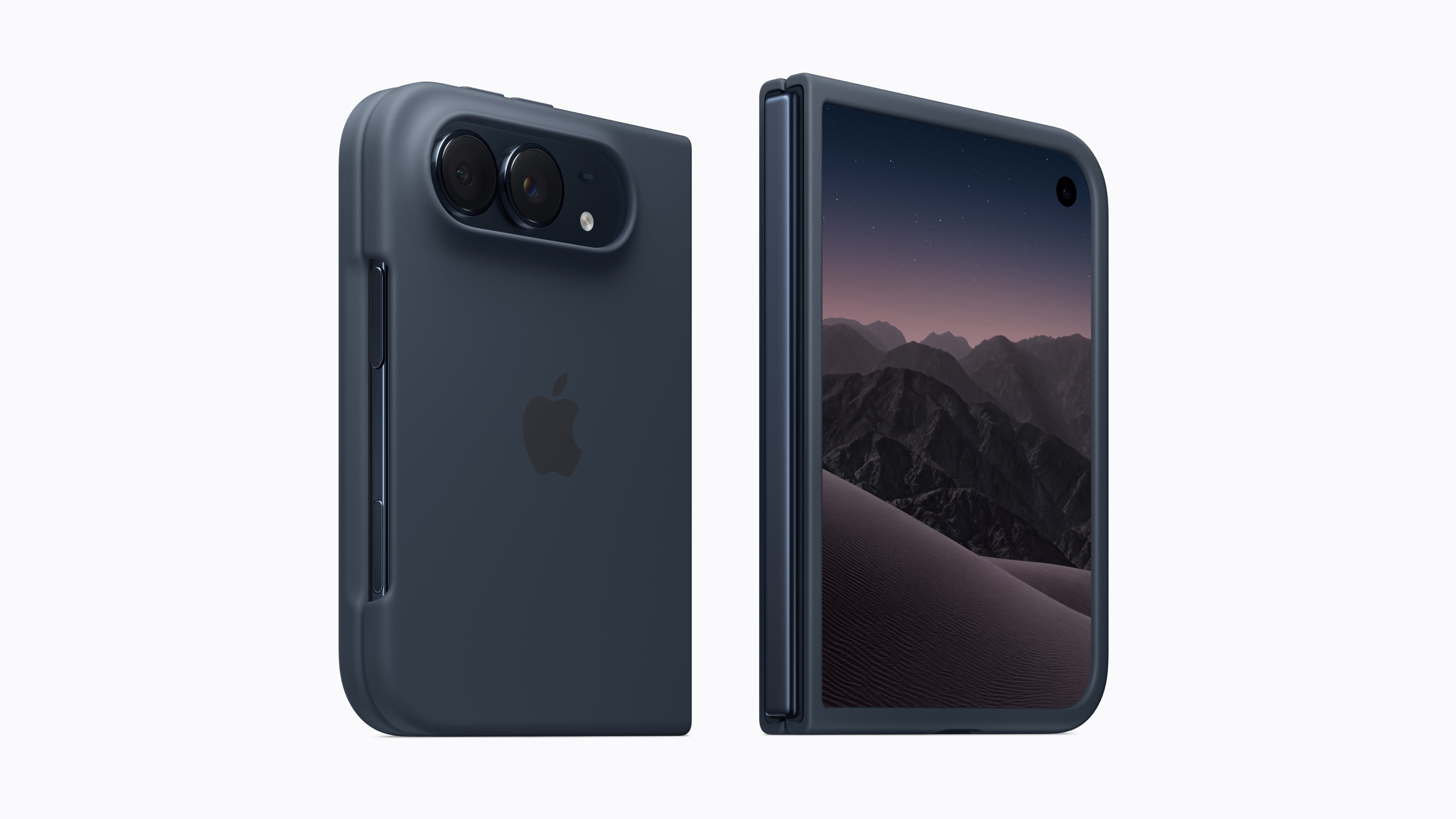
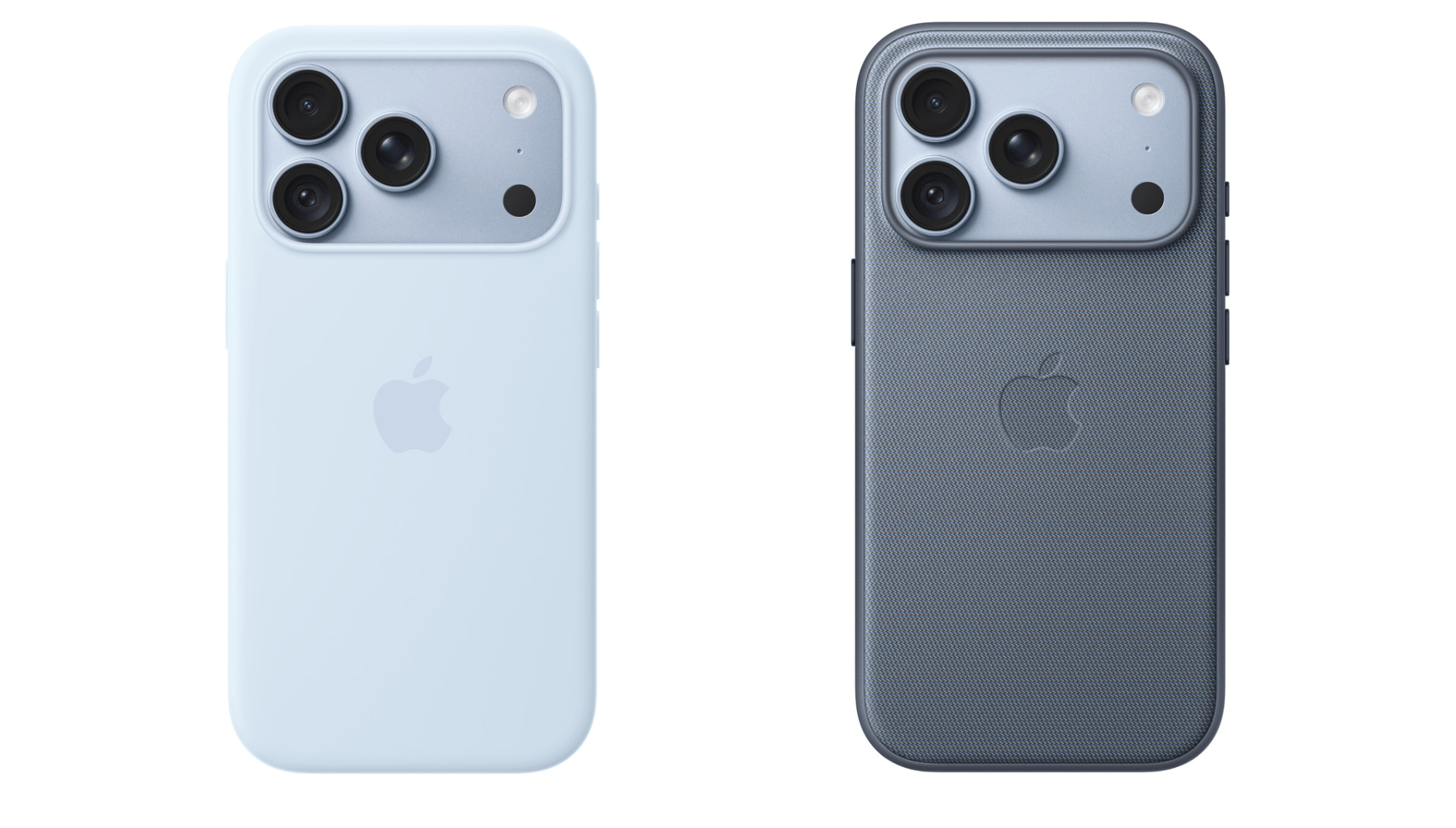
Apple announced new silicone and TechWoven cases for the iPhone 18 Pro and iPhone 18 Pro Max. The silicone case is $49 in the U.S. and comes in Burgundy, Olive, Crisp Blue, Navy Blue, Magenta, and Black. The TechWoven case is $59 in the U.S. and comes in Burgundy, Olive, Taupe, Chambray Blue, Mulberry, and Black. Apple is also offering a clear case for $49 in the U.S.

Silicone case (left) and TechWoven case (right) for iPhone 18 Pro.

Silicone case (left) and TechWoven case (right) for iPhone 18 Pro.

iPhone Duo cases

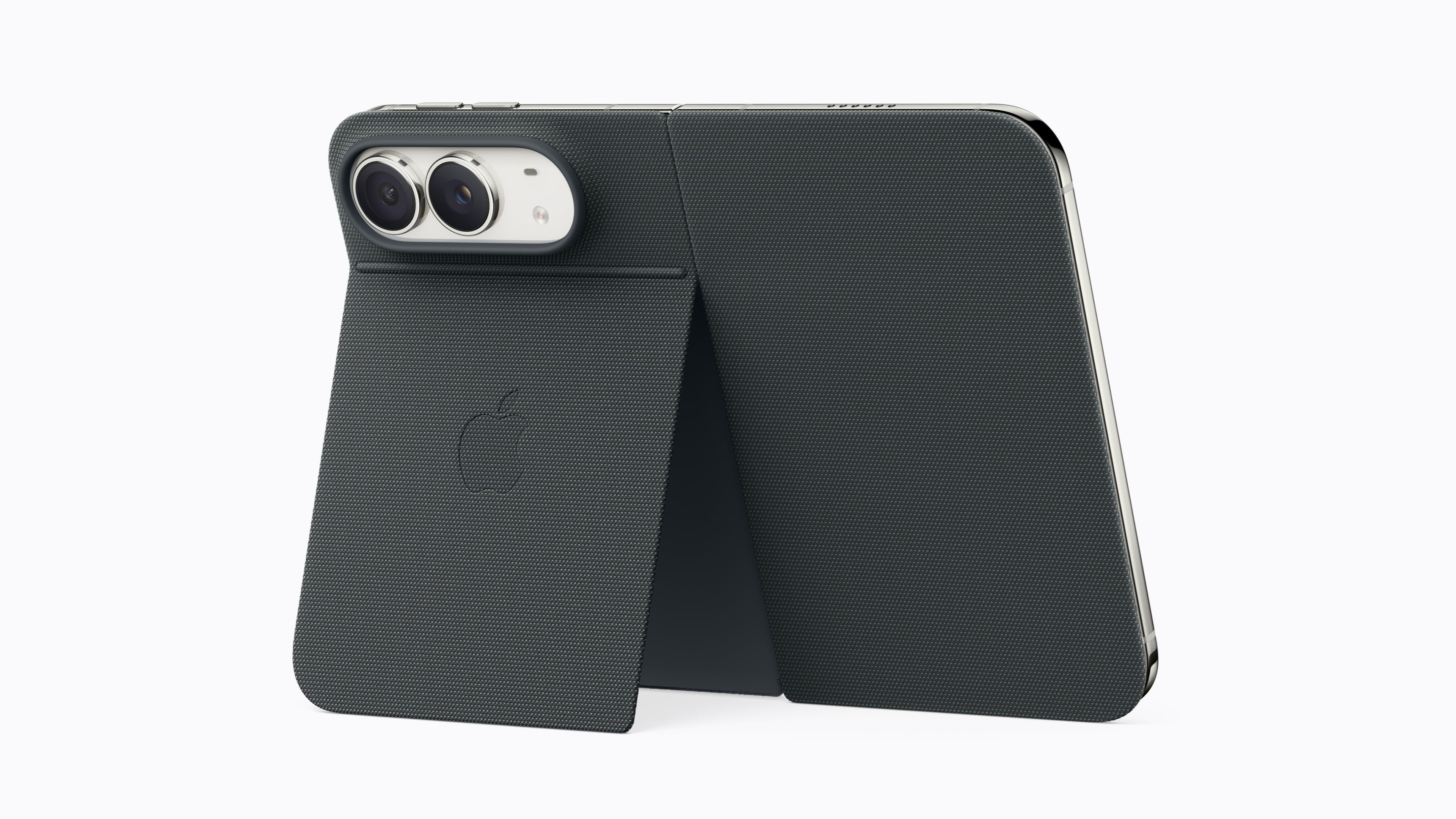
Apple announced two cases for the upcoming iPhone Duo. The first is simply called the iPhone Duo Case. It will cost $79 in the U.S. and comes in Sand and Navy Blue. The second is the iPhone Duo Folio with Kickstand, which comes in Taupe and Navy Blue for $129 in the U.S. Its built-in stand snaps back into place when not in use.

The iPhone Duo Case.

The iPhone Duo Case.

The iPhone Duo Folio with Kickstand.

The iPhone Duo Folio with Kickstand.

Read more


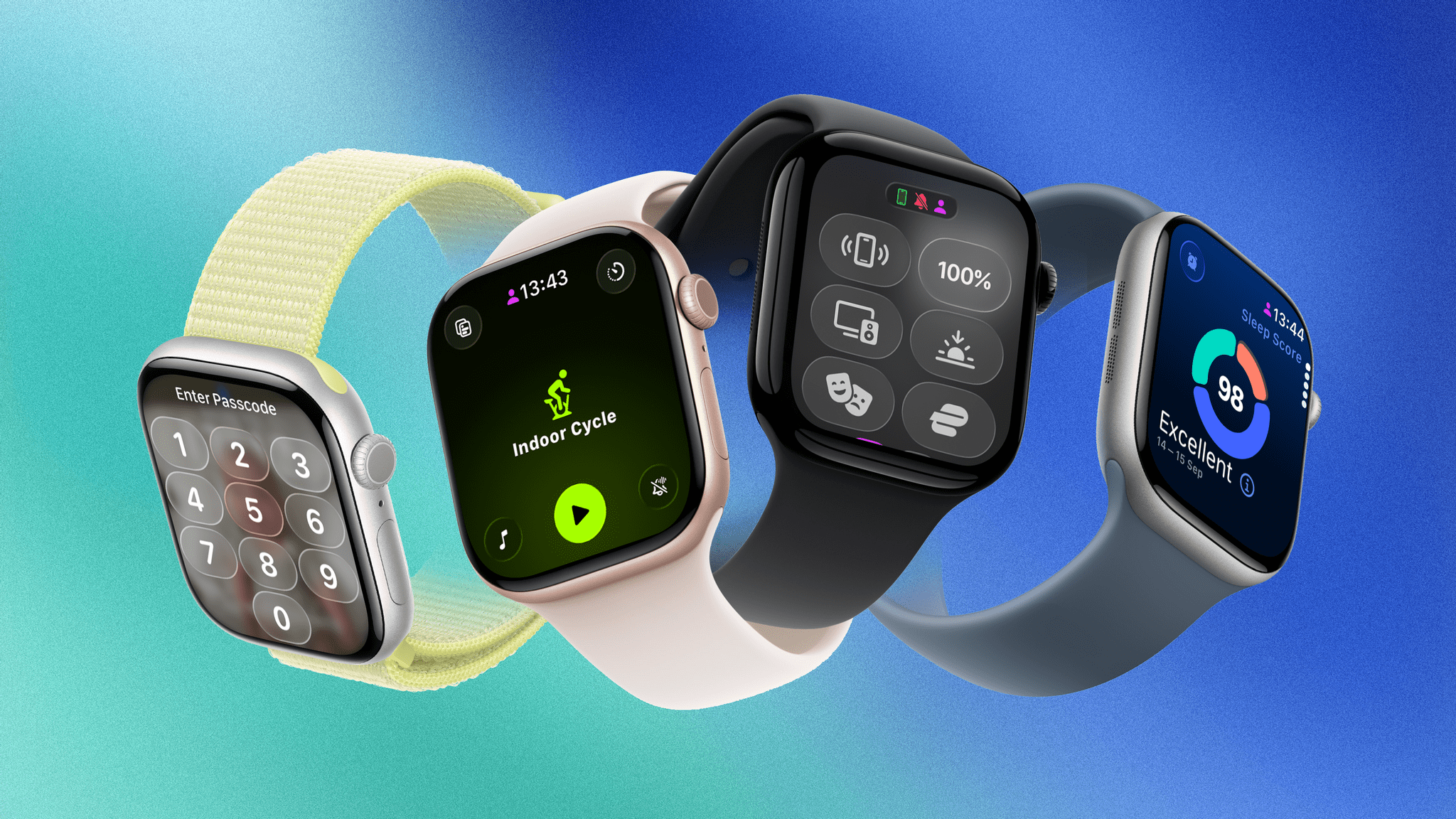
Apple Watch Series 12 and Apple Watch Ultra 4: The MacStories Overview

Source: Apple.

Source: Apple.

At today’s Surprise and Shine event, Apple introduced the new Apple Watch Series 12 and Apple Watch Ultra 4. Both models build on the devices’ existing designs, adding new health and fitness features as well as what Apple calls Audio Intelligence. The star of the Apple Watch show that powers those features on both models is the brand-new S11 chip. Let’s dig into the details of what the new chip and improved sensors means to both models.

Apple Watch Series 12

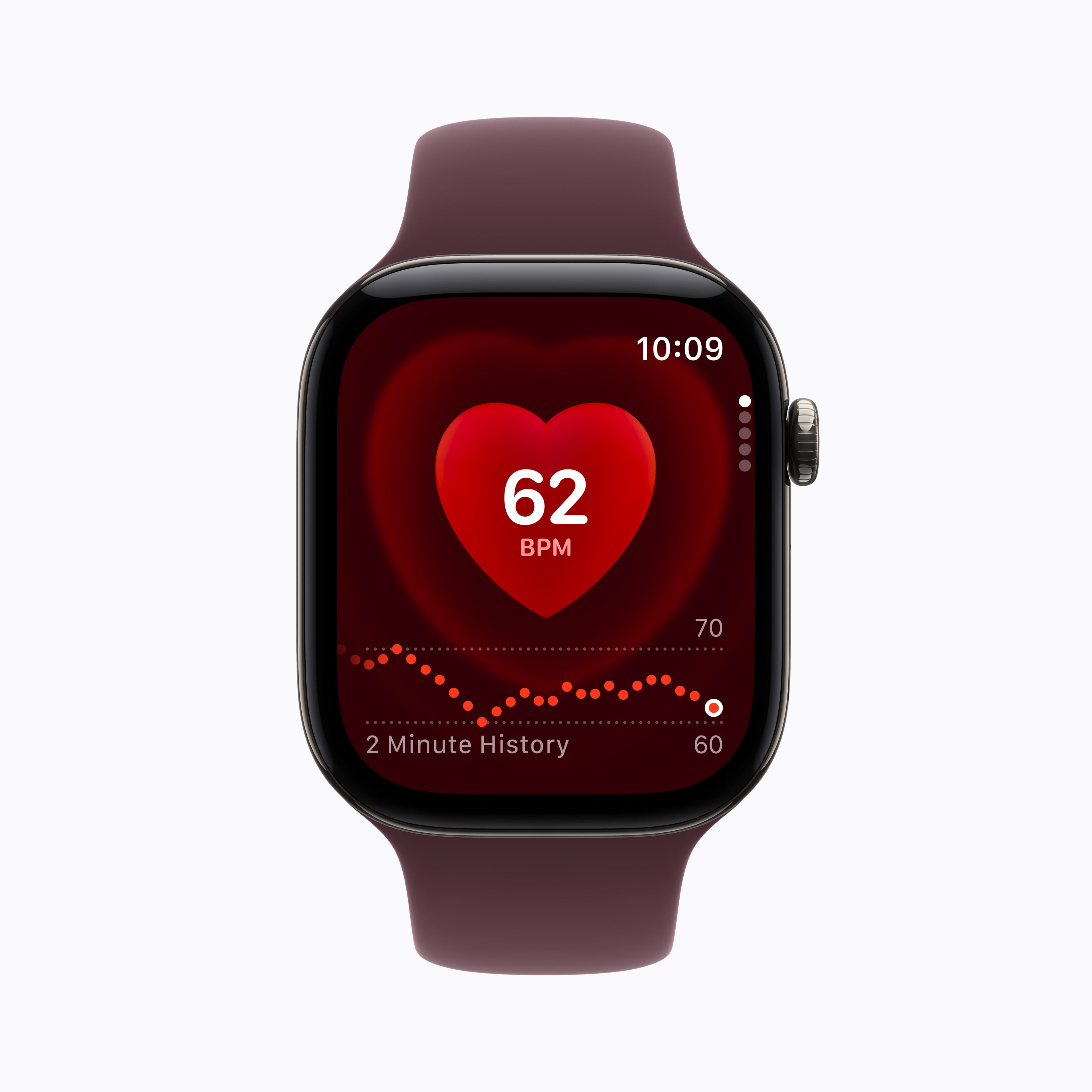
The Series 12 takes a heart reat measurement every five seconds. Source: Apple.

The Series 12 takes a heart reat measurement every five seconds. Source: Apple.

The new Apple Watch Series 12 comes in 42 and 46mm sizes and is equipped with the new S11 chip. Apple says that enables the device to take sixty times the heart rate measurements and 24x HRV readings compared to the Series 11 Watch. More heart rate measurements and HRV readings mean more accurate and meaningful readings; in fact, better than any other wearable on the market, according to Apple. Apple says step tracking is more accurate, too.

The Series 12 has improved sensors, too. There’s a larger, more power-efficient green LED array for measuring your heart rate every five seconds and a Secure Exclave for processing audio privately and securely. On the outside, the Series 12 features Ceramic Shield 2, making it tougher than the Series 11. The case is now IP6X rated for dust and can be used to six meters of depth. Plus, the battery is rated to last 24 hours during normal use and a 15-minute charge will power it sufficiently to last 12 hours.

Read more


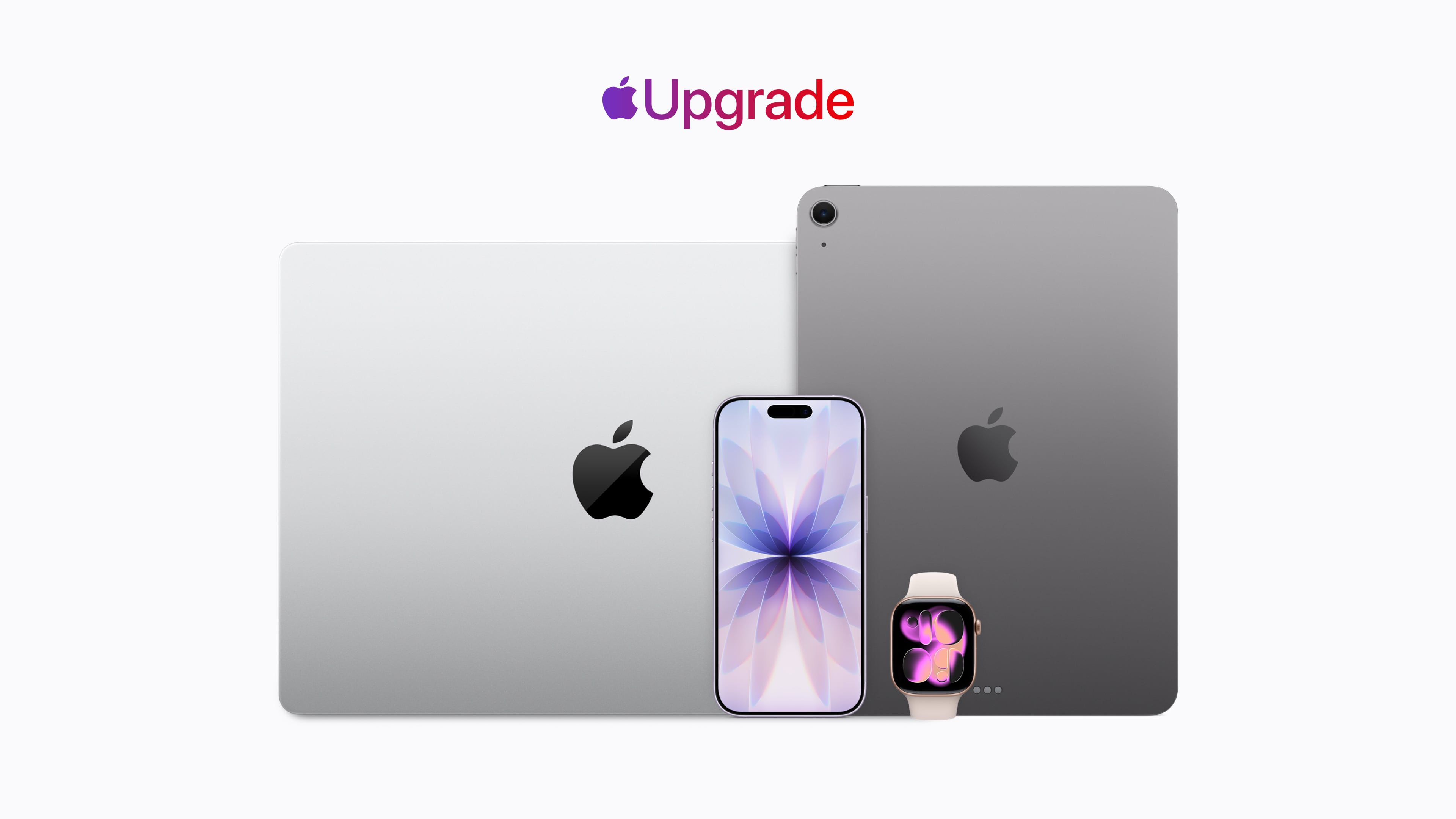
Apple Upgrade Trades Ownership for Lower Monthly Payments

Apple has revealed its new hardware leasing program called Apple Upgrade, which is being offered in collaboration with Klarna. This is Apple’s pitch:

Introducing Apple Upgrade, a new way to always have the Apple products you love. Lease a new iPhone, iPad, Mac, or Apple Watch with pocket-friendly payments and terms that work for you. Then easily upgrade to something new at the end of your lease, and return your current device. It’s that simple.

That pitch comes with a footnote that includes other details worth considering:

  • The program is U.S. only (excluding U.S. territories).
  • You need to be a U.S. resident who is at least 18 years old, or whatever the legal age is where you live.
  • There are eligibility and credit approval requirements and you must have a credit or debit card and an Apple ID.
  • When a device is returned, it must be in good condition or damage fees will be assessed.
  • Upgrades require a new lease subject to whatever eligibility and credit requirements apply at that time.
  • For iPhones, you have to have a carrier and can’t use a prepaid plan.
  • The program isn’t available for refurbished devices or through the Apple Employee Purchase Plan, corporate Employee Purchase Plans, Apple at Work, Government, Education, or Veterans and Military Purchase Programs.

Okay, so maybe it’s not “that simple” after all.

The program is available for the iPhone, iPad, Mac, and Apple Watch product lines. For the iPhone, monthly payments start at $17.99 for an iPhone 17e and start at $34.99 for an iPhone 17 Pro Max, for leasing periods of either 12 months or 24 months.

For iPads, the starting prices range from $12.99/month to $24.99/month, Macs range from starting prices of $24.99/month to $48.99/month, and the Apple Watch ranges from starting prices of $11.99/month to $47.03/month. But again, these are just starting prices. You can configure a fully loaded 16-inch MacBook Pro that is just under $230/month, and it won’t include AppleCare.

As a point of comparison, under the current program that is being discontinued, I pay $69.50/month for an iPhone 17 Pro Max, but I have a 512GB model, so my lease price for the same phone would be $40.83/month, significantly lower, but keep in mind that doesn’t include AppleCare+, which would add $13.99/month or $139/year for that iPhone. On a monthly basis, that puts a new iPhone 17 Pro Max with 512GB of storage and AppleCare+ at just under $55/month. Still a superior deal, but not nearly as good as the landing page might initially lead you to believe.

At the end of your lease you’ll have six months to decide to return the leased device, during which you’ll continue to make monthly payments, or pay a fee equal to the difference between the original purchase price and your lease payments to buy it outright. Your other option is to enter into a lease for a new device. If you return your leased device in poor condition, Klarna will charge you a damage fee. You can also terminate your lease early if you pay the remaining lease payments in full plus any taxes and fees.

If you lease accessories for your device, those don’t have to be returned. Why? Presumably because they have no value to Apple or Klarna.

Of course, if you have a device to trade in, that monthly figure could be significantly reduced. If I had the iPhone 16 Pro Max I had last year to trade in and leased a 17 Pro Max for 12 months, my monthly payments would be under $1. However, keep in mind that once you’re on the leasing train, you no longer own your iPhone, so future upgrades won’t reduce your payments the next time you swap your device for a new model. If you don’t own it, the value isn’t yours to trade in.

If you’re on the existing iPhone Upgrade Program like me, it’s being discontinued, but Apple has a transition offer for you. The old program spread payments over 24 months with the option to turn in an iPhone for a new one after 12 months. That’s not changing. If you’re paid in full on your first 12 months of an iPhone, you can sign up for the new program, get a new iPhone, and return your old iPhone to Apple, which will close your old account but won’t reduce your lease payments. You’re not obligated to join the new leasing program, though. You can also trade in your old iPhone, ending your finance contract, and buy a new full price iPhone.


As you may have figured out by now, I’m not a fan of this program, though I expect it will be successful.

Apple products, like all consumer electronics, are getting more expensive every day. The monthly payments on a leased device look very attractive compared to the pay-up-front price. For years, car leases have induced people into monthly payments that can become a burden when their financial situation changes. Now the same will be true of iPhones, iPads, Macs, and Apple Watches.

Maybe as a practical matter this program isn’t that different from the old financing program, but at least there, you owned your device at the end and could just keep using it indefinitely. With the new program, that’s not an option. When your lease is over, you’re empty-handed and faced with leasing again, buying out the lease, or buying at full price with no trade-in, which is objectively worse.

Ultimately, Apple isn’t responsible for customers’ bad financial decisions, but this program feels like Apple is putting its customers in harm’s way.

Apple Releases Watch Band, Watch Face, and Wallpapers to Celebrate Pride Month

Source: Apple.

Source: Apple.

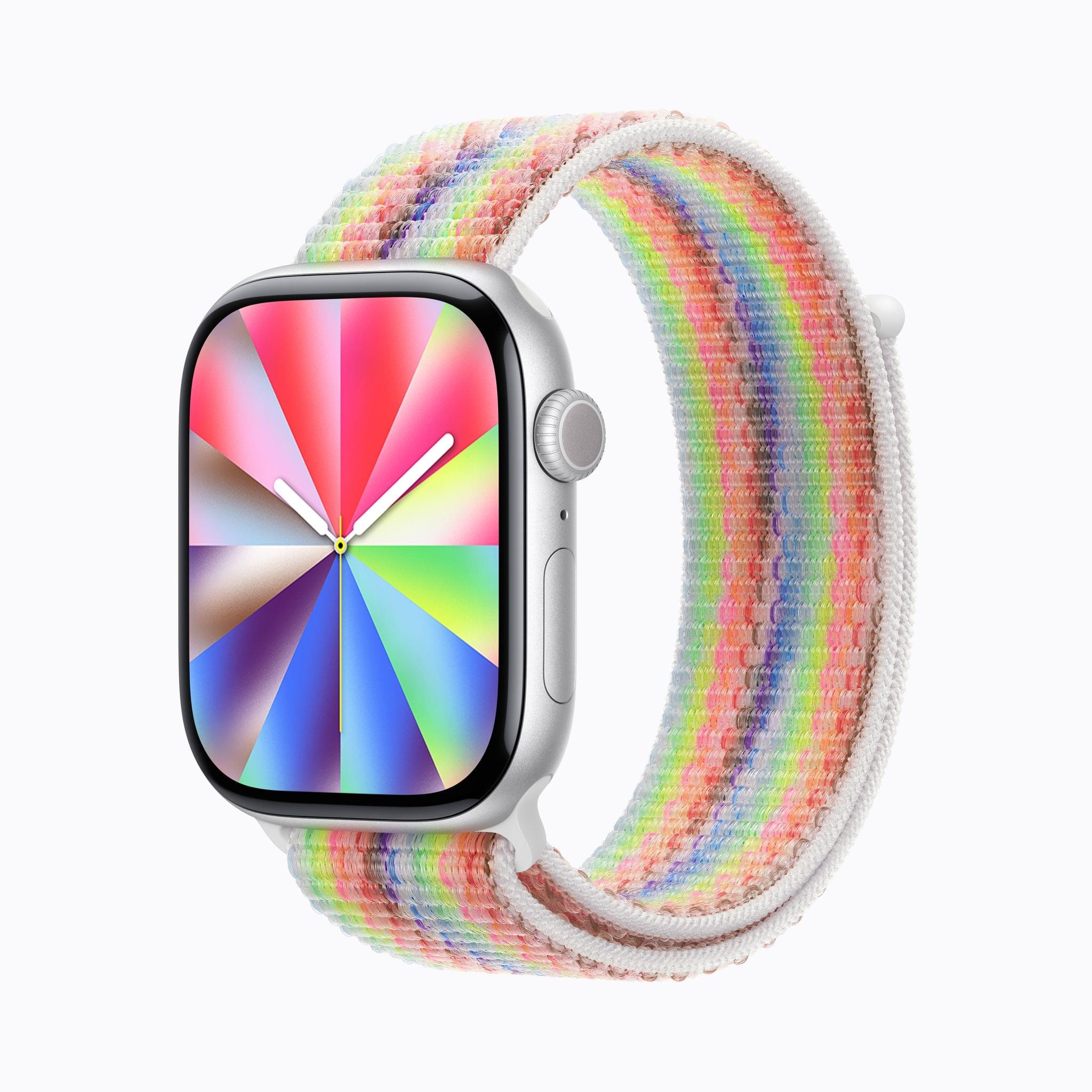
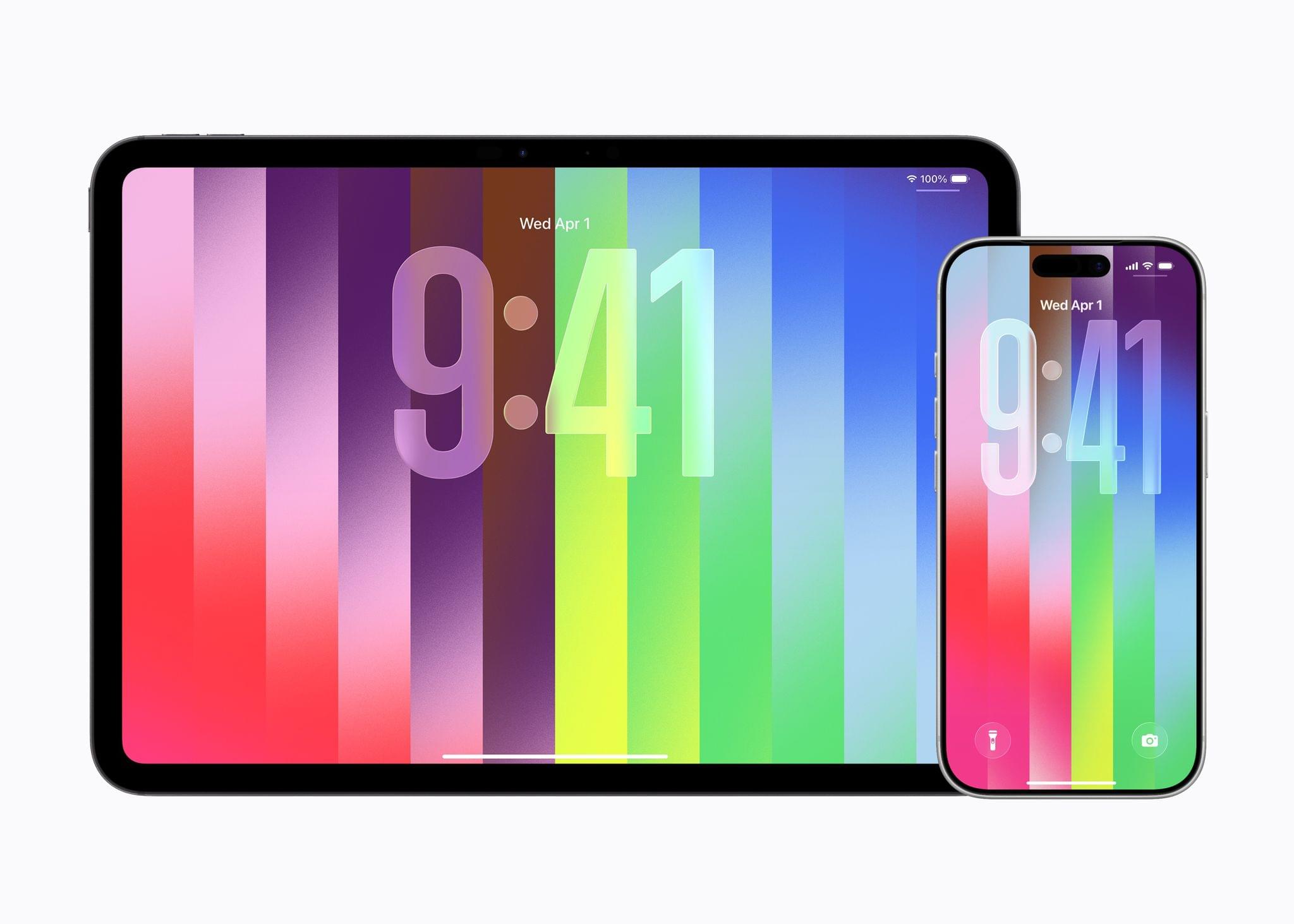
Apple has released its annual Pride Collection, including a new Apple Watch Pride Edition Sport Loop band, watch face, and iPhone and iPad wallpapers celebrating LGBTQ+ communities.

The commemorative Sport Loop uses 11 colors of nylon thread that blend the colors together in a unique way. As Apple’s press release puts it:

The intricate weaving blends one color into the next, creating depth and movement across the band. The resulting design is joyful and vibrant, showcasing a full spectrum of colors that reflect the unique identities that shape LGBTQ+ communities worldwide.

Source: Apple.

Source: Apple.

The watch face and wallpapers share a similar style of gradient strips of bright colors radiating out from the watch face’s analog clock design and in vertical strips on the wallpapers.

As usual, Apple’s designers have done great work with the band, watch face, and wallpapers. There’s a vibrancy and energy to them that brings them to life.

The Apple Sport Loop is available to order today online and in the Apple Store app for $49 and will be in retail stores later this week. The watch face and wallpapers will be available as soon as the 26.5 releases of watchOS, iOS, and iPadOS are released to the public.


Finding the Best Sleep Tracker→

Earlier this year, Andrej Karpathy wrote an in-depth analysis of four sleep tracking methods that Federico recently recommended I read. I’m glad he did, Karpathy, an AI researcher who has worked at OpenAI and Tesla, took the kind of nerdy, data-driven approach that I love.

Over the course of two months, Karpathy plotted sleep tracking results from:

Karpathy got the best results from the Whoop band and Oura ring, but just as interesting were how the data correlated to how he felt after a good night’s sleep:

…my sleep scores correlate strongly with the quality of work I am able to do that day. When my score is low, I lack agency, I lack courage, I lack creativity, I’m simply tired. When my sleep score is high, I can power through anything. On my best days, I can sit down and work through 14 hours and barely notice the passage of time. It’s not subtle.

I recommend reading the entire post for all the details of how each tracking method compared on variety of metrics. I’ve long been intrigued by the Whoop band and Oura ring as a companion to the Apple Watch. There’s overlap between the devices, but Karpathy has planted a seed in my brain that may lead to my own multi-device experiments.

Permalink

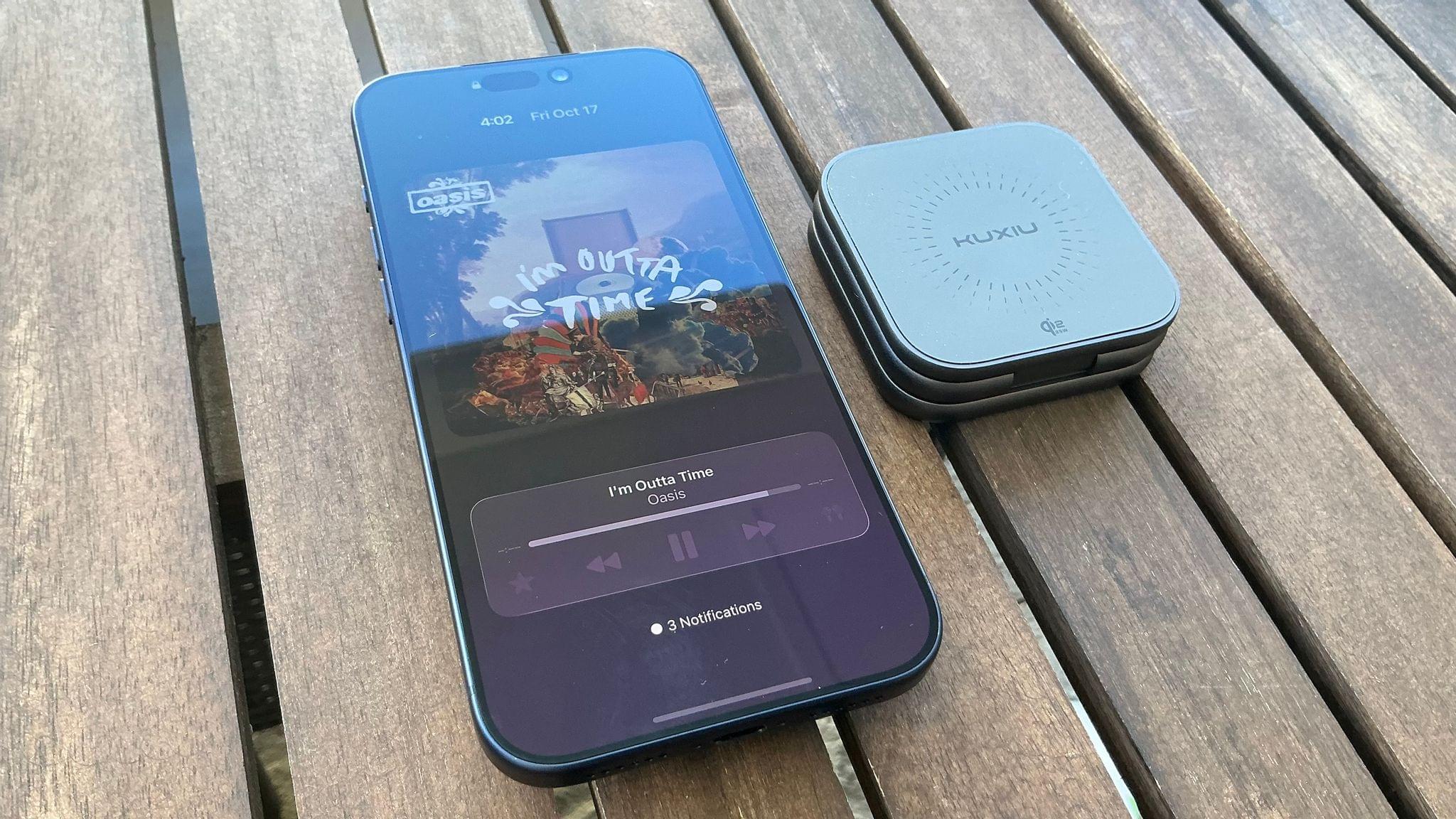
Hands-On with the Kuxiu X40 Turbo Qi 2.2 3-in-1 Travel Charger

Wireless charging is great, but historically it’s been slow. That’s starting to change for the iPhone with Qi 2.2, the latest wireless charging standard that the iPhone 16 and 17 series phones support. With Qi 2.2, a compatible iPhone charges wirelessly at 25W. By comparison Qi 1 charged at 5–7.5W and Qi 2.0 and the original MagSafe charged at 15W.

So far, though, there have been precious few chargers, besides Apple’s MagSafe puck charger, that support Qi 2.2’s faster charging, which is why I was interested in trying the Kuxiu X40 Turbo, when Kuxiu offered to send me a review unit. As advertised, the compact 3-in-1 charger delivers the fastest wireless iPhone charging around, but that’s not its only selling point.

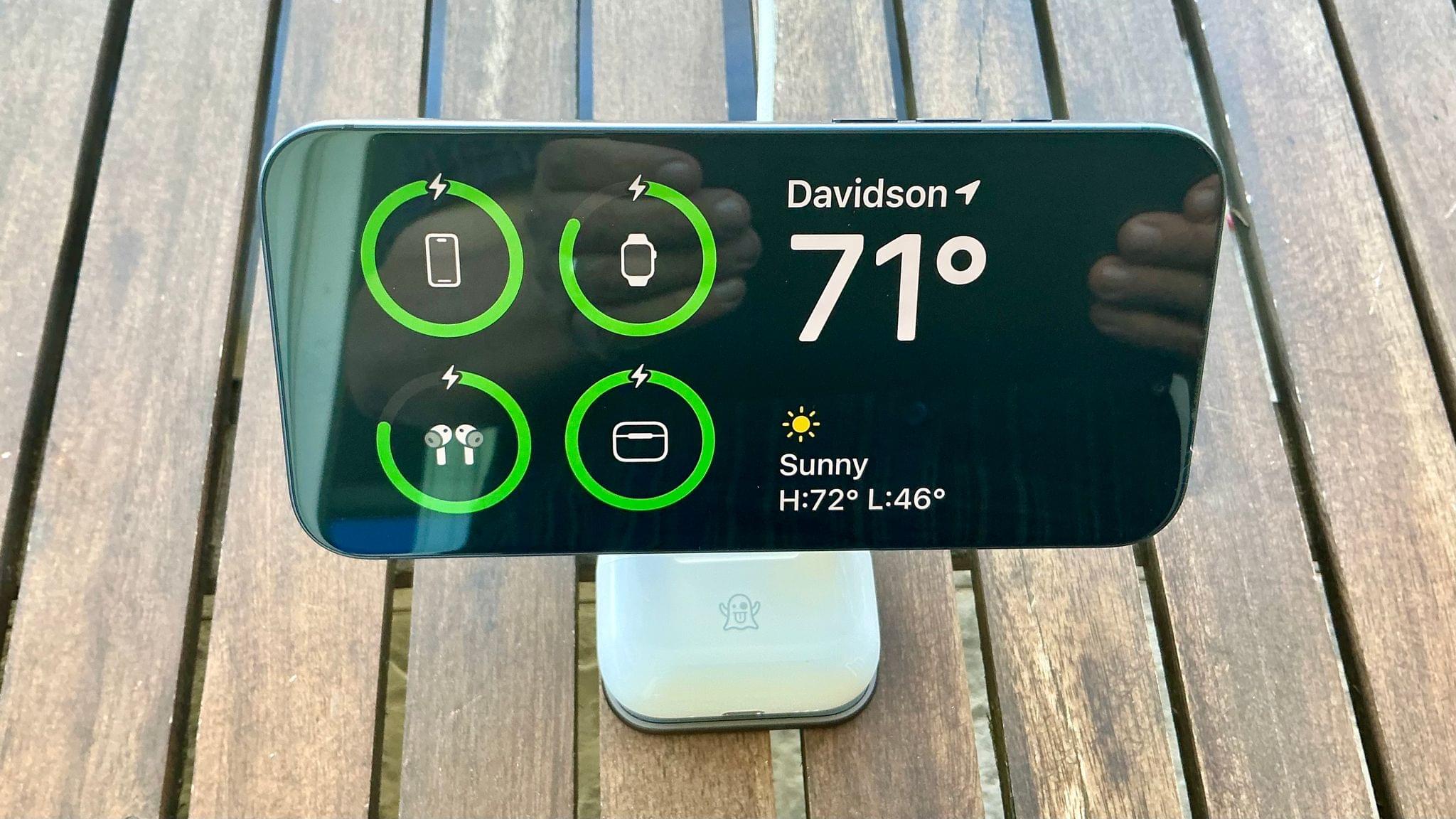
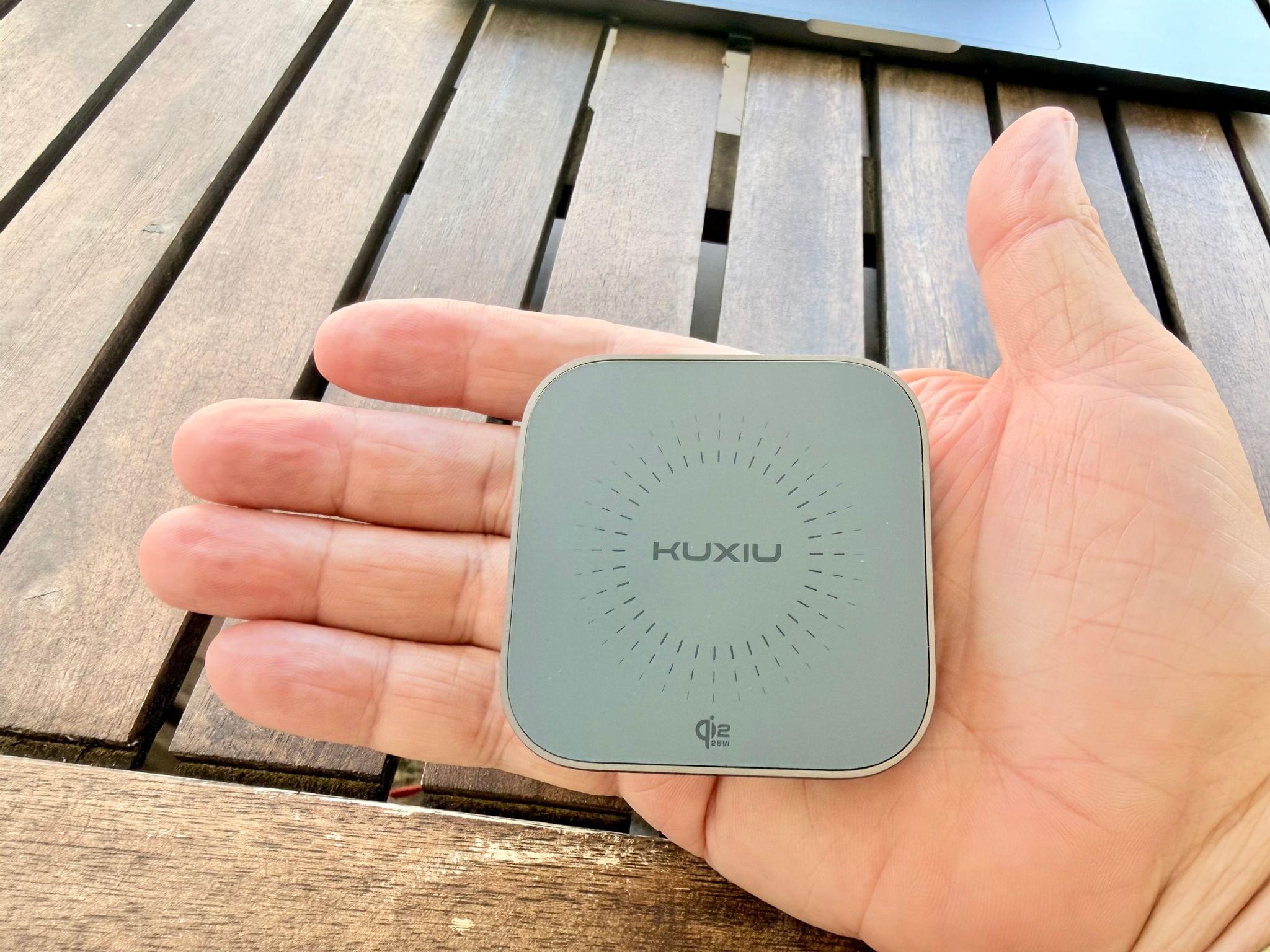
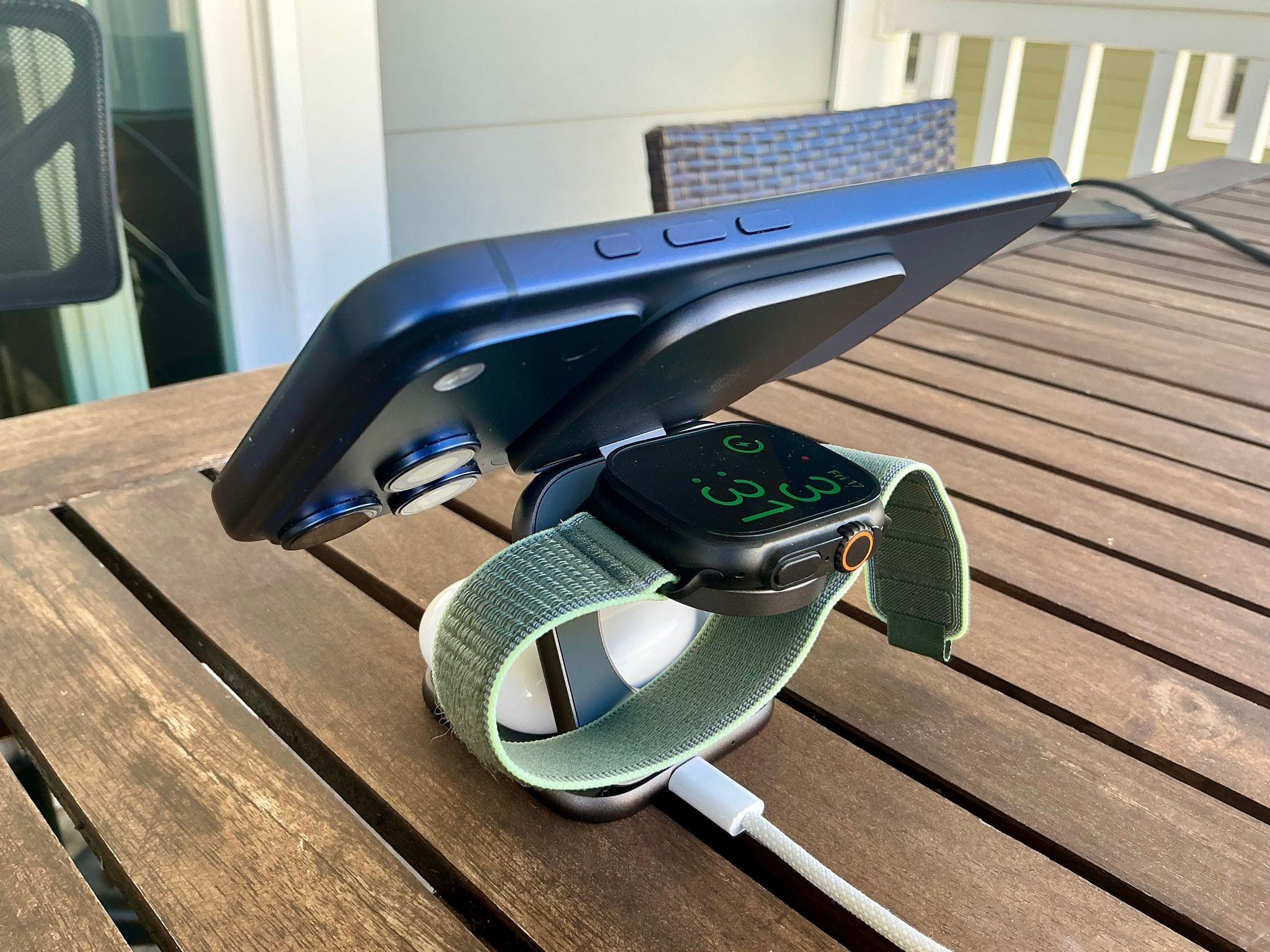
In addition to fast charging an iPhone 16 or 17 series phone at 25W, the X40 Turbo, which retails for around $80, charges AirPods and an Apple Watch at 5W. However, what I wasn’t expecting was just how small the X40 Turbo is when folded for travel. The entire package is about twice as thick as an iPhone 17 Pro Max and fits neatly into the palm of your hand. At the same time, though, the X40 Turbo feels sturdy. It’s made of metal with soft-touch pads to avoid scratching your devices or tabletop. Here’s a closer look at what Kuxiu sent me:

When it’s time to charge your iPhone, AirPods, and Apple Watch, the X40 Turbo unfolds into a z-shaped configuration from which the Watch pad flips down horizontally. So far, I’ve used the X40 Turbo on my nightstand and at my desk, where it takes up minimal space. I also plan to take the X40 Turbo on my next trip because it takes so little room in my bag.

Kuxiu isn’t the first company to make a charger in this form factor, but the X40 Turbo is one of the best built that I’ve tried, and as one of the first Qi 2.2 models, it’s notable, and a great upgrade to your charging setup.

The Kuxiu X40 Turbo is available directly from Kuxiu and Amazon.


watchOS 26: The MacStories Review

Last year was my first covering the watchOS beat with version 11. It turned out to be a trial by fire, with the annual software update for the world’s most popular smartwatch proving to be both sizable and significant.

While controversy reigned over iOS, iPadOS, and macOS regarding new Apple Intelligence features, watchOS took an exit off of that highway to a more peaceful, focused road that contained real, tangible updates. There were long-requested customizations to Activity Rings, as well as added power and functionality in the Smart Stack. Brand new features like Training Load and the Vitals app started to hint that Apple was maybe, finally, getting serious about, well, serious athletes.

If I’m being honest, I expected more of the same this year. The watchOS team seemed to be on a roll. Unfortunately, that hasn’t come to pass with watchOS 26, which – unlike watchOS 11 with Apple Intelligence – has been brought along for the ride with this year’s big controversy: Liquid Glass.

Can watchOS 26 handle this big UI overhaul and still deliver some tangible additions in this, the year of the Apple Watch’s tenth anniversary? Let’s take a look.

Read more