It’s time to get packed for WWDC, and like most years, my carry-on bag will be stuffed with everything I need to cover the event for MacStories. This year, I’ve focused on streamlining my podcast recording setup after some problems that slowed me down last year. Built around my everyday ‘away from home’ setup that I’ve been using for several months, I think I finally have a simple yet powerful writing and podcasting travel setup that should serve me well on the trip.
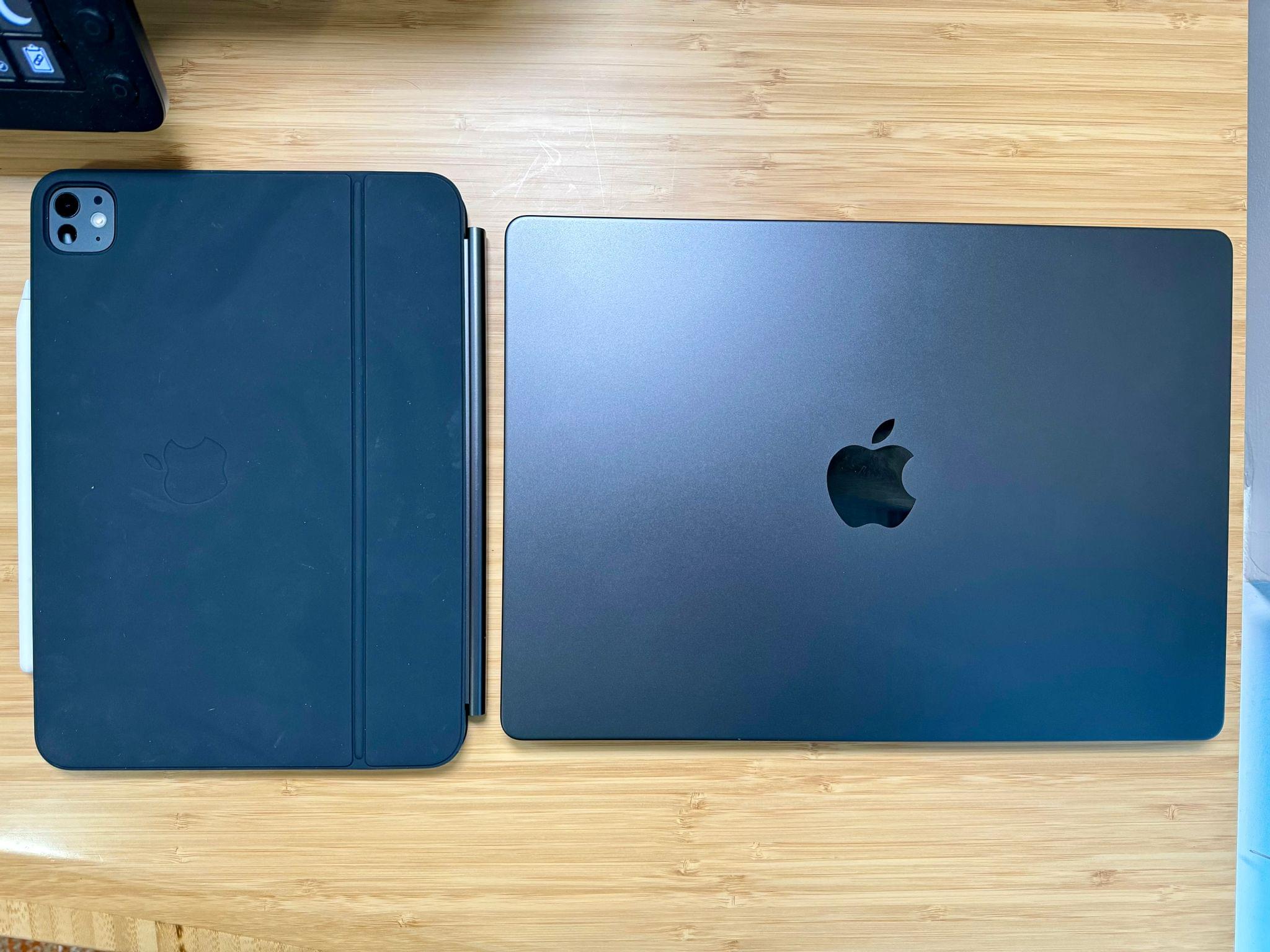
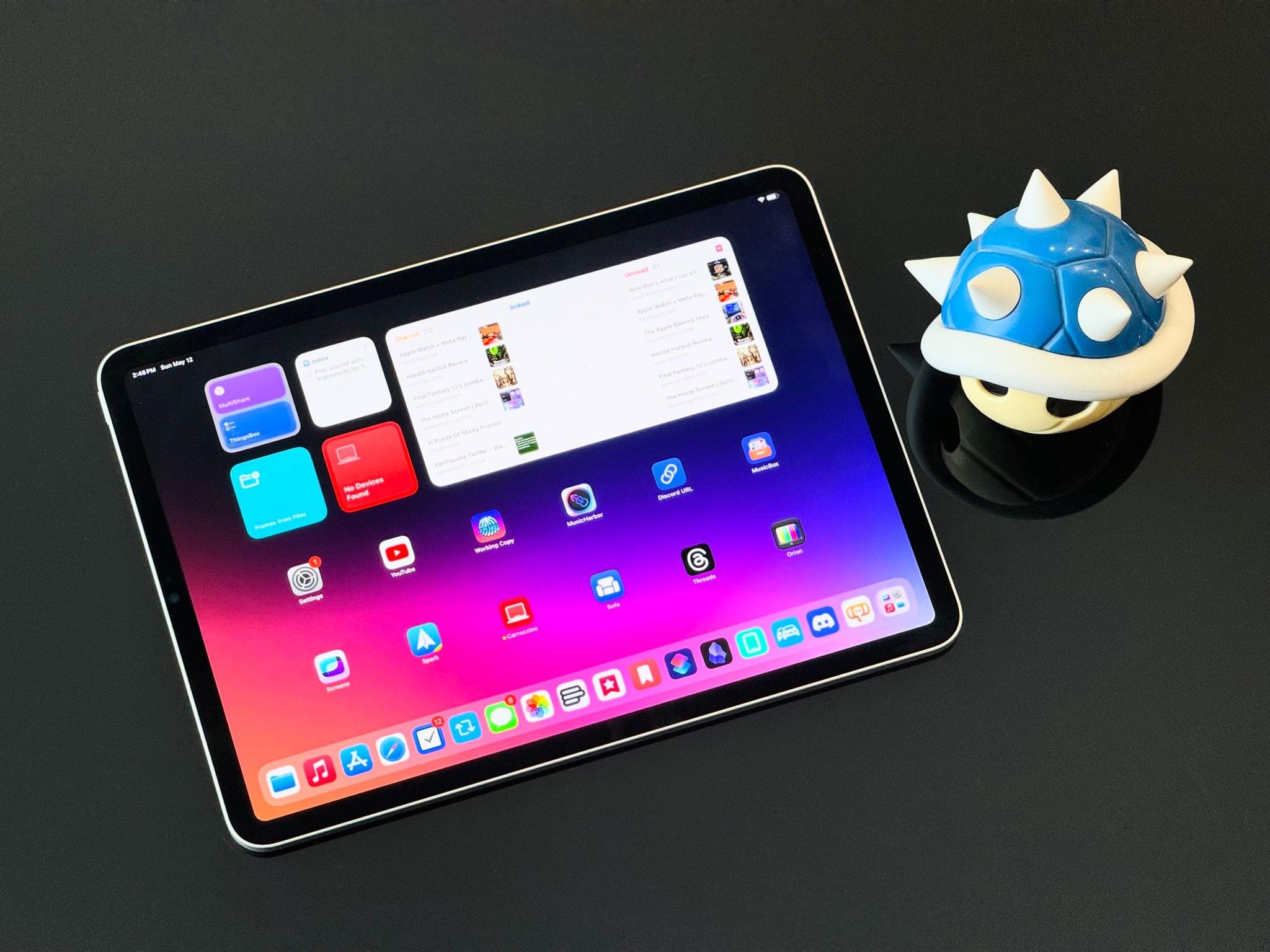
11” M4 iPad Pro and MacBook Pro.
The center of my setup will be a 14” M3 Max MacBook Pro that Apple sent me for testing. It’s a fantastic computer that’s more than capable of handling the research, writing, and audio production work I’ll be doing, along with any video taken during the week.
I’ll also take my new 11” iPad Pro, which should help lighten my bag when I’m traveling back and forth from my hotel to Apple Park. Swapping my old 12.9” iPad Pro for the new 11” model will be perfect for this sort of trip. I plan to use it for getting some work done on the flight to California and for taking notes at the WWDC keynote. It’s hard to jot much down during the event while you’re sitting outside in the sun, so anything more than my iPad would be overkill.
Club MacStories: Weekly and monthly newsletters via email and the web that are brimming with apps, tips, automation workflows, longform writing, early access to the MacStories Unwind podcast, periodic giveaways, and more;
Club MacStories+: Everything that Club MacStories offers, plus an active Discord community, advanced search and custom RSS features for exploring the Club’s entire back catalog, bonus columns, and dozens of app discounts;
Club Premier: All of the above and AppStories+, an extended version of our flagship podcast that’s delivered early, ad-free, and in high-bitrate audio.
This time of year is one that’s always filled with anticipation for what’s upcoming for both developers and users of Apple’s platforms. And while many traveling to Cupertino will be focused on the iPhone in their pocket or the iPad or MacBook that regularly travels with them, for an Apple TV aficionado, it’s a different story.
As I packed for my first WWDC last year, I had a moment of self-reflection. Did I really need to pack an external display, ATEM switcher, HDMI splitters, HomePod minis, controllers, multiple Apple TVs, and an eight-gang multi-plug extension lead into my carry-on in anticipation of a noteworthy software story for Apple TV?1 After all, the year prior had developers and fans giving their best impersonations of confused John Travolta following a largely absent year for tvOS.
Thankfully, WWDC23 was a different story, with a surprisingly ambitious tvOS 17 release full of improvements and features I couldn’t wait to try. But while other attendees could go hands-on with the first developer betas of their favorite platforms with relative ease, given the nature of Apple TV hardware, I had to head back to the apartment I was staying at whenever I wanted to get hands-on time with tvOS.
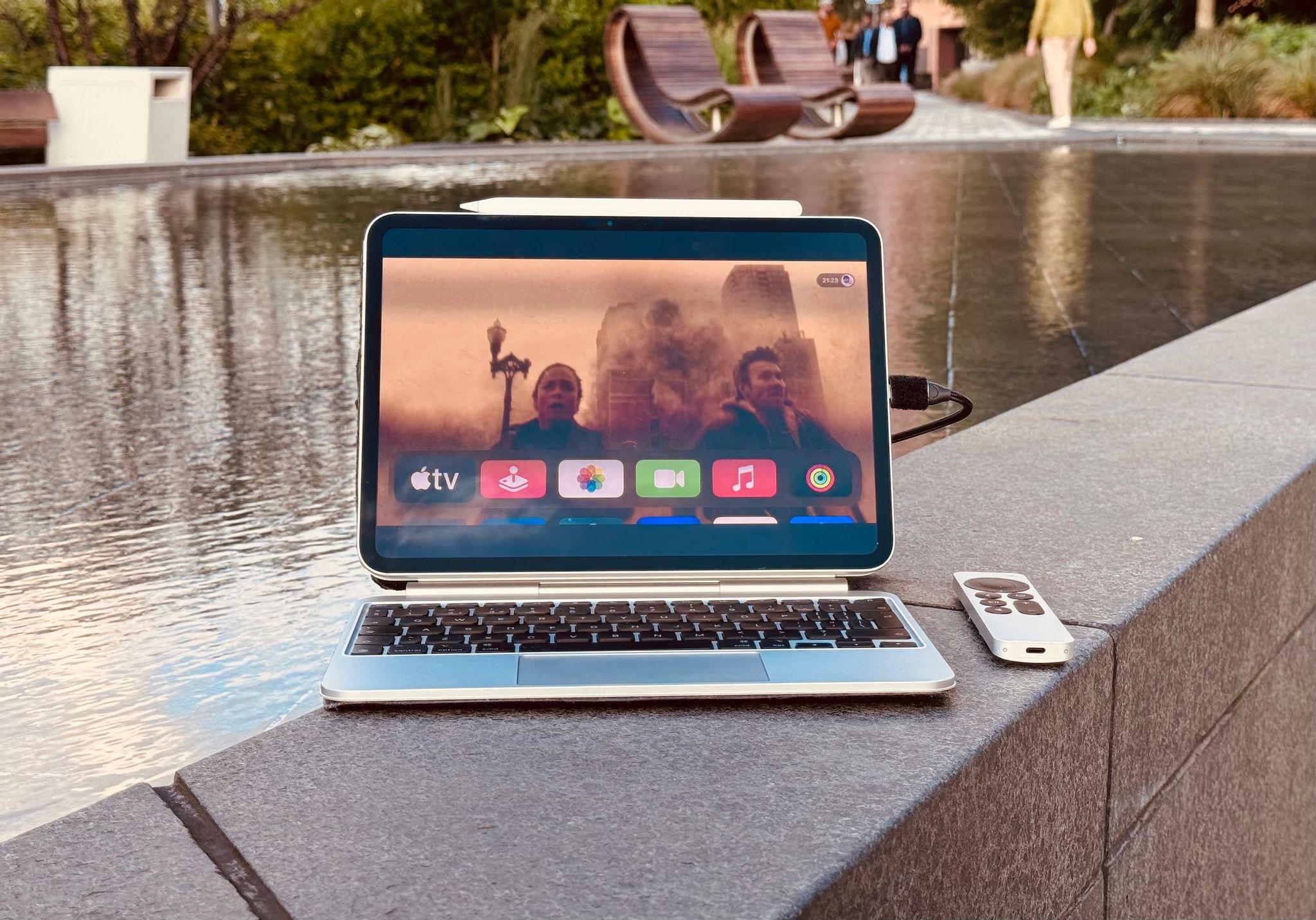
Somewhere in the Apple TV multiverse, there was a USB-C powered device that I could carry with me for quick reference, whether at Apple Park or a south London coffee shop during my writing process for last year’s tvOS review. Somewhere, there was an iPad-like device that could run tvOS, offering a superior software alternative to the plentiful supply of affordable, battery-powered Android portable projectors.
Although neither of those products have yet to enter our own Apple TV universe, the introduction of iPadOS 17 and its support for UVC (USB Video Class) devices had my imagination running wild at the possibilities for this year. I needed to become the hero of my own story and create the on-the-go tvOS workstation I envisioned by braving the world of hardware modification and building my very own Apple TV Go.
Club MacStories: Weekly and monthly newsletters via email and the web that are brimming with apps, tips, automation workflows, longform writing, early access to the MacStories Unwind podcast, periodic giveaways, and more;
Club MacStories+: Everything that Club MacStories offers, plus an active Discord community, advanced search and custom RSS features for exploring the Club’s entire back catalog, bonus columns, and dozens of app discounts;
Club Premier: All of the above and AppStories+, an extended version of our flagship podcast that’s delivered early, ad-free, and in high-bitrate audio.
As I hinted in my story on the issues of iPadOS last week, I upgraded from an 11” iPad Pro to a 13” iPad Pro (1 TB, Wi-Fi-only model). While I was very happy with the 11” form factor, I decided to return to the larger model for two reasons:
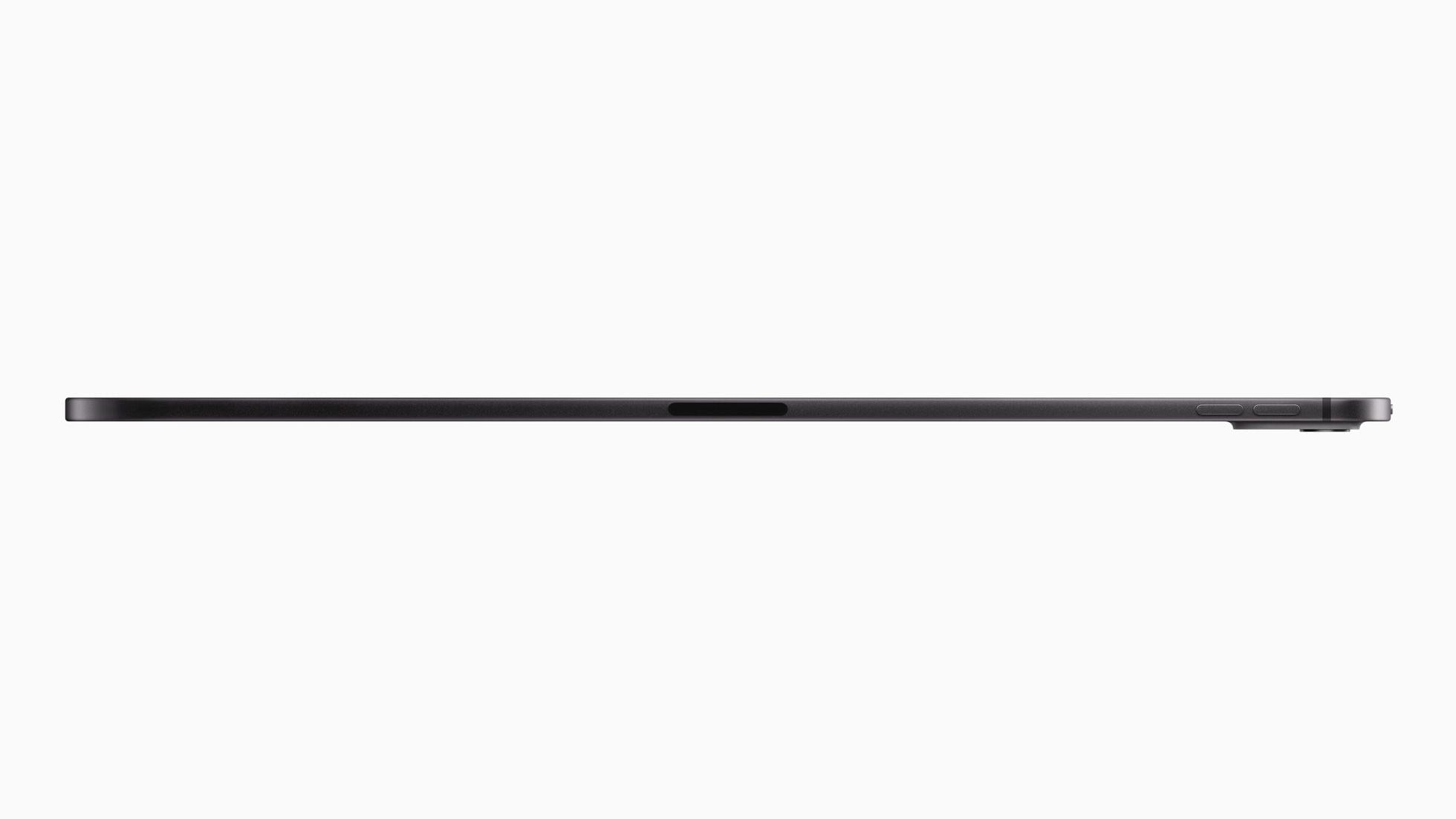
I wanted to have maximum thinness with the ultimate iPad Pro model Apple makes.
I sacrificed the physical comfort of the 11” iPad Pro to get a larger display for my MacPad as well as portable gaming.
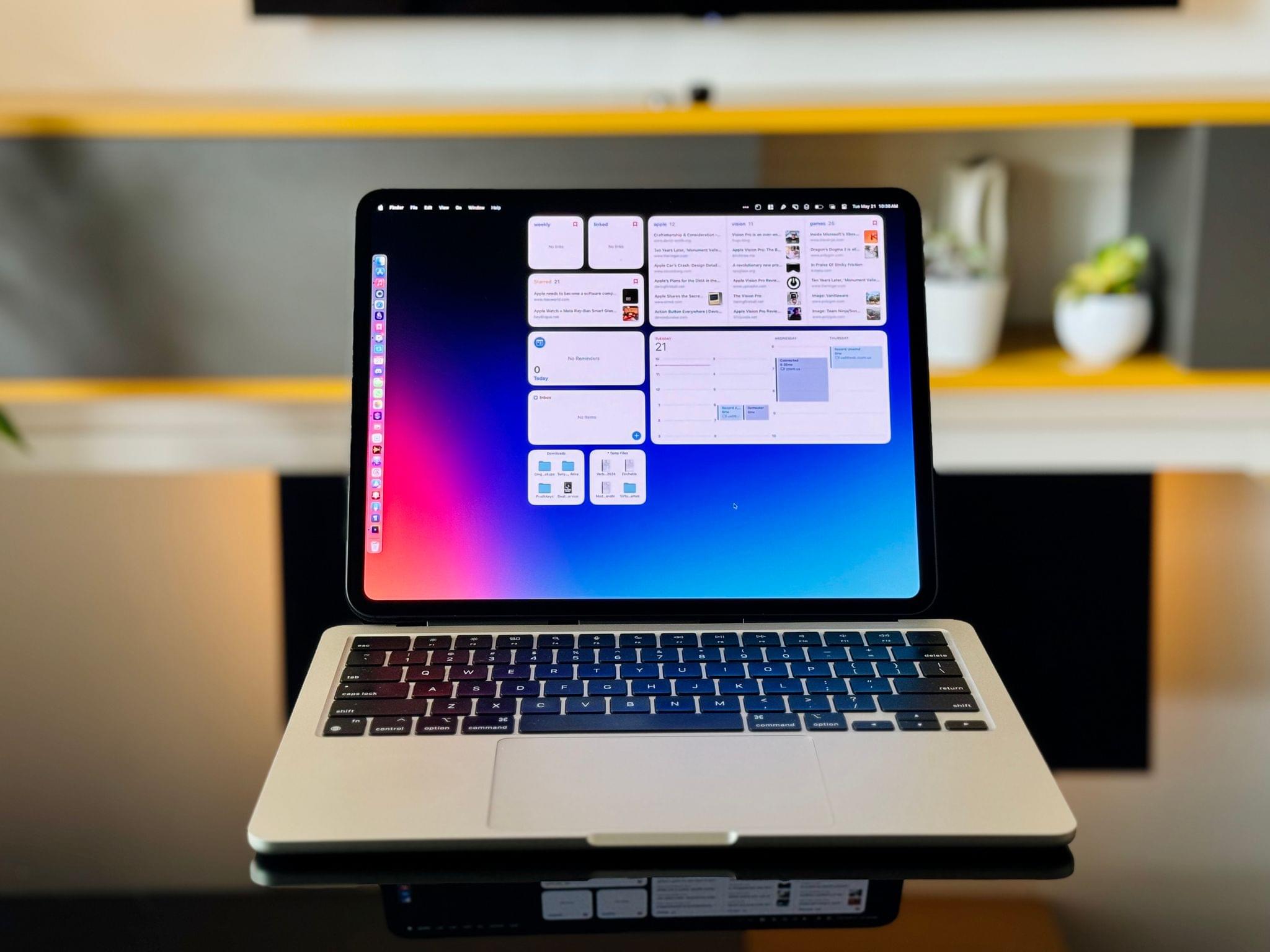
Today, I will explain how I was able to immediately turn the brand-new 13” iPad Pro into a convertible MacPad using a combination of accessories and some new techniques I’ve been exploring. I’ll also share my experience with using the iPad’s glorious Tandem OLED display in a variety of gaming setups ranging from streaming to emulators.
Club MacStories: Weekly and monthly newsletters via email and the web that are brimming with apps, tips, automation workflows, longform writing, early access to the MacStories Unwind podcast, periodic giveaways, and more;
Club MacStories+: Everything that Club MacStories offers, plus an active Discord community, advanced search and custom RSS features for exploring the Club’s entire back catalog, bonus columns, and dozens of app discounts;
Club Premier: All of the above and AppStories+, an extended version of our flagship podcast that’s delivered early, ad-free, and in high-bitrate audio.
There are so many parts of Steve’s iPad Pro manifesto I would quote here on MacStories, but I’m going to limit myself to just a couple of excerpts.
What I like about this story is that it’s a balanced take on the limitations of iPadOS from the perspective of a developer, laid out in a comprehensive roundup. It serves as a great companion piece to my story, but from a more technical angle.
Here, for instance, is a well-reasoned assessment of why Stage Manager isn’t ideal for developers of iPad apps:
Stage Manager was such a missed opportunity: it tried to bolt-on a windowing model onto iPadOS without providing developers any way to optimize for it, and has had virtually no meaningful improvements in two years. What I really want to see are APIs. APIs to know when an app is running in Stage Manager and give it an opportunity to enable extra functionality to accommodate that — like having an ‘open in New Window’ context menu option that it would otherwise hide. APIs to set window size/shape, minimum and maximum size. APIs to open a window in split view if possible, with a preferred screen side. APIs to drag a window on mouse-down. Auxiliary views or inspector panels that can be floated on/near a primary window, like visionOS’ ornaments.
Many of these features are available as APIs to apps using the iOS SDK… on macOS and visionOS. Which is why it boggles the mind that iPad’s own Stage Manager spec completely shunned them, and ignored the explicit intent provided by developers as to how they want their apps to work. Stage Manager wasn’t provided as an opportunity to make our apps better, it was inflicted on developers in a way that harmed the developer, and user, experience. Which is why today you can very quickly stumble upon apps that don’t quite resize correctly, or have important parts of the UI covered by the virtual keyboard, or toolbars floating in strange places.
To this day, developers have no way to fine-tune their apps so that they behave differently (and better!) when Stage Manager is active. This part about JIT is also worth calling out:
Just-in-time compilation is essential to power things like web browsers, console and PC emulators, and language-based virtual machines. It is used by Apple’s own apps, like Playgrounds, to empower key functionality that no third party app can match. And it is provided in a very limited way (with a ton of asterisks) to Alternative Web Browsers in the EU under the DMA, so they can implement their own JavaScript engines. The DolphiniOS project, which emulates Nintendo’s GameCube, recently posted a video that perfectly encapsulates the problem and demonstrates why emulators for newer consoles just can’t come to iPadOS. Other app stores, like Microsoft’s Windows Store, offer a JIT entitlement as standard, and I think Apple should, too.
It’s not like JIT cannot exist on iPadOS; it’s that Apple has chosen not to offer it as an entitlement for third-party developers.
I also want to point out two more aspects of Steve’s manifesto. It’s almost a 1:1 match of a story he wrote for us in 2019, which is quite sad as it tells you a lot about iPadOS’ state of affairs. Five years later, and we’re still asking for the same changes. Additionally, it should be noted that Steve is not asking for Apple to call it a day and put macOS on iPad. Claiming that someone who criticizes iPadOS does so because “they just want the iPad to turn into a Mac” has become the de rigueur dismissal for some reply guys these days, and it completely misses the point.
Late yesterday, iPad Air and Pro reviews were published, and I spent the evening reading and watching many of them, so I thought I’d share some highlights.
At Six Colors, Jason Snell, who has used and reviewed iPads for years, brings an excellent perspective to Apple’s latest iPad Pro. Like Federico, Jason is impressed with the iPad Pro’s hardware but frustrated by iPadOS:
This all leaves 2024’s modern iPad Pro in a very familiar place: It is a remarkable piece of hardware that can handle pretty much any task it’s capable of executing without breaking a sweat, and thanks to its new display, it’ll look great doing it. But it’s let down by iPadOS limitations (and more than a decade of slow-paced iPad development) that preclude it from being the shining star of Apple’s productivity line-up that it should probably be.
Also, like other reviewers, the iPad Pro’s new OLED screen was a highlight for Jason:
As a longtime user of the 12.9-inch iPad Pro, I’ve been spoiled the last few years by its Liquid Retina XDR display. It was good, but it added weight and thickness, and even its 2500 individual dimming zones couldn’t match the precision that an OLED display can bring. Apple has outdone itself with the new Ultra Retina XDR display, powered by a tandem OLED panel that offers dramatic contrasts and bright colors.
This new iPad Pro feels, in many ways, like the finale of the 14-year history of the iPad, all the pieces finally in place. It also feels, as ever, like a futuristic device plagued by software stuck firmly in the past, one I’m not sure I’d recommend to most people.
Club MacStories: Weekly and monthly newsletters via email and the web that are brimming with apps, tips, automation workflows, longform writing, early access to the MacStories Unwind podcast, periodic giveaways, and more;
Club MacStories+: Everything that Club MacStories offers, plus an active Discord community, advanced search and custom RSS features for exploring the Club’s entire back catalog, bonus columns, and dozens of app discounts;
Club Premier: All of the above and AppStories+, an extended version of our flagship podcast that’s delivered early, ad-free, and in high-bitrate audio.
Let me cut to the chase: sadly, I don’t have a new iPad Pro to review today on MacStories.
I was able to try one in London last week, and, as I wrote, I came away impressed with the hardware. However, I didn’t get a chance to use a new iPad Pro over the past six days ahead of today’s review embargo.
I know that many of you were expecting a deeper look at the iPad Pro on MacStories this week, but that will have to come later. I still plan on upgrading to a 13” iPad Pro myself; I’ve decided I want to return to the larger size after a few months with the 11” iPad Pro. If you’re interested in checking out reviews of the new iPad Pros from heavy iPad users like yours truly right now, I highly recommend reading and watching what my friends Jason Snell and Chris Lawley have prepared.
Still, as I was thinking about my usage of the iPad and why I enjoy using the device so much despite its limitations, I realized that I have never actually written about all of those “limitations” in a single, comprehensive article. In our community, we often hear about the issues of iPadOS and the obstacles people like me run into when working on the platform, but I’ve been guilty in the past of taking context for granted and assuming that you, dear reader, also know precisely what I’m talking about.
Today, I will rectify that. Instead of reviewing the new iPad Pro, I took the time to put together a list of all the common problems I’ve run into over the past…checks notes…12 years of working on the iPad, before its operating system was even called iPadOS.
My goal with this story was threefold. First, as I’ve said multiple times, I love my iPad and want the platform to get better. If you care about something or someone, sometimes you have to tell them what’s wrong in order to improve and find a new path forward. I hope this story can serve as a reference for those with the power to steer iPadOS in a different direction in the future.
Second, lately I’ve seen some people argue on Mastodon and Threads that folks who criticize iPadOS do so because their ultimate goal is to have macOS on iPads, and I wanted to clarify this misunderstanding. While I’m on the record as thinking that a hybrid macOS/iPadOS environment would be terrific (I know, because I use it), that is not the point. The reality is that, regardless of whether macOS runs on iPads or not, iPadOS is the ideal OS for touch interactions. But it still gets many basic computing features wrong, and there is plenty of low-hanging fruit for Apple to pick. We don’t need to talk about macOS to cover these issues.
Lastly, I wanted to provide readers with the necessary context to understand what I mean when I mention the limitations of iPadOS. My iPad setup and workflow have changed enough times over the years that I think some of you may have lost track of the issues I (and others) have been experiencing. This article is a chance to collect them all in one place.
Club MacStories: Weekly and monthly newsletters via email and the web that are brimming with apps, tips, automation workflows, longform writing, early access to the MacStories Unwind podcast, periodic giveaways, and more;
Club MacStories+: Everything that Club MacStories offers, plus an active Discord community, advanced search and custom RSS features for exploring the Club’s entire back catalog, bonus columns, and dozens of app discounts;
Club Premier: All of the above and AppStories+, an extended version of our flagship podcast that’s delivered early, ad-free, and in high-bitrate audio.
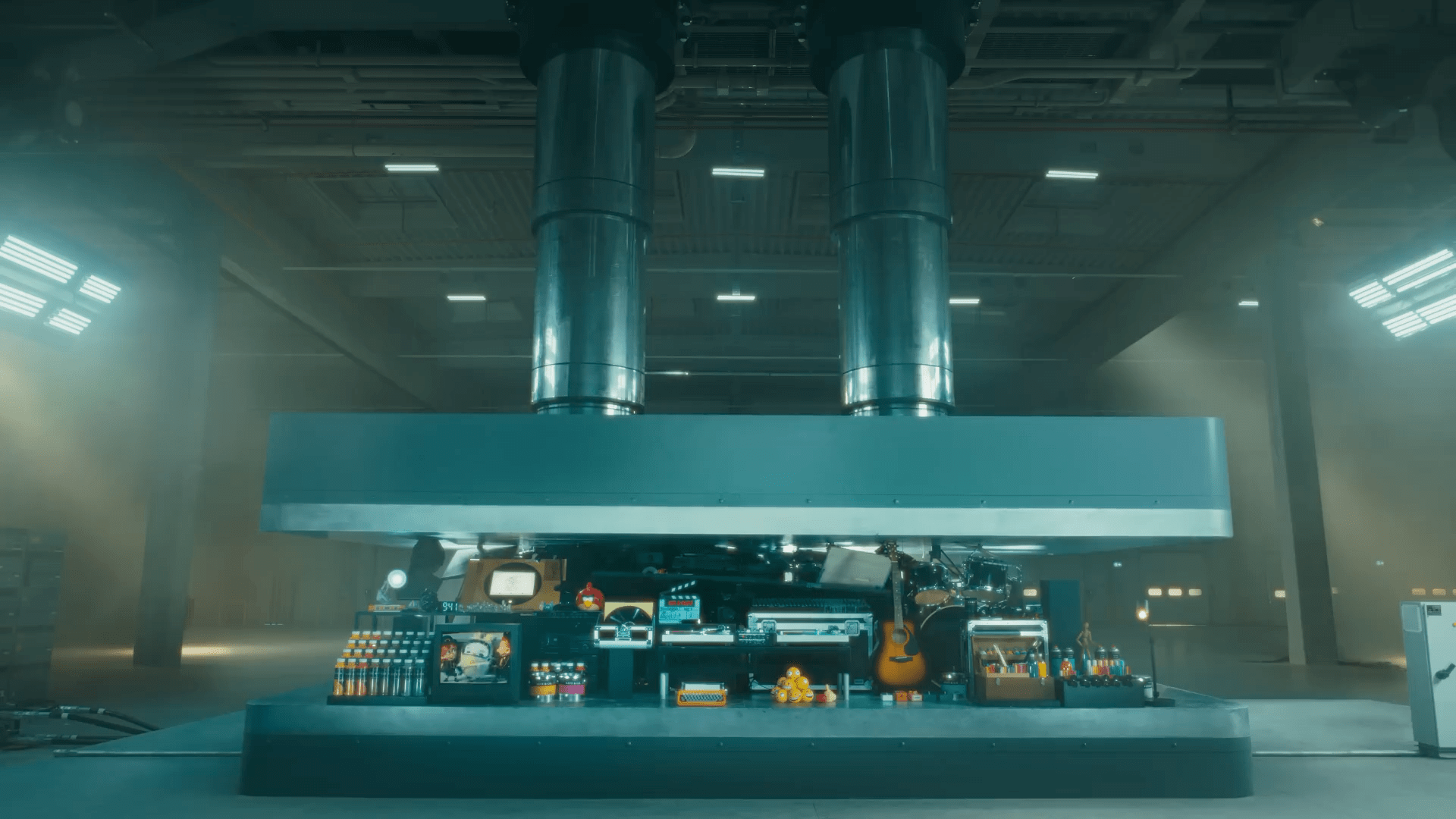
On Tuesday, Apple introduced its new iPad Pros with a video called Crush! that was meant to convey how much the device can do. The trouble was the way the video delivered the message, depicting musical instruments, books, a record player, paints, a TV, and many other creative tools being crushed by a hydraulic press. When the press opened, it revealed the new iPad Pro.
Crush! was widely criticized by the creative community, including actor Hugh Grant, director Reed Morano, and many others. Within hours, the story had spread beyond the tech industry to all corners of the mainstream media.
Today, as reported by The Verge, Apple vice president of marketing Tor Myhren made a statement to Ad Age, apologizing for the video saying:
Creativity is in our DNA at Apple, and it’s incredibly important to us to design products that empower creatives all over the world. Our goal is to always celebrate the myriad of ways users express themselves and bring their ideas to life through iPad. We missed the mark with this video, and we’re sorry.
Earlier today, Federico and I covered the firestorm caused by the video on MacStories Unwind+ for Club MacStories members. During the episode, which will be generally available tomorrow, Federico predicted this outcome, which I think is the right move given the widespread strong reaction to the video.
Club MacStories: Weekly and monthly newsletters via email and the web that are brimming with apps, tips, automation workflows, longform writing, early access to the MacStories Unwind podcast, periodic giveaways, and more;
Club MacStories+: Everything that Club MacStories offers, plus an active Discord community, advanced search and custom RSS features for exploring the Club’s entire back catalog, bonus columns, and dozens of app discounts;
Club Premier: All of the above and AppStories+, an extended version of our flagship podcast that’s delivered early, ad-free, and in high-bitrate audio.
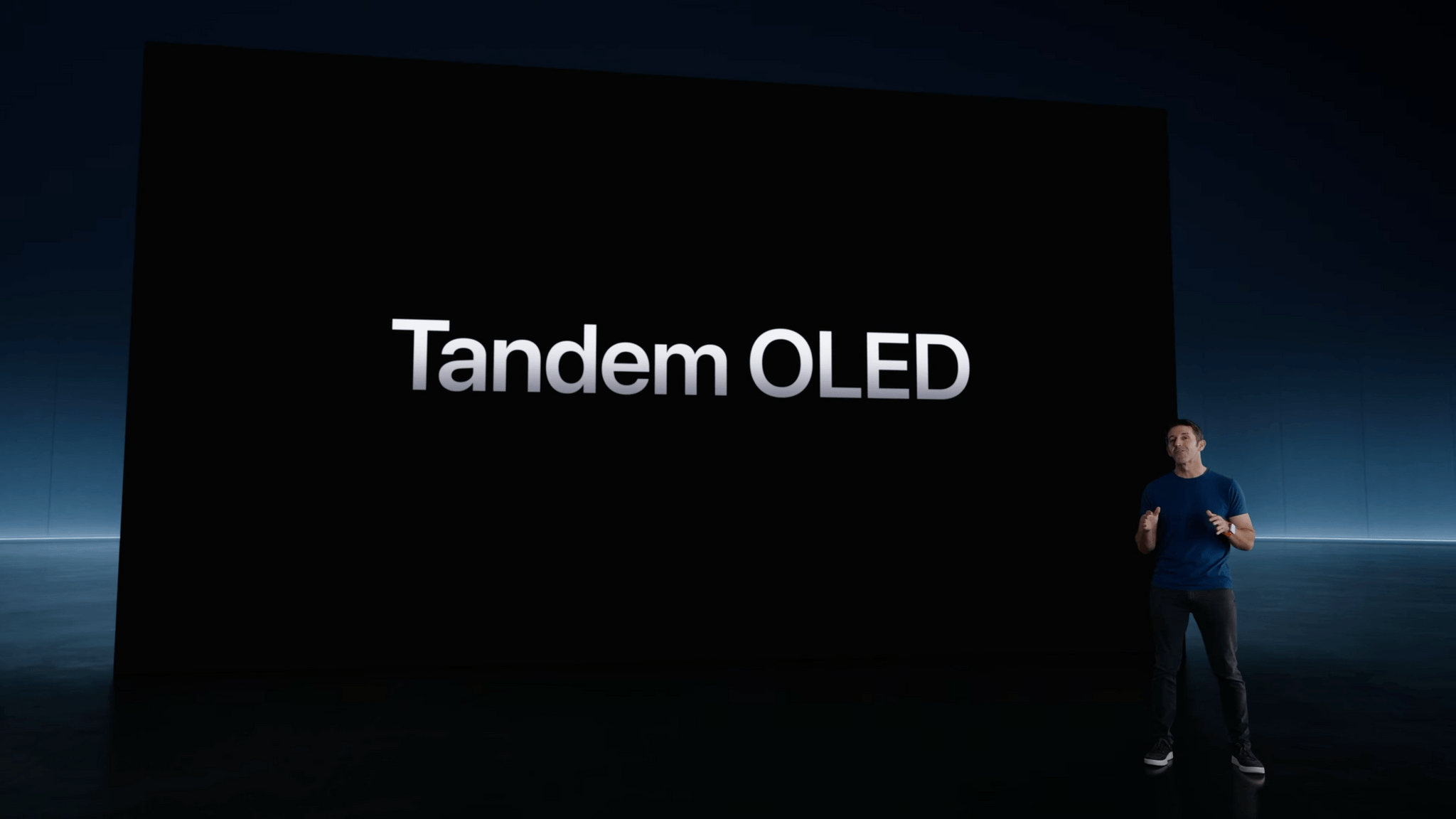
Tandem OLED display panels were new to me when Apple mentioned them during the “Let Loose” event yesterday. I figured it was another marketing term like Ultra Retina XDR, but it’s not.
As Quinn Nelson of Snazzy Labs explains in his excellent video, tandem OLED is a technology that stacks two OLED displays on top of each other, creating more light, greater electrical efficiency, and longer-lasting displays. The catch is that tandem OLED displays are hard to make without losing a lot of the light they generate. There have been multiple proposed solutions as Quinn explains, but it’s not clear how Apple has solved the issue with the new iPad Pros. What is clear, though, is that the technology is a big deal.
Quinn also explains the differences between TSMC’s 3-nanometer chip processes and why the M4 ‘…is a necessary strategic leap. It’s not a computational leap.’ The entire video is worth watching a couple of times to understand the nerdiest bits and why they hold so much promise for Apple’s future hardware releases.


 backpack.](https://cdn.macstories.net/img_6224-1717759614943.jpg)