
 Monthly Log: June 2018
Apple is Rebooting Its Maps App with Rebuilt Map Data→
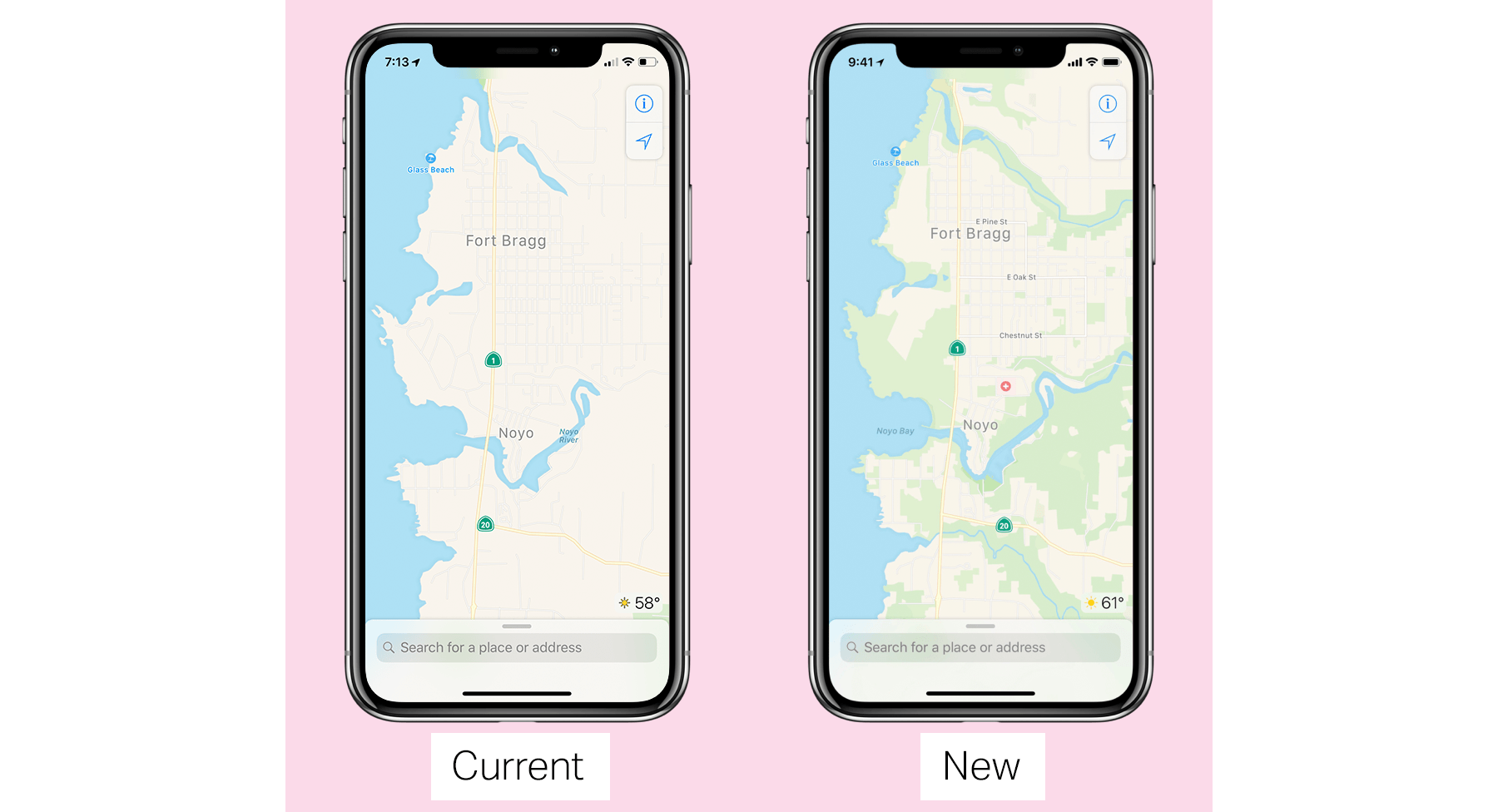
Next week, Apple will begin rolling out new map data as part of the iOS 12 beta. The company, which provided an extensive preview to Matthew Panzarino at TechCrunch, has been rebuilding its map data from the ground up, relying on its own data collection instead of third-party providers.
As a part of the preview, Panzarino interviewed Senior Vice President, Eddy Cue, Vice President Patrice Gautier, and ‘over a dozen’ members of the Apple Maps team. According to Cue, the process of rebuilding Maps began four years ago. Cue told TechCrunch that instead of relying on a patchwork of data sources from third-party vendors, Apple decided to leverage a combination of sources in its control, including the millions of iOS devices in service around the globe:
“We felt like because the shift to devices had happened — building a map today in the way that we were traditionally doing it, the way that it was being done — we could improve things significantly, and improve them in different ways,” he says. “One is more accuracy. Two is being able to update the map faster based on the data and the things that we’re seeing, as opposed to driving again or getting the information where the customer’s proactively telling us. What if we could actually see it before all of those things?”
So, Apple began collecting map data in 2015 from a combination of dedicated Apple Maps vans, high-resolution satellite imagery, and what Apple calls probe data from iOS devices, all supplemented by hundreds of human editors. Panzarino, who took a ride in one of the Apple Maps vans, describes the tech they use:
In addition to a beefed up GPS rig on the roof, four LiDAR arrays mounted at the corners and 8 cameras shooting overlapping high-resolution images – there’s also the standard physical measuring tool attached to a rear wheel that allows for precise tracking of distance and image capture. In the rear there is a surprising lack of bulky equipment. Instead, it’s a straightforward Mac Pro bolted to the floor, attached to an array of solid state drives for storage. A single USB cable routes up to the dashboard where the actual mapping capture software runs on an iPad.
He also describes the probe data as:
Essentially little slices of vector data that represent direction and speed transmitted back to Apple completely anonymized with no way to tie it to a specific user or even any given trip. It’s reaching in and sipping a tiny amount of data from millions of users instead, giving it a holistic, real-time picture without compromising user privacy.
Throughout the TechCrunch piece, Apple emphasizes that data is being collected with privacy in mind using techniques like route segmentation and data anonymization. Cue told Panzarino:
“We specifically don’t collect data, even from point A to point B,” notes Cue. “We collect data — when we do it —in an anonymous fashion, in subsections of the whole, so we couldn’t even say that there is a person that went from point A to point B. We’re collecting the segments of it. As you can imagine, that’s always been a key part of doing this. Honestly, we don’t think it buys us anything [to collect more]. We’re not losing any features or capabilities by doing this.”
The new map data is being rolled out in the US first. Apple says that data will be seamlessly integrated with existing map data beginning with the next beta release of iOS 12, which is scheduled for next week. The first region to get a refresh will be Northern California, with new areas added throughout the US over the course of about a year.
The result should be more accurate, frequently updated maps that do a better job reflecting points of interests, topography highlights, and other details that aren’t present in Apple Maps today. Judging from the screenshots in Panzarino’s article, the changes should be noticeable and useful, though the design of the app itself is not changing during the rollout of the new data.
MacStories Weekly: Issue 134
Fantastically Good Event Parser for Drafts 5→
Peter Davison-Reiber created something pretty amazing in Drafts 5 – a natural language parser to create events in the system calendar natively, without launching other apps:
The way apps like Fantastical actually integrate with the system calendar in iOS is via an API which allows direct manipulation of calendar events. You may have seen the Allow app to access the Calendar? prompt when first launching apps which use this. Drafts integrates this API into its scripting capabilities, and so it occurred to me recently that perhaps I could build a similar functionality within Drafts using JavaScript. This would allow me to use the system calendar app, which I prefer aesthetically over Fantastical, while retaining the ability to enter events in natural language.
What I’ve ended up creating has almost all of the same functionality as Fantastical, but since it does not rely on launching an external URL scheme, is considerably faster. You can enter multiple events, each on a different line, and have them all instantly added to your calendar without even launching another app.
He used chrono.js, which is a natural language date parser written in JavaScript that he adapted to Drafts 5. This allows you to write something like “Monday at 2 PM” and the Drafts action will correctly interpret it as a date and time. This is not the first time Davison-Reiber created a Drafts 5 action based on chrono.js either – you should check out his natural language Things parser too, which takes my original idea and makes it even better and easier to use in Drafts.
Connected, Episode 199: Make Half of a Change→
Myke and Stephen hold an intervention. Federico doesn’t have much to say about MacBook Pro keyboards. All three have hopes and dreams for future Apple audio products.
On last week’s episode of Connected, we had an interesting conversation about the future of AirPods and other audio products by Apple. You can listen here.
Sponsored by:
- Pingdom: Start monitoring your websites and servers today. Use offer code CONNECTED to get 30% off.
- PDFpen 10, from Smile: The ultimate tool for editing PDFs and go paperless.
- Hover: Show the world what you’re passionate about with 10% off your first purchase
Apple Is Building a Media Platform Like Never Before
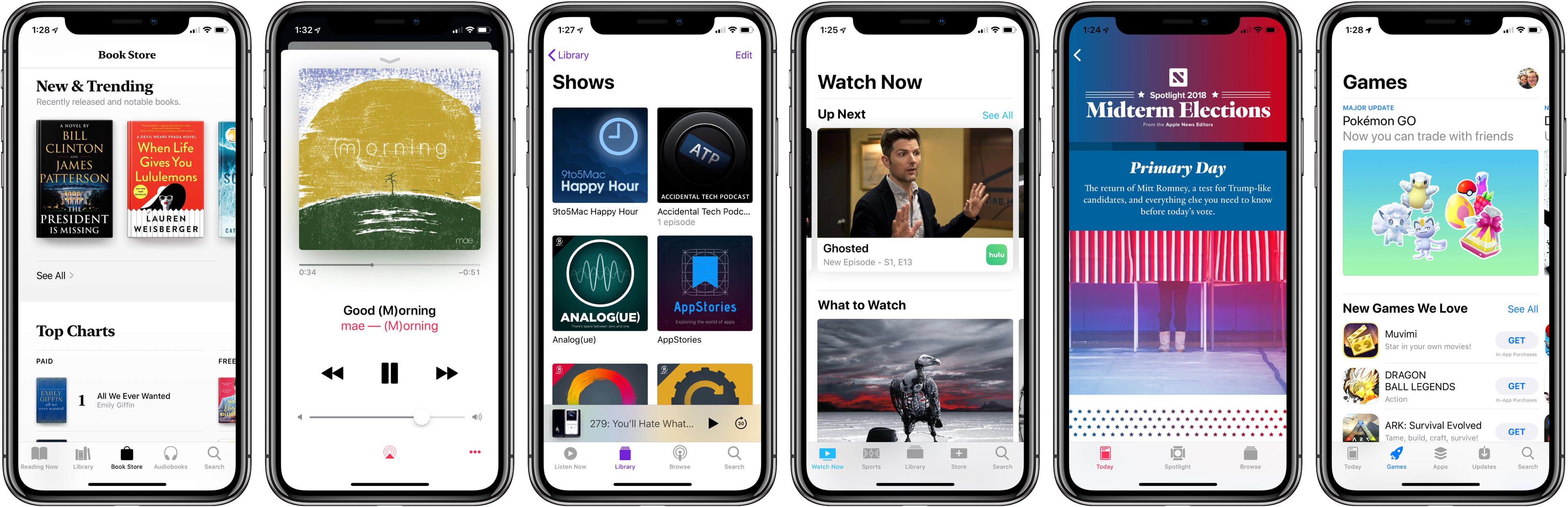
Have you ever watched the construction of a new building while knowing nothing about what the finished product would be? You track its progress a piece at a time, clueless about the end goal until finally there comes a point when, in a single moment, suddenly it all makes sense.
Apple’s media ambitions have been like that for me.
In recent years, Apple has taken a variety of actions in the media space that seemed mostly disconnected, but over time they’ve added up to something that can’t be ignored.
- 2015: Apple Music and Apple News launched.
- 2016: Apple Music redesigned; TV app debuted.
- 2017: App Store revamped with dedicated games section; Apple Podcasts redesigned; TV app adds sports and news.
- 2018: Apple acquires Texture; iBooks redesigned and rebranded Apple Books.
- 2019: Apple’s video streaming service launches?
Apple already has control of the hardware that media is consumed on, with its ever-expanding iPhone business and suite of complementary products. It has invested significant effort into building the apps media is consumed in, as evidenced above. And finally, it’s also building the paid services media is consumed through.
And the company is doing these things at a scale that is unprecedented. Once not long ago, Apple’s primary media platform was iTunes. Now, hundreds of millions of users consume media every day through Apple’s suite of spiritual successors to iTunes:
- Apple Music
- Apple TV (the app)
- Apple Podcasts
- Apple Books
- Apple News
- And the App Store
Apple has one unified goal, I believe, driving all its media efforts: it aspires to utilize hardware, software, and services to provide the entirety of a user’s media experience. If you consume media, Apple wants to provide the full stack of that consumption, from media delivery to media discovery. My aim in this story is to share an overview of how that goal is being fulfilled today.
Pokémon Quest Arrives a Day Early on iOS

Initially slated for release on June 28th, Pokémon Quest has arrived on iOS a day early. The game, which debuted on the Nintendo Switch, is free-to-play with In-App Purchases. The Pokémon and their entire environment adopt a unique, blocky style in Quest. You start with just one Pokémon collecting more and evolving them as you progress through the game’s levels set on Tumblecube Island. In all, the game features the first 151 Pokémon from the series’ Kanto region.
Attacks are automated, but special attacks are available, though timer-limited. To speed up the timers, which are tied to other elements of the game too, players can purchase tokens using In-App Purchases. The game is playable without tokens but slow going.
I haven’t spent much time with Pokémon Quest yet, but my first impression is that it makes a solid companion to the Switch version of the game. After years of pundits calling for Nintendo to abandon hardware and become a mobile-first app company, it’s satisfying to see Nintendo make a comeback with the Switch and for it and The Pokémon Company use iOS to supplement game experiences on Nintendo’s console where the experiences are complementary.
macOS Mojave Public Beta Now Available→
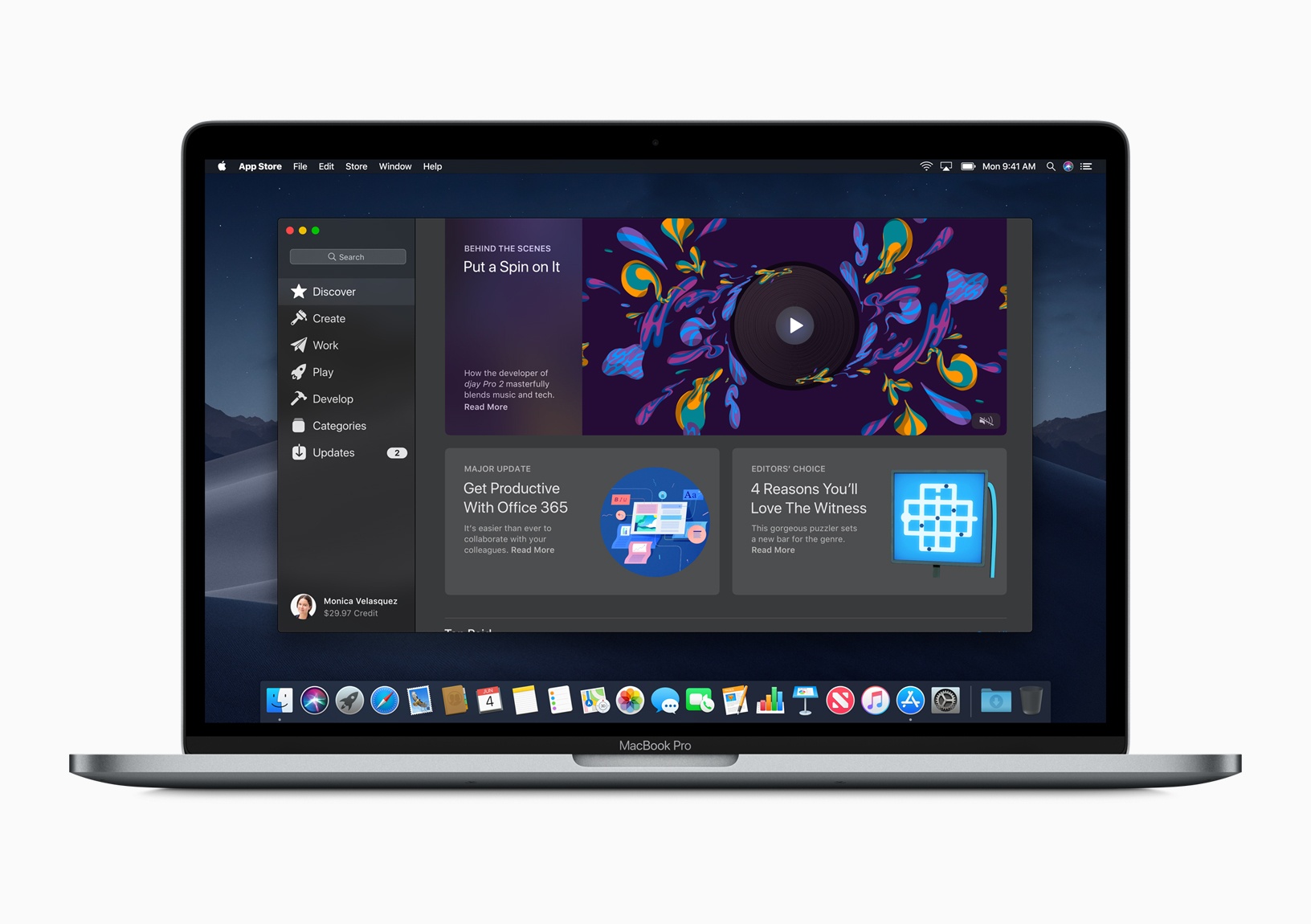
Following yesterday’s release of public betas for iOS 12 and tvOS 12, today Apple opened the beta of macOS Mojave to the general public.
To accompany the beta release, Jason Snell has published a fantastic – and extensive – overview of Mojave on Six Colors:
For a few years now, it’s seemed that any forward movement macOS might make was coming in lockstep with Apple’s other platforms, most notably iOS. What was new to the Mac was generally something that was also new to iOS, or was previously available on iOS.
With macOS Mojave, available today to the general public as a part of a public beta, the story is different. macOS Mojave feels like a macOS update that’s truly about the Mac, extending features that are at the core of the Mac’s identity. At the same time, macOS Mojave represents the end of a long era (of stability or, less charitably, stagnation) and the beginning of a period that could completely redefine what it means to use a Mac.
Is macOS Mojave the latest chapter of an ongoing story, the beginning of a new one, or the end of an old one? It feels very much like the answer is yes and yes and yes.
Beta software is always full of problems, so hop on the Mojave train with caution. That said, if you’d like to join the beta program, you can sign up here.
Apple Releasing Schoolwork App for Teacher and Student Assignment Collaboration Today
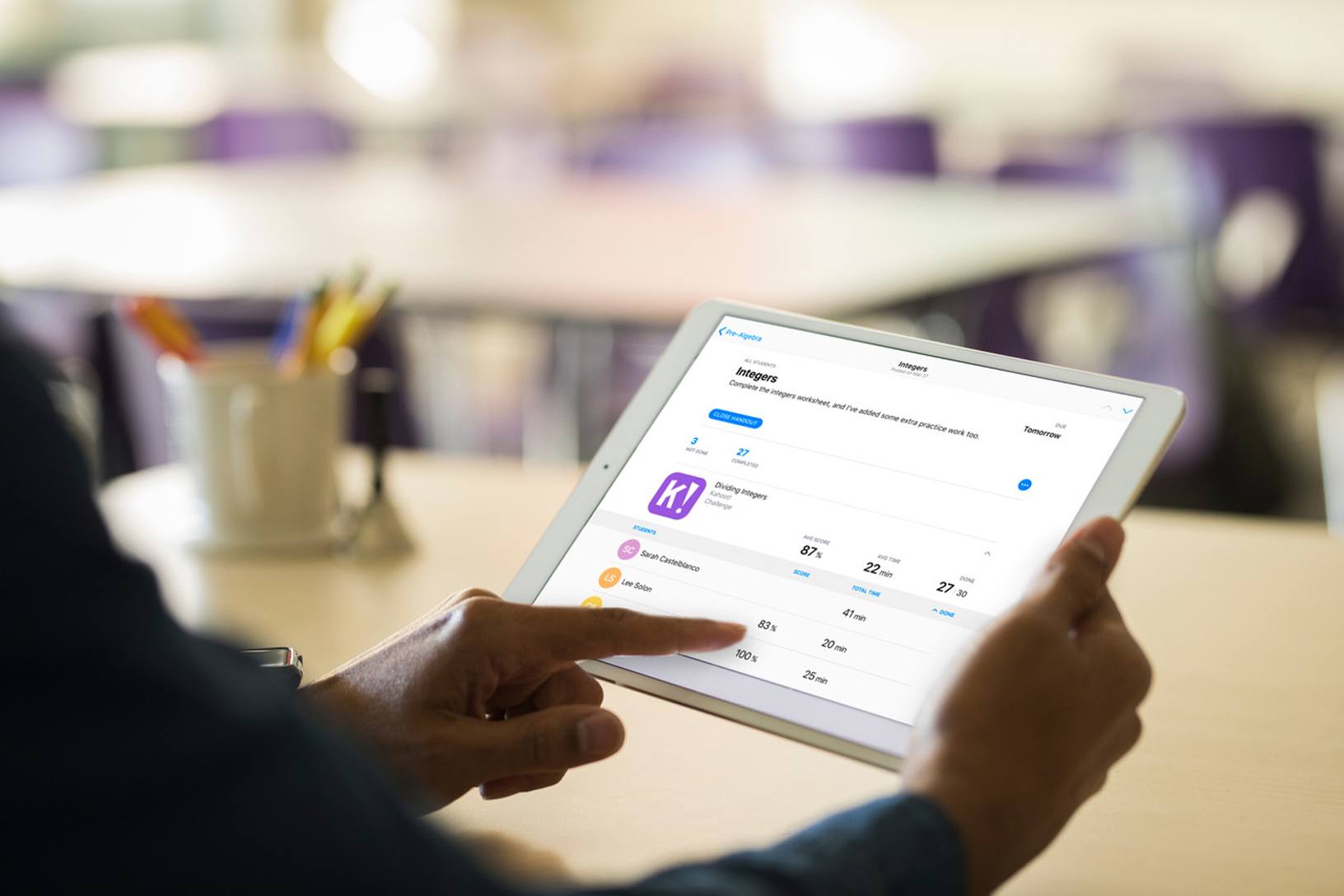
At an education-focused event held in Chicago this past March, Apple previewed an app called Schoolwork for teachers and students, which the company released today.
By integrating features for teachers and students, the app is meant to serve as a central location for coordinating assignments and collaborating. The free iPad app allows teachers to distribute announcements and assignments to students as well as materials like links, PDFs, and other documents. Teachers can also create assignments that take students to specific activities within apps that support Schoolwork. Class performance can be monitored too:
Schoolwork and the apps supporting it give teachers new insight into how their students are performing, helping them tailor their teaching to the needs and potential of each student. Teachers have a snapshot of class performance and can check on an individual student’s progress across activities — progress within apps or projects they’ve created.
Students can use the app to access assignments, track their progress, and access materials from their teachers.
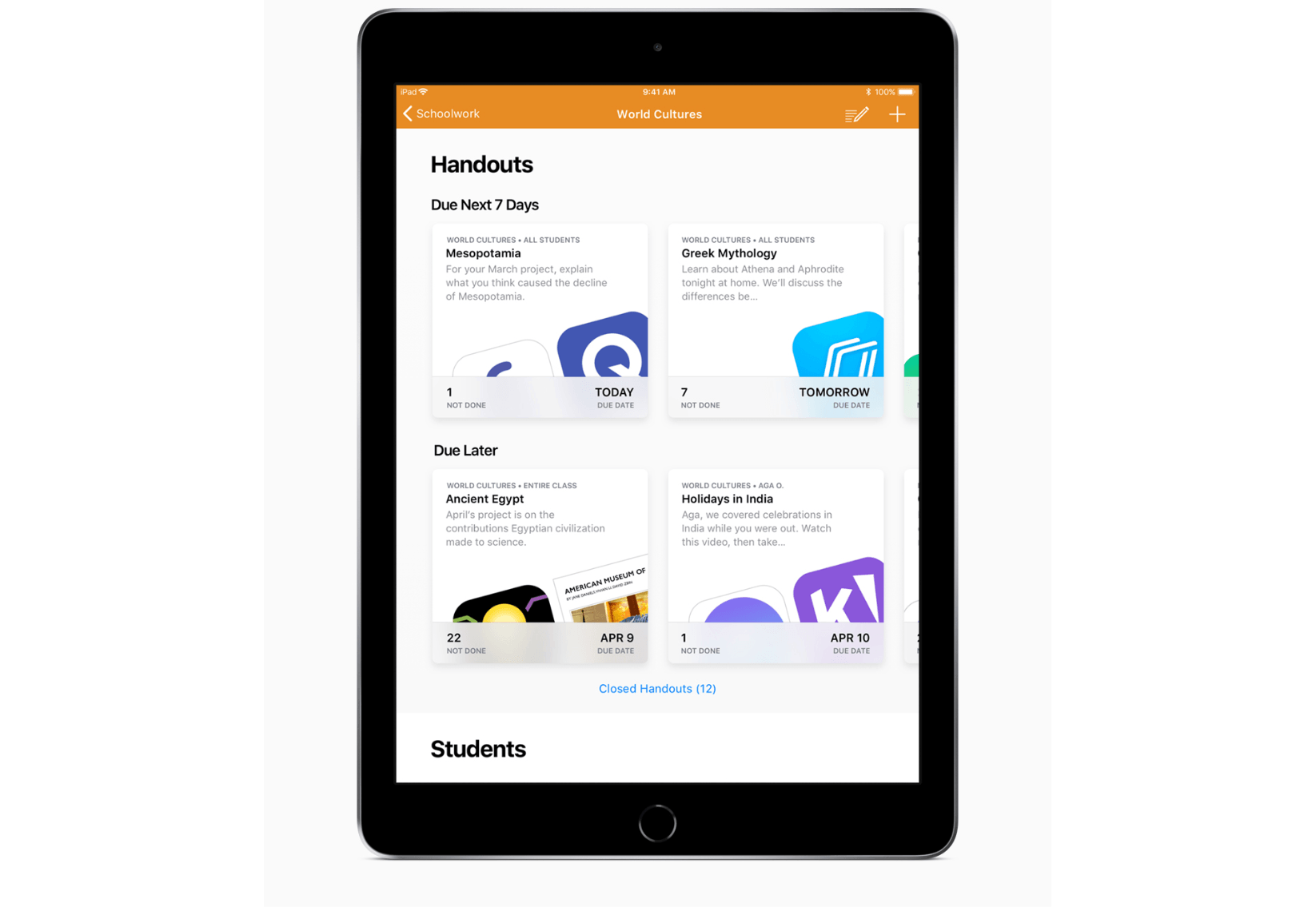
Schoolwork looks like an good way to streamline the process of distributing and tracking assignments between teachers and students. However, some of the most compelling features of Schoolwork require apps to support it. Apple says apps like Explain Everything, Tynker, GeoGebra and Kahoot! already support Schoolwork, and hopefully, others will follow suit.
Schoolwork should be available to teachers on the App Store soon. In the meantime, you can learn more about the app on Apple’s Education page.