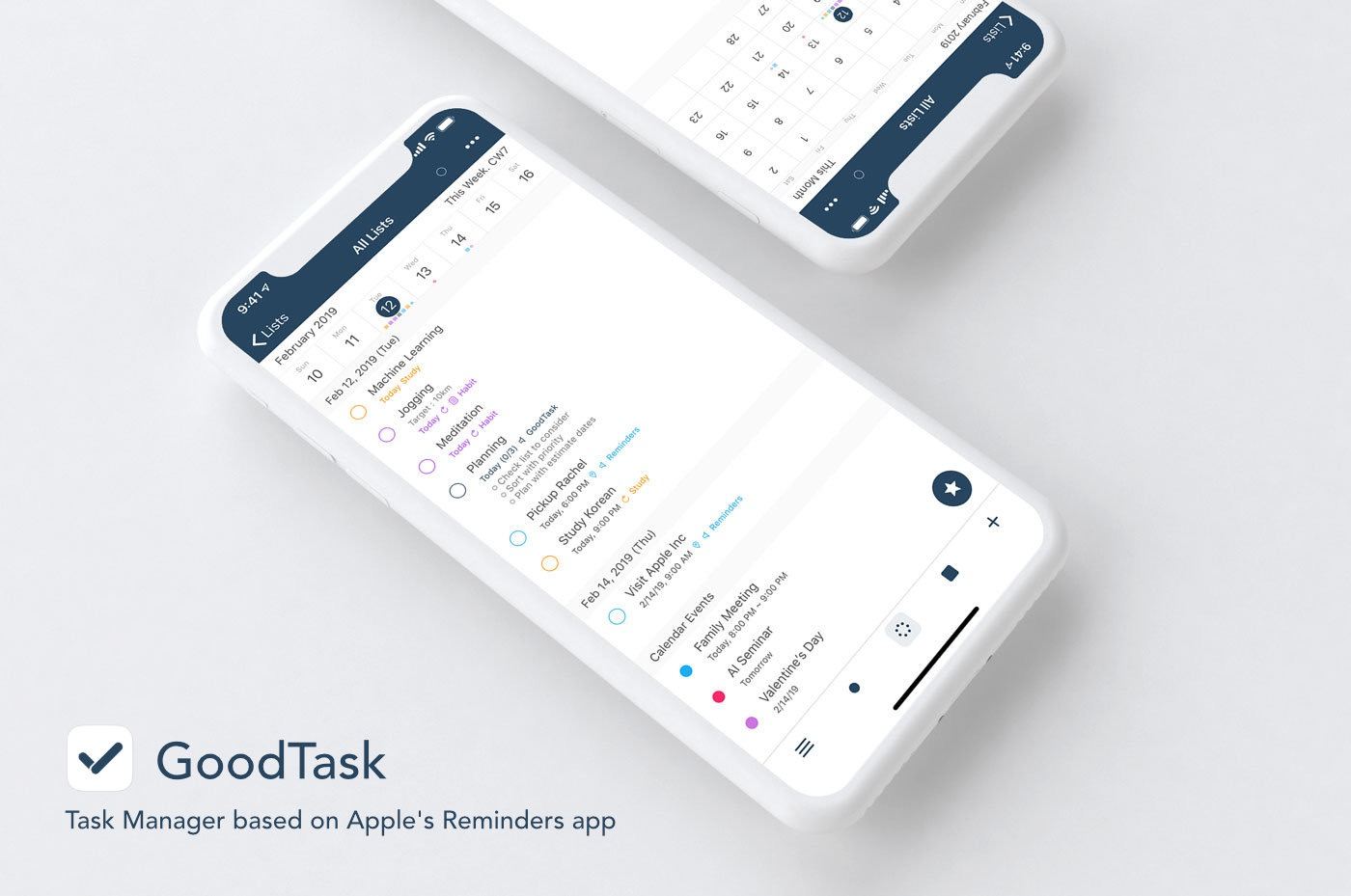
GoodTask: A Powerful Task Manager Based on Apple’s Reminders App [Sponsor]

GoodTask is a powerful task manager for iOS and the Mac that’s built on top of Apple’s Reminders app. By leveraging Reminders, GoodTask syncs to all your iOS devices and Macs, supports Exchange, and works seamlessly with Siri shortcuts. But that’s just the start.

Tasks can be filtered using GoodTask’s Smart List feature. Smart Lists act like saved searches allowing you to view subsets of your tasks. For example, maybe you want to find all of your un-dated tasks with a certain tag. With Smart Lists, that’s incredibly simple to set up.

Another powerful feature of GoodTask is Quick Actions. You define a grid of information to add to tasks with a single tap from the Quick Actions view. Maybe you have a project, tag, day of the week, time, or other bits of data you add to tasks over an over. With Quick Actions, the repetition of typing that information over and over is eliminated. The app also includes a Smart Button on iOS to quickly move between frequently-used lists.

Interactive notifications with Quick Actions allow users to do things like auto-snooze tasks right from a notification without opening the app. There’s also a feature-rich Apple Watch app from which you can manage existing tasks and add new ones. Add to that a handy Today widget and GoodTask excels at being available no matter the device or context. The app’s iOS icons are customizable and you can switch between a variety of themes or make them yourself to set GoodTask up exactly the way you want too.

Take charge of task management today by visiting GoodTask’s website to learn more about its Mac, iOS, and Watch apps and discover the power of the premier task manager based on Apple’s Reminders app.

Our thanks to GoodTask for sponsoring MacStories this week.

Connected, Episode 244: This Is Not Propaganda

Myke keeps dropping his phone, Apple keeps releasing new MacBook Pros for Stephen to talk about, and Federico has published a magnum opus on the state of the iPad and iOS 12.

On last week’s episode of Connected, we discussed the updated MacBook Pros, the themes behind my iPad story, and more. You can listen below (and find the show notes here).

AppStories+ Deeper into the world of apps
0:00
01:25:05

Connected, Episode 244

AppStories+ Deeper into the world of apps

Sponsored by:

Permalink


AppStories, Episode 112 – Behind the Scenes of Federico’s iPad Story

On this week’s episode of AppStories, we discuss the process of creating Federico’s story, Beyond the Tablet: Seven Years of iPad as My Main Computer and some of the topics from the story; later, we are joined by Brian King who worked with Federico on the introductory animation and 3D-rendered images throughout the story.

Sponsored by:

  • Luna Display: The only hardware solution that turns your iPad into a wireless display for your Mac. Use promo code STORIES at checkout for 10% off.
  • Linode: High-performance SSD Linux servers for all of your infrastructure needs. Get a $20 credit.

AppStories+ Deeper into the world of apps

AppStories Episode 112 - Behind the Scenes of Federico’s iPad Story

0:00
58:57

AppStories+ Deeper into the world of apps

Permalink

(Don’t Fear) The Reaper

Apple needed to show developers that Carbon was going to be a real and valid way forward, not just a temporary stopgap, so they committed to using Carbon for the Mac OS X Finder. The Carbon version of Finder was introduced in Mac OS X Developer Preview 2, before Aqua was revealed; it acted a bit more like NeXT’s, in that it had a single root window (File Viewer) that had a toolbar and the column view, but secondary windows did not. At this stage, Apple didn’t quite know what to do with the systemwide toolbars it had inherited from NEXTSTEP.

[…]

It had taken Apple four years to find the new ‘Mac-like’, and this is the template Mac OS X has followed ever since. Here we are, eighteen years later, and all of the elements of the Mac OS X UI are still recognizable today. So much of what we think of the Mac experience today came from NEXTSTEP, not Mac OS at all. AppKit, toolbars, Services, tooltips, multi-column table views, font & color pickers, the idea of the Dock, application bundles, installer packages, a Home folder, multiple users; you might even be hard-pressed to find a Carbon app in your Applications folder today (and Apple has announced that they won’t even run in the next version of macOS).

Fascinating read by Steve Troughton-Smith on how Apple transitioned from NeXTSTEP to Mac OS X between 1997 and 2001. The purpose of this analysis, of course, isn’t to simply reminisce about the NeXT acquisition but to provide historical context around the meaning of “Mac-like” by remembering what Apple did when the concept of “Mac-like” had to be (re)created from scratch.

Apple is going to be facing a similar transition soon with the launch of UIKit on the Mac; unlike others, I do not believe it means a complete repudiation of whatever “Mac-like” stands for today. The way I see it, it means the idea of “Mac-like” will gradually evolve until it reaches a state that feels comfortable and obvious. I’m excited to see the first steps of this new phase in a couple of weeks.

Permalink

Panic Reveals Plans to Sell a Handheld Gaming System Called Playdate in 2020

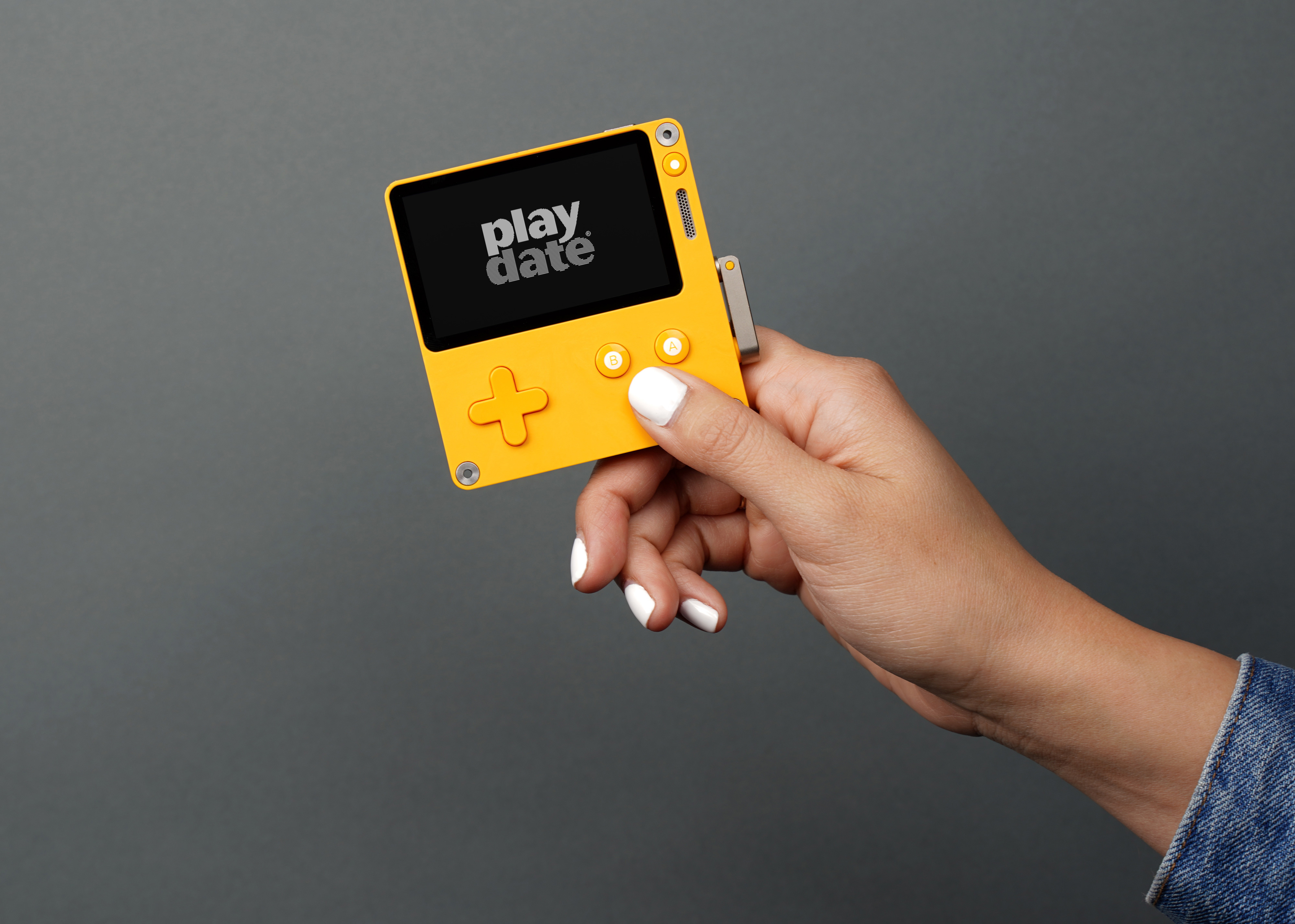
Panic, well-known for its thoughtfully-designed Mac and iOS apps, has announced that it’s entering the hardware market with a portable gaming system called Playdate, which will ship in early 2020 and cost $149. This isn’t Panic’s first foray into the game industry. With the release of the hit indie game Firewatch in 2016, the company became a game publisher. Later this year, Panic will publish the highly-anticipated Untitled Goose Game on the Nintendo Switch. Still, creating hardware is something altogether different for Panic.

Playdate is a diminutive handheld device with hardware and software features that distinguish it from any other handheld on the market. The bright yellow handheld system is just 74mm  ×  76mm  ×  9mm, which is roughly three inches square and a little thicker than an iPhone XS.

Read more


GIFwrapped 2 Offers Redesigned, Streamlined GIF Management with Universal Search and iCloud Drive

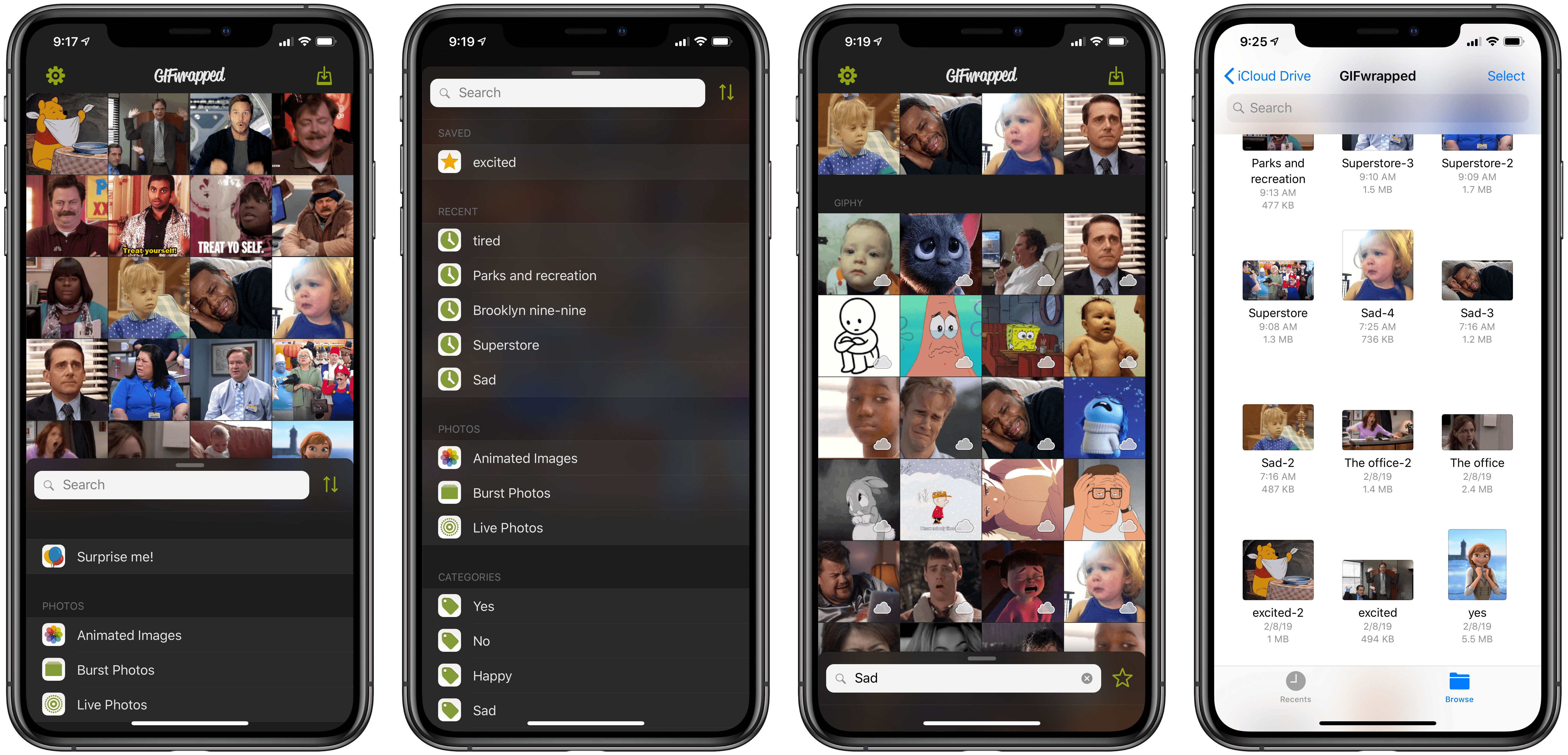
GIFwrapped has long been one of the best ways to store and access your GIF collection on iOS. Five years after our initial review of the app, developer Daniel Farrelly’s GIF utility has received a big update today: version 2.0. GIFwrapped 2 completely rethinks the app’s UI, streamlining it from tab-based to panel-based, while also adding support for two key new features: universal search and iCloud sync.

Read more


Apple Updates WWDC App in Advance of Conference

On the heels of sending invitations to the press for the 2019 WWDC keynote that will be held beginning June 3rd, Apple has updated the WWDC app.

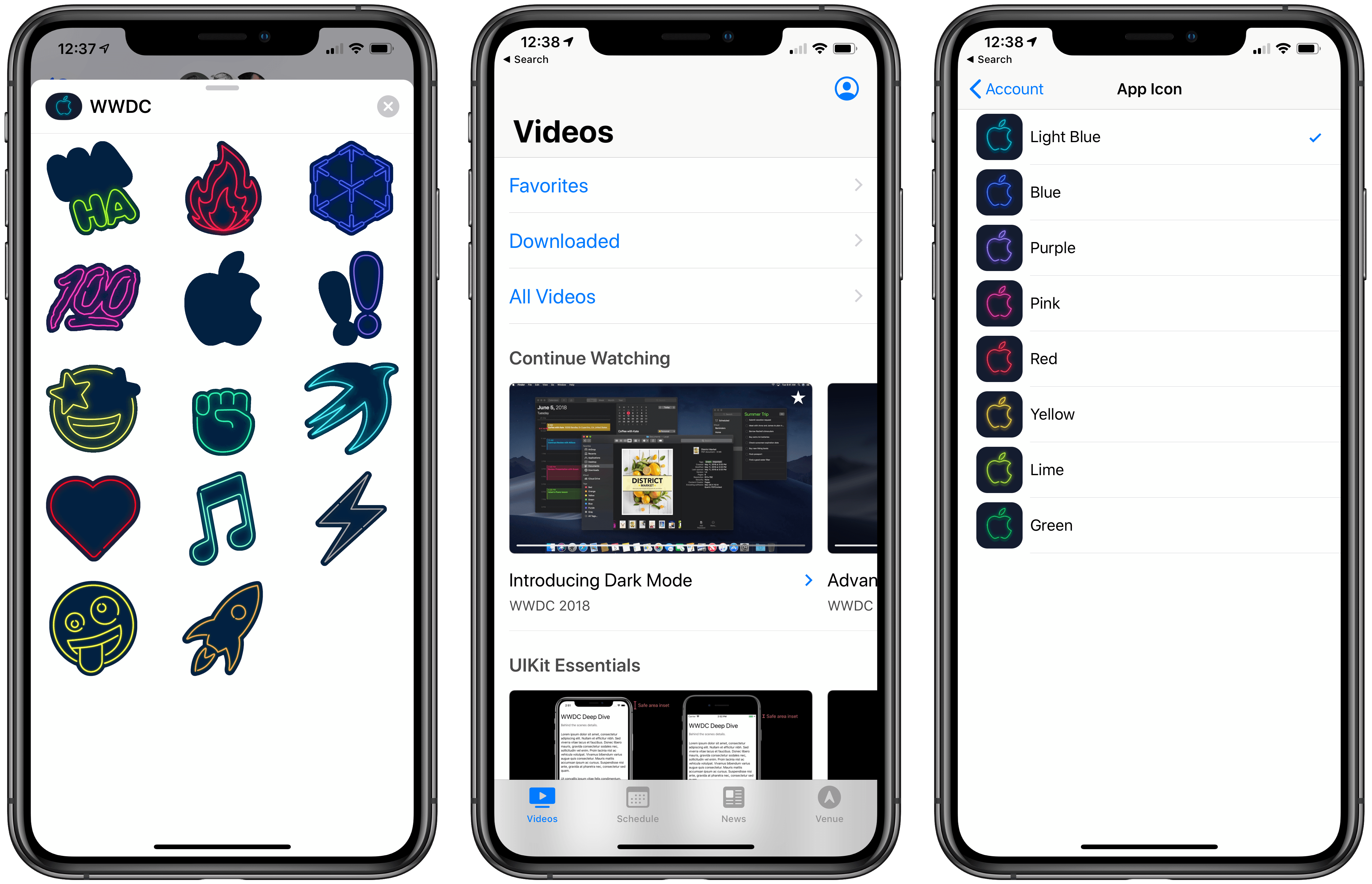
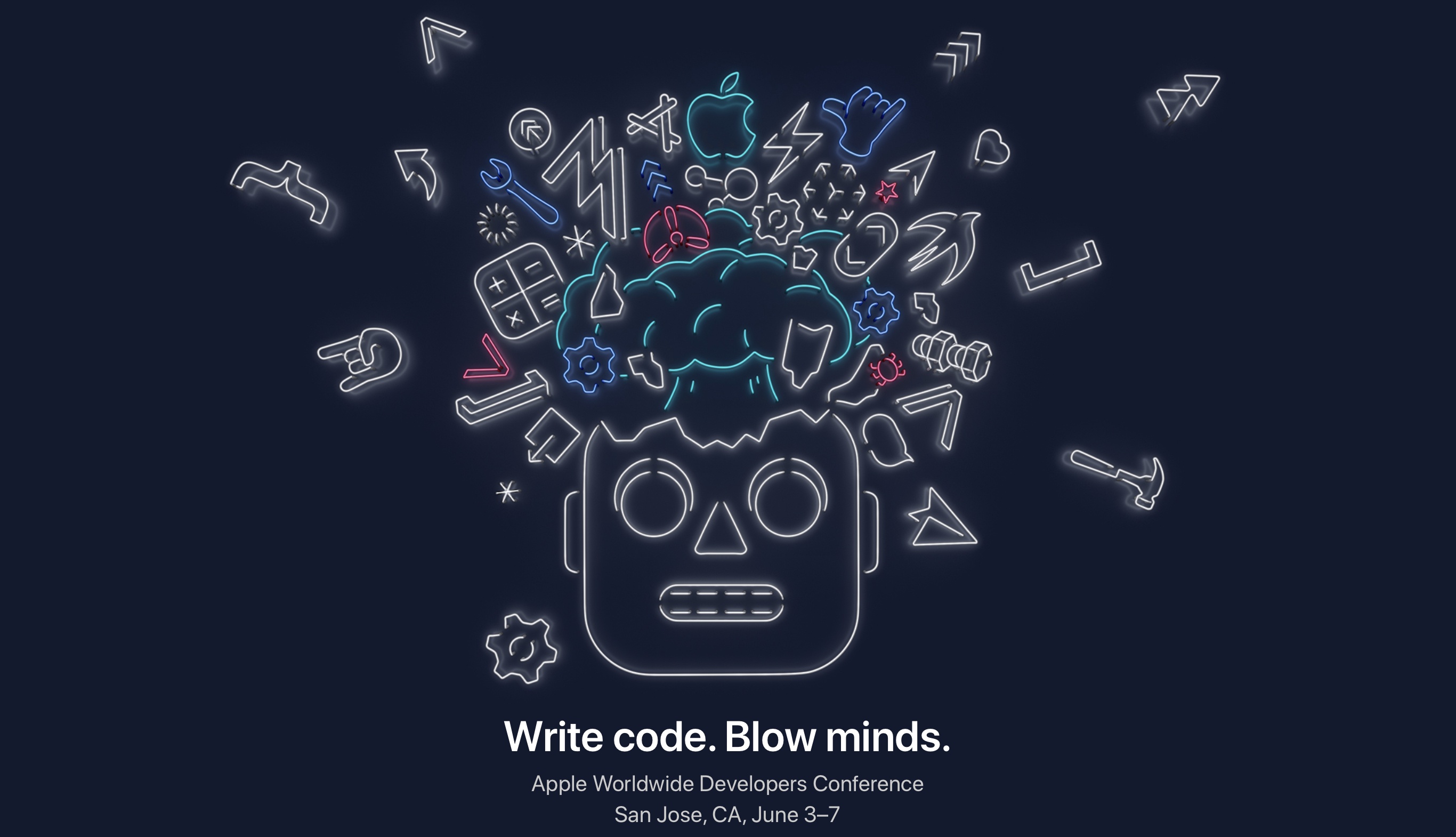
Much of the app’s UI is similar to the version released around this time last year, but now, the app’s icon can be changed between eight neon-themed Apple logo icons. There are also fourteen new animated iMessage stickers included many drawn from the artwork the company used for the initial WWDC announcement and the invitations sent earlier today. In years past, pins were distributed to attendees at check-in for the conference and during sessions that resembled stickers from the app.

The WWDC app can be downloaded for free from the App Store.


Apple Sends Press Invitations and Confirms June 3rd WWDC Keynote

In mid-March Apple announced that WWDC 2019 would take place the first week in June, and today the company confirmed that, following past tradition, the keynote for that conference will take place on June 3 at 10:00 am Pacific.

Apple is expected to unveil the latest versions of its major operating systems at WWDC, including iOS 13, watchOS 6, and macOS 10.15. We may also see hardware products announced too, like the long-anticipated modular Mac Pro. A live stream for the keynote has not yet been confirmed, but it remains likely since WWDC is one of the prime Apple events of the year.