Posts in news

Apple Cracking Down On “Pay-Per-Install” iOS Apps?

Following speculation about Apple using a new App Store ranking algorithm to better promote apps by ratings and “active usage” rather than raw download numbers, TUAW reports today Apple is also effectively banning from the App Store the so-called “pay-per-install” apps – basically, applications (usually games) that let users get access to virtual goods by downloading another app, instead of paying a fee or unlocking features with in-app purchases. This practice has apparently caught the attention of Apple and the App Review Team, and several developers are reporting they’re being notified of the rejection of their software from the Store.

According to Tapjoy, several developers within their network are receiving rejection notices from Apple because their applications feature a pay-per-install promotion.

It appears Apple is somehow enforcing section 3.10 of the App Store Review Guidelines, which states:

Developers who attempt to manipulate or cheat the user reviews or chart ranking in the App Store with fake or paid reviews, or any other inappropriate methods will be removed from the iOS Developer Program.

Clearly, Apple isn’t happy with this freemium model of apps granting virtual currency and goods in exchange for another application downloaded from the Store, and we guess it’s for two reasons: a) the system inevitably “cheats” the App Store charts by inflating downloads of an app not because of quality, but because of promised benefits; b) Apple would rather see developers implementing in-app purchases, which return the company a 30% off every purchase.

As usual, Apple has every right to change the rules in its “walled garden.” In the meantime, Tapjoy, the biggest network for pay-per-install apps, says “the system is misunderstood” and that the model is actually “is beneficial to users, advertisers, and developers.”
Apple: 60 Million iPod touches Sold Since 2007 - 19 Million iPads, 108 Million iPhones By March 2011

In taking a look at the lawsuit Apple filed against Samsung over the Galaxy series “look and feel”, Nilay Patel at ThisIsMyNext uncovered some interesting details and numbers behind Apple’s iPhone, iPad and iPd touch sales that weren’t previously revealed by the company.

First off, Apple says in the “background” section of the lawsuit that over 60 million iPod touches have been sold since the device originally went on sale in 2007. These numbers are noteworthy as the company never officially disclosed iPod touch sales to the public, leading to speculation amongst bloggers and analysts about the actual profit and numbers generated by the iPod touch line. It was rumored last year that roughly 45 million iPod touches had been sold, and this note from Apple seems to confirm previous rumors that suggested the iPod touch was selling around 15 million units per year with a huge popularity in 2008.

Also in 2007, Apple launched the iPod touch, a digital music player. The iPod touch incorporated the distinct style of the iPhone and also became an immediate success. By March 2011, Apple had sold over 60 million units

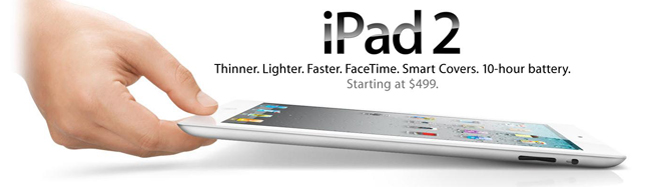
In the same section, Apple goes on to celebrate the success of the iPhone and iPad among average users and mainstream media, as well as detailing how the iPhone revolutionized the communication industry. Apple says 19 million iPads were sold “by March 2011” – if you consider Apple announced they sold 15 million iPads from April to December 2010, that implies the company should have sold between 4 and 5 million tablets in Q2 2011, and we’ll know more about this tomorrow. Similarly, Apple says 108 million iPhones were sold as of March 2011. Steve Jobs said on stage at the iPad 2 event on March 2 that the 100 millionth iPhone had been sold the week before. Many are already speculating Apple might have sold nearly 20 million iPhones in Q2 2011, also thanks to the release of the Verizon iPhone that could have boosted sales in the United States.

No computer product that preceded the iPad looked like the iPad, but its design did resemble other Apple products—namely, the iPhone and the iPod touch, thereby extending the unique and innovative Apple design and trade dress to a new product—tablet computers. In its first 80 days on the market, Apple sold 3 million iPad units. By March 2011, Apple sold over 19 million iPads.

One last interesting tidbit from the lawsuit: Apple spent more than $2 billion in advertising the iPhone, iPod touch and iPad during fiscal years 2007-2010. You can read the entire document here.

Apple’s advertising expenditures for these products for fiscal years 2007-2010 were in excess of $2 billion.


iMac Supplies Running Low, Refresh Imminent?

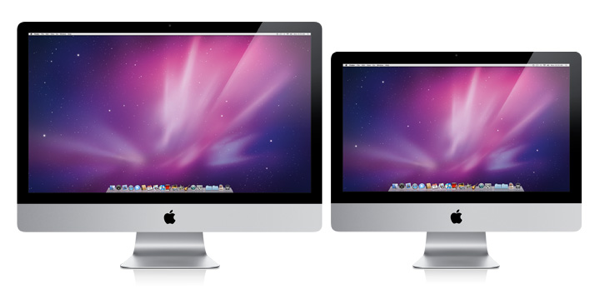
According to 9to5mac, several sources in the United States and Asia have indicated supplies for the current iMac line have become “constrained” in the past week, suggesting that a refresh from Apple is imminent. Tightening of supplies is usually a good indication that a refresh for a product line is coming, and previous rumors indeed pointed to the iMac being updated with new hardware features by late April.

Tipsters in the United States have informed us that their iMac shipments are also very constrained. That’s not the full story though. Although actual iMac shipments are lacking, our U.S. tipsters report that actual iMac components are very constrained. The most constrained pieces right now are the current iMac’s graphics processors and hard drives. A lack of replacement components is also a good indication of an upcoming refresh.

Three weeks ago, Cnet’s Brian Tong claimed an iMac refresh would occur with “no cosmetic” changes by the end of April or first week of May. This seems to follow the path Apple took with the 2011 MacBook Pro update, which showed supply constraints in the weeks leading to the announcement and eventually featured the same design of older models with the addition of Sandy Bridge processors and Thunderbolt technology.

The iMac line was last updated in July 2010 and also saw the release of the Magic Trackpad – which can be bundled with an iMac on the Apple online store.


Vietnamese Videos Show Old iOS 4 Build With Several Unreleased Features


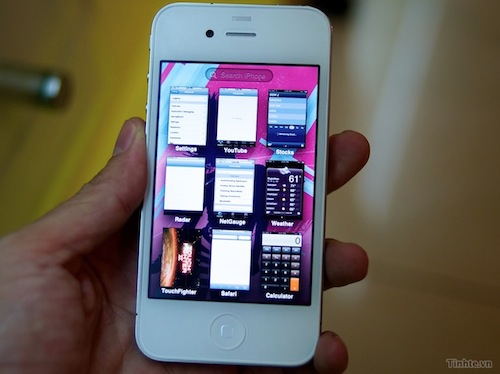
Two videos from Vietnamese website Tinhte [Google Translation] making the rounds of the Internet this morning claimed to show an internal build of the soon-to-be-announced iOS 5 running on a prototype white unit of the iPhone 5. The videos generated quite a debate on several blogs and among iOS developers on Twitter as a completely new multitasking system, folders and settings are demoed. Whilst many initially reported the iPhone shown in the videos was a 64 GB iPhone 5 running iOS 5, further inspection of the videos revealed the prototype unit (likely an iPhone 4) is running an old internal build of iOS 4.0 – carrying build number 8A216. Of course Apple might have changed the number of a “real” iOS 5 build to prevent people from leaking it, but we think that’s very unlikely. Plus, the iPhone sports old Calculator and Voice Memos icons – the Golden Master version of iOS 4.0 carried build number 8A293, so this might be an internal seed tested before the first developer betas released last year.

This build is interesting for a couple of reasons. First off, it shows Apple had been considering an alternative, Exposè-like interface for switching between applications – a UI Apple eventually discarded in the public version of iOS 4.0 for the icon-based multitasking tray. The Exposè design is very similar to jailbreak tweaks like Multifl0w in the way it displays apps in the background through a preview of their actual windows, rather than simple icons. The internal multitasking implementation features snappy and elegant animations, alongside a new placement for Spotlight search on top of running applications. The videos also showcase a different folder creation system with a smaller overlay on top of the device’s Springboard. In the settings, there are a series of preference panels like direct Facebook integration (perhaps linked to MediaStream) and “file sharing”, although no further details are provided. Update: as @chronic reminds us, File Sharing was enabled in the iOS 4 developer betas to let devs control sharing with iTunes through an on/off switch.

It is possible that these features are still being considered for iOS 5 – and especially in the case of file sharing, that would make sense as Apple is working on a Mac-to-Mac file sharing protocol called “AirDrop” for the upcoming OS X Lion.

The device shown in the videos also runs some Apple internal applications, and has a series of extra settings that suggest the build is legit and somehow leaked by Tinhte – which has a good track record when it comes to Apple rumors and products leaks. It is unclear whether this is a real white iPhone 4, an updated version of the device, or a simple mod – but the fact that it’s got 64 GB of storage seems to confirm the iPhone itself is legit, too.

Check out the videos below. [via Chronic, 9to5mac] Read more


Sonos Brings AirPlay Support With Latest Software Update

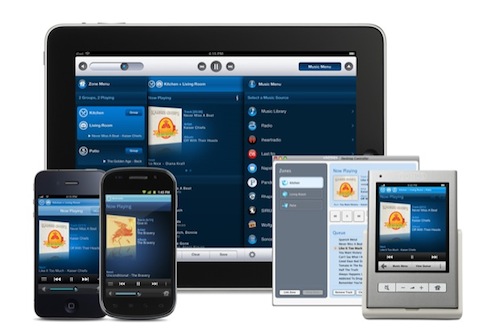
Sonos, makers of beautiful and efficient wireless music system including the S5 I reviewed here, announced today the release of the official Android client, and a software update that brings official AirPlay support to the Sonos Desktop Controller, and better multitasking integration on the iOS apps. What’s curious is that I was already able to accomplish AirPlay streaming by connecting a Sonos S5 to an AirPort Express as you can read here. I guess Sonos, however, added some overall polish to the desktop app to indicate support for AirPlay – I can’t test the feature now, but I can say that it was already working very well when I first connected an S5 to my AirPort Express with the line-in cable. Last, an update to the iPhone and iPad app should bring support for iOS multitasking (finally), although said update still isn’t available in the App Store.

Press release is embedded below. I’m a huge fan of Sonos’ products, so I’ll make sure to check out the new iOS app and updated AirPlay integration as soon as I can. [via CrunchGear] Read more


Sony Releases Official Crackle App for iOS

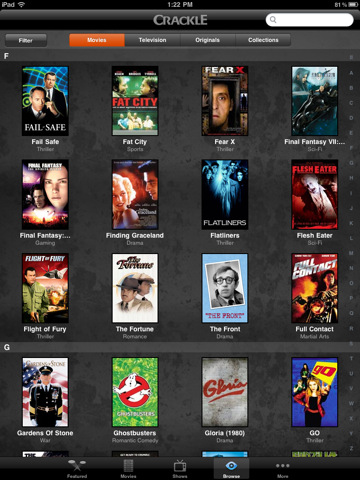
In spite of previous rumors suggesting Sony would never consider releasing an iOS app again after the rejection of their eBook reader application a few months ago, the company pulled the trigger today on the official Crackle app for iPhone and iPad. Crackle, a growing digital entertainment platform that offers movies and TV shows from Sony’s library (including series from Columbia Pictures and Sony Pictures Classics), allows you to stream content over WiFi and 3G, it’s universal and has “unlimited, on demand viewing.” Crackle, however, is only available in the United States and with “selected content” to viewers from the UK, Canada and Australia.

You can browse by Movies, TV shows, Originals and Genres, or build your queue to organize the content you want to watch later. The design looks decent from the screenshots, and there are some sharing options as well. Alternatively, you can buy movies and episodes on iTunes with the tap of a button.

You can find Crackle in the App Store here. [via Cult Of Mac]


Google Brings “Undo” Bar To Gmail iOS Web App

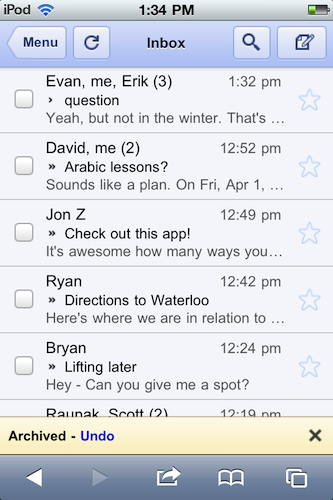
With a post on the company’s official Mobile blog, Google announced a few minutes ago that they’re bringing the popular “Undo” action to the Gmail web app for iOS and Android devices. You can check out the new feature by opening mail.google.com on your iPhone now.

Sometimes when I’m using Gmail on my phone, I delete a message by mistake or label it incorrectly. Sure I can fish the message out of my Trash or remove the label and apply the correct one, but that takes several steps. Even just a few seconds is usually enough time to catch those annoying mistakes.

The new Undo feature works with labels, archived and deleted messages, as well as moved messages or conversations. Undo appears in the same bottom bar that Google added a few weeks ago to display the status of a mobile connection. It all works fairly well, and the bar stays on screen for a few seconds even if you move to another section of Gmail – like starred items from the Inbox. Google also recently brought Priority Inbox to mobile devices through Safari, although support for Retina Display graphics is still nowhere to be seen.


iTunes 10.2.2 Released with Bug Fixes

A few minutes ago Apple released an update for iTunes, which reaches version 10.2.2 and adds a number of stability enhancements and bug fixes to improve the overall performances of the app. From the changelog:

  • Addresses an issue where iTunes may become unresponsive when syncing an iPad.
  • Resolves an issue which may cause syncing photos with iPhone, iPad, or iPod touch to take longer than necessary.
  • Fixes a problem where video previews on the iTunes Store may skip while playing.
  • Addresses other issues that improve stability and performance.

You can find the update here, on Apple’s iTunes webpage or through Software Update on your desktop.


Apple Sues Samsung Over Galaxy “Look & Feel”

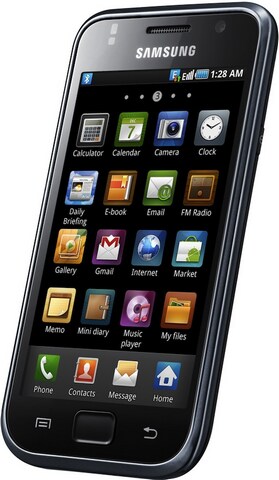
As reported by the Wall Street Journal, Apple has filed a lawsuit against Samsung on April 15 in the Northern District of California claiming that the South Korean company copied the “look and feel” of iPhones and iPads with its Galaxy devices – smartphones, tablets and media players.  A very few details are provided in the original report, but the WSJ claims the lawsuit indicates products like the “Galaxy S 4G,” “Epic 4G,” “Nexus S” and “Galaxy Tab” are violating Apple’s intellectual property.

Rather than innovate and develop its own technology and a unique Samsung style for its smart phone products and computer tablets, Samsung chose to copy Apple’s technology, user interface and innovative style in these infringing products,” the lawsuit said.

Representatives of Apple and Samsung didn’t immediately respond to requests for comment.

Samsung is one of the big players in the current Android landscape – the company came out last year with a 7-inch tablet and recently announced two new models (Galaxy Tab 8.9 and 10.1) that will also support Android’s Honeycomb 3.0 update. The relationship between Apple and Samsung is quite complex, as the South Korean tech giant makes the processors that go into iPhones and iPads sold by Apple. Several rumors in the past pointed to Apple willing to move the production of A4 and A5 CPUs away from Samsung (the iPad 2’s A5 CPU comes from Samsung), and this lawsuit might be a sign of things changing between the two companies. This lawsuit could also imply Apple is targeting Android indirectly by suing OEMs instead of Google itself – manufacturers like HTC, Samsung and Motorola are free to use Android, but they usually apply their custom graphical skins to differentiate their products. Apple is suing Samsung, a manufacturer of Android-based devices which applied its custom TouchWiz user interface to Android. TouchWiz, however, was also used on proprietary and Bada-based devices, but Apple is suing over the “look & feel” of the Android Galaxy line. The Wall Street Journal doesn’t specify whether or not TouchWiz was mentioned in the lawsuit.

A few weeks ago, Apple also sued online retailer Amazon over the usage of the term “App Store” in its new Android digital marketplace. Read more