
Earlier this week, I published my story about the iPhone X. After spending a month with the device, I tried to analyze some of the big-picture themes that I believe will impact the entire Apple ecosystem going forward. These include Face ID and attention awareness, the camera as a 3D lens, iOS becoming a...
 Q&A
Q&A
Question: What camera did you use for your iPhone X article? (Anonymous)
I used my girlfriend’s iPhone 7 to shoot the pictures. The videos were recorded with my 12.9-inch iPad Pro (second-gen model) and later encoded with ffmpeg on a Mac using Automator and a couple of shell scripts for other encodings (see Issue...
Yoink 1.1 Brings Clipboard and Files Integration, 3D Touch Support, and More

I use Gladys as my go-to shelf app on the iPhone and iPad, but I’m also a fan of what developer Matthias Gansrigler is doing with Yoink on iOS. Yoink is a popular drag and drop assistant for macOS that launched earlier this year on iOS with an iPad app that, like many others, took advantage of the drag and drop APIs in iOS 11 to offer a mix of a shelf app and clipboard manager.
Apple Posts ‘Best of 2017’ Lists on App Store, Apple Music, and iTunes
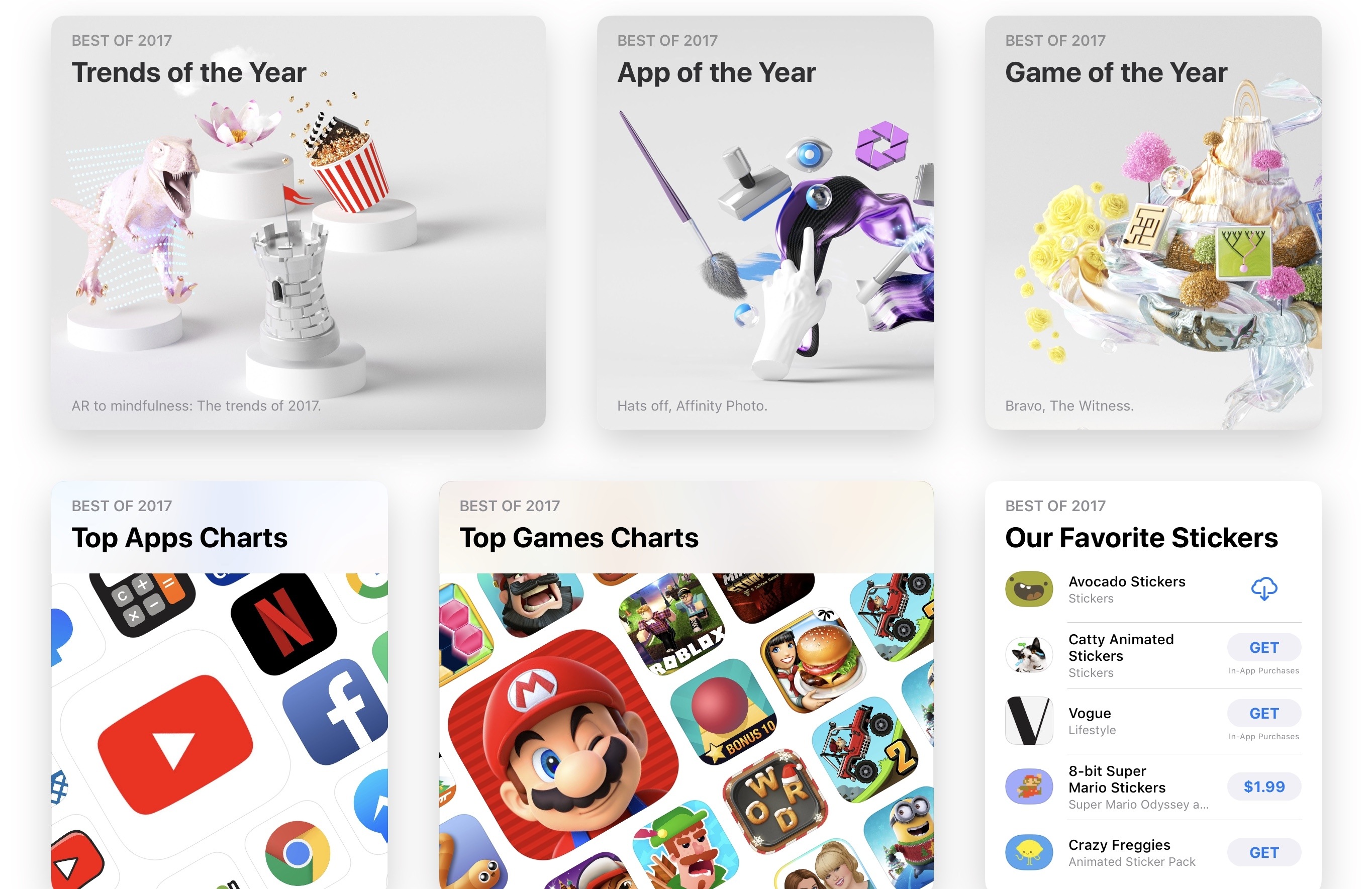
With a press release and special sections featured on its digital storefronts this morning, Apple revealed the most popular apps, games, and media releases of 2017.
Remaster, Episode 48: Game of the Year 2017→
You don’t want to miss this week’s Remaster, where we cover our picks for the best games we’ve played in 2017. You can listen here.
Sponsored by:
- Crimson Mesa: Rediscover ‘The Ancient Game of the River’.
Connected, Episode 171: Leave It to Stephen→
Apple’s had a rough week, Myke’s office is full of assistants and Federico is back with a new task manager and an iPhone X review.
On this week’s episode of Connected, I cover the other half of my experience with Things, and we discuss my iPhone X story. You can listen here.
Sponsored by:
One More Step Toward 2018 Emoji List→
Unicode last night announced the beta version of next year’s emoji release.
This beta release marks one step closer to toward a softball emoji, as well as a cupcake, redheads, bagel or kangaroo. If they make the final cut, that is.
Other emoji candidates in the beta include a teddy bear, mango, party face, skateboard, and spool of thread.
Unfortunately, the proposed emoji that caused a controversy within the Unicode Consortium – the frowning pile of poo – didn’t make the cut for next year. The list isn’t finalized yet (it’ll be in early 2018), but I already see the party face emoji as a potential new favorite.
Also worth noting: there’s a proposal to add support for changing the direction of emoji. If accepted, I wonder if Apple could add a “direction picker” to the existing emoji skin tone menu.
Instagram Rolls Out Private Stories Archive→
Two important updates to Instagram’s Stories feature announced today – here’s Casey Newton, writing at The Verge:
Instagram is rolling out a private archive of the ephemeral stories you have posted in the app. Starting today, Instagram will begin to add your expired stories to the archive feature, which until now has been used only to house photos and videos you no longer want to display on your public profile. The stories archive, which you will be able to opt out of, is being introduced globally on Android and iOS.
The stories archive represents another feature copied from Snapchat, which introduced its own version of the archive, called Memories, last year. But the archive differs from Snap’s version in one key respect: Instagram will let you post old stories to your profile in a feature the company is calling Highlights. You’ll be able to package old stories together in the archive, give them a name, and share them to your profile, where they will appear above your other posts.
I don’t use Instagram Stories as frequently as my friends (all their social updates start via Stories these days), but with an automatic archive feature combined with Highlights, it may be time for me to start posting puppy videos more often.
iPhone X: A New Frontier
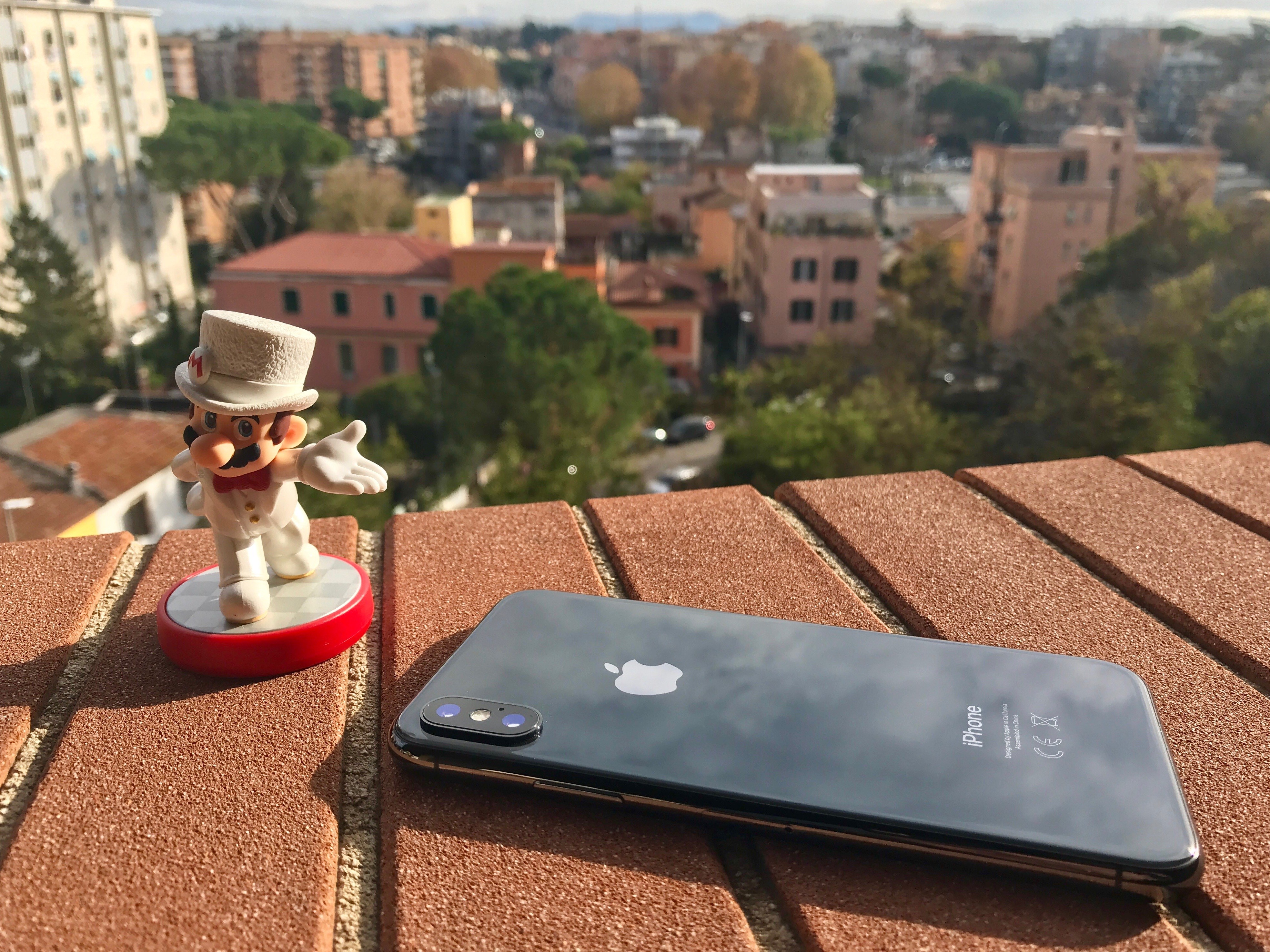
For a radically redesigned iPhone launching on the tenth anniversary of the first model, it seems reasonable to lead a review of the device with a retrospective on the original iPhone and how, over the course of a decade, its vision matured into the iPhone X. But today, I want to begin with the iPhone 4.