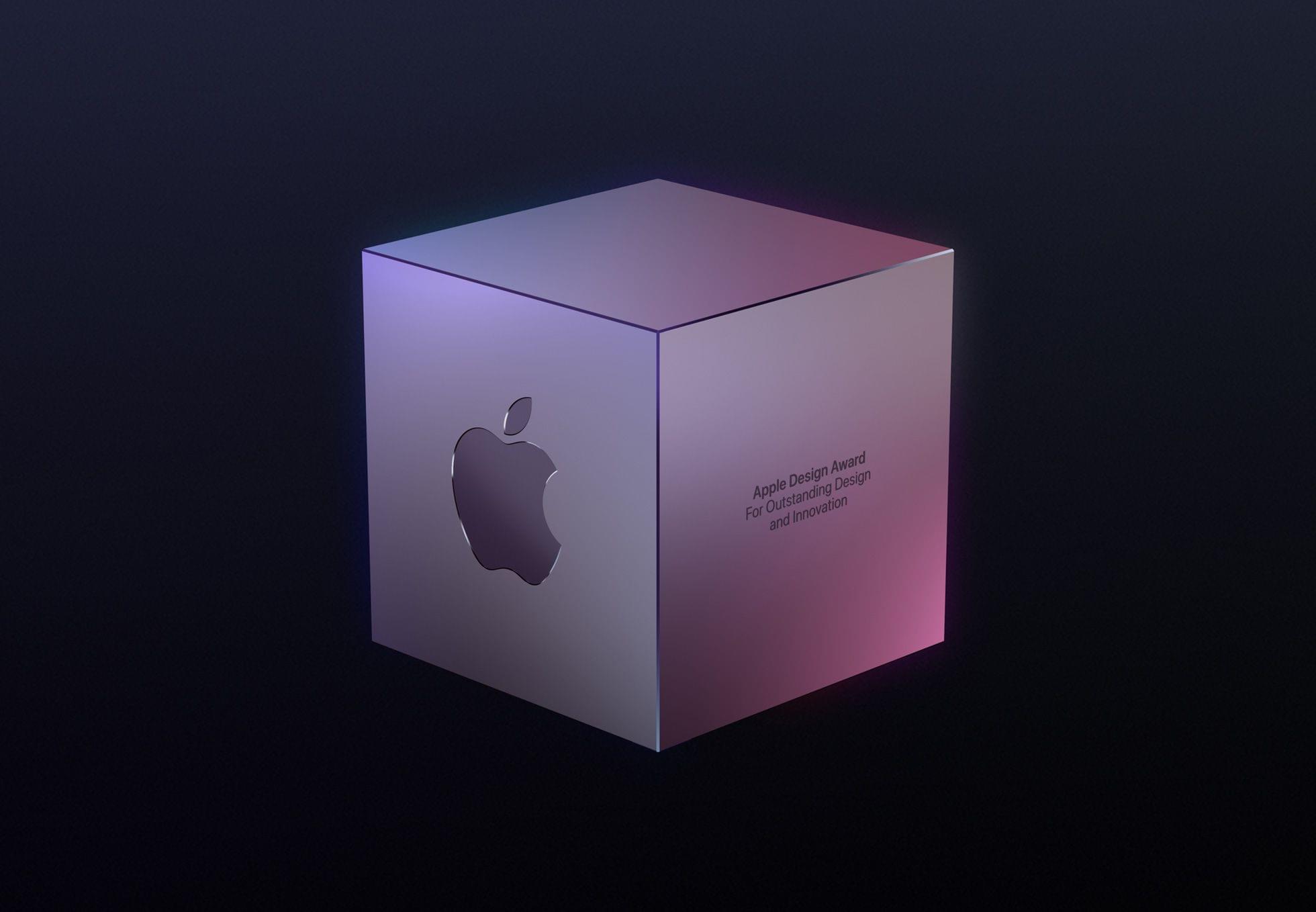
2021 Apple Design Awards Given to Twelve Developers

The annual Apple Design Awards were handled a little differently this year. On June 1st, the company, for the first time, announced finalists in six categories: Inclusivity, Delight and Fun, Interaction, Social Impact, Visuals and Graphics, and Innovation. For each category, Apple picked six finalists for a total of 36 ADA contenders.

As a part of sessions held at WWDC today, Apple announced the 12 winners, an app and game in each category:

Inclusivity

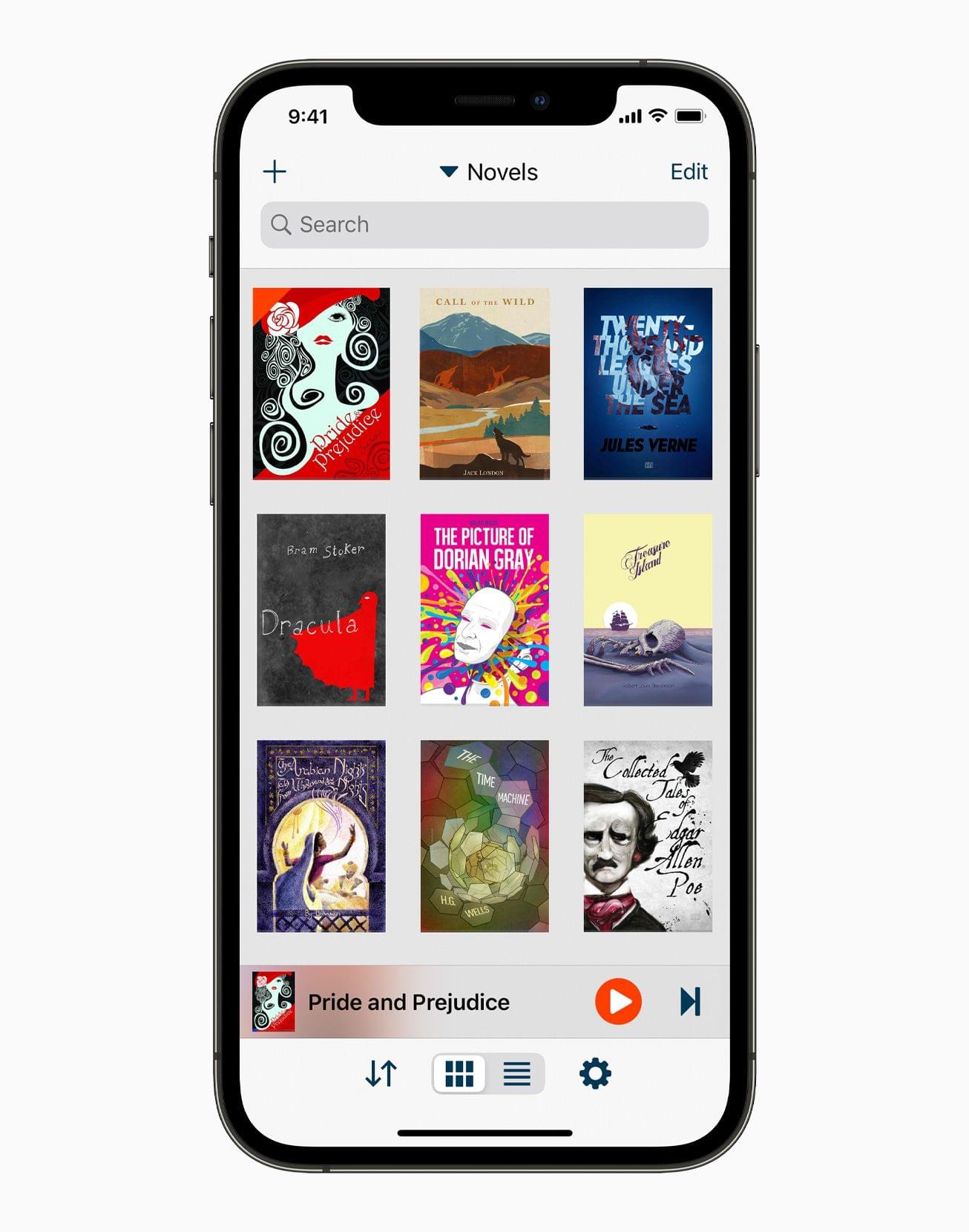
App Winner: Voice Dream Reader

Apple picked Voice Dream Reader as the winner for the app Inclusivity ADA for its use of VoiceOver technology. The app is a text-to-speech reader that can turn any document or ebook into audio.

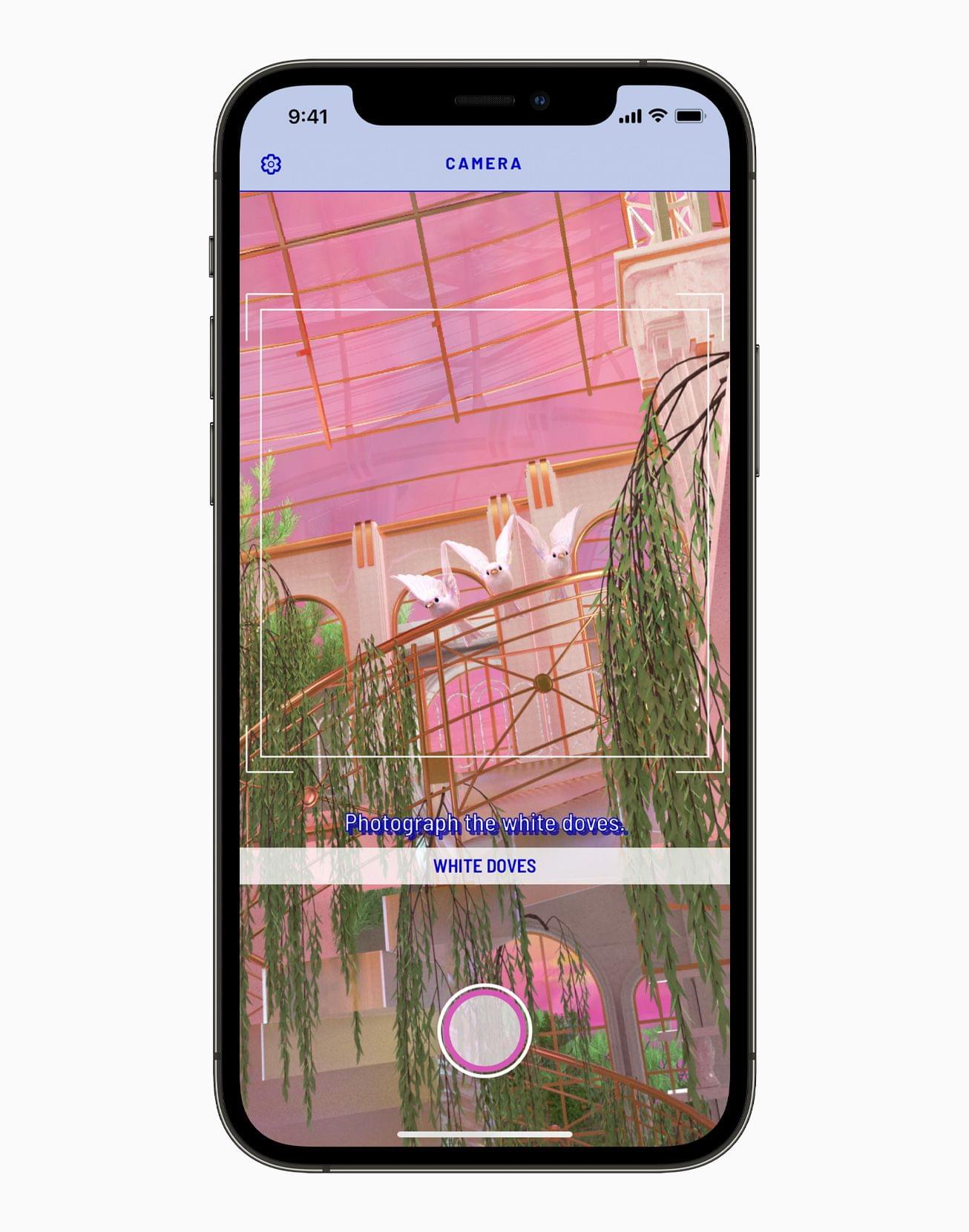
Game Winner: HoloVista

In the game Inclusivity category, Apple chose HoloVista, a game where you explore a mysterious mansion, filled with secrets you need to uncover.

Read more


Zane Lowe on Apple Music’s Record Label Pages

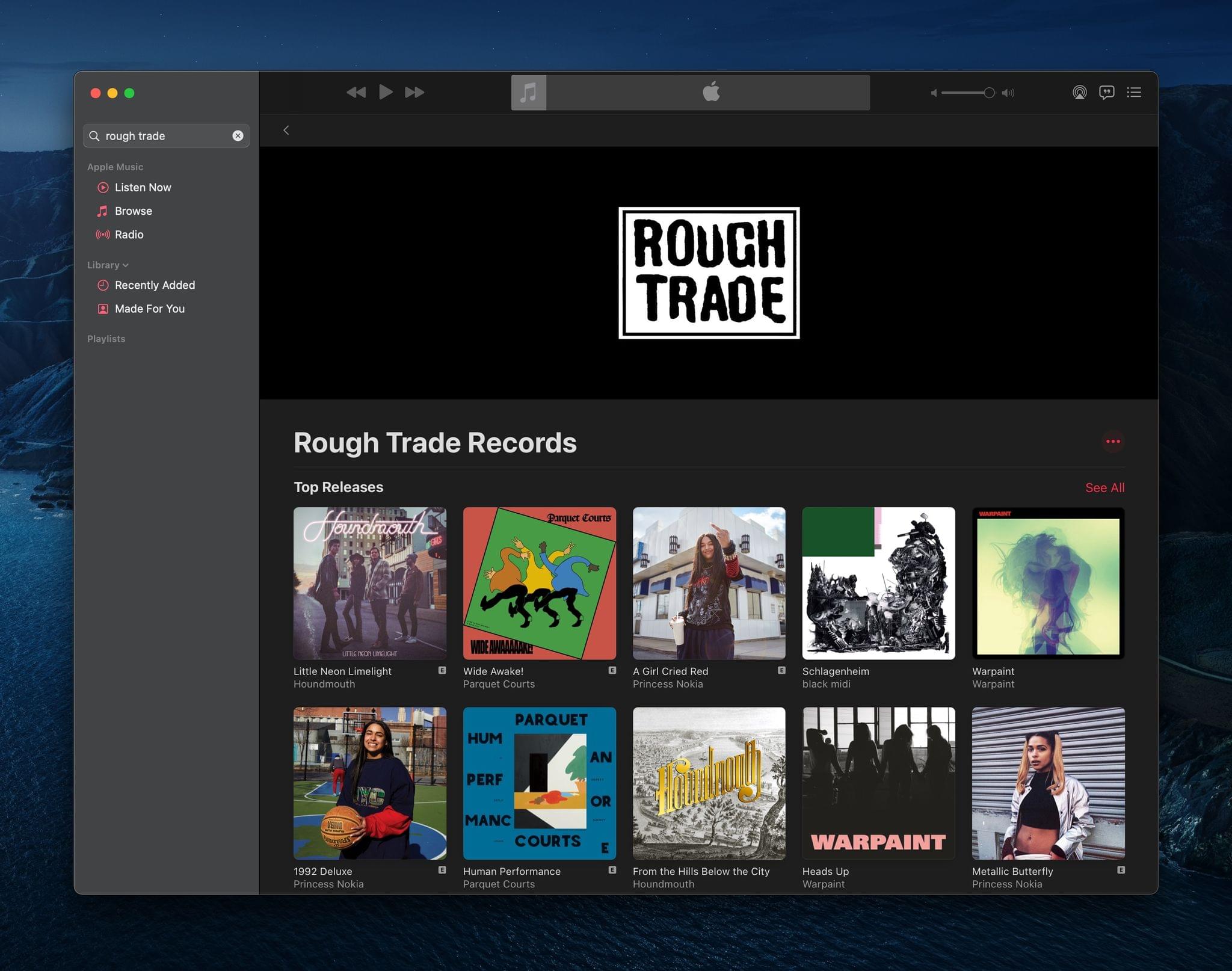
Ethan Millman, writing for Rolling Stone, reports that Apple has added around 400 music label pages to Apple Music. Label pages began showing up in Music late in April with the release of iOS and iPadOS 14.5 as Federico covered in in his overview. However, with the introduction of Spatial Audio and lossless streaming, Millman had a chance to talk to Zane Lowe, Apple Music’s co-head of Artist Relations and radio host, about why the company is emphasizing record labels.

According to Lowe:

“We want to highlight labels that are really hyper-focused on building great quality. The labels we’re partnering with here are the ones where I want to search for their logo on the back of the record and would buy music unheard because I trust that,” Lowe says. “That to me is really the culture that we’re trying to represent from a label point of view here. In a way, this is an opportunity for us to reestablish the concept of a label as something more than just a bank. To look at the label system again as more than just a distribution model or an investment model, but actually as a place where music, art and culture is fostered in a really deliberate and very thoughtful way.”

Listener affinity for record labels is just one aspect of music that has largely fallen by the wayside in the streaming era. It will be interesting to see if Apple Music can rekindle interest in labels as an indicator of quality and curation. There’s more Apple could do to expand music credits, but it’s good to see the company take a step in this direction with labels.


You can follow all of our WWDC coverage through our WWDC 2021 hub, or subscribe to the dedicated WWDC 2021 RSS feed.

Permalink

Shortcuts for Mac: The Future Is Now

Source: Apple.

Source: Apple.

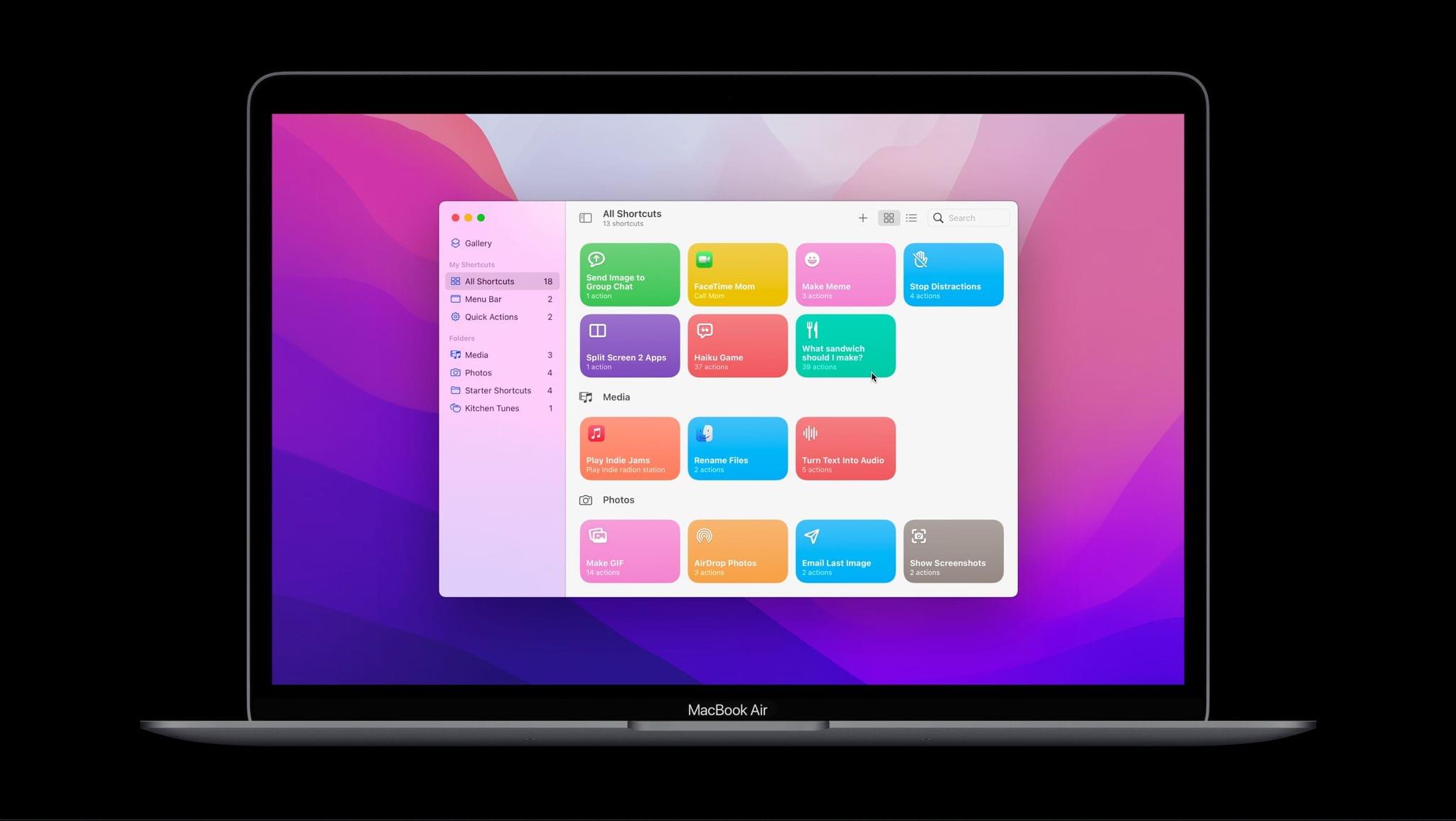
To say we’ve followed Shortcuts closely at MacStories is probably an understatement. Federico was relying on it to run MacStories months before it was publicly released as Workflow, and today, the app is deeply embedded in every aspect of our production of the website, podcasts, and Club MacStories content, as well as the way we operate the business.

As someone who works across a Mac and iPad all day, the lack of Shortcuts on the Mac was frustrating, but something I was willing to deal with because the app was such a good fit for the way I worked, even when I had to run it in parallel to my Mac instead of on it. Going into WWDC, though, my feelings about automation on the Mac aligned closely to what Jason Snell wrote on Six Colors earlier this year. As we discussed on AppStories, the time had come for Shortcuts to be available on all of Apple’s platforms, which was why I was so pleased to see it become a reality during this week’s WWDC keynote.

Read more


WWDC 2021: All The Small Things in Apple’s Upcoming OS Releases

WWDC keynotes cover a lot of ground, hitting the highlights of the OS updates Apple plans to release in the fall. However, as the week progresses, new details emerge from session videos, developers trying new frameworks, and others who bravely install the first OS betas. So, as with past WWDCs, we’ve supplemented our iOS and iPadOS 15, macOS Monterey, and watchOS 8, and tvOS 15 coverage with all the small things we’ve found interesting this week:

Read more


Eddy Cue On Why Spatial Audio Is a Game-Changer

Billboard’s Micah Singleton interviewed Apple executive Eddy Cue about this week’s update to Apple Music, which added Spatial Audio, a surround sound technology based on Dolby Atmos, and lossless streaming. In the interview, Cue explains why Apple is enthusiastic about Spatial Audio and emphasizing it more than lossless streaming:

…when you listen for the first time and you see what’s possible with Dolby Atmos with music, it’s a true game-changer. And so, when we listened to it for the first time, we realized this is a big, big deal. It makes you feel like you’re onstage, standing right next to the singer, it makes you feel like you might be to the left of the drummer, to the right of the guitarist. It creates this experience that, almost in some ways, you’ve never really had, unless you’re lucky enough to be really close to somebody playing music.

Although the number of Spatial Audio tracks numbers in the thousands compared to Apple Music’s catalog of 75 million songs, Cue expects it to gain momentum over time. To that end, Cue explains that Apple is evangelizing Spatial Audio:

So we went after the labels and are going to the artists and educating them on it. There’s a lot of work to be done because we have, obviously, tens of millions of songs. This is not a simple “take-the-file that you have in stereo, processes through this software application and out comes Dolby Atmos.” This requires somebody who’s a sound engineer, and the artist to sit back and listen, and really make the right calls and what the right things to do are. It’s a process that takes time, but it’s worth it.

I’ve had the chance to try both Spatial Audio on AirPods Pro and AirPods Max and lossless streaming over my home stereo system. Lossless sounds excellent on my dedicated surround-sound system, but I think Apple is taking the right approach by emphasizing Spatial Audio over lossless. As good as lossless streaming sounds, the difference is small by comparison to Spatial Audio. Also, lossless is anchored to my living room, whereas I can enjoy Spatial Audio anywhere.

I was an early adopter of DVD-Audio and SACD, which also offer a surround-sound music experience, but neither format really caught on. I think Spatial Audio could be different, though. First of all, the format isn’t an add-on cost to an Apple Music subscription. When you couple that with the popularity of Apple’s products and the competitiveness of the music streaming industry, I think the format has a fighting chance at gaining a foothold where others have stumbled.


You can follow all of our WWDC coverage through our WWDC 2021 hub, or subscribe to the dedicated WWDC 2021 RSS feed.
Permalink

watchOS 8: The MacStories Overview

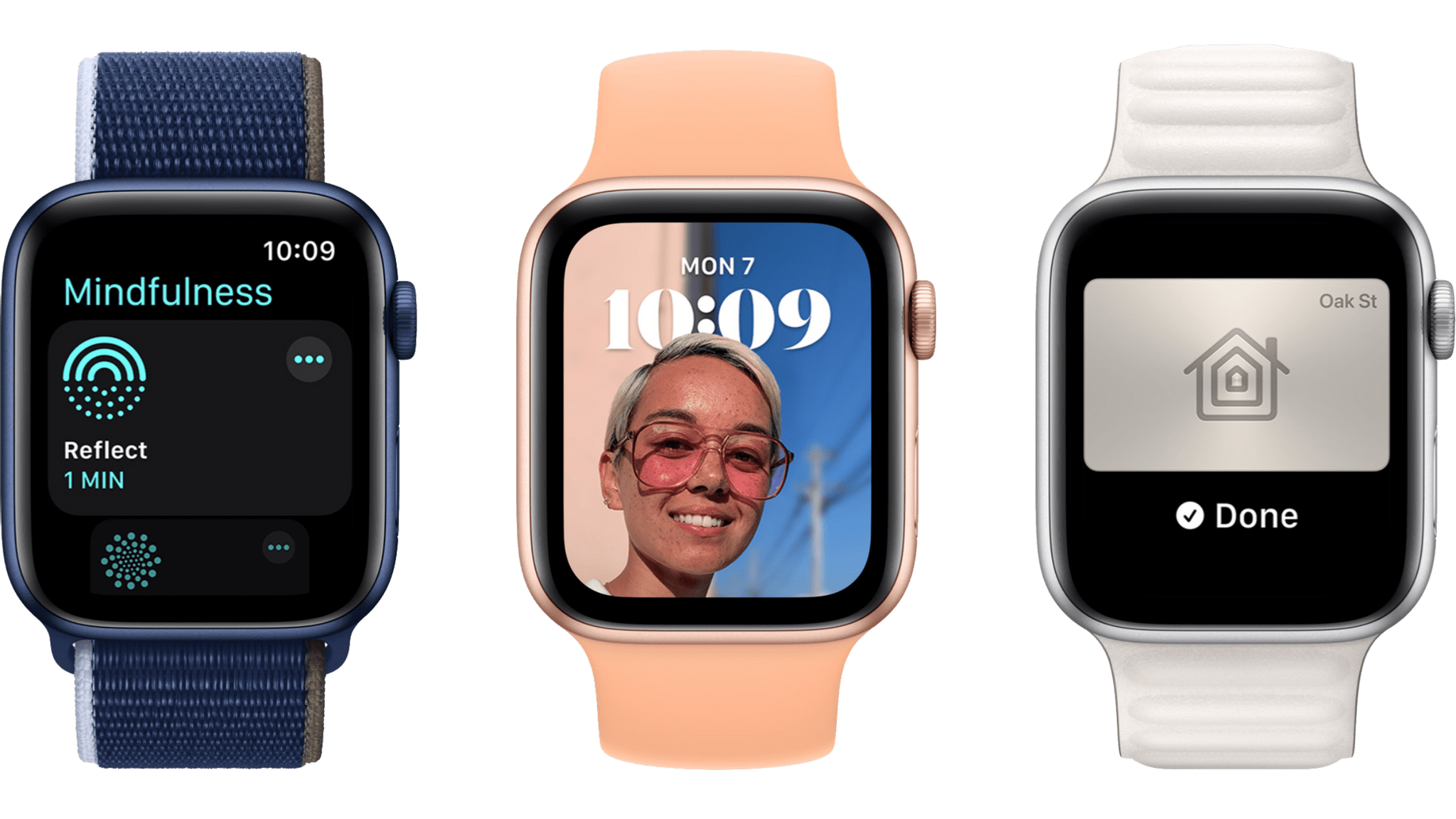
At yesterday’s WWDC keynote event, Apple’s VP of Technology Kevin Lynch announced watchOS 8. The latest iteration of the Apple Watch operating system includes advancements in health features, a refreshed take on photos, improved text input, and more. Apple didn’t spend much time on watchOS during the event, but there are many quiet, new features sneaking into this release. Let’s take a look at everything Apple has in store for Apple Watch users this fall.

Health and Fitness

No watchOS update is complete without health and fitness changes. This year, Apple has revamped the Breathe app (and renamed it to Mindfulness), added more sleep tracking features, and provided new workout types.

Read more


Craig Federighi Provides Deeper Insight Into iCloud Private Relay

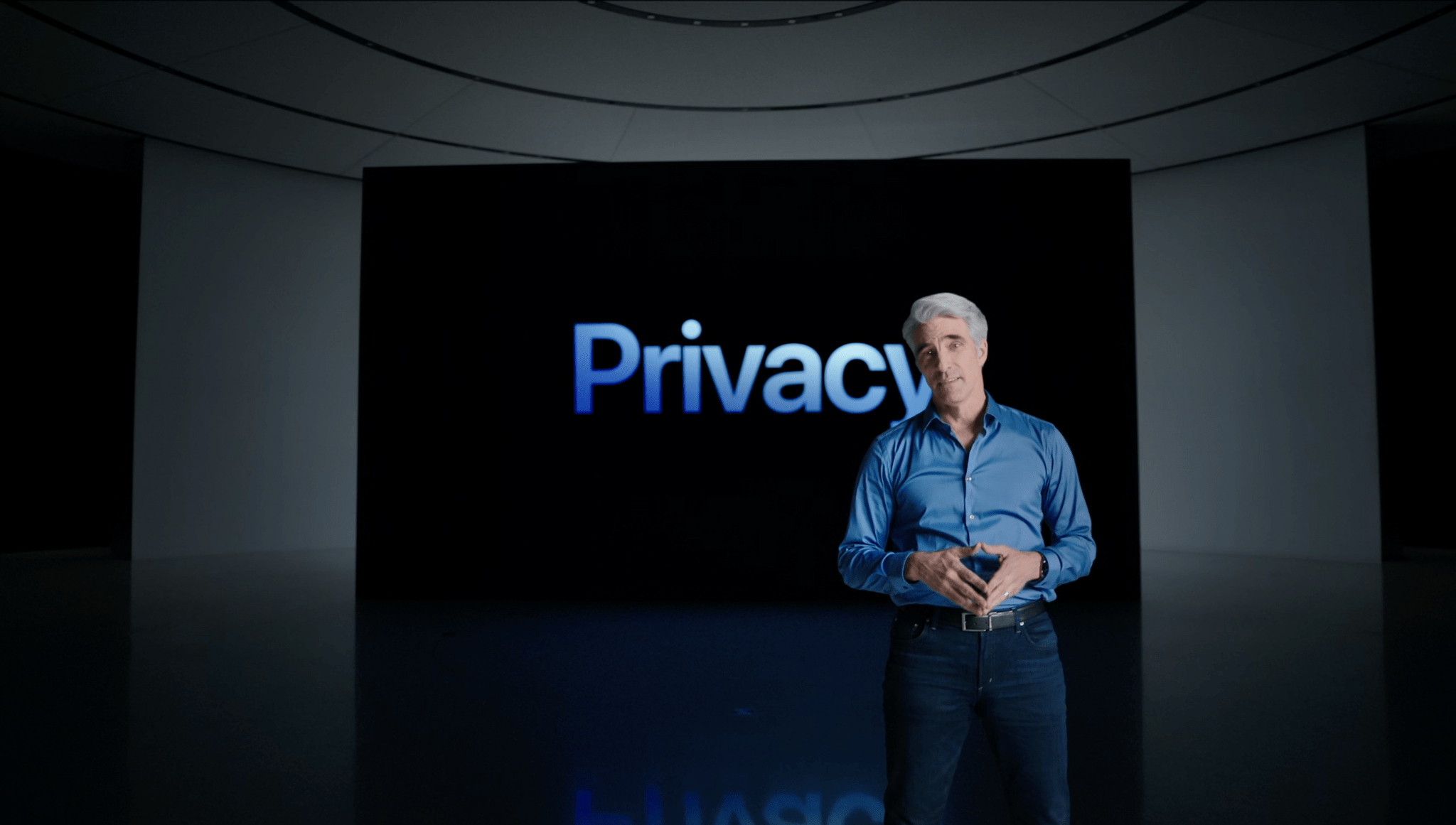
Fast Company’s Michael Grothaus interviewed Craig Federighi this week regarding the suite of new privacy features which Apple unveiled at WWDC. The article includes some notable technical details on how iCloud Private Relay works under the hood. One of the most interesting — and somewhat unfortunate — revelations is that iCloud Private Relay will only work from Safari. Users of other browsers are out of luck here.

The reason for this restriction has to do with Apple’s commitment to unassailable privacy, which happens by ensuring that no party can ever access both your IP address and your destination URL. From what I can gauge, this is actually a three-step process which looks something like this:

  • From Safari, you navigate to a particular URL. Safari encrypts this destination URL locally and then forwards your request to Apple’s iCloud Private Relay servers.
  • Apple’s servers anonymize your IP address so that it can’t be traced back to you, then forward the request to a trusted third-party’s servers.
  • The third-party decrypts the destination URL, then forwards the final request (decrypted URL plus anonymized IP address) to the destination.

Read more