Posts tagged with "iPhone"

Apple Raises Prices Across Most of Its Product Lines

Apple raised the prices of Macs and other products across the board today. For entry-level Macs, the increases are mostly $100–$200. However, if you want a MacBook Pro or Mac Studio with lots of memory and storage, it’s going to cost you dearly. Prices were also raised on the iPad, Vision Pro, Apple TV, HomePods, and many items sold through Apple’s refurbished store.

This should come as no surprise to anyone, but it’s painful just the same. Last week, Tim Cook told The Wall Street Journal that price increases were coming without getting into specifics. Apple was able to hold the line on prices for several months, even while smaller gadget and computer makers raised their prices or canceled products altogether.

What’s happening is simple macroeconomics. Demand for memory and storage is vastly outstripping supply, largely due to the insatiable appetite of data centers that power AI services. That demand shows no signs of waning, and supply isn’t as simple as turning a knob to 11. There just aren’t that many makers of memory chips and SSDs, and bringing new plants online to manufacture takes years and billions of dollars.

For now, the price of iPhones has been left alone. Some may see that as a silver lining, but I suspect all it means is that Apple has enough prebuilt inventory to get to September, when new iPhones are announced. Apple Watch and AirPods prices remain the same, too.

Could Apple have avoided this? I doubt it. The magnitude and speed of the price increases and the projected duration are beyond what any reasonable company could or would plan for.

That said, I do think the situation will get better with time, again because of macroeconomics. The increases may preserve Apple’s margins, but it’s going to reduce the number of customers who can afford its products. Margins only equate to profits if you have customers willing to pay for your product. So with time, if the data center demand slackens or new chip capacity comes online, prices will improve. Just don’t expect that anytime before 2027 or 2028 if current projections are to be believed.


Apple Releases Watch Band, Watch Face, and Wallpapers to Celebrate Pride Month

Source: Apple.

Source: Apple.

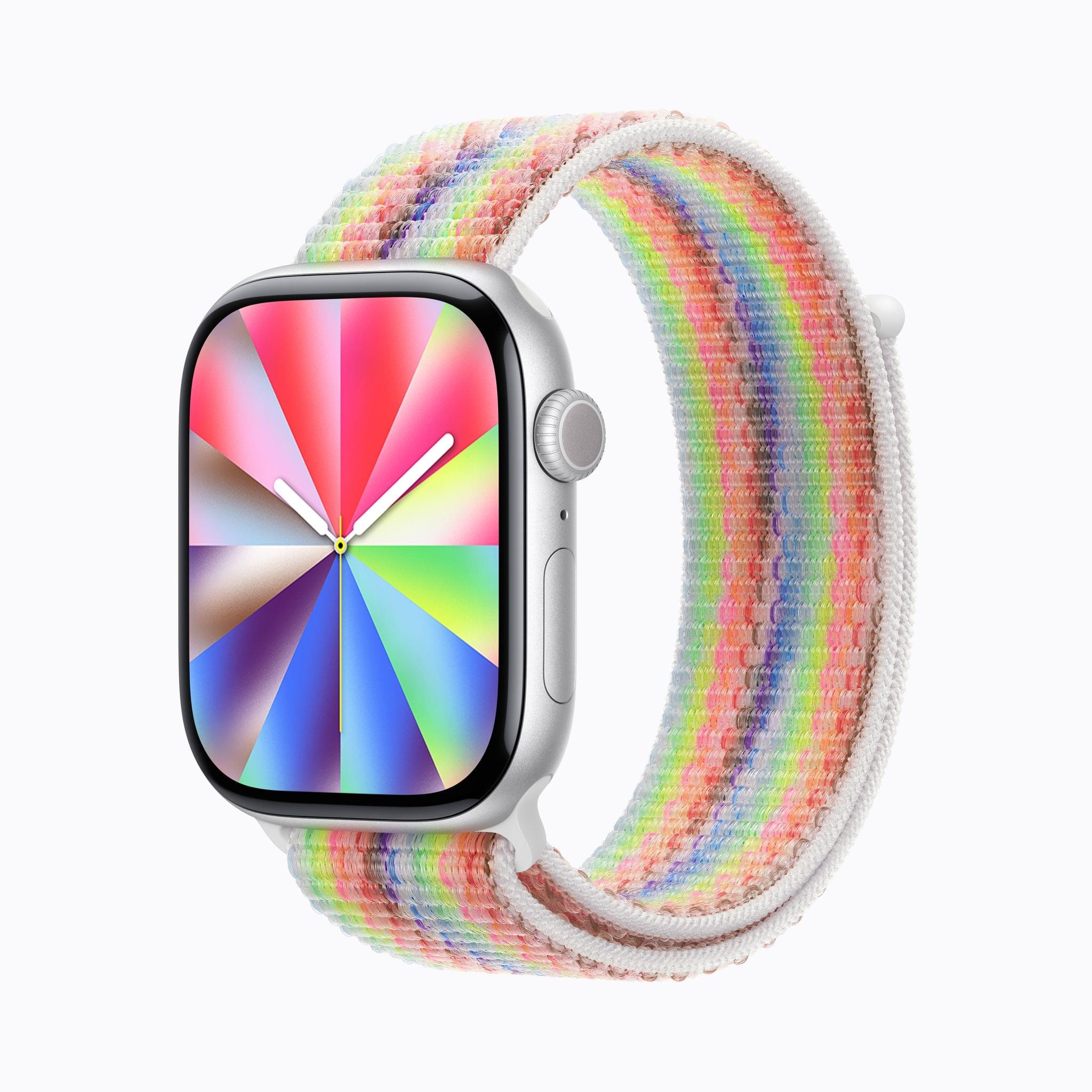
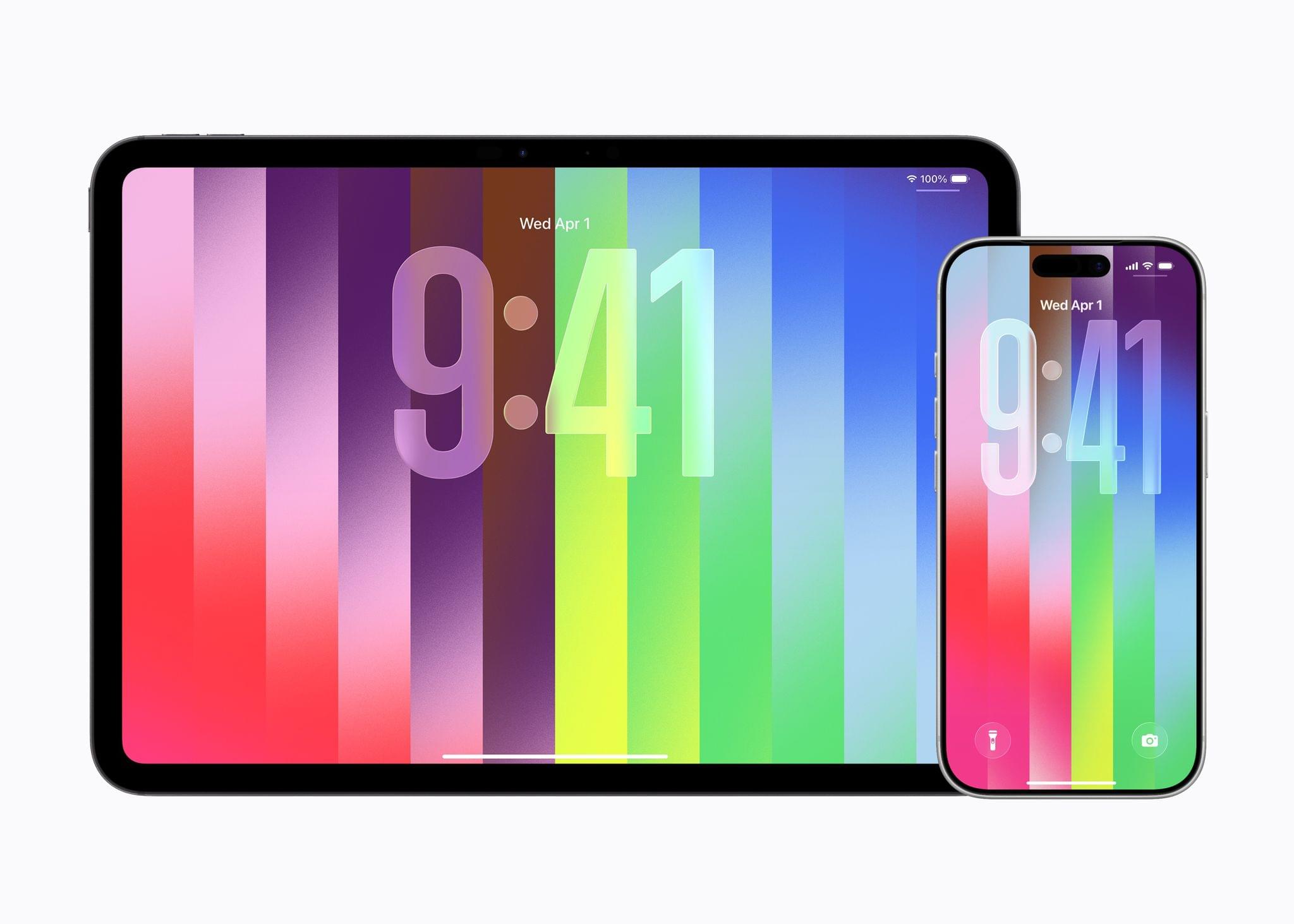
Apple has released its annual Pride Collection, including a new Apple Watch Pride Edition Sport Loop band, watch face, and iPhone and iPad wallpapers celebrating LGBTQ+ communities.

The commemorative Sport Loop uses 11 colors of nylon thread that blend the colors together in a unique way. As Apple’s press release puts it:

The intricate weaving blends one color into the next, creating depth and movement across the band. The resulting design is joyful and vibrant, showcasing a full spectrum of colors that reflect the unique identities that shape LGBTQ+ communities worldwide.

Source: Apple.

Source: Apple.

The watch face and wallpapers share a similar style of gradient strips of bright colors radiating out from the watch face’s analog clock design and in vertical strips on the wallpapers.

As usual, Apple’s designers have done great work with the band, watch face, and wallpapers. There’s a vibrancy and energy to them that brings them to life.

The Apple Sport Loop is available to order today online and in the Apple Store app for $49 and will be in retail stores later this week. The watch face and wallpapers will be available as soon as the 26.5 releases of watchOS, iOS, and iPadOS are released to the public.


David Pogue Tells the Origin Story of the iPhone in Wired’s Excerpt of His Upcoming History of Apple

Source: Apple.

Source: Apple.

David Pogue’s Apple: The First 50 Years is set to be published in a week, but today, Wired has an excerpt about the origins of the iPhone. It’s a fascinating story that I’m sure most readers know, but Pogue’s excerpt contains a wealth of details and quotes from those who were there that does an excellent job of putting the events in context.

One of my favorite parts covers the prototyping of multi-touch years before the iPhone was released:

In late 2003, Apple commissioned FingerWorks to build a bigger version of their multi-touch pad: 12 x 9.5 inches, a better approximation of a computer screen’s size. Kerr’s team set up a test rig in the design studio of Infinite Loop 2. They mounted an LCD projector on a tripod, shining directly down onto the trackpad. They taped a sheet of white paper over it so that the projector’s image—generated by a nearby Power Mac—would be bright and clear. Then the fun began: developing ways to interact with the on-screen elements. You could slide a finger to move an icon in the projected image. You could spread two fingers apart to enlarge a map or a photo. Using both hands, you could tap, move, and stretch objects. It was magical.

If Wired’s excerpt today is any indication of the rest of the 600-page book, it should be a great read.

David Pogue’s Apple: The First 50 Years is set to be released on March 10, but it can be preordered now in the Apple Books app, from Amazon, and from other retailers.

Permalink

Apple Unveils iPhone 17e

Alongside the M4 iPad Air, Apple has announced the iPhone 17e. Apple’s budget smartphone model features the A19 chip, the C1X cellular modem (which Apple says is 2× faster than the 16e’s C1), and a 48MP Fusion Camera, and it starts at $599.

Kaiann Drance, Vice President of Worldwide iPhone Product Marketing, is quoted in Apple press release as saying:

iPhone 17e combines powerful performance and features our users love at an exceptional value, making it a compelling option for customers looking to upgrade to the iPhone 17 family. We know our customers want a product that will last, and iPhone 17e delivers just that. With A19 for incredible performance, double the entry storage, a smarter camera system, and enhanced durability, iPhone 17e is designed to stay fast, secure, and valuable for years to come.

The iPhone 17e also includes Apple’s Ceramic Shield 2 to protect the front of the device, an improved anti-reflective coating, and IP68 water resistance. The OLED display measures 6.1” diagonally and can achieve up to 1200 nits of peak brightness when using HDR. We’ve seen the A19 before, but as a refresher, it’s a 6-core, 3-nanometer process chip with a 4-core GPU with Neural Accelerators and a 16-core Neural Engine.

The camera is Apple’s 48MP Fusion camera with a 2× cropped telephoto mode. The camera can take 48MP images but defaults to 24MP. Other familiar camera features are available, too, including Night mode, the latest generation of Apple’s HDR processing, and Portrait mode.

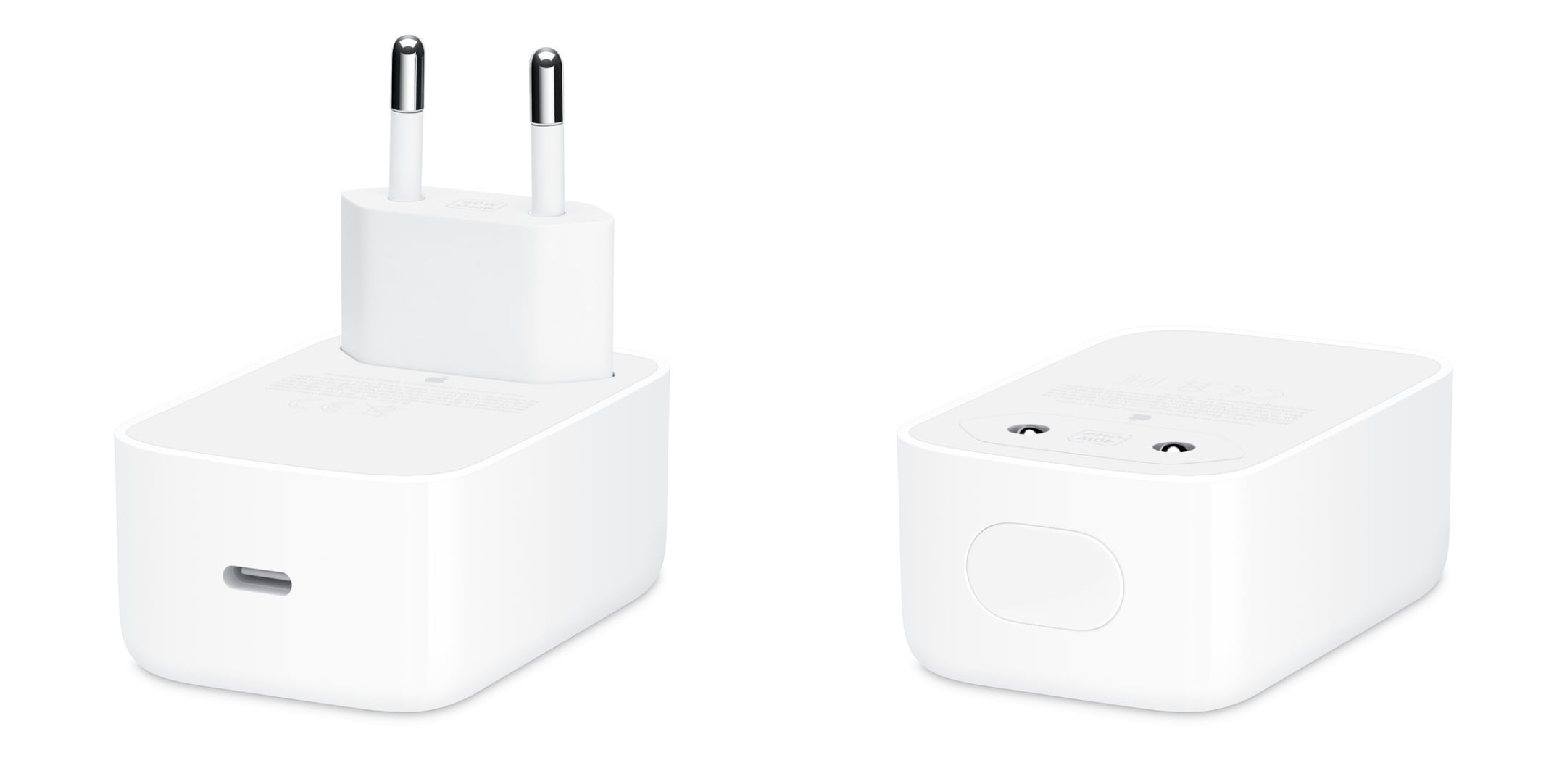
Unlike the iPhone 16e, the 17e also supports MagSafe and Qi2 wireless charging at up to 15W. When used with a 20W or more wired charger, the 17e will fast-charge, too, filling the battery to 50% in about 30 minutes.

The iPhone 17e, which can be ordered beginning March 4, starts at $599 with 256GB of storage and comes in black, white, and soft pink matte finishes, with the option to upgrade to 512GB of storage. Deliveries and in-store availability begin March 11.


Awake: A Considered, Effective Alarm for Chronic Snoozers

Waking up on time is a quintessential human problem. Over the years, we’ve come up with all kinds of solutions, from ringing analog clocks to flashing lights to motorized digital clocks that roll away from our bedsides as they chime, forcing us to get up and find them to turn them off. But what if there was a way to use a device you already have – your phone – to help you break the habit of snoozing and actually get out of bed when you’re supposed to?

That’s what unorderly, the team behind the day planner app and App Store Awards 2025 finalist Structured, have set out to do with their new alarm app Awake. Built on the newly introduced AlarmKit API, which gives third-party alarm apps the same level of system access as Apple’s Clock app, Awake takes a comprehensive approach to setting alarms that’s meant not only to wake you up but to help you feel more alert and prepared for the day when you do.

If you’ve ever used Structured before, you’re aware of how deeply the unorderly team considers every element of their work, from the color scheme to the fine details of editing events, to make tools that are both elegant and powerful. I’m happy to report that the same level of care is reflected in Awake, both in its design and in the balance of simplicity and customization it offers.

Read more


iPhone vs $2000 Pro Camera — How Close Are They Really?

I constantly see articles or videos proclaiming that iPhones are better than traditional cameras or that traditional cameras will always be superior to the iPhone’s camera system. So it’s great to see a measured opinion – with plenty of comparisons – from someone who clearly loves shooting with both pieces of hardware.

That’s exactly what designer and creator Oliur has done with his latest video and blog post.

I took the new iPhone 17 Pro and the Fujifilm X100VI out with me, shot the same scenes, edited everything the same way I normally do, and then mixed them up to see whether anyone could guess which was which.

Some of the results genuinely surprised me.

I originally posted the challenge on X to see who could figure out which camera was which, and out of all the comments, only one person got them all right.

What’s striking is how, despite the Fuji camera’s evident technical prowess, it’s not so simple:

Technically, the Fuji should win. But in real-world photos — especially the kind most people share online — the gap isn’t as big anymore.

While the blog version is good, I’d recommend Oliur’s YouTube version for more in-depth breakdowns and an interesting conclusion.

The iPhone’s convenience and computational power make it competitive in almost every normal scenario. If someone told me they rely solely on their phone for photography today, I wouldn’t argue with them.

As someone who loves photography but doesn’t want to commit to a dedicated camera, it’s good to know that after some adjustments, the iPhone’s input can now result in an output that is competitive with a traditional camera – at least for my use cases.

Permalink

Our Top Amazon Early Black Friday Picks

If you haven’t noticed, it’s not Friday, and Thanksgiving is still a week away. Yet here we are, talking about Black Friday deals. That’s because every year, Amazon pushes the start of its deals a little earlier.

This is far from the first article you’ll come across about Black Friday deals, and it won’t be the last. But what’s different about our approach to Black Friday is that we’re pickier than most sites.

When I sat down to consider Amazon’s Black Friday deals, I looked at a long list of factors, including:

  • whether we’ve reviewed and recommended a product on MacStories,
  • the percentage of the discount,
  • the absolute dollar amount of the discount (which we can’t list due to Amazon rules),
  • whether each deal beats past deals,
  • and a bunch of other factors.

What we’ve come up with is a list of a couple dozen excellent deals that will save you loads of money on everything from great holiday gifts to nerd staples like storage, networking gear, and upgrades to your computing setup.

Every time I write one of these roundups, I inevitably run across even more great deals after the story has been published. So in addition to this story, we’ll be posting deals on the MacStories Deals Mastodon and Bluesky accounts.

Club MacStories Plus and Premier members will be sharing their Black Friday deal finds on Discord too. If you’re not a member, you can sign up here. The Discord server is just one of the many perks of joining the Club.

Finally, please note that the Amazon links in this article are affiliate links. If you follow one of our links and buy something, we make a small commission.

Storage

Some of Amazon's best deals are on storage.

Some of Amazon’s best deals are on storage.

Storage is a staple of Black Friday, with excellent deals on hard drives and SSDs of all shapes and sizes. This year is no different. Whether your Mac’s drive is filling up and you need to offload some large files or you’re looking for a backup solution, now is the time to pull the trigger and get more storage.

I mention Samsung portable SSDs a lot on MacStories and the MacStories Deals accounts because I’ve used them for years and they’re reliable. Samsung’s fastest model – the T9 – is my favorite because it uses USB-C 3.2 Gen 2x2, making it equally good for quick backups and working on large files externally.

Currently, both the 4TB Samsung T9 SSD and the 2TB model are on sale on Amazon, with the biggest discount on the 4TB model. You can save a little more with SanDisk’s 2TB external drive, but it runs at half the speed of the Samsung T9, so I recommend the T9. However, if you want to go really big with an SSD, SanDisk has Samsung beat with an 8TB model that, while expensive and half the speed of a Samsung T9, will be far faster than a mechanical hard drive for backing up a Mac with lots of internal storage. Samsung sadly does not offer an 8TB T9 drive.

SSDs are great, but even on sale, they’re more expensive than mechanical hard drives. If you don’t need the fastest speeds and can tuck your hard drive away somewhere the heat and noise won’t bother you, Amazon has a great deal on a 14TB Western Digital Elements hard drive. I’ve used Elements drives a lot over the past several years for archiving big projects and Time Machine backups, and I’ve been very happy with their performance. If you need a big drive, now is the time to pick one of these up; they’ve never been cheaper.

Smart Home

For starters, the Aqara 4MP Camera Hub G5 Pro is deeply discounted for Black Friday. I reviewed this outdoor HomeKit-compatible camera earlier this year and love it. From the feedback I’ve heard, MacStories readers seem to love the camera, too.

I also reviewed the Philips Hue Play HDMI Sync Box 8K this summer. Paired with Philips Hue lights, it’s remarkably capable, syncing the colors of your lights to whatever is on your TV. While it’s not a smart home essential, it is a lot of fun, and if you need a little push to pull the trigger on this sort of gadget, this discount is a great excuse.

On the more practical end of the spectrum, Philips Hue is also offering a great deal on its Go Smart Portable Table Lamp, which works plugged in or via its built-in battery. I’ve had my eye on this lamp for a while because it’s very portable and would add nice accent lighting when I’m working on my balcony in the evening or anywhere else with less-than-ideal lighting.

Finally, as I mentioned on the Setups video that Federico and I recently released, I love my new SwitchBot Smart Desk Fan. It oscillates left and right as well as up and down, and it has nine speed settings. Best of all, I can control it from the buttons on the front of the device, using the included remote control, or with Shortcuts because it works with HomeKit.

Read more