
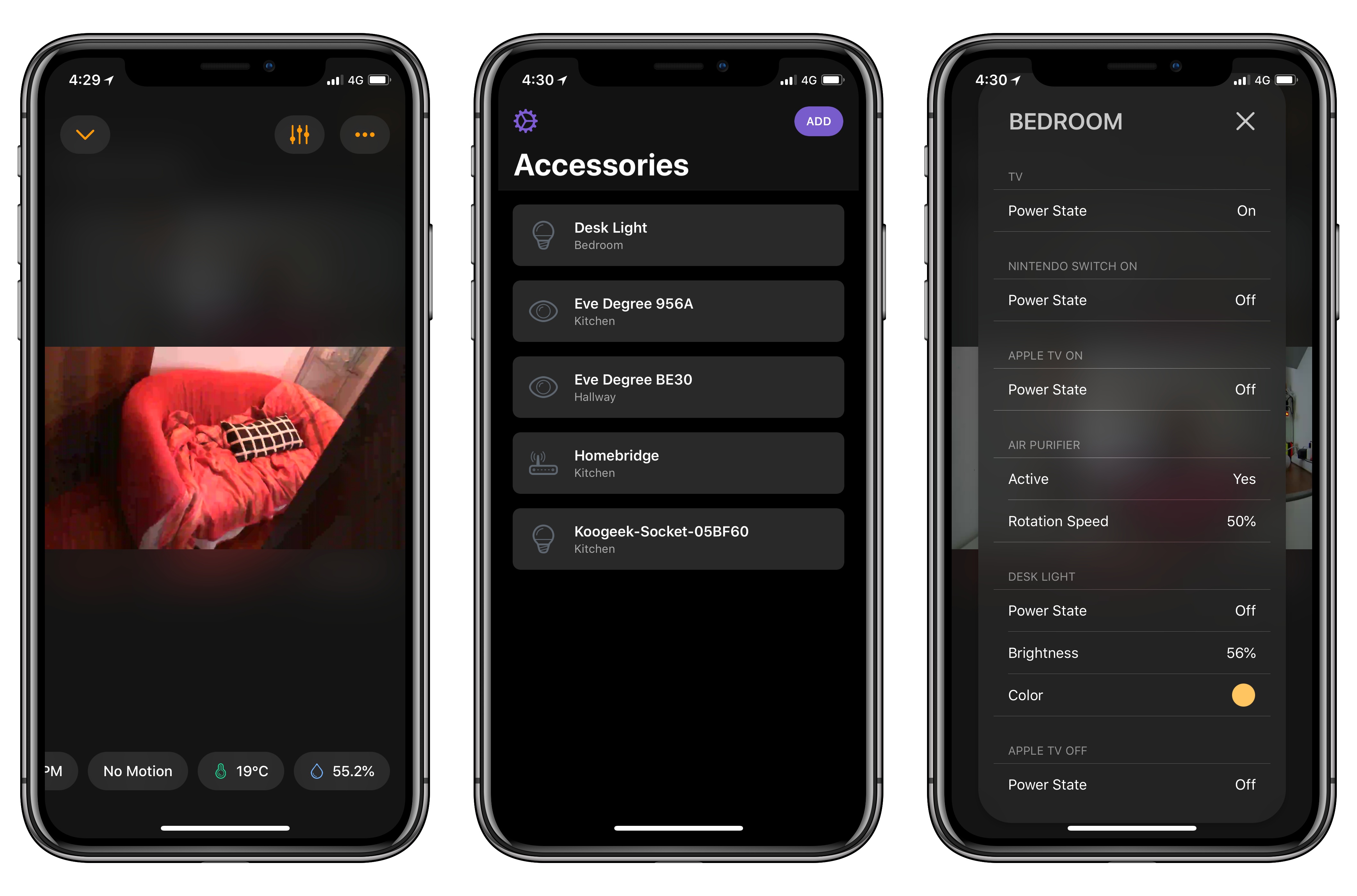
I’m a big fan of HomePass and Homecam, the two HomeKit utilities created by indie developer Aaron Pearce to store accessory setup codes and view live feeds of HomeKit cameras, respectively. I covered both apps a few times on MacStories this year, and I’m glad to see two substantial updates released by Pearce today that address all my complaints from previous versions.
 Using DEVONthink as a Read-Later App
I recently came across an issue and a missing feature in Apple’s Safari Reading List that made me think of using DEVONthink as a read-later app. First, the problem. I’ve been running the beta of iOS 11.3 on all my devices, and since the first seed released in January I’ve been struggling with Reading...
Erasing Complexity: The Comfort of Apple’s Ecosystem
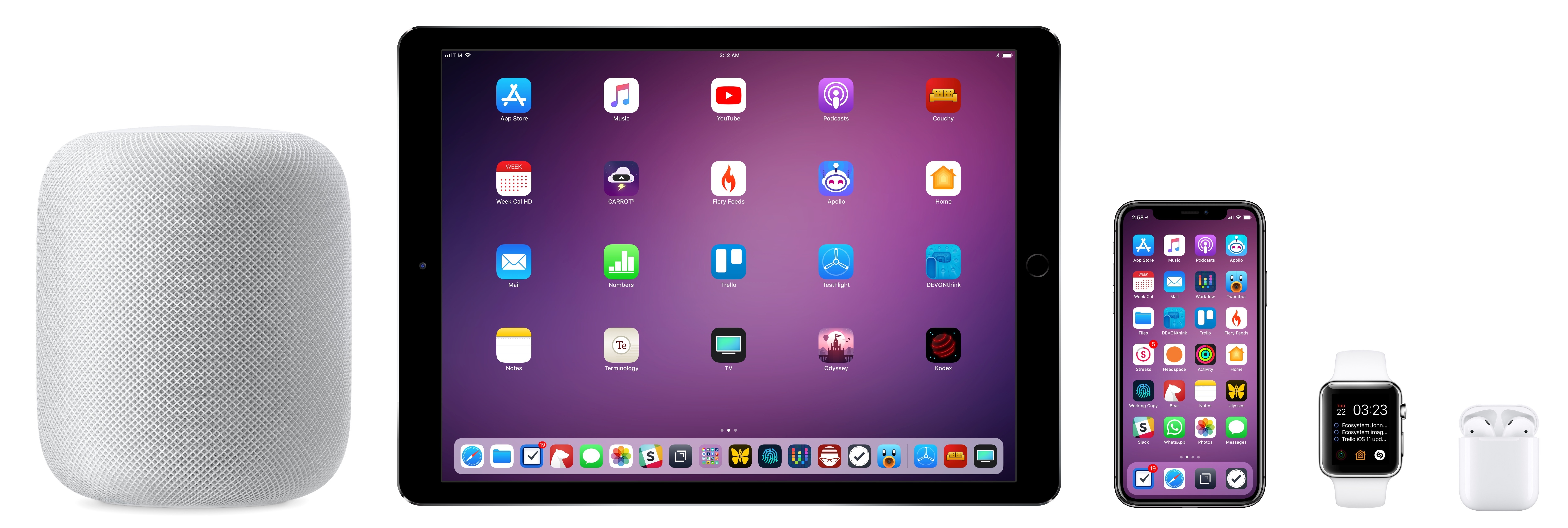
Every year soon after WWDC, I install the beta of the upcoming version of iOS on my devices and embark on an experiment: I try to use Apple’s stock apps and services as much as possible for three months, then evaluate which ones have to be replaced with third-party alternatives after September. My reasoning for going through these repetitive stages on an annual basis is simple: to me, it’s the only way to build the first-hand knowledge necessary for my iOS reviews.
I also spent the past couple of years testing and switching back and forth between non-Apple hardware and services. I think every Apple-focused writer should try to expose themselves to different tech products to avoid the perilous traps of preconceptions. Plus, besides the research-driven nature of my experiments, I often preferred third-party offerings to Apple’s as I felt like they provided me with something Apple was not delivering.
Since the end of last year, however, I’ve been witnessing a gradual shift that made me realize my relationship with Apple’s hardware and software has changed. I’ve progressively gotten deeper in the Apple ecosystem and I don’t feel like I’m being underserved by some aspects of it anymore.
Probably for the first time since I started MacStories nine years ago, I feel comfortable using Apple’s services and hardware extensively not because I’ve given up on searching for third-party products, but because I’ve tried them all. And ultimately, none of them made me happier with my tech habits. It took me years of experiments (and a lot of money spent on gadgets and subscriptions) to notice how, for a variety of reasons, I found a healthy tech balance by consciously deciding to embrace the Apple ecosystem.
Sleep++ 3.0 Brings Automatic Sleep Detection on Apple Watch
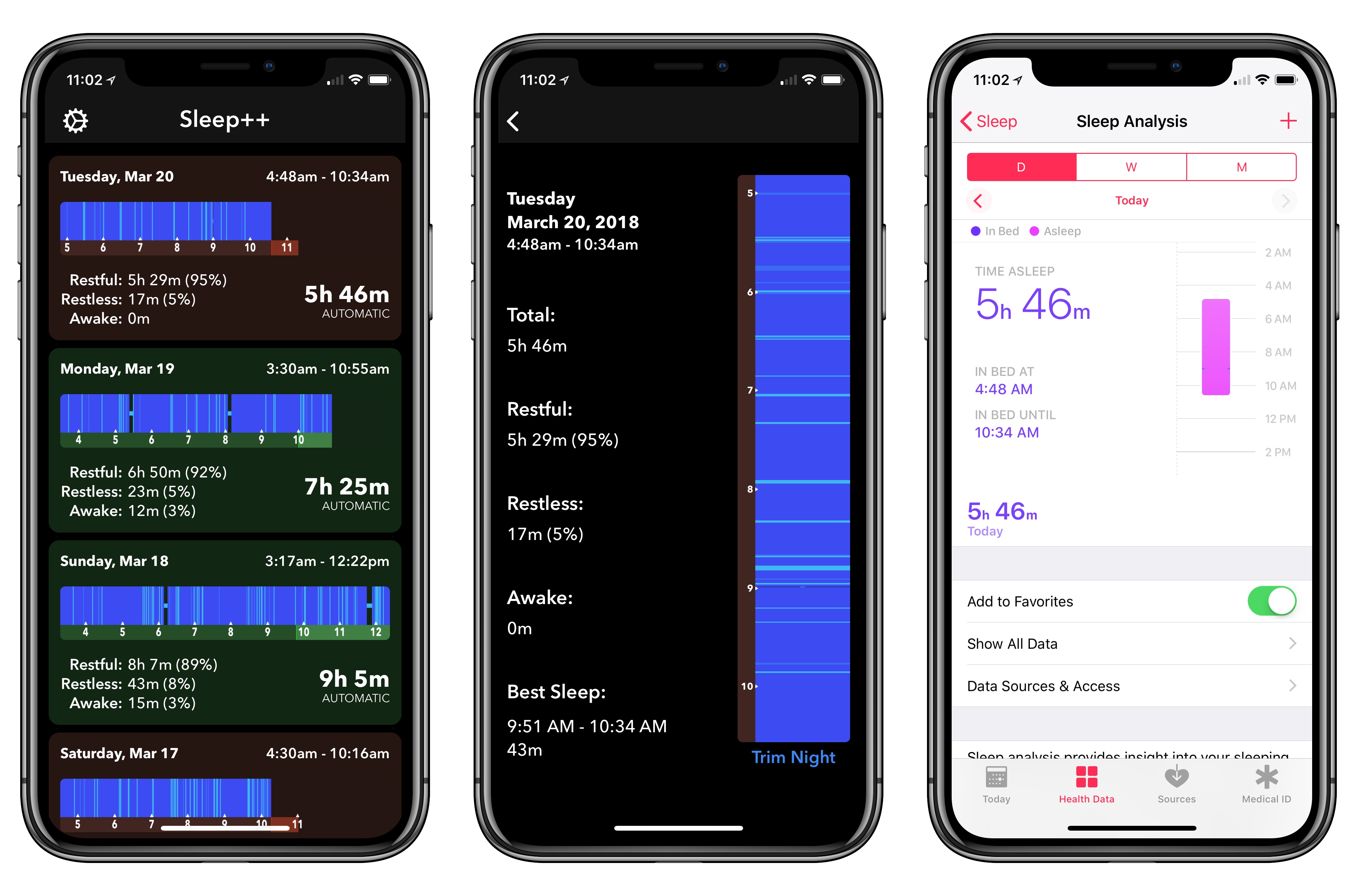
Sleep++, developed by _David Smith, was one of the first apps to experiment with the idea of using the Apple Watch as a sleep tracker. Using physical movement data collected by the Watch overnight, Sleep++ allowed you to keep track of time spent sleeping without having to buy a separate device (funnily enough, exactly what Apple itself acquired).
 Apple App Acquisitions
 John
John
Turning Live Setlists into Apple Music Playlists
One of my personal goals for 2018 is to go to more concerts than last year. Obviously, as someone who needs to listen to music every day, getting to see my favorite artists perform live has always been a special experience. However, I like to be prepared for concerts. By this, I mean that...
Zones

Developed by the creators of FitPort, a third-party HealthKit dashboard for iPhone, Zones is a workout utility that lets you visualize four different heart rate zones and the intensity of your workouts. Using heart rate data logged by the Apple Watch (or a third-party heart rate monitor paired with the Watch), Zones breaks workouts...
Connected, Episode 184: They Perfected It, Mum→
WWDC is announced, Apple acquires a digital magazine service, and Myke and Federico discuss some ‘iOS Little Wonders’, because Stephen is away.
On this week’s Connected, we talked at length about Apple’s acquisition of Texture and what it might mean for the future of Apple News. You can listen here.
Sponsored by:
- Linode: High performance SSD Linux servers for all of your infrastructure needs. Get a $20 credit with promo code ‘connected2018’
- Squarespace: Make your next move. Enter offer code WORLD at checkout to get 10% off your first purchase.
- Pingdom: Start monitoring your websites and servers today. Use offer code CONNECTED to get 30% off.
Leaving the “Series 0” Apple Watch Behind→
I’ve been keeping an eye on the adoption of the Apple Watch Series 3 since its introduction last fall. From a development perspective the Series 3 is a delight to work with. It is fast, capable and LTE allows a wide variety of new applications (for example, the podcast support I added to Workouts++).
This stands in contrast to the challenges of working with the Series 0 (or Apple Watch (1st generation) as Apple would call it). It is just slow and honestly a bit painful to develop for. Even basic things like deploying your application to the watch can take uncomfortably long amounts of time. In daily use the Series 0 is probably “good enough” for many customers, especially with the speed/stability improvements added in watchOS 4, but as a developer I can’t wait until I no longer have to support it.
Which is why I’ve been watching the Apple Watch adoption curve within my apps (specifically Pedometer++ for this analysis) quite carefully. My personal hope is that this summer when we get watchOS 5 it will drop support for the Series 0 and free Apple to really push forward on what is possible for developers. But in order for that wish to be realistic I imagine Apple will need the daily use of those first watches to have died down significantly.
These are fascinating numbers about the adoption of different Apple Watch models by David Smith, who makes some of the best apps for the platform.
I’ve been wondering about when Apple could drop support for the original Apple Watch in new versions of watchOS. For context, the original iPhone, launched in 2007, couldn’t be updated to iOS 4 in 2010, three years later. The Apple Watch will have its official third anniversary next month. I suppose that Apple Watch owners hold onto their devices for longer, but if old hardware is stifling innovation for the developer community who wants to push Watch apps forward (as much as that is possible with the current tools), then maybe it is time for Apple to move on.