This week on AppStories, we This week, we consider the rumor that TestFlight is coming for the Mac and share the iOS apps we hope will find their way to the Mac.
AppStories Episode 193 - iOS Apps We Want on the Mac
0:00
38:37
38:37







Save articles for later and enjoy them when you have time
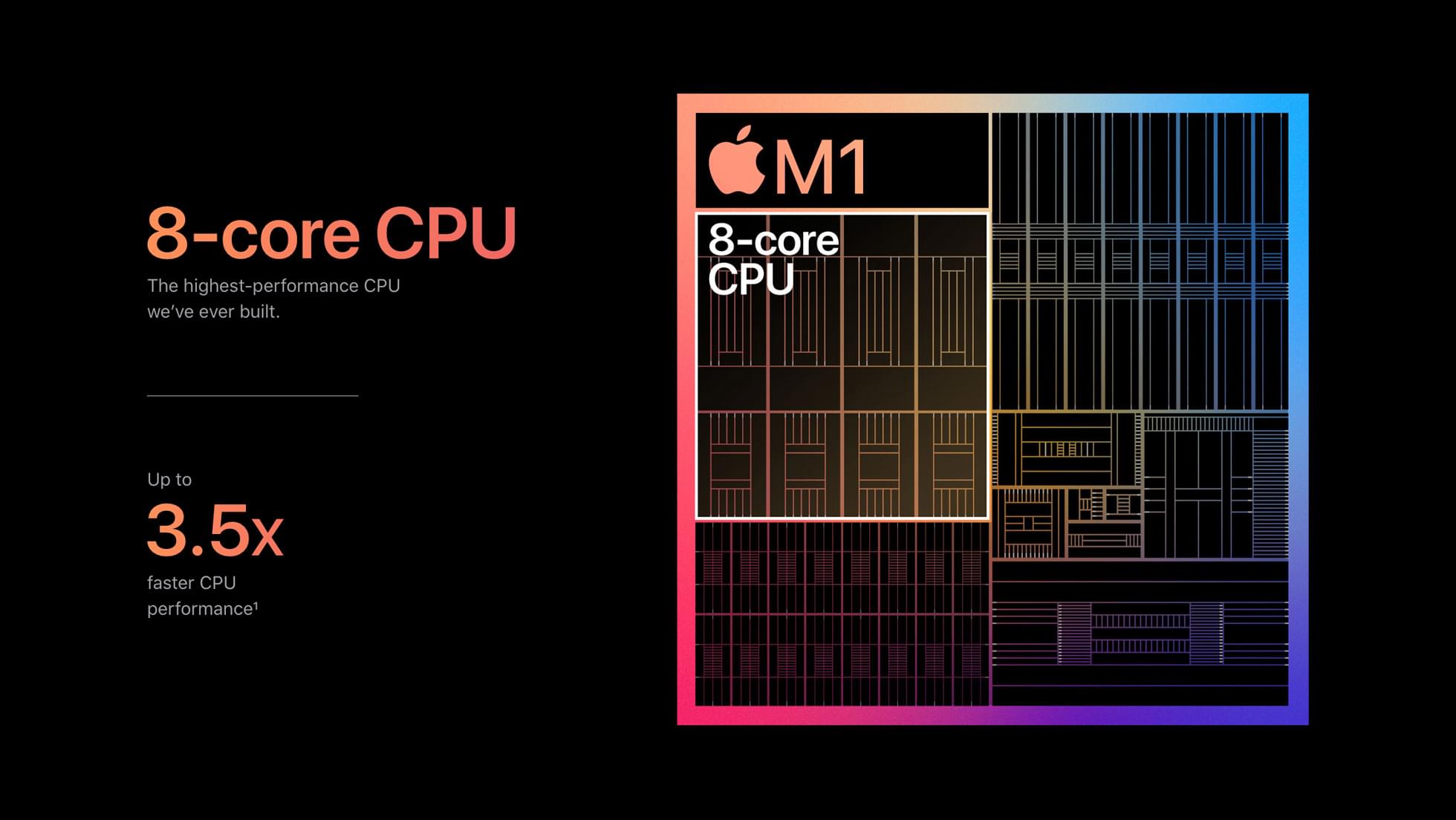
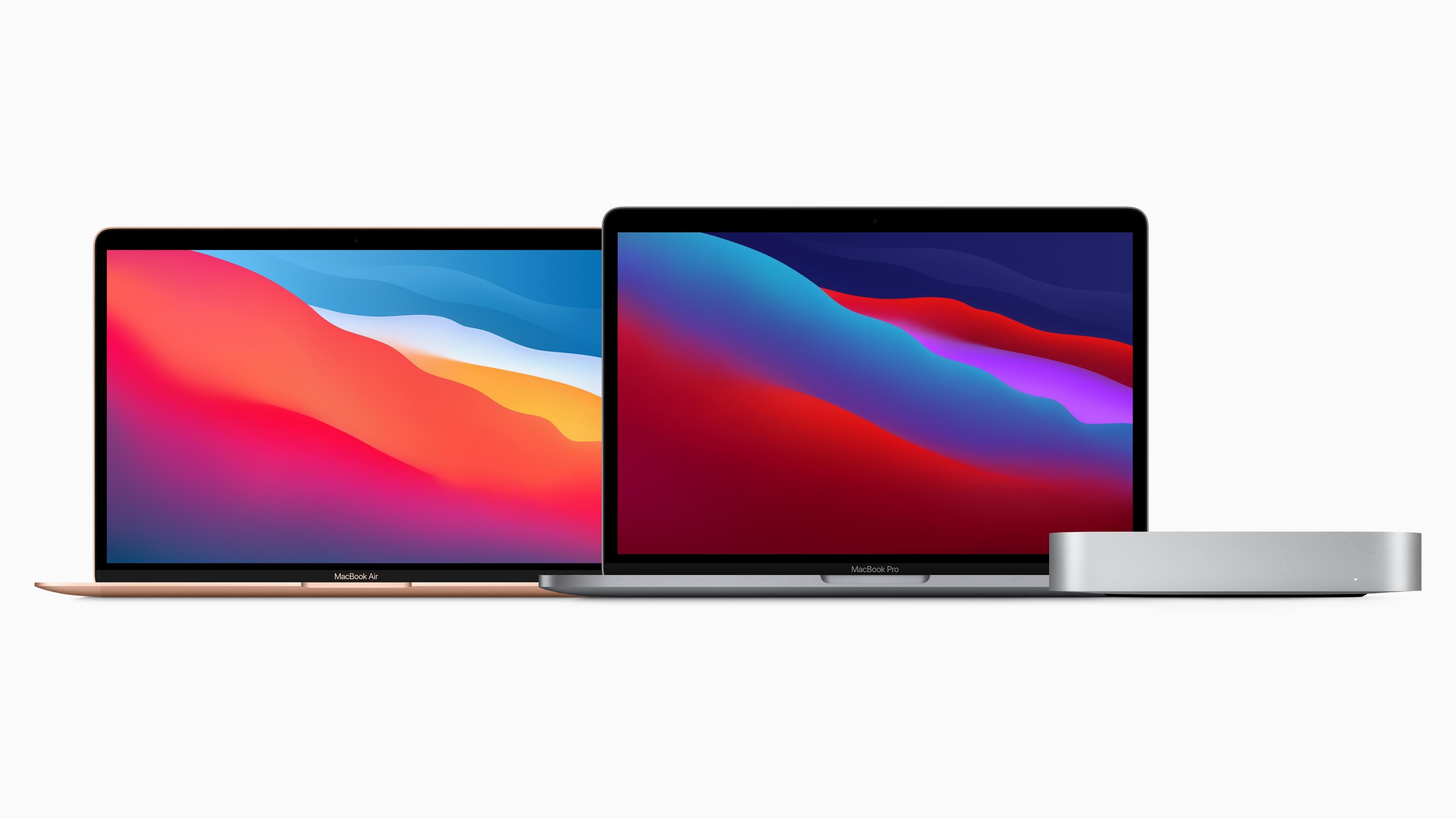
Before today’s event, little was known about the Apple silicon Macs that the company promised to release by the end of the year. Today, during an online presentation hosted by CEO Tim Cook from Apple Park, Apple took the wraps off its new M1 chip, which powers the new MacBook Air, 13” MacBook Pro, and Mac mini.
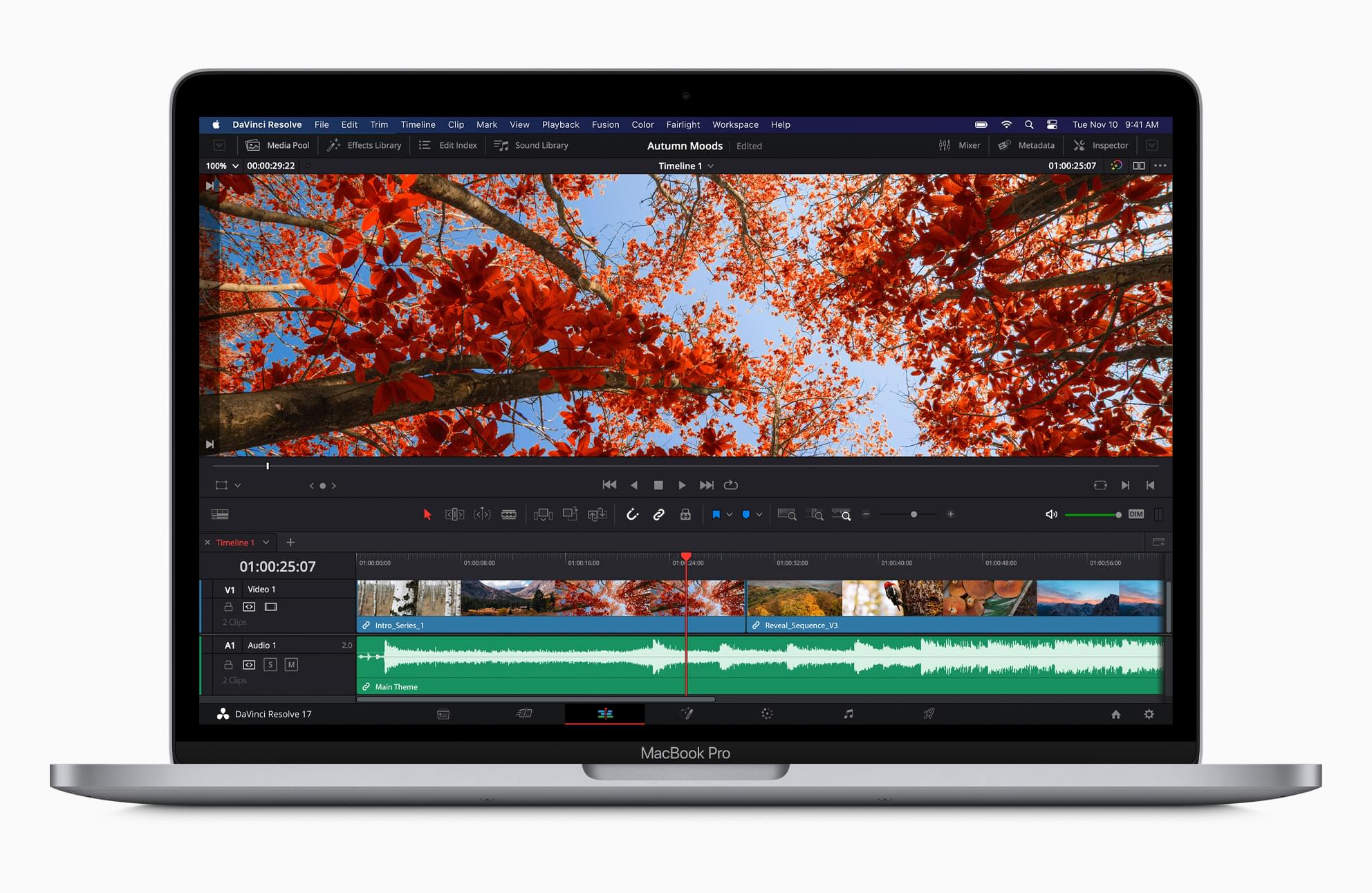
Let’s take a look at Apple’s new laptops.
Apple sprinkled facts, figures, and statistics throughout its presentation today about the new Macs it announced. Here are highlights of some of those stats from the event, which was held online from the Steve Jobs Theater in Cupertino, California.
You can follow all of our November event coverage through our November 2020 event hub, or subscribe to the dedicated RSS feed.
If you didn’t follow the live stream or announcements as they unfolded at the Steve Jobs Theater in Cupertino today, you can replay it on Apple’s Events site and catch the product videos on Apple’s YouTube channel.
The keynote video can be streamed here and on the Apple TV using the Apple Events app. A high-quality version should also be available soon via Apple Podcasts as video and audio podcast episodes. First debuted in September, there is also an American Sign Language version of the event, which is available here.
Apple also posted other product videos on its YouTube channel, which are embedded after the break.
Today Apple announced pre-order and delivery dates for the new MacBook Air, 13” MacBook Pro, and Mac mini, all of which feature the new Apple-designed M1 chip. All three Macs are available for pre-order today with deliveries starting November 17th and 18th.
Apple has also released a second Release Candidate for macOS Big Sur. The company said during its presentation that Big Sur will be available this Thursday, November 12th, which is also when we’ll publish our comprehensive review of Big Sur on MacStories as well as an eBook version for Club MacStories members.
You can follow all of our November event coverage through our November 2020 event hub, or subscribe to the dedicated RSS feed.
 iOS Apps We Want on the Mac
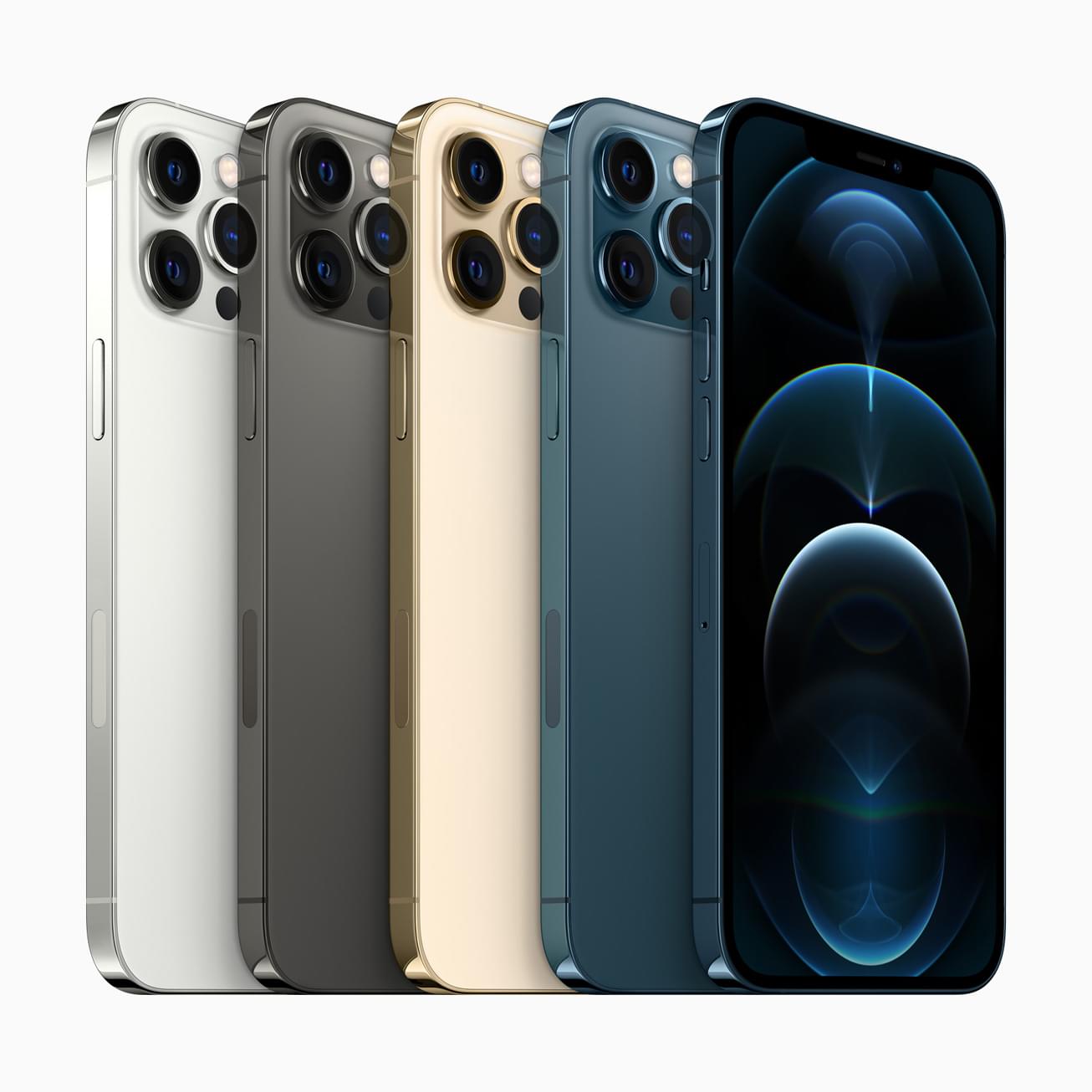
 Embargoes have lifted for the first wave of iPhone 12 mini and iPhone 12 Pro Max reviews. Preorders for the new iPhones, which opened on November 6th and won’t begin to arrive on customers’ doorsteps until this Friday, November 13th, but in the meantime, you can read about both new iPhones and watch some excellent video reviews.
As you would expect, the reviews of the Pro Max concentrate on the new camera system while the reviews of the mini focus on the new device’s diminutive size and the implications of that.
Sponsored by: Shake – Bug Reporting Tool for Your Mobile App
This week on MacStories Unwind:
 Anticipating iPhone and iPad Apps on the Mac
 I’ve been running Big Sur on multiple Macs since late June when the first betas were released. At this point, over four months later, the new OS is second nature to me. I’ve poked and prodded it, tolerated its bugs, and tried several third-party apps designed specifically for Big Sur. With the release candidate that...
 Federico