John Voorhees

5426 posts on MacStories since November 2015

John is MacStories' Managing Editor, has been writing about Apple and apps since joining the team in 2015, and today, runs the site alongside Federico. John also co-hosts four MacStories podcasts: AppStories, which covers the world of apps, MacStories Unwind, which explores the fun differences between American and Italian culture and recommends media to listeners, Ruminate, a show about the weird web and unusual snacks, and NPC: Next Portable Console, a show about the games we take with us.

Matter: A Fresh Take on Read-Later Apps

Saving articles and links from the Internet for later isn’t new, but it’s something that has drawn renewed interest from developers over the past year or so, including the makers of Matter, who are reexamining the approaches of the past through a modern lens.
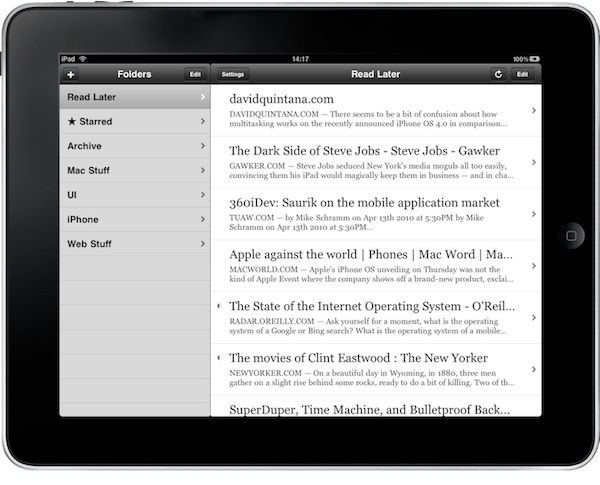
An early version of Instapaper on the iPad.

An early version of Instapaper on the iPad.

Apps like Instapaper and Read It Later, which became Pocket, pioneered saving web articles for later. The original iPhone ran on AT&T’s EDGE mobile network in the US and coverage was spotty. Read-later apps saved stripped-down versions of articles from the web that could be downloaded quickly and read offline when EDGE was unavailable. The need to save content offline because of slow and unreliable mobile networks is far less pressing today, but collecting links and time-shifting reading remains popular.
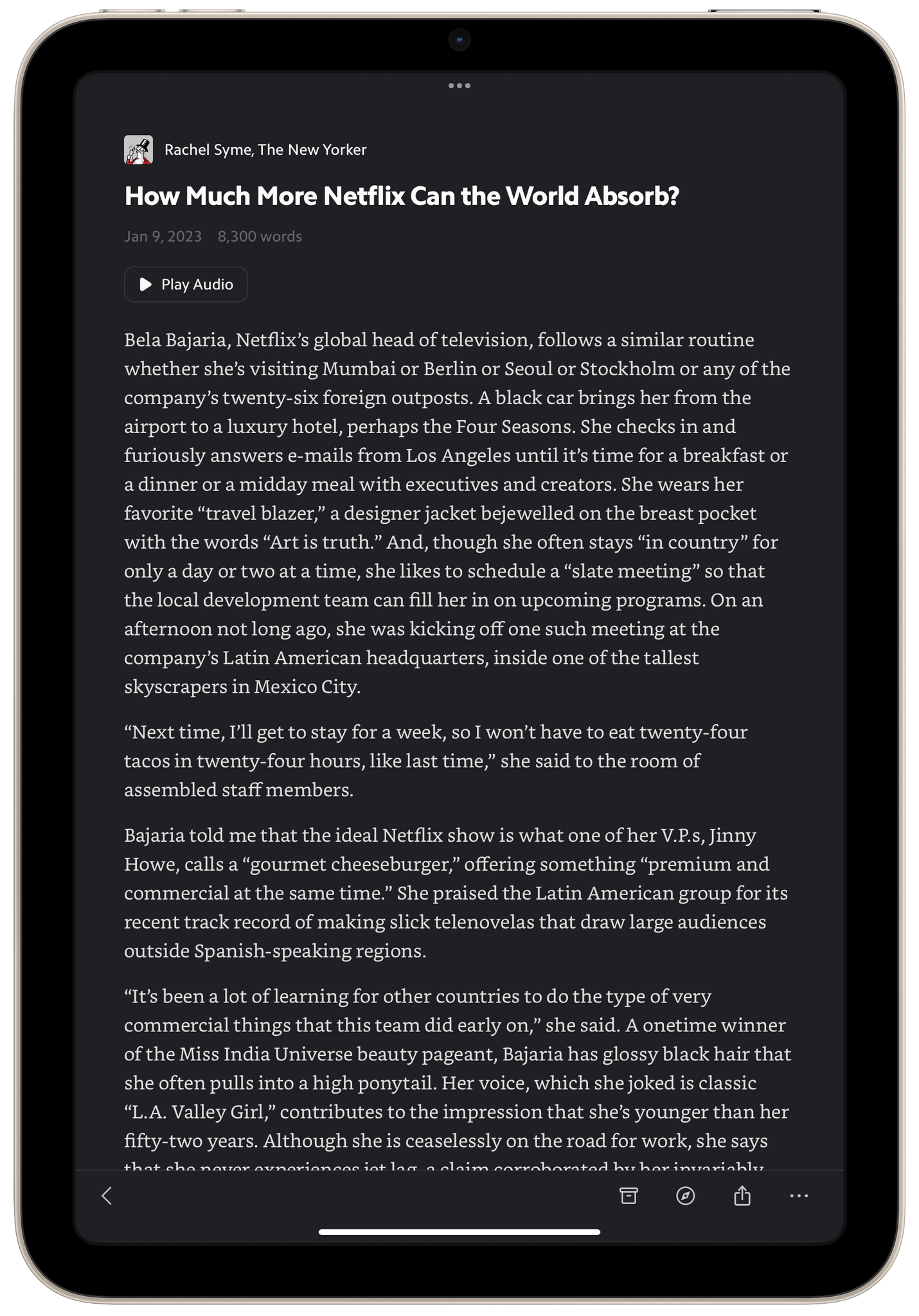
I do most of my Matter reading in the evening on my iPad mini using dark mode.

I do most of my Matter reading in the evening on my iPad mini using dark mode.

Today, classics like Instapaper and Pocket are joined by Matter, which I’m reviewing today, plus Readwise Reader, which is currently in public beta, and a long list of link organizer apps like GoodLinks, Anybox, and Cubox, all of which include their own reading modes and are the spiritual successors to web services like Delicious and Pinboard. The result is that users have more choices than ever. That’s fantastic because, as I’ve learned from MacStories readers, no two people take the same approach to what they save and how they read and process it.
Read more


Apple Launches a New Program Allowing Business Owners to Manage Their Place Cards in Maps and Other Apps

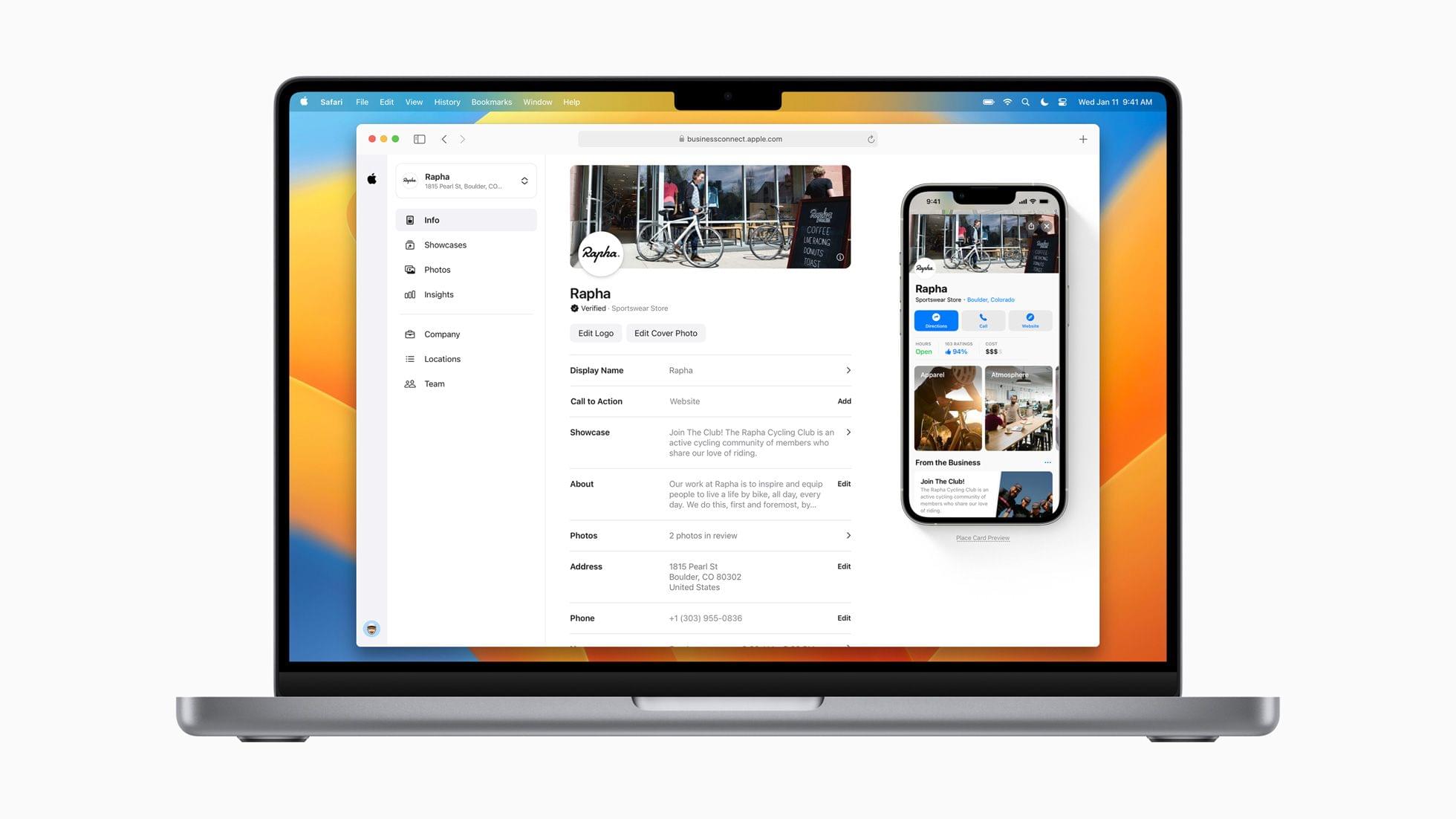
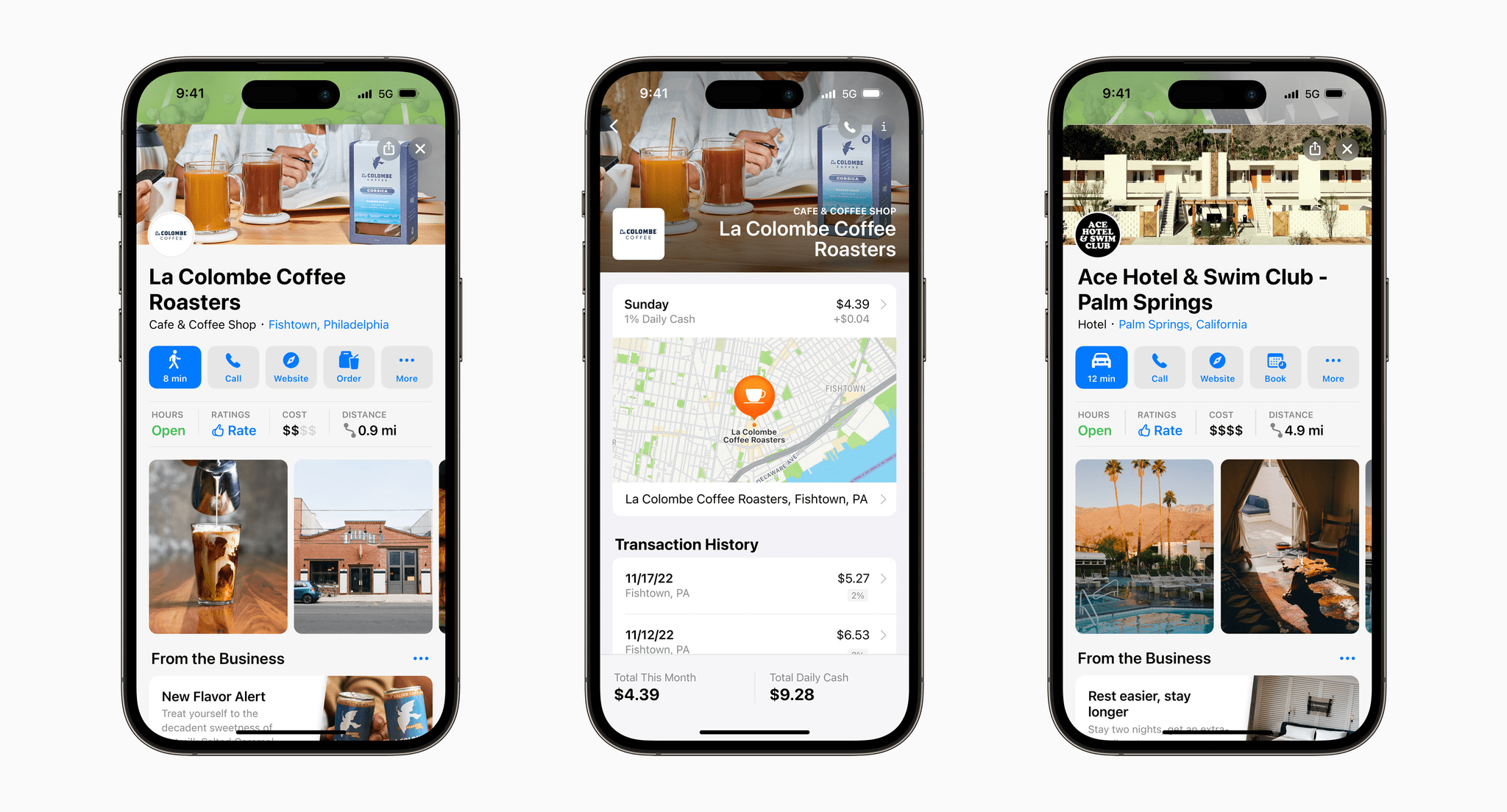
Today, Apple introduced a new online tool called Apple Business Connect that allows businesses to customize the information listed in Apple Maps Maps, Messages, Wallet, Siri, and other apps.

According to Eddy Cue, Apple’s senior vice president of Services:

We created Business Connect to provide Apple users around the world with the most accurate information for places to eat, shop, travel, and more. Apple Business Connect gives every business owner the tools they need to connect with customers more directly, and take more control over the way billions of people see and engage with their products and services every day.

There are a couple of components to Apple Business Connect:

  • A free online tool where businesses can claim their place cards, which include the details about their businesses in apps like Maps, and customize how it appears
  • An API for businesses with 25 or more locations that integrates with third parties that provide location listing services

In addition to providing a self-service path for business owners, Apple has expanded the features of place cards to include Showcases that provide a way for businesses to highlight promotions, seasonal menu items, discounts, and more. Showcases are available today in the US. Apple says Showcases will roll out globally in the coming months.

To register, business owners can visit the Apple Business Connect website, which requires a desktop or laptop computer and an Apple ID. Once logged in and verified by Apple, businesses can personalize their place cards.

Currently, the data in place cards is predominantly supplied by Yelp, although TripAdvisor, Wikipedia, and other sources like users’ photos are also used. Apple Business Connect puts business owners in control, which I expect will result in more accurate and timely updates to place cards, although hopefully, Apple has put some quality-control oversight in place too. The new program also has the added benefit to Apple of cutting the cost of sourcing data from Yelp and others. Having moved recently from Chicago, where place cards were reliably up-to-date, to North Carolina, where the quality of the cards is less reliable, I’m looking forward to seeing how quickly business owners sign up to claim their locations and whether they keep the cards up-to-date.


Gone but Not Forgotten: The Third-Party Apps (Part 2)

AppStories+ Deeper into the world of apps

AppStories Episode 311 - Gone but Not Forgotten: The Third-Party Apps (Part 2)

0:00
45:57

AppStories+ Deeper into the world of apps

This week, Federico and John conclude their ‘Gone but Not Forgotten’ series with more third-party apps, including productivity, communications, and entertainment apps, plus games.

Read more


Samsung and Dell Take Aim at the Mac Monitor Market

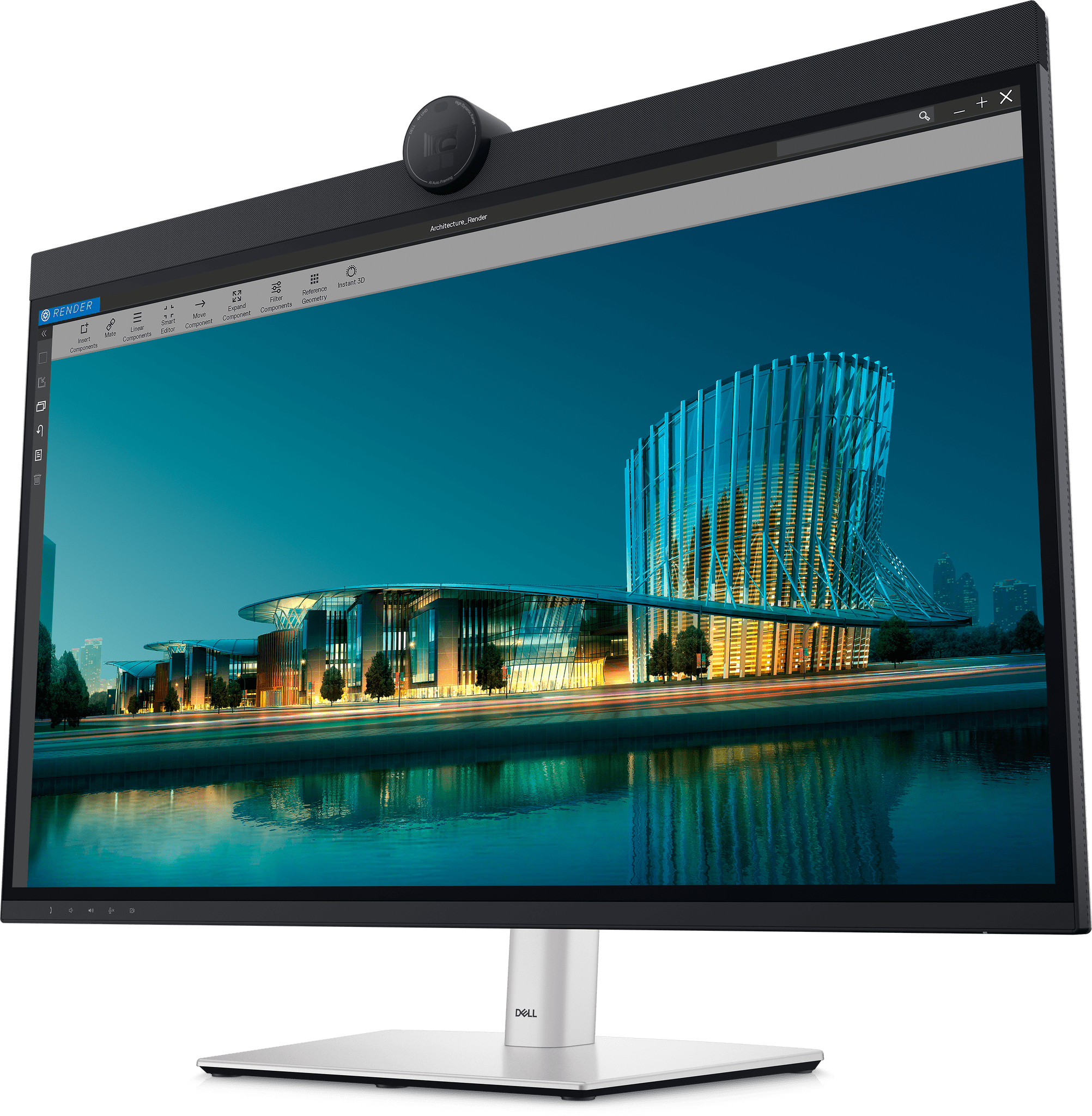
Dell's upcoming 6K UltraSharp display. Source: Dell.

Dell’s upcoming 6K UltraSharp display. Source: Dell.

Dan Seifert writing for The Verge explains why this year’s CES has been such an exciting one for Mac users:

Though there have been many monitors marketed toward MacBook owners over the years, with features such as USB-C connectivity, high-wattage charging, and nicer than average designs, they’ve typically all had traditional 4K panels and sub-par pixel densities, as opposed to the higher-resolution displays that Apple puts in its devices. There was always a compromise required with one of those other monitors if you hooked a MacBook up to it.

Other than LG’s UltraFine displays, which had quality-control issues over the years, Mac users had no display options that matched the resolutions found on MacBook Pros or the 5K iMac. That changed with Apple’s Pro Display XDR and the Studio display, but both displays arrived with extremely high price tags.

That’s why monitors announced by Samsung and Dell at CES this week are so encouraging. Prices haven’t been set yet, but it’s a safe bet that they will be competitive with Apple’s.

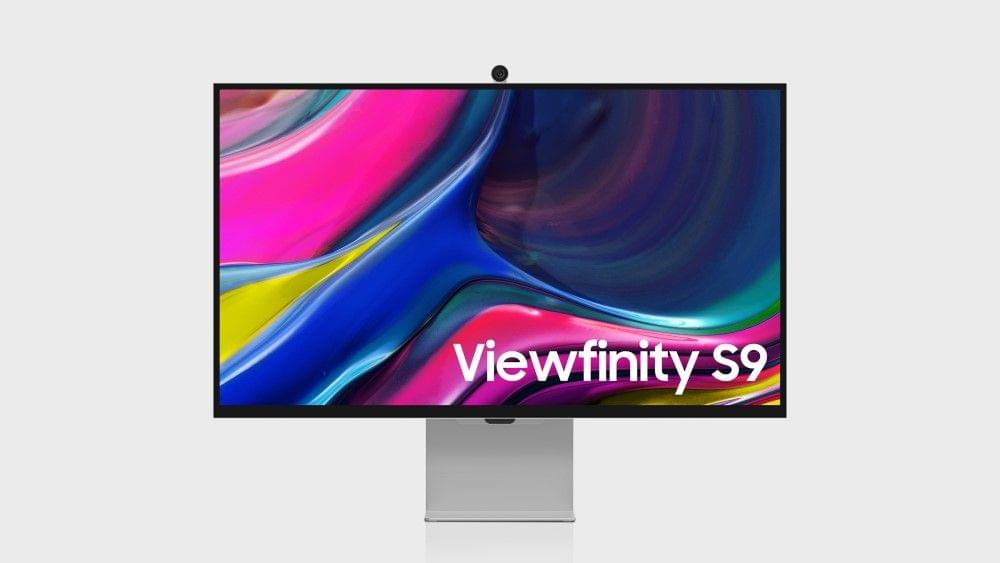
The Samsung ViewFinity S9. Source: Samsung.

The Samsung ViewFinity S9. Source: Samsung.

Both displays promise functionality not found in Apple’s displays too. Samsung’s 5K ViewFinity S9 goes toe-to-toe with the Studio Display’s specs and adds a bunch of ports not available on Apple’s display.

Dell seems to be aiming directly at the Pro Display XDR. As Seifert explains:

Perhaps more interesting is the new Dell UltraSharp 32, the first monitor I’m aware of that matches the Pro Display XDR’s 32-inch size and 6K resolution. It doesn’t have the same HDR-capable local dimming display technology as the XDR, instead using an IPS Black panel sourced from LG, but it comes with integrated speakers, microphones, and a beefy 4K webcam, all of which are lacking from Apple’s high-end option. The UltraSharp 32 may be best described as a bigger version of the Studio Display, as it provides all of the necessary desk peripherals most people need but with a larger — just as sharp — panel. The Dell also tops out at 600 nits of brightness (the same as the Studio Display and Samsung’s S9) and comes with a whole litany of ports, including two Thunderbolt 4 (with up to 140W of power delivery), HDMI 2.1, ethernet, and four USB-A ports. It’s basically a complete Thunderbolt dock built into the back of the display.

I’m a big fan of Apple’s Studio Display, but its price was a hard pill to swallow and a factor that I’m sure has limited its appeal significantly. It remains to be seen how Samsung and Dell will price their monitors, but it’s good to see choice and competition comes to the high-resolution monitors that so many Mac users have wanted for so long.

Permalink

CES 2023: Odds, Ends, and Weird CES

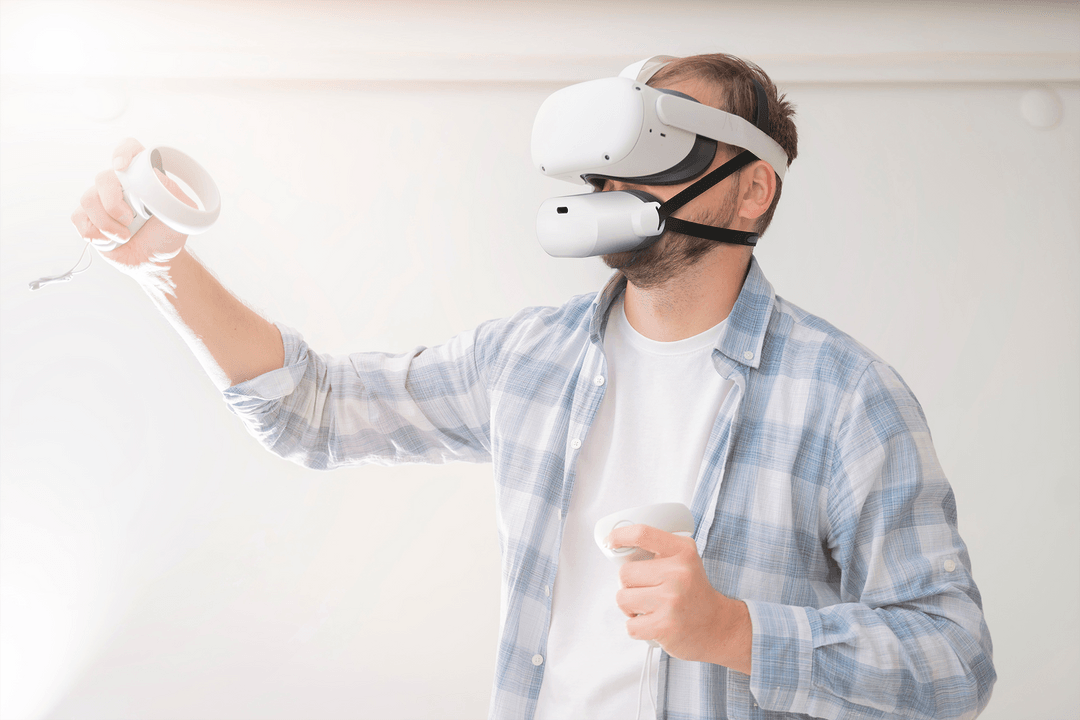
I was a metaverse skeptic until CES covered my eyes and mouth to the possibilities. Source: Shiftall.

I was a metaverse skeptic until CES covered my eyes and mouth to the possibilities. Source: Shiftall.

Today, I bring you Weird CES, a collection of wacky and wonderful announcements from the past week. But first, I have a few odds and ends that were announced in between my previous two stories and are worth mentioning.

Odds and Ends

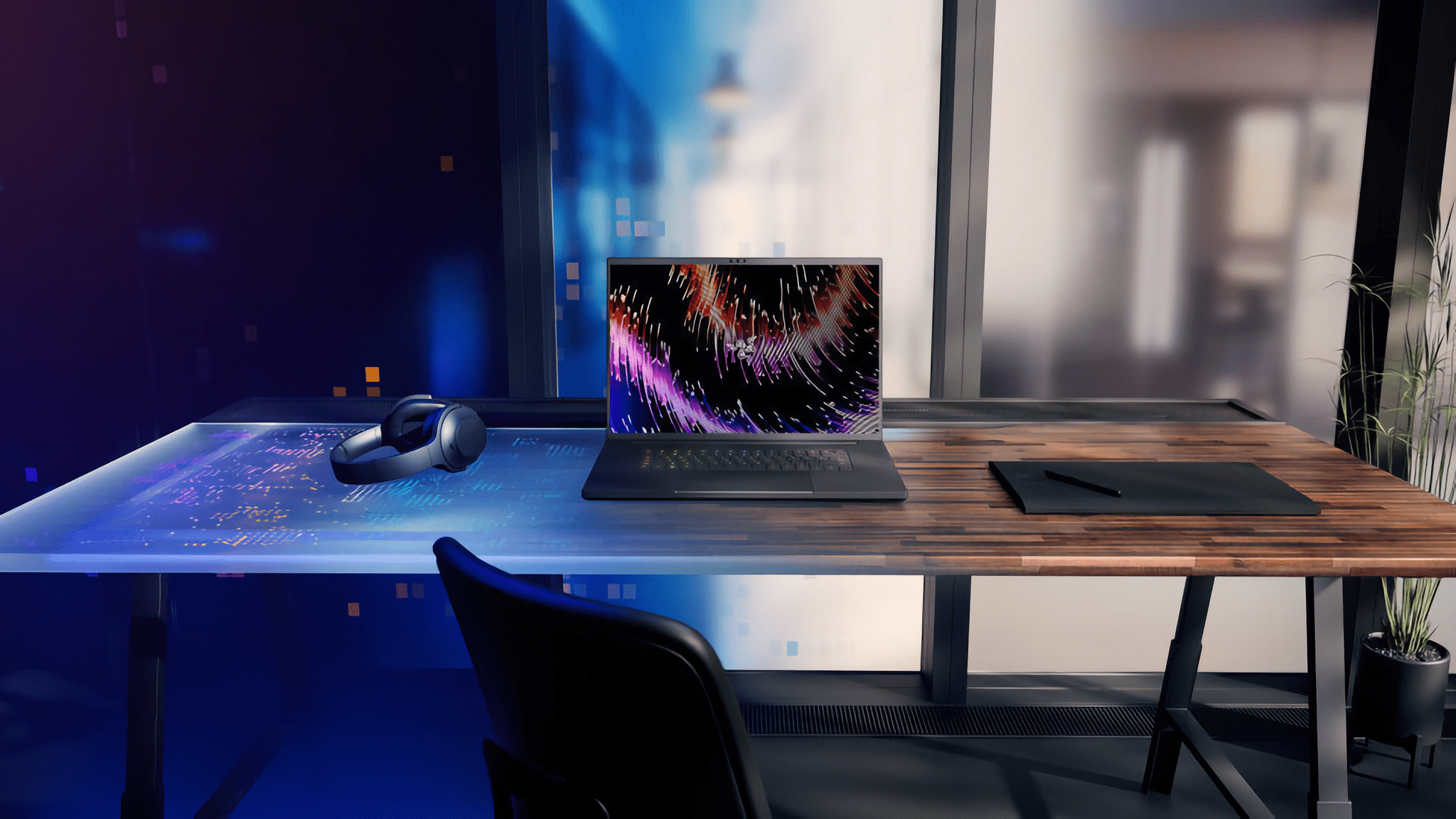
The Razer Blade 18. Source: Razer.

The Razer Blade 18. Source: Razer.

There was a lot of laptop news at CES this year, much of which made my eyes glaze over in its sameness. However, there are some notable exceptions:

Source: Stellantis.

Source: Stellantis.

Also yesterday, Stellantis unveiled a concept EV muscle truck called the RAM 1500 Rev., which will follow its owner around like a puppy on command.

Weird CES

During the global pandemic, CES was held online, and there were far fewer strange and wonderful gadgets announced. I’m pleased to report that Weird CES is back in full force. Here are my favorite oddities of 2023:

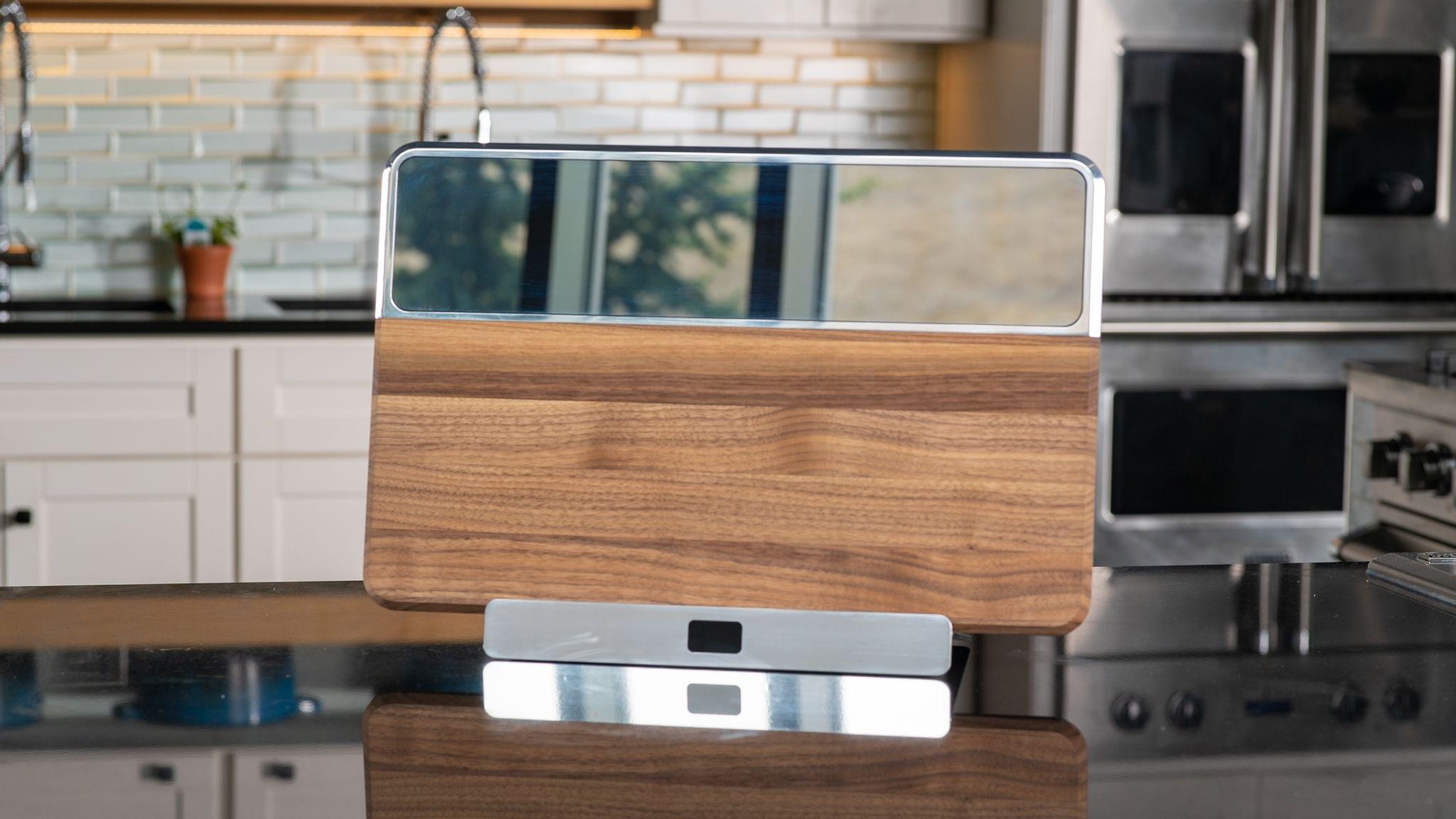
Source: Blok.

Source: Blok.

You probably didn’t realize that what your kitchen cutting board is missing is a removable, rechargeable screen, so you can watch cooking videos while you cut stuff. The Blok is exactly that, complete with a docking station for watching cooking videos when you’re not chopping and an app for the not-so-low price of $699, plus a $390/year subscription for video cooking classes. I think I’ll stick with my old-school wood-only cutting board with an iPad propped up nearby.

Read more


CES 2023: Smart Home Devices, EVs, and Gaming

I’ve been through dozens of additional press releases and stories from CES and have collected all of the smart home, electric vehicle, and gaming news that has caught my eye since yesterday’s story on displays and TVs.

Smart Home

Source: Nanoleaf.

Source: Nanoleaf.

Nanoleaf, which introduced some of the first Thread-compatible lightbulbs I’ve tried, made several announcements at CES this week. Nanoleaf is jumping into synchronized TV backlighting with the Nanoleaf 4D, a camera-based setup that synchronizes the colors displayed on your TV with light strips attached to its back. Unlike Philips Hue, which offers a similar system powered by its separate Play HDMI Sync Box, the Nanoleaf’s camera sits on top of your TV, where it picks up the colors of whatever is playing. Nanoleaf 4D is expected to ship in Q2 2023 and start at $99.99, according to The Verge.

Read more


Apple Books Begins Offering AI-Based Book Narration

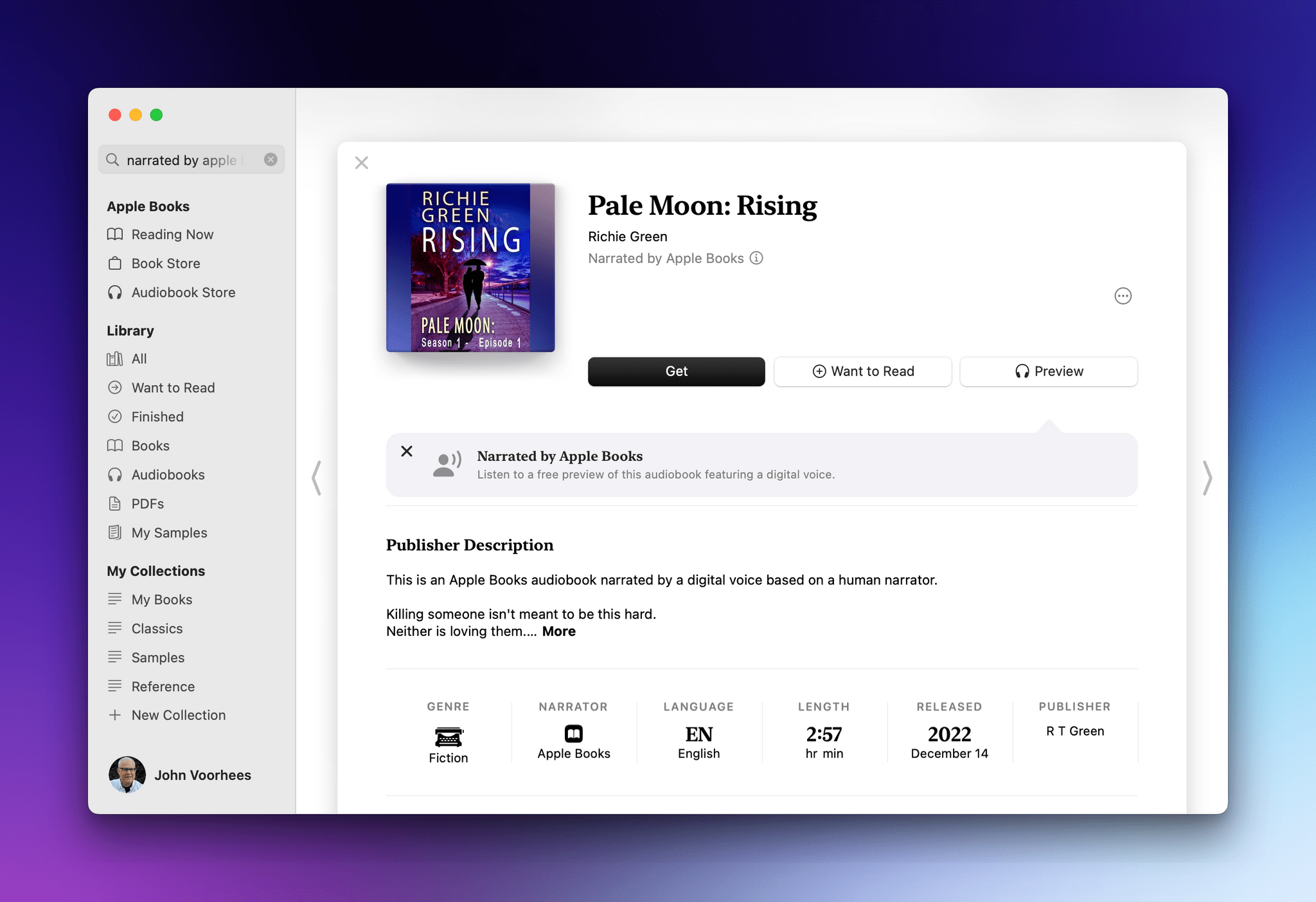
The Guardian reported today that audiobooks ‘Narrated by Apple Books’ have begun showing up in the Apple Books store. The audiobooks are narrated by AI-generated voices that Apple has picked to complement the genre of the books.

As 9to5Mac points out in its coverage, the feature was first announced last month on the Apple Books for Authors website, which offers details about the process for generating an AI-narrated audiobook. The website also explains that Apple is working with two outside publishers to produce the audiobooks. Currently, the program is limited to fiction and romance novels, plus a limited number of nonfiction and self-development titles. Samples of the voices available for each genre are linked on the site and are worth trying. Although the voices are clearly artificial, they’re some of the best I’ve heard from any service.

Although the narration used for the new ‘Narrated by Apple Books’ is synthesized using artificial intelligence, the production of a book is far from automated, with very specific criteria for eligible books and a one to two-month turnaround time. Still, it will be interesting to see how ‘Narrated by Apple Books’ affects the broader audiobook market. Audiobooks are expensive to produce, so I expect Apple’s new program will open up the option to more authors than before. However, as with other AI services, Apple’s could put voice actors out of work as its quality improves.

Permalink

Apple Contributes Magnetic Coupling Tech to the Qi Charging Standard

Sean Hollister of The Verge reports that Apple is contributing aspects of its MagSafe charging technology to the Qi wireless charging standard, which will bring magnetic coupling to Qi2-compatible mobile phones, including Android phones. According to Hollister’s interview with Paul Golden, a spokesperson for the Wireless Power Consortium:

There’s no reason to think a future Qi2 charger wouldn’t work seamlessly and identically with both Android and iPhones, Golden says when I ask. That’s because Apple, a WPC “steering member” (and chair of the board of directors) is contributing essentially the same “magnetic power profile” as MagSafe to the new Qi2 standard.

Hollister also reports that faster charging speeds are next on the Wireless Power Consortium’s to-do list:

That’s not all the WPC is working on, either! While the Qi2.0 release is largely just about adding magnets — it’s still primarily for phones, still tops out at 15 watts, still has the same foreign object detection, etc — the WPC intends to take advantage of guaranteed magnetic coupling to give us faster charging speeds, too. “When we finish with the spec for Qi2, we’ll immediately start working on a significantly higher power profile level for the next version of Qi2,” says Golden.

I’m glad to see Apple contributing to the Qi standard. Very few third-party manufacturers are using the official MagSafe standard, which usually means they charge more slowly. By standardizing the underlying magnetic connection and focusing next on charging speeds, we’ll hopefully see broader adoption of faster wireless charging across mobile phone accessories.

Permalink

Dark Sky Predicts Its Last Storm

With the turn of the New Year, Apple closed down Dark Sky for good. Apple acquired the app in 2020 and left it up and running until January 1st as it incorporated the app’s radar and real-time forecast features into its own Weather app. Dark Sky’s API, which was used by many third-party weather apps, was discontinued at the end of 2021 and was subsumed within Apple’s own WeatherKit API, which debuted last fall.

Over the holidays, Slate took a look at the app’s indie success story, which began with a successful Kickstarter campaign in 2011 that raised $40,000. One thing that I didn’t realize about Dark Sky is that its short-term precipitation forecasts were based solely on analysis of radar images, which didn’t win it fans among meteorologists:

Indeed, Dark Sky’s big innovation wasn’t simply that its map was gorgeous and user-friendly: The radar map was the forecast. Instead of pulling information about air pressure and humidity and temperature and calculating all of the messy variables that contribute to the weather—a multi-hundred-billion-dollars-a-year international enterprise of satellites, weather stations, balloons, buoys, and an army of scientists working in tandem around the world (see Blum’s book)—Dark Sky simply monitored changes to the shape, size, speed, and direction of shapes on a radar map and fast-forwarded those images. “It wasn’t meteorology,” Blum said. “It was just graphics practice.”

I hadn’t used Dark Sky in years when Apple bought it, except as a data source in other weather apps. Its forecasts may not have been as nuanced or accurate as a meteorologist’s, but there’s no denying its cultural impact on the world of apps, which is why I’ll be tucking this story away in my app history archives.

Permalink