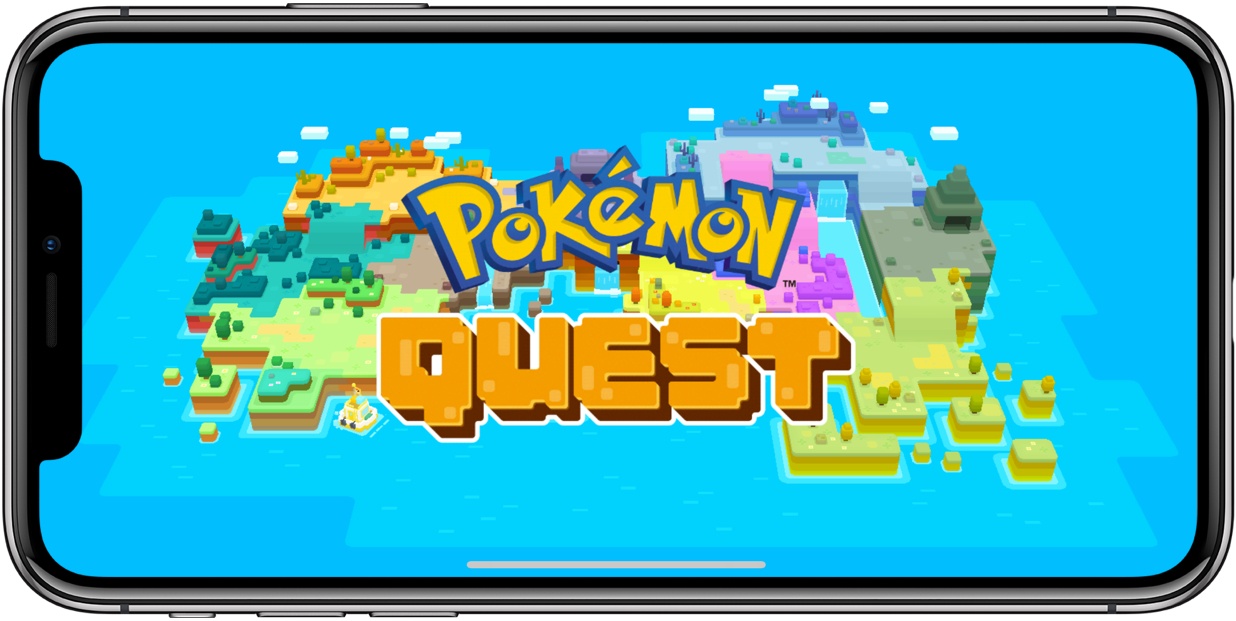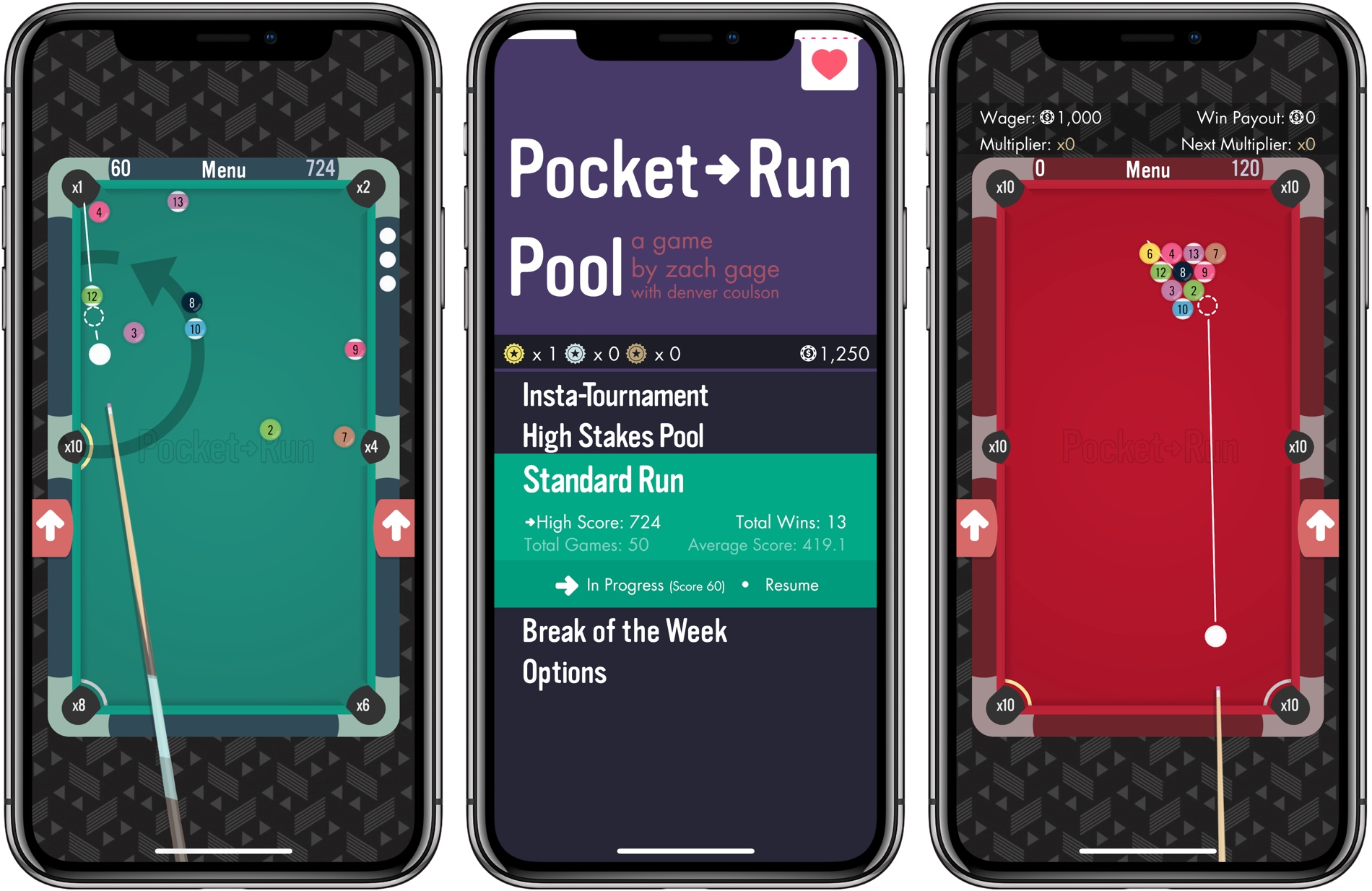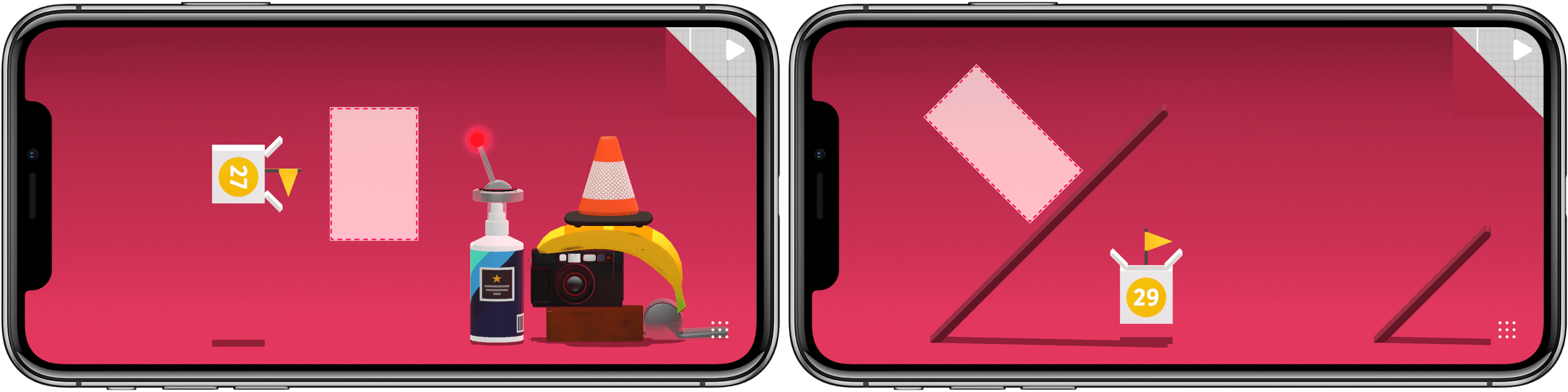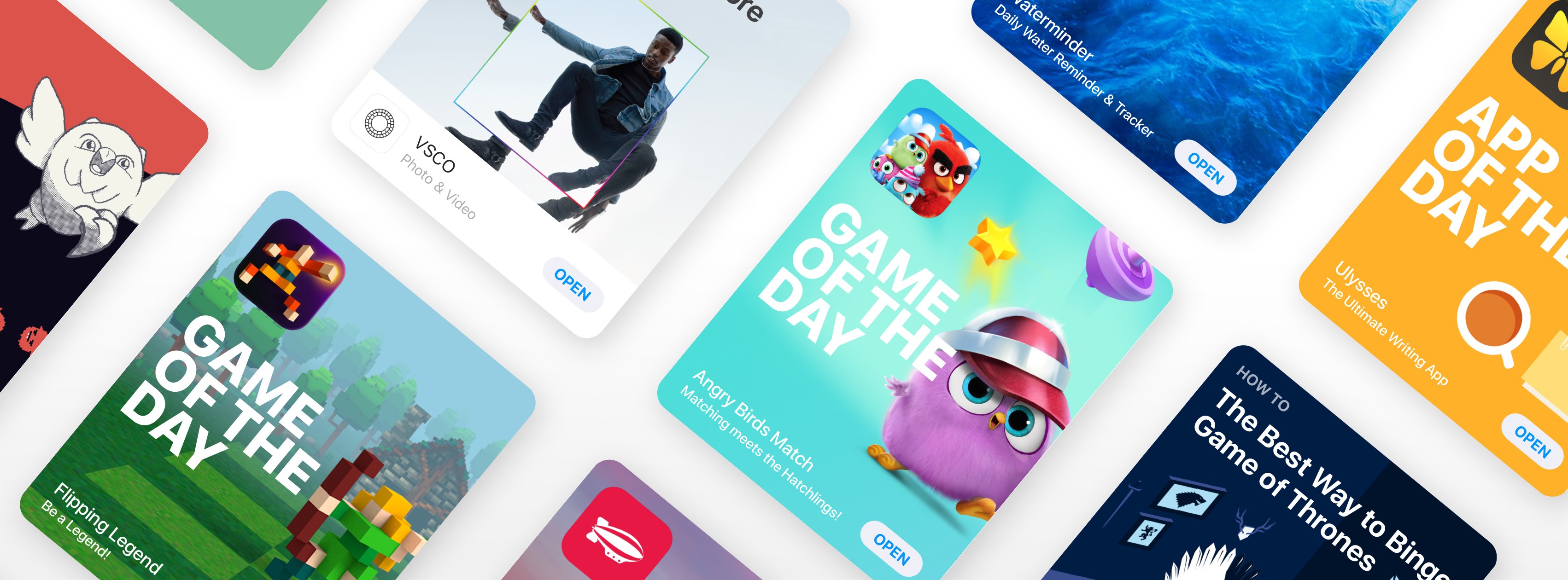
Nowhere has the App Store’s impact been more profound than the game industry. Roughly one-third of the 500 initial apps that debuted on the App Store were games. The percentage of games on the App Store has risen over the past 10 years, but not by much. By some estimates, between 35 and 40 percent of the App Store’s apps are games today. What has changed is the size of the Store. With over 2.1 million apps currently available for download, that means around 800,000 are games.
Mobile gaming has become the primary driver of growth in the game industry over the past several years. According to a recent report by Newzoo, the mobile game industry, in which iOS plays a central role, will be a $100 billion market in just three years time.
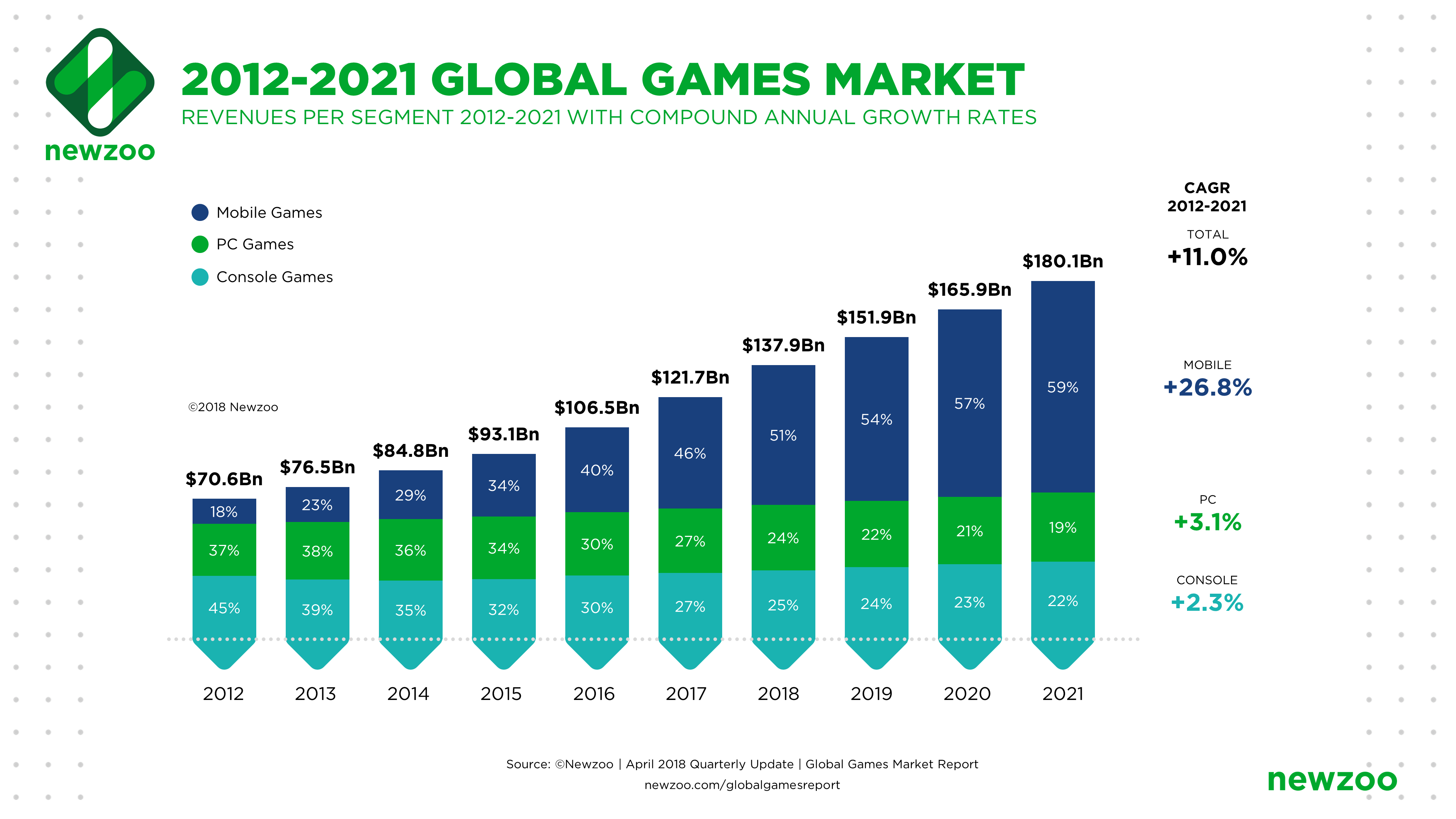
The success of games on iOS parallels the phenomenal success of the iPhone and App Store. The iPhone’s hardware played a significant role with its novel design that provided game developers with the flexibility to experiment. Just as important, though, was the advent of In-App Purchases. Games, like other apps, were originally free or paid. When In-App Purchases came along, a whole category of games that offered in-app, paid consumables, level packs, and other digital goods was born that has been wildly successful for many game developers.
Now, free-to-play games with In-App Purchases dominate the top grossing charts and a relatively small cadre of games soak up the majority of money spent on the App Store, making it harder than ever to succeed as a game developer on the App Store. It’s a familiar story faced by app and game developer alike. Notwithstanding the stiff competition in the games category though, the mobile game market’s sheer size has allowed creative, independent game developers to find ways to succeed on the App Store.
Perhaps most exciting of all though, the success of mobile games has led to an enormous influx of people into gaming who would never have considered themselves gamers. That creates a tremendous opportunity for Apple and game developers which has become all the more interesting as the constraints of early iOS devices have been replaced by hardware that approaches the capability of game consoles. Mobile games stand at a pivotal moment in time that has the potential to upend preconceptions about the distinction between mobile and other video games, but to understand what the future might hold, it’s instructive to start by looking at the past 10 years.