Posts tagged with "featured"

POP Icon Keys: Logitech Brings Automation to a Budget-Friendly Keyboard

A couple of weeks ago, I wrote about and showed off Logitech’s MX Creative Console, a two-piece device made up of a keypad and dialpad, that takes the Elgato Stream Deck head-on. Well, today, Logitech is back with a slightly different approach in the form of its POP Icon Keys keyboard, which borrows some tricks from the Creative Console.

The $49.99 keyboard, shipping later this month, is solidly built and low-profile. It weighs 530g and has four big rubber pads on the bottom corners, giving it a sturdy, stable feel on my desk. The keys use scissor switches and feature aggressively rounded corners, and they’re quiet and have more throw and resistance than an Apple Magic Keyboard, but are easy to adapt to if you’re used to Apple’s keyboards. I particularly like the texture of the keys – which could be partially due to the fact that I’ve been using a worn-down Magic Keyboard – but the keys have a nice feel and don’t show fingerprints.

The POP Icon Keys comes in four color options.

The POP Icon Keys comes in four color options.

The body of the keyboard is made of a similar plastic, and the keys are surrounded by a strip of glossy, transparent plastic that adds a little flair to the entire package. The color options available for the POP Icon Keys are fun, too. I’ve been testing a black keyboard with neon yellow accents for about a week, and I like it a lot, but there are other color combinations available, including pink, orange and white, and a purpleish-blue color scheme. Also, the POP Icon Keys runs on two AAA batteries, which Logitech says can provide 36 months of operation thanks to the keyboard’s onboard power management.

If that’s where the story ended for the POP Icon Keys, I’d recommend it because it’s a very good keyboard for the price. What sets the POP Icon Keys apart, though, is that it goes a step further, adding automation features similar to those found on the more expensive MX Creative Console.

Logitech has designated the Home, End, Page Up, Page Down, F4-F12, and brightness keys as programmable via its Logi Options+ app. Among other things, you can use these keys to control system settings, execute keyboard shortcuts, and run multiple actions combined into macros. The keys’ original functionality remains available, too, if you hold down the function button. The POP Icon Keys also shares the MX Creative Console’s ability to set up app-specific profiles, meaning you can program keys to perform different tasks depending on which app is active.

For example, you could use the Home, End, Page Up, and Page Down buttons to open different sets of apps for work, a special project, or relaxing with a game. Or you could use the function keys to trigger keyboard shortcuts in your favorite apps or Shortcuts automations.

There are a couple of things I love about this functionality. First, the flexibility is fantastic, especially since you can access the programmable keys without taking your hands off the keyboard, which is an advantage over the MX Creative Console. Second, for just $50, the POP Icon Keys is a great entry point into the world of push-button automation. If it turns out that keyboard-driven automation isn’t your thing, you still have an excellent keyboard, but if it is, you can go a long way with the POP Icon Keys’ options before you graduate to the MX Creative Console or another similar device.


All in all, I like the POP Icon Keys a lot. It’s nicely built and a great way to get started with keyboard automation or supplement other automation workflows you already use. The device is available directly from Logitech and Amazon.


After Five Years of Pro iPhones, I’m Going iPhone 16 Plus This Year

My iPhone 16 Plus.

My iPhone 16 Plus.

If you asked me two weeks ago which iPhone model I’d be getting this year, I would have answered without hesitation: my plan was to get an iPhone 16 Pro Max and continue the tradition of the past five years. I’ve been using the largest possible iPhone since the XS Max and have bought the ‘Pro Max’ flavor ever since it was introduced with the iPhone 11 Pro Max in 2019. For the past five years, I’ve upgraded to a Pro Max iPhone model every September.

And the thing is, I did buy an iPhone 16 Pro Max this year, too. But I’ve decided to return it and go with the iPhone 16 Plus instead. Not only do I think that is the most reasonable decision for my needs given this year’s iPhone lineup, but I also believe this “downgrade” is making me appreciate my new iPhone a lot more.

It all comes down to a simple idea: fun.

Read more


Croissant: A Beautifully-Designed App for Cross-Posting to Multiple Social Media Accounts

Social media has splintered across multiple services since the decline of Twitter. I’ve always managed a lot of social media accounts between my own and ones for MacStories, but today the situation is worse than ever. There have always been services like Buffer that make it easier to juggle multiple accounts and services, but they are more expensive than most indie developers, artists, websites, and other creators can afford and offer more features than most need.

That’s where Croissant comes in. It’s a new iPhone app from Ben McCarthy and Aaron Vegh that simplifies cross-posting to Mastodon, Bluesky, and Threads at an indie-friendly price. The app doesn’t try to replicate the many features you’ll find in services like Buffer. Instead, it’s focused on making it easier for indie creators or anyone with multiple social accounts to post on multiple platforms at once.

Croissant's tint color, app icon, and posting button icon are all customizable.

Croissant’s tint color, app icon, and posting button icon are all customizable.

I’ve been testing Croissant over the past week, connecting it to two Bluesky accounts, two Threads accounts, and five Mastodon accounts, and I’ve been loving it. First off, the design is top-tier, as you’d expect from one of Ben’s apps. The UI’s focus is on drafting your posts, and it’s accented with a deep yellow/orange hue that I love. However, the app offers seven other color options to choose from. There are also a total of seven app icon options and three icons to pick from for the button that publishes a post.

Managing accounts in Croissant.

Managing accounts in Croissant.

If you have a lot of accounts you want to use with Croissant, you’ll need to start by signing into each, which requires a little patience. However, once you’re set up and ready to go, the rest is smooth sailing. You’ll see icons for each of the accounts you’ve signed into at the top of the app’s compose view. Tap on the row of icons to manage your accounts, removing any you no longer use and adding any new ones. The gear icon in the top-left corner of the view reveals tint, post icon, and app icon settings, and the box icon at the top-right is used to access draft posts that you can save using the app’s Menu button at the bottom of the compose field.

That same Menu button also allows you to delete a post, add to an existing thread, add a content warning, and pick from various audience options. Plus, there are buttons to tag someone, add hashtags, and attach photos or videos to a post. Croissant displays a character counter at the top of each draft post, too.

I appreciate the 'Do you really want to post this everywhere?' step.

I appreciate the ‘Do you really want to post this everywhere?’ step.

My favorite part of Croissant is the interaction that takes place when you’re ready to launch your latest hot take into the social media wilderness. Before you post, a list of every account you’ve connected to Croissant slides up from the bottom of the screen. By default, all of your accounts are selected. Tap the big Post button at the bottom of the list, and you’ll launch your words of wisdom into the world across every service you’ve configured. Before you post, you can also de-select any of the accounts listed. That’s great because, although I could fairly be accused of being a chronic cross-poster, even I rarely post everywhere all at once, so I appreciate the chance to fine-tune where my posts will be published.

I like the simplicity of Croissant a lot, but there are a couple of things I’d love to see added in future updates. The first is Shortcuts support. An action that allows me to pick the accounts to send a post from, coupled with Shortcuts’ ability to pull items from RSS feeds, would make publicizing new MacStories articles and podcast episodes a lot easier. Second, a scheduling feature would go a long way toward completely eliminating the need for services like Buffer for a lot of people. Of course, an iPad and Mac version of Croissant would be great too, but I’ve found using the iPhone app on my iPad and on my Mac with iPhone Mirroring to fill that need well so far – except that on the iPad it means logging into all of my accounts a second time, which is a little tedious.

Sometimes the hottest takes cool after a few days in the drafts box.

Sometimes the hottest takes cool after a few days in the drafts box.

There’s an added side benefit to using Croissant that I didn’t realize at first but Brendon pointed out to me. Croissant lets you post without the distraction or stress of getting sucked into your timelines. I’ve often had times where I felt like I needed a break from social media but felt compelled to jump back in to make sure we were promoting everything happening at MacStories. With Croissant, you can have it both ways, letting the world know what you’re up to without needing to scroll your timeline.


Croissant, which is available on the App Store for free but requires a subscription for some features, is a clear win for anyone who works online and wants to promote what they make or who maintains active accounts across several services. Neither group is a good fit for expensive social media management services, but for $2.99/month, $19.99/year, or a one-time payment of $59.99, Croissant is a no-brainer.


First Look: Logitech’s MX Creative Console Is Poised to Compete with Elgato’s Stream Deck Lineup

Source: Logitech.

Source: Logitech.

Today, Logitech revealed the MX Creative Console, the company’s first product that takes advantage technology from Loupedeck, a company it acquired in July 2023.

I’ve been a user of Loupedeck products since 2019. When I heard about the acquisition last summer, I was intrigued. Loupedeck positioned itself as a premium accessory for creatives. The company’s early products were dedicated keyboard-like accessories for apps like Adobe Lightroom Classic. With the Loupedeck Live and later, the Live S, Loupedeck’s focus expanded to encompass the needs of streamers and automation more generally.

Suddenly, Loupedeck was competing head-to-head with Elgato and its line of Stream Deck peripherals. I’ve always preferred Loupedeck’s more premium hardware to the Stream Deck, but that came at a higher cost, which I expect made it hard to compete.

The Logitech MX Creative Console slots nicely into my existing setup.

The Logitech MX Creative Console slots nicely into my existing setup.

Fast forward to today, and the first Logitech product featuring Loupedeck’s know-how has been announced: the MX Creative Console. It’s a new direction for the hardware, coupled with familiar software. I’ve had Logitech’s new device for a couple of weeks, and I like it a lot.

The MX Creative Console is first and foremost built for Adobe users. That’s clear from the three-month free trial to Creative Cloud that comes with the $199.99 device. Logitech has not only partnered with Adobe for the free trial, but it has worked with Adobe to create a series of plugins specifically for Adobe’s most popular apps, although plugins for other apps are available, too.

Read more


visionOS 2: The MacStories Review

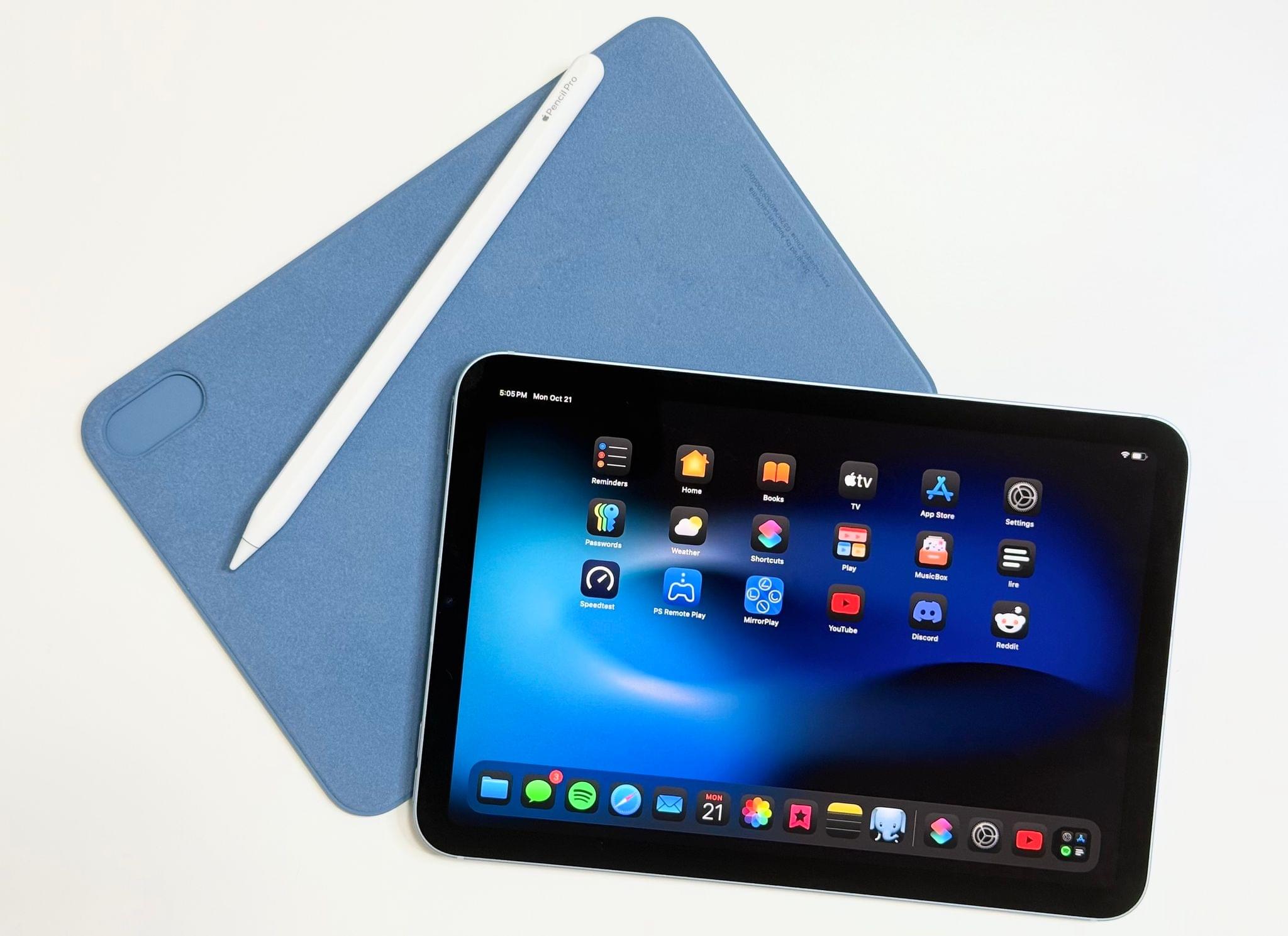
In the lead-up to this year’s WWDC, it was hard to predict what an update to visionOS would look like. After all, the initial version had only shipped four months earlier when Apple Vision Pro became available for purchase in the United States. Given how late in the software cycle visionOS 1 shipped, it was reasonable to wonder if there would be a visionOS 2 announced at all, and if so, how much it could realistically add to an operating system that had just debuted the previous quarter.

Of course, Apple’s software cycle waits for no one, so like watchOS before it, visionOS is receiving a 2.0 version rapidly on the heels of its initial release. But the shortened development window doesn’t mean that this update isn’t a significant one. I believe that the 2.0 moniker is well deserved based on the features and enhancements included in this release, especially given the quieter updates across all of Apple’s platforms this year in the wake of Apple Intelligence.

visionOS 2 moves spatial computing forward with an array of welcome quality-of-life improvements, deeper integration with some of Apple’s other platforms, additional tools for developers to create spatial experiences, system app updates in line with Apple’s other platforms, and a new way to experience photos that you have to see to believe. The combination of user experience refinements and new features makes for a solid update that Vision Pro users are definitely going to notice and enjoy.

Some of the changes we’ll dive into feel so obvious that you might wonder why they weren’t included in visionOS to begin with. Having used Vision Pro almost daily since it was released, I fully understand the sentiment. But then I remember that the iPhone didn’t gain the ability to copy and paste text until iPhone OS 3, and I’m reminded that developing new platforms takes time – even for a company as big as Apple.

So while some might seem basic, many of the changes included in visionOS 2 improve users’ experiences in significant ways every time they interact with the platform. The end result is a smoother, more intuitive operating system that will delight Vision Pro believers and, if Apple has its way, convince more skeptics to take the plunge into spatial computing.

Let’s jump into what visionOS 2 has to offer.

Read more


    macOS Sequoia: The MacStories Review

    Sequoia is unlike any major macOS update in recent memory. Annual OS releases usually tell two stories. The first is the tale of that release, which consists of a combination of design, system, and built-in app changes that add to the existing Mac experience. The second story plays out over time, taking multiple years to unfold and reveal itself. The best macOS releases are those that strike a balance between the two.

    Often, a macOS update’s multi-year story revolves around new developer technologies that signal a change in direction for the entire platform. Swift and Catalyst were like that. Neither had an immediate impact on the day-to-day experience of using a Mac. However, even though the final destination wasn’t entirely clear at first, the corresponding macOS releases included concrete first steps that provided a sense of where the Mac was heading.

    It’s possible to look at macOS Sequoia and see something similar, but the resemblance is only skin deep. This year’s release includes meaningful updates to system apps and even a brand new one, Passwords. Plus, Apple Intelligence promises long-term, fundamental changes to how people use their Macs and will likely take years to fully realize.

    But Sequoia feels fundamentally different from Swift, Catalyst, and other past releases. It’s light on new features, the design changes are few and far between, and Apple Intelligence isn’t part of macOS 15.0 at all – although more features are on the way and are currently part of the macOS 15.1 developer beta. So what sets Sequoia apart isn’t so much what you can do with it out of the box; what’s unique about this release is that you could install it and not even notice the changes.

    That’s not to say that Sequoia is a bad update. There’s more to like than not, with excellent additions like iPhone Mirroring, window tiling, the new Passwords app, and Safari’s video viewer. The trouble is that the list of changes, good or bad, falls off steeply after that. A half loaf may be better than none, but Apple has taught us to expect more, which makes Sequoia vaguely unsatisfying and out of balance compared to other releases.

    It’s clear is that Apple is placing a big bet that artificial intelligence will pay off for macOS the same way magic beans did for Jack and his mother. The question heading into macOS 15.1 and beyond is whether Apple’s beans are magical too. Perhaps they are, but based on what I’ve seen of macOS 15.1, I’m not feeling the magic yet. I’ll reserve judgement and revisit Apple Intelligence as it’s incrementally rolled out in the coming months. For now, though, let’s consider macOS Sequoia 15.0’s morsels that readers can actually dig into today.

    Read more


      watchOS 11: The MacStories Review

      After years of steady, iterative updates to watchOS, last year, Apple dropped one of their most significant releases in years with watchOS 10. The design language was updated for all of their first-party apps, watch faces were upgraded to take full advantage of the larger screens on current models, and the Smart Stack was introduced to make glanceable information much easier to access. To make way for the Smart Stack, Apple also reassigned the Digital Crown and side button to new functions. These changes, along with the usual updates for health and fitness, made for a release that every Apple Watch user took note of.

      The awkward recalibrating of muscle memory aside (I still very occasionally swipe up on my watch face to try and reveal the Control Center), it was an excellent update. My only worry coming out of it was that Apple would dust off their hands, reassign lots of their talent to something else, and go back to the usual, iterative, health- and fitness-focused updates with watchOS 11.

      Thankfully, that was far from the case. Not only has Apple made some solid updates to the Apple Watch hardware line this year, but they’ve also enhanced and added to the software in ways that signal they are far from done.

      The question is, are these changes going to enhance your daily use of Apple’s most personal device, or are they just, well, changes?

      I’m excited to dive into this question in my first watchOS review for MacStories, but before I do, I want to thank Alex for his years of excellent watchOS coverage. I hope I can live up to the standards he set.

      Right, let’s do this.

      Read more


      iOS and iPadOS 18 Review Extras: eBooks, Wallpapers, Screen Saver, and a Special Edition of MacStories Weekly

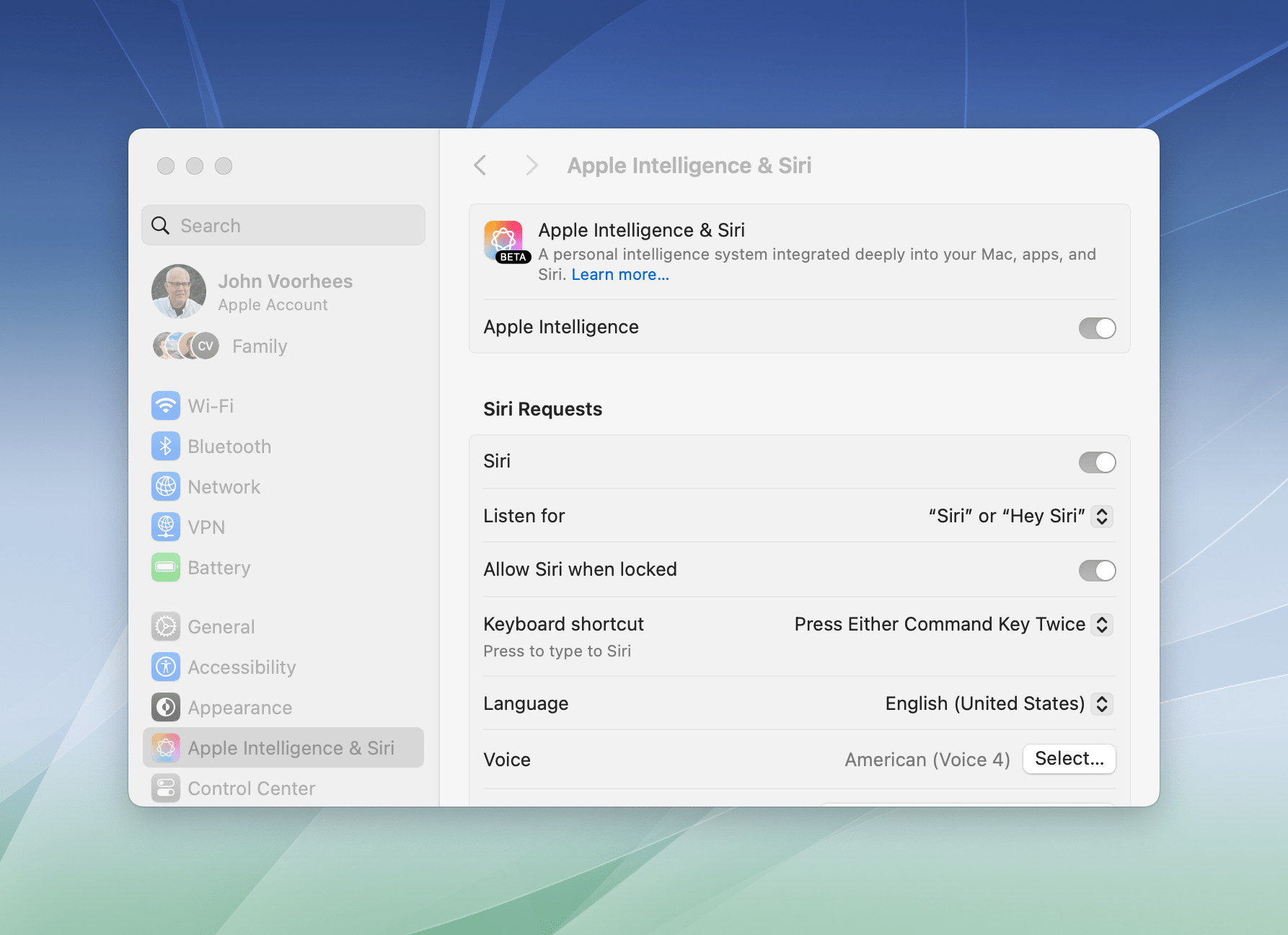
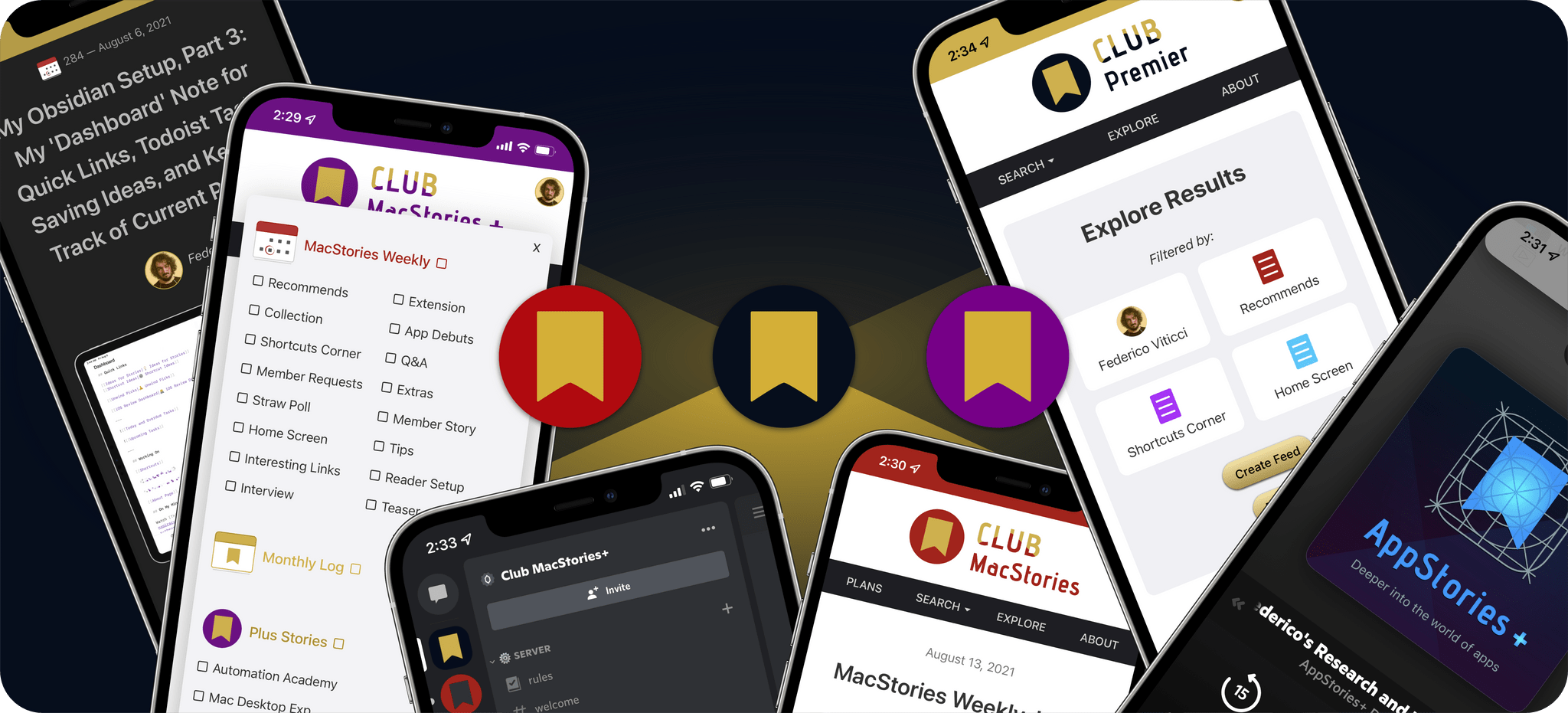
      A short time ago, Federico published his annual iOS and iPadOS 18 review. As in past years, we’re releasing a wide variety of perks exclusively for Club MacStories members throughout the week, but this year, the perks are a little different – just like the review.

      Here’s our friend Chris Lawley with the details:

      First of all, we’re releasing this week’s episode of AppStories+ to everyone who listens to the show for free.

      AppStories+ is the extended version of our flagship podcast that’s typically released a day early and ad-free in high-bitrate audio. The show is part of a Club Premier or AppStories+ subscription, but this week, everyone gets the extended version of the show. If you’re not a subscriber, you’ll still get an ad with the episode (we do have bills to pay), but you’ll also get the full extended version of the episode in high bitrate audio, just like subscribers. It’s our way of saying thanks to everyone who has listened to AppStories through the years and share why this year’s review is not just different, but part of an editorial evolution of MacStories.

      As Chris explains in his video, we have an eBook version of the review for all Club members. We’ll also publish a special making-of edition of MacStories Weekly, our Club newsletter, on Saturday.

      If you’re not already a member, you can join Club MacStories for $5/month or $50/year using the buttons below:


      A short sample of one of the six screen savers for Club Plus and Premier members.

      A short sample of one of the six screen savers for Club Plus and Premier members.

      Also, this year, there will be even more perks than ever for Club MacStories Plus and Premier members, including:

      • More eBooks of my macOS Sequoia review, Jonathan Reed’s watchOS 11 review, and Devon Dundee’s visionOS 2 review;
      • A bonus eBook that collects tips and tricks from Federico’s iOS and iPadOS 18 review;
      • High-res wallpapers of the delightful illustrations created for Federico’s review by Scout Wilkinson; and
      • A screen saver developed by James Thomson that brings Scout’s artwork to life on your Mac.

      To unlock all of these additional perks, use the buttons below to join Club MacStories Plus:

      or Club Premier:


      Now more than ever, an indie publication like MacStories depends on income from members who want to directly support what we do and our ability to collaborate with people like Scout and James more often. As always, though, we aim to provide as much value as we can to Club members, so we have more details after the break, for anyone who wants to learn more about this year’s perks and Club MacStories before joining.

      Read more


      iOS and iPadOS 18: The MacStories Review

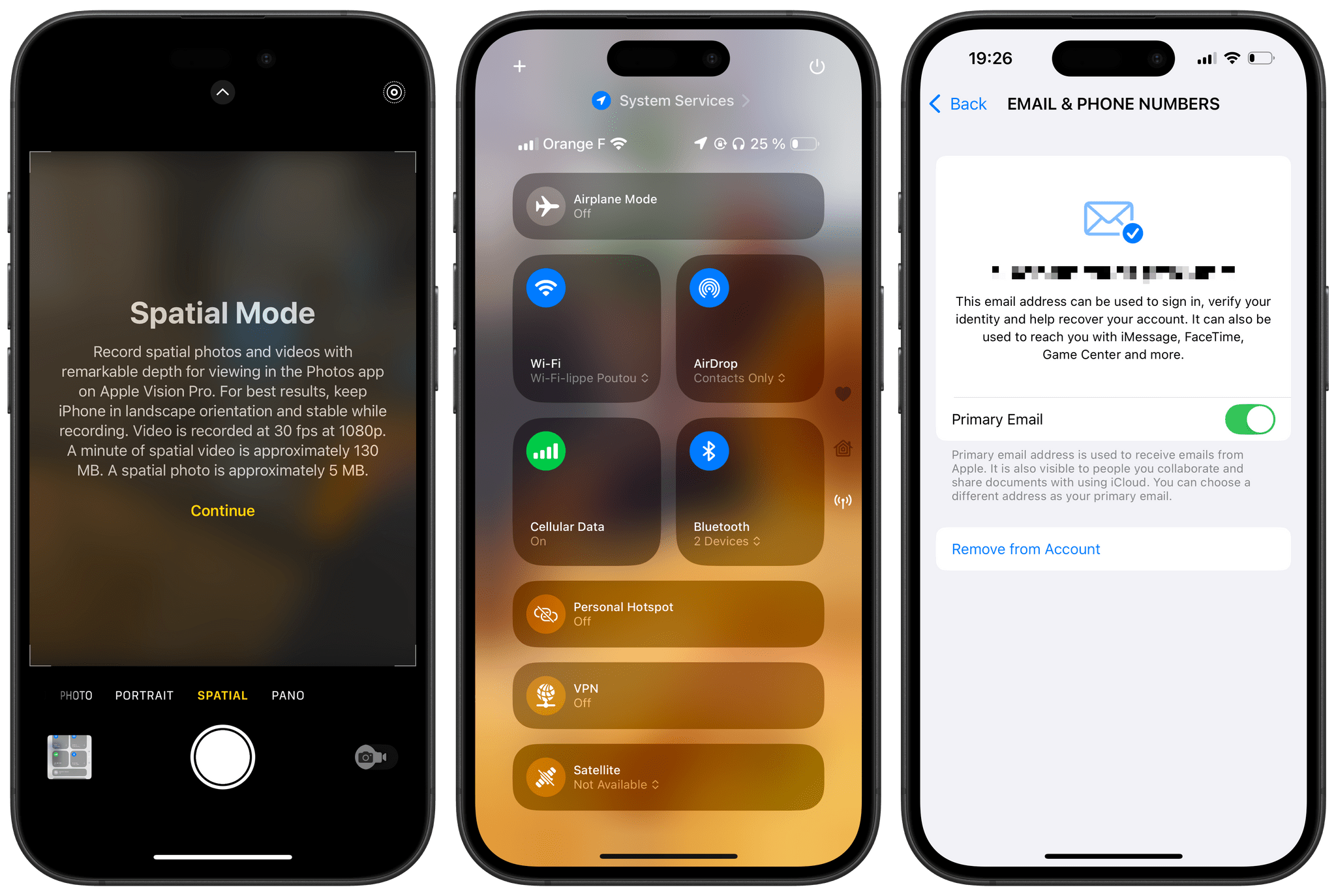
      There is still fun beyond AI.

      There are two versions of iOS 18 coming out this year.

      Or, think about it this way:

      Inside Apple, there are two versions of iOS 18. The version I’ve been able to test since June, and which will be the focus of this review, is the debut of iOS 18, which emphasizes user customization and smaller app updates. The other one – and, arguably, the version most are anticipating since WWDC – is iOS 18.1, which will mark the launch of Apple Intelligence in the United States later this year as well as the beginning of a process to roll out more AI features over time.

      Technically, iOS 18.1 is going to be a major update to iOS 18.0, which will introduce the first slate of AI features on iPhones and iPads; in spirit, it might as well be the version of iOS 18 that is going to steal the spotlight and become The Conversation in our community for months to come.

      However, due to a mix of legal and political reasons, as an Italian citizen, I won’t be able to participate in that discourse just yet. Thankfully, there’s plenty to like in iOS 18 even without Apple Intelligence, especially if, like yours truly, you’re the kind of MacStories reader who cares about apps, minor system tweaks, and making your Home Screen look nice.

      This is what my review will focus on this year. There are two versions of iOS 18: I’m going to cover the fun, nerdy one.

      I’ve been writing annual reviews of iOS (and later iPadOS too) for ten years now. During this time, I’ve seen my fair share of mobile OS trends, and I’ve observed how Apple judiciously iterated on their post-iOS 7 design language and stoically ignored the majority of the tech industry’s fads, staying the course of their vision for what their ecosystem of devices and OSes should empower people to do.

      Never have I been in the position to witness the company finding itself unable to ignore a major industry shift. That’s exactly what is happening with AI. As we saw back in June, Apple announced a roadmap of AI features that will be gradually doled out to users and developers over the iOS 18 cycle. Most of them won’t even be launching this year: I wouldn’t be surprised if we see them just in time before the debut of iOS 19 at WWDC 2025.

      What’s even more fascinating is realizing just how much of a priority Apple Intelligence must have been for the iOS, iPadOS, and macOS teams. Let’s face it: if it weren’t for the handful of additions to iOS, which are also cross-compatible with iPadOS, I wouldn’t have much to cover today without Apple Intelligence. This is quite apparent in macOS Sequoia: as John will cover in his review, with no Apple Intelligence, there are only two main features worth analyzing in detail.

      Thus, dear reader, don’t be surprised if this will be my shortest annual iOS review to date. Plus, it’s not like I was particularly looking forward to Apple Intelligence anyway.

      In any case, as I argued in my preview story back in July, the smaller features that found their way onto iOS and iPadOS this year are still interesting enough to justify a “traditional” review. And it’s not just that these are good features: they’re also my favorite kind, for they’re primarily about customization and apps. From more flexible Home Screens to Control Center finally becoming extensible with third-party controls, some big improvements to Notes and Journal, plus a brand new Passwords app, how could I not be excited about iOS 18?

      This intrinsic duality of iOS 18 is the reason why I’ve never felt so ambivalent about a new version of iOS. Or, think about it this way:

      Inside me, there are two takes. I fundamentally dislike generative AI tools and, from what I’ve seen so far, I don’t think I’m ever going to take advantage of Apple’s features that modify text or create images. At the same time, I’m excited about the prospect of a smarter Siri that is better integrated with apps; and today, with the version of iOS 18 that is shipping to customers, I think there are plenty of smaller features worth appreciating, especially if you’re into customization.

      Today, we don’t need to reconcile those two takes. We don’t have to be grownups for this one. We’re just going to dive into what makes iOS 18 a smaller update than previous years, but a fun one nonetheless.

      Read more