Apple Watch Support Removed from Major Apps

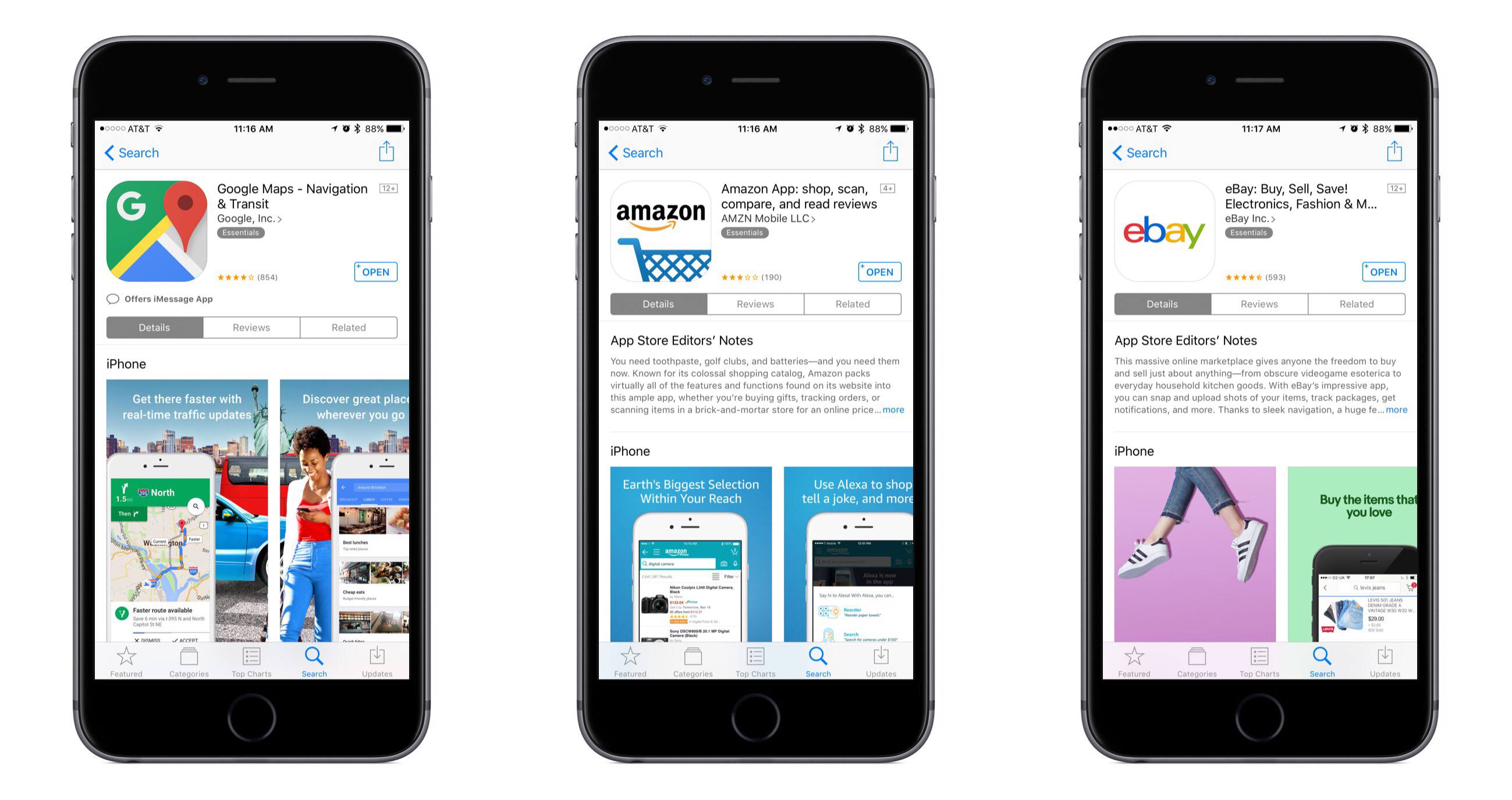
Neil Hughes of AppleInsider reports that major apps like Google Maps, Amazon, and eBay have all quietly removed support for the Apple Watch.

Google released a comment on the story stating their intention to reinstate Watch support in the future.

While apps like Amazon and eBay may not be well-suited for the Apple Watch to begin with, the bigger story here is how long it took for anyone to notice that the Watch apps were removed. Hughes writes:

The fact that these high-profile removals have gone largely unnoticed could be a sign that the apps simply were not widely used. In contrast, removing iPad support from an iOS app, for example, would likely be noticed immediately and generate headlines.

The Apple Watch has proven to be a challenging platform for developers to find success on. Initially that could be attributed to slow hardware and limited developer tools, but Apple has made significant improvements with watchOS 3 and its 2nd-generation hardware. Perhaps part of the challenge is that not every app belongs on the Apple Watch, and for the ones that do, the implementation has to be just right.

Permalink

Dispelling the Apple Services Myth

Apple is known for its quality hardware and software, but services are another story.

Cloud-based services are the future – there’s no denying that. And Apple historically has struggled with its cloud offerings. From MobileMe, to the early growing pains of iCloud, to the Apple Maps fiasco, the company gained a poor reputation in the area of services.

Only in the last two years has Apple publicly touted services as a core part of its business. Company press releases as recent as May 2015 ended with the following self-definition:

Apple designs Macs, the best personal computers in the world, along with OS X, iLife, iWork and professional software. Apple leads the digital music revolution with its iPods and iTunes online store. Apple has reinvented the mobile phone with its revolutionary iPhone and App Store, and is defining the future of mobile media and computing devices with iPad.

There’s a lot that feels outdated here, including the fact that both Mac and iPod are highlighted before the iPhone. But one major way this paragraph fails to describe the Apple of today is that the word ‘services’ is nowhere to be found.

Amid a variety of other changes, Apple’s current self-definition includes the following:

Apple’s four software platforms — iOS, macOS, watchOS and tvOS — provide seamless experiences across all Apple devices and empower people with breakthrough services including the App Store, Apple Music, Apple Pay and iCloud.

Services are a key component of modern Apple. The way the company defines itself, along with the numerous services shoutouts in quarterly earnings calls, prove that.

Despite Apple’s increased focus on services, the common narrative that the company “can’t do services” still hangs around – in online tech circles at least.

But is that narrative still true, or has it grown outdated?

I want to share how I use Apple services in my everyday life across three important contexts of life:

  • As I work,
  • On the go, and
  • Around the house.

My aim is not to perform an in-depth comparison of Apple’s cloud offerings and competing products. Though competitors and their features will come up occasionally, the focus here is on my experiences in everyday living – my experiences, not yours. I understand that just because something does or doesn’t work for me, the same isn’t necessarily true for you. The point of this piece is not to try proving anything; instead, I simply want to assess and share my current experiences with Apple’s services.

Read more


Apple Q2 2017 Results: $52.9 Billion Revenue, 50.8 Million iPhones, 8.9 Million iPads Sold

Apple has just published its financial results for Q2 2017, which covered the period from January 1, 2017 through to April 1, 2017. The company posted revenue of $52.9 billion with a quarterly net profit of $11 billion. Apple sold 8.9 million iPads, 50.8 million iPhones, and 4.2 million Macs during the quarter.

“We are proud to report a strong March quarter, with revenue growth accelerating from the December quarter and continued robust demand for iPhone 7 Plus,” said Tim Cook, Apple’s CEO. “We’ve seen great customer response to both models of the new iPhone 7 (PRODUCT)RED Special Edition and we’re thrilled with the strong momentum of our Services business, with our highest revenue ever for a 13-week quarter. Looking ahead, we are excited to welcome attendees from around the world to our annual Worldwide Developers Conference next month in San Jose.”

Read more


AppStories, Episode 3: App Camp for Girls with Jean MacDonald and Grey Osten

On this week’s episode of AppStories, we invited Jean MacDonald and Grey Osten, co-founders of App Camp for Girls, to talk about their organization and the goals of the program. App Camp for Girls, now at its fifth year, helps middle-school age girls get started with app development, and, for the first time, there will be a Camp in Chicago later this year.

Sponsored by:

  • Working Copy – a powerful Git client for iOS.
  • Narwhal – fast, gesture-based Reddit browsing.

You can listen to the episode below.

AppStories+ Deeper into the world of apps

AppStories Episode 3 - Interview: App Camp for Girls with Jean MacDonald and Grey Osten

0:00
29:06

AppStories+ Deeper into the world of apps

Permalink


Game Day: Invert

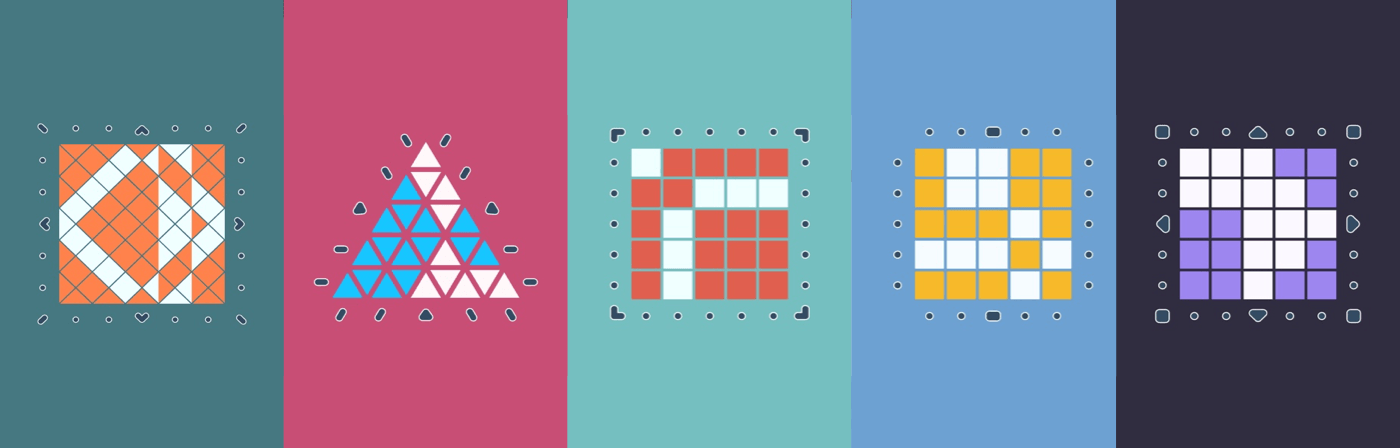
Invert from Copenhagen-based Glitchnap stretches the concept of tile flipping games in new directions. The only constants in the game are that each flippable tile has two different colored sides, and the goal is to flip them, so the board is one, uniform color. Glitchnap describes Invert as a 2D Rubik’s cube-like puzzle game, which is apt on many levels.

Invert starts with fairly simple puzzles laid out in a grid with only a few flipped tiles. The challenge is that you can only flip whole rows of tiles at once requiring you to consider the impact on other tiles in the row. As the game progresses, Invert introduces the ability to flip tiles in patterns other than rows. The buttons at the end of each row of tiles indicate the shape of the flip pattern. It’s a small difference that adds complexity because it forces you to consider how each pattern interacts with the others adjacent to it.

Read more


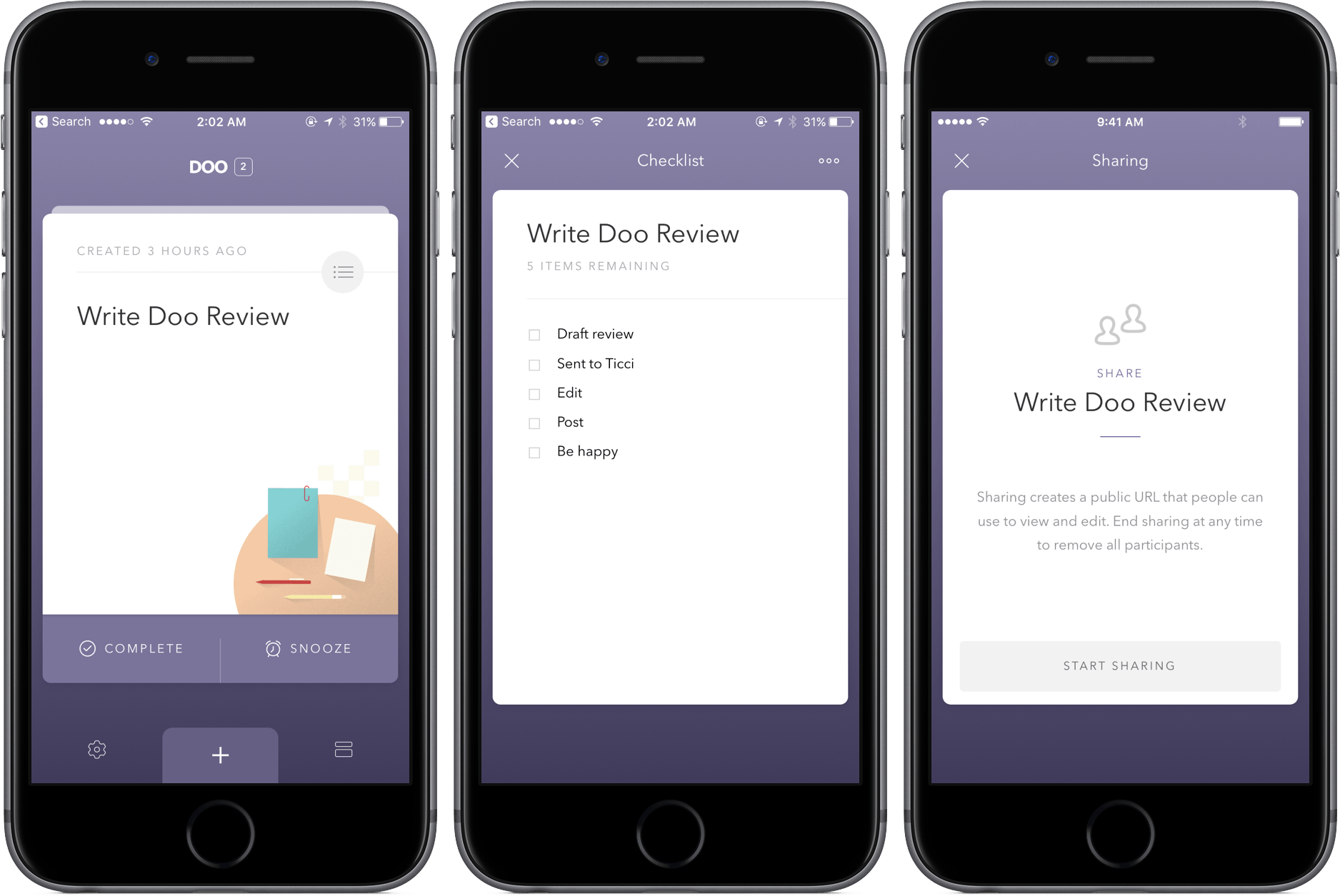
Doo Adds Task Collaboration, Checklists in Version 2.0

When I wrote about Doo over a year ago, I called its methodology “daring and bold,” a sentiment expressed primarily due to its sparse interface and few features. Although I found its straightforwardness endearing, those looking for a more robust task manager were likely sent packing.

In version 2.0, though, Doo maintains its simplicity while growing into a more powerful productivity tool. The inclusion of task collaboration and checklists specifically makes the update a win, and the additions continue to be hits down the line: location reminders, morning and evening hours, and interface customization with font sizes.

The changes in Doo are well-integrated, too – while some apps might tack them on and make them seem out of place, Doo integrates them directly into the existing UI elements. Basically, you won’t have any problems finding or ignoring the new features, depending on what you’re looking to do.

Practically, using Doo’s new tools can make a big difference in your workflow. For example, a task in Doo can now be broader, with more intricate steps listed in the checklists. With Task collaboration, store trips or packing for vacation can now be a shared breeze.

Both Doo for iPhone and Mac received the update, so owners of each should make sure to update to see the latest the Ciarlo Software team has to offer. And if you haven’t picked up Doo yet, check out my review posted above and download the app for iPhone here ($3.99) and Mac here ($9.99).