Apple Announces WWDC Will Begin June 22

Apple has announced that its annual WWDC conference, which will be online-only this year, will be held beginning June 22, 2020. The company also announced the Swift Student Challenge, in which students can submit a Swift playground that creates an interactive scene between now and May 17th.

The online-only conference will be held through the Apple Developer app and Apple’s Developer website.

In Apple’s press release, Phil Schiller is quoted as saying:

“WWDC20 will be our biggest yet, bringing together our global developer community of more than 23 million in an unprecedented way for a week in June to learn about the future of Apple platforms,” said Phil Schiller, Apple’s senior vice president of Worldwide Marketing. “We can’t wait to meet online in June with the global developer community and share with them all of the new tools we’ve been working on to help them create even more incredible apps and services. We look forward to sharing more details about WWDC20 with everyone as we get closer to this exciting event.”

Commenting on the Swift Student Challenge, Craig Federighi says:

“Students are an integral part of the Apple developer community, and last year WWDC saw attendance from more than 350 student developers spanning 37 different countries,” said Craig Federighi, Apple’s senior vice president of Software Engineering. “As we look forward to WWDC20, although our gathering will be virtual this year, we want to recognize and celebrate the creative contributions of our young developers from around the world. We can’t wait to see this next generation of innovative thinkers turn their ideas into a reality through the Swift Student Challenge.”

Students can learn more at developer.apple.com/wwdc20/swift-student-challenge. Winners chosen from the entrants will win an exclusive WWDC20 jacket and pin set.

Additional information about sessions and other programming announcements will be made through the Apple Developer app, on the Developer website, and by email.



AppStories, Episode 161 – The Apps Federico Will Use for His Annual iOS Review

This week on AppStories, we discuss the apps Federico uses to research, write, and edit his annual iOS and iPadOS review, including the changes he anticipates making this year and the new apps he’s considering.

Sponsored by:

  • Linode – Cloud Hosting and Linux Servers. Get a $20 credit.

AppStories+ Deeper into the world of apps

AppStories Episode 161 - The Apps Federico Will Use for His Annual iOS Review

0:00
45:20

AppStories+ Deeper into the world of apps

Permalink

Apple Refreshes the 13-inch MacBook Pro with a New Keyboard, More Storage, and Updated Processors and RAM

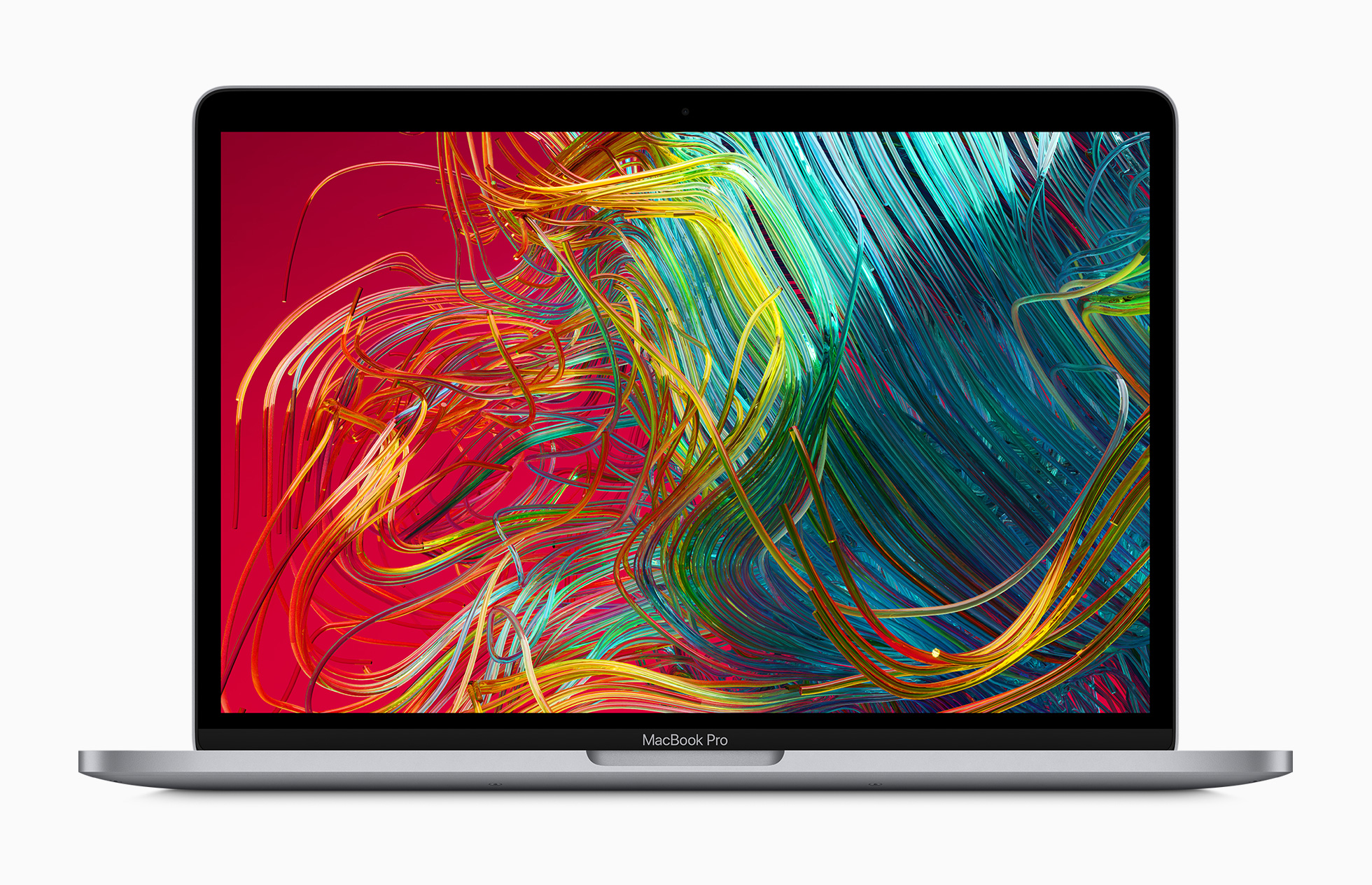
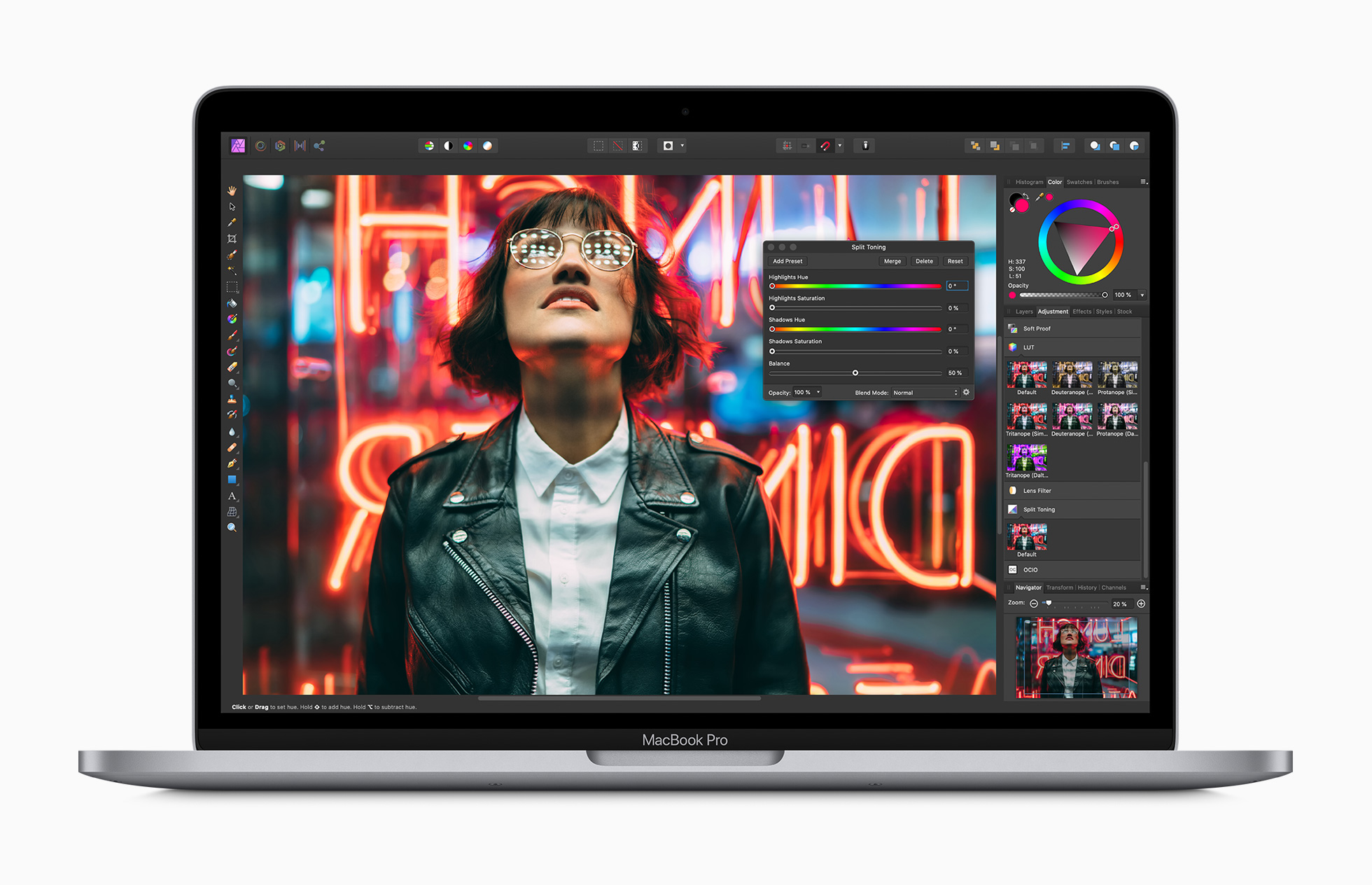
Apple has updated the 13-inch MacBook Pro with a redesigned keyboard, more storage, and updated processors and RAM. The new model replaces the existing 13-inch MacBook Pro and starts at $1299 like its predecessor and is available in the education market beginning at $1199.

In a press release, the company said:

Apple today updated the 13-inch MacBook Pro with the new Magic Keyboard for the best typing experience ever on a Mac notebook and doubled the storage across all standard configurations, delivering even more value to the most popular MacBook Pro. The new lineup also offers 10th-generation processors for up to 80 percent faster graphics performance1 and makes 16GB of faster 3733MHz memory standard on select configurations. With powerful quad-core processors, the brilliant 13-inch Retina display, Touch Bar and Touch ID, immersive stereo speakers, all-day battery life, and the power of macOS, all in an incredibly portable design, the new 13-inch MacBook Pro is available to order today, starting at $1,299, and $1,199 for education.

The new MacBook Pro comes in new CPU configurations and improved graphics capabilities. According to Apple:

The 13-inch MacBook Pro lineup now offers up to 10th-generation quad-core Intel Core processors with Turbo Boost speeds of up to 4.1GHz. Customers who are upgrading from a 13-inch MacBook Pro with a dual-core processor will see up to 2.8 times faster performance. The integrated Intel Iris Plus Graphics deliver up to 80 percent faster performance over the previous generation 13-inch MacBook Pro for 4K video editing, faster rendering, and smoother gameplay. The new graphics also enable users to connect to Pro Display XDR at full 6K resolution.

The MacBook Pros that today’s machines replace had base configurations with a 1.4GHz quad‑core Intel Core i5 and 2.4GHz quad‑core Intel Core i5, both of which supported Turbo Boost and had 128MB of eDRAM.

Source: Apple.

Source: Apple.

Like its predecessor, the new MacBook Pro has a 13.3-inch diagonal display that uses IPS technology that supports 2560‑by‑1600 native resolution at 227 pixels per inch. The display also supports P3 wide color, Apple True Tone technology, and 500 nits of brightness.

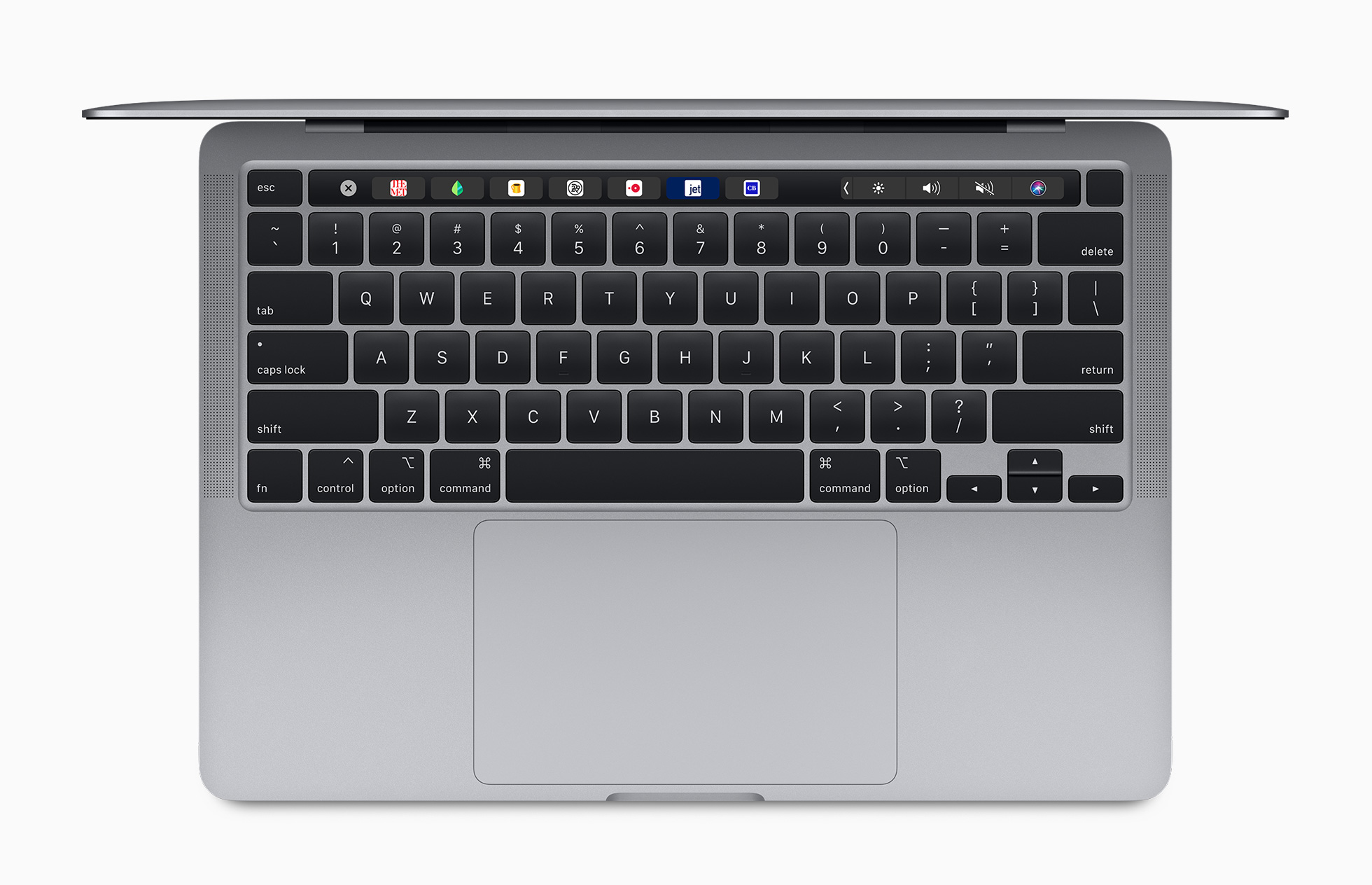
The new model follows in the footsteps of the 16-inch model with a new keyboard too. In addition to using a scissor mechanism like its 16-inch sibling, the new 13-inch model also includes an inverted-T arrow key layout and a physical Escape key.

Source: Apple.

Source: Apple.

Storage has been doubled across all configurations, starting at 256GB and offering up to a 4TB SSD. RAM is faster too. Some base-models of the updated laptop start at 16GB of 3733MHz memory, which can be upgraded to as much as 32GB.

As for ports, the new MacBook Pro hasn’t changed. The computer has two or four Thunderbolt 3 ports that also support USB-C 3.1 Gen 2 depending on which model you buy, plus a headphone jack. The speakers and microphone array appear to have been upgraded to something similar to the 16-inch model too.

Also, weight and battery life remain nearly identical. The new MacBook Pro weighs a slightly heavier 3.1 pounds compared to the model it replaces which was 3.01 pounds. Regarding the battery, Apple says users can expect similar performance compared to the models that the new laptops replace.

It’s nice to see the 13-inch MacBook Pro updated in line with what we saw when the larger model was updated last November. The keyboard update is especially welcome. I’ve been using a 2016 13-inch MacBook Pro and the keyboard has been a constant source of frustration. With this update, I expect Apple’s most portable pro laptop to serve users that need its power well.


SoundSource: Superior Sound Control from Rogue Amoeba [Sponsor]

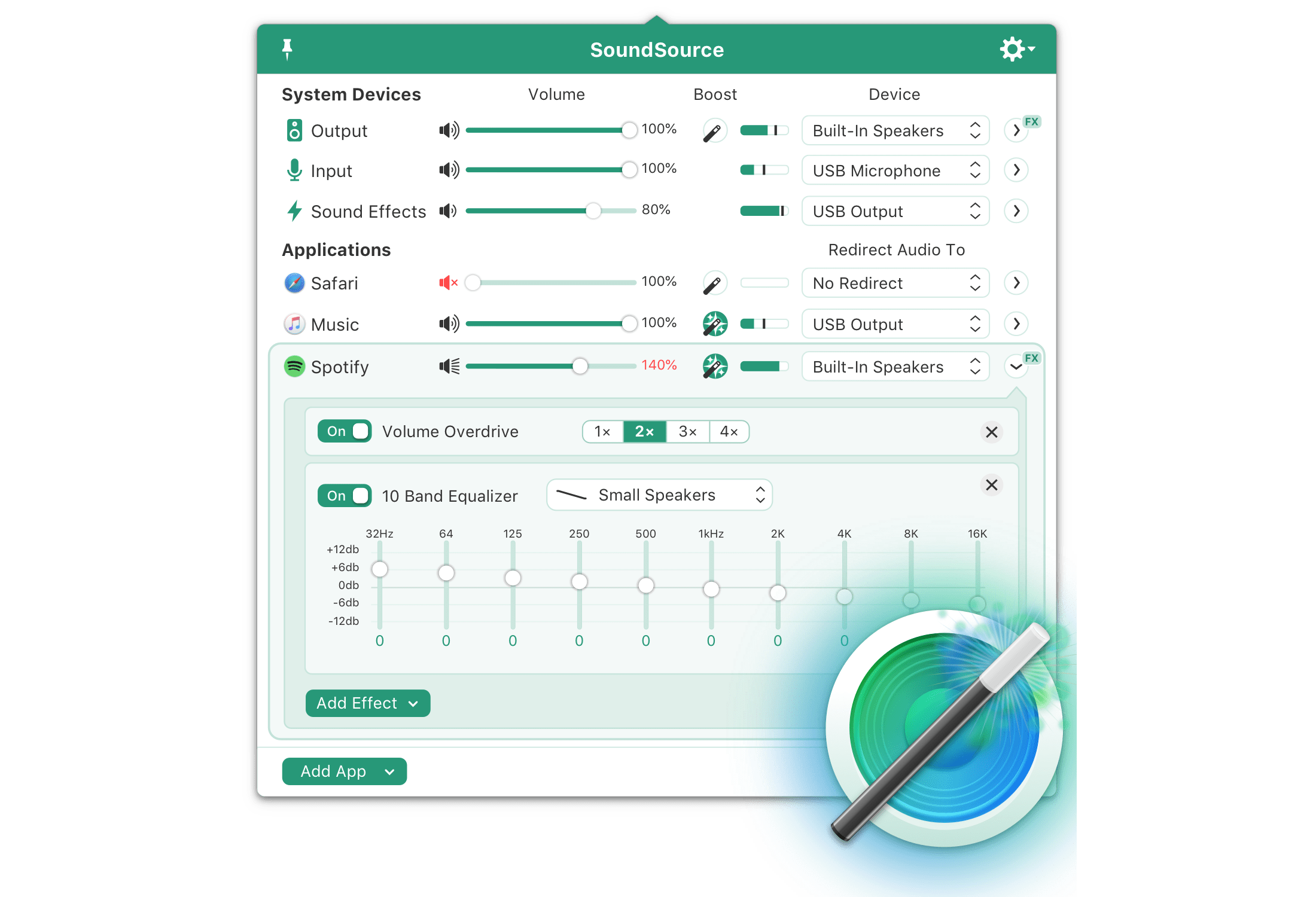
SoundSource from Rogue Amoeba puts fine-tuned sound control at your fingertips whenever you’re using your Mac. The app sits within easy reach in the menu bar, ready to tweak the inputs and outputs of system sounds and even individual apps. Plus, SoundSource includes an equalizer, single-click volume Boost, and preset effects to tailor the sounds to your tastes and setup.

The power of SoundSource starts with the control it provides over both system and app-level sound. That allows you to do things like set the volume of macOS sound effects independent of the music you’re listening to over connected speakers. That way, if you were recently listening to loud music, you won’t be startled by loud system effects ever again.

System sound settings can be overridden on a per-application basis too. For example, you can ensure that sound from a Skype call or Zoom video conference is always routed through the headphones connected to your Mac instead of your speakers. You can also set the volume on a per-app basis, add audio effect presets like Spoken Word for FaceTime or Skype calls or Rock for music, and even use Audio Unit effects.

Another great feature is Super Volume. It gives you control over HDMI or DisplayPort-connected audio devices that macOS doesn’t. The functionality is perfect for speakers and soundbars connected to displays.

The Mac’s one-size-fits-all approach to sound isn’t sufficient in a computing world where audio is part of so many different apps and workflows. Visit Rogue Amoeba today to learn more about SoundSource, download a free trial, and through May 15, 2020, save 20% when you purchase SoundSource by using the promo code MS2020.

Our thanks to SoundSource by Rogue Amoeba for sponsoring MacStories this week.


MacStories Unwind – The Week of April 27, 2020

AppStories+ Deeper into the world of apps
0:00
30:40

AppStories+ Deeper into the world of apps


This week on MacStories Unwind:

MacStories

AppStories

Club MacStories

  • MacStories Weekly
    • Mac Utilities Grab Bag Vol. 2
    • Shortcut Essentials
      • Adding Tasks to OmniFocus’ Inbox with Intelligent Cleanup Reminders by Federico
      • Amazon to Deliveries by John
    • MacStories Interview with John Brayton, the developer of Unread
  • Monthly Log for April 2020

Unwind


Apple Q2 2020 Results - $58.3 Billion Revenue 

Apple has just published its financial results for Q2 2020. The company posted revenue of $58.3 billion. Apple CEO Tim Cook said:

“Despite COVID-19’s unprecedented global impact, we’re proud to report that Apple grew for the quarter, driven by an all-time record in Services and a quarterly record for Wearables,” said Tim Cook, Apple’s CEO. “In this difficult environment, our users are depending on Apple products in renewed ways to stay connected, informed, creative, and productive. We feel motivated and inspired to not only keep meeting these needs in innovative ways, but to continue giving back to support the global response, from the tens of millions of face masks and custom-built face shields we’ve sent to medical professionals around the world, to the millions we’ve donated to organizations like Global Citizen and America’s Food Fund.”

Estimates and Expectations for Q2 2020 and the Year-Ago Quarter (Q2 2019)

Apple’s revenue guidance for Q2 2020 originally fell between $63.0 billion and $67.0 billion, with gross margin estimated to be between 38.0% and 39.0%, but in a press release issued on February 17, 2020, the company said it expected to miss that guidance due to iPhone supply constraints and lower demand in China resulting from the COVID-19 pandemic.

Going into today’s earnings call, Barron’s said:

The current Wall Street analyst consensus revenue forecast is $54.6 billion, but the estimates vary dramatically, with the low end of the Street range at $45.6 billion. The consensus profit forecast is $2.27 a share, but again, the range is wide, with estimates running from $1.73 to $2.73 a share.

In the year-ago quarter (Q2 2019), Apple earned $58 billion in revenue.

Graphical Visualization

After the break, we’ve compiled a graphical visualization of Apple’s Q1 2020 financial results.

Read more


iOS and iPadOS 13.5 Betas Released with COVID-19 Exposure Notification Tools and Face ID Skipping Feature

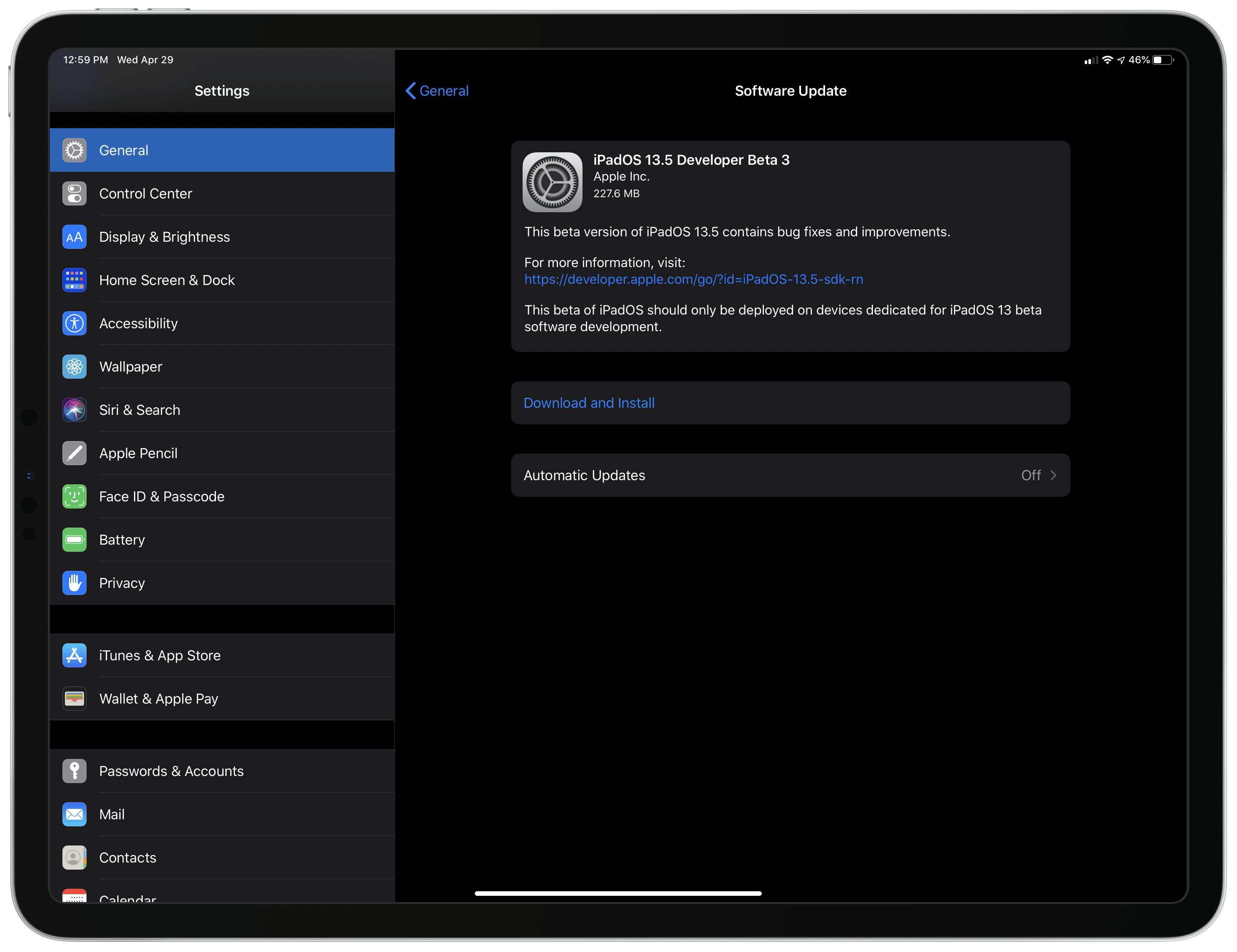
Apple has released version 13.5 Developer Beta 3 for iOS and iPadOS, which includes the COVID-19 exposure notification API that it is developing with Google. A beta of Xcode 11.5 was released alongside the OSes too.

According to a story published by Mark Gurman of Bloomberg:

The tool set is a combination of software updates for iOS and Android, and software development kits to help developers build and test their apps. Apple released an early beta version of its software update that incorporates the technology, iOS 13.5, while Google is rolling out an update via its Google Play app store.

The first phase of the system will let health agencies build apps that allow a person who tests positive for Covid-19 to input their diagnosis. The system will then use Bluetooth technology to learn who the person has come into contact with and then notify those people of a possible exposure.

Additional details and sample code are set to be released by Apple and Google on Friday.

As reported by 9to5Mac, the update to iOS and iPadOS also adds a change to Face ID that detects if you are wearing a face mask, skipping directly to the screen for entering your passcode. It’s a small but useful change that will hopefully help prevent iPhone owners from pulling down face masks in public to unlock their devices.