MusicBot 1.1 Brings Shazam Integration, Music News and Reviews, Release Dates, Compact UI, and More

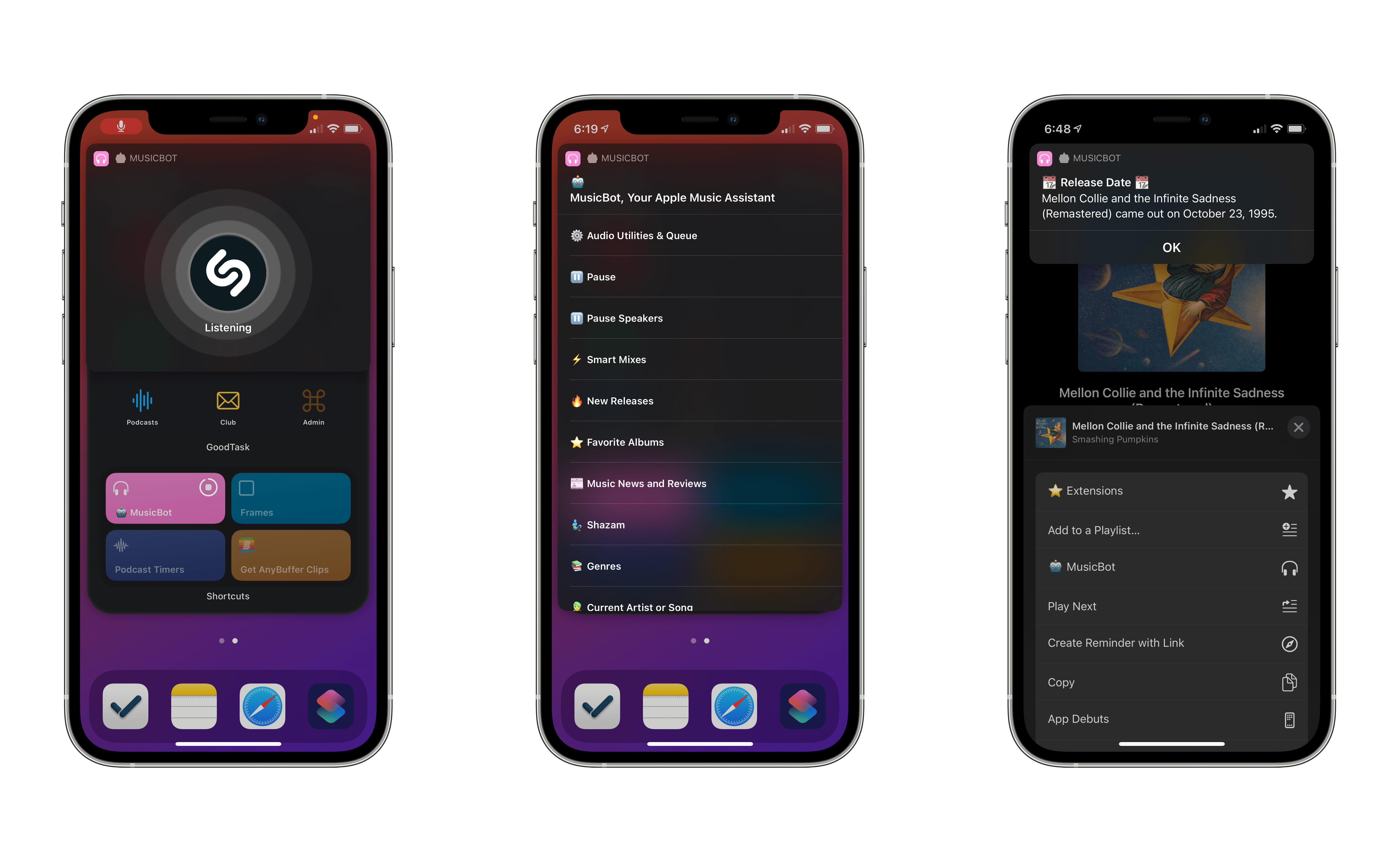
In December 2019, I published MusicBot, my all-in-one Apple Music shortcut to play music, get quick access to favorite albums and new releases, rediscover old gems in your music library, and lots more. MusicBot is one of the most complex shortcuts I’ve ever created and, along with Apple Frames, it’s among the shortcuts I use the most on a daily basis.

Over the past 11 months, MusicBot has been downloaded thousands of times from the MacStories Shortcuts Archive, and I’ve been saving a variety of ideas and user requests for features that would extend MusicBot’s capabilities and make it easier to use on iOS and iPadOS 14.

The result is MusicBot 1.1, the first substantial update to the original shortcut that introduces full support for iOS 14’s compact UI and Home Screen widgets, Shazam integration, the ability to read music news and check release dates inside MusicBot, plus other fixes and enhancements.

Let’s dive in.

Read more


The M1 Mac mini: The MacStories Overview

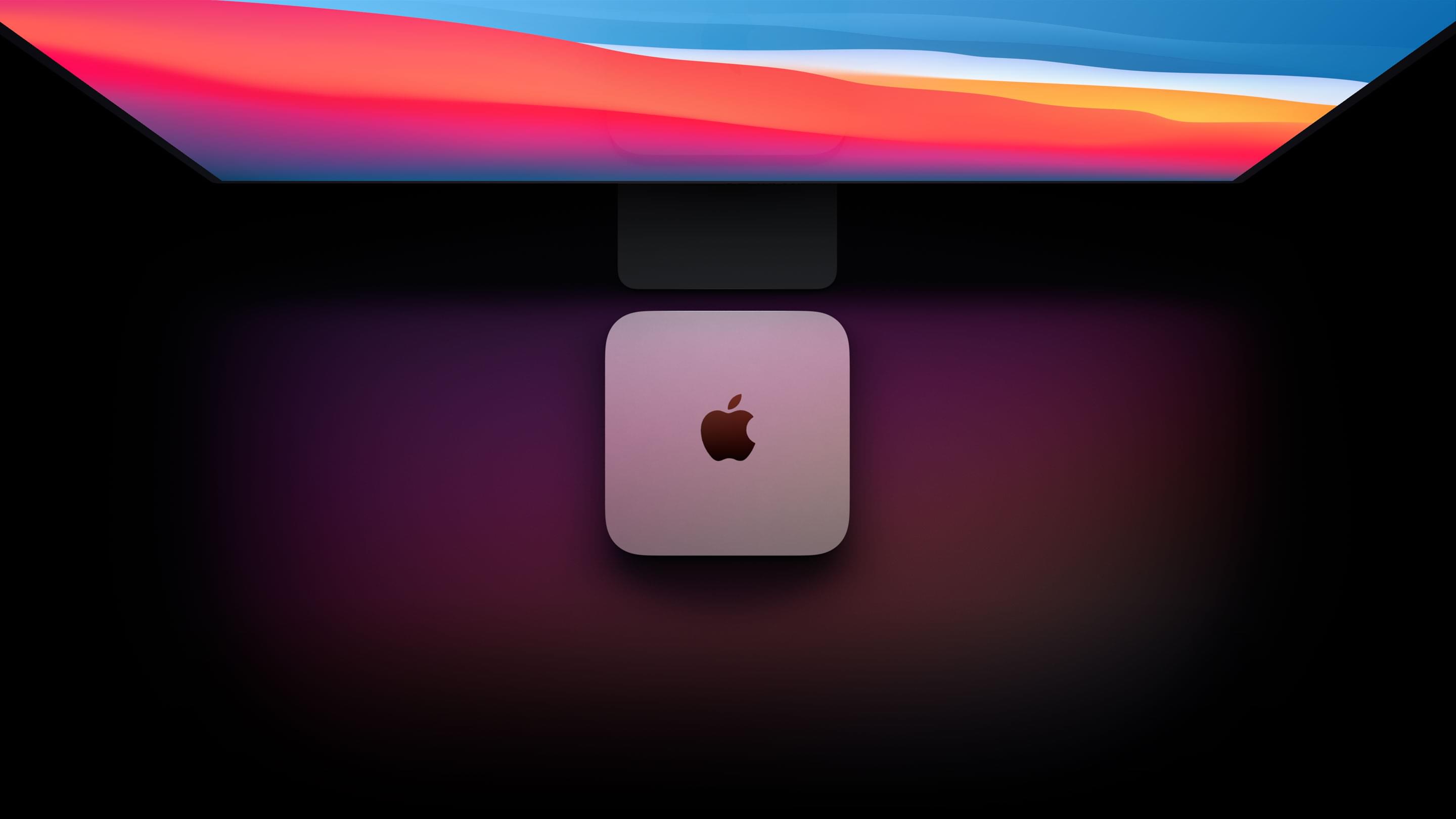
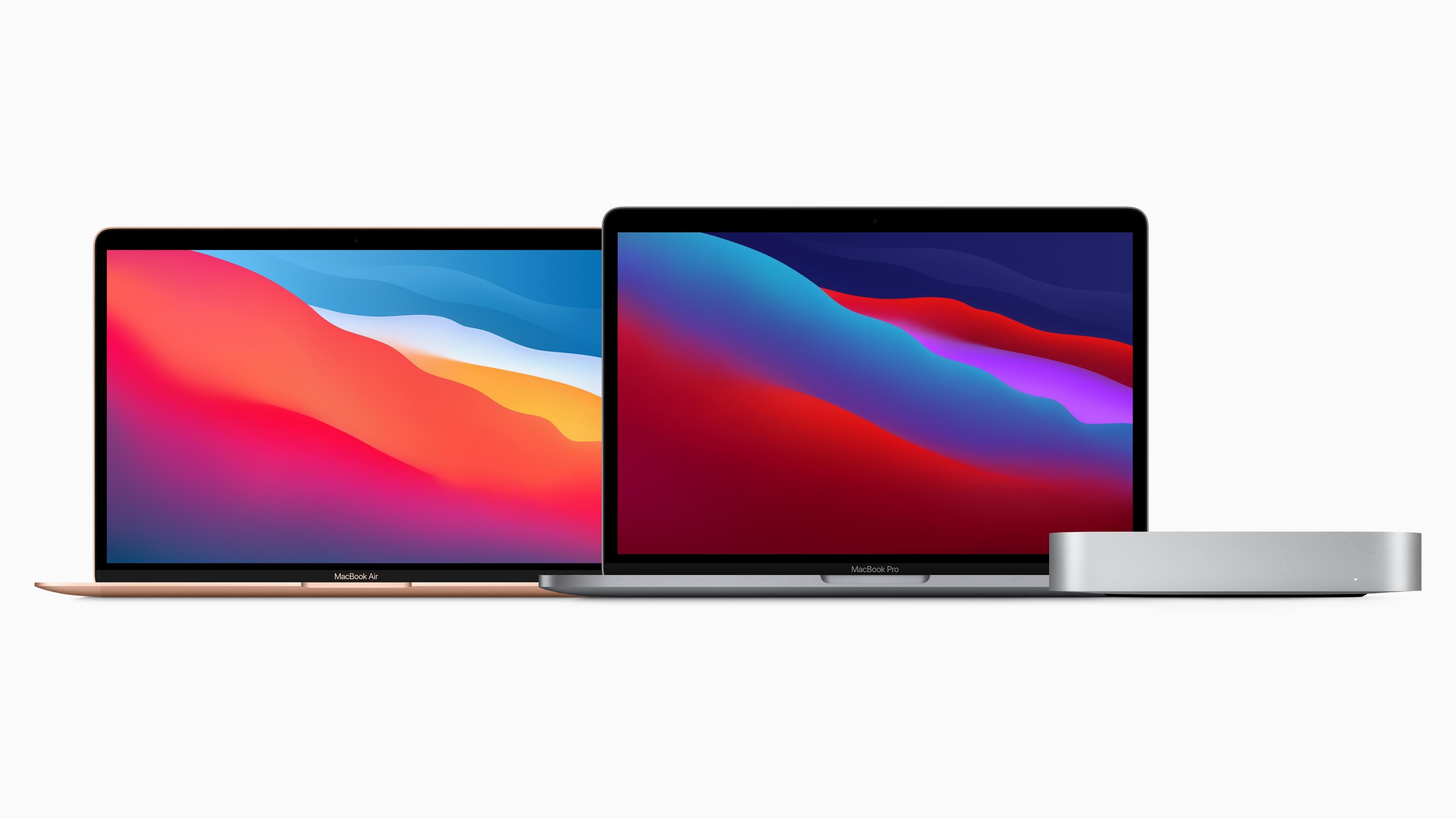
At today’s special event Apple announced the much-anticipated first round of Apple silicon Macs. Running the impressively fast and efficient M1 chip, Apple’s initial offering includes new MacBook Air and 13” MacBook Pro models, and an all new Mac mini.

The M1-powered Mac mini features significantly faster compute and graphics performance, two Thunderbolt/USB-4 ports, Wi-Fi 6 support, SSD storage, and significantly improved machine learning capabilities. To top it all off, the starting price has been dropped by $100.

Read more


The M1 MacBook Air and 13” MacBook Pro: The MacStories Overview

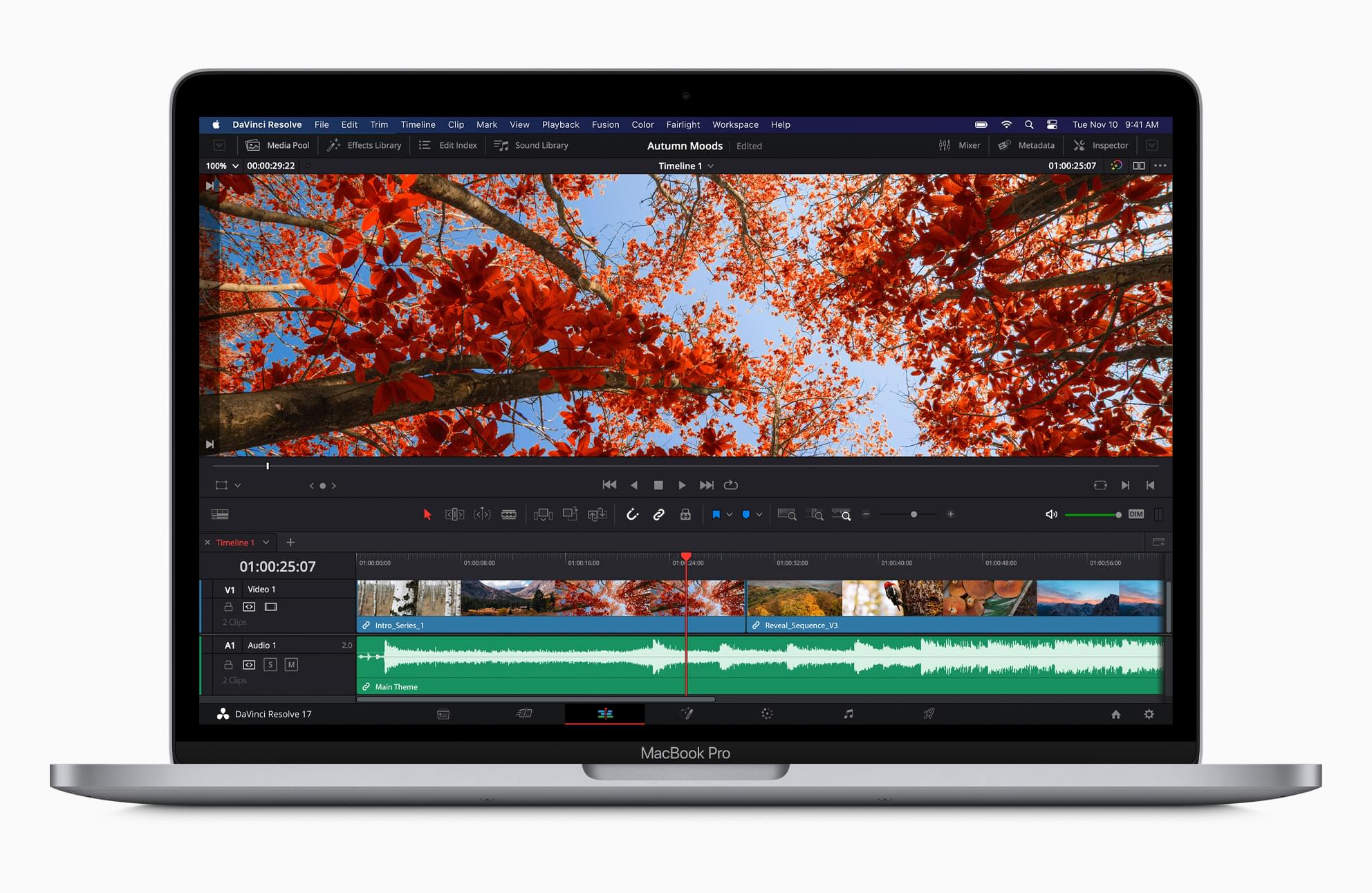
Before today’s event, little was known about the Apple silicon Macs that the company promised to release by the end of the year. Today, during an online presentation hosted by CEO Tim Cook from Apple Park, Apple took the wraps off its new M1 chip, which powers the new MacBook Air, 13” MacBook Pro, and Mac mini.

Let’s take a look at Apple’s new laptops.

Read more


Apple Unveils New M1 Apple Silicon Chip for Macs

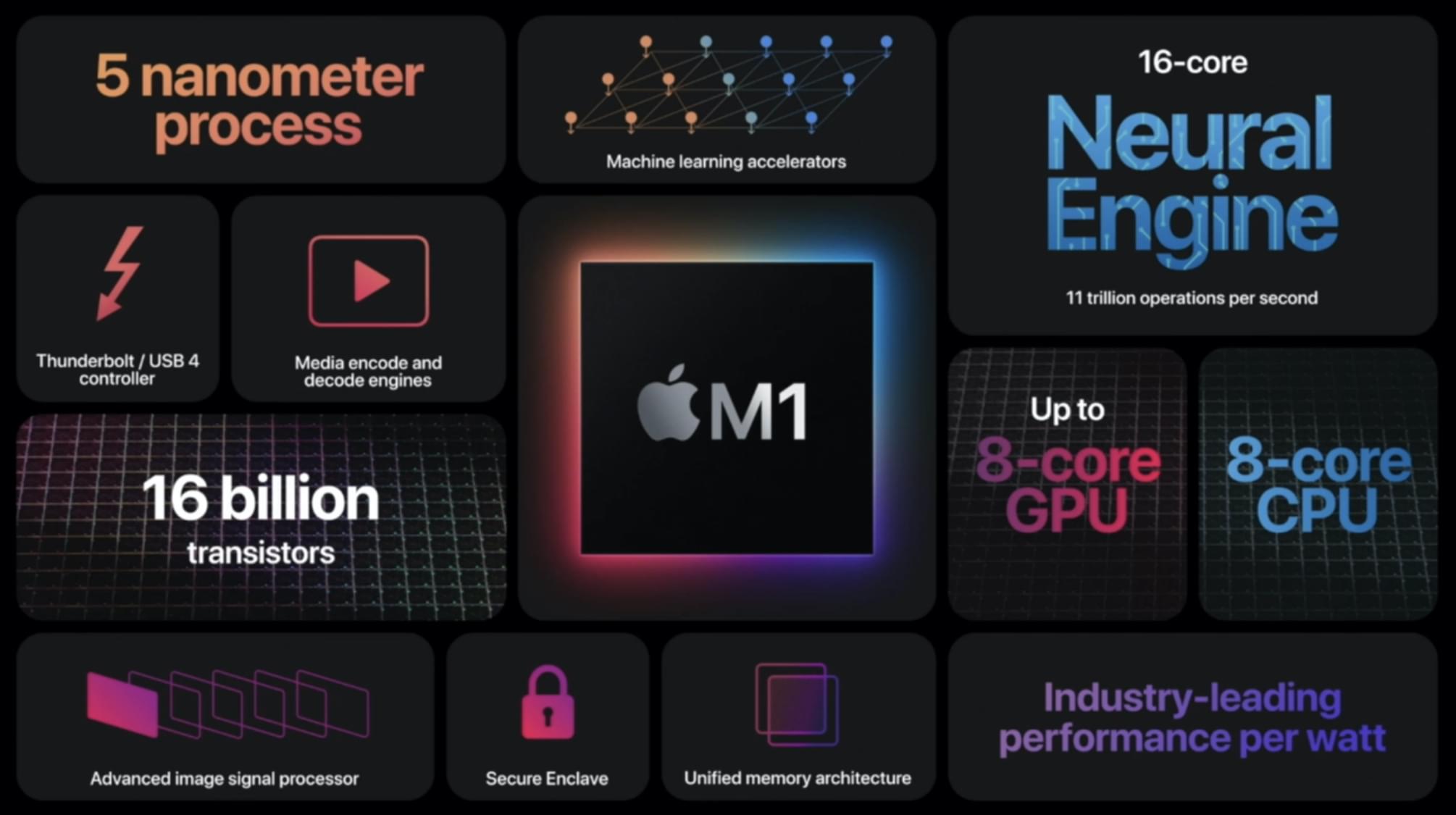
During this morning’s Apple special event stream, SVP of Hardware Technologies Johny Srouji unveiled the first Apple silicon chip for Mac. The company teased this chip at WWDC in June, but we’ve had to wait until today for the full details. Chip transitions are never undertaken lightly, so expectations were high for how significant the advantages of Apple silicon would be. Thankfully, the M1 chip does not disappoint.

The M1 ushers in one of the largest single-generation leaps in performance and power efficiency for Apple hardware in recent history. It is a system on a chip (SoC), meaning it has pulled multiple different chip types from prior Macs together into one package. Assembled using a 5-nanometer process, the M1 is packed with 16 billion transistors. The result is a highly power-efficient chip which can deliver impressive performance while maintaining the longest battery life ever for Mac laptops.

Read more


Apple’s November 2020 Event: By the Numbers

Apple sprinkled facts, figures, and statistics throughout its presentation today about the new Macs it announced. Here are highlights of some of those stats from the event, which was held online from the Steve Jobs Theater in Cupertino, California.

Apple’s M1 Chip

  • Built using an industry-leading 5 nanometer process
  • Houses 16 billion transistors
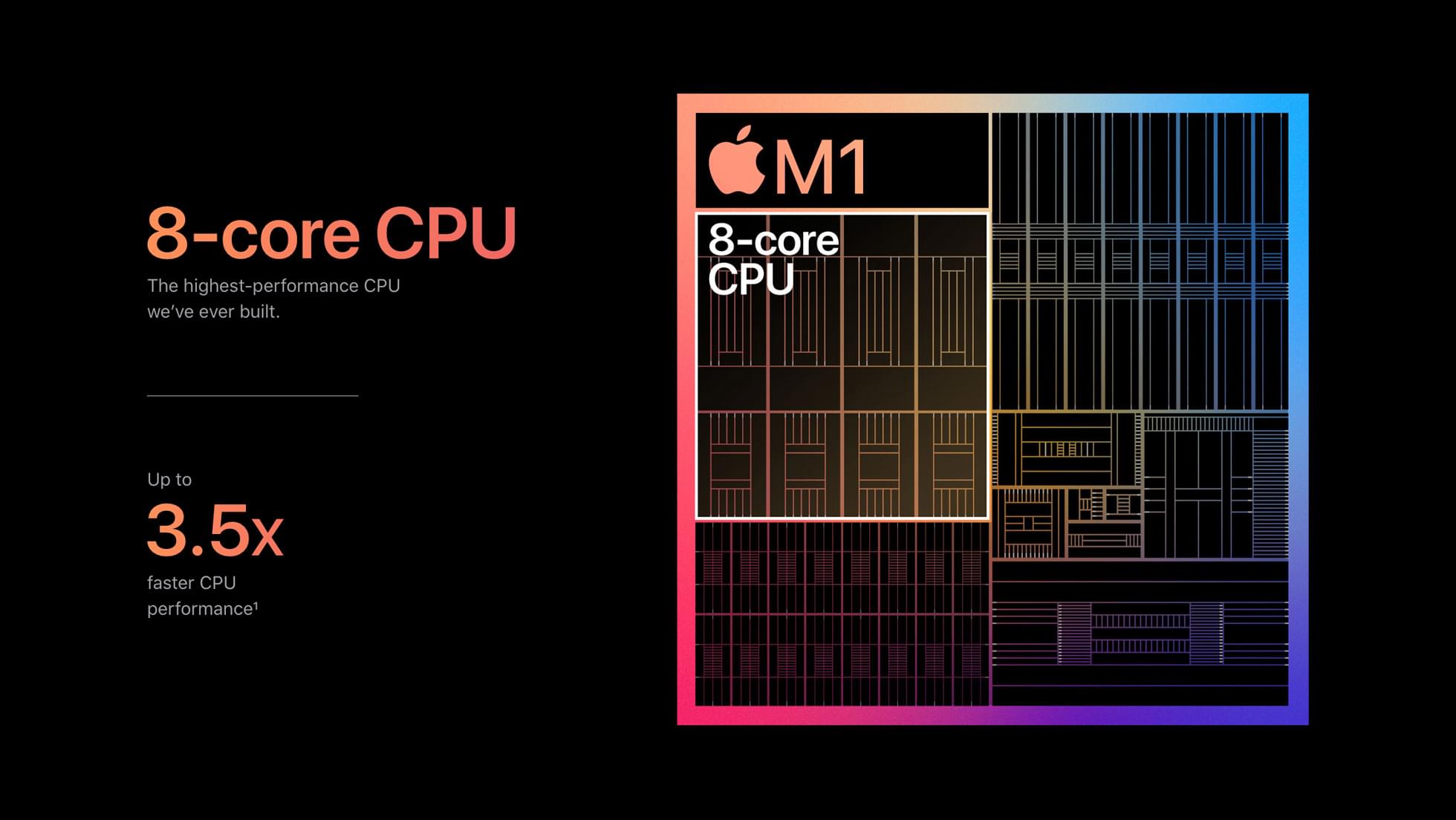
  • 8 CPU cores total: 4 high-performance and 4 high-efficiency cores
    • The high-efficiency cores have a 128KB instruction cache, 64KB data cache, and shared 4MB L2 cache
  • Uses 1/4 the power compared to the latest PC laptops running at full performance
  • Performance per watt has increased 3x since 2012
  • 8 GPU cores total
    • 128 execution units, up to 24,576 concurrent threads, 2.6 teraflops, 82 gigatexels/second, and 41 gigapixels/second
  • Uses 1/3 the power compared to the latest PC laptop GPUs running at full performance
  • Features Gen 4 PCI Express and a USB-4 controller
  • 16 Neural Engine cores that can do 11 trillion operations per second

MacBook Air

  • 3x faster than the best selling Windows laptop in its class
  • Faster than 98% of PC laptops
  • Up to 3.5x faster CPU than previous model
  • Up to 5x faster graphics than previous model
  • Up to 9x faster machine learning than previous model
  • 13.3” 2560 x 1600 resolution Retina display with P3 color that has 25% more colors than sRGB displays
  • Can drive a 6K display
  • Supports Wi-Fi 6
  • 18 hours of battery life, a 6 hour increase, plus 15 hours of web browsing
  • 2x battery life on video calls
  • 2x faster SSD that can be configured up to 2TB
  • Up to 16GB of unified memory
  • 0 fans
  • Starts at $999

Mac mini

  • 7.7” square design
  • Up to 3x faster CPU than previous model
  • Up to 6x faster graphics than previous model
  • Up to 15x faster machine learning than previous model
  • Up to 2TB SSD that support 3.3GB/s sequential read speeds
  • Up to 16 GB unified memory
  • Can drive a 6K display
  • Supports Wi-Fi 6
  • Up to 60% more energy efficient
  • 2 Thunderbolt / USB-4 ports
  • Starts at $699

13” MacBook Pro

  • 2.8x faster CPU than previous model
  • 5x faster graphics than previous model
  • 11x faster machine learning than previous model
  • 20 hours of battery life
  • 17 hours of web browsing
  • 4x faster code compiles
  • Up to 16GB unified memory
  • 13.3” 2560 x 1600 resolution Retina display with 500 nits of display brightness and P3 color that has 25% more colors than sRGB displays
  • Can drive a 6K display
  • Supports Wi-Fi 6
  • Up to 2TB SSD that support 3.3GB/s sequential read speeds
  • Starts at $1299

You can follow all of our November event coverage through our November 2020 event hub, or subscribe to the dedicated RSS feed.


Replay Apple’s November 2020 Presentation and Other Videos

If you didn’t follow the live stream or announcements as they unfolded at the Steve Jobs Theater in Cupertino today, you can replay it on Apple’s Events site and catch the product videos on Apple’s YouTube channel.

The keynote video can be streamed here and on the Apple TV using the Apple Events app. A high-quality version should also be available soon via Apple Podcasts as video and audio podcast episodes. First debuted in September, there is also an American Sign Language version of the event, which is available here.

Apple also posted other product videos on its YouTube channel, which are embedded after the break.

Read more


Apple Announces Availability of New M1-Based Macs and macOS Big Sur

Today Apple announced pre-order and delivery dates for the new MacBook Air, 13” MacBook Pro, and Mac mini, all of which feature the new Apple-designed M1 chip. All three Macs are available for pre-order today with deliveries starting November 17th and 18th.

Apple has also released a second Release Candidate for macOS Big Sur. The company said during its presentation that Big Sur will be available this Thursday, November 12th, which is also when we’ll publish our comprehensive review of Big Sur on MacStories as well as an eBook version for Club MacStories members.


You can follow all of our November event coverage through our November 2020 event hub, or subscribe to the dedicated RSS feed.


PetaPixel Interviews Apple Executives on iPhone Camera Design Philosophy

PetaPixel had the opportunity to interview iPhone Product Line Manager Francesca Sweet and VP of Camera Software Engineering Jon McCormack regarding the new cameras in the iPhone 12 line. They cover the design philosophy behind iPhone camera systems, the new Apple ProRAW file type, and the enlarged sensors in this year’s iPhone cameras. PetaPixel’s Jaron Scheider writes:

Apple says that it’s [sic] main goal for smartphone photography is based around the idea of letting folks live their lives, and capture photos of that life without being distracted by the technology.

“As photographers, we tend to have to think a lot about things like ISO, subject motion, et cetera,” McCormack said “And Apple wants to take that away to allow people to stay in the moment, take a great photo, and get back to what they’re doing.”

He explained that while more serious photographers want to take a photo and then go through a process in editing to make it their own, Apple is doing what it can to compress that process down into the single action of capturing a frame, all with the goal of removing the distractions that could possibly take a person out of the moment.

The full article is well worth a read, and includes a variety of interesting quotes from the interview.

Permalink