Posts in news

MacStories Unwind: A New App for Focused Work, an Upcoming Apple Event, and Oprah’s Podcast

0:00
26:17


Sponsored by: Textastic – The code editor for your iPad and iPhone

This week on MacStories Unwind:

MacStories

Club MacStories

  • MacStories Weekly
    • A grab bag of iOS games
    • Ryan’s iOS 14 widget and Home screen setup
    • How to quick-launch files and folders on iOS and iPadOS 14
    • Reader Q&A
    • Lots of new apps
  • MacStories Unplugged:
    • A Club MacStories 5th anniversary preview
    • Burned burrito follow-up
    • Teaching Ticci: The Italian beef sandwich
  • Join Club MacStories

AppStories

Unwind


Apple Updates Multiple App Review Guidelines Addressing Game Streaming Services, In-App Purchases, Advertising, and More

Today Apple released an update to its App Review Guidelines that address many of the gray areas surrounding them that have been the subject of multiple controversies in recent weeks.

The guidelines are effective as of today, but Apple says they want to work with developers to give them as much time as possible to implement these changes, which should provide developers some time to make any necessary adjustments.

The changes today include the following:

Game Streaming Services

Under section 3.1.2(a), games offered via game streaming services must be downloadable from the App Store. Unless changes are made to the services, this precludes apps that would allow console games to be streamed to iPhones and iPads using services like Google’s Stadia or Microsoft’s xCloud, but it would not change the status of game subscription services like GameClub. Services should also be designed to avoid duplicate payment by subscribers and should not disadvantage non-subscribers.

Guideline 4.9 provides that game streaming services must also comply with the same requirements as apps downloadable from the App Store including app review, providing metadata for search, and In-App Purchases must be used to unlock features an functionality. Each game that is part of a streaming service must be submitted to the App Store as a separate app, so it has a product page on the Store and is subject to the same guidelines as other apps. Section 4.9.2 further clarifies that game streaming services can provide a catalog app to assist users with signup and finding games if they comply with app review guidelines including using In-App Purchases to pay for subscriptions and Sign In with Apple. According to Apple, the requirements of Section 4.9 would allow a streaming service to offer the game as a download on the App Store with basic functionality with additional levels and gameplay streamed to a player’s device.

The rules also clarify in Section 2.3.1 that games cannot include hidden, dormant, or undocumented features and that the functionality must be clear to users and App Review, an addition clearly prompted by Apple’s recent dispute with Epic Games.

Person-to-Person Experiences

Section 3.1.3(d) of the guidelines clarify that the use of In-App-Purchases is not necessary for one-to-one experiences like tutoring or fitness classes but must be used for one-to-few or one-to-many services.

App Clips, Widgets, Notifications, and Extensions

According to new guideline 2.5.16, App Clips, widgets, notifications, and extensions cannot include advertising, must be included in the app’s binary, and their functionality must be related to the content and functionality of their app. Nor should ads be placed in third-party keyboards or Watch apps, according to guideline 3.1.7.

Personal Loans

Section 3.2.2(x) requires apps that offer personal loans to clearly identify the terms of the loans and provides some specific guidelines regarding certain loan terms.


There are other modifications to the App Review Guidelines including a few very narrow exceptions to the requirements that developers use In-App Purchases, but it’s clear from the changes that the primary goal of them is to clarify Apple’s stance on game streaming services. While not precluded outright, the requirement that they include a separate App Store app puts substantial requirements on service providers that many may not be able to comply with our for technical or practical reasons.


iOS and iPadOS 14 Users Can Now Set Google Chrome as the Default Browser

Apple is hosting its first fall event in a matter of days, and a public release for all the company’s latest OS updates is expected to follow not long after. However, today anyone using the beta versions of those updates can benefit from a new feature ahead of time: setting Google Chrome as the default browser on iPhone and iPad.

iOS and iPadOS 14 both include the ability to set a third-party browser or email app as the system default, replacing Safari and Mail. Up until now, however, beta users couldn’t yet try the feature because it’s usually not possible for third-party apps to support new OS features until after the beta cycle is complete. That’s not the case with Chrome, though, which as of its latest update can now be configured as the default iOS and iPadOS browser. You have to be running the iOS or iPadOS 14 beta for this to work, but if you are, all you have to do is visit Settings ⇾ Chrome ⇾ Default Browser App to make the change.

Once Chrome is set as your default, any link you tap systemwide will open in Chrome rather than Safari. It’s that simple. Whether you’re opening a link in an app like Messages or even from inside Siri results, the OS will always launch links directly in Chrome. The one point of friction that remains is apps that use Safari View Controller as an in-app browser rather than sending you to a separate app when you tap a link. Slack, for example, behaves this way. Fortunately, all you have to do is hit the Safari-inspired icon inside Safari View Controller that sits next to the share icon and the page will open in Chrome.

Now that Chrome supports this new iOS and iPadOS 14 feature, we may start seeing other browser apps and even email clients debut updated versions that can be set as defaults. I wouldn’t be surprised to see Gmail follow Chrome’s lead before long.


Apple Announces Fall Event

As first reported by Rene Ritchie on Twitter, Apple has announced a media event for September 15, 2020 at 10:00 am Pacific.

https://twitter.com/reneritchie/status/1303350114342273036?s=21

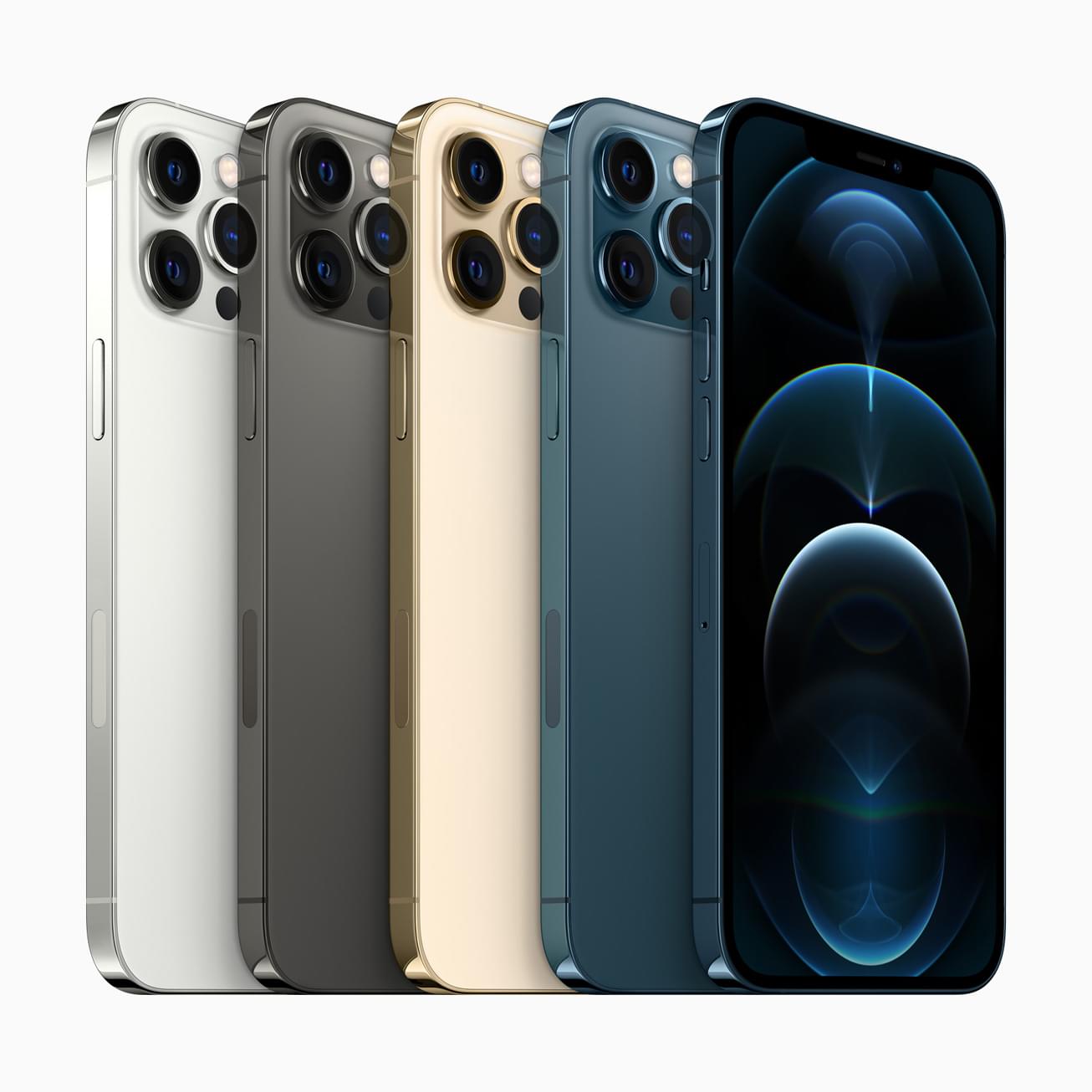
Based on widespread speculation, Apple is expected to introduce its new lineup of iPhones, iPads, and Apple Watches. Rumors also point to the possibility of headphones and so-called AirTag location trackers. It’s also possible Apple will take the opportunity to preview upcoming Apple Silicon-based Macs, which the company said at WWDC are coming before the end of the year.

In addition to hardware, Apple is expected to announce release dates for updates to its operating systems, including iOS and iPadOS 14, macOS 11.0 Big Sur, and watchOS 7. As in the past, Apple should release a Gold Master of the OSes shortly after the event with a public release date within approximately 10 days.


Apple Launches Oprah’s Book Club Podcast Featuring 8-Part Series on Isabel Wilkerson’s “Caste: The Origins of Our Discontents”

Last month, Oprah Winfrey declared Caste: The Origins of Our Discontents by Isabel Wilkerson one of her most important Book Club selections ever and announced several related tie-ins with Apple services, including Apple News, Books, Music, and Podcasts. In the announcement, Winfrey commented that:

“This might be the most important book I’ve ever chosen for my book club,” said Oprah Winfrey. “‘Caste: The Origins of Our Discontents’ provides a new way of seeing racial inequality, giving rise to countless aha moments and helping us truly understand America as it is now and how we hope it will be.”

Today, Apple and Winfrey extended coverage of Caste even further with an eight-episode podcast series hosted by Winfrey and Wilkerson that will “take listeners through the 8 Pillars of Caste.” A trailer and the first episode are available now. Episode one covers “what called [Wilkerson] to write Caste, how society needs a new way to talk about racism and why Oprah says Caste is one of the most profound books she’s ever read.”

Apple’s relationship with Winfrey dates back to June 2018 when she and the company announced a multi-year partnership to create original programming for Apple’s platforms. Oprah’s Book Club was launched in 2019 as a cross-over project that integrates Apple Books and TV+. With Caste, Apple and Winfrey are flexing their ability to leverage several services at once like never before, providing customers with a wide variety of ways to learn more about the book and its important subject matter, which is something I expect we’ll see more of in the future from Apple.

The Oprah’s Book Club podcast is available as a free download in the Apple Podcasts app and other podcast players.


MacStories Unwind: A Fitness App Preview, Bear Extends Its Linking Feature, and iPad Software Keyboard Frustrations

0:00
26:57


Sponsored by: Sidequest – Helpdesks and personal task inboxes that teams love, 100% inside Slack

This week on MacStories Unwind:

MacStories

Club MacStories

  • Monthly Log
    • Ryan’s fall hardware wishes
    • Stephen on considerations for a Work From Home Mac setup and how Apple could improve it
    • John reviews the Powerbeats Pro
  • Unplugged:
    • Bad design leads to a burned burrito
    • Widget and sidebar app wishes plus an App Clip diversion
  • Join Club MacStories

AppStories

Unwind


Apple Releases iOS 13.7, Bringing COVID-19 Exposure Notifications Express to the Public

For the first time that I can ever recall, Apple is releasing a point update to iOS just a week after the update’s first beta debuted. iOS 13.7 is rolling out now to iPhone users, bringing the COVID-19 Exposure Notifications system to users without the need to download a separate third-party app. This version of the system is being dubbed Exposure Notifications Express. Per an Apple-Google quote provided to The Verge:

As the next step in our work with public health authorities on Exposure Notifications, we are making it easier and faster for them to use the Exposure Notifications System without the need for them to build and maintain an app. Exposure Notifications Express provides another option for public health authorities to supplement their existing contact tracing operations with technology without compromising on the project’s core tenets of user privacy and security.

After installing the update, from Settings ⇾ Exposure Notifications users can either opt-in to the new system, which was developed in a partnership between Apple and Google, or sign up to be notified when the system becomes available in their region. Currently, even though a separate app download isn’t necessary anymore, Apple is still only activating its system in areas where public health authorities are explicitly on board and have the processes in place to utilize data gathered from iPhones and Android devices for the sake of contact tracing. This means availability still doesn’t extend to all iPhone users, but it will hopefully expand quicker than when a separate app download was required. In the US, Exposure Notifications Express will launch in Maryland, Nevada, Virginia, and Washington D.C. with more states expected to be supported throughout the remainder of the year.


MacStories Unwind: Apple Gaming in 2020, Sleep Tracking, and Final Cut Pro X

0:00
29:06


Sponsored by: Tinderbox 8 – Visualize, Analyze, and Share Your Ideas

This week on MacStories Unwind:

MacStories

Club MacStories

  • MacStories Weekly is on hiatus until Friday, September 11th.
  • Next week, though, we’ll have an all new August issue of the Monthly Log and another episode of the Club-exclusive podcast, MacStories Unplugged
  • Join Club MacStories

AppStories

Unwind


Apple Releases iOS 13.7 Developer Beta with COVID-19 Exposure Notifications, No Third-Party App Required

Today Apple released a beta version of what must surely be the final major point update to iOS 13, version 13.7, which includes one big feature: support for built-in COVID-19 exposure notifications without the need to first download a separate app.

When Apple initially committed to build an exposure notification system alongside Google, it explained that while its system would be dependent on apps from public health authorities at first, at a later date the company would have the feature built-in to iOS with no need for an additional app download. Beta users will still need to explicitly opt-in to the system if they wish to use it, however; simply downloading iOS 13.7 will not enable COVID-19 exposure notifications. You can opt-in from Settings ⇾ Exposure Notifications.

Ever since Apple released the first phase of its exposure notification work as part of iOS 13.5 in May, adoption of the technology by authorized apps has been relatively limited. In the US, for example, it was just earlier this month that the very first state launched an app with support for Apple’s system. Now, for beta users at least, exposure notifications are no longer entirely dependent on the work of third parties – though that statement may deserve an asterisk.

Apple explained back in May how COVID-19 exposure notifications will now work:

After the operating system update is installed and the user has opted in, the system will send out and listen for the Bluetooth beacons as in the first phase, but without requiring an app to be installed. If a match is detected the user will be notified, and if the user has not already downloaded an official public health authority app they will be prompted to download an official app and advised on next steps. Only public health authorities will have access to this technology and their apps must meet specific criteria around privacy, security, and data control.

If at some point a user is positively diagnosed with COVID-19, he or she can work with the health authority to report that diagnosis within the app, and with their consent their beacons will then added to the positive diagnosis list. User identity will not be shared with other users, Apple and Google as part of this process.

This documentation makes it sound like downloading a separate app might be necessary after an exposure has been detected, but it’s unclear. It’s possible that the entire process can work without an app, but that Apple will, where available, promote and integrate with apps from authorized health authorities as well. It’s also unclear if the feature will be restricted to certain geographic domains or if it will be available to all users. 13.7’s beta release notes state rather vaguely that “System availability depends on support from your local public health authority.”

Requiring a separate app download, and even before that requiring health authorities to first develop their own apps, always seemed like too great of hurdles to allow mass adoption of Apple and Google’s system. Here’s hoping today’s release is the start of changing that.