

 Federico
Preshow Theater I discovered this app a few days ago, and if you’re the kind of person who still misses the old iTunes Trailers app, this one is meant for you. Preshow Theater lets you watch the latest trailers for upcoming movies in a native video player on visionOS, iOS, and iPadOS with up...
 Interesting Links
Jennifer Quellette covered a NatGeo documentary for Ars Technica that recounts how researchers used a detailed 3D scan of the Titanic to gain new insights about the ship’s sinking. (Link) Dan Goodin, also writing for Ars Technica, reported on how OpenAI’s ChatGPT was used to send more than 80,000 spam messages over at least...
China and AI: Apple’s Rock and Hard Place
Between U.S. tariffs on Chinese goods and the company’s lack of AI advancements, Apple has found itself stuck between a rock and a hard place. Meet the Rock: U.S. Tariffs Most of Apple’s hardware is made in China, and a 145% tariff on Chinese goods bound for the U.S. will significantly increase the company’s costs....
Podcast Rewind: Speedy Drives, Dire Wolves, Jon Hamm, and Cameras
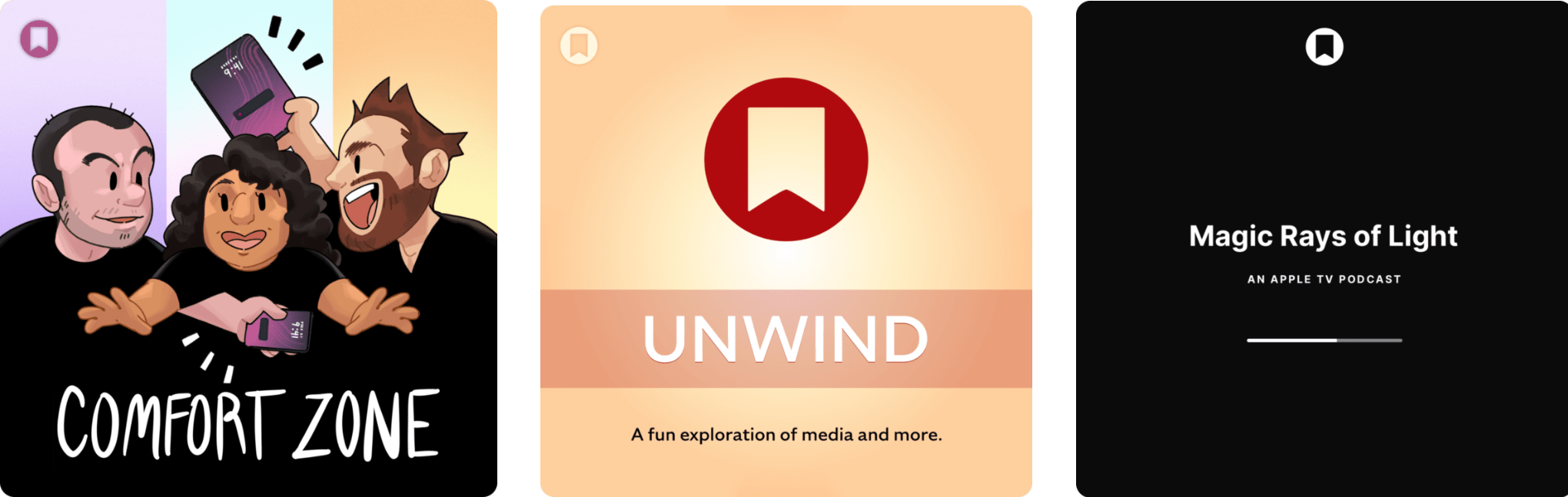
Enjoy the latest episodes from MacStories’ family of podcasts:
Comfort Zone






Chris has an external drive faster than you’ve ever seen, Matt has a new email app he swears isn’t his new favorite cult, and the whole gang does their best to redesign iOS and iPadOS.
This episode is sponsored by:
Rogue Amoeba - Makers of incredibly useful audio tools for your Mac.
MacStories Unwind
This week, we consider whether the dire wolf has actually been “de-extincted” and recommend a show on Apple TV+ and an excellent four-movie bundle.
This episode is sponsored by:
Rogue Amoeba - Makers of incredibly useful audio tools for your Mac.
Magic Rays of Light
Sigmund and Devon highlight Your Friends & Neighbors starring Jon Hamm, share early highlights from Blackmagic Design at NAB 2025, and recap their immersive VIP tours of Yankee Stadium.
This episode is sponsored by:
Rogue Amoeba - Makers of incredibly useful audio tools for your Mac.
Access Extra Content and Perks
Founded in 2015, Club MacStories has delivered exclusive content every week for nearly a decade.
What started with weekly and monthly email newsletters has blossomed into a family of memberships designed for every MacStories fan.
Club MacStories: Weekly and monthly newsletters via email and the web that are brimming with apps, tips, automation workflows, longform writing, early access to the MacStories Unwind podcast, periodic giveaways, and more;
Club MacStories+: Everything that Club MacStories offers, plus an active Discord community, advanced search and custom RSS features for exploring the Club’s entire back catalog, bonus columns, and dozens of app discounts;
Club Premier: All of the above and AppStories+, an extended version of our flagship podcast that’s delivered early, ad-free, and in high-bitrate audio.
Now You See It, Now You Don’t: A Review of the MOFT Invisible Stand
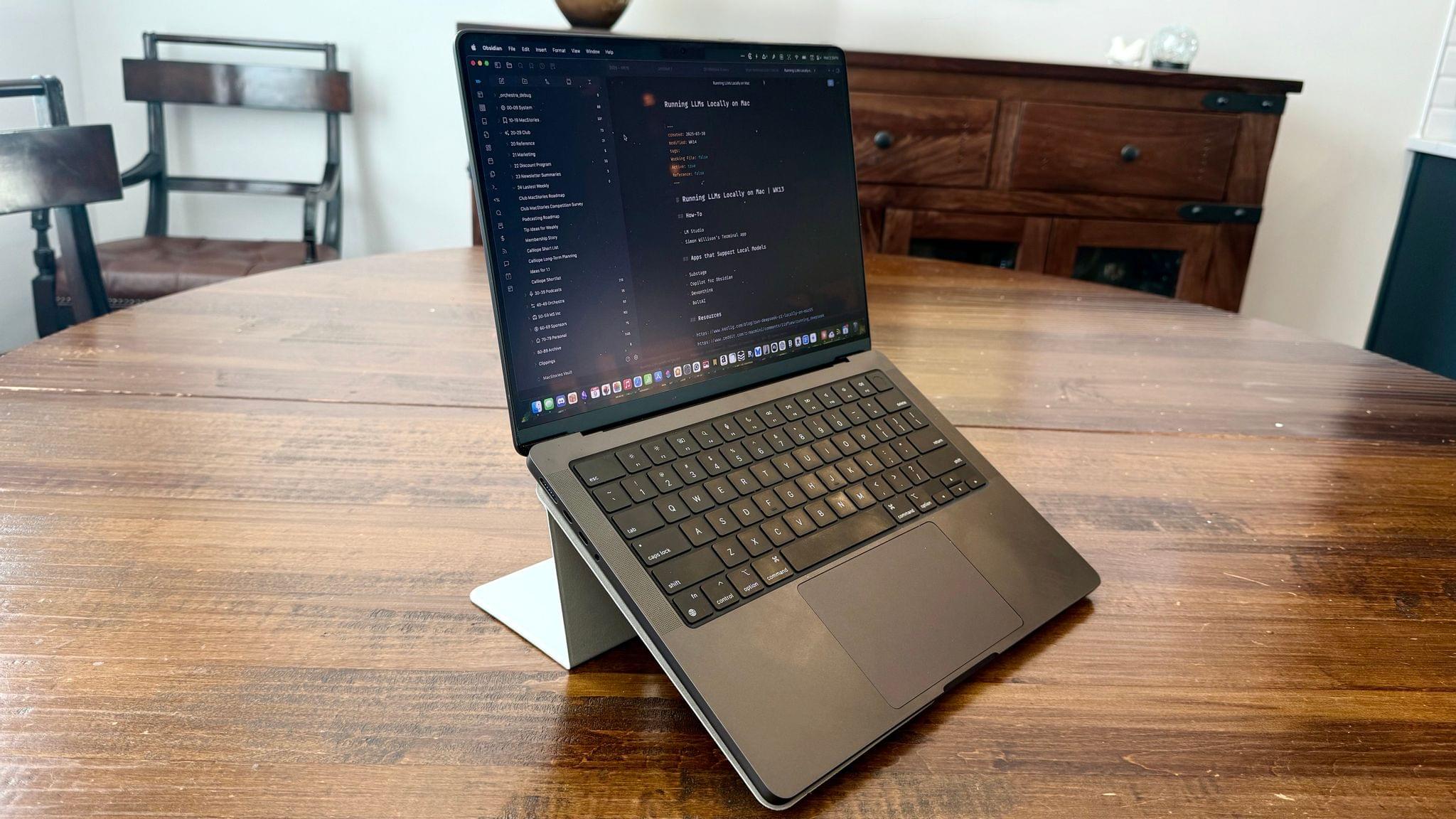
It’s not often that I come across something that slides so effortlessly into my everyday workflow as the MOFT Invisible Stand has. It doesn’t use batteries, it takes up negligible space, and it’s so light that I never question throwing it in my bag when I leave the house. The stand is barely there until I need it, which is when it really shines.
Access Extra Content and Perks
Founded in 2015, Club MacStories has delivered exclusive content every week for nearly a decade.
What started with weekly and monthly email newsletters has blossomed into a family of memberships designed for every MacStories fan.
Club MacStories: Weekly and monthly newsletters via email and the web that are brimming with apps, tips, automation workflows, longform writing, early access to the MacStories Unwind podcast, periodic giveaways, and more;
Club MacStories+: Everything that Club MacStories offers, plus an active Discord community, advanced search and custom RSS features for exploring the Club’s entire back catalog, bonus columns, and dozens of app discounts;
Club Premier: All of the above and AppStories+, an extended version of our flagship podcast that’s delivered early, ad-free, and in high-bitrate audio.
Podcast Rewind: Our Favorite Utilities and the Nintendo Switch 2 Hardware Story
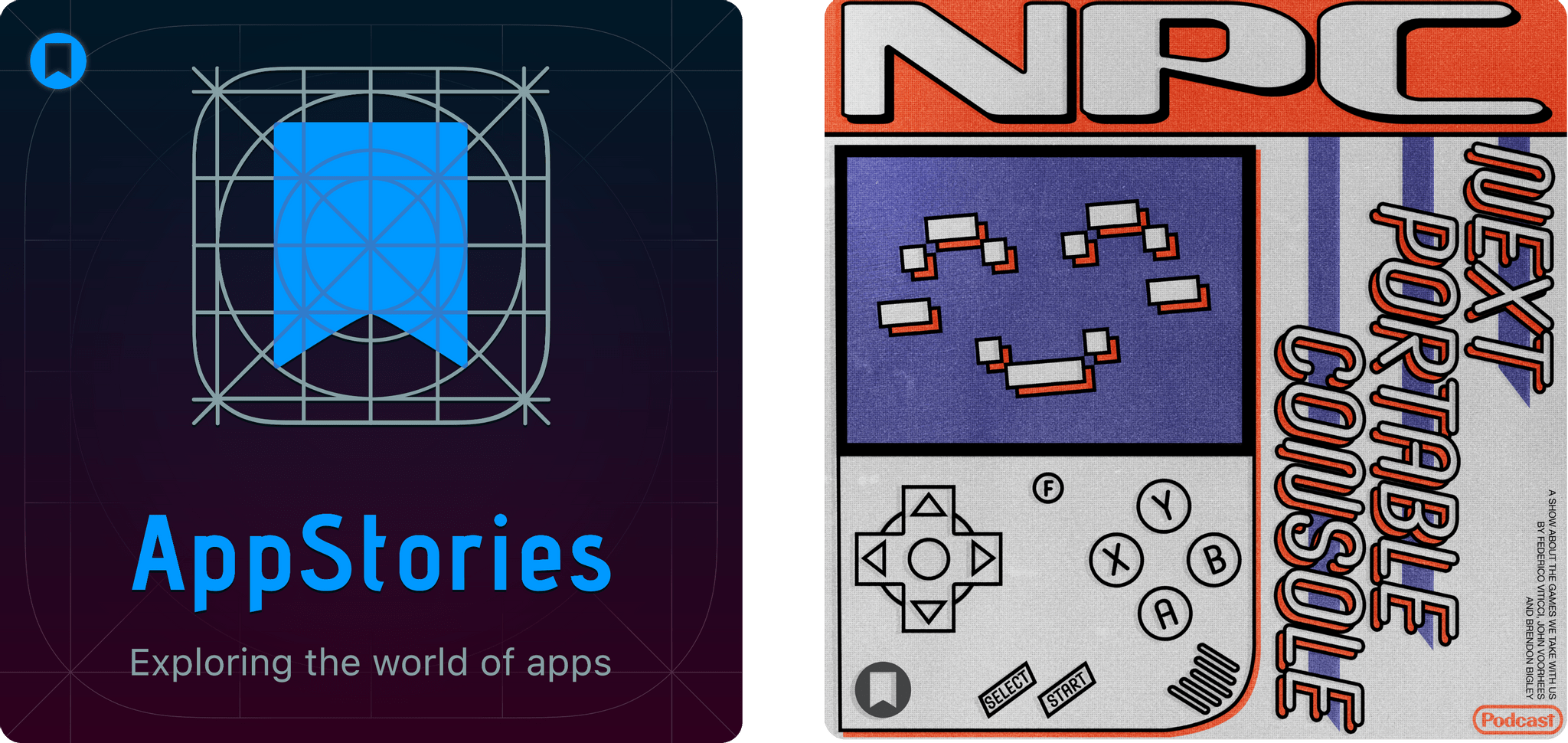
Enjoy the latest episodes from MacStories’ family of podcasts:
AppStories
This week, Federico and I share some of our favorite utility apps, including Amphetamine, Text Lens, Gifski, Folder Peek, Mic Drop, Keka, and Marked.
This episode is sponsored by:
- Rogue Amoeba: Makers of incredibly useful audio tools for your Mac. Use the code
MS2504through the end of April to get 20% off Rogue Amoeba’s apps.
NPC: Next Portable Console
This week, Federico, Brendon and I dive into Nintendo’s reveal of the Switch 2, analyzing the technical specifications, Mouse Control, the camera accessory, the new Pro Controller, Game Share, Nintendo’s strategy shift, and more.
This episode is sponsored by:
- Rogue Amoeba: Makers of incredibly useful audio tools for your Mac. Use the code
MS2504through the end of April to get 20% off Rogue Amoeba’s apps.
NPC XL
On a special early-release epiaode of NPC XL, Brendon, Federico, and I go beyond the hardware to dig into the tech behind the games Nintendo announced alongside the Switch 2 and consider game compatibility, the debut of GameCube games as part of Nintendo Online, and more.

Access Extra Content and Perks
Founded in 2015, Club MacStories has delivered exclusive content every week for nearly a decade.
What started with weekly and monthly email newsletters has blossomed into a family of memberships designed for every MacStories fan.
Club MacStories: Weekly and monthly newsletters via email and the web that are brimming with apps, tips, automation workflows, longform writing, early access to the MacStories Unwind podcast, periodic giveaways, and more;
Club MacStories+: Everything that Club MacStories offers, plus an active Discord community, advanced search and custom RSS features for exploring the Club’s entire back catalog, bonus columns, and dozens of app discounts;
Club Premier: All of the above and AppStories+, an extended version of our flagship podcast that’s delivered early, ad-free, and in high-bitrate audio.
Apple Immersive Video Utility Released
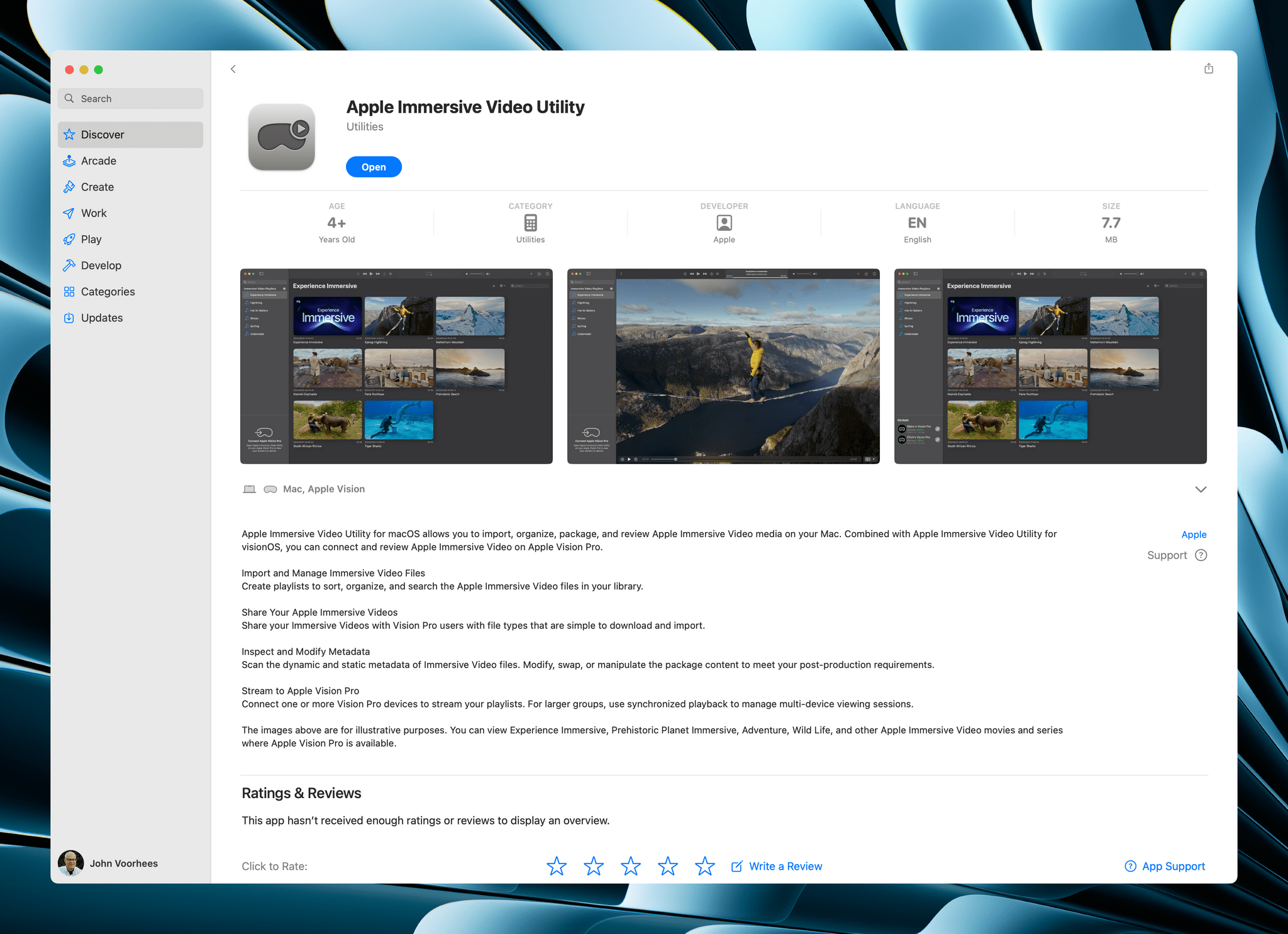
Apple has released a new companion app called Apple Immersive Video Utility for Vision Pro owners that allows them to organize and manage immersive content with the help of a Mac. The utility, which is available for the Mac and Vision Pro, allows users to view, stream, and organize Apple Immersive Video into playlists. The app supports more than one Vision Pro, too, synchronizing playback of content streamed from a Mac to multiple Vision Pros. Videos can also be transferred from the Mac app to a Vision Pro for watching them there.
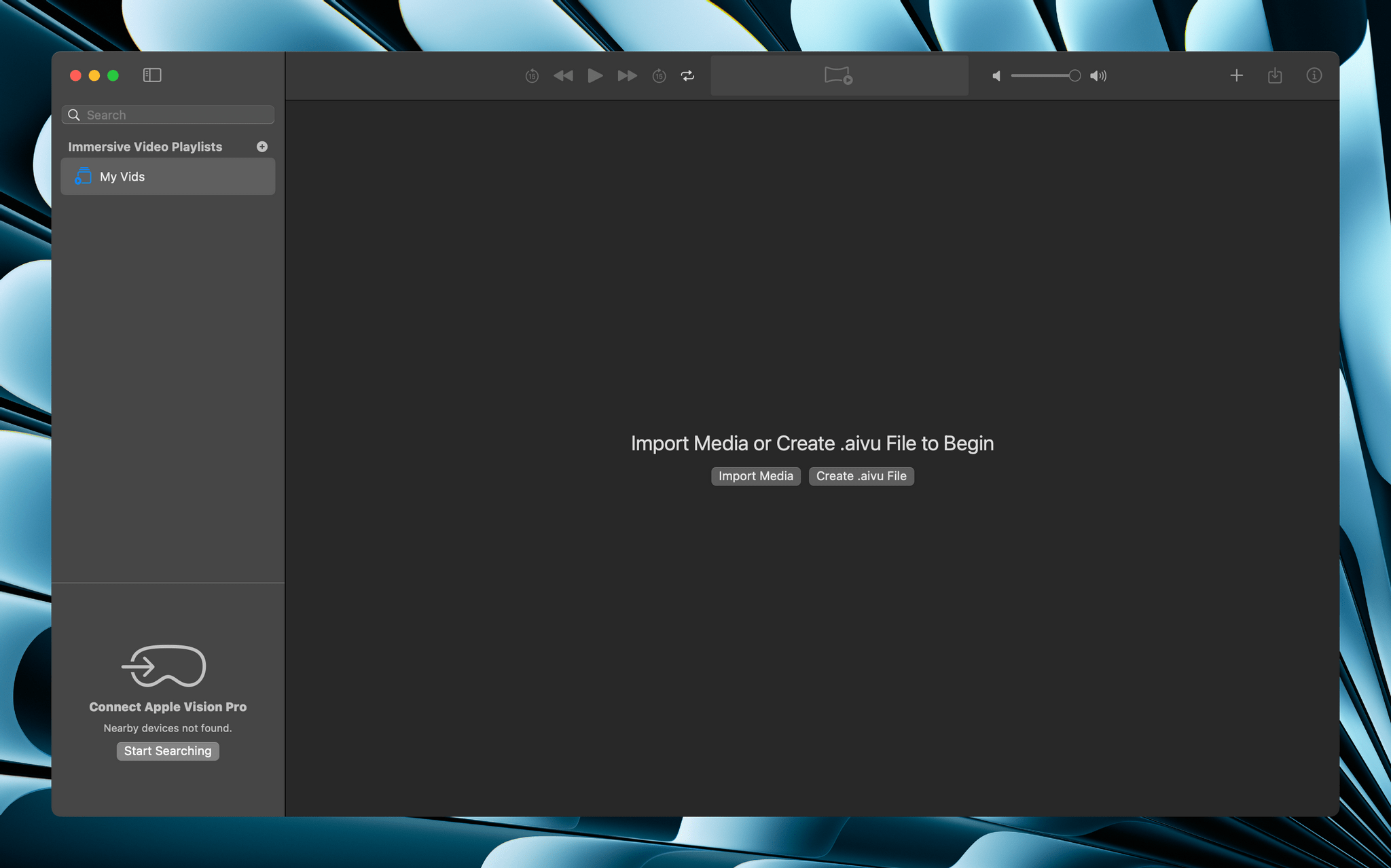
The App Store description only touches on it, but Apple Immersive Video Utility, the company’s first new Mac app in a long time that wasn’t released as part of an OS update, appears to be designed for post-production work by video professionals. The app could also be used in group educational and training settings based on its feature set.
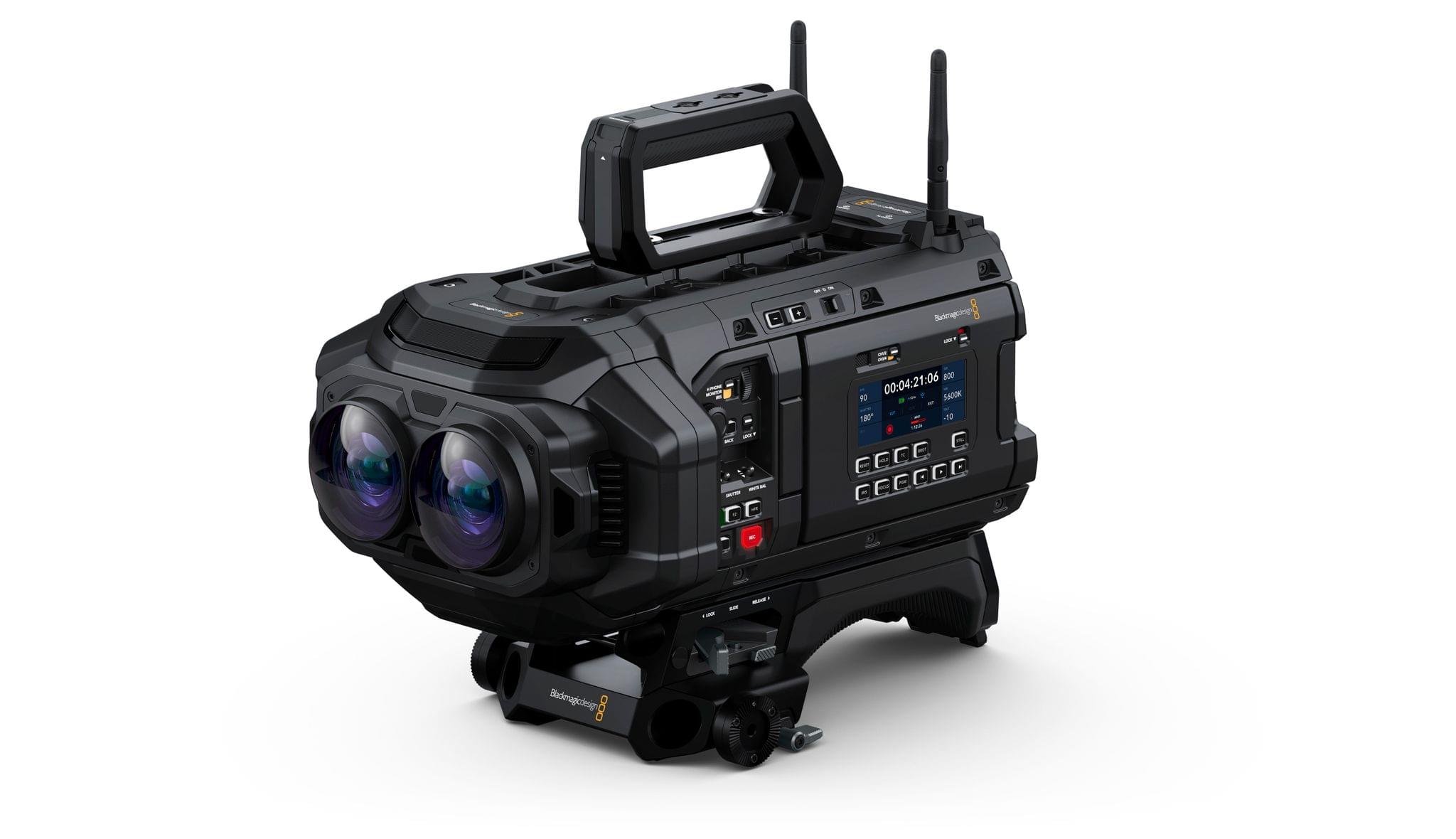
However, the fact that NAB, the National Association of Broadcasters, conference is going on this week suggests that the app is primarily designed for post-production video work. In fact, the app seems to go hand-in-hand with Blackmagic’s URSA Cine Immersive, an Apple Immersive Video camera that was also shown off at NAB this week, and DaVinci Resolve Studio 20, which supports editing of Apple Immersive Video.
To expand the library of available Apple Immersive Video, there need to be tools to create and manage the huge video files that are part of the process. It’s good to see Apple doing that along with companies like Blackmagic. I expect we’ll see more hardware and software solutions for the format as the months go by.
Access Extra Content and Perks
Founded in 2015, Club MacStories has delivered exclusive content every week for nearly a decade.
What started with weekly and monthly email newsletters has blossomed into a family of memberships designed for every MacStories fan.
Club MacStories: Weekly and monthly newsletters via email and the web that are brimming with apps, tips, automation workflows, longform writing, early access to the MacStories Unwind podcast, periodic giveaways, and more;
Club MacStories+: Everything that Club MacStories offers, plus an active Discord community, advanced search and custom RSS features for exploring the Club’s entire back catalog, bonus columns, and dozens of app discounts;
Club Premier: All of the above and AppStories+, an extended version of our flagship podcast that’s delivered early, ad-free, and in high-bitrate audio.
 Return of the Utility Grab Bag
This week, Federico and John share some of their favorite utility apps, including Amphetamine, Text Lens, Gifski, Folder Peek, Mic Drop, Keka, and Marked.
Then, on AppStories+, Federico and John extend their conversation about utilities with six more favorites.
](https://cdn.macstories.net/banneras-1629219199428.png)
We deliver AppStories+ to subscribers with bonus content, ad-free, and at a high bitrate early every week.
To learn more about an AppStories+ subscription, visit our Plans page, or read the AppStories+ FAQ.
AppStories Episode 430 - Return of the Utility Grab Bag
0:00
30:37
30:37
This episode is sponsored by:
- Rogue Amoeba: makers of incredibly useful audio tools for your Mac. Use the code
MS2504through the end of April to get 20% off Rogue Amoeba’s apps.
Read more
Podcast Rewind: Vibe Coding, Scrobbling, Mythic Quest, and Switch 2 Game Tech
Enjoy the latest episodes from MacStories’ family of podcasts:
Comfort Zone
Matt has built an Obsidian plugin with a fun name, Niléane is keeping the scrobbling dream alive, and everyone tries to find a great new Raycast extension.
MacStories Unwind
This week, the latest on the NVIDIA tech driving the Switch 2 and a new Donkey Kong game brings back podcast memories, plus Indiana Jones and the Great Circle and a super-slim Qi battery pack for your iPhone.
Magic Rays of Light
Sigmund and Devon highlight new Apple Original anthology series Side Quest and recap the recently wrapped season of its parent series Mythic Quest.
Access Extra Content and Perks
Founded in 2015, Club MacStories has delivered exclusive content every week for nearly a decade.
What started with weekly and monthly email newsletters has blossomed into a family of memberships designed for every MacStories fan.
Club MacStories: Weekly and monthly newsletters via email and the web that are brimming with apps, tips, automation workflows, longform writing, early access to the MacStories Unwind podcast, periodic giveaways, and more;
Club MacStories+: Everything that Club MacStories offers, plus an active Discord community, advanced search and custom RSS features for exploring the Club’s entire back catalog, bonus columns, and dozens of app discounts;
Club Premier: All of the above and AppStories+, an extended version of our flagship podcast that’s delivered early, ad-free, and in high-bitrate audio.