John is MacStories' Managing Editor, has been writing about Apple and apps since joining the team in 2015, and today, runs the site alongside Federico.
John also co-hosts four MacStories podcasts: AppStories, which covers the world of apps, MacStories Unwind, which explores the fun differences between American and Italian culture and recommends media to listeners, Ruminate, a show about the weird web and unusual snacks, and NPC: Next Portable Console, a show about the games we take with us.
This week, Federico and John begin a new series on the impact of artificial intelligence on apps and the world around us. This week’s episode sets the stage with a look at chatbots, image generation tools, and issues and opportunities they raise.
Ted Chiang writing for New Yorker draws an interesting analogy between ChatGPT and a lossy JPEG image, questioning the value of a blurry version of the web, which we can access in full fidelity instead. (Link) DJI released its Mini 2 SE drone this week, a beginner model for $369. (Link) If you already...
I’ve written about my exploration of Whisper by OpenAI for converting spoken audio into text before. The transcriptions are good. In fact, they’re better than any other transcription app I’ve tried, but it still makes too many mistakes to create a publishable transcript. As I wrote in the Monthly Log, it’s this last 10%...
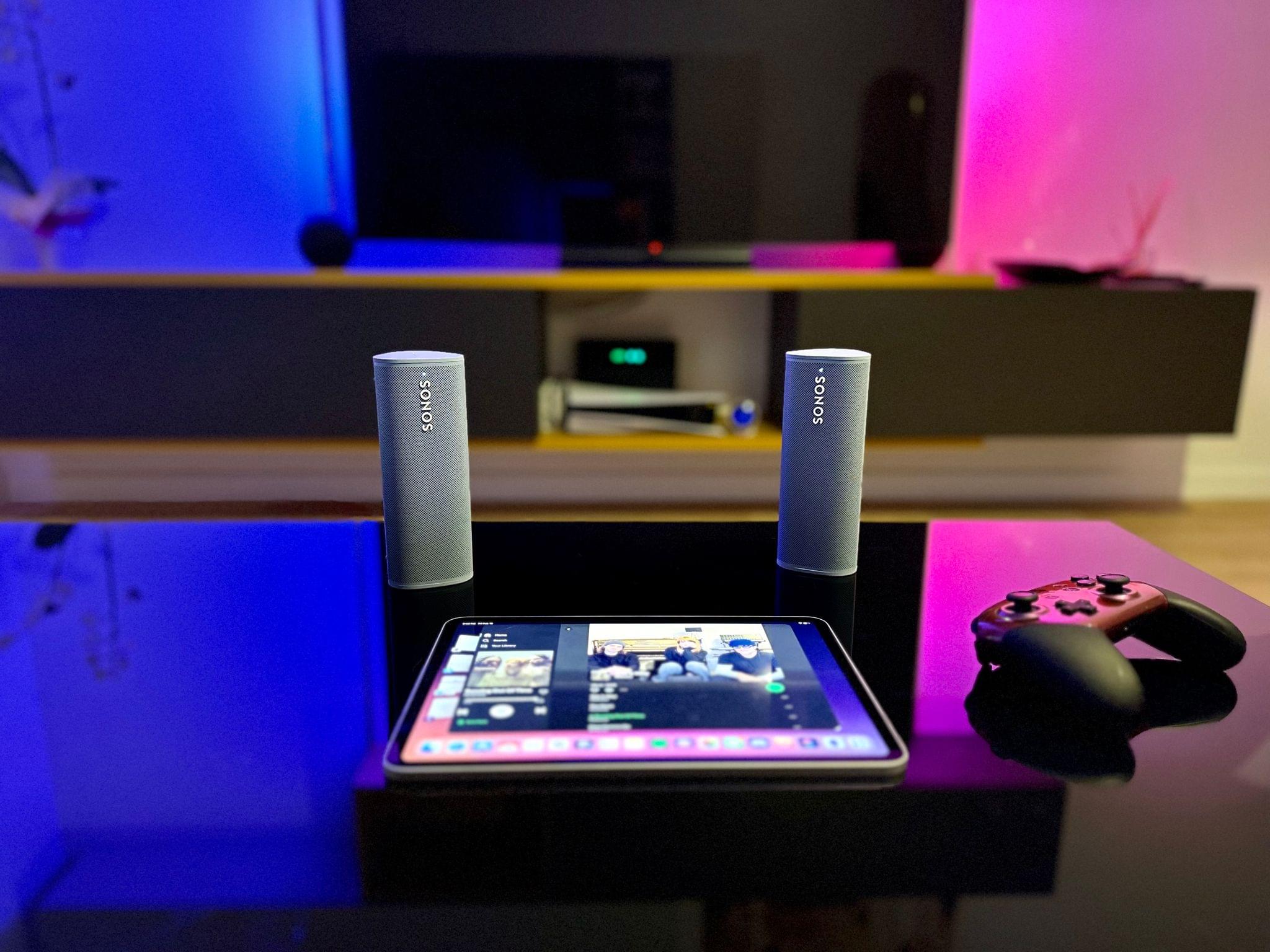
OneMorningStar kicked off a lively debate about the merits of HomePods versus Sonos soundbars We’ve got a new App Theming channel in the Discord community where members have been sharing themes for Mona, Spring, Drafts, Obsidian, and more. Want to join the Club...
Halide Halide was updated this week with Neural Telephoto, which gives non-Pro iPhones that don’t have a telephoto lens a software-based telephoto solution that’s better than simply cropping the image. Cropping to simulate zooming into a scene causes blurriness and jaggy edges in photos. With Neural Telephoto, Halide sharpens the photo and smooths out...
This week on MacStories Unwind, John recommends Bullet Train, a Brad Pitt action movie, and Federico loves Hi-Fi Rush, an action, rhythm game for Xbox and PC.
Today, 1Password announced that it’s moving to a passkey-based system for unlocking its password manager app. Using a password manager like 1Password already means not having to remember passwords for every site and service you use because it locks your passwords behind a single, hard-to-guess password. With passkeys, that single password approach will become a thing of the past, allowing users to access their passwords through biometric-based passkeys generated locally on their devices.
1Password’s new passkey feature is coming this summer. The company explains how passkeys differ from the way the app works today:
Now, unlocking 1Password without a password is nothing new. It’s something we do every day using biometrics. 1Password was the first third-party iOS app to offer Touch ID, all the way back in 2014, and since then we’ve added support for Face ID, Windows Hello, Android Fingerprint, and more.
But as convenient as biometrics are today, they don’t actually replace the password; they only mask it. That’s why 1Password asks you to type in your password periodically in order to ensure that you have it memorized.
Passkeys also use biometrics, but they allow us to go farther and eliminate the underlying password entirely.
By replacing passwords with passkeys, 1Password will be able to preserve the benefits of biometrics while eliminating the need to ever use a password to access the app’s data, no matter what platform you use.
Passkeys are a big deal for security. The apps, sites, and services you use may not adopt passkeys for a while, but with 1Password doing so, the passwords you still need to use will be protected better than before. I know I’ll be switching to this system as soon as it’s available.



 Federico






](https://cdn.macstories.net/banneras-1629219199428.png)