


 Federico
This week, Federico and John look back at the gadgets they’ve accumulated over the summer and share what’s worked and what hasn’t.
 Podcast Transcripts, a Shortcut to Create Web Apps, Messages Tricks, and Lots of Apps
Here are the highlights from the Club MacStories Discord this week:
I kicked off a discussion of the merits of podcast transcripts in light of improvements in AI speech to text apps. Antonio shared a shortcut for creating an iOS web app from any site. Lachlan shared a tip on how to open a...
App Debuts
[[John]] Dato Dato is a calendar and time zone menu bar app for the Mac by Sindre Sorhus that I’ve used for a long time. It handles your events, tasks, time zone calculations, and a lot more but stays out of the way, which I love. The latest update refreshes the app’s UI and interactions...
Fresh Starts
What if you could start over from scratch? That question is a thread that’s run through my careers. I started out as a bankruptcy lawyer. The whole point of bankruptcy – at least the reorganization flavor of it that I specialized in – is starting over. Maybe a company was monumentally mismanaged or caught a...
MacStories Unwind: I’m 35, I’ve Had a Hot Dog!






This week on MacStories Unwind, with vacation season rolling into review season, we check in on OS review preparations and our building excitement for widgets everywhere. I learn that a hot dog and a slice of pizza are a common combo in Rome. Federico questions the nature of hot dogs themselves. Plus, we have a music and TV show pick for everyone.
Links and Show Notes
Vacations, OS Updates, and Widgets
- iOS and iPadOS 17 After One Month: It’s All About Widgets, Apps, and Stage Manager
- macOS Sonoma: The MacStories Preview
Hot Dogs
- Hot Dog History
- Real Italians Put Hot Dogs and French Fries on Their Pizza
- Ed. Note: We have reached out to Mr. Viticci for comment, who failed to respond before publication.
John’s Pick:
- The First Two Pages of Frankenstein by The National
Federico’s Pick
- Only Murders in the Building, Season 3
MacStories Unwind+

We deliver MacStories Unwind+ to Club MacStories subscribers ad-free and early with high bitrate audio every week.
To learn more about the benefits of a Club MacStories subscription, visit our Plans page.
Mercury Weather: A Crystal Clear Design for Every Apple Device
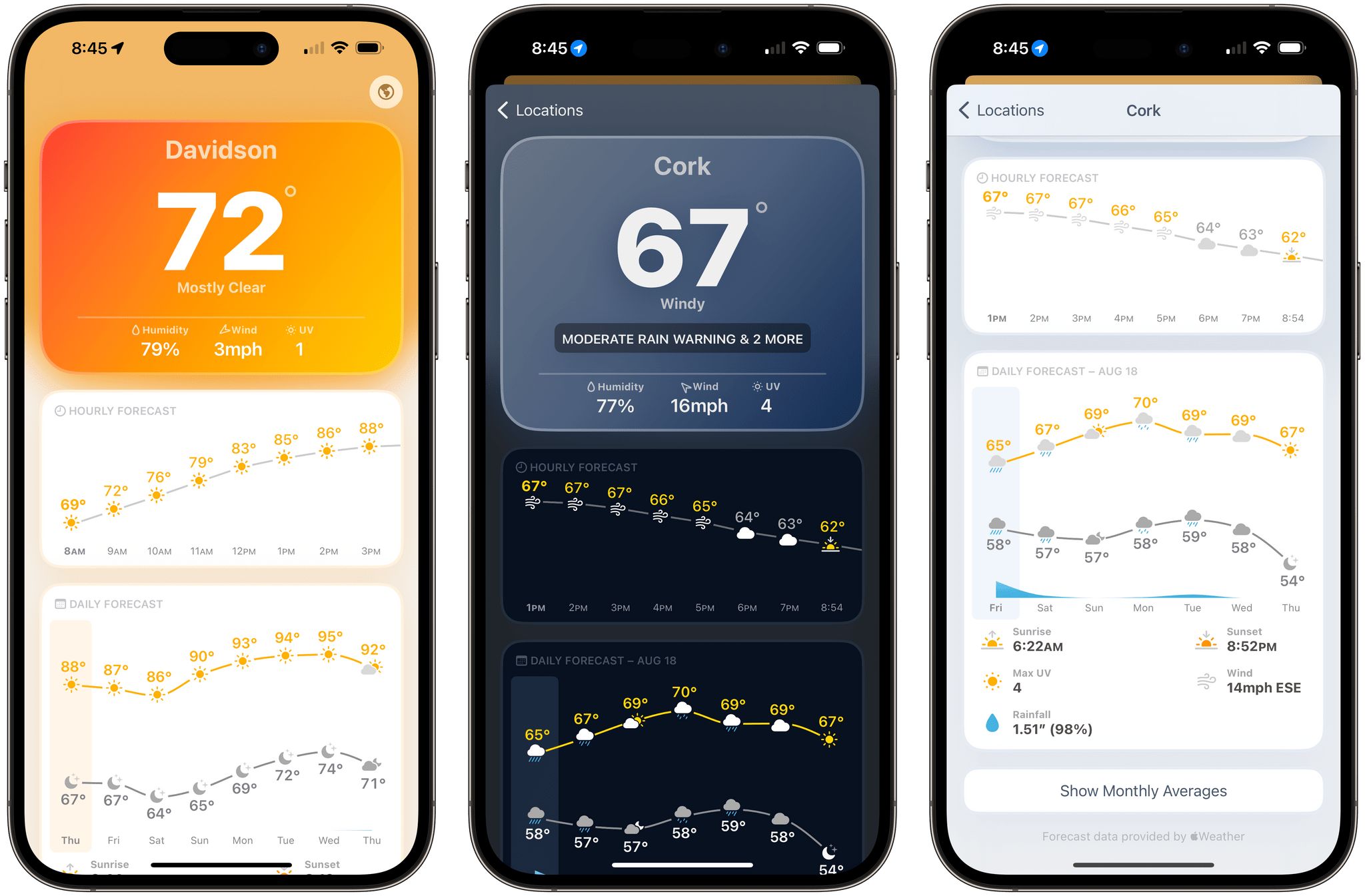
There’s something for everyone in the weather app category. There are incredibly technical, complex apps, apps with a narrow focus, ones junked up with ads that don’t respect your privacy, and everything in between.
One of my favorite newer entrants in the category that I’ve been keeping an eye on for a while is Mercury Weather, a weather app that’s available as a universal purchase on all of Apple’s platforms. The app, by Triple Glazed Studios, is a pleasure to use, combining a clear, simple design with coverage on of all of Apple’s platforms.
In some ways, Mercury Weather is a spiritual successor to Weather Line, a graph-centric weather app that was sold to an unnamed purchaser a couple of years ago, which some suspect was Fox Weather based on the app’s 2023 redesign. The comparison is apt but sells Mercury Weather short because its design is superior to what Weather Line’s ever was. The app uses beautiful gradient backgrounds to convey the temperature and conditions, along with a modern layout and clear typography to make it fast and easy to check current conditions and the forecast.
AppStories, Episode 347 – A Classic Pick 2→
This week on AppStories, we each share two app recommendations in a classic Pick 2 episode.
Sponsored by:
- Fitbod: Get stronger, faster with a fitness plan that fits you. Get 25% off your membership.
](https://cdn.macstories.net/banneras-1629219199428.png)
On AppStories+, Federico has a mini surprise, and I experiment with connecting his Sony a6500 mirrorless camera to an iPad Pro.
We deliver AppStories+ to subscribers with bonus content, ad-free, and at a high bitrate early every week.
To learn more about the benefits included with an AppStories+ subscription, visit our Plans page, or read the AppStories+ FAQ.
Zenitizer: An Simple, Elegant Way to Practice and Track Meditation Sessions
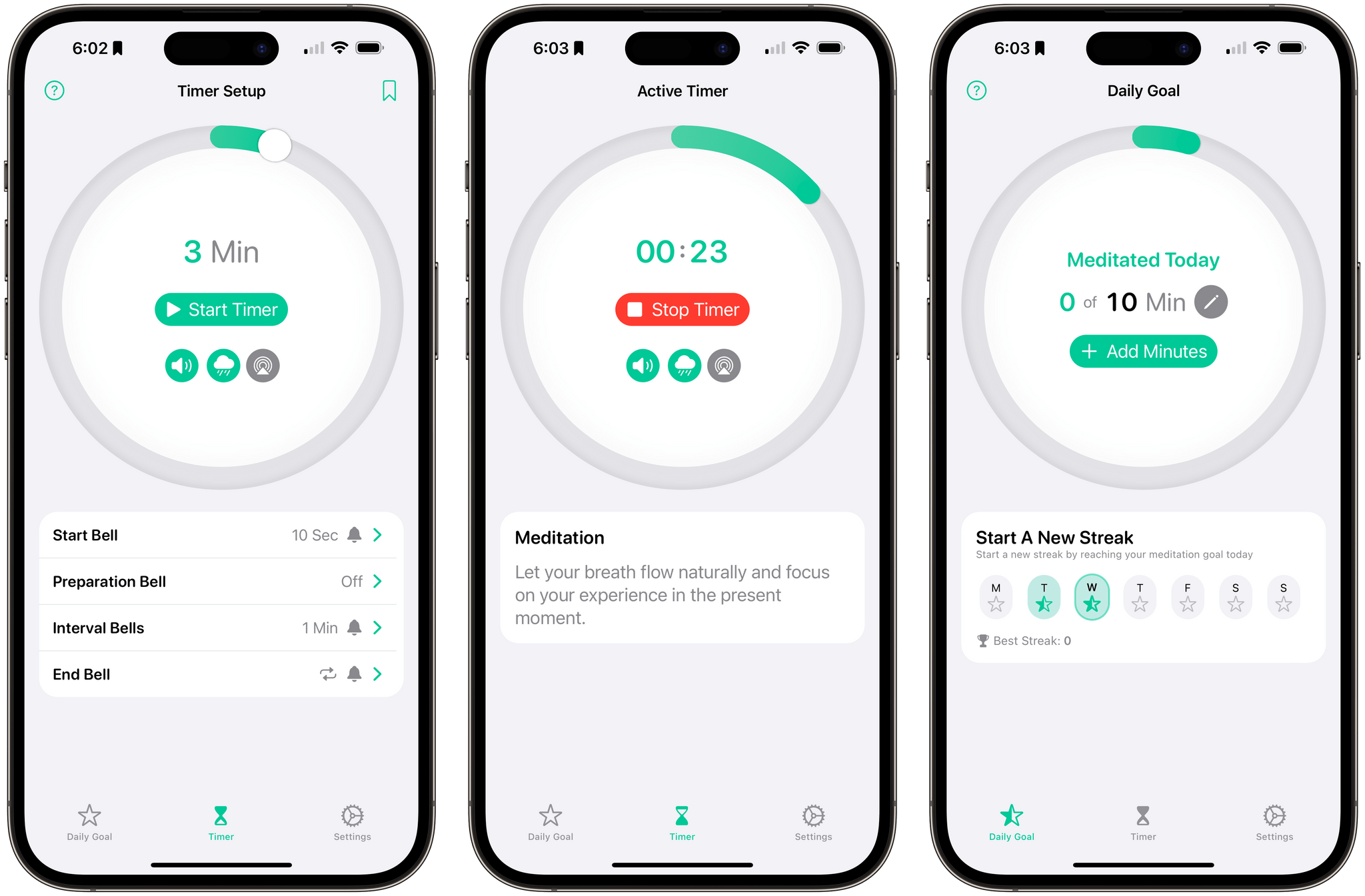
Zenitizer 1.2, an iOS, iPadOS, and watchOS meditation app by Manuel Kehl, was released yesterday, adding iCloud sync support. The update means that progress toward your meditation goals and routines you create on any version of the app will sync across all devices for the first time. I recommended Zenitizer to Club MacStories readers not long ago when version 1.0 was released, but it’s such a well-designed and thought-out app, I wanted to go a little deeper today on everything it has to offer.
The Verge Marks the iMac’s Silver Anniversary
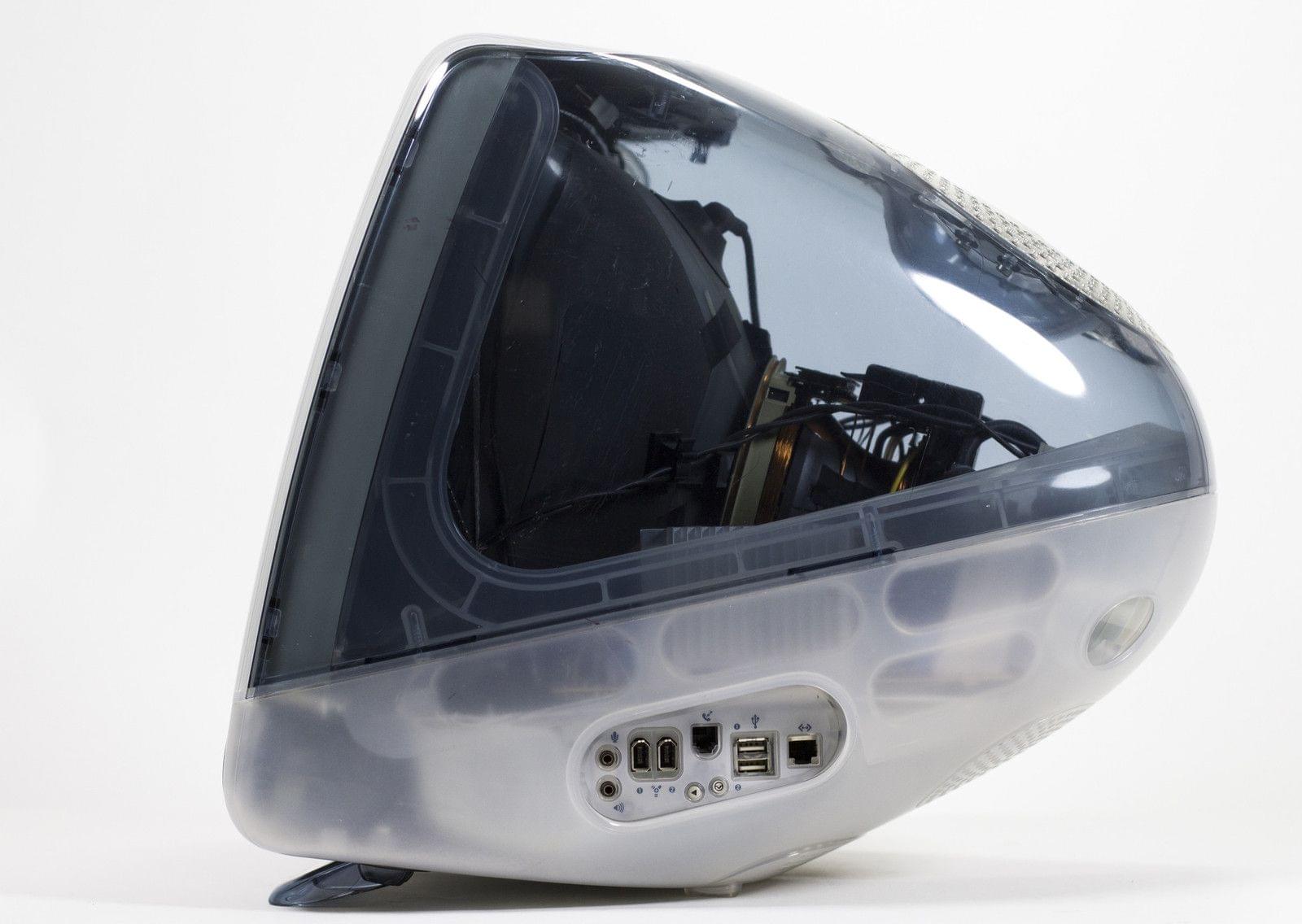
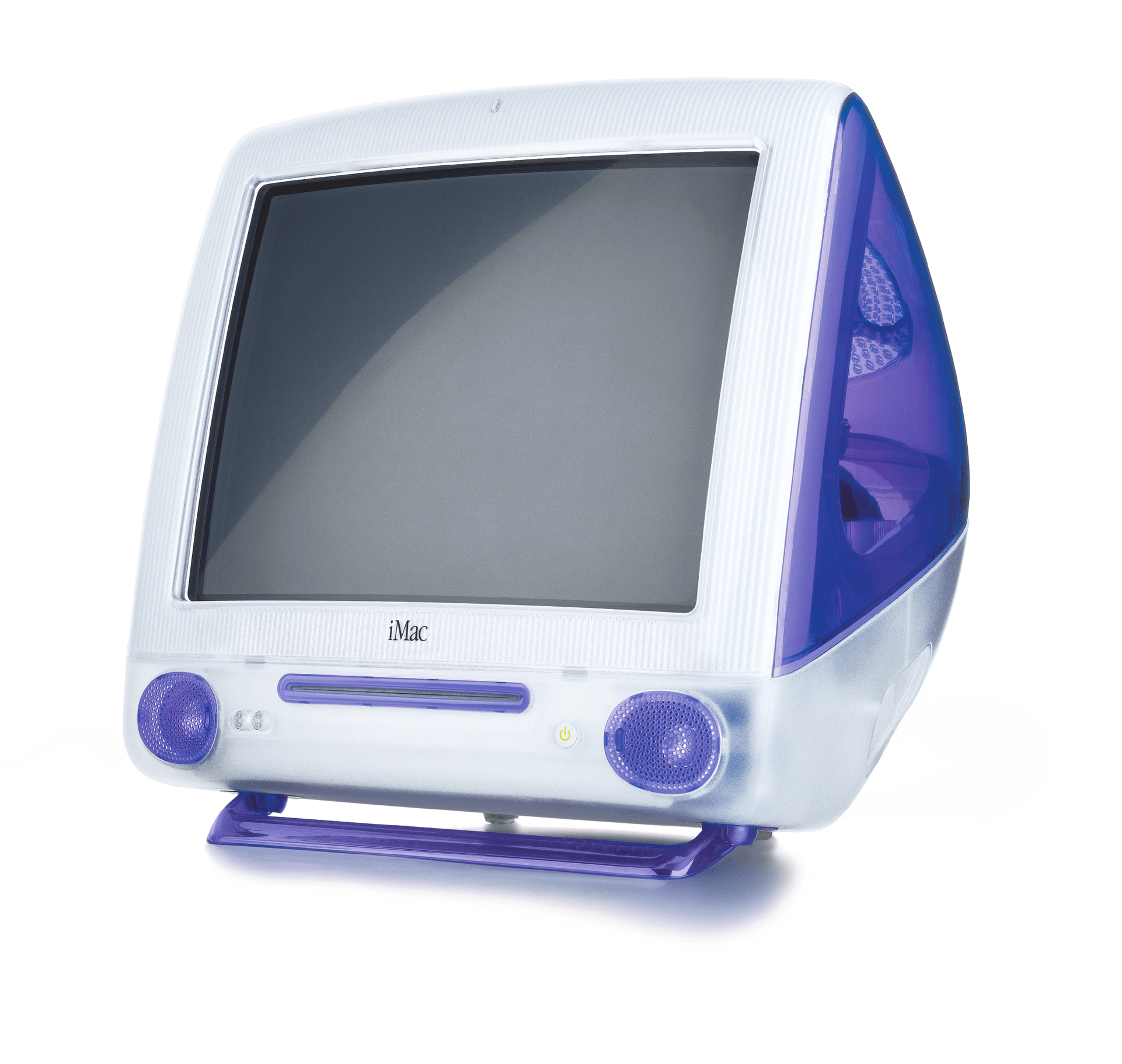
Yesterday, the iMac turned 25, and The Verge had an excellent trio of articles, plus a visual history, covering the computer’s impact on Apple, the computer industry, and culture.
The series includes a look back at the introduction of the iMac in 1998 by Jason Snell and the many controversial design choices the iMac introduced like foregoing a floppy drive and including USB-A ports. The iMac also introduced color and transparency to consumer electronics that spread throughout the gadget world, but I agree with Jason’s take that the most important contribution of the iMac was that it pulled Apple back from the brink of financial disaster:
[P]erhaps the iMac’s strongest legacy is Apple itself. The company was close to bankruptcy when Jobs returned, and the iMac gave the company a cash infusion that allowed it to complete work on Mac OS X, rebuild the rest of the Mac product line in the iMac’s image, open Apple Stores, make the iPod, and set the tone for the next twenty five years.
Alex Cranz looked at how Apple marketed the iMac to college students at the turn of the millennium to build a foundation of life-long customers:
When it launched the iMac, it also launched a then exorbitantly pricey marketing campaign focused not just on traditional Mac owners but also students. “Being the first computer truly owned by a student entering college gives a company like Apple tremendous brand leverage over future computer loyalties,” Laine Nooney, a computer historian, professor at New York University, and author of The Apple II Age: How the Computer Became Personal,told me over the phone. “That marketing isn’t just paying for a couple of years of sales… it’s helping create a generation of users.”
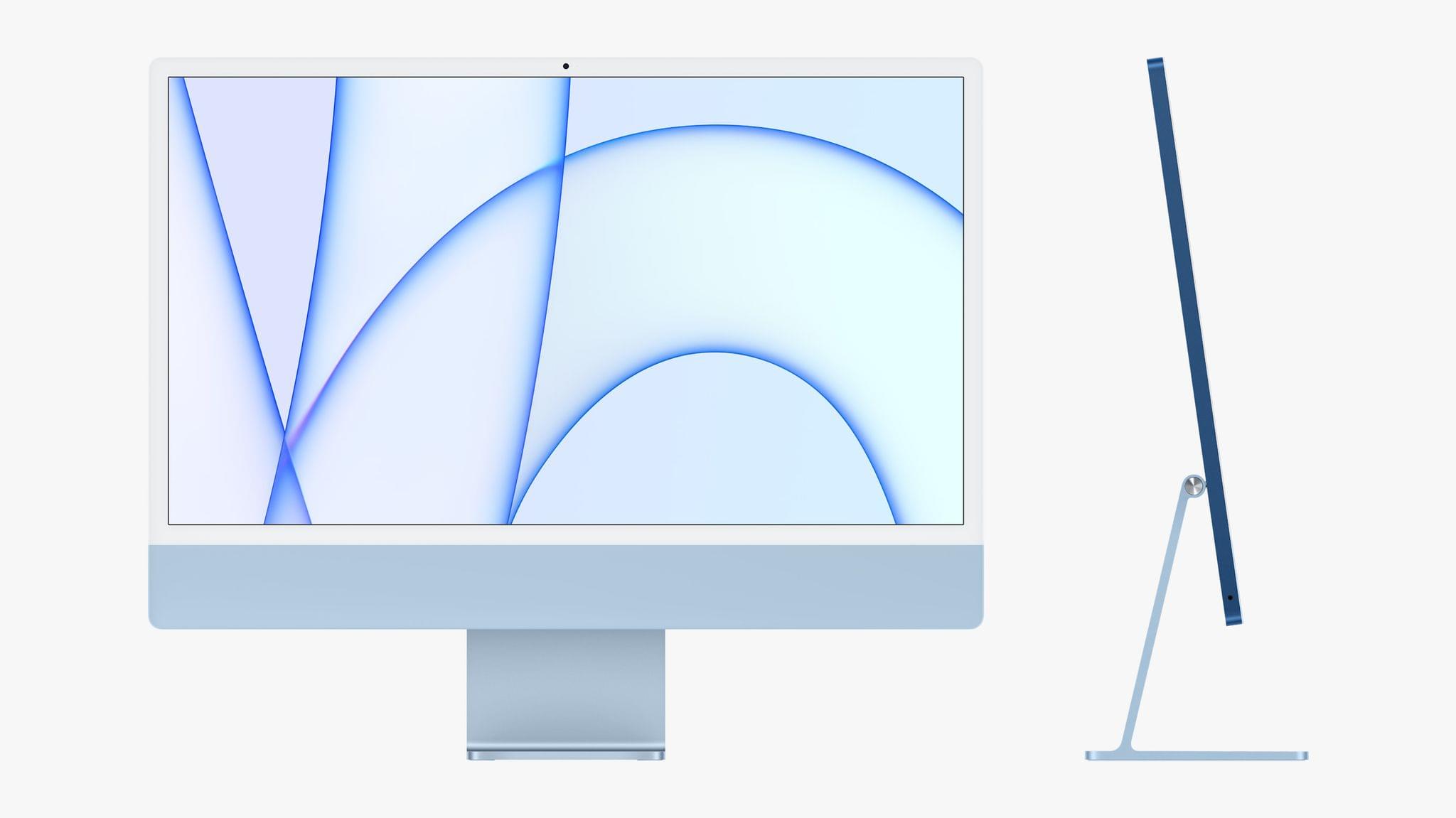
However, as important as the iMac has been to Apple historically, the lack of an update in over 800 days can’t be overlooked. The iMac’s role in Apple’s lineup is a shadow of what it once was. The Verge’s Monica Chin’s contribution to the site’s series wonders aloud what’s next for the all-in-one desktop:
The iMac was once the computer that everyone I knew had on their desk. That is now, without question, the MacBook. The laptop, as a category, has come so far and permeated culture so thoroughly in the past two decades that it’s hard to see any desktop — regardless of its purported numbers — as a mainstream option. I wouldn’t be surprised if, like the Mac Studio, the iMac leans more into a niche over the next few years. Maybe that’s offices that want a beautiful setup. Maybe that’s people with yellow bedrooms.
Or maybe it’s the high-performance space. If there’s an opening in the market for a premium desktop like the Mac Studio, I don’t see why there’s not a larger one for a premium iMac. It could essentially be a MacBook Pro with a much larger built-in screen than any MacBook Pro can provide. Plus, maybe this one could also come in yellow.
My first Mac was a white plastic Intel-based iMac. I also owned an early aluminum model. However, other than testing a loaner M1 iMac, my Apple desktops in the years since have been Mac minis and my current Mac Studio paired with a MacBook Air for on the go.
I guess I’m part of the problem. I love the simplicity and elegance of the iMac, but the power and modularity of the Mac Studio paired with a laptop fit my needs much better these days. Still, my sense is there’s room for both a consumer-level iMac that serves as a shared family computer or a simple space-saving desktop solution and a more powerful, big-screen iMac for tasks like photo and video editing.
Rumors point to an iMac refresh this fall, so the drought should be over soon. I just hope what Apple introduces takes some chances aimed at broadening the iMac’s user base beyond where it is today.