

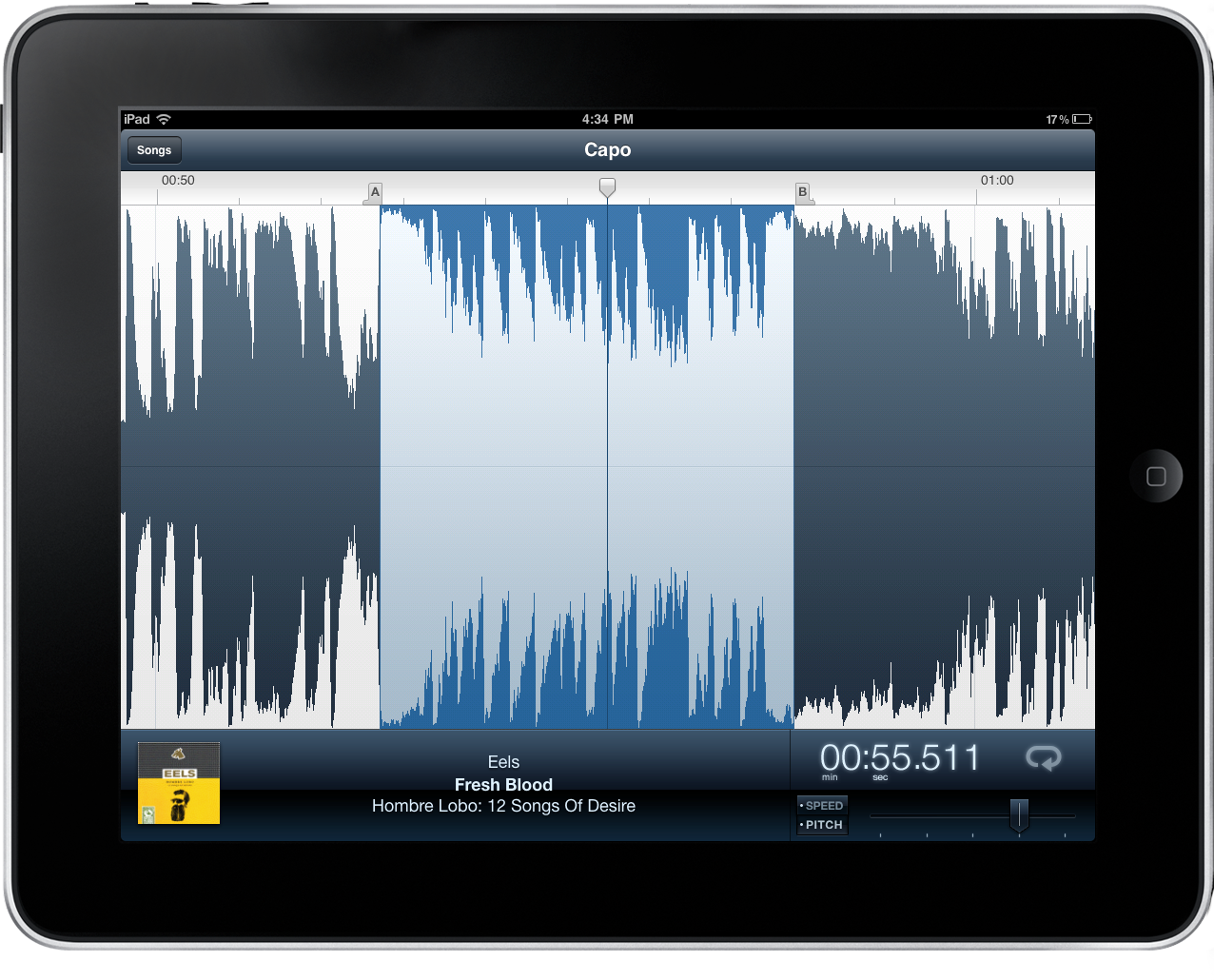
Capo is one of the brilliant Mac apps that often gets overlooked because of its niche value for musicians that have the will to not just follow tabs on a reading sheet, but to actually tear apart songs and learn them by ear. Capo intrinsically is an odd product in this respect – if you’re learning music by ear, why do you need an aid? I’ll tell ya: there’s nothing like being able to scribble all over a song, create your own tabs, and actually study what’s in front of you. You might want to fondle iTunes as you replay parts and study tracks, but you can ditch the pen and paper as you mark an important bridge, analyze the song’s chord progression, and figure out new riffs.
Posts tagged with "app store"
An Artist’s Tool: Learn Music & Train Your Ear With Capo
TinyVox Is A Social Tape Deck For Your iPhone
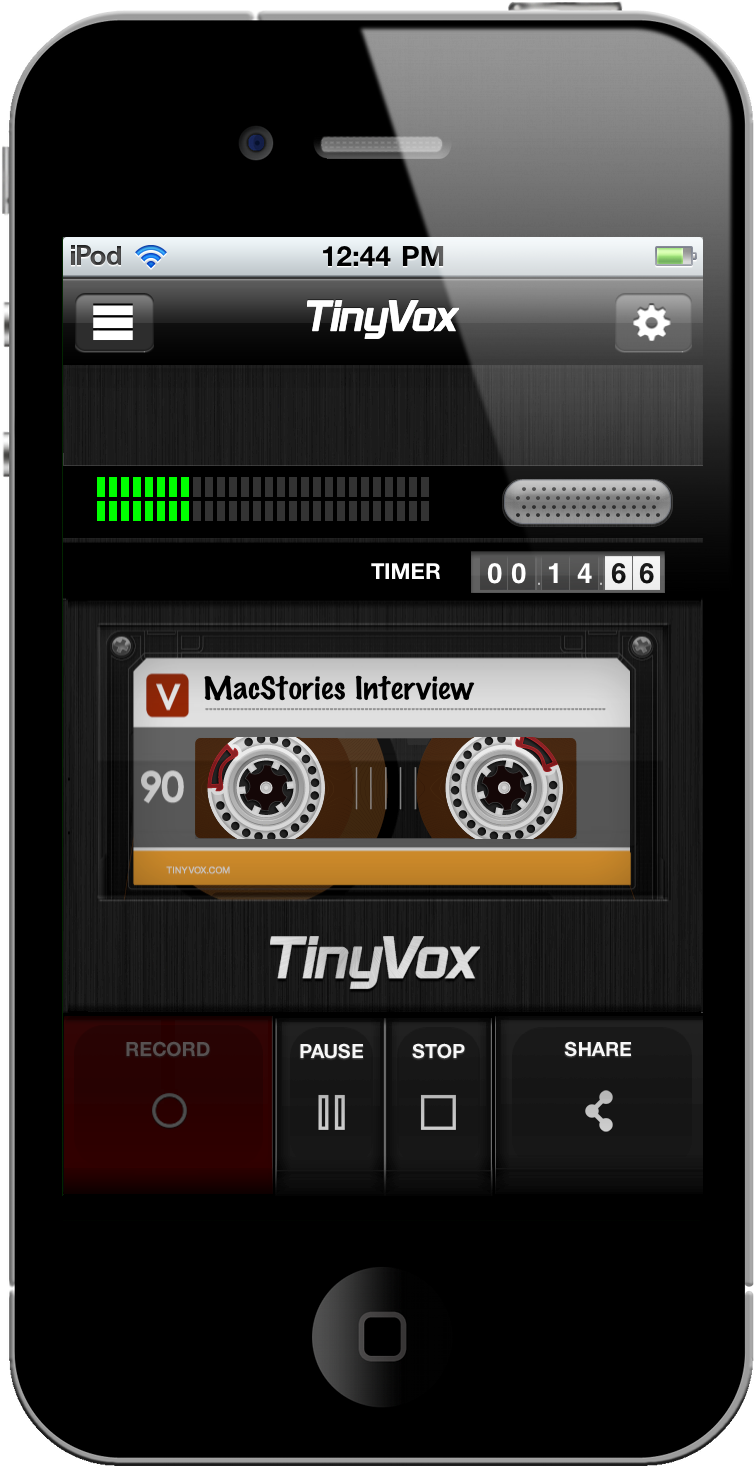
We typically don’t do audio recordings in replacement or in conjunction with our written reviews, but I’ll make an exception. TinyVox is a very cool social tape deck for your iPhone or iPod touch that enables you to record audio in high or low quality, then publish those audio bits to social networking sites like Facebook, Tumblr, and Twitter.
Localscope Is Perfect For iPod Or iPhone
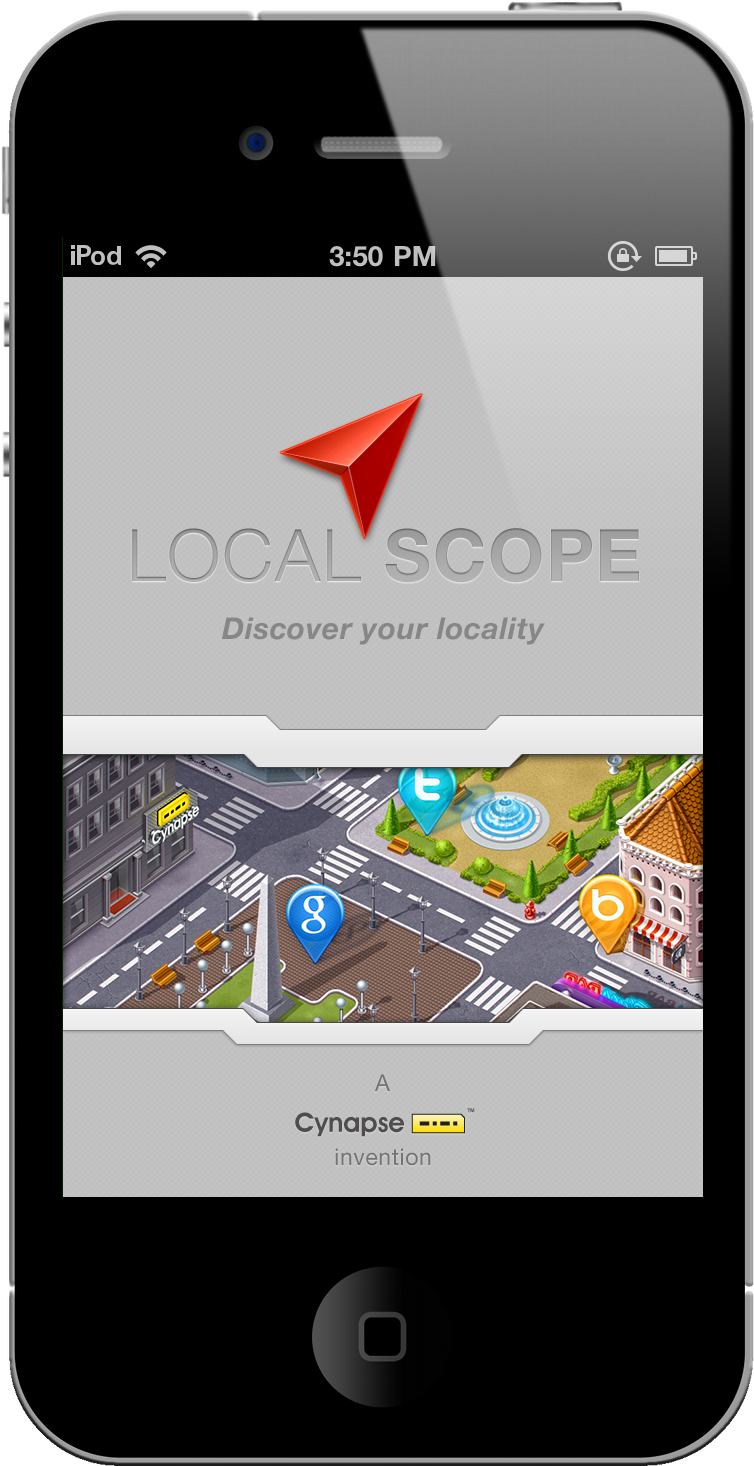
It doesn’t matter whether a GPS signal is available to know what restaurants are nearby, or where the next gas station is. In fact, I’d easily trade Localscope for Google’s Places on Android (and who wants Hotpot when you have Facebook?). You’re never tethered to a single source of information with Google, Bing, Foursquare, Twitter, and Wikimapia for a combination of maps, current events, and augmented reality. Talk about holy wowza! And the thing is, Localscope is incredibly pretty. It’s the iPhone companion you’ll want on your homescreen if not in a nearby folder, and we’re going to run through some of the features that make this client worth its weight in bacon.
Rovio CEO Thanks Apple, New Angry Birds Games This Summer→
Rovio CEO Thanks Apple, New Angry Birds Games This Summer

At the Game Developers Conference 2011 in San Francisco, Rovio CEO Peter Vesterbacka spoke to a large crowd about the success of his company’s franchise, Angry Birds, and the results of going from developing games for others (they used to do work for hire) to having millions of people downloading your own mobile game. Vesterbacka thanked Apple for creating the App Store model and disrupting the Soviet-like market that was imposed by carriers years ago.
We really have Apple to thank,” said Vesterbacka – not just for helping to promote Angry Birds, but for creating the App Store to begin with.
“We got away from this carrier-dominated Soviet model,” he explained – before the App Store, the carriers were responsible for figuring out what software would run on their phones. “Other people decided on our behalf what was a good game and what was a bad game,” Vesterbacka said.
As for new entries in the Angry Birds world:
You won’t have to wait too long,” said Vesterbacka – Rovio plans to release new Angry Birds games this summer.
Angry Birds Rio is set to come out on March 22, and an update to Angry Birds Seasons was released a few weeks ago. Here’s my theory: does the fact that Vesterbacka is in San Francisco and that Apple’s iPad 2 event is tomorrow sound interesting to you?
Does Amazon Really Care About In-App Purchases?
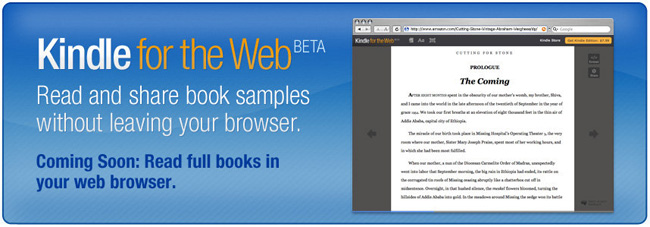
Amazon has yet to publically comment about the recent heated discussions regarding Apple’s App Store and In-App Purchase discussion wars. Chuck Toporek of Addison Wesley/Pearson has posted on his personal blog explaining why this may be so.
Amazon’s Kindle for the Web (beta) has been around since September 2010, giving users an alternative to a Apple’s iOS app. Toporek writes that his Kindle for Web tests worked great for the Mac desktop and the iPad, while the iPhone “takes a little extra work, but it can be done.” Because it’s still in beta, full book texts are not yet available but if Amazon were to leave the App Store, it has a solution already set up. Read more
App Store Far Ahead Of Competition, But Growing Slower
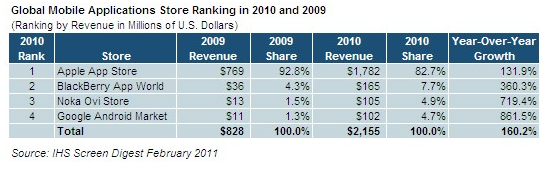
According to a study on mobile app marketplaces by IHS, Apple’s App Store is still far ahead of the competition in terms of revenue and share, but it’s apparently reaching a saturation point where growth has become slower than competitors like the Android Market and BlackBerry App World. The chart above, in fact, seems to prove that the App Store is sporting a 131.9% year-over-year growth, unlike Google’s platform that’s steadily growing at a 861.5% rate.
In January, Apple announced 10 billion apps had been downloaded from its App Store, which features 350,000 apps for iPhone and more than 60,000 for iPad. None of the competitors have similar numbers, but especially Android is growing faster thanks to the variety of devices available and the amount of units sold every month.
Looking forward, IHS expects the global market for mobile apps to rise by another 81.5 percent this year, reaching $3.9 billion in total sales. The Android Market and other rival stores are likely to further slice away at Apple’s leading share, but the iPhone maker will still take home at least half of all sales generated from the app store market through 2014.
So far, 2011 seems to be the year of new features in Apple’s App Store. In January the company launched the Mac App Store and earlier this week they introduced subscriptions for iOS apps – which will allow consumers to easily subscribe to content using their iTunes account. [CNET via Engadget]
Last.fm Co-Founder Doesn’t Like Apple’s Subscriptions
Just about everyone on the Internet now knows that some folks are really upset over Apple’s recently announced subscriptions for iOS apps. In case you missed the news, Apple is now allowing publishers to implement subscriptions for content-based apps using the same iTunes payment method customers rely on for their App Store purchases, but Apple keeps a 30% cut off every recurring subscription. As you can guess, several publishers think a 30% cut off a minimal monthly (or yearly) fee is too much, making it impossible to break even. In fact, music service Rhapsody has already announced it won’t offer subscriptions for iOS devices. And it looks like other publishers will follow if they think a business model can’t be built upon Apple taking its 30% on every transaction.
While the fact that Apple takes a cut on purchases made through its App Store doesn’t come as a total surprise, the 30% number does as many, including yours truly, initially thought subscriptions would feature a lower cut from Apple. Still, this is happening right now and what we can do is wait and see what publishers and content providers like Amazon and Netflix will do. But in the meantime, it appears that Last.fm co-founder Richard Jones isn’t really excited about these subscriptions, either. “Excited” is actually an euphemism, considering that in a private IRC chat posted by GigaOM he says “Apple just f****** over online music subs for the iPhone”.
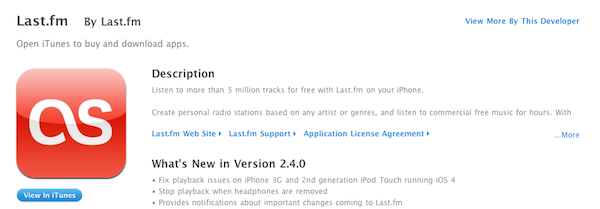
While we can’t verify on the authenticity of IRC chat, there’s more coming from Mr. Jones. He suggests Apple might have come up with these high terms to leave room for its own music streaming service later in the year, which will surely make some companies like Spotify and Rdio struggle to find their way between affordable consumer prices and Apple’s cut on subscriptions. Oh, and what about Last.fm? They announced their very own subscription-based service two weeks ago, and now if they want to keep their app in the Store it looks like they’re going to have to rethink the whole strategy. Or perhaps Last.fm will simply pull the app from App Store, as Jones believes “people on the iPhone will always subscribe using iTunes” because it’s easier.
So far, Apple’s subscription service hasn’t been a popularity success among publishers. But we believe we’ll hear the actual results of this new functionality in a few weeks, when customers will get used to the advantages of iTunes-based subscriptions and some publishers will (likely) see the first promising numbers coming in. If Apple will have to change its stance on subscriptions, you can bet they will. Now, we wait and see how the publishing industry reacts in the App Store.
Daily Notes for iPad Makes A Comeback with Tasks, Dropbox Support
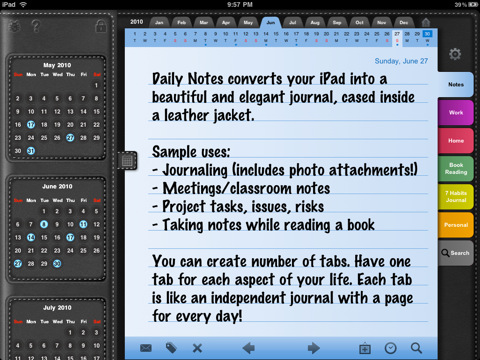
Daily Notes was one of the first apps to adopt a custom interface on the iPad back in the days when iPad apps were a novelty. Reviewed by Cody Fink in May 2010 (a month after the release of the tablet, and the grand opening of the iPad App Store), the app sported an intriguing faux-leather UI that allowed you to organize and schedule your daily events and priorities as if you were using a real agenda. Cody wrote:
Daily Notes is a more traditional styled notebook with lots of calendars built in. Seriously, you cannot miss a date wherever you turn. Asides from what could be overdoing it, Daily Notes has a couple great features built in, but also shows some odd design decisions that need ironing out. Despite some minor gripes, this is probably one of the best looking notepad applications currently available on the iTunes App Store, offering a fair level of organization, note tracking, privacy, and customization.
After a few months of silence, the app is making a comeback today into the App Store with a brand new version 4.0 that comes with several new features like backup through Dropbox and TextExpander integration. Together with that (and I’m sure being able to create daily notes through TextExpander snippets will be appreciated by many) the app can now organize tasks into a dedicated tab and has full multitasking support. But there’s more. You can switch between 30 different themes and 80 fonts, browse fullscreen photo attachments and insert multiple notes per day.
Daily Notes is chock-full of features, but I wish the interface was a little more streamlined. Admittedly, some users might find sections and calendar views confusing at first – thus the implementation of a tutorial when you first launch the app. Still, this is a truly complete app that I hope will get support for more online services in the future. Go check it out here.
iOS Game Developers - Is $0.99 Too Low?→
iOS Game Developers - Is $0.99 Too Low?

Interesting discussion over at Pocketful of Megabytes. The author concludes:
So is $0.99 really too low? Well, yes and no. It’s not too low, because that’s where it needs to be for games in this ruthless and uncharted territory to prosper (and because consumers love cheap goods), but it is too low because it inaccurately depicts the worth of a game’s contents. Without higher profits, money cannot be spent on improving the overall quality of the content found therein. Low profits mean low budgets and low budgets mean cheaply-made apps… the price tag is low out of necessity. It’s not ideal, but we’re stuck with it.
With $0.99 apps you attract more customers, but hard work is undervalued. On the other hand it is true that you never know what app you’re going to buy (no trials), but we also have to consider Apple’s 30% cut on those .99 cents.
So here’s an idea. What if Apple discontinued the $0.99 price tag, and automatically raised all prices to $1.99 – thus making it the lowest price point? Perhaps a more feasible business model for indie developers?
Would that stop you from buying the next Angry Birds or Trainyard?