V for Wikipedia: A Reading Interface To Discover The World [Sponsor]

V for Wikipedia is a beautifully-designed reader for Wikipedia. The app, which has won awards for its design and was declared an Editors’ Choice by Apple, emphasizes typography and mapping to make exploring Wikipedia a delight.

V for Wikipedia features a four-tab interface with a search box that is always available at the top of the main interface. The first tab features the most popular Wikipedia articles in an attractive two column layout. There are also search history and bookmark tabs for easily finding recently browsed or saved articles.

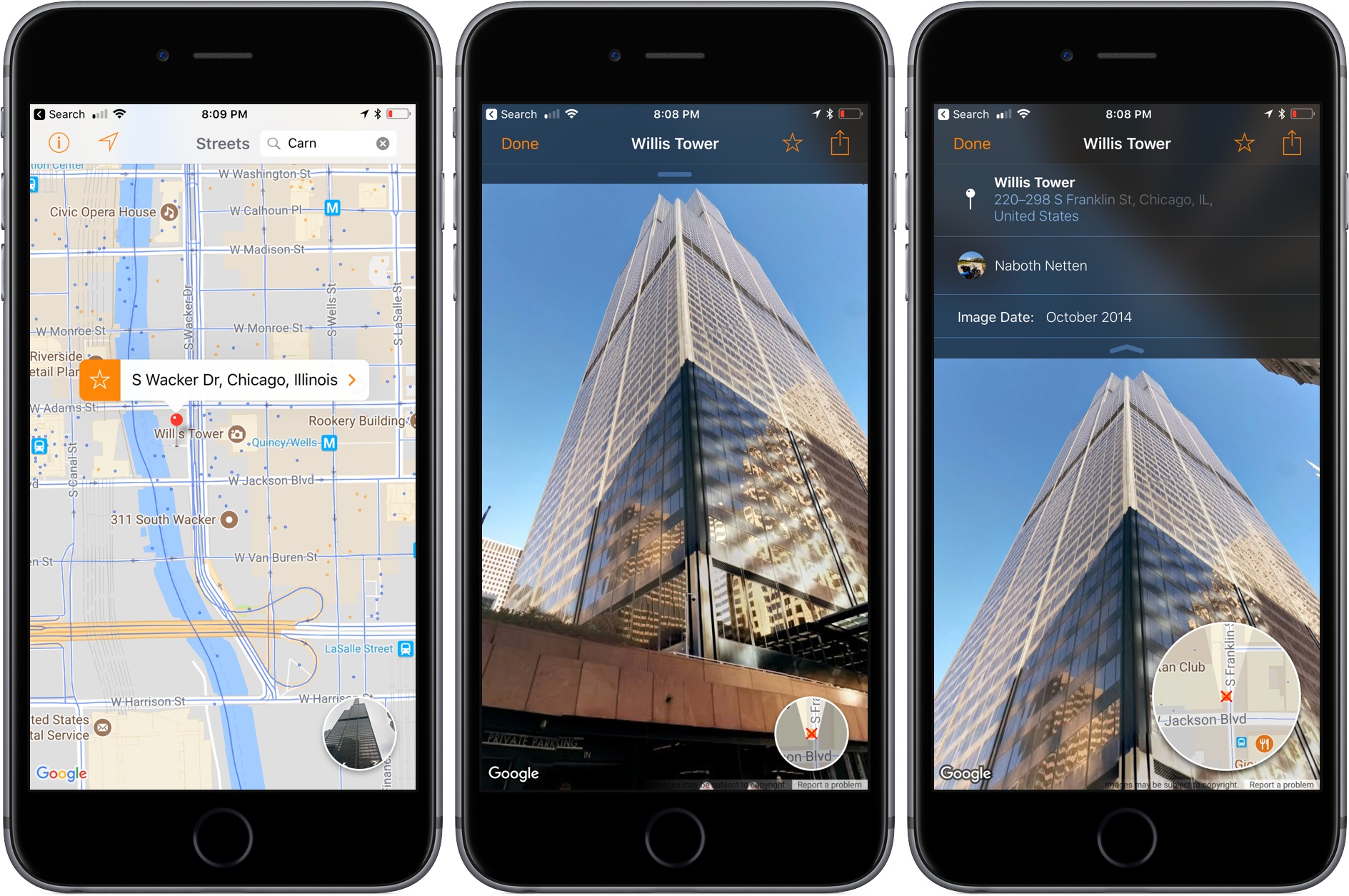
But where V for Wikipedia really shines is its location tab. The app marks locations around you that have Wikipedia entries with colorful markers that have lines that gracefully curve to a row of articles that scrolls horizontally across the bottom of the screen. The design is attractive, but also functional, like an interactive travel guide or encyclopedia.

https://vimeo.com/188793327

Another highlight of V for Wikipedia is its attention to each article’s layout, imagery, and typography. From the signature map view, to the the careful design of the articles, V for Wikipedia transforms Wikipedia into a stylish reading experience that sets it apart from other Wikipedia readers. Chosen by Apple as one of the best apps of 2016, V for Wikipedia is the best choice for travelers, students, researchers, and anyone else who uses Wikipedia regularly.

V for Wikipedia is available on the App Store as a Universal app for the iPhone, iPad, and Apple Watch. Learn more about V for Wikipedia here.

Our thanks to Raureif for sponsoring MacStories this week.


The 10.5” iPad Pro: Future-Proof

There’s something about the screen of the new 10.5” iPad Pro that feels immediately novel but quickly becomes normal, and something that seems obvious at first but reveals itself as a deeper change after a few days. As a heavy user of the 12.9” iPad Pro, I’ve been pleasantly deceived by this new iPad, and the more I think about it, the more I keep coming back to the display and the story behind its new form factor.

Read more


Apple’s App Store Guidelines Now Allow Executable Code in Educational Apps and Developer Tools

Apple made several changes to the App Store Review Guidelines during WWDC this week, including an easing of the prohibition against downloading and executing code on an iOS device. The ban on executable code remains intact, but rule 2.5.2 now also provides that:

Apps designed to teach, develop, or test executable code may, in limited circumstances, download code provided that such code is not used for other purposes. Such apps must make the source code provided by the Application completely viewable and editable by the user.

The change to the guidelines is limited, but it’s an important signal to third-party developers that Apple will accept certain educational apps and developer tools on iOS, which brings the promise of app development on iOS one step closer to reality.

Permalink

Apps Can No Longer Use Custom Review Prompts; Apple Mandates Standardized Method

In iOS 10.3 earlier this year, Apple introduced a new API for prompting users to give apps an App Store review. At the time, developers were allowed to continue using any custom review prompts they had previously implemented, with the warning that such permission would eventually be revoked. As reported by 9to5Mac, that day has already come.

App Store policy has been updated to mandate use of Apple’s standardized rating API going forward, disallowing custom review prompts. The updated language in Apple’s review guidelines reads:

Use the provided API to prompt users to review your app; this functionality allows customers to provide an App Store rating and review without the inconvenience of leaving your app, and we will disallow custom review prompts.

In the few months since its introduction, adoption of Apple’s review prompt API has been slow. Perhaps it is due to that lack of adoption that the company wasted little time before requiring its use.

Apple’s solution certainly provides a better user experience than custom alternatives, particularly since it allows rating an app without needing to visit the App Store. But the concern from developers may be the loss of control over when, or how often, that prompt is presented.


App Store Policy Now Allows Tipping Content Providers

Josh Constine reports for TechCrunch about an updated App Store policy that will enable apps to allow tipping of content creators, provided 30% of that tip goes to Apple. The newly updated policy from Apple reads:

Apps may use in-app purchase currencies to enable customers to “tip” digital content providers in the app.

Constine explains that previously, tipping was a grey area, leading some developers to avoid implementing it for fear their apps would be rejected by the App Review team. But this new policy changes that, he writes:

This means developers can add tipping features without fearing repercussions from Apple, as long as they’re willing to give the giant 30 percent. The grey area had kept tipping out of some popular apps who sought to avoid any tension with Apple. Now app makers can offer and promote tipping features with confidence.

The developers will have to determine whether they themselves take a cut of the tips or pass the full 70 percent on to the content creators. Passing on 50 percent while taking a 20 percent cut could unlock paths to monetizing video where ads can be interruptive or tough to match with unpolished footage.

The App Store has been rife with changes since Phil Schiller adopted responsibility for it, and this particular change will impact certain people in different ways. Some developers may appreciate the clarity concerning what they can or can’t do in the realm of tipping, but for any apps currently allowing tipping without the 30% tax, both developers and content providers will be harmed.

Permalink

AppStories, Episode 8 – Interview: Hidden Folks with Adriaan de Jongh

On this week’s episode of AppStories, we we interview Adriaan de Jongh, the co-creator of the hit iOS and PC game Hidden Folks about the creation and design of the game, its unique sound design, gaming on mobile, and an exclusive look at what’s next for Hidden Folks.

Sponsored by:

AppStories+ Deeper into the world of apps

AppStories Episode 8 - Interview: Hidden Folks with Adriaan de Jongh

0:00
30:32

AppStories+ Deeper into the world of apps

Permalink

WWDC Roundup: All the Little Things

WWDC is packed full of announcements and updates, and there are always a wealth of tidbits that come out throughout the week as people try out the new OS betas and scour documentation on Apple’s developer portal. Some of those tidbits are clarifications of things previously announced, while others are new features entirely. Here is a roundup highlighting some of the most interesting of those updates.

Read more


Apple Design Awards 2017 Winners Announced

Apple has traditionally held its annual awards for app developers – the Apple Design Awards – in a public ceremony on the first night of WWDC, where all developers are typically encouraged to attend. But this year there was no public award show, and instead Apple recognized standout developers in a smaller, private forum according to Rene Ritchie of iMore. Ritchie also notes that Apple won’t say whether future ADAs will follow this year’s new approach, revert to the patterns of past tradition, or do something else entirely.

The Apple Design Awards are Apple’s way of showcasing the very best apps across all of its software platforms – iOS, macOS, watchOS, and tvOS. And with this year’s batch of winners, that certainly stands true.

Below is the full list of award winners, each of which you can learn more about at the dedicated Apple Design Awards page on Apple’s website.

App Winners

Game Winners

All game winners are available on iOS.


You can also follow all of our WWDC coverage through our WWDC 2017 hub, or subscribe to the dedicated WWDC 2017 RSS feed.