Behind the Magic of Apple’s HomePod Ad, ‘Welcome Home’

Today Adweek shared a mini-documentary that offers a behind the scenes look into Apple’s biggest marketing success of 2018 so far: the Spike Jonze-directed HomePod video, ‘Welcome Home.’ The nearly seven-minute video can be viewed here.

Adweek creative editor Tim Nudd shares an overview of what the making-of video documents:

In particular, we get immersed in the choreography (Jonze, choreographer Ryan Heffington and movement coach Theo Lowe all work with FKA twigs on her irresistible interplay with the apartment, and herself) and the production design (the set expanded on hydraulics to allow Jonze to shoot practically). But we also see how other elements came together, like the lighting, music and VFX (it turns out there was very little CGI).

There are other little gems in here, too, like FKA twigs auditioning for Jonze via FaceTime, and Jonze himself dancing with an office chair. (He never stops moving throughout, and you get a real sense for how physically plugged in he is to the ideas here.) We also catch a glimpse of Dunkirk cinematographer Hoyte van Hoytema working with Jonze on the film—he also shot the “It’s a Tide Ad” spots for the Super Bowl (working with directors Traktor).

If you enjoyed ‘Welcome Home,’ the documentary is well worth checking out. Besides being fascinated to see how much work went into the four-minute ad, I especially enjoyed getting an inside look into the creation of the video’s expanding apartment, which, amazingly, was done with practical effects.

Permalink

Erasing Complexity: The Comfort of Apple’s Ecosystem

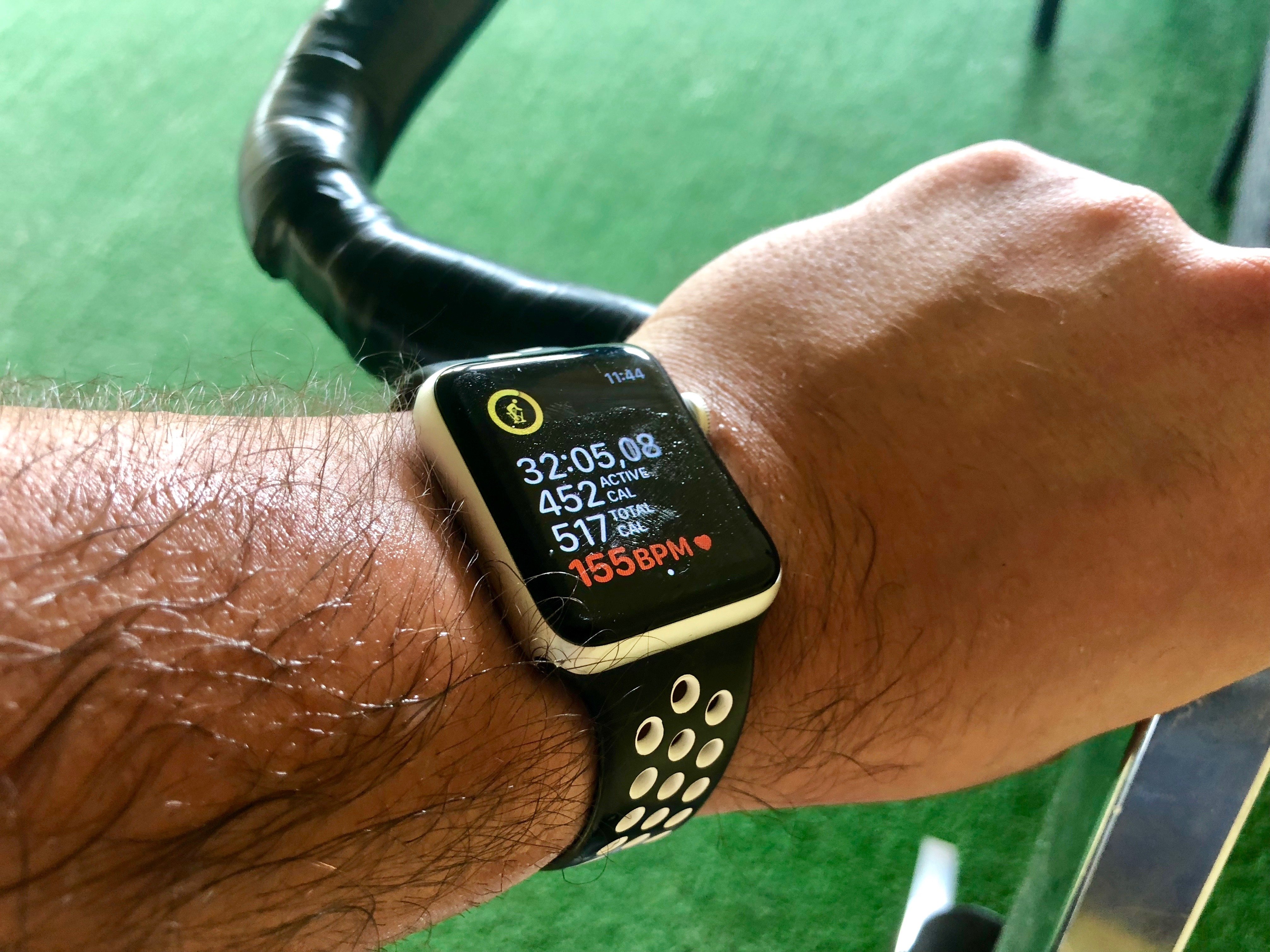
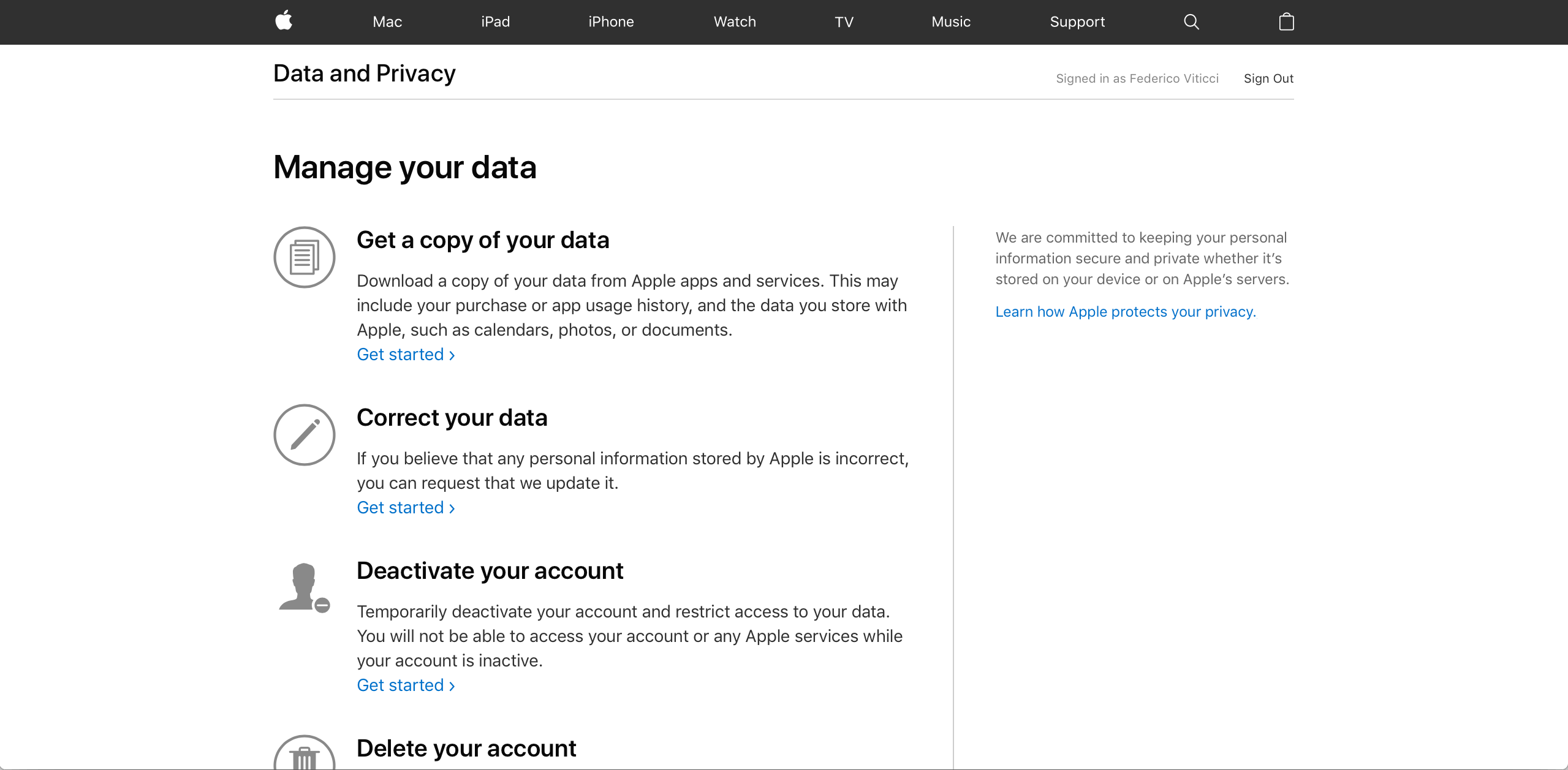
Every year soon after WWDC, I install the beta of the upcoming version of iOS on my devices and embark on an experiment: I try to use Apple’s stock apps and services as much as possible for three months, then evaluate which ones have to be replaced with third-party alternatives after September. My reasoning for going through these repetitive stages on an annual basis is simple: to me, it’s the only way to build the first-hand knowledge necessary for my iOS reviews.

I also spent the past couple of years testing and switching back and forth between non-Apple hardware and services. I think every Apple-focused writer should try to expose themselves to different tech products to avoid the perilous traps of preconceptions. Plus, besides the research-driven nature of my experiments, I often preferred third-party offerings to Apple’s as I felt like they provided me with something Apple was not delivering.

Since the end of last year, however, I’ve been witnessing a gradual shift that made me realize my relationship with Apple’s hardware and software has changed. I’ve progressively gotten deeper in the Apple ecosystem and I don’t feel like I’m being underserved by some aspects of it anymore.

Probably for the first time since I started MacStories nine years ago, I feel comfortable using Apple’s services and hardware extensively not because I’ve given up on searching for third-party products, but because I’ve tried them all. And ultimately, none of them made me happier with my tech habits. It took me years of experiments (and a lot of money spent on gadgets and subscriptions) to notice how, for a variety of reasons, I found a healthy tech balance by consciously deciding to embrace the Apple ecosystem.

Read more


iOS Plays a Big Role at the Game Developers Conference without Apple’s Direct Participation

Just before the annual Game Developers Conference began in San Francisco, Epic Games released its hit game Fortnite on iOS. In the first four days as an invitation-only game, it made over $1.5 million. As the conference got into full swing this week, PUBG was released. Both games are full versions of their PC and console counterparts and support cross-platform play, which is an impressive accomplishment.

Matthew Panzarino of TechCrunch interviewed Apple Vice President Greg Joswiak about the ramifications for mobile gaming:

“They’re bringing the current generation of console games to iOS,” Joswiak says, of launches like Fortnite and PUBG and notes that he believes we’re at a tipping point when it comes to mobile gaming, because mobile platforms like the iPhone and iOS offer completely unique combinations of hardware and software features that are iterated on quickly.

“Every year we are able to amp up the tech that we bring to developers,” he says, comparing it to the 4-5 year cycle in console gaming hardware. “Before the industry knew it, we were blowing people away [with the tech]. The full gameplay of these titles has woken a lot of people up.”

Ryan Cash of Snowman, part of the team that recently released Alto’s Odyssey agreed:

“We have a few die-hard Fortnite players on the team, and the mobile version has them extremely excited,” says Cash. “I think more than the completeness of these games (which is in of itself a technical feat worth celebrating!), things like Epic’s dedication to cross-platform play are massive. Creating these linked ecosystems where players who prefer gaming on their iPhones can enjoy huge cultural touchstone titles like Fortnite alongside console players is massive. That brings us one step closer to an industry attitude which focuses more on accessibility, and less on siloing off experiences and separating them into tiers of perceived quality.”

There’s a lot to like about iOS if you’re a game developer. The hardware is iterated on faster than consoles, a high percentage of users are on the latest version of the operating system, the device is always with players, and the install base is enormous. Those are all factors that have led iOS devices to succeed as gaming platforms, even though it sometimes feels as if Apple doesn’t quite understand the industry. The fact that Greg Joswiak comprehends the importance of full console games coming to iOS gives me a little hope that we may see better support for games on platforms like the Apple TV in the future.

For more from Ryan Cash about the state of gaming on iOS and a look behind the scenes at the making of Alto’s Odyssey, check out Episode 45 of AppStories.

Permalink

Small Companies Can’t Play by Apple’s Rules

Haje Jan Kamps, writing for TechCrunch:

Walking into my first ever meeting with a structural packaging designer, I started rooting around in my bag before exclaiming, “This is the sort of thing I want!” She leaned forward in her chair, delighted to have a customer with a strong guide, then groaned audibly when she saw what I had placed on the table: the packaging from my new iPhone.

“You can have anything you want,” she countered, “but if you want your packaging to look and feel like Apple’s, you’ll have to increase the unit cost for your packaging by 10x.”

Packaging is just one example — there are dozens — of why Apple is a rank outlier in almost every way. Or, put differently: Using the Cupertino-based company as your template for how to build a startup is not a great idea.

Kamps’ piece is a fascinating exploration into why it’s not so easy to follow Apple’s lead – and why, in many cases, a company shouldn’t even try. Some of the benefits that come with having a quarter-trillion dollars in the bank, and manufacturing products at massive scale, are completely unattainable for nearly every other company in the world.

Permalink

Apple Debuts Its Spring Collection of Watch Bands

In a press release today, Apple announced new spring bands for the Apple Watch. The lineup includes new Woven Nylon, Nike, and Hermès bands, which will be available later this month online and in Apple Stores.

Among the bands highlighted by Apple are striped versions of the Woven Nylon band, new Nike color schemes that match the color of the company’s running shoes, and Hermès bands with a new edge paint color.

Apple says the full spring line of its bands include the following:

  • Sport Band in Denim Blue, Lemonade and Red Raspberry
  • Woven Nylon in Black Stripe, Blue Stripe, Gray Stripe and Pink Stripe
  • Sport Loop in Flash Light, Hot Pink, Marine Green and Tahoe Blue
  • Classic Buckle in Spring Yellow, Electric Blue and Soft Pink

The Nike lineup includes:

  • Nike Sport in Barely Rose/Pearl Pink, Black/White and Cargo Khaki/Black
  • Nike Sport Loop in Black/Pure Platinum, Bright Crimson/Black, Cargo Khaki, Midnight Fog and Pearl Pink

Finally, the Single Tour Rallye and Double Tour Hèmes bands include:

  • 38mm Double Tour in Indigo with rouge H polished edge and rouge H contrasted loop
  • 38mm Double Tour in Blanc with rouge H polished edge and rouge H contrasted loop
  • 42mm Single Tour Rallye in Indigo with rouge H polished edge and rouge H contrasted loop
  • 42mm Single Tour Rallye in Blanc with rouge H polished edge and rouge H contrasted loop

It’s interesting that the new Watch bands are not yet available. I suspect we’ll see them appear next week after the education event in Chicago alongside any products announced there.


Linea Sketch 2.0: Elegant, Approachable Sketching for the iPad

Today, The Iconfactory released a major update to its iPad sketching app, Linea. Version 2.0, which has been renamed Linea Sketch, takes what was already one of my favorite Apple Pencil-enabled drawing apps and has extended it with new features that make it more powerful than ever before. Most importantly though, the new features don’t come at the expense of the app’s usability.

When I reviewed Linea 1.0 last year, I was struck by how approachable yet capable the app was. That’s still the case, but The Iconfactory has added several new features that should make it appeal to an even broader audience.

Read more


Setapp: An App for Every Job, Already on Your Mac [Sponsor]

Setapp is a Mac app subscription service created by MacPaw, the maker of CleanMyMac. For one low monthly fee, Setapp offers more than 110 of the very best Mac apps from big names like Ulysses, Bartender, and iMazing. It’s a collection that grows every month becoming more and more valuable to subscribers.

Setapp includes a vast array of apps. There are productivity apps like task managers, time trackers, and text editors, as well as photo editors, developer tools, and much more. When you sign up, Setapp installs a handy catalog on your Mac that lets you easily browse its offerings. Nothing is downloaded until you decide to install it.

The app is designed to make finding just the right app easy too. The included apps are carefully vetted and curated, so you know that only the highest quality apps from the best developers are included. The business model couldn’t be more clear either. There are no hidden costs or gimmicks. You pay just $9.99 per month for access to the entire catalog of apps including any updates. There are no fees for upgrades, no In-App Purchases, or other hidden costs. Every app is a fully functional version that updates automatically.

Sign up today to unlock this amazing collection of Mac apps. Setapp is free to try, and you can extend the trial period up to six months by referring friends.

Our thanks to Setapp for sponsoring MacStories this week.