Apple Is Targeting Spring or Summer 2019 to Launch Its Video Service According to TV Executives

According to a report in the New York Times, producers and executives who have met with Apple recently said the company is targeting sometime between March 2019 and summer 2019 to launch a video service. With about a dozen shows signed in the past several months, the Times says Apple is on track to spend significantly more than the $1 billion or so that it told TV executives last year it had budgeted to spend on programming. The report says the turning point came last summer:

The week after “Planet of the Apps” made its debut, Mr. Cue greatly improved the company’s standing in the entertainment industry by hiring the veteran television executives Zack Van Amburg and Jamie Erlicht away from Sony Pictures Television, the studio behind “Breaking Bad” and “The Crown.”

The two executives moved quickly to build Apple Worldwide Video from the ground up, expanding its staff to roughly 40 people and opening divisions for adult dramas, children’s shows and Latin American and European programming. In putting together its slate of 12 projects (and counting), Mr. Van Amburg and Mr. Erlicht made deals with big names including Reese Witherspoon (for three shows), Steven Spielberg, Damien Chazelle, M. Night Shyamalan, Jennifer Aniston, Octavia Spencer and Kristen Wiig.

As reports have trickled in about new shows that Apple has signed, it’s become clear that the company has plans to launch a full slate of original programming. Although it remains unclear how Apple intends to roll the shows out to consumers, the New York Times’ report provides an interesting peek at where the project stands today and when it might launch.
Permalink

Apple’s Chicago Education Event Will Not Be Live-Streamed According to the Apple TV Special Events App

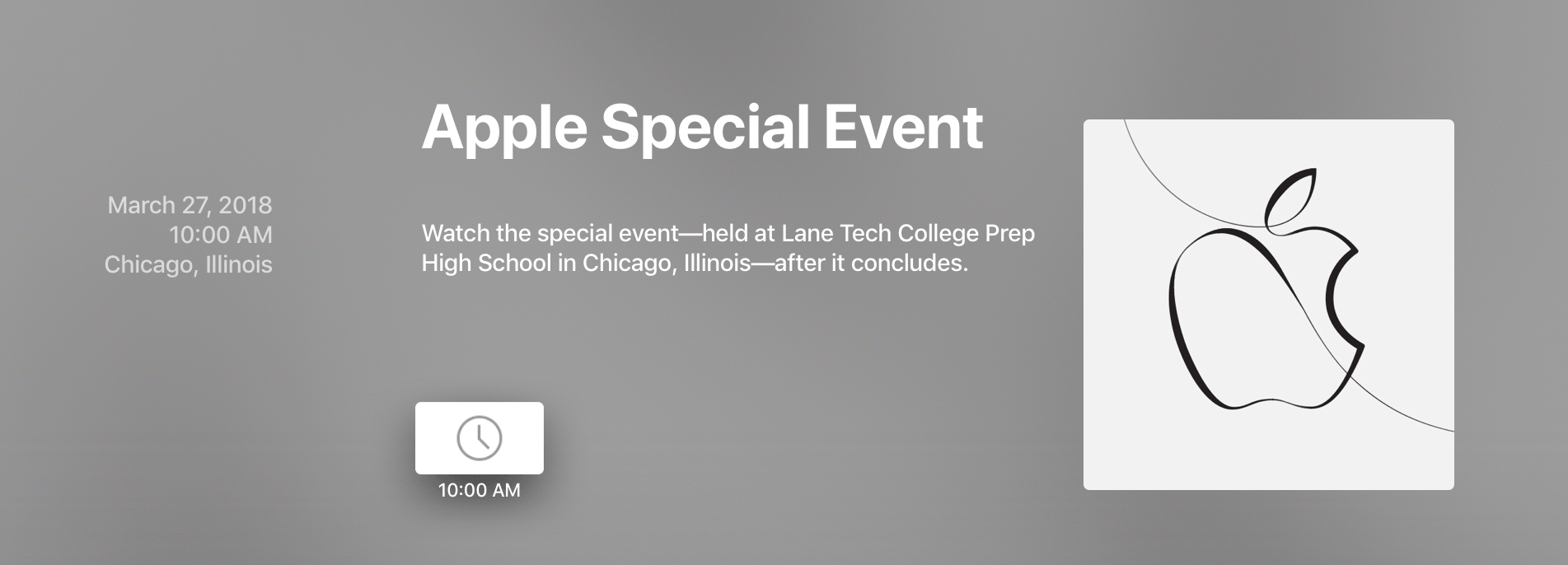
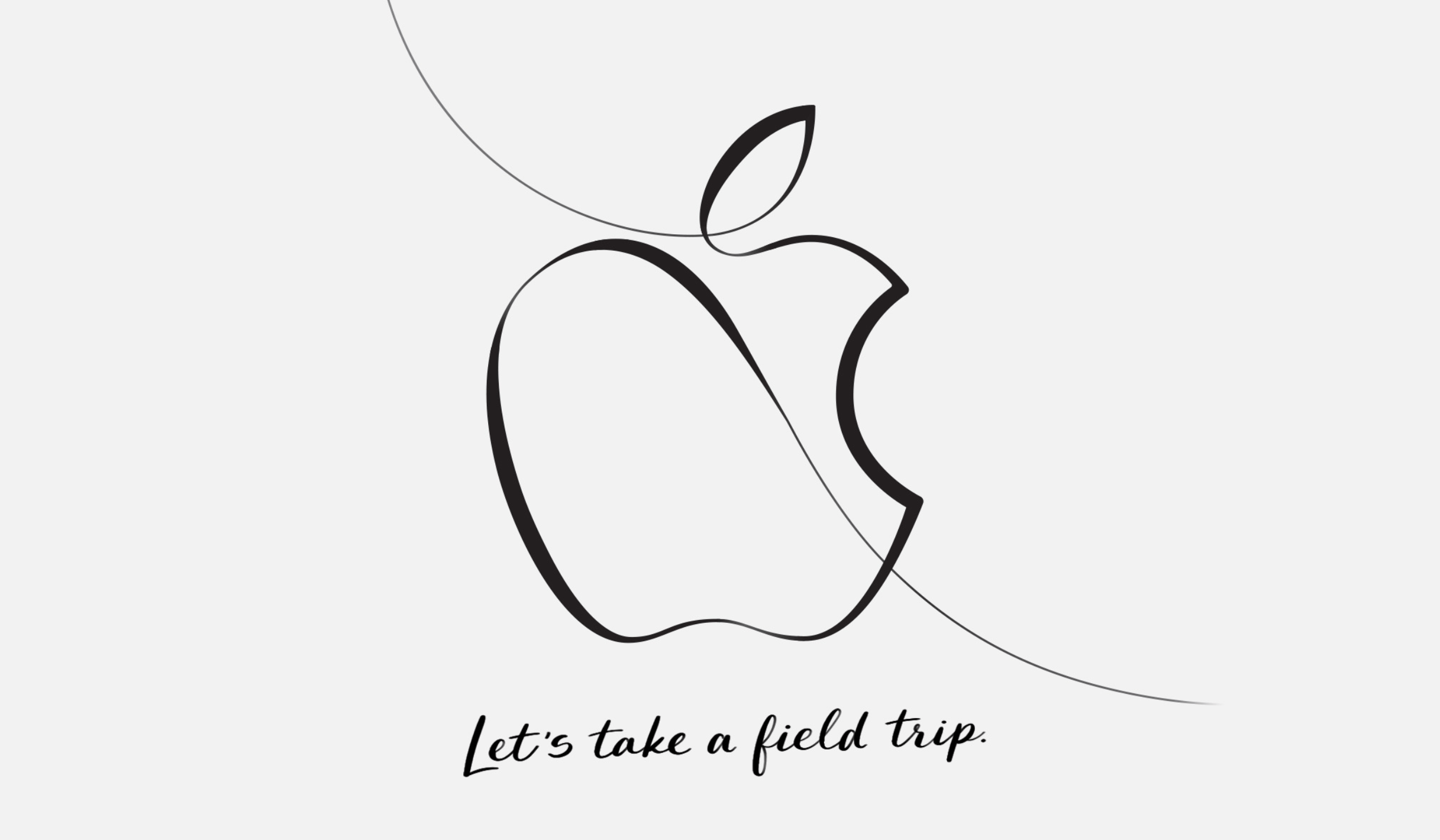
Apple has updated the Apple TV Special Events app with the artwork used in the invitation for its March 27th education event in Chicago. The update to the app encourages users to:

Watch the special event — held at Lane Tech College Prep High School in Chicago, Illinois — after it concludes.

While it’s a shame that the event will not be available for viewing in real-time, it’s not unprecedented. The last event held outside of Cupertino by Apple was another education event that was held at the Guggenheim Museum in New York City in 2012, which likewise was not available for steaming or downloading until after the event had concluded.

In separate news, MSNBC announced that Kara Swisher of recode and MSNBC’s Chris Hayes will interview Apple CEO Tim Cook on April 6, 2018 at 8:00 PM Eastern.

Without more information it is unclear what the interview will cover, but given the proximity in time to the education event, it’s likely that education will be a topic of discussion.


You can follow all of our Chicago education event coverage through our March 27th event hub, or subscribe to the dedicated March 27th event RSS feed.


Apple’s Chicago Event Will Mark a Milestone in the Evolution of Its Education Strategy

Next Tuesday, Apple will take the stage at Lane Tech College Prep High School in Chicago to announce ‘creative new ideas for teachers and students.’ As any Apple event approaches, it’s natural to speculate about what products might be announced. After all, that’s what usually happens at an Apple event.

However, there’s a forest getting lost for the trees in all the talk about new hardware and apps. Sure, those will be part of the reveal, but Apple has already signaled that this event is different by telling the world it’s about education and holding it in Chicago. It’s part of a broader narrative that’s seen a shift in Apple’s education strategy that can be traced back to WWDC 2016. Consequently, to understand where Apple may be headed in the education market, it’s necessary to look to the past.

Read more


Apple Proposes Accessibility Emoji

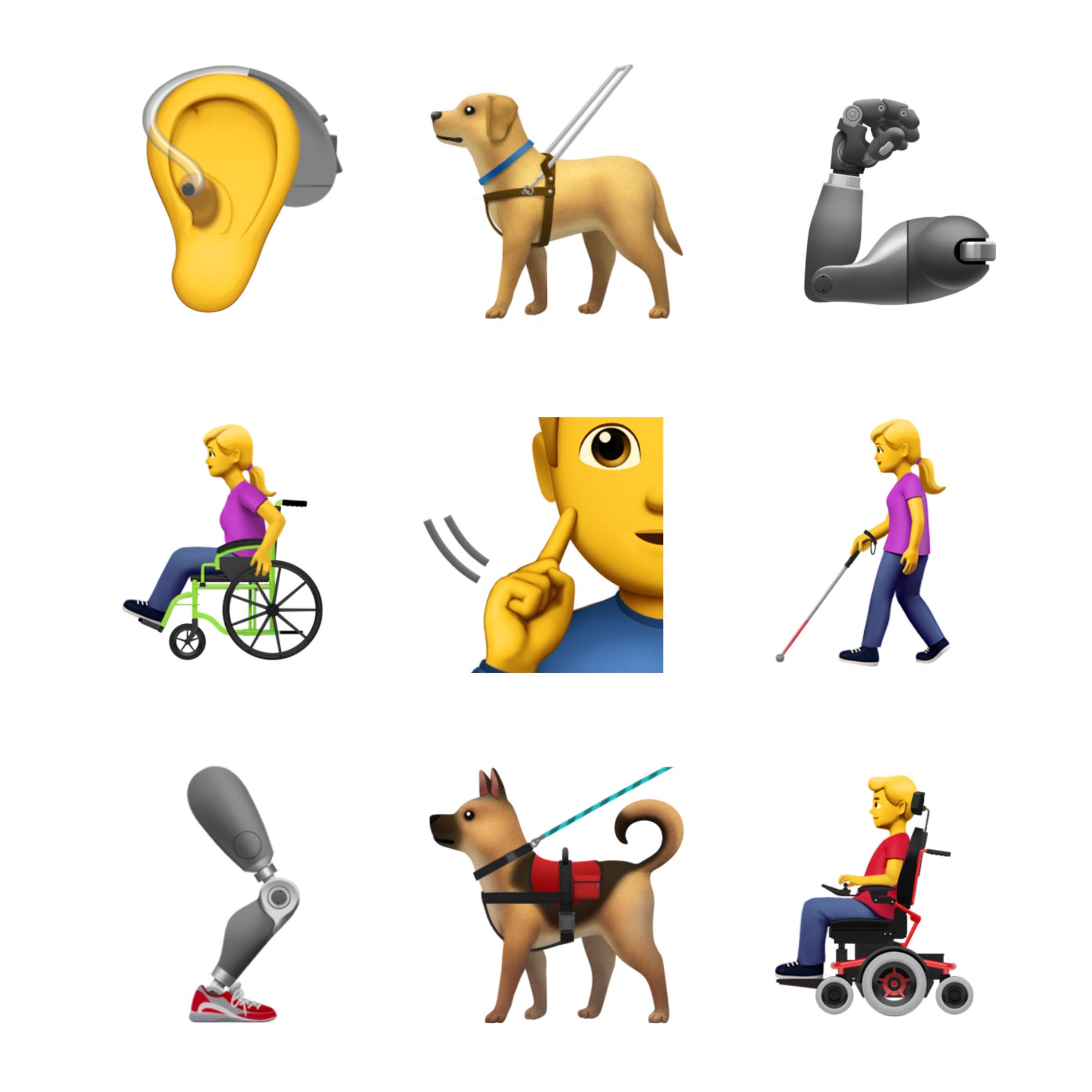
Apple has proposed a set of accessibility emoji to the Unicode Consortium. According to Emojipedia:

In the opening line of the proposal, Apple writes:

“Apple is requesting the addition of emoji to better represent individuals with disabilities. Currently, emoji provide a wide range of options, but may not represent the experiences of those with disabilities”

Noting that this is “not meant to be a comprehensive list of all possible depictions of disabilities”, Apple goes on to explain that this is intended as “an initial starting point”.

Apple has worked with the American Council of the Blind, the Cerebral Palsy Foundation, and the National Association of the Deaf to develop the emoji.

Among the emoji included in the set are Guide Dog With Harness, Person With White Cane, Ear With Hearing Aid, Deaf Sign, Person in Mechanized Wheelchair, Person in Manual Wheelchair, Mechanical or Prosthetic Arm and Leg, and Service Dog With Vest and Leash.

The proposed emoji, if adopted, wouldn’t appear until Unicode 12.0 is released sometime in the first half of 2019.

Permalink


Apple Store iOS App Updated with New Sessions Tab and Personalization Features

Apple has updated the iOS Apple Store app to version 5.0 with a new Sessions tab and improved personalization.

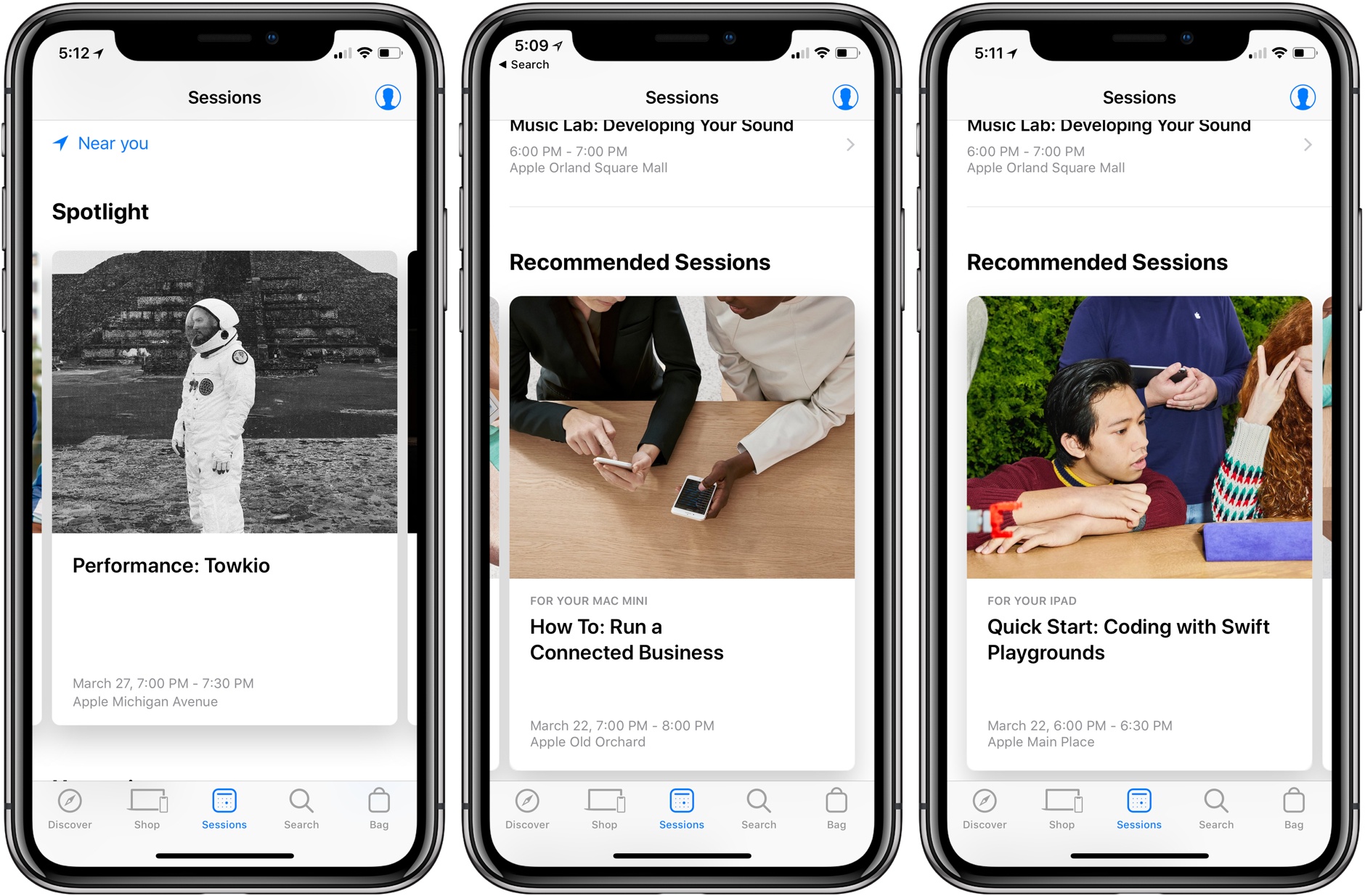
In the center of the tab bar, the new Sessions tab highlights upcoming Today at Apple programs. The tab is broken into Spotlight, Upcoming, Recommended Sessions, and Signature Programs sections. At the very bottom of the page, you can also browse sessions by category.

Recommended sessions are based on the Apple products you owned and perhaps also previous sessions you’ve attended. For example, in my case, the app recommended a Swift Playgrounds session either because my son attended a similar class in December or because I own an iPad Pro and ‘How To: Run a Connected Business’ because I have a Mac mini. The sessions listed were located all over the Chicago area, which I like, except that it made it harder to find sessions at the Apple Store closest to my home.

The app also uses its history of your Apple devices to let you know if accessories you purchase are compatible with the hardware you already own. I like this feature a lot because it spares me the trouble of investigating compatibility myself, and presumably will spare Apple from some returns by customers.

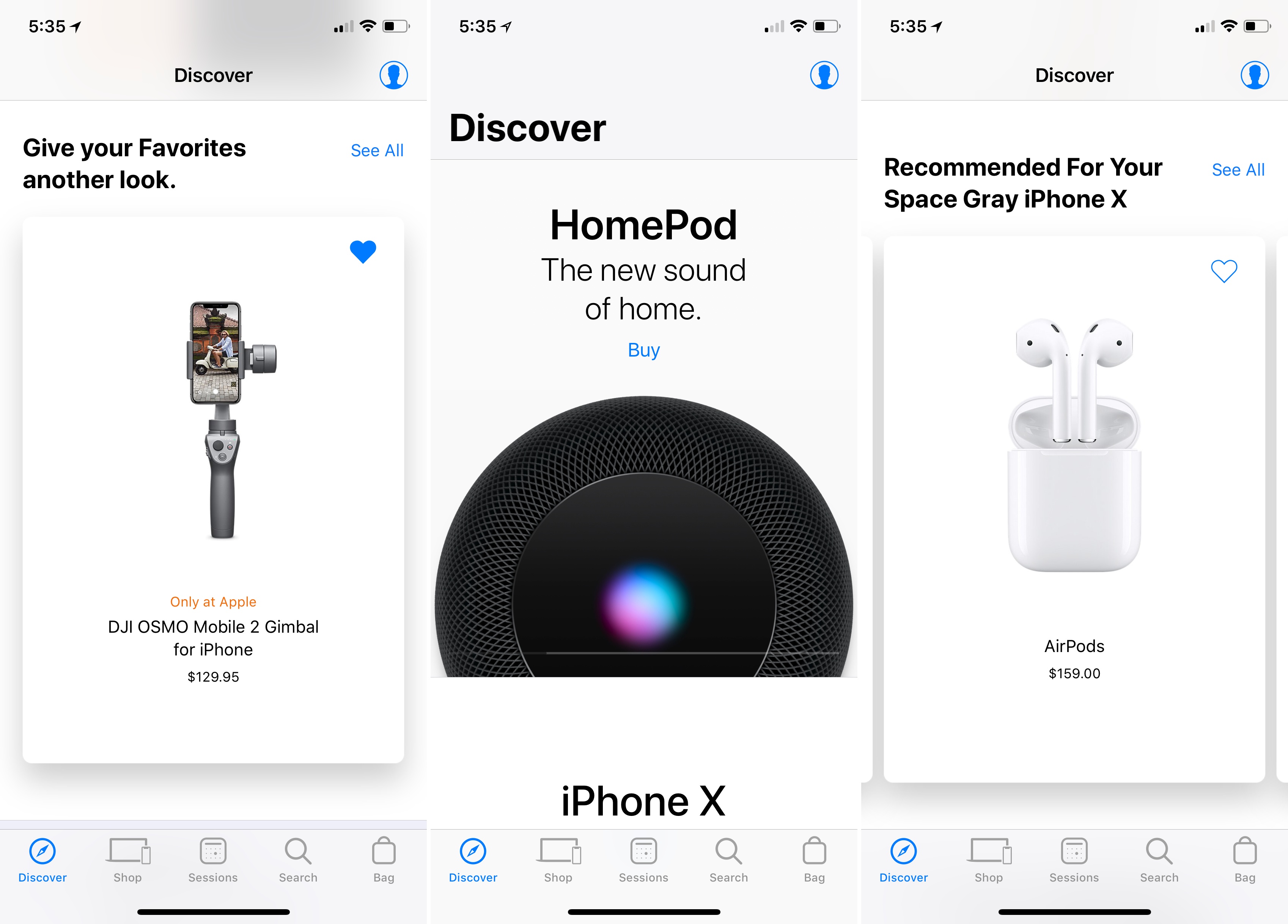
In the Discover tab of the app, your product history is used to provide personalized product recommendations.1 The tab also includes reminders of items you’ve marked as favorites, suggesting you take another look at them, and adds new ways to manage your orders.

In my limited time with the update, I’ve been impressed with the recommendations and greater personalization. Apple Stores are almost always packed with people near my home, so an improved Apple Store app experience is always welcome.

The Apple Store app is available as a free download on the App Store.


  1. Somehow Apple seems to know I put my AirPods through the laundry and need a new pair. 

Apple Publishes Video Promoting the Use of Face ID with Apple Pay

Following on the heels of last week’s video highlighting the power of Face ID as a way to unlock the iPhone X, today Apple released an ad promoting the technology’s use with its Apple Pay service. The new video follows in last week’s tongue-in-cheek footsteps.

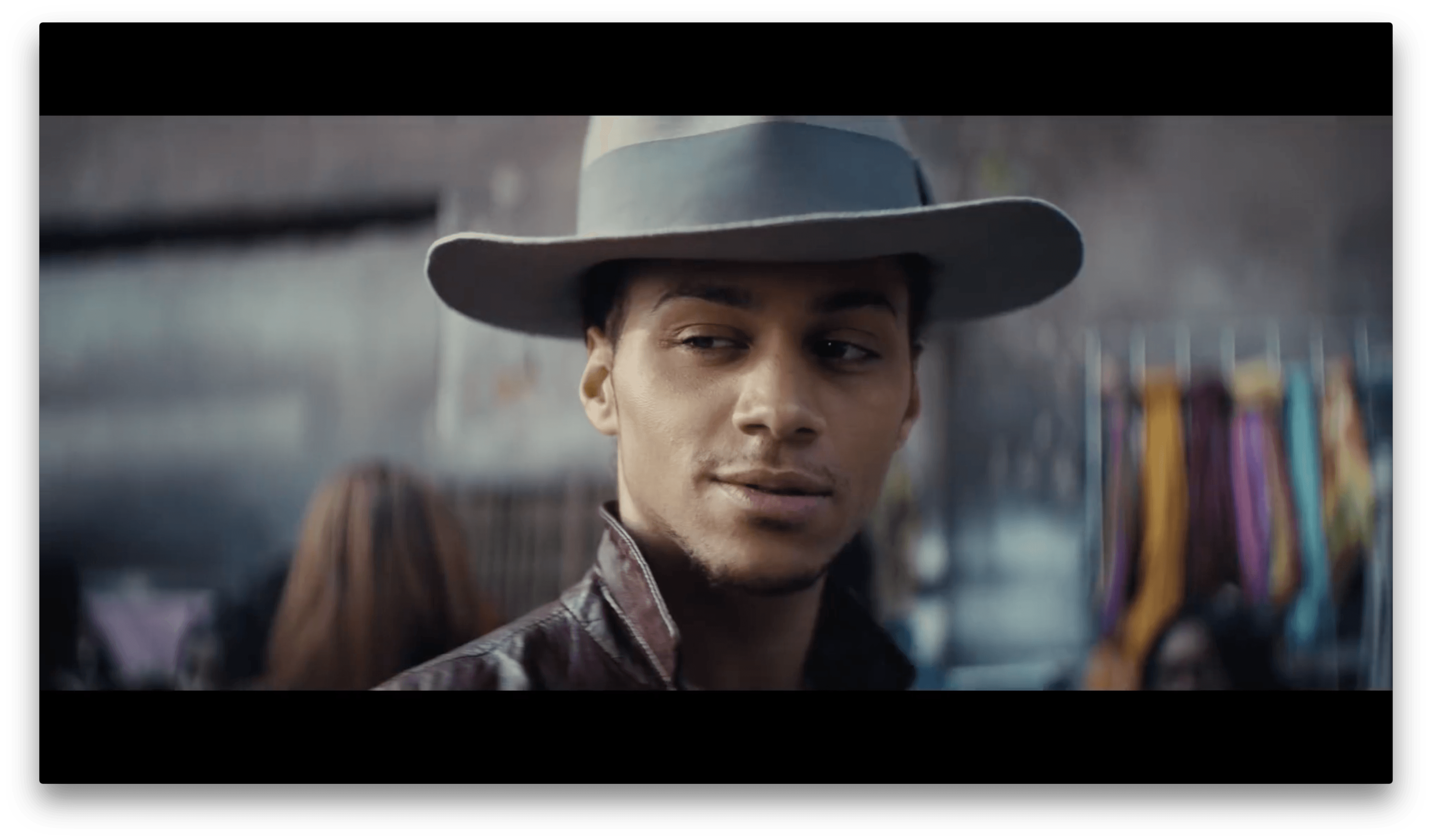
Set to Back Pocket by Vulfpeck, the ad follows a young man as he walks through a crowded market. He sees a hat he likes, uses Face ID with Apple Pay to buy it, and the hat flies off the rack and onto his head. Next, he does the same thing with a pair of sunglasses he likes. From there, he uses Face ID and Apple Pay to try on a dizzying array of shirts, suits, and shoes. He even buys a chair as a gift that rockets away leaving a trail of flame. Like the video last week, the ad is fun and does a nice job of conveying how Apple Pay works and how easy it is to use, while also being entertaining.


Behind the Magic of Apple’s HomePod Ad, ‘Welcome Home’

Today Adweek shared a mini-documentary that offers a behind the scenes look into Apple’s biggest marketing success of 2018 so far: the Spike Jonze-directed HomePod video, ‘Welcome Home.’ The nearly seven-minute video can be viewed here.

Adweek creative editor Tim Nudd shares an overview of what the making-of video documents:

In particular, we get immersed in the choreography (Jonze, choreographer Ryan Heffington and movement coach Theo Lowe all work with FKA twigs on her irresistible interplay with the apartment, and herself) and the production design (the set expanded on hydraulics to allow Jonze to shoot practically). But we also see how other elements came together, like the lighting, music and VFX (it turns out there was very little CGI).

There are other little gems in here, too, like FKA twigs auditioning for Jonze via FaceTime, and Jonze himself dancing with an office chair. (He never stops moving throughout, and you get a real sense for how physically plugged in he is to the ideas here.) We also catch a glimpse of Dunkirk cinematographer Hoyte van Hoytema working with Jonze on the film—he also shot the “It’s a Tide Ad” spots for the Super Bowl (working with directors Traktor).

If you enjoyed ‘Welcome Home,’ the documentary is well worth checking out. Besides being fascinated to see how much work went into the four-minute ad, I especially enjoyed getting an inside look into the creation of the video’s expanding apartment, which, amazingly, was done with practical effects.

Permalink

Erasing Complexity: The Comfort of Apple’s Ecosystem

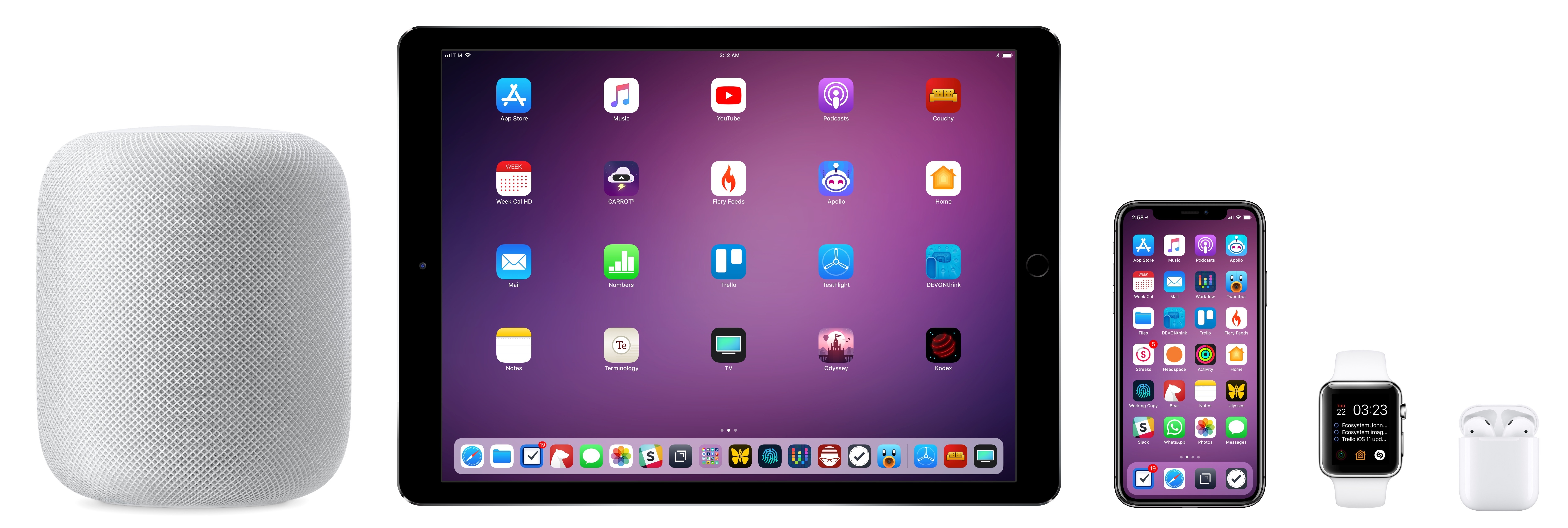
Every year soon after WWDC, I install the beta of the upcoming version of iOS on my devices and embark on an experiment: I try to use Apple’s stock apps and services as much as possible for three months, then evaluate which ones have to be replaced with third-party alternatives after September. My reasoning for going through these repetitive stages on an annual basis is simple: to me, it’s the only way to build the first-hand knowledge necessary for my iOS reviews.

I also spent the past couple of years testing and switching back and forth between non-Apple hardware and services. I think every Apple-focused writer should try to expose themselves to different tech products to avoid the perilous traps of preconceptions. Plus, besides the research-driven nature of my experiments, I often preferred third-party offerings to Apple’s as I felt like they provided me with something Apple was not delivering.

Since the end of last year, however, I’ve been witnessing a gradual shift that made me realize my relationship with Apple’s hardware and software has changed. I’ve progressively gotten deeper in the Apple ecosystem and I don’t feel like I’m being underserved by some aspects of it anymore.

Probably for the first time since I started MacStories nine years ago, I feel comfortable using Apple’s services and hardware extensively not because I’ve given up on searching for third-party products, but because I’ve tried them all. And ultimately, none of them made me happier with my tech habits. It took me years of experiments (and a lot of money spent on gadgets and subscriptions) to notice how, for a variety of reasons, I found a healthy tech balance by consciously deciding to embrace the Apple ecosystem.

Read more