
 MacStories Weekly: Issue 143
Screen Time for Kids Puts Powerful iOS Monitoring Tools and Use Restrictions in Parents’ Hands
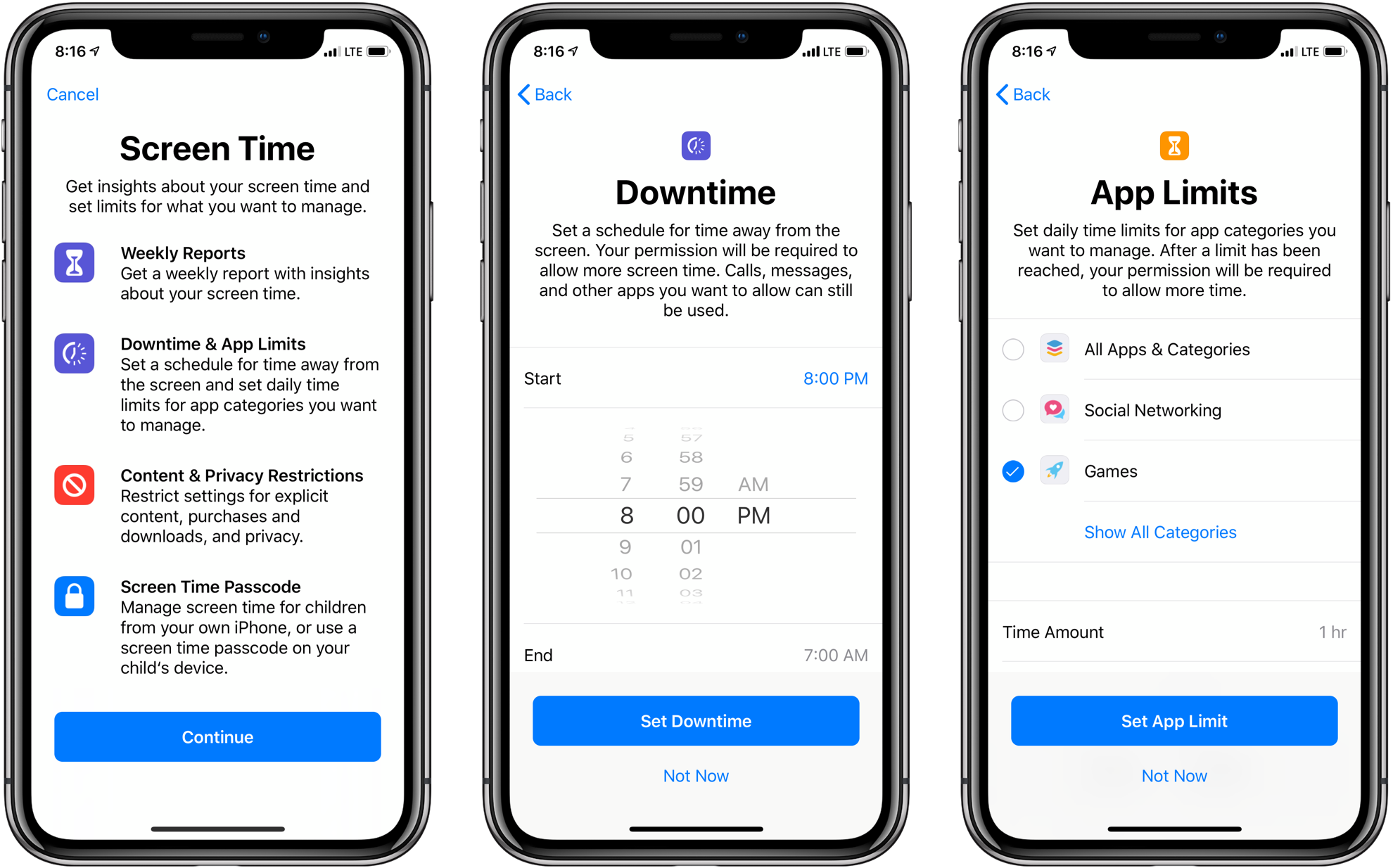
For the past couple of years, the tech industry has grappled with the consequences of people carrying a tiny computer with them all day long. When it comes to Apple, iOS devices have long had a Do Not Disturb setting and notifications can be adjusted, but over time, it became apparent that the existing tools were not enough.
Screen Time is Apple’s solution to the information gap about how we use our iOS devices. The new feature, which is found in the Settings app in iOS 12, provides a wide array of metrics that give an unforgiving and eye-opening look into exactly how you use your devices each day.
Screen Time is also the means for acting on that information. Users can impose restrictions on when and how they use their devices.
The same tools are available to parents through Apple’s Family Sharing feature. Although Screen Time for kids is complex in some respects and lacking in others, it’s an excellent first step. The feature may require a time investment to master, but it succeeds on two levels. First, by working the same way it does for individuals, which Federico will cover in his iOS 12 review, managing the feature for a child will be familiar to anyone who uses Screen Time themselves. Second, although I’d like to see Apple implement some age-appropriate default settings in places, on balance, I’m satisfied that the complexity of Screen Time is a fair trade-off for the customization that it enables.
September 12 Event Roundup: All the Little Things
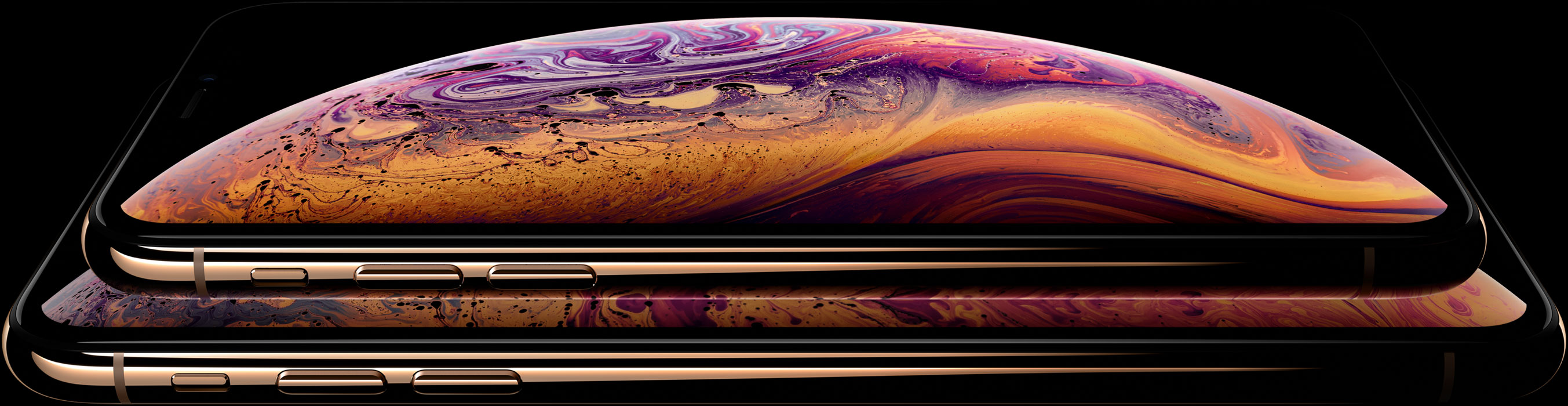
Yesterday’s keynote event at the Steve Jobs Theater featured the debut of new iPhones and the Apple Watch Series 4, but there were a lot of small details revealed outside the keynote. Below is a roundup of some of the most interesting extra details from the day.
iPhone XR, XS, and XS Max
It wasn’t mentioned during the keynote, but the iPhone XS, XS Max, and XR can read NFC tags in the background without the aid of an app.
Dual SIM functionality, which includes one physical SIM and one eSIM, won’t be activated until later this year with an update to iOS 12.
The new iPhones still ship with an increasingly inadequate 5W charger.
Apple posted a new Tech Talk dedicated to building apps for the new iPhones.
Split View on the iPhone XS Max means new layout considerations for developers.
Each of the default wallpapers on the iPhone XR is customized to match its color and has a unique texture.
https://twitter.com/BradEllis/status/1040106430492073984
Apple shows off the video capabilities of the new iPhone XS models on YouTube with Shot on iPhone XS - Experiments in 4K, Slo-mo, and Time-lapse.
Apple dropped the price of battery replacements after CPU throttling made many customers unhappy. Beginning on January 1, 2019, those prices will increase from $29 to $49.
All new apps and updates must be built with the iOS 12 SDK and support the iPhone XS Max starting in March 2019. Apple imposed the same deadline for building apps with the watchOS 5 SDK and supporting the Series 4 Watch.
Apple Watch Series 4
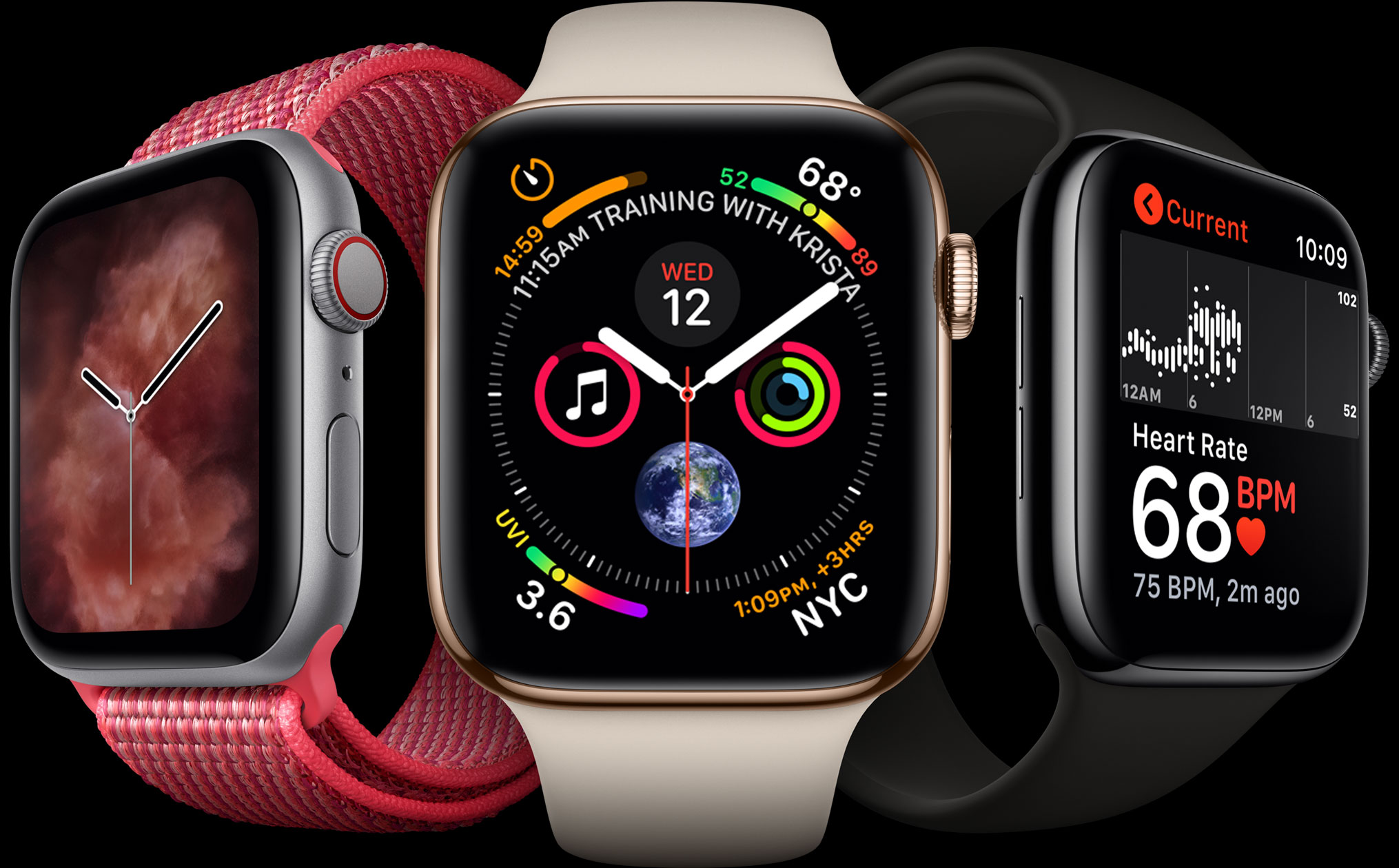
Apple posted two new Tech Talks about designing and developing apps for the Apple Watch Series 4.
Some of the new watch faces announced by Apple will be available for the Series 3 and earlier models of Apple Watches.
The Nike+ version of the Apple Watch Series 4 is not launching until October 5, 2018, two weeks after the standard Series 4 model.
Among the films Apple created to show off the new Apple Watch Series 4 is one called Real Stories that details how the Apple Watch has saved lives.
Third-party developers can create large Watch complications with Apple’s ClockKit API.
https://twitter.com/stroughtonsmith/status/1040146828610686976
You can also follow all of our Apple event coverage through our September 12, 2018 hub, or subscribe to the dedicated September 12, 2018 RSS feed.
Google Is Discontinuing Its Inbox Email App in March 2019→
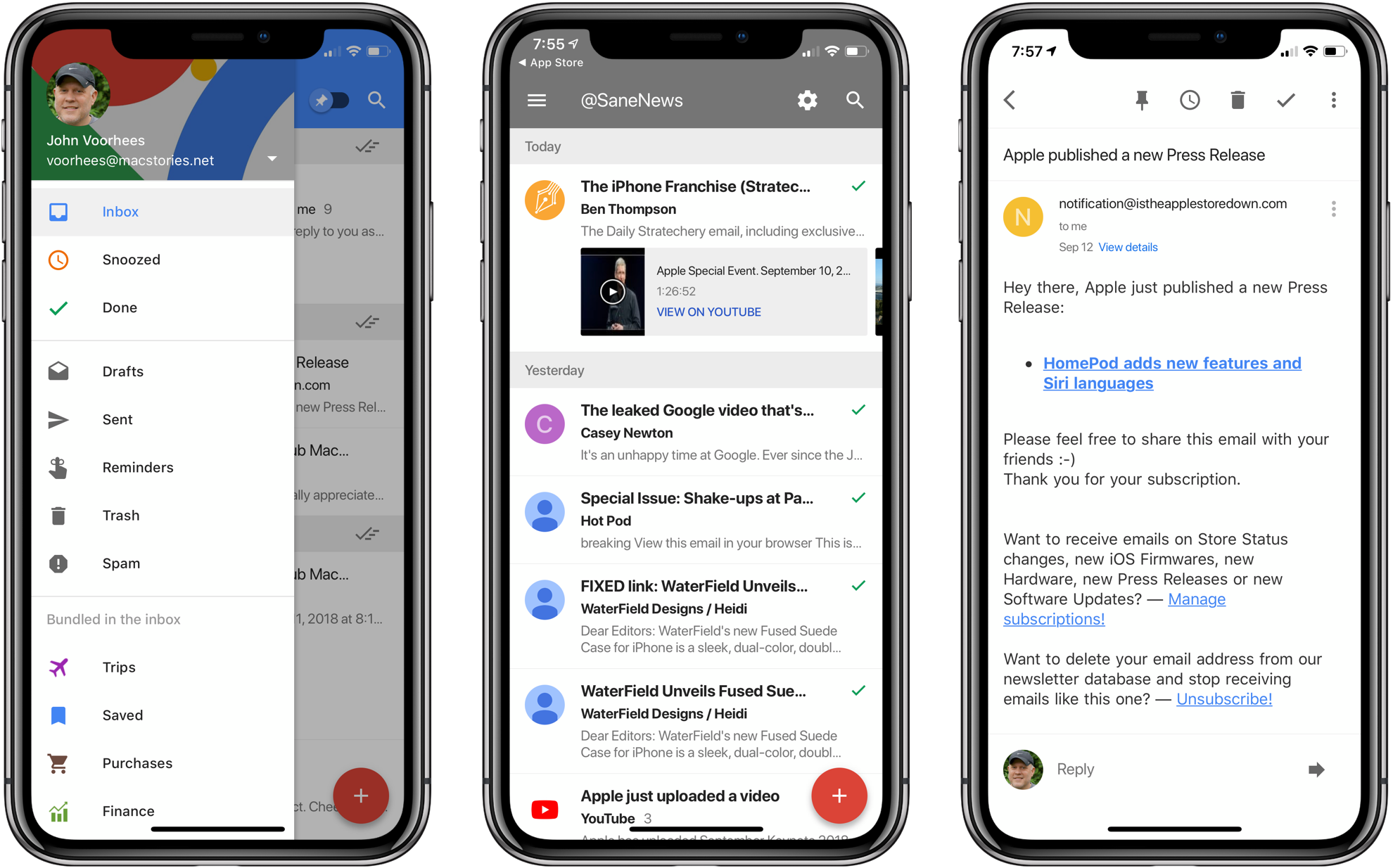
Google launched Inbox in 2014 as a place to experiment with new email features, some of which made their way into the company’s Gmail app eventually. Although it served as a sandbox for trying new features like email snoozing, Smart Replies, and Nudges, Inbox was not updated nearly as frequently as Gmail. So, it wasn’t surprising to hear from Google yesterday that it plans to end support for Inbox at the end of March 2019.
If you are an Inbox user and want to move your email accounts to Gmail, Google has created a transition guide.
iPhone XR, XS, and XS Max: The MacStories Overview
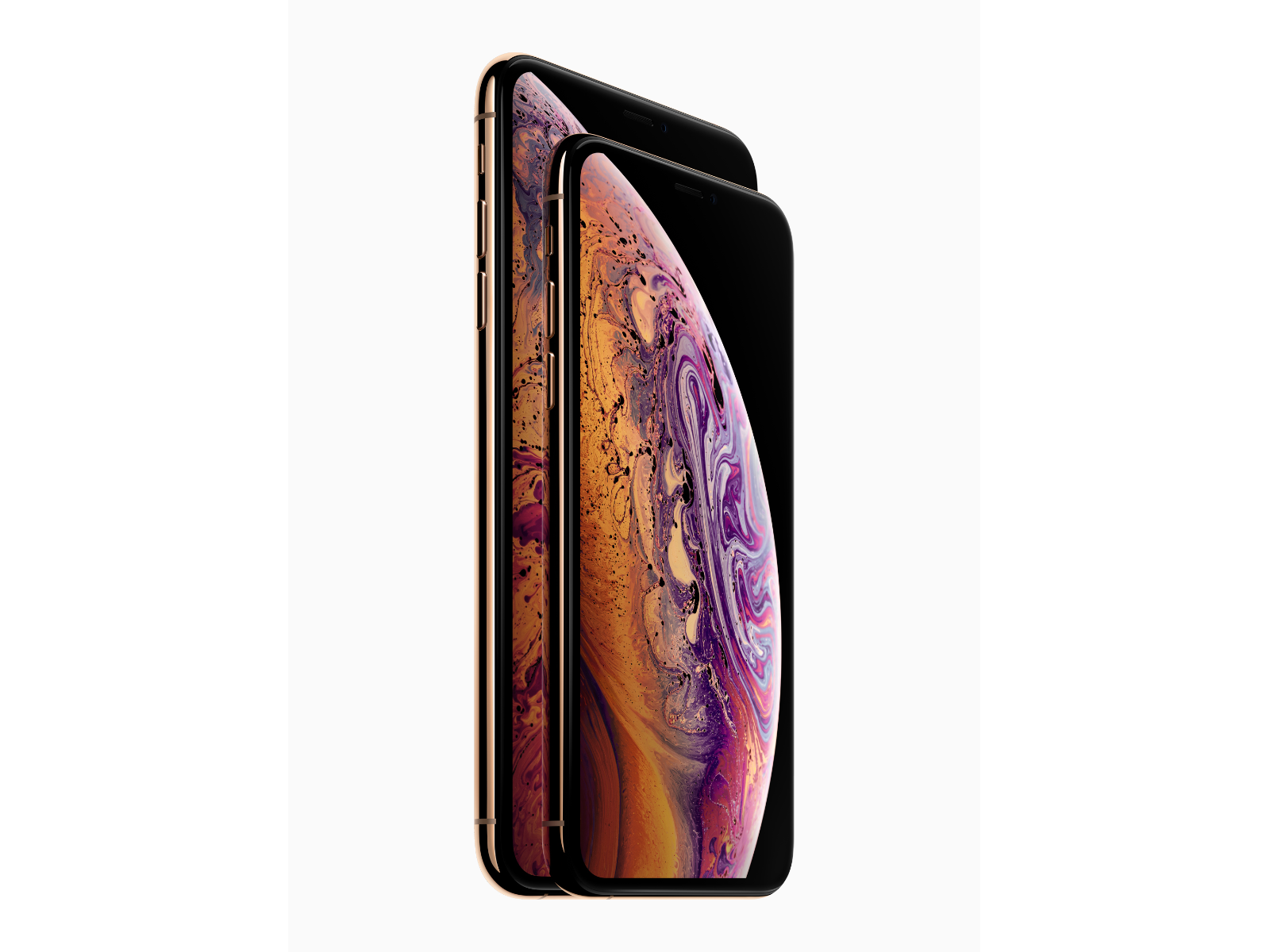
Earlier today, Tim Cook took the stage at Apple Park’s Steve Jobs Theater to announce Apple’s fall product lineup. As with past fall keynotes, Apple’s announcements included all-new iPhones. Some of the details of the new iPhone XR, XS, and XS Max leaked earlier this morning, but as usual, there were still surprises.
Design
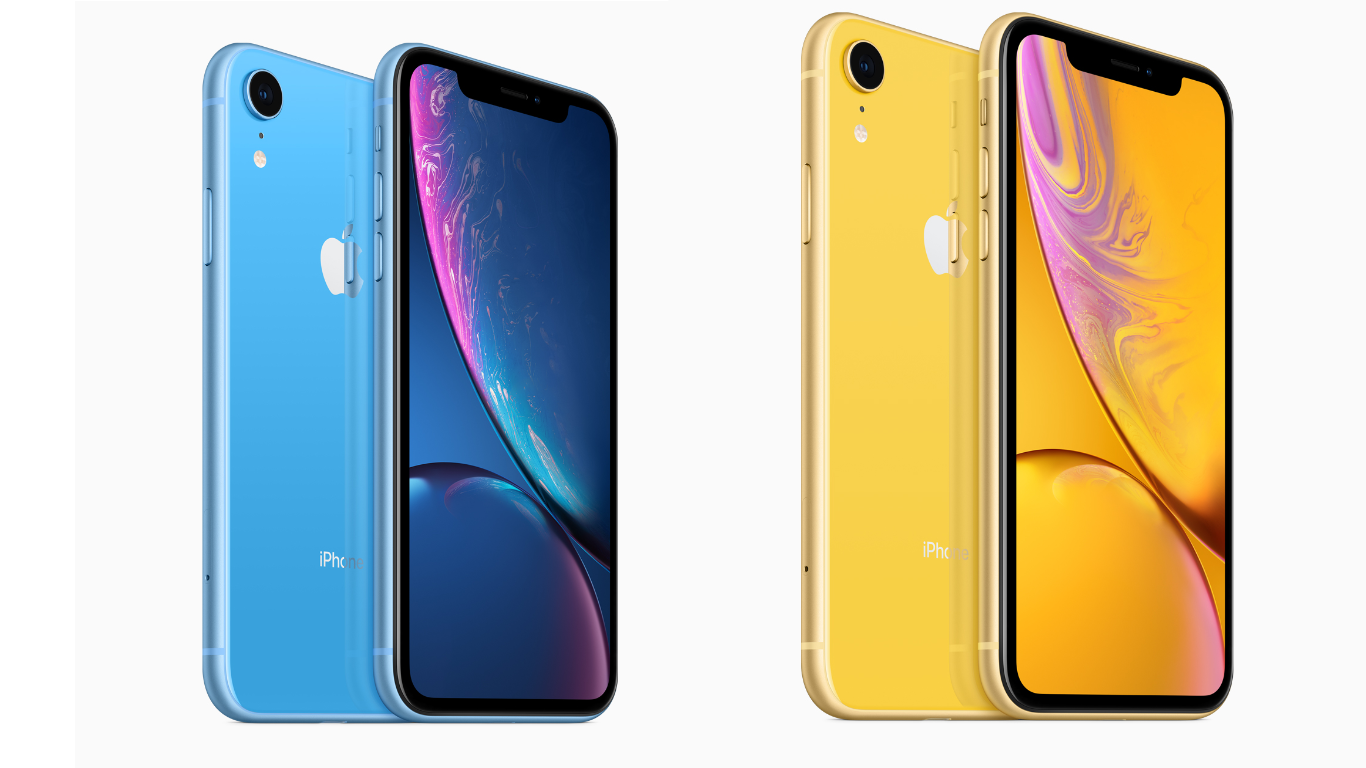
The iPhone XR marks the completion of Apple’s transition to the new form factor introduced last fall with the iPhone X. The iPhone XR will take some people by surprise. At 6.1 inches diagonally, the new XR has a bigger screen than the XS, but it’s also more affordable than the smaller 5.8-inch device. In contrast, the iPhone XS and XS Max are an evolution of the design of the iPhone X.
The iPhone XR is also differentiated visually from the XS and XS Max by its new color options. The new phone is available in six colors: black, white, red, yellow, coral, and blue. That’s one more color than the iPhone 5c, Apple’s last foray into a large selection of colors. When you account for the four carriers and three storage sizes, that means a whopping 72 variations in the US.
Like the XS, the back of the iPhone XR is glass, but instead of a stainless steel band around the edge of the device, Apple has used aluminum that’s colored to match the back of the device. The XR’s aluminum frame looks good but lacks the shine of the steel used on the XS and XS Max, which sets it apart visually from the more expensive models.
The other design difference between the XR and its new siblings is the camera. As discussed further below, the XR is a single-lens, 12 MP, wide-angle camera, and, like the iPhone 8 it succeeds, it has a flash that’s outside the camera assembly. Instead of being next to the camera’s lens as it was on the iPhone 8 and 8 Plus though, the flash on the XR is just below it.
In contrast, the design of the new iPhone XS is nearly identical to last year’s iPhone X, as is the iPhone XS Max, except for the fact that it is larger. The other visual differentiator between the new models and the iPhone X is the addition of a new color option. The XS and XS Max come in three colors: Space Gray, Silver, and a new Gold model.
Apple has also designed the iPhone XS and XS Max with the greatest water resistance yet. Both devices have an IP68 rating which means they can withstand submersion in water up to 2 meters deep for 30 minutes. The iPhone XR, in contrast, is rated IP67, which means it can withstand up to 1 meter of water for 30 minutes.
Apple Watch Series 4: The MacStories Overview
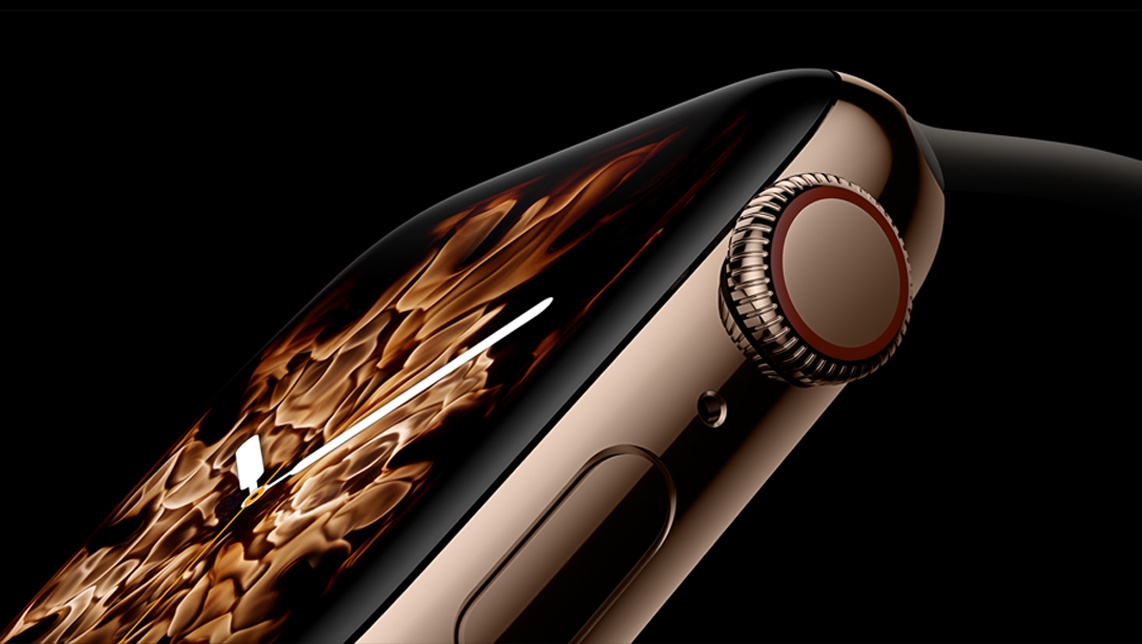
This morning at Apple’s annual September event at the Steve Jobs Theater in Apple Park, Jeff Williams took the stage to announce the Apple Watch Series 4. The new Watch lineup boasts larger and thinner chassis, more than 30% larger displays with rounded corners, a breakthrough ECG sensor, and more.
This is the first major change to the shape of the Watch’s enclosure since the debut of the original Apple Watch, but thankfully Apple has maintained compatibility with existing watch bands. The new models will be sold in 40mm and 44mm varieties, each size 2mm larger than the 38mm and 42mm of previous generations. Stainless steel and aluminum varieties are offered as usual, but it looks like we’ve seen the end of the “Edition” Apple Watch line.
On the software side, the larger Apple Watch models are launching with a swath of new watch faces. Many of these faces take advantage of the new increased screen size by allowing a greater number of complications than we’ve seen on any face before. According to Apple the entire operating system has been revamped to take advantage of the new screen with its curved edges. These changes will ship in watchOS 5 on the new Series 4 Watch. There’s no word yet on whether all or any of the new faces will make appearances on older models of Apple Watch – they have not been included in any watchOS 5 beta builds thus far.
iPhone XS and XS Max Cases Join a New Lineup of Apple Watch Bands
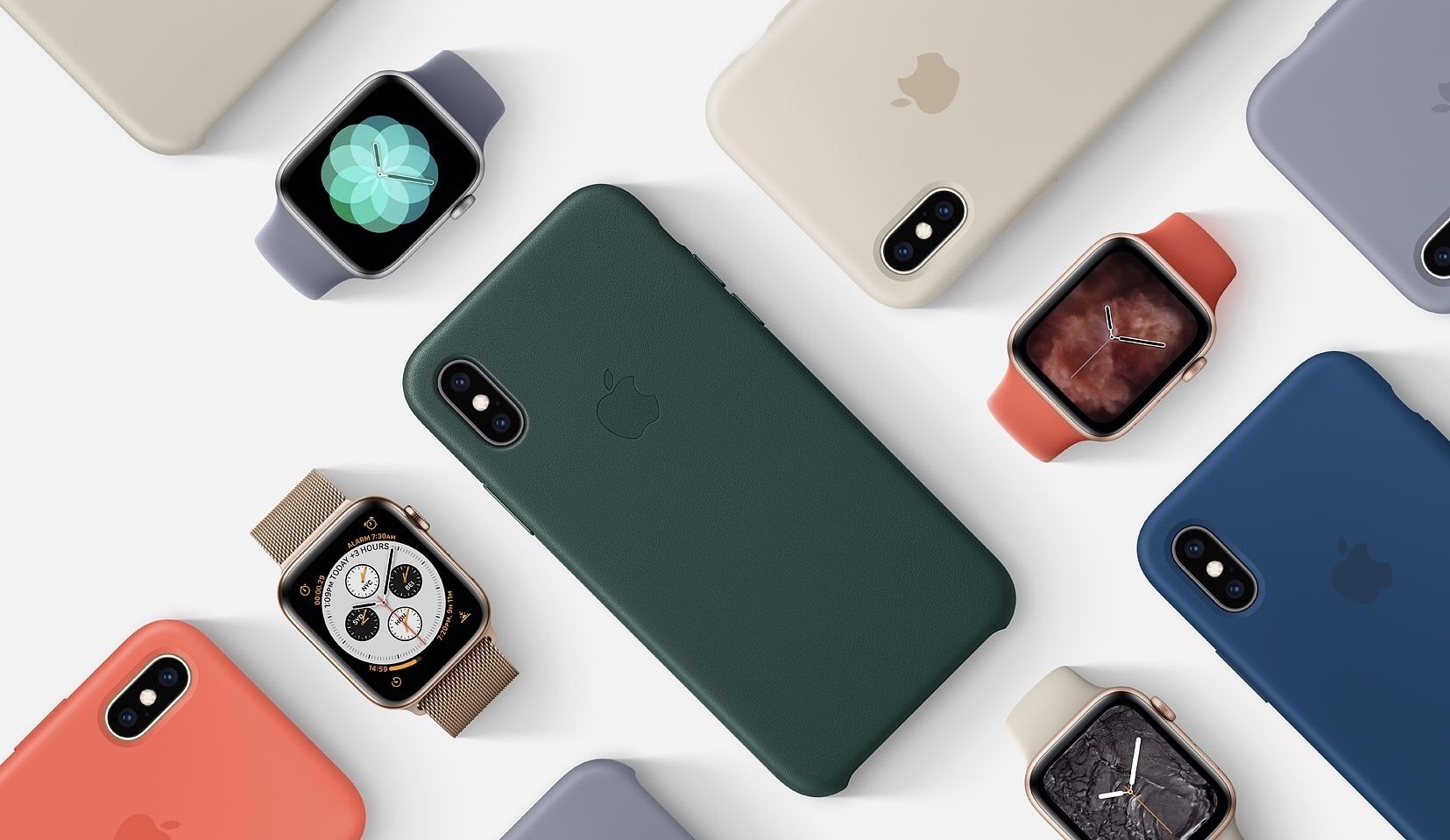
The new iPhone XS line and Apple Watch Series 4 are not available for pre-order until this Friday, and unlike in past years, when new device accessories became available immediately after Apple’s keynote event, this time the new cases and watch bands will also not go on sale until later this week. But eager purchasers can get a head start on scoping out exactly which accessories they’ll order by browsing Apple’s website. iPhone XS and XS Max cases and new Apple Watch bands are available to view, but you can’t order them until Friday.
One important note is that all Apple Watch bands are now designated 40mm or 44mm, to match the new Series 4 Watch, but they are all fully compatible with prior Apple Watch models which were sized 38mm and 42mm.
Here’s the full list of accessories you’ll be able to order starting this Friday.
Apple’s September 12 Keynote By The Numbers
As usual, Apple sprinkled facts, figures, and statistics throughout the keynote today. Here are highlights of some of those metrics from the event, which was held at the Steve Jobs Theater in Cupertino, California.
Apple Watch
- The display is roughly 30% larger than the Series 3.
- Up to 8 complications fit on one of Apple’s new Watch faces.
- The speaker is 50% louder.
- Series 4 40mm case dimensions: Height 40mm; Width 34mm; Depth 10.7mm.
- Series 4 44mm case dimensions: Height 44mm; Width 38mm; Depth 10.7mm.
iPhone
- Apple is about to ship its 2 billionth iOS device.
- The iPhone XS’s 5.8-inch display is bigger than the screen on the 8 Plus and features 2.7 million pixels and 458 ppi.
- The screens on the iPhone XS and XS Max have 60% greater dynamic range than the iPhone X.
- The display on the iPhone XS Max has 3.3 million pixels and the same pixel density as the iPhone XS.
- The iPhone XR display has over 1.4 million pixels and a 326 ppi pixel density.
- The A12 Bionic processor that powers the new iPhones is a 7nm chip with 6.9 billion transistors, a 6-core CPU (2 high power cores and 4 high-efficiency), a 4-core GPU that’s up to 50% faster than before, and an 8-core neural engine that can process 5 trillion machine learning operations per second.
- The neural engine works up to 9 times faster on Core ML operations and uses less than 1/10 the energy.
- Apps launch up to 30% faster with the A12 Bionic chip.
- Size and Weight:
- iPhone XR
- Height: 5.94 inches (150.9 mm); Width: 2.98 inches (75.7 mm); Depth: 0.33 inch (8.3 mm).
- Weight: 6.84 ounces (194 grams).
- iPhone XS
- Height: 5.65 inches (143.6 mm); Width: 2.79 inches (70.9 mm); Depth: 0.30 inch (7.7 mm).
- Weight: 6.24 ounces (177 grams).
- iPhone XS Max
- Height: 6.20 inches (157.5 mm); Width: 3.05 inches (77.4 mm); Depth: 0.30 inch (7.7 mm).
- Weight: 7.34 ounces (208 grams).
- iPhone XR
- Water Resistance
- iPhone XS and XS Max
- Rated IP68 (maximum depth of 2 meters up to 30 minutes) under IEC standard 60529
- iPhone XR
- Rated IP67 (maximum depth of 1 meter up to 30 minutes) under IEC standard 60529
- iPhone XS and XS Max
iPhone Camera
- The wide angle rear-facing cameras on the iPhone XR, XS, and XS Max are 12MP.
- The rear-facing camera on the iPhone XS and XS Max have a f/1.8 wide-angle lens and f/2.4 telephoto lens. The iPhone XR has a single, wide-angle f/1.8 lens.
- The front-facing camera is has a 7MP, f/2.2 telephoto lens that is 2 times as fast as the iPhone X’s.
- The iPhone XS and XS Max image signal processor can run 1 trillion operations on every photo you take.
iPhone Battery Life
- The iPhone XS gets 30 minutes more battery life than the X and the XS Max, 1.5 hours more.
- The iPhone XR gets 1.5 hours more battery life than the iPhone 8 Plus.
You can also follow all of our Apple event coverage through our September 12, 2018 hub, or subscribe to the dedicated September 12, 2018 RSS feed.
HomePod 12.0 Coming Next Week with Support for Multiple Timers, Phone Calls, and More
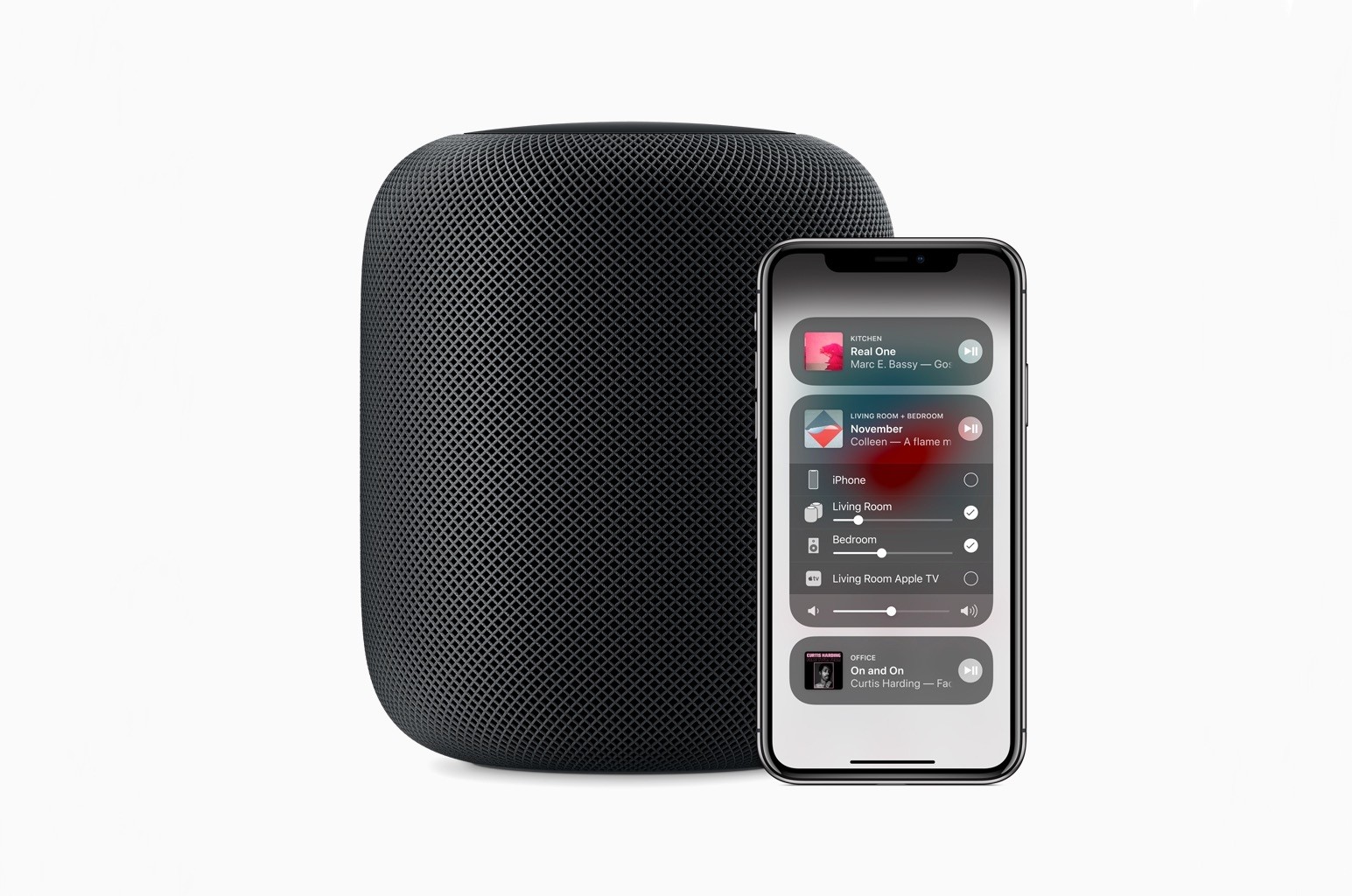
In closing its event at the Steve Jobs Theater today, Apple announced that next Monday it will launch the latest software update to HomePod, version 12.0. The headline feature is multiple timers, a missing function often derided at HomePod’s launch, and it’s joined by the ability to make and receive phone calls, perform Siri song requests with lyrics alone, and rounding things out, support for Find My iPhone and new languages.