This Week's Sponsor:

Mindspace

A Private All-in-One Journal App Made for iPad, Offering 50% Off Your First Year.


Ulysses: The Ultimate Writing App for Mac, iPad and iPhone [Sponsor]

Ulysses is an exceptional text editor for the Mac, iPad, and iPhone with an unrivaled set of advanced features and a beautiful design that is always being refined and improved. The winner of an Apple Design Award, Ulysses features a distinctive balance of power-user features that writers appreciate in a simple, elegant, distraction-free UI that makes the app a pleasure to use.

A terrific example of the power available in Ulysses is its publishing tools. Users can publish to the most popular blogging platforms from right inside Ulysses. The app includes deep integration with WordPress, Ghost, and Medium, allowing you to publish directly to them, complete with images, tags, and excerpts. Ulysses 22 was just released and added support for Micro.blog and the ability to update previously-published WordPress posts too.

Ulysses has built-in grammar and style checking for over 20 languages and a special dashboard in the sidebar that includes statistics, keywords, and footnotes. An outline of the headings in your writing provides a handy bird’s-eye view of your work and a way to navigate your document.

The app’s Library sidebar helps order your writing into groups that can be nested. Along with features like sync, powerful search and filtering options, keyword support, in-line images that can be stored locally or remotely on a server, and new customization options, Ulysses is as flexible as it is powerful.

You can also set character, word, and other types of writing goals that can be attached to a single document or entire group, which, combined with deadlines, is a fantastic way to form good writing habits. Then, when you’re finished writing, Ulysses has abundant export options, including plain text, Markdown, TextBundle, rich text, DOCX, ePub, HTML, and PDF. To learn more about Ulysses, visit ulysses.app.

Ulysses is free to try before deciding whether to subscribe for $4.99/month or $39.99/year. Students can subscribe for six months at a time for $10.99. MacStories readers can take advantage of a special extended three-month free trial for a limited time. It’s a terrific way to discover the app’s full capabilities, so be sure to check out Ulysses’ new features right away.

Our thanks to Ulysses for sponsoring MacStories this week.


MacStories Unwind: Federico Test Drives a High-End iPad Dock, We Recap Reviews of Panic’s Nova and Sofa, and the Sad, Perplexing HomePod News

AppStories+ Deeper into the world of apps
0:00
32:37

AppStories+ Deeper into the world of apps


Sponsored by: Raycast – Goodbye Spotlight, Hello Raycast

This week on MacStories Unwind:

MacStories

Club MacStories

  • MacStories Weekly
    * Federico shares three more Taio automations
    * John on CleanShot X
    * An Interview with Sawyer Blatz, developer of Nudget

AppStories

Unwind


AppStories, Episode 209 – Can Apps Still Surprise Us?

This week on AppStories, we consider why surprising apps seem increasingly rare and share some of the apps that have surprised us the most over the past year.

Sponsored by:

  • Crypto Pro – Cryptocurrency portfolio tracker app. Get month of Premium with code AS2021.
  • DeleteMe – Remove your personal info from data brokers. Get 20% off with code APPSTORIES.
  • RevenueCat – In-app subscriptions made easy. Get started now for free.

Permalink

Nova Review: Panic’s Code Editor Demonstrates Why Mac-like Design Matters

I’ve been writing code for nearly a decade, and throughout all of that time, I’ve never quite been satisfied with a code editor. Each one I’ve tried has annoyed me in various ways, and eventually, I find myself looking elsewhere.

My code editor is the app I use more than any other. I spend hours in it nearly every day and often keep going deep into the night. The code editor is the main tool of my trade, and I want to be using the best one that I can.

One of my main frustrations with pretty much all of the popular code editors out there (and I’ve tried most of them, including Visual Studio Code, Sublime Text, Atom, IntelliJ, and Eclipse) is that none of them are Mac-assed Mac apps. They’re all clearly cross-platform apps with design senses that differ significantly from those of Mac-first developers.

Read more


Apple’s Perplexing Home Strategy

Zac Hall, writing for 9to5Mac, explains why Apple’s move to discontinue the original HomePod last Friday raises a number of questions about its home strategy and is cause for concern that extends beyond the HomePod itself:

Apple discontinuing HomePod isn’t impossible to understand, but the move does leave me with a number of questions for Apple. What’s the threshold for success for home products? What does Apple hope to achieve with home products? Why should customers trust Apple believes in its home products when it doesn’t lead the market? Why not just invest in AmazonSonos, and other smart home solutions that feel less like a hobby?

Hall puts his finger on something that’s been bothering me since news of the HomePod’s demise broke. In January, I reviewed the HomePod mini, and I love it; not because it’s the best-sounding speaker I’ve used, but because it fills a role that the larger, more expensive HomePod couldn’t fill in my home. However, the mini isn’t a replacement for the original HomePod. The smaller speaker can’t fill larger spaces like my living room the way the original HomePod can. Nor can the mini play the same role in my home entertainment setup.

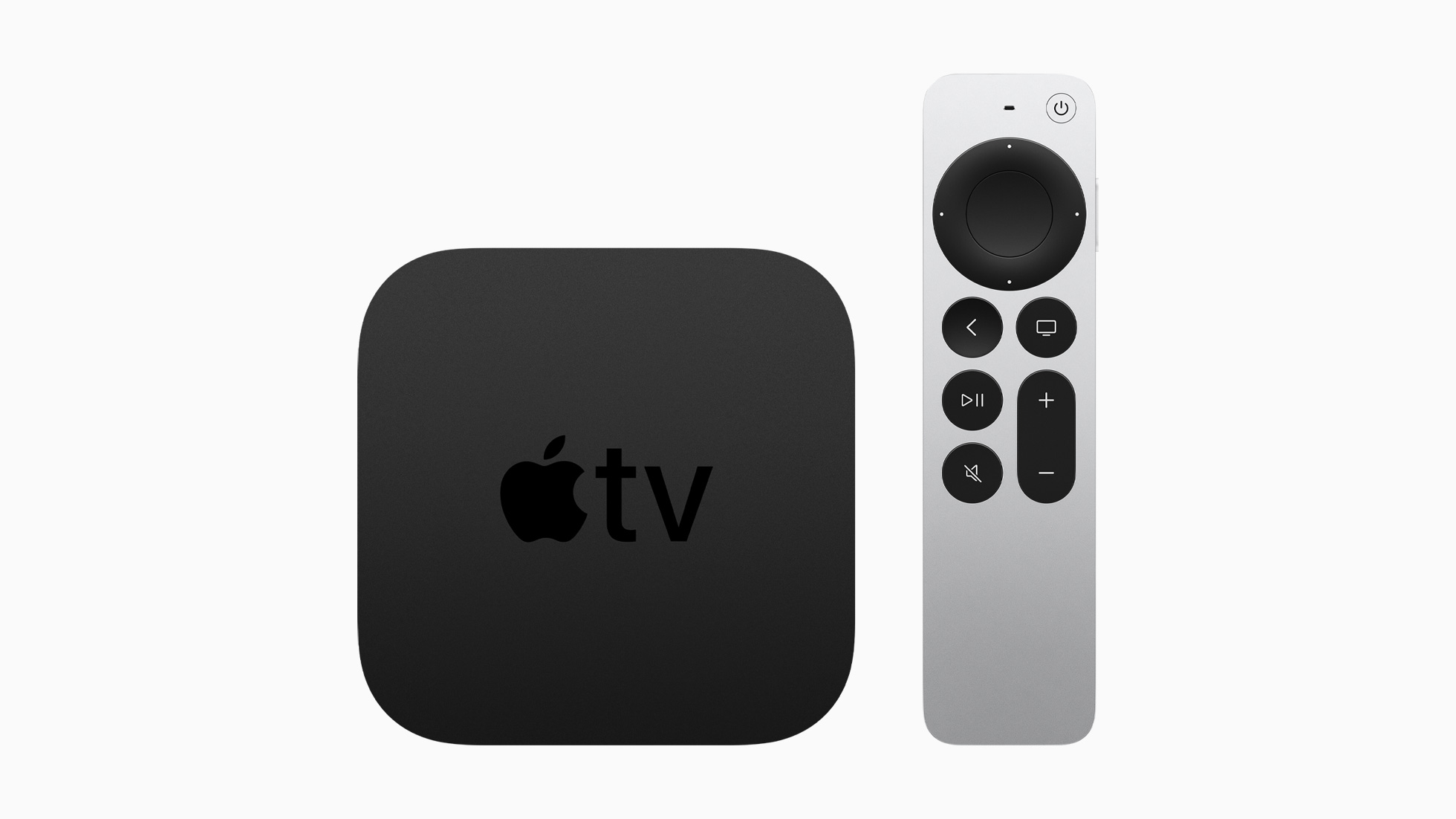
As long as Apple continues to support the original HomePod, my multi-room audio and TV setup will be fine, but it’s also undeniably a dead end. It’s not as if I don’t have other options. There are plenty of good AirPlay 2 speakers available that I can eventually swap in, as Hall points out. However, coupled with the expensive, long-in-the-tooth Apple TV, I don’t have the confidence I once had in Apple’s home strategy, especially when it comes to audio and video entertainment, which feels especially strange to say when Apple Music and TV+ are so clearly important parts of the company’s service strategy. All of which led me to nod as I read Hall’s conclusion:

Remember when Mac users had similar concerns about pro machines in Apple’s lineup? Apple rightfully held a roundtable event with a small group of press to communicate its commitment to professional customers with the pending release of an iMac Pro and development on a next-generation Mac Pro.

That strategy was very effective at taking a step toward earning back the trust that was lost over time with Apple’s pro customers. Apple’s Friday night statement that it’s happy with the response to HomePod mini and no longer producing the original HomePod needs a lot of follow up.

Perhaps a spring media event will clear up some of the questions raised by the elimination of the HomePod. For now, though, Apple’s home strategy is more perplexing than ever.

Permalink

Apple Maps Adds COVID-19 Vaccination Sites in the US

In a press release today, Apple announced that its Maps app has been updated to include the COVID-19 vaccination locations. According to the company:

Apple today updated Apple Maps with COVID-19 vaccination locations from VaccineFinder, a free, online service developed by Boston Children’s Hospital that provides the latest vaccine availability for those eligible at providers and pharmacies throughout the US. Users can find nearby COVID-19 vaccination locations from the Search bar in Apple Maps by selecting COVID-19 Vaccines in the Find Nearby menu or by asking Siri, “Where can I get a COVID vaccination?”

Apple says that the feature currently includes over 20,000 locations and lists operating hours, address information, telephone numbers, and links to vaccine providers’ websites. The company will continue to update the list as new locations become available. Apple has also opened up a registry process for businesses that provide COVID-19 testing and vaccinations to submit their information, which will be added to Maps after it is validated.

With vaccinations being offered at a wide variety of locations run by a combination of governmental entities and private companies, this is a terrific resource that I know I’ll be using when I’m eligible to be vaccinated.


Downtime Organizer Sofa Adds Apps, Audiobooks, Board Games, Deeplinking, Backups, and More Themes

Sofa is a terrific downtime organizer. Since its release, the app has seen frequent updates that have added features and refinements that make it an excellent one-stop destination for collecting media you want to enjoy later. We’ve covered the app before, so I won’t revisit its core functionality here, but if you’re new to the app, be sure to check out our previous reviews for more details.

The headline feature of Sofa’s latest update is the addition of apps, audiobooks, and board games to the lineup of media it can track. I’m especially pleased to see that iPhone, iPad, and Mac apps have been added to Sofa. I’ve long considered trying new apps as a form of entertainment. Even poking around productivity apps that most people would consider ‘work’ apps is fun for many people.

The addition of apps is timely given the trend towards subscription-based apps with free trials. If an app catches your eye, but it’s got a relatively short free trial period, you can drop it into Sofa to try later when you can make the most of the trial. The addition of apps also provides a way to track games on Apple’s platforms that weren’t always available in Sofa’s videogame category. However, the change also means that you may have to search for an iOS game in a couple of different places at times.

Read more


First Impressions: Kensington’s StudioDock Aims to Turn Your iPad Pro into an Expandable Desktop Workstation

The Kensington StudioDock.

The Kensington StudioDock.

Nearly a year ago in the middle of the first wave of the COVID-19 pandemic here in Italy, I published an article that would turn out to feel obsolete in less than a month: in my Modular Computer story, I detailed my experiments with various accessories for the iPad Pro and how the device was capable of filling different roles in my computing life thanks to the Smart Keyboard Folio, an external 4K monitor, Apple’s Magic Trackpad, and a set of kickstands. About a month later, my laptop setup for the iPad Pro was upended by the arrival of Apple’s Magic Keyboard; as a result of the Magic Keyboard’s floating design and integrated keyboard/trackpad approach, I’ve preferred using my iPad Pro in laptop mode more often, even when I’m sitting at my desk.

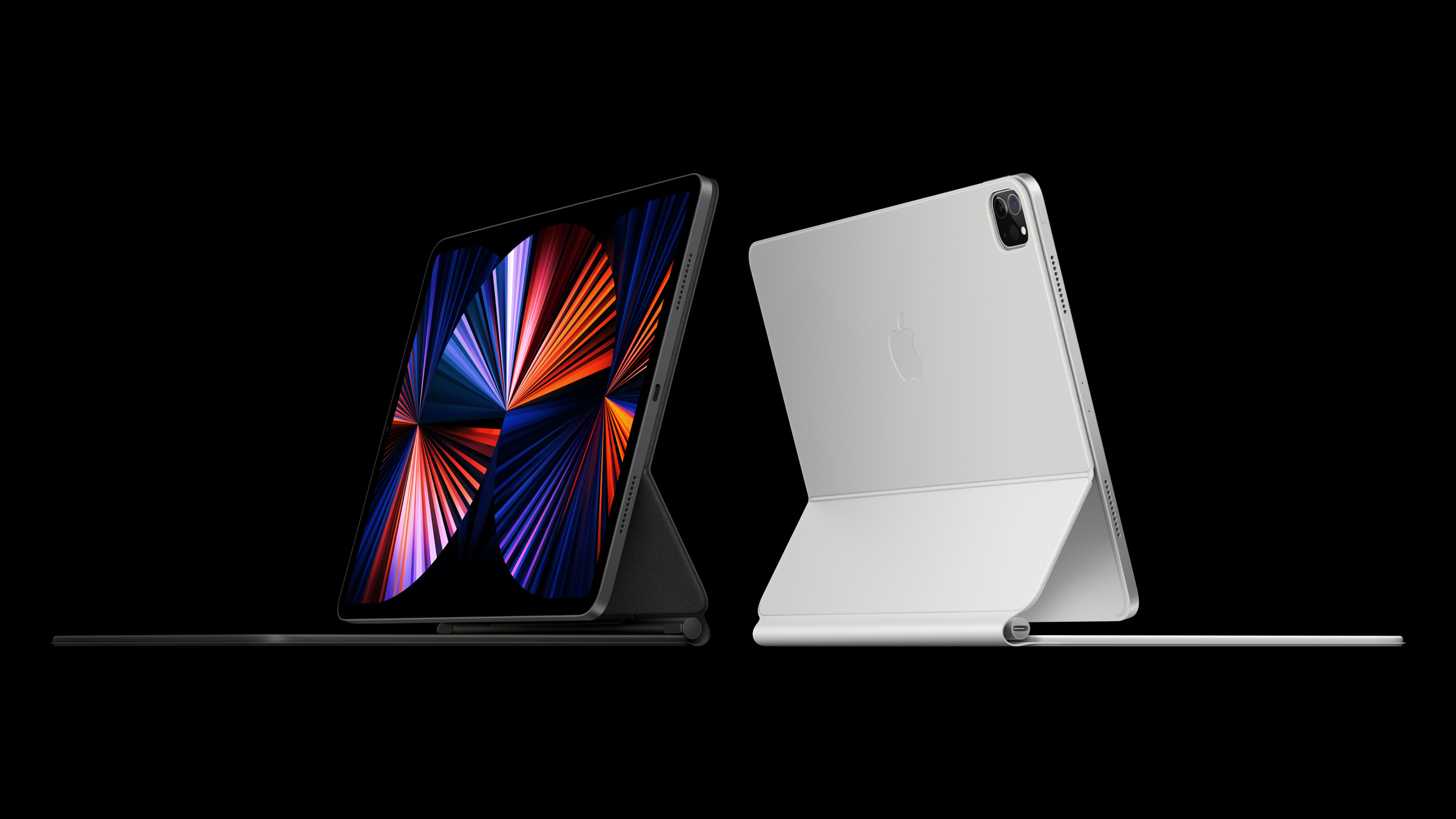
A year later, Italy is going through the so-called “third-wave” of the pandemic (with a terribly mismanaged vaccine rollout and, for whatever reason, a different government) and I’ve spent the past 24 hours testing Kensington’s long-anticipated StudioDock, a $400 docking station1 that aims to turn the iPad Pro into a desktop workstation with support for display rotation, expansion via USB-C, USB-A, and SD card slots, and integrated Qi charging for iPhone and AirPods. And just like last year, I find myself torn between appreciating the potential of this product and concerned about its timing given rumors of an impending iPad Pro refresh just around the corner.

A day of usage2 isn’t enough time to evaluate this kind of product and its long-term impact on an iPad user’s daily workflow. I feel particularly uncomfortable giving MacStories readers any sort of buying advice here because of the price tag (again, $400 for the StudioDock version I tested) and the short amount of time I was able to spend with the accessory. For these reasons, I’ll try my best to focus on what the StudioDock is, what I like about it in the context of modularity and converting the iPad Pro into something it’s not (or, at least, something Apple probably didn’t anticipate), and a few features it’s missing.

Read more