Ryan Christoffel

984 posts on MacStories since November 2016

Ryan is an editor for MacStories and co-hosts the [Adapt](https://www.relay.fm/adapt) podcast on Relay FM. He most commonly works and plays on his iPad Pro and bears no regrets about moving on from the Mac. He and his wife live in New York City.

CES Roundup Part 2: Accessories, HomeKit Devices, and More

Earlier this week we rounded up all of the important Apple-related announcements from the first couple days of CES. Some of the highlights were major TV manufacturers adding AirPlay 2 and HomeKit support, the first HomeKit doorbell, and accessories to complement Apple’s latest devices. If you haven’t seen it yet, be sure to check out that first roundup.

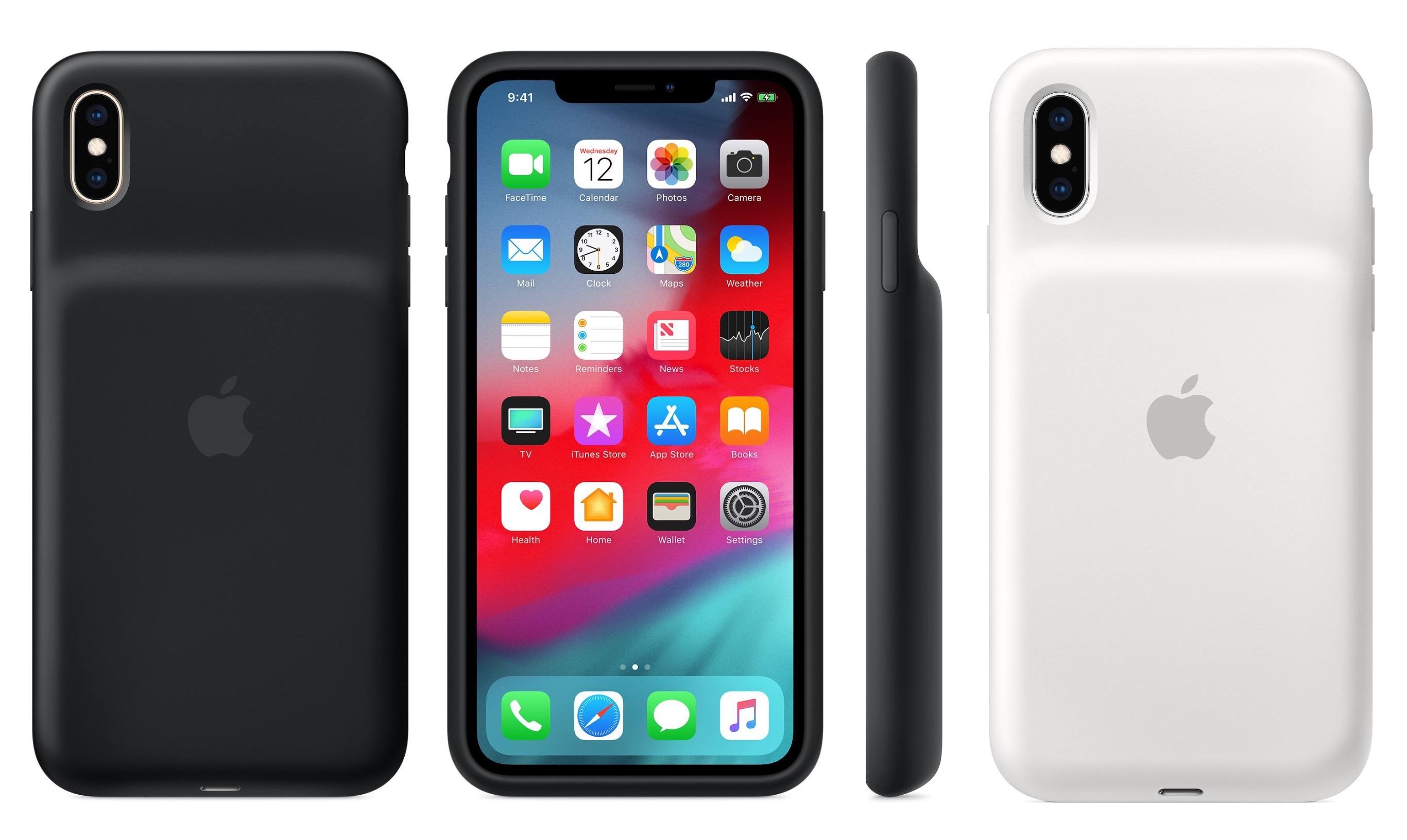
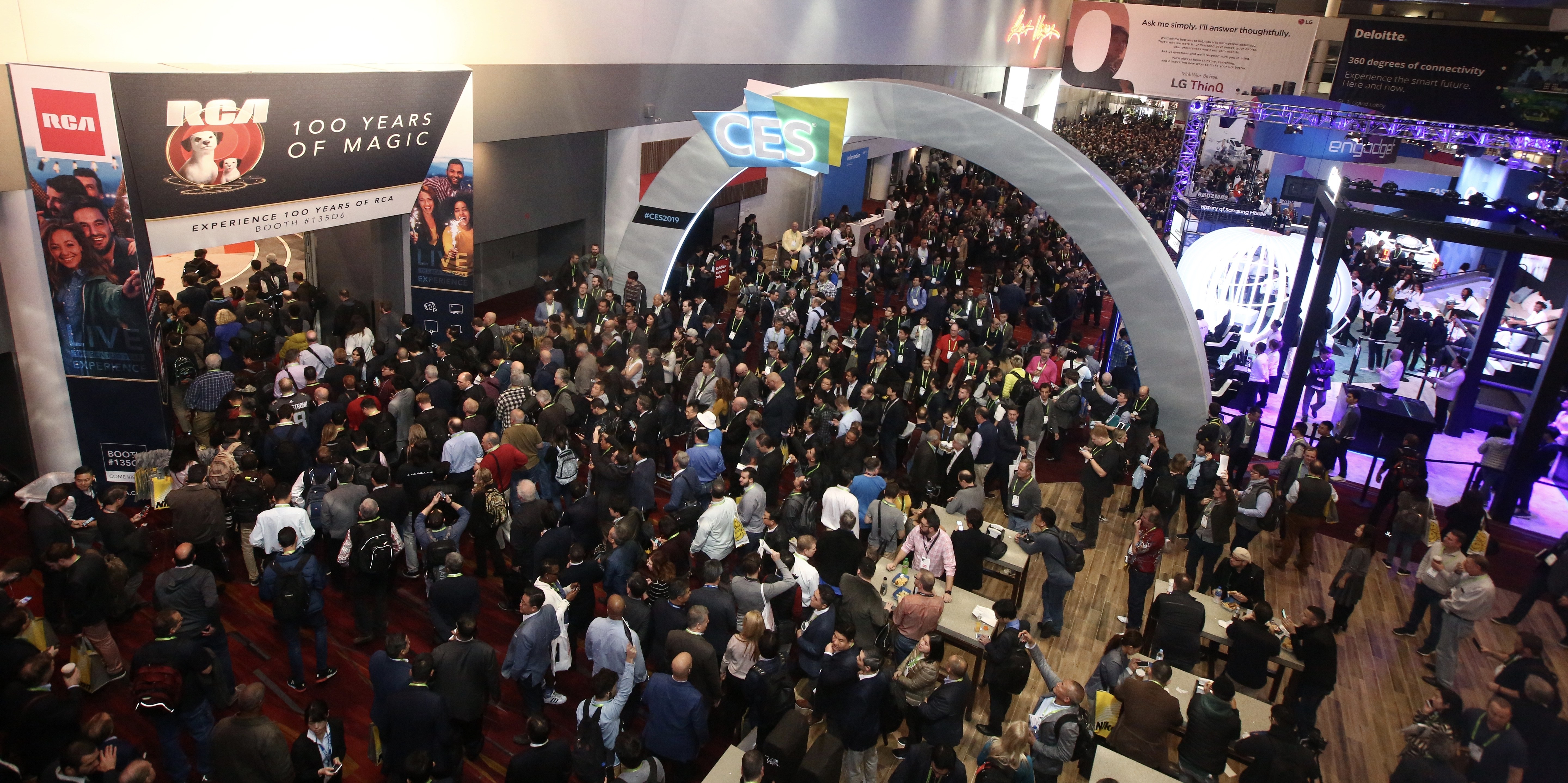
As much ground as we covered in that initial piece, the convention has continued on these past few days with plenty more announcements worth noting. Here are more of the top accessories, HomeKit devices, and other interesting products announced at CES.

Read more


Apple Details iPad Pro Manufacturing Techniques and Flatness Standards

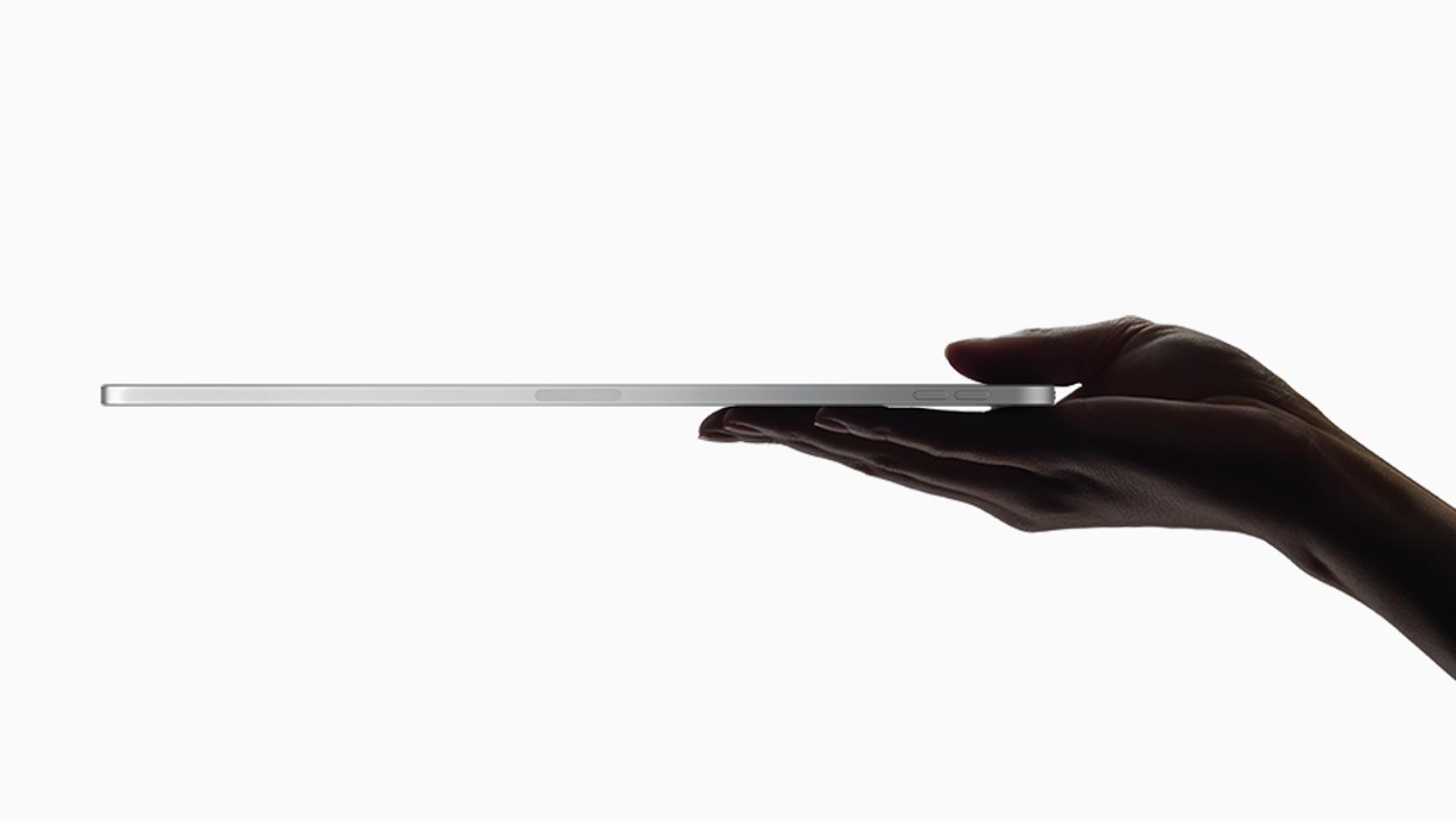
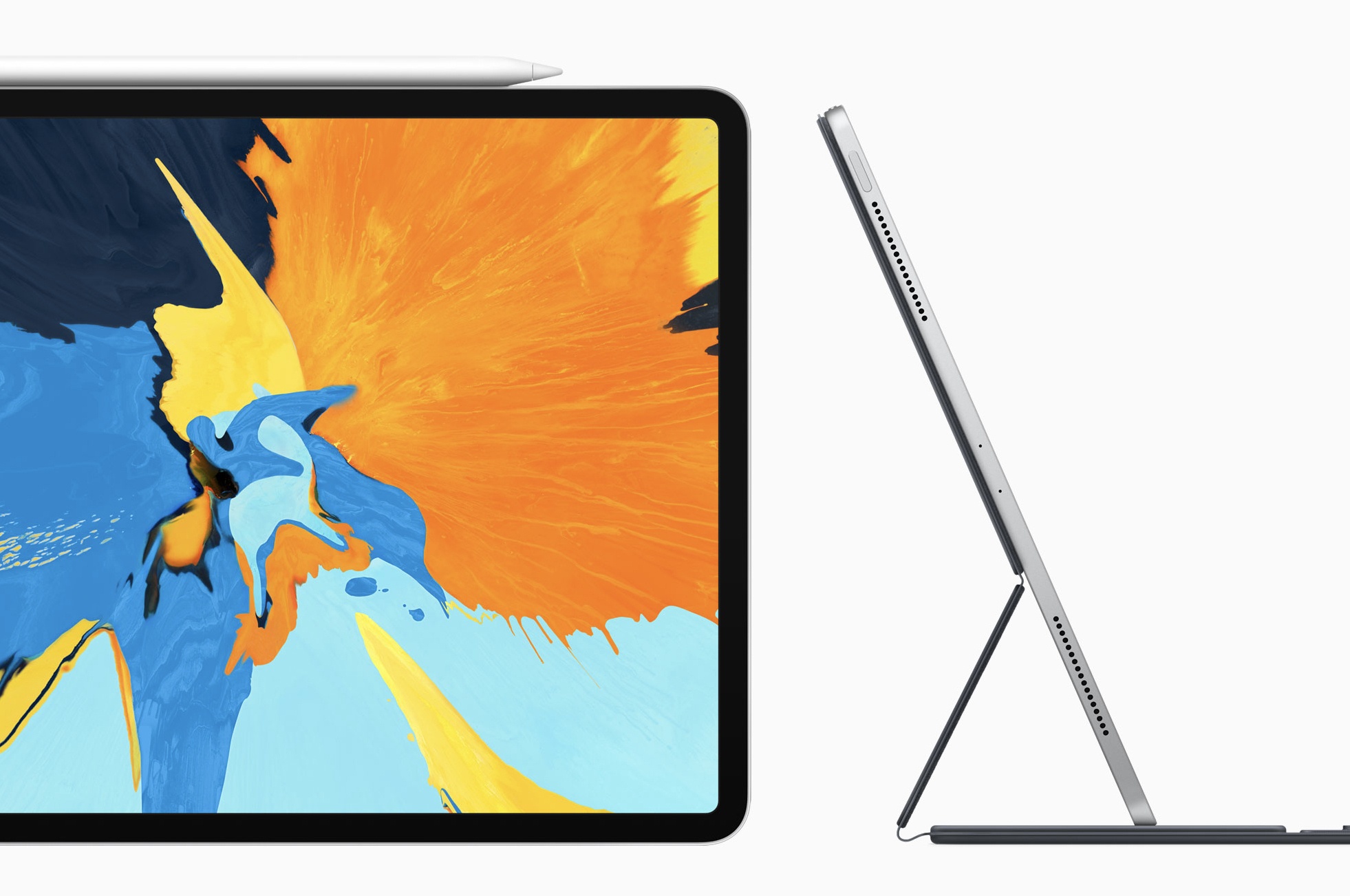
A new product launch wouldn’t be complete without some level of controversy, and for the 2018 iPad Pro models the kerfuffle has centered around bending. Some users have reported their devices being slightly bent out of the box, and Apple even confirmed to The Verge that this is the expected result of its manufacturing process. Today the company is adding to that explanation via a new support document on its website titled ‘iPad Pro unibody enclosure design.’

The document explains how every cellular iPad model undergoes a special manufacturing process called co-molding.

In this high-temperature process, plastic is injected into precisely milled channels in the aluminum enclosure where it bonds to micro-pores in the aluminum surface. After the plastic cools, the entire enclosure is finished with a precision CNC machining operation, yielding a seamless integration of plastic and aluminum into a single, strong enclosure.

Interestingly, this co-molding process isn’t used as an excuse for some iPads’ slight bends, but instead it’s presented as evidence of Apple pursuing even stricter flatness standards than ever before. The following paragraph states:

These precision manufacturing techniques and a rigorous inspection process ensure that these new iPad Pro models meet an even tighter specification for flatness than previous generations. This flatness specification allows for no more than 400 microns of deviation across the length of any side — less than the thickness of four sheets of paper. The new straight edges and the presence of the antenna splits may make subtle deviations in flatness more visible only from certain viewing angles that are imperceptible during normal use. These small variances do not affect the strength of the enclosure or the function of the product and will not change over time through normal use.

In other words, the latest iPad Pros are actually held to a stricter standard for flatness than previous iPads, but even the smallest variations may now be more visible than on previous models due to the new straight edges of the device.

The support document closes with reminders about existing Apple policies: that all products purchased from Apple include a 14-day return policy, and hardware defects outside Apple’s stated specifications are covered by a standard one-year warranty.

The iPad Pro’s bending controversy has reached nowhere near the level of attention as that of the iPhone 6 Plus a few years back, but it’s nice to finally receive official word from Apple on the subject. If your iPad is bent enough that it’s obvious and noticeable in daily use, there’s a decent chance the bend exceeds 400 microns, and thus would be covered under warranty. With slighter bends, however, it seems those are a cost we have to pay for enjoying the iPad Pro’s boxy, straight-edged new design.


Apple Announces Record App Store Sales During Holidays

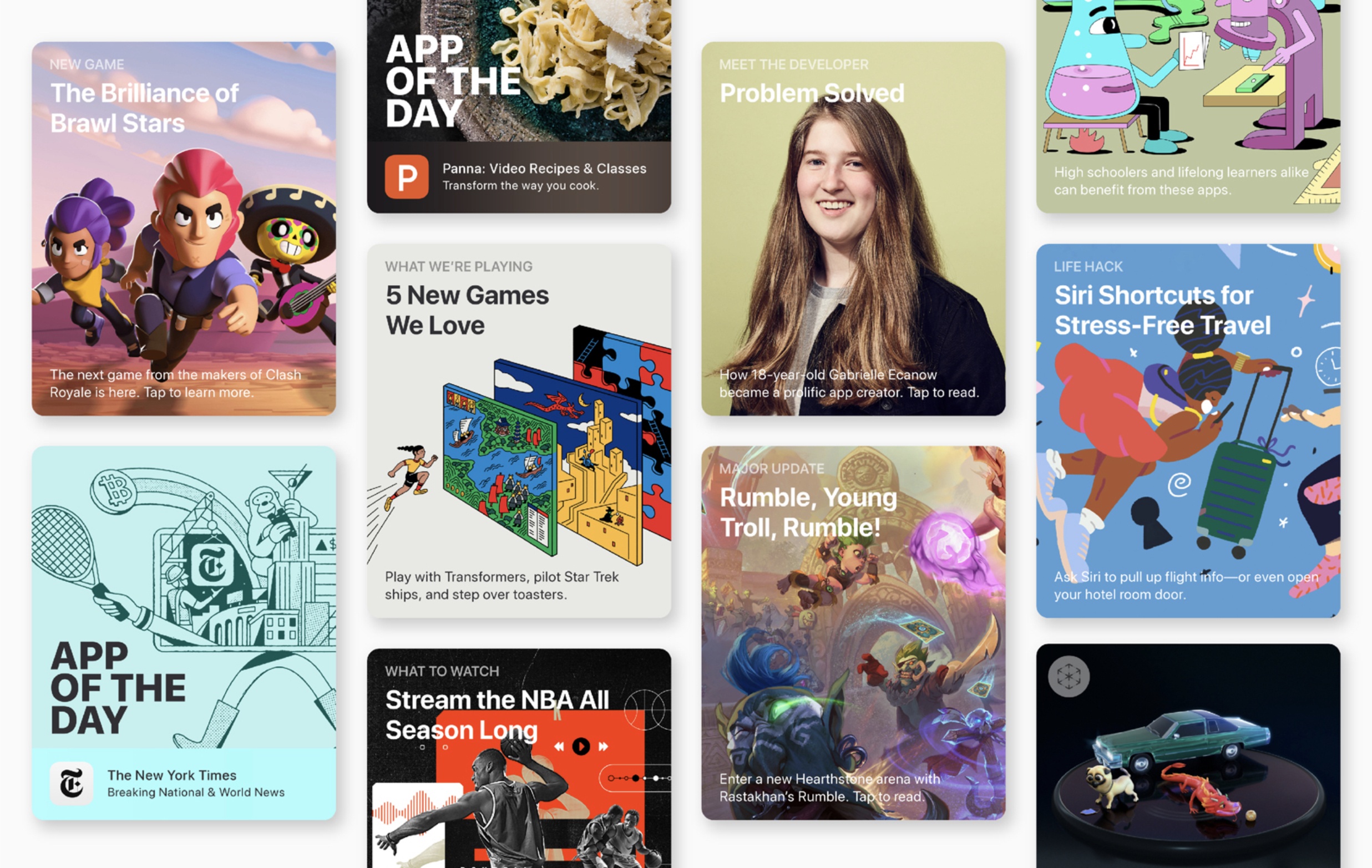
Hot on the heels of yesterday’s announcement regarding disappointing holiday iPhone sales, today Apple has better news to share: the App Store enjoyed a record breaking sales period recently, with over $1.22 billion in App Store spending taking place between Christmas Eve and New Year’s Eve. This marks the biggest sales week ever for the App Store, and it was followed by the biggest single day ever: New Year’s Day 2019 brought $322 million in sales, up from last year’s then-record $300 million.

Apple’s press release provides more color on some apps and categories that were particularly successful:

Gaming and self-care were the most popular categories of app downloads and subscriptions during the holidays. Globally, multiplayer games including Fortnite and PUBG were among the top downloaded games over the holidays, along with Brawl Stars, Asphalt 9 and Monster Strike. Productivity, Health & Fitness and Education apps are already capturing the attention of customers in the first few days of the year with 1Password, Sweat and Luminosity charting in their respective categories.

$1.22 billion is a major increase from last year’s $890 million figure, and a remarkable number for one of Apple’s most profitable services. As Apple continues beating the drum that services are of growing importance to the company, news like this helps prove that claim’s validity.


Apple Adds AI Head, John Giannandrea, to Executive Team

Today Apple announced that one of its most recent high profile hires, John Giannandrea, has been added as the twelfth member of the company’s executive team. His title is now Senior Vice President of Machine Learning and AI Strategy. From the press release:

“John hit the ground running at Apple and we are thrilled to have him as part of our executive team,” said Tim Cook, Apple’s CEO. “Machine learning and AI are important to Apple’s future as they are fundamentally changing the way people interact with technology, and already helping our customers live better lives. We’re fortunate to have John, a leader in the AI industry, driving our efforts in this critical area.” 

News of Giannandrea’s hiring at Apple first broke in April at The New York Times. Apple didn’t formally announce the hire, however, until July. And here we are just a few short months later, with another press release from Apple announcing his promotion.

Giannandrea’s role involves leadership of Siri, machine learning, and other artificial intelligence projects, all of which are right up his wheelhouse due to his former role as Google’s chief of search and artificial intelligence. While it’s hard to say from the outside what kind of difference his influence is making at Apple, this move is a good sign that the company’s pleased with his early months of work. Perhaps we’ll get to see the fruits of his labors at WWDC 2019.

Permalink

AutoSleep 6: Effortless Sleep Tracking More Accessible Than Ever

If you’ve followed MacStories for long, you probably already know that AutoSleep is one of our favorite sleep tracking apps on iOS. The app stands out for offering a frictionless, effort-free experience. Where other sleep trackers may require you to start and stop sleep tracking manually, AutoSleep takes the burden of remembering those tedious tasks off your plate. If you wear an Apple Watch to sleep, the app will automatically detect your sleep patterns even without a separate Watch app installed. If you don’t have a Watch, or simply don’t wear it to bed, the app will track your sleep through other methods. Whatever your habits are, AutoSleep has you covered.

Today marks the debut of AutoSleep’s latest major iteration: version 6.0, which introduces new wellness features, refined graphs and color schemes, sleep hygiene trends, Siri shortcuts, an improved Watch app, and more. It’s an extensive update that simplifies some aspects of the app while branching out into fresh, innovative areas of health tracking.

Read more