Federico
AppStories Episode 68 - Interviews with Michael Flarup and Marc Edwards
0:00
56:42
56:42
Federico and John interview Michael Flarup and Marc Edwards about iOS app design.

The first alarm app for families.
 Interviews with Michael Flarup and Marc Edwards
An Interview with Zach Gage
Interviews with Michael Flarup and Marc Edwards
An Interview with Zach Gage
Federico and John are joined by independent game developer Zach Gage the creator of hit games like Ridiculous Fishing, SpellTower, Really Bad Chess, Typeshift, Flipflop Solitaire, and Pocket Run Pool to discuss the App Store’s effect on gaming.
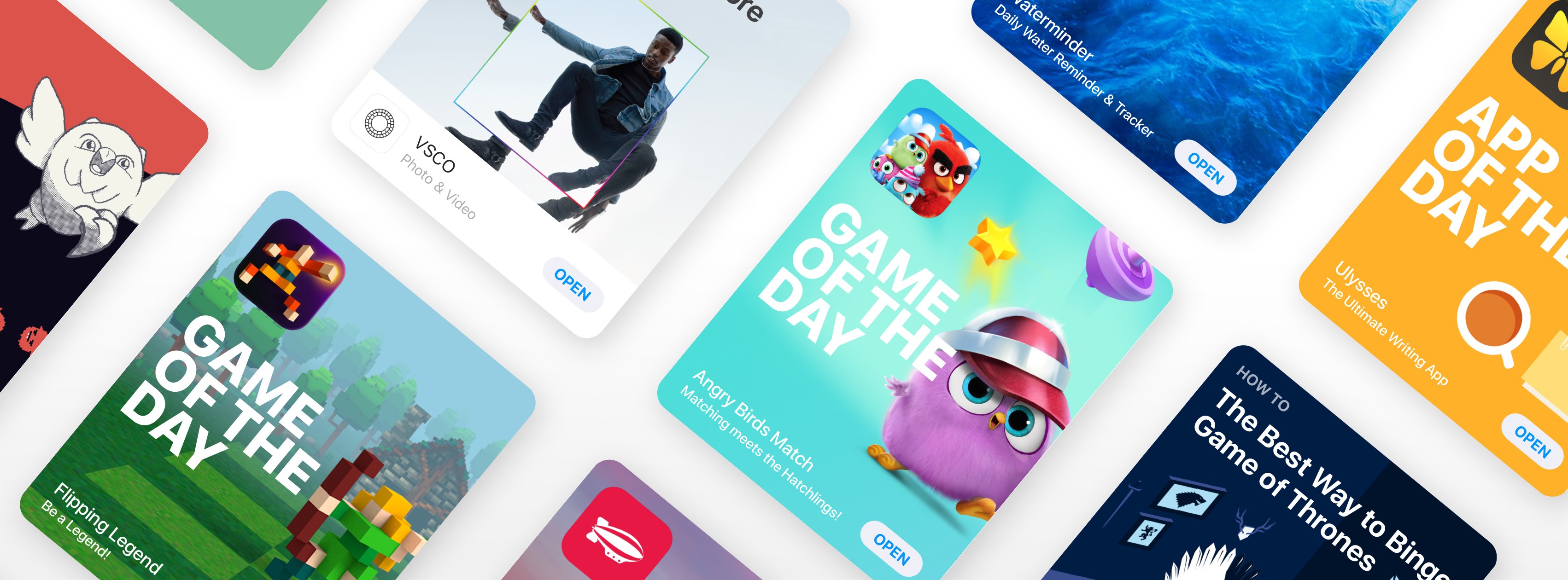
Nowhere has the App Store’s impact been more profound than the game industry. Roughly one-third of the 500 initial apps that debuted on the App Store were games. The percentage of games on the App Store has risen over the past 10 years, but not by much. By some estimates, between 35 and 40 percent of the App Store’s apps are games today. What has changed is the size of the Store. With over 2.1 million apps currently available for download, that means around 800,000 are games.
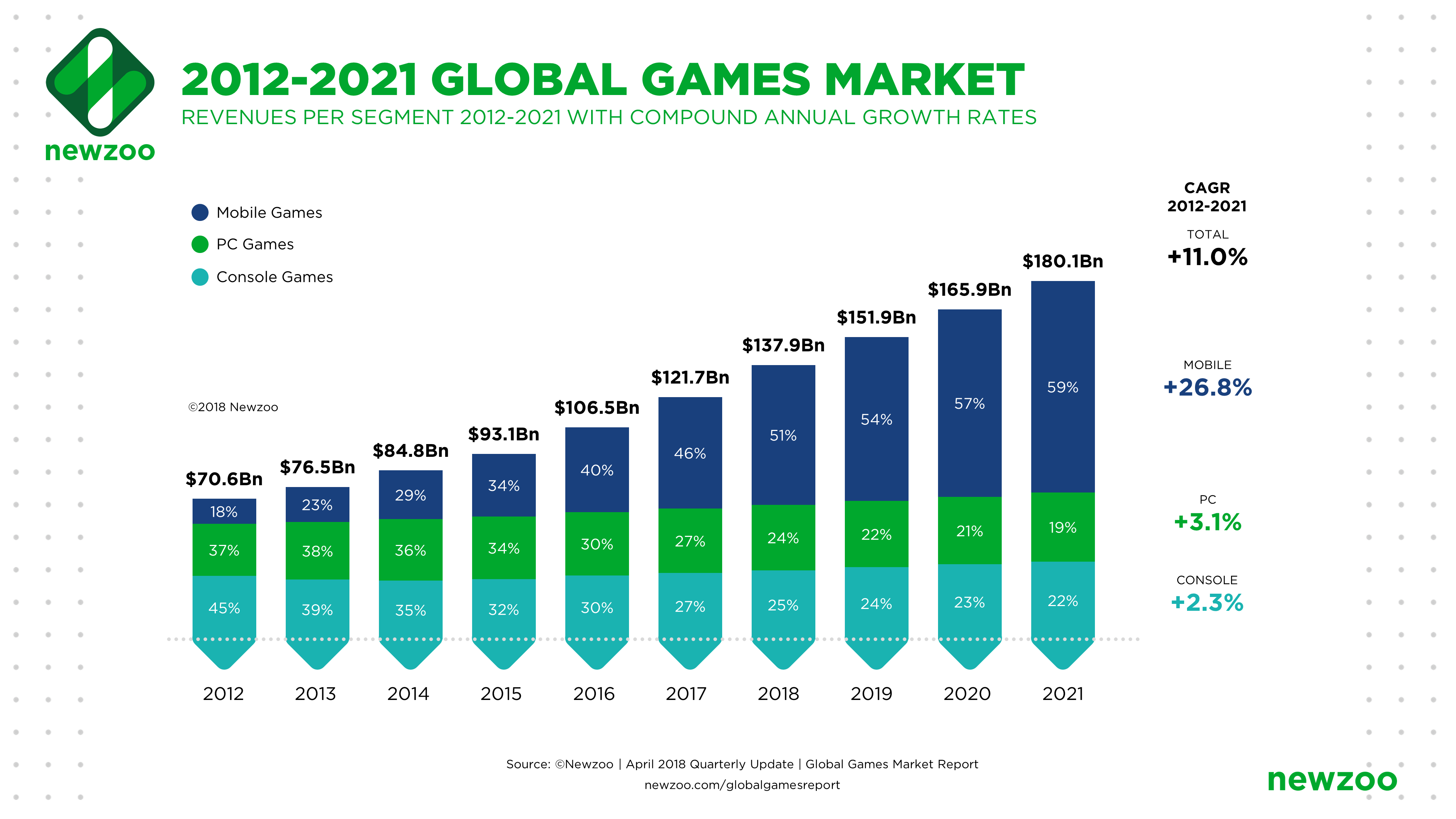
Mobile gaming has become the primary driver of growth in the game industry over the past several years. According to a recent report by Newzoo, the mobile game industry, in which iOS plays a central role, will be a $100 billion market in just three years time.
The success of games on iOS parallels the phenomenal success of the iPhone and App Store. The iPhone’s hardware played a significant role with its novel design that provided game developers with the flexibility to experiment. Just as important, though, was the advent of In-App Purchases. Games, like other apps, were originally free or paid. When In-App Purchases came along, a whole category of games that offered in-app, paid consumables, level packs, and other digital goods was born that has been wildly successful for many game developers.
Now, free-to-play games with In-App Purchases dominate the top grossing charts and a relatively small cadre of games soak up the majority of money spent on the App Store, making it harder than ever to succeed as a game developer on the App Store. It’s a familiar story faced by app and game developer alike. Notwithstanding the stiff competition in the games category though, the mobile game market’s sheer size has allowed creative, independent game developers to find ways to succeed on the App Store.
Perhaps most exciting of all though, the success of mobile games has led to an enormous influx of people into gaming who would never have considered themselves gamers. That creates a tremendous opportunity for Apple and game developers which has become all the more interesting as the constraints of early iOS devices have been replaced by hardware that approaches the capability of game consoles. Mobile games stand at a pivotal moment in time that has the potential to upend preconceptions about the distinction between mobile and other video games, but to understand what the future might hold, it’s instructive to start by looking at the past 10 years.
 Q&A
Q&A Question: Now that the location tracking service Moves is coming to an end, is there any similar app that automatically records location data in the background without needing to be manually switched on and off? (George Zhu)
Good timing George. Just this week, Gyroscope was updated with this sort of location tracking. Gyroscope is...
Favorite Noteworthy Games from the App Store’s First Decade While preparing an article that we published today about the iOS game industry for our App Store 10th anniversary coverage, I started thinking about games that I consider influential. I opened up Bear and started typing. It’s not an easy list to create, with so many games over so many years, but I came...
Bloomberg reports that its sources say that Adobe is working on full versions of its desktop Photoshop app and other Creative Cloud apps for the iPad. Although Adobe has not committed to the October unveiling and 2019 ship date also cited by Bloomberg’s sources, its Chief Product Officer, Scott Belsky did acknowledge that the company is working on a new cross-platform version of Photoshop and other apps. Bloomberg’s sources say Illustrator is one of the other apps being developed for the iPad, which they say will be released sometime after Photoshop.
Belsky, noting that newer versions of Apple’s iPad Pro line are now capable of running Photoshop, told Bloomberg:
“My aspiration is to get these on the market as soon as possible,” Belsky said in an interview. “There’s a lot required to take a product as sophisticated and powerful as Photoshop and make that work on a modern device like the iPad. We need to bring our products into this cloud-first collaborative era.”
The addition of Photoshop and other Creative Suite apps to the iPad would be a significant step forward for the tablet’s push into the pro user market. Currently, only Microsoft’s Surface line of tablets is capable of running a fully-functional version of Adobe’s pro apps, making it the default choice for creative professionals who want to use Creative Suite on a tablet.
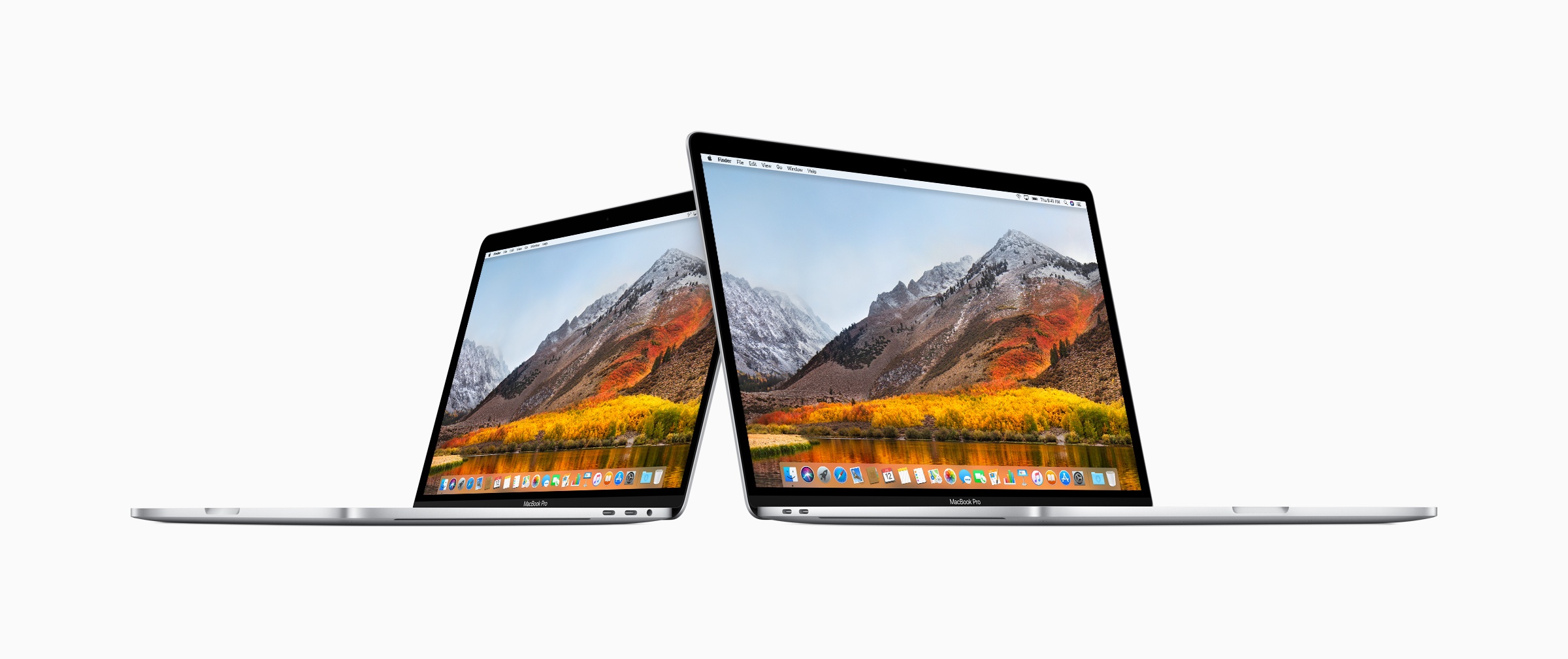
Interviews with Becky Hansmeyer and Heidi Helen Pilypas In a press release today, Apple announced updates to its MacBook Pro line of notebook computers. The new models feature faster 8th-generation Intel processors with six cores in the 15-inch model and four cores in the 13-inch model. According to Apple, the 15-inch model is up to 70% faster and the 13-inch model two times faster than earlier models.
The new notebooks also support up to 32 GB of RAM and include a True Tone display and Touch Bar. The 15-inch model can be configured with up to 4 TB of SSD storage, while the 13-inch model is limited to a maximum of 2 TB. The new MacBook Pros feature Apple’s T2 chip, which debuted in the iMac Pro and adds ‘Hey Siri’ support to the Mac.
In the wake of issues with recent-generation MacBook and MacBook Pro keyboards, Apple has also updated the keyboard of the new MacBook Pros to a new, quieter third-generation model. Apple’s website doesn’t address the new keyboard’s performance or whether the issues experienced with earlier models have been resolved. However, according to a story on The Verge:
This new third-generation keyboard wasn’t designed to solve those issues, Apple says. In fact, company representatives strenuously insisted that the keyboard issues have only affected a tiny, tiny fraction of its user base.
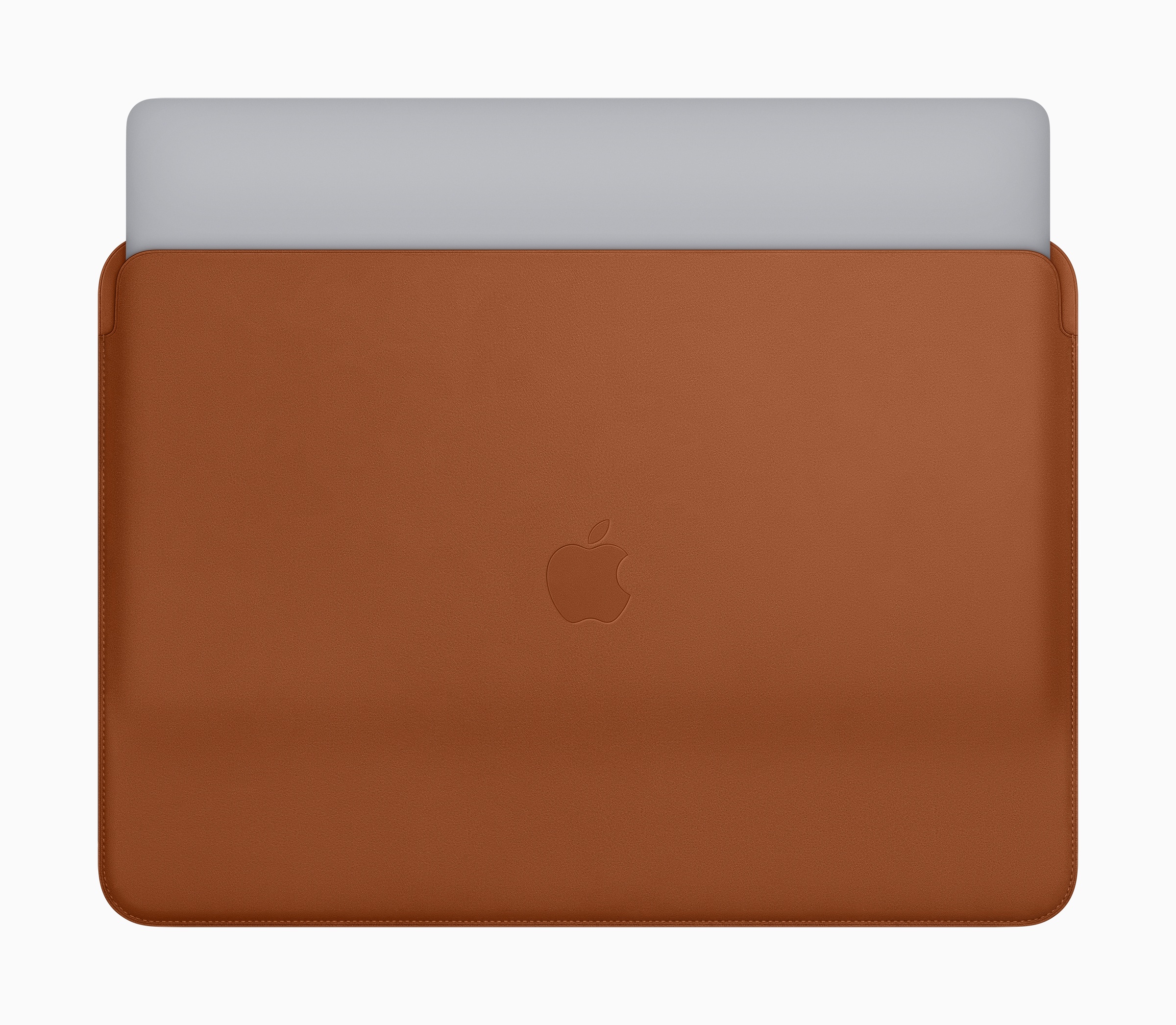
In addition to the new notebooks, Apple introduced a leather sleeve for the MacBook Pro that is available in Saddle Brown, Midnight Blue, and Black, which is similar to the leather sleeves available for the MacBook.
The new MacBook Pros are also part of a Back to School promotion that Apple announced today.
Sonos announced today that it has added AirPlay 2 support to compatible speaker systems. The update allows users to stream audio to the company’s Sonos One, Beam, Playbase, and the second generation Play:5 speakers from iOS apps that support AirPlay 2 and from iTunes on a Mac.
Sonos, which did not support the original AirPlay technology, is the first third-party manufacturer to make AirPlay 2 available to its users. In addition to streaming from iOS devices and Macs, AirPlay 2 will allow Sonos users to incorporate their speakers into multi-room setups that can be managed with Apple’s Home app and controlled with Siri. Sonos speakers that don’t support AirPlay 2 can also be used to stream from Apple devices when paired with an AirPlay 2-compatible Sonos speaker.
The update, which will be free to Sonos customers, can be applied to compatible Sonos speakers using its iOS app.