
We’re moving a couple of things around next week due to the upcoming OS releases. First, all versions of AppStories will be released at once on Monday, September 14, after the updated OSes are released by Apple. Second, because we’re busy putting the finishing touches on our annual OS reviews, NPC: Next Portable Console will...
 Previously, On MacStories
Apple’s Surprise and Shine Event: All the Small Things iPhone 18 Pro and iPhone Duo: The MacStories Overview Apple’s Surprise and Shine Event: All the New Accessories Apple Introduces Two AirPods 5 Models Apple Watch Series 12 and Apple Watch Ultra 4: The MacStories Overview Apple’s Surprise and Shine Event: By the Numbers All the...
Interesting Links
 Federico
The popular UTM virtualization app for Mac now has a beta with DirectX 12 support, which means you can play Cyberpunk 2077 on Windows 11 emulated on macOS. Wild times. (Link) Anthropic added CarPlay integration to the Claude iOS app, allowing Claude users to talk to the assistant through their in-car infotainment systems. Too...
Five iPhone Duo Features That Won Over
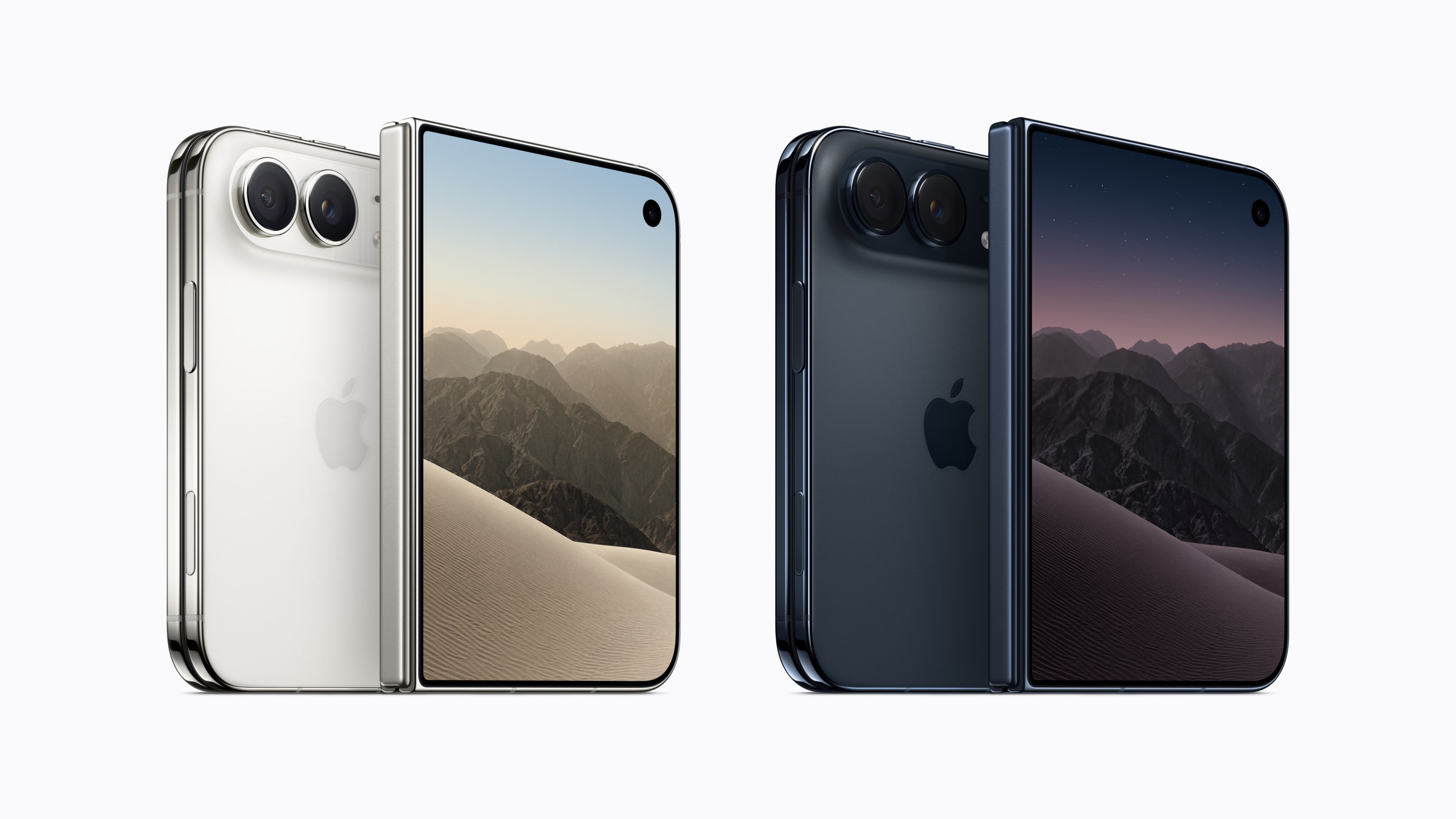
One of the things I love about Apple is the way it tightly integrates hardware and software design in new products. Folding phones have been around for a long time. Passport-style foldables aren’t new either. However, Apple’s Duo is packed with unique features that got me excited for it despite my past lukewarm reactions to...
This Week on MacStories Podcasts

This week on MacStories podcasts: AppStories This week on AppStories, we celebrate the 500th episode of the show with a look at the App Store’s past, present, and future. On AppStories+, Federico and John pick some of their all-time favorite apps. Listen on: Apple Podcasts Overcast Pocket Casts Castro Spotify YouTube NPC: Next Portable Console...
App Radar
John Habitify Earlier this year, I downloaded Habitify at Federico’s suggestion. It’s a habit tracker for the Mac, iPhone, iPad, and Apple Watch that also works on Windows, Android, and the web. I haven’t spent a lot of time with it yet, but I was drawn to it by the app’s API and MCP integration....
Apple’s Surprise and Shine Event: All the Small Things
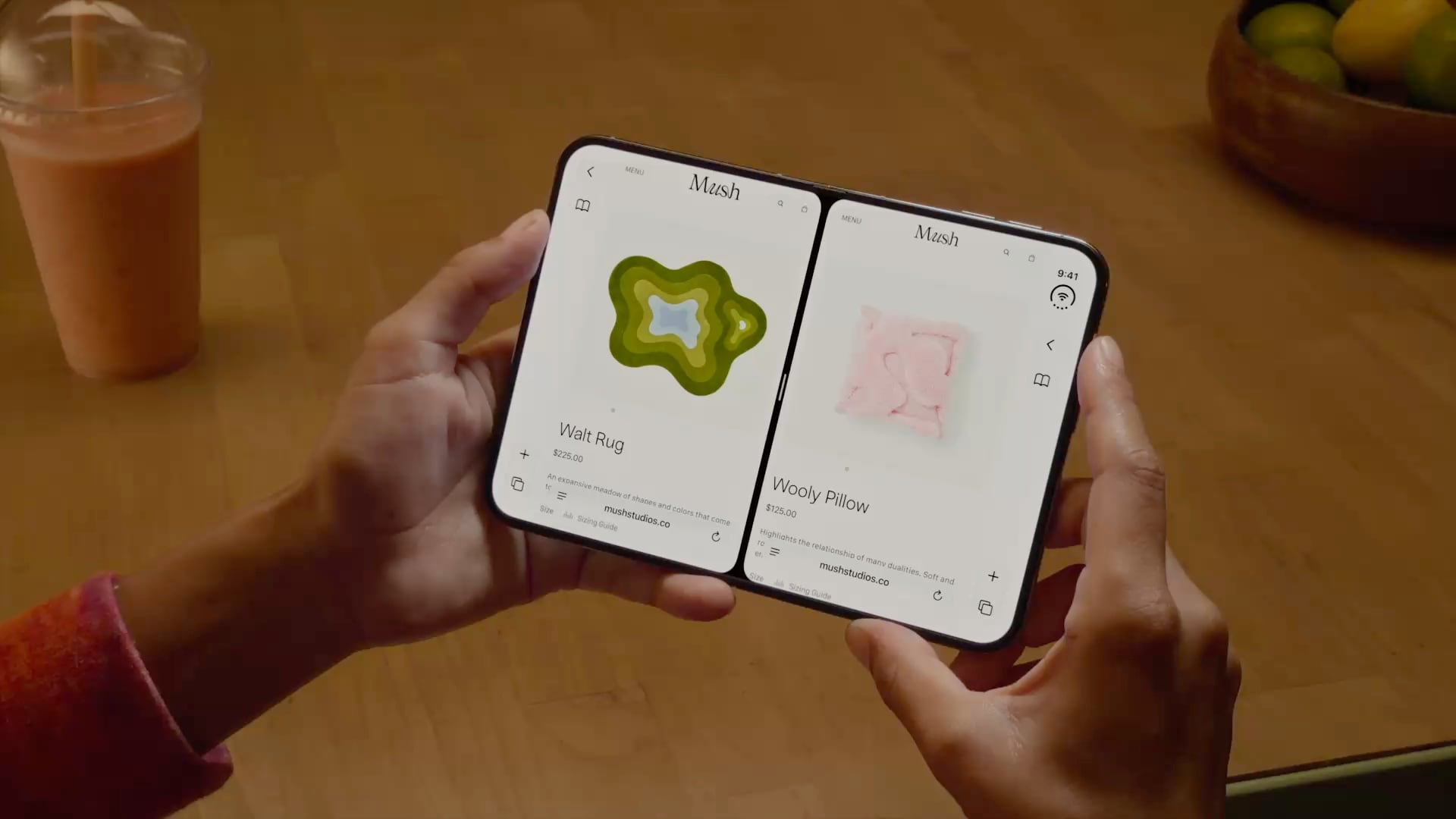
An Apple event can only cover so much. Some of the most useful details turn up in the product pages, technical specifications, footnotes, and summary slides after the presentation ends. We’ve collected our favorite smaller changes from yesterday’s Surprise and Shine event below:
iPhone Duo
- In the hands-on area after Apple’s event, Ben Bajarin reported that the Duo’s hinge crease is barely noticeable, except at specific angles.
- David Imel was impressed by the matte finish on the Duo.
- iJustine has an excellent video showing off multitasking using both the outer and inner screen of the Duo.
- Apple has released a six-video playlist on YouTube and in the Apple Developer app called “Get ready for iPhone Duo” to help get designers up to speed with the phone’s new format. The Human Interface Guidelines have been updated too.
- The vertical strip along the side of the Duo uses App Control icons for what would be tab bars and nav bars on other devices.
- For developers, Apple has released five tech talk videos in the Apple Developer app, including “Raise the bar with iPhone Duo.” Additional materials, workshops, and the Xcode 27.1 beta are coming later this month.
- Continuous Angle API lets developers receive ongoing updates about the Duo’s hinge angle to power interactive effects.
- Developers who don’t update for the iPhone Duo may have their apps letterboxed.
iPhone 18 Pro and Pro Max
- The iPhone 18 Pro supports Adjustable Voltage Supply, which works with Apple’s 40W Dynamic Power Adapter.
- The A20 Pro uses Super cores like Apple’s M6 chip and shares its dual Neural Engine architecture.
- iPhone Handoff, which lets you move one phone number between two iPhones, changes your Find My location to the receiving phone and can only be turned off with the help of your carrier.
- The iOS 27 Camera app adds a customizable controls toolbar.
Apple Watch Series 12 and Ultra 4
- Apple published a study that compares its new Apple Watch Series 12 to other wearables, and the results are impressive.
- Your Readiness score changes during the day, adjusting based on workouts and changes in your daytime vitals.
- Audio Intelligence requires more than just a new Apple Watch. Features like Live Rewind and Siri Recap won’t work with the iPhone 16e or iPhone 15 Pro models even though those iPhones support Apple Intelligence.
- Unsaved Siri Recaps are automatically deleted after seven days, and unless saved, Live Rewind transcripts disappear around 30 seconds after your Watch’s screen dims. Siri Recaps can be edited and exported to other apps like Notes.
You can follow all of our September 2026 Apple event coverage through our September 2026 Apple Event hub or subscribe to the dedicated September 2026 Apple event RSS feed.
Apple’s Surprise and Shine Event: All the New Accessories
Apple’s hardware announcements usually bring a wave of smaller additions to the Apple Store. We’ve gone through the new cases, straps, wallets, and Apple Watch bands introduced alongside today’s products and collected the details below.
iPhone cases and accessories
iPhone 18 Pro and iPhone 18 Pro Max cases
Apple announced new silicone and TechWoven cases for the iPhone 18 Pro and iPhone 18 Pro Max. The silicone case is $49 in the U.S. and comes in Burgundy, Olive, Crisp Blue, Navy Blue, Magenta, and Black. The TechWoven case is $59 in the U.S. and comes in Burgundy, Olive, Taupe, Chambray Blue, Mulberry, and Black. Apple is also offering a clear case for $49 in the U.S.
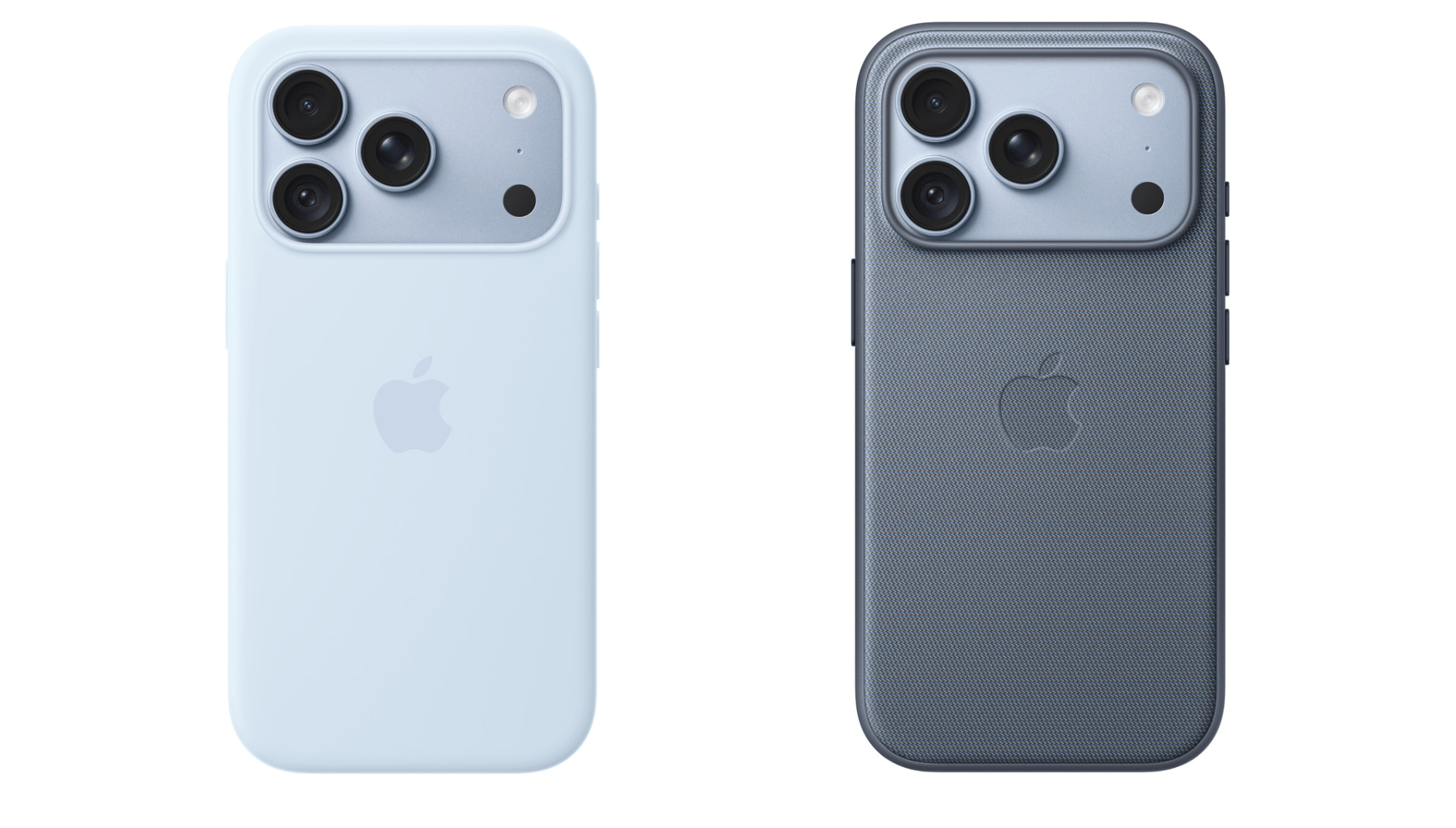
- iPhone 18 Pro Silicone Case with MagSafe
- iPhone 18 Pro TechWoven Case with MagSafe
- iPhone 18 Pro Max Silicone Case with MagSafe
- iPhone 18 Pro Max TechWoven Case with MagSafe
- iPhone 18 Pro Clear Case with MagSafe
- iPhone 18 Pro Max Clear Case with MagSafe
iPhone Duo cases
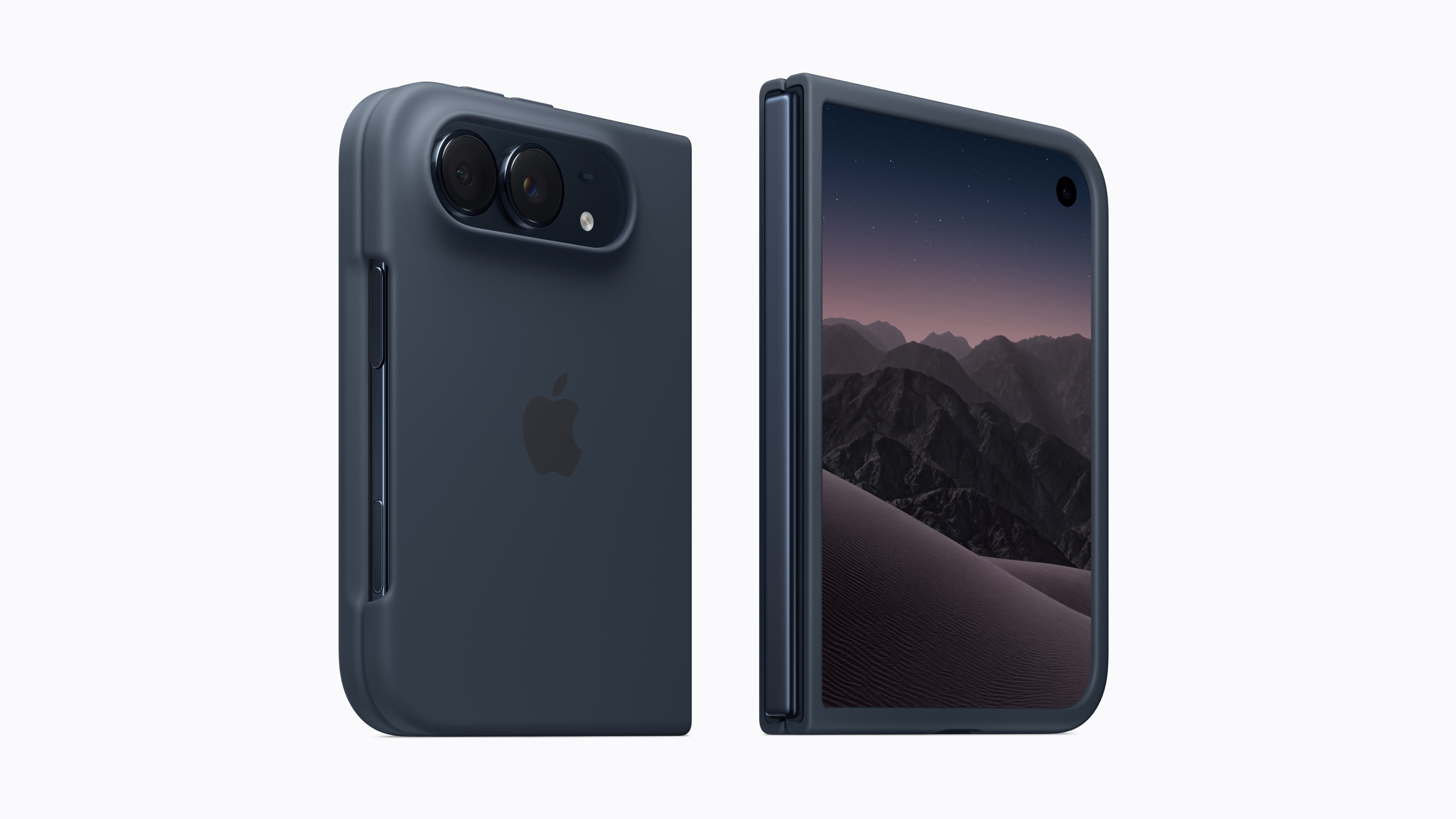
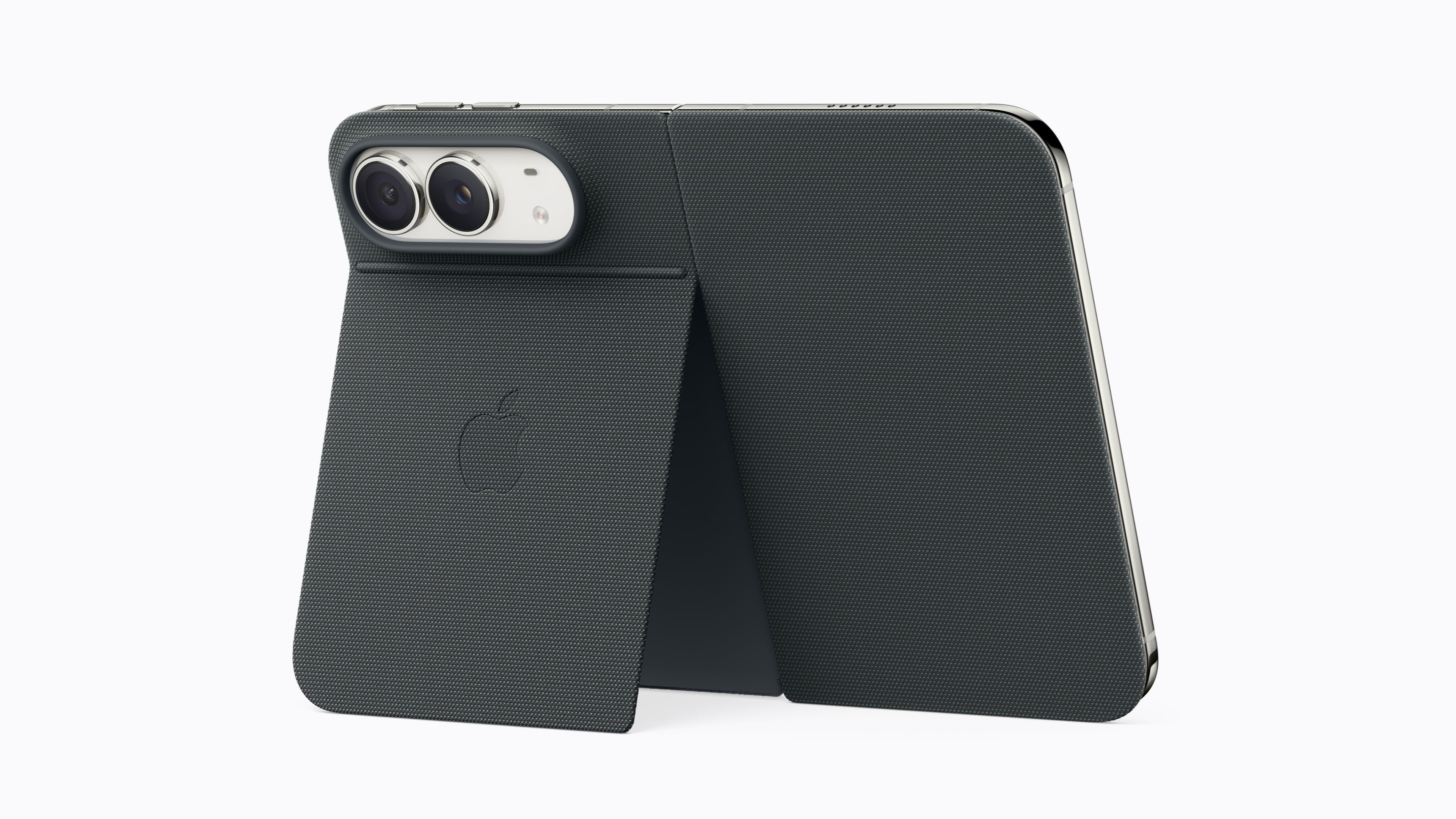
Apple announced two cases for the upcoming iPhone Duo. The first is simply called the iPhone Duo Case. It will cost $79 in the U.S. and comes in Sand and Navy Blue. The second is the iPhone Duo Folio with Kickstand, which comes in Taupe and Navy Blue for $129 in the U.S. Its built-in stand snaps back into place when not in use.
Apple Introduces Two AirPods 5 Models

Two years after bringing noise cancellation to its open-ear AirPods models, Apple is back with AirPods 5. Announced at today’s Surprise and Shine event, the new earbuds offer two models, both with Active Noise Cancellation (ANC). For those who prefer AirPods’ fit and the design without silicone ear tips, here’s what’s changed.
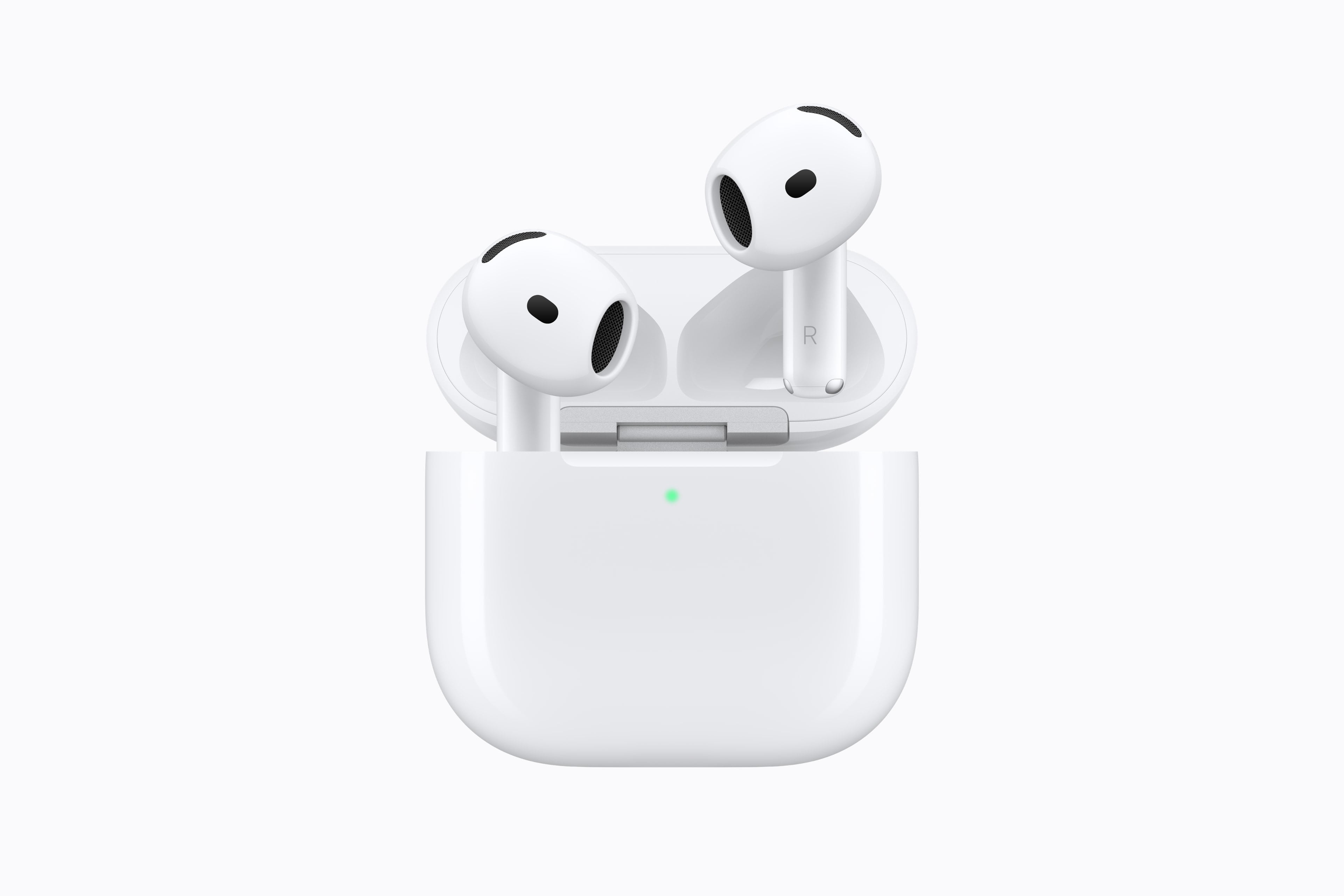
The biggest surprise is that both models of the new AirPods 5 feature ANC. When the AirPods 4 debuted, they were $129 for the model with no ANC and $179 for the model that included noise cancellation. Today’s update puts ANC in both models and retains the lower model’s $129 price tag. The second model is $20 more, which buys you a wireless charging case and slightly longer battery life.
According to Apple, the AirPods 5 feature a new acoustic architecture that eliminates up to 50% more external noise than the AirPods 4 with ANC. Transparency mode and Adaptive EQ have been improved, too.
As for that extended battery life on the more expensive model? Apple says you’ll get an additional hour of ANC listening, extending the battery life from four to five hours. With additional charges from the case, Apple claims up to 22 hours of listening with ANC enabled on the $149 model, compared to 20 hours on the $129 model.
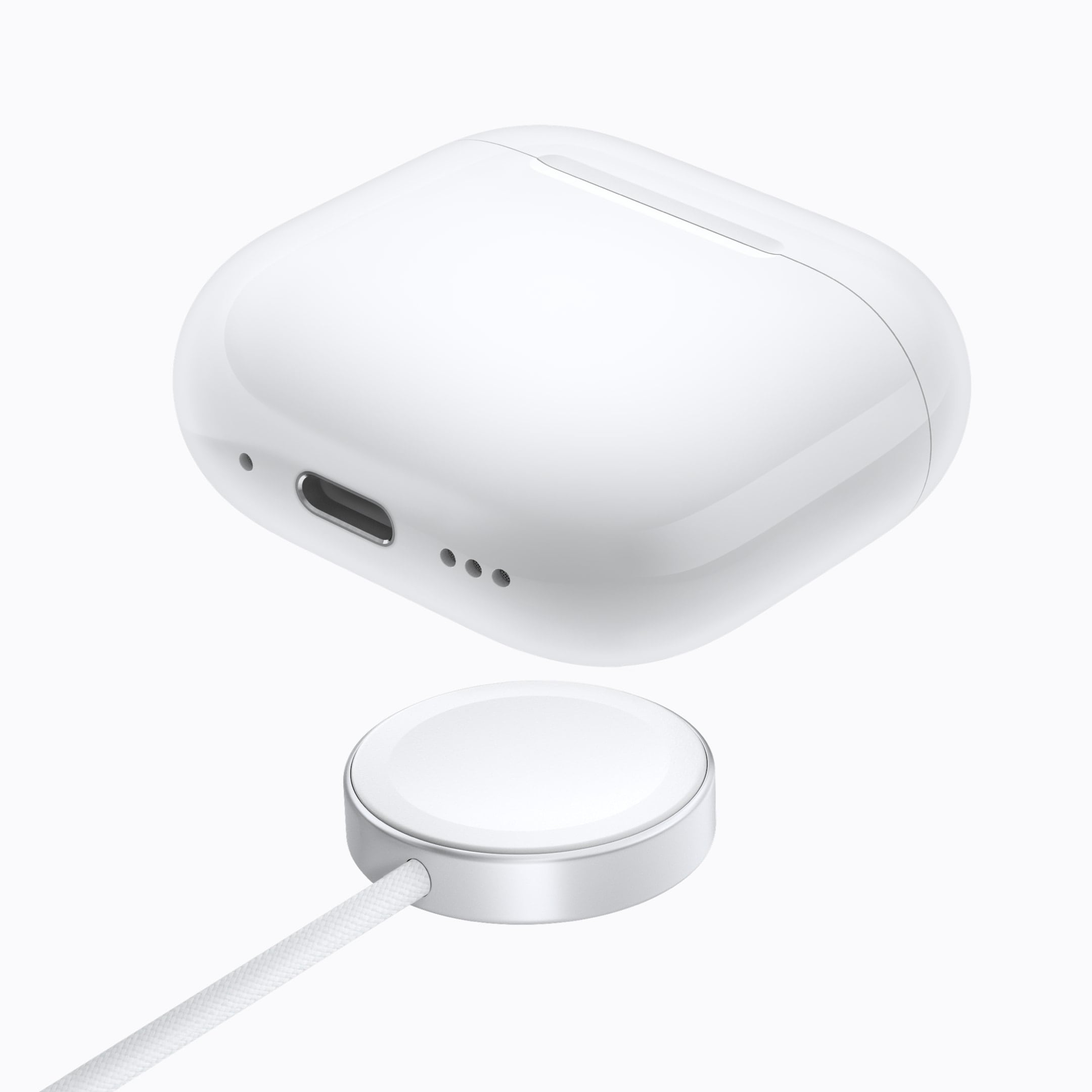
The more expensive model also adds volume control to the stem of the AirPods 5, which wasn’t available in either model of the AirPods 4, and the case includes a speaker that works with Find My. Both models have been rated for better water resistance at IP57 compared to the AirPods 4’s IP54 rating.
I’m glad to see both models of the AirPods 5 support ANC and that Apple held the price on the base model. I think $20 for wireless charging, better battery life, and the other advantages of the top model is a great deal too. I’m not going to trade in my AirPods Pro, but the AirPods 5 are a good deal that I expect will sell fast during the winter holiday season.
You can follow all of our September 2026 Apple event coverage through our September 2026 Apple Event hub or subscribe to the dedicated September 2026 Apple event RSS feed.