John is MacStories' Managing Editor, has been writing about Apple and apps since joining the team in 2015, and today, runs the site alongside Federico.
John also co-hosts four MacStories podcasts: AppStories, which covers the world of apps, MacStories Unwind, which explores the fun differences between American and Italian culture and recommends media to listeners, Ruminate, a show about the weird web and unusual snacks, and NPC: Next Portable Console, a show about the games we take with us.
This week on AppStories, we are joined by Alex Guyot live in the Club MacStories+ Discord community for a special episode recapping and breaking down everything announced by Apple at its latest online event, including the Apple Music, HomePod, and AirPods 3 announcements and the all-new MacBook Pros.
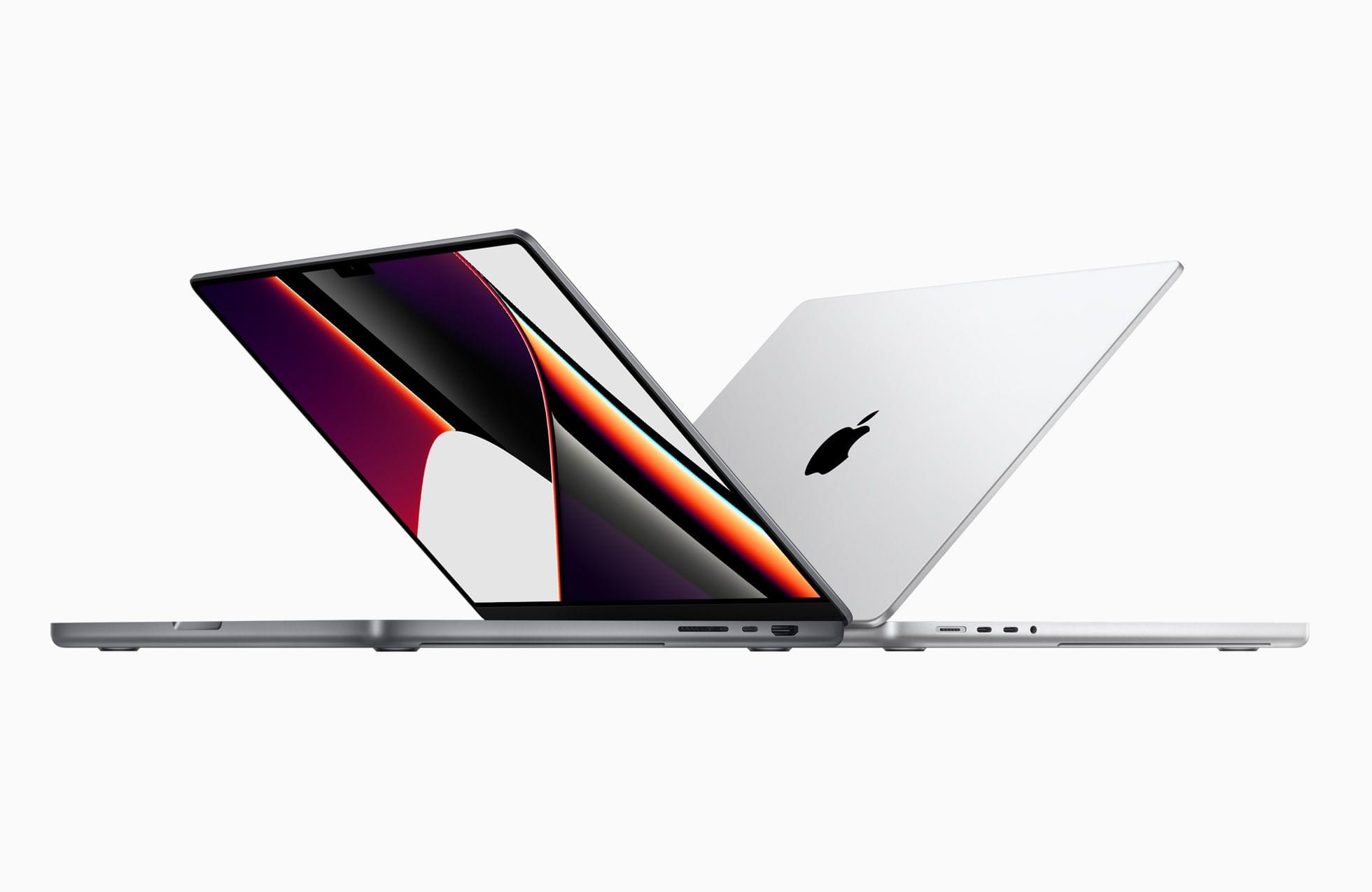
Yesterday, Apple covered a lot of ground quickly, and as usual, more details have emerged in the aftermath of the event. We’ve been combing apple.com, Twitter, and other sources to learn more about the new MacBook Pros, AirPods 3 and more, which we’ve collected below:
Battery life is a function of what you do with your laptop and The Verge’s Mitchell Clark takes a critical look at Apple’s battery life claims, putting them in perspective
As MacRumors reported and screenshots in Apple’s press releases suggested, the MacBook Pro’s notch is hidden in full-screen mode by a black bar.
Speaking of the notch, Apple’s Serenity Caldwell tweeted yesterday that there is new HIG documentation for developers looking to design for the menu bar on the new MacBook Pros.
As MacRumors’ Juli Clover explains, the MacBook Pro’s HDMI port is HDMI 2.0, which supports a single 4K display at 60Hz, which is disappointing since HDMI 2.1 supports a 120Hz refresh rate.
There’s a striking resemblance between the new Silver MacBook Pro and the Titanium PowerBook G4
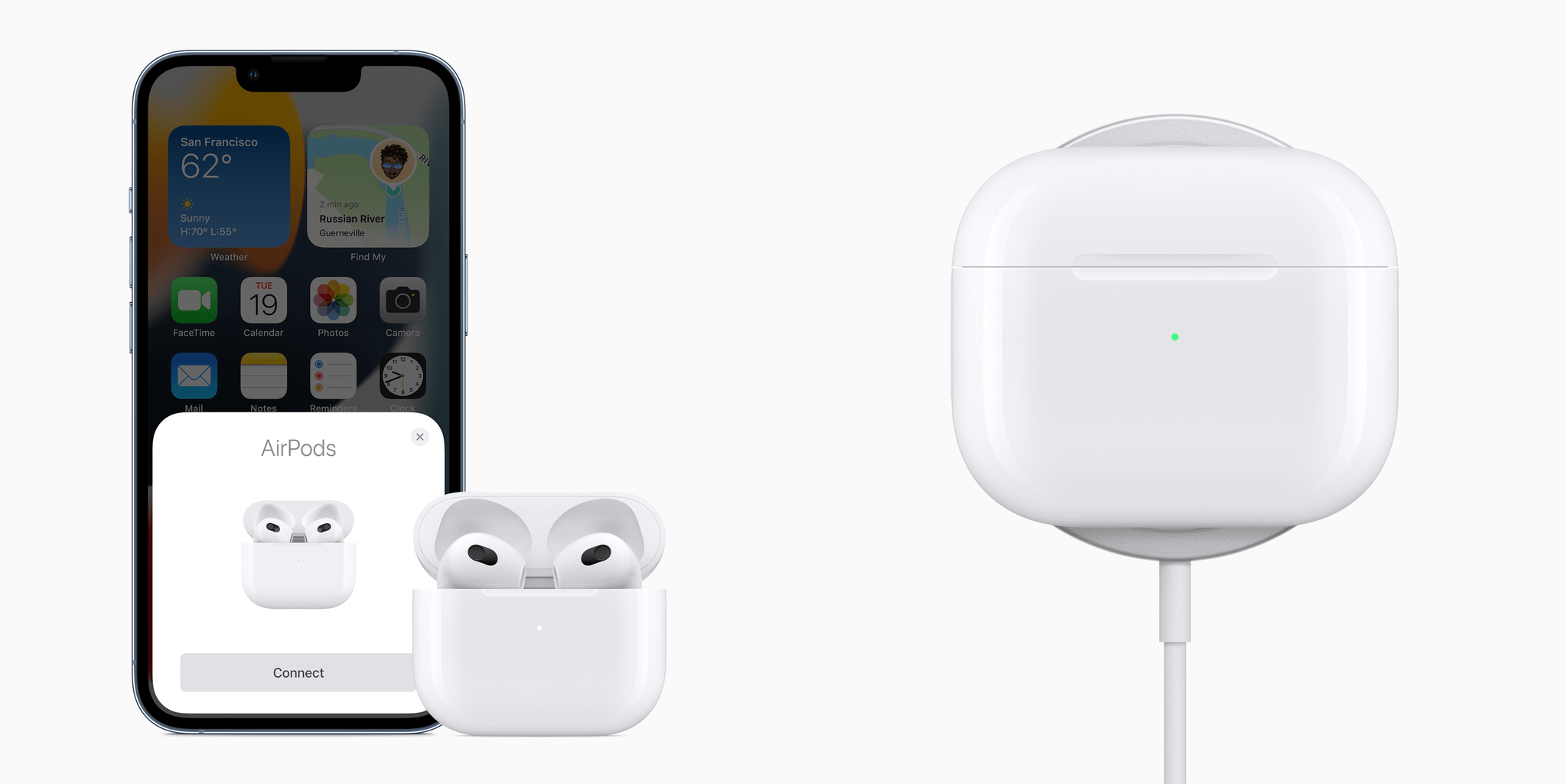
As MacRumors noted, Apple has broken out AirPods on its website, giving it a tab that is separate from TV & Home
Everything Else
The latest betas of iPadOS and macOS have brought back standard Safari tabs, relegating the compact mode to Safari’s preferences as Steve Troughton-Smith discovered
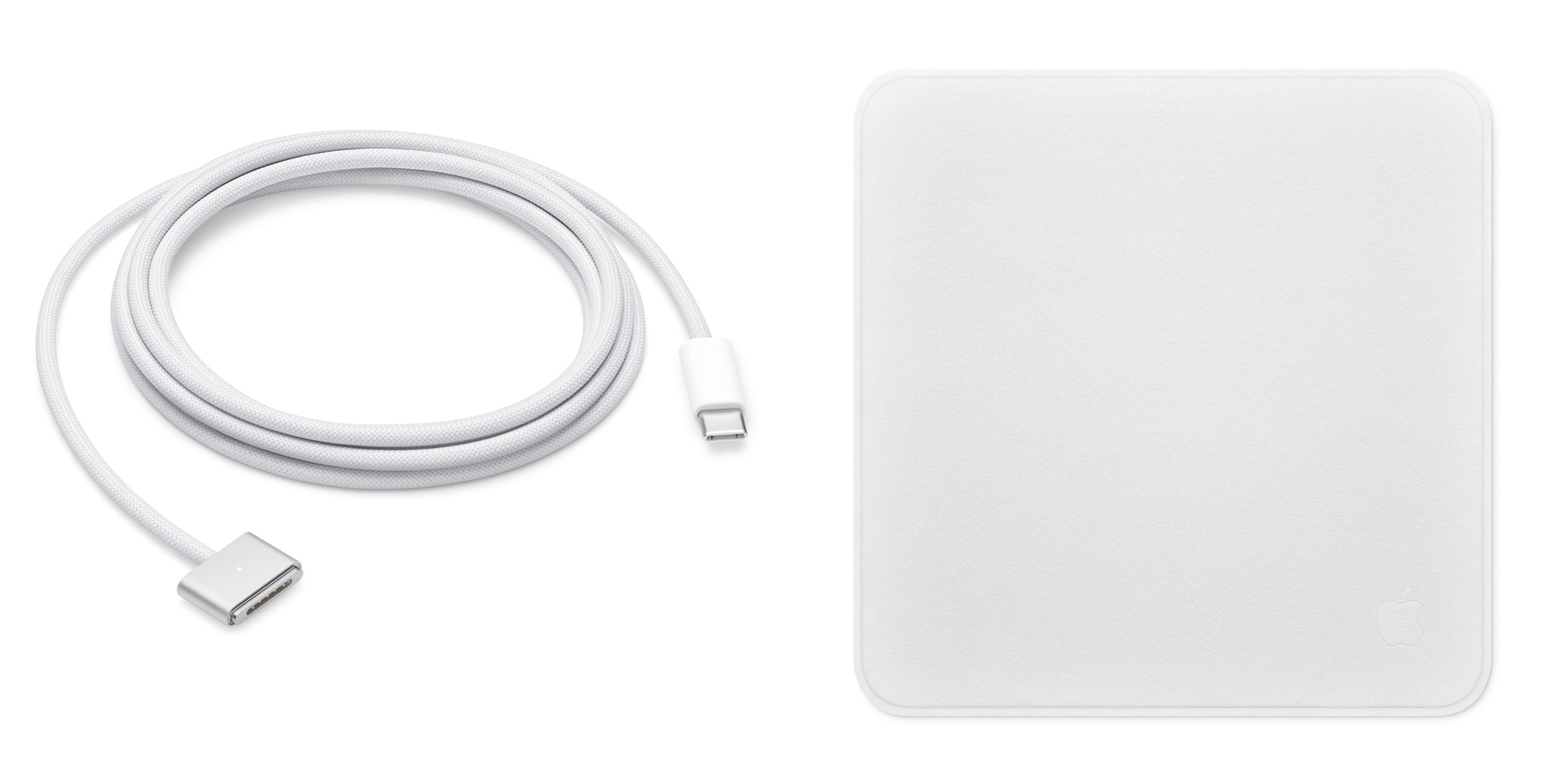
Originally an exclusive Pro Display XDR accessory, now you too can own an Apple Polishing Cloth suitable for all of your Apple device screens for just $19. Coming soon, ‘Apple Polishing Cloth: The MacStories Review’
As usual, Apple sprinkled facts, figures, and statistics throughout the keynote today. Here are highlights of some of those metrics from the event, which was held online from Apple Park in Cupertino, California.
AirPods 3
Features the H1 chip
IPX4 water resistance
Up to 6 hours of listening time (30 hours with the case) or 4 hours of talk time (20 hours with the case) on 1 charge
5 minutes in the case provides 1 hour of charge
M1 Pro and M1 Max
The M1 Pro has up to 200GB/s of memory bandwidth, while the M1 Max has 400GB/s
The M1 Pro supports up to 32GB of unified memory and has a 256-bit LPDDR5 interface
The M1 Max supports up to 64GB of unified memory and has a 512-bit LPDDR5 interface
The CPUs of the M1 Pro and M1 Max are built with a 5-nanometer process and have 8 high-performance cores with a 192KB instruction cache, 128KB data cache, 24MB L2 cache, and and 2 high-efficiency cores with a 128KB instruction cache, 64KB data cache, and 4MB L2 cache
The CPU of the M1 Pro and M1 Max is 70% faster than the M1
There are 33.7 billion transistors on the M1 Pro and 57 billion on the M1 Max CPUs
The M1 Pro’s GPU has 16 cores with 2048 execution units, up to 49,512 concurrent threads, 5.2 teraflops, 164 gigatexels/second, and 82 gigapixels/second
The M1 Max’s GPU is 4x faster than the M1 and has 32 cores with 4096 execution units, up to 98,304 concurrent threads, 10.4 teraflops, 327 gigatexels/second, and 164 gigapixels/second
There are 10,000 Universal apps available on the App Store
MacBook Pro
The 16” MacBook Pro has a screen that is 16.2” diagonally, weighs 4.7 pounds, and is 16.8 mm thick
The 14” MacBook Pro has a screen that is 14.2” diagonally, weighs 3.5 pounds, and is 15.5 mm thick
The MacBook Pros have 3 Thunderbolt 4 ports, 1 HDMI port, 1 SDXC card slot, and 1 3.5 mm headphone jack
The bezel around the MacBook Pro’s screen is 3.5 mm thin, which is 24% thinner on the sides and 60% thinner on the top
The 16” MacBook Pro has 7.7 million pixels and the 14” MacBook Pro has 5.9 million
Both screens refresh at up to 120Hz, have a sustained brightness of 1,000 nits, and a peak brightness of 1,600 nits
The screen of both models has a 1 million to 1 contrast ratio and can display 1 billion colors
The FaceTime HD camera has a 1080p resolution, 4-element lens, and ƒ/2.0 aperture that enables a 2x improvement in low-light performance
The new MacBook Pros have 3 microphones with a 60% lower noise floor and 6 speakers with 80% more bass
The MacBook Pro’s SSDs write at up to 7.4GB/s and are available in up to 8TB configurations
The 14” MacBook Pro gets 17 hours of video playback, which is 7 hours more than before or 11 hours of web browsing on a full battery charge, while the 16” model gets 21 hours of video playback for an improvement of 10 hours or up to 14 hours of web browsing
The batteries can be fast charged to 50% in 30 minutes
This week, Federico and John are joined by Alex Guyot live in the Club MacStories+ Discord community for a special episode recapping and breaking down everything announced by Apple at its latest online event, including the Apple Music, HomePod, and AirPods 3 announcements and the all-new MacBook Pros.
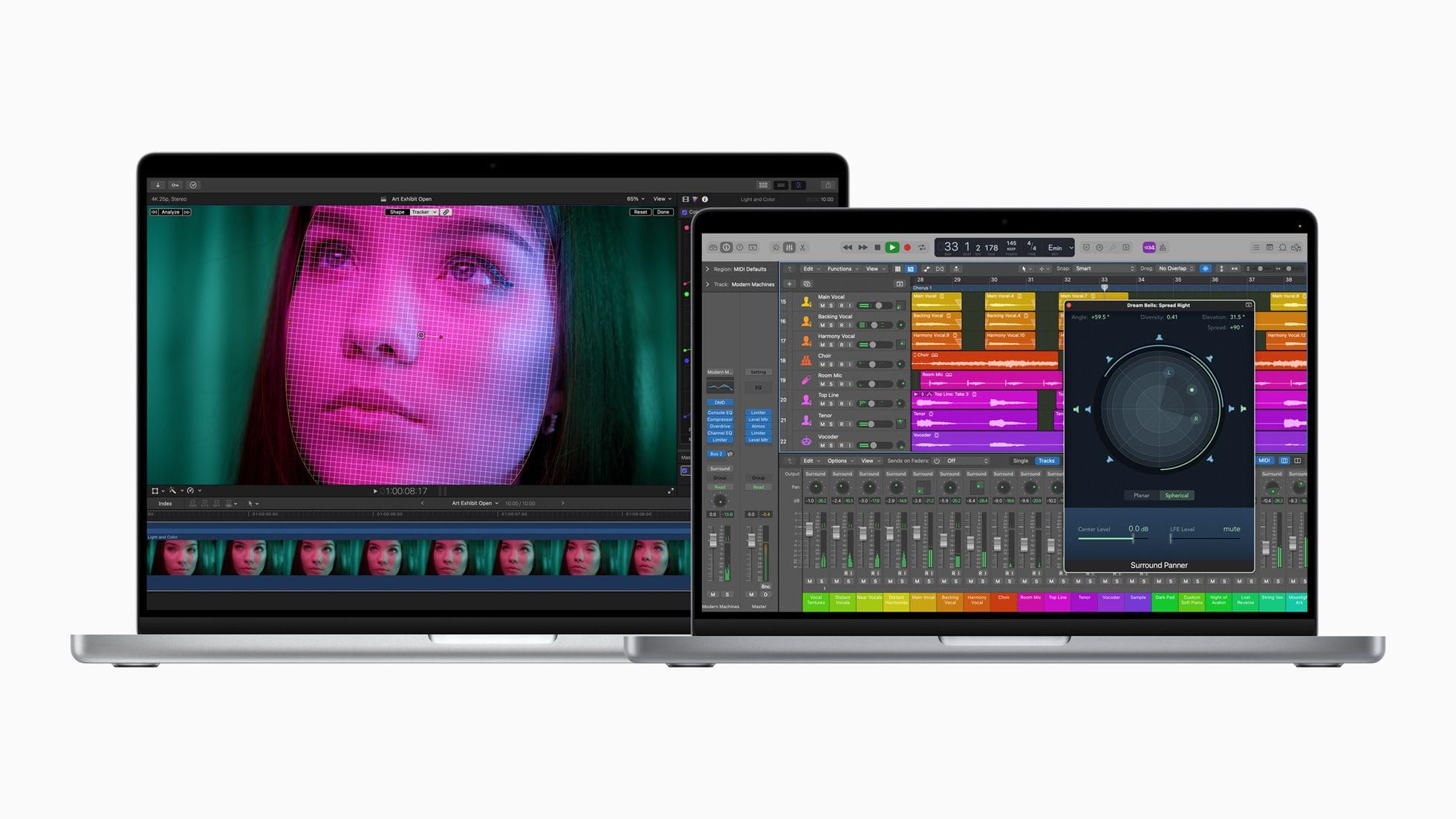
As expected, Apple released new MacBook Pros today featuring all-new Apple silicon systems-on-a-chip (SoCs). Let’s start with the chips that drive the new 14 and 16” MacBook Pros.
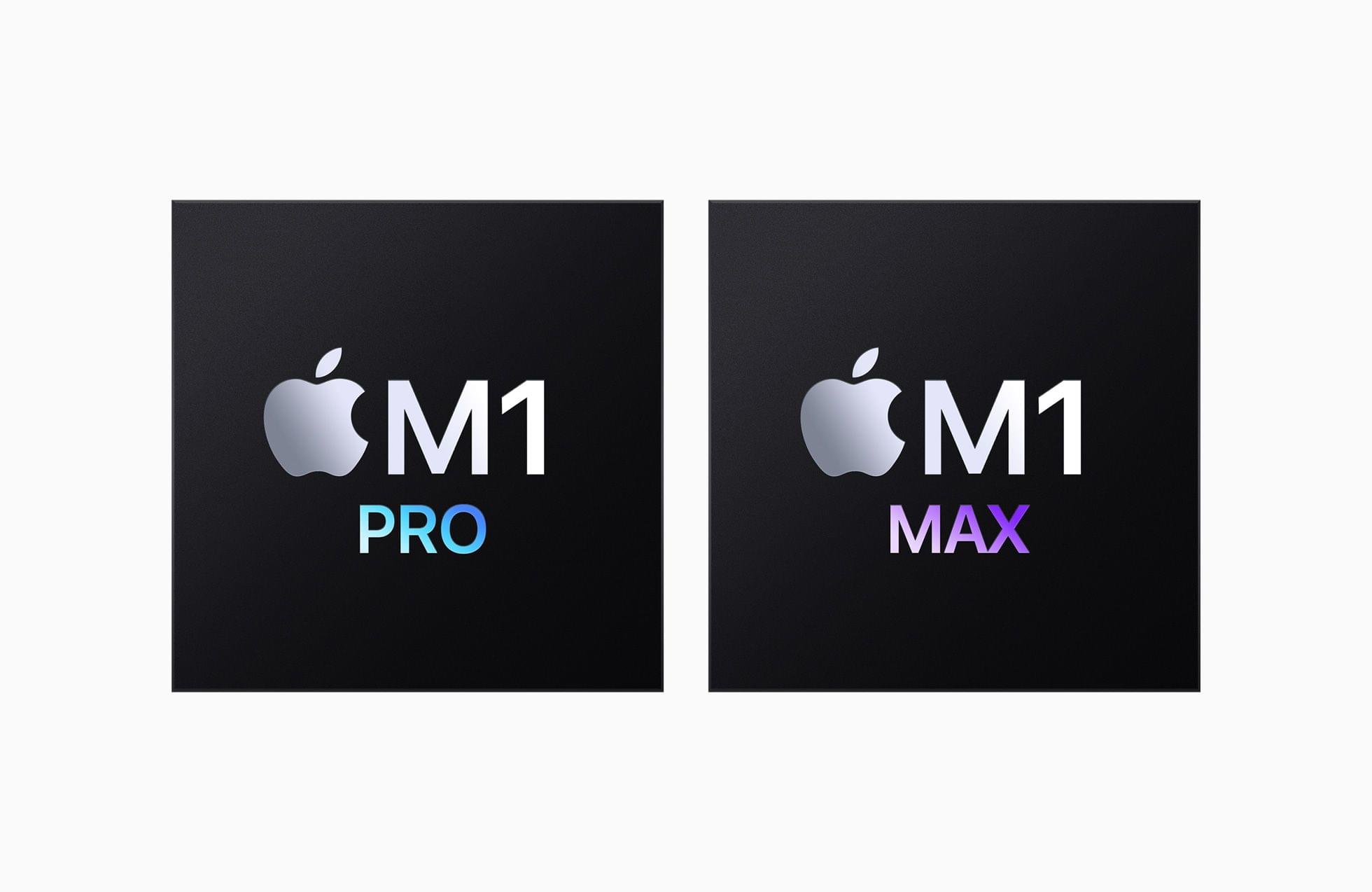
Apple introduced two new SoCs, the M1 Pro and the M1 Max. Both MacBook Pro models can be configured with either SoC, which take the M1 architecture and scale it up for pro-level performance. Today’s presentation emphasized a long list of metrics in several key areas, including the speed, bandwidth, and capacity of its unified memory and both SoC’s efficiency and performance per watt.
The M1 Pro has up to 200GB/s of memory bandwidth and can drive up to 32GB of unified memory. The Max doubles that with up to 400GB/s of memory bandwidth and up to 64GB of unified memory.
If you didn’t follow the live stream or announcements as they unfolded today, you can replay it on Apple’s Events site and catch the product videos on Apple’s YouTube channel.
The keynote video can be streamed here and on the Apple TV using the TV app. A high-quality version will also be available through Apple Podcasts as a video and audio podcast. There is also an American Sign Language version of the event, which is available here.









](https://cdn.macstories.net/banneras-1629219199428.png)


 Federico