


It’s CES time again, which means another edition of our annual roundup of the most eye-catching gadgets seasoned with a helping of weird and wonderful tech. I’m sure it will come as no surprise that robots, AI, and TVs are some of the most prominent themes at CES in 2026, but there’s a lot more, so buckle in for a tour of what to expect from the gadget world in the coming months.
AR Glasses
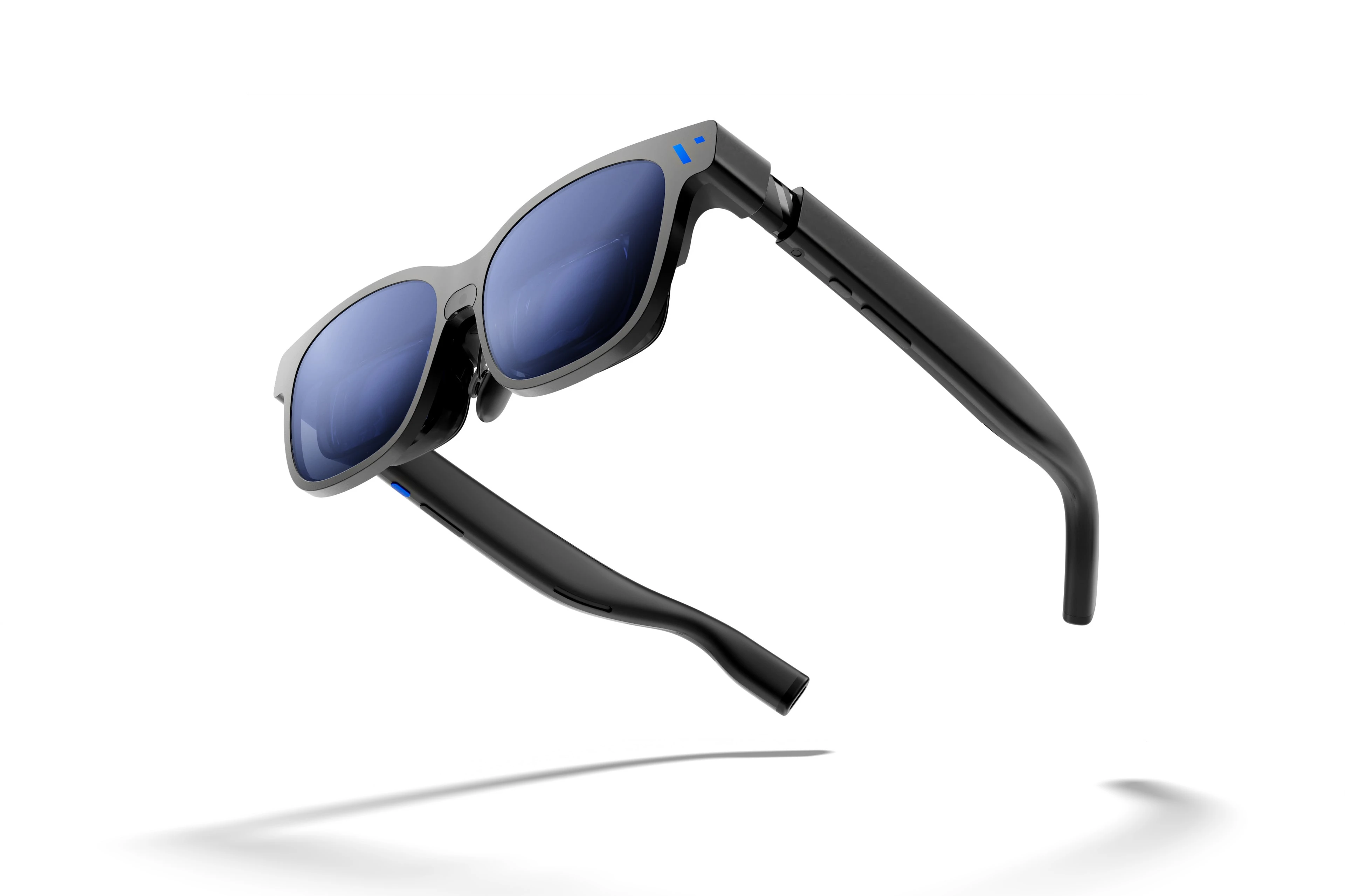
I first tried Xreal AR glasses shortly before the Vision Pro was released. The experience at the time wasn’t great, but you could see the potential for what has turned out to be one of the Vision Pro’s greatest strengths: working on a huge virtual display. There’s also a lot of potential for gaming.
It looks like the tech behind AR glasses is finally getting to a point where I may dip in again this year. Xreal updated and reduced the price of its entry-level 1S glasses, which will make the category accessible to more people.
The company also introduced the Neo dock, a 10,000 mAh battery that also serves as a hub for connecting a game console or other device to its AR glasses. Notably, the Neo is compatible with the Nintendo Switch 2, which caught my eye immediately.
For its part, Viture is releasing The Beast next month. The $549 AR glasses offer a 58-degree field of view, electrochromic tint with nine adjustment levels, and a built-in camera, and they weigh only 96 grams. Unfortunately, The Beast does not include built-in nearsightedness correction, so you may need prescription lenses, too.
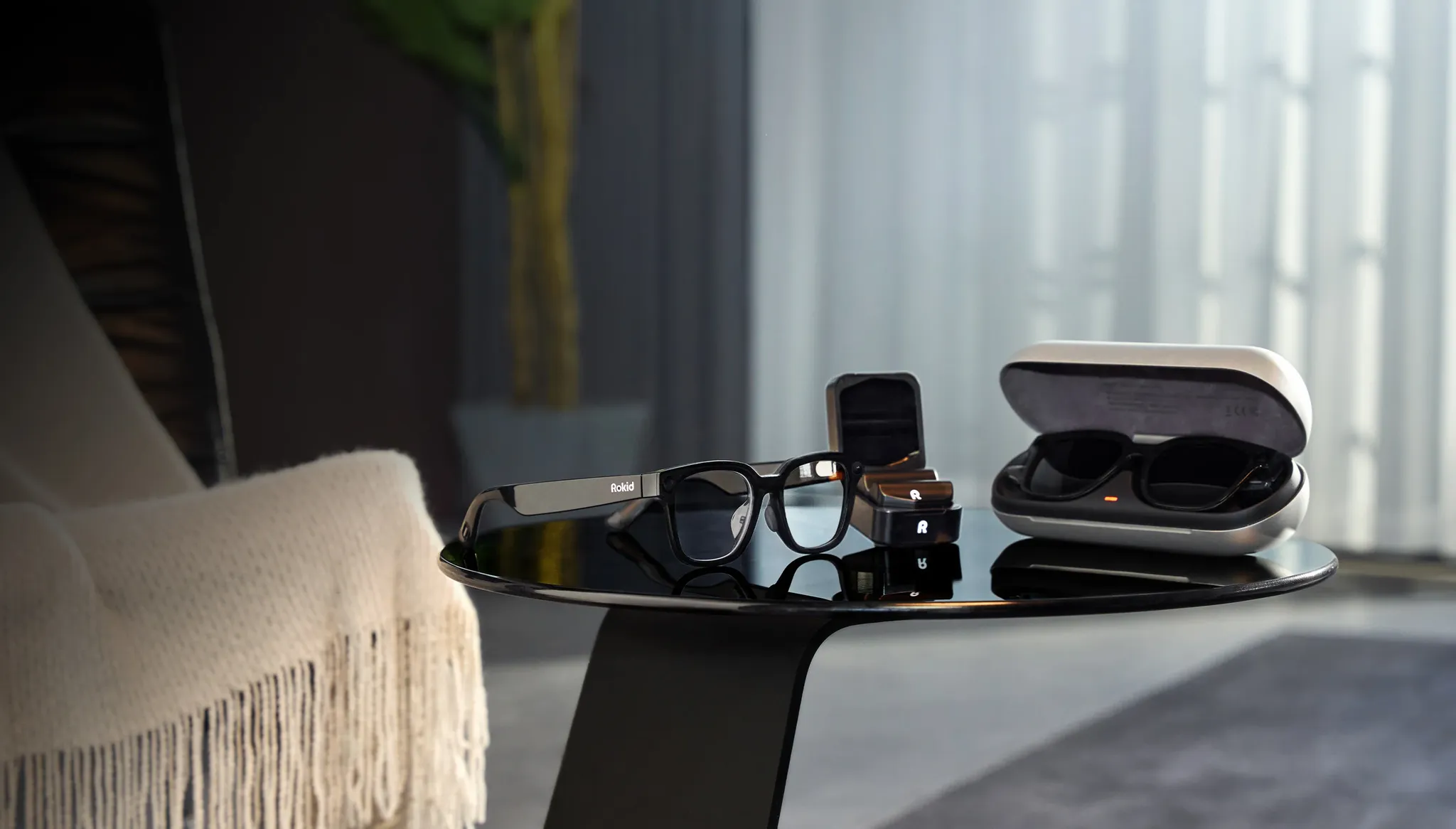
Rokid is going more Meta with the Style, a pair of glasses that supports prescription lenses and uses a built-in Qualcomm chip for AI and taking photos and videos with a 12MP camera. At $300, the glasses, which will be out in just under two weeks, are much more affordable than Xreal and Viture’s glasses, but they’re also serving a very different audience.
I’m not totally sold on AR glasses yet, but Xreal and Viture have made strides that have me intrigued again. Their functionality is limited, but there’s a lot to be said for a giant virtual screen that you can take with you.
The Smart Home
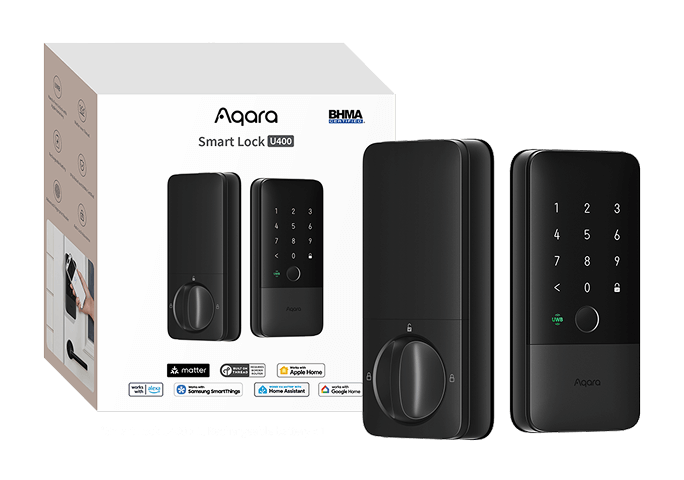
Just like last year, Aqara is showing off a bunch of new smart home devices, including the U400, the first smart lock to feature Apple’s ultra-wideband functionality. With UWB built in, the $269.99 U400 will be able to sense when you approach your door from the outside and unlock it for you when you’re within six feet of the door. This is tech that I’ve been impatiently waiting for since I moved into our new house, and I can’t wait to get my hands on it.
Aqara also showed off the FP400, an update to the company’s mmWave wired presence sensor; a thermostat that supports Wi-Fi, Thread, and Zigbee; the company’s first Matter-compatible camera, which looks like a rabbit; and the P100 Spatial Multi-State Sensor, a high-precision sensor with 9-axis sensing and built-in algorithms that can sense things like door openings, knocks, and more.
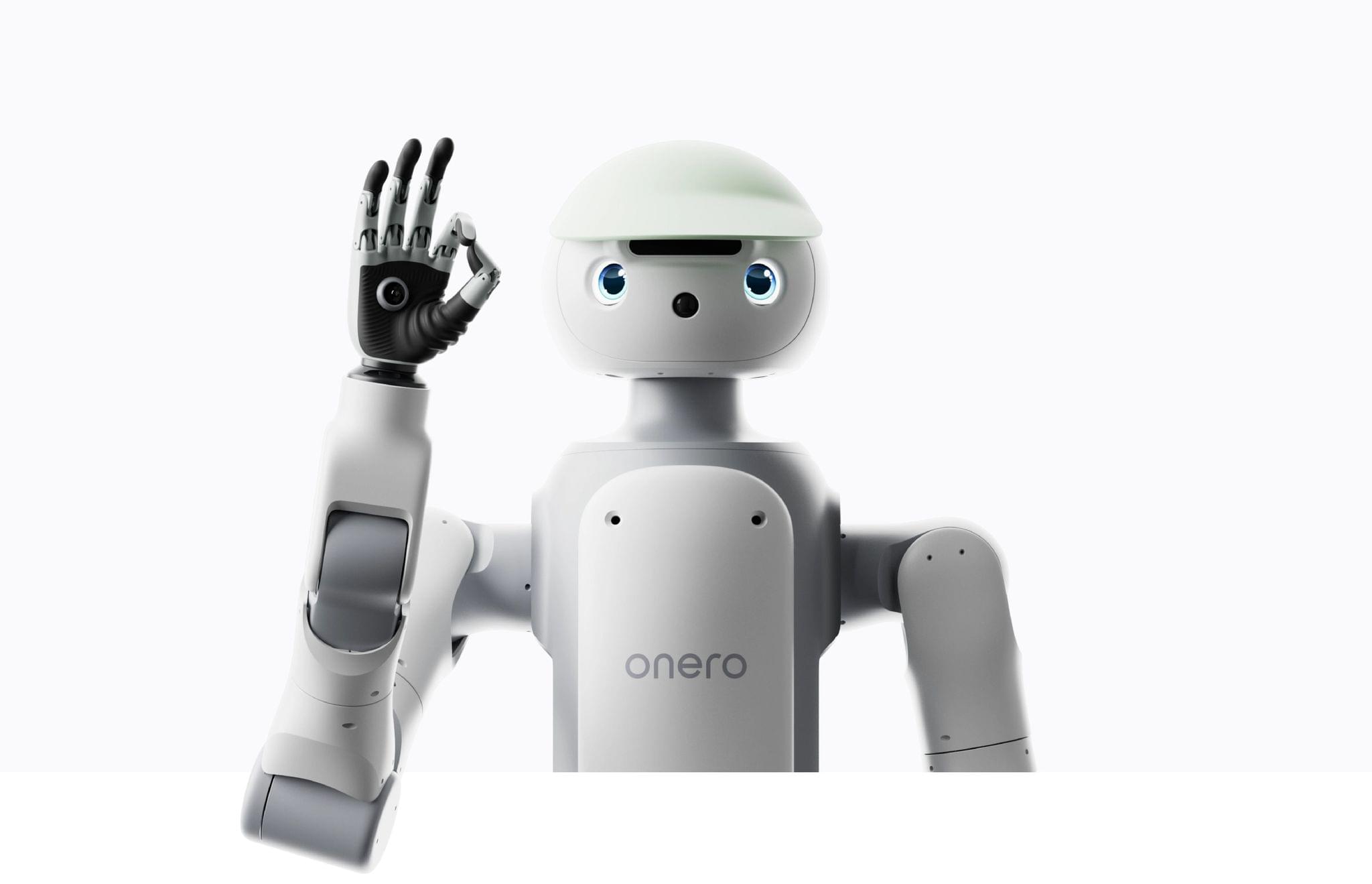
I’ll be shocked if this SwitchBot robot ships and, if it does, can do half of what they claim. Source: SwitchBot.
SwitchBot throws a lot at the wall every year at CES, and 2026 is no different. The company, best known for gizmos that press buttons and flip switches, is showing off:
- a humanoid robot that improbably claims to be able to fold laundry, fetch you bottled water, and make you breakfast,
- locks that unlock via facial recognition,
- a squat, rectangular robot that can play tennis,
- a desk lamp that looks like a retro pixel snowglobe,
- an AI lapel pin to creep out your friends and family,
- an e-ink weather station that’s reminiscent of the TRMNL, and
- a color e-ink picture frame.
UGREEN is expanding into the smart home this year, too, with indoor, outdoor, and doorbell cameras. There’s no word on the outdoor camera’s resolution, but the indoor models are 4K, as is the doorbell, and all of the cameras will work with UGREEN’s SynCare Smart Display D500 and store data locally using UGREEN NASync. The company hasn’t said which smart home technologies will be supported, nor has it announced pricing or availability. My guess is that these products are a long way off still but worth keeping an eye on.
Narwal introduced the Flow 2 robot vacuum and mop at CES this year, which adds a couple of 1080p cameras to the device. That’s good to see, and I’ll be interested to find out how well it works because, as I noted in my review of the Freo X10 Pro, one of its only downsides compared to my older Roomba is that because it relies on LiDAR, the Freo X10 Pro doesn’t see cords and cables as well.
Gaming
As we recently predicted on NPC XL, we’ll see a lot more of AMD’s Strix Halo chips in gaming handhelds in the future. To date, the adoption has been limited because the chips run so hot that some manufacturers resorted to separate battery packs to manage heat.
However, with the new lower-end Ryzen AI Max Plus chips (the 392 has 12 cores, and the 388 has 8 cores), AMD is specifically targeting handhelds. Although they have fewer CPU cores, the chips have the same graphics compute units as the higher-end chip in my mini PC, which should allow them to push a lot of pixels, albeit in devices that will undoubtedly cost over $1,000.
NVIDIA also announced that its game streaming service, GeForce NOW, is coming to Linux and Fire TV. I can’t say I’m too excited about the Fire TV, but the service is built into my LG TV, which does give it a certain Netflix-like convenience of being connected to all my screens. But what’s really interesting is the Linux introduction. That strikes me as preparation for Valve’s upcoming Steam Machine. It wasn’t that long ago that NVIDIA added official GeForce NOW support for the Steam Deck, so it seems likely we’ll see the app on the Steam Machine too.
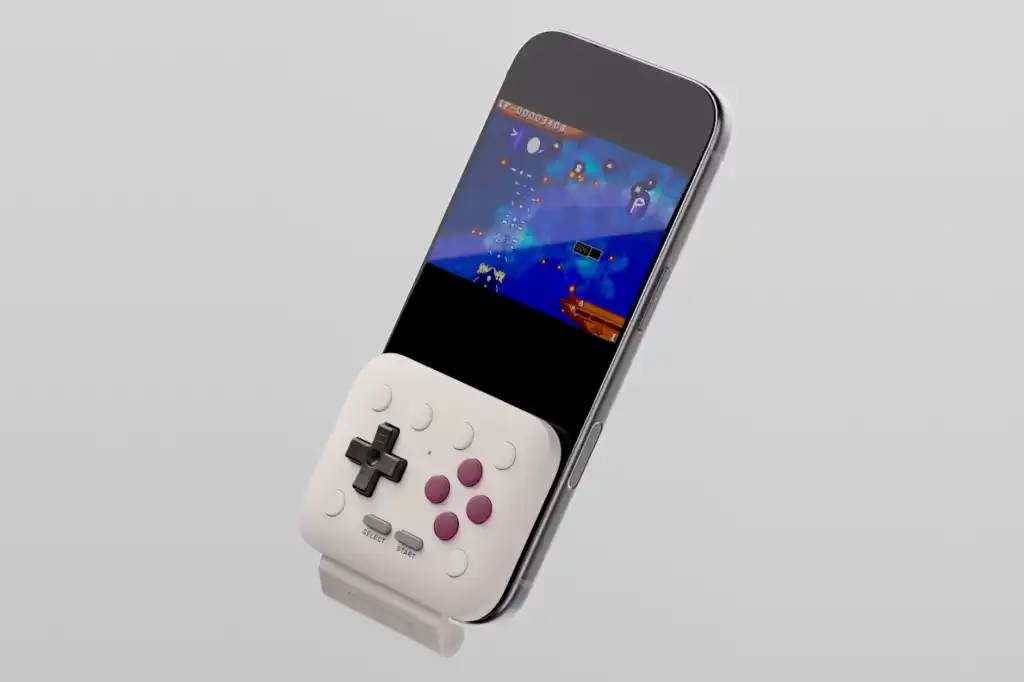
I’m also keen to try 8BitDo’s FlipPad iPhone controller accessory that attaches via USB-C and folds up to lay flat against your iPhone, looking a little like a Game Boy. There have been previous attempts at something similar to this with more in the works, all of which we’ve covered on NPC, but 8BitDo’s track record of producing good controllers makes me optimistic that this might be the best of the bunch for emulating old systems in portrait mode. Sadly, it won’t be out until this summer.
Weird and Wonderful
.](https://cdn.macstories.net/elihealth-jpg-1767733000377.webp)
Can you guess what this is? Source: Eli Health via The Verge.
I have to hand it to Dell. Computer monitors don’t usually make my weird and wonderful list, but a 52” 6K display that costs $2,900 fits the bill. My neck hurts just looking at the photos. It’s also a Thunderbolt hub and KVM switch. It doesn’t really have the kind of specs you’d expect from a gaming display, but you could always watch TV from your couch and then KVM over to a mini PC to show off your Excel skills, I suppose.
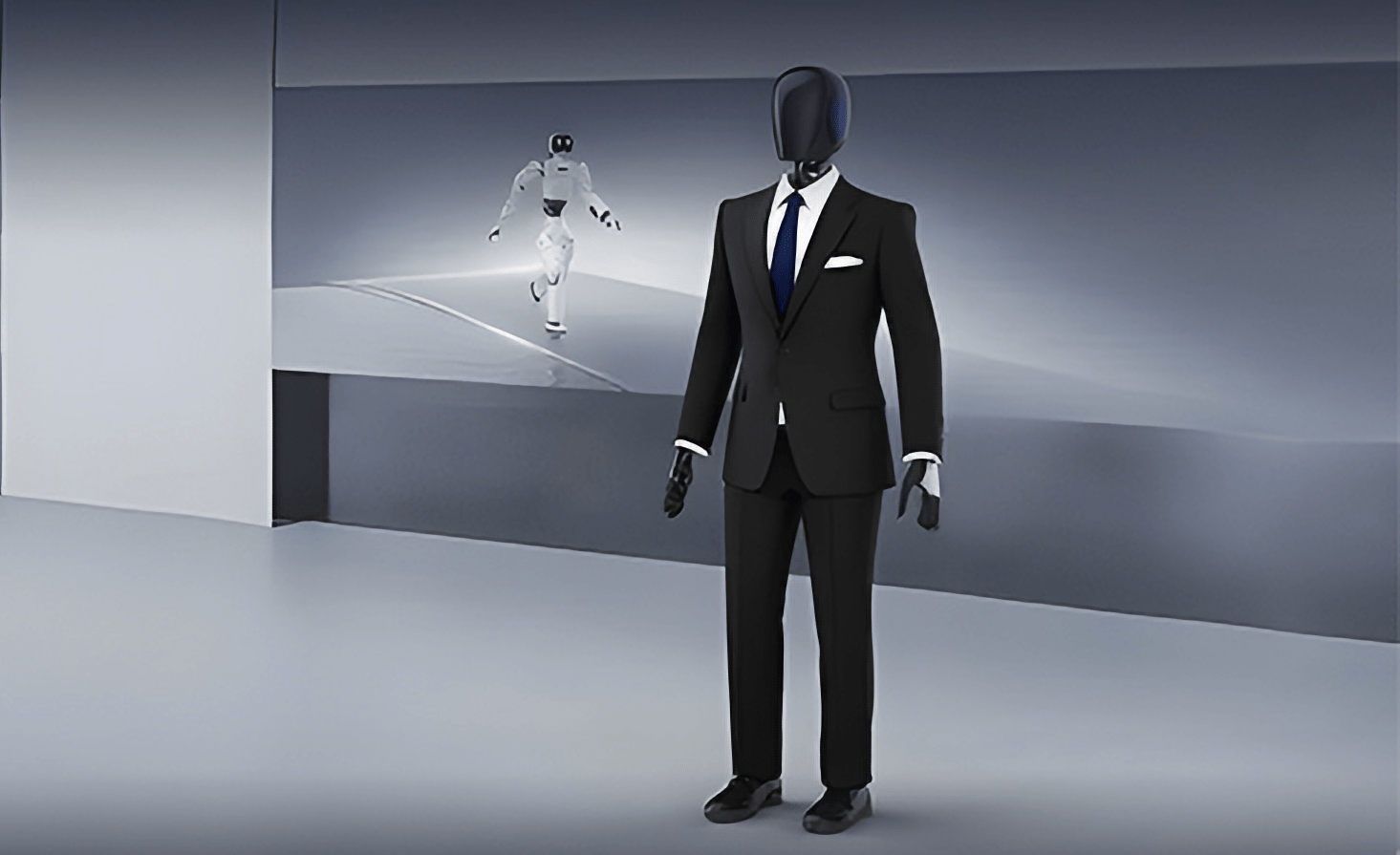
There are robots all over CES this year, but Agibot’s can dance, so that’s the one I want. It also comes in two sizes in case you prefer hobbit-sized bots.
Mui Board is a plank of wood you can use to control your smart home. I like the natural wood look, but what am I supposed to do with this? Mount it on the wall with a dangling cord, as you can see from the photo in this story from The Verge, or leave a random piece of wood lying on the coffee table like a carpenter came by and left it behind? Knock on wood that this thing actually gets released someday after showing up at CES for the past seven years.
.](https://cdn.macstories.net/babyfufu_1-jpg-1767735870079.webp)
Image via The Verge.
Do you remember the “nib nib” cat that chewed on your fingers, the headless cat pillow, or the pillow that breathed? Well, the company that brought you all of those CES classics is back with Baby FuFu, a faceless bear that blows air at babies. Like all of Yukai Engineering’s CES reveals, it’s vaguely creepy and seems designed to attract little fingers. My kids are too big, so maybe I’ll get one for Myke to test – you know, “for the content.”
Of everything shown off at CES so far, I’m most immediately excited about Aqara’s U400 deadbolt lock. Based on Jennifer Pattison Tuohy’s hands-on story for The Verge, it sounds like a big improvement over older smart lock technology.
I’m also very interested in what handheld companies will do with AMD’s cheaper Strix Halo chipset. To date, Strix Halo handhelds have been too big and too expensive for my taste, and while I’m sure devices with the new chips will still carry a premium price, it should be a step in the right direction toward balancing size, power, and cost.
It’s good to have gadgets back. There was a long dry spell when everything was reduced to apps. Don’t get me wrong: I’m a fan of apps, but gadgets are great, too, even when they’re mostly pie-in-the-sky vaporware or just plain weird. CES is just getting started. Tune into the next episode of MacStories Unwind for more of my finds.
