
This Week's Sponsor:

BetterTouchTool

Now with a Powerful Launcher for Your Mac


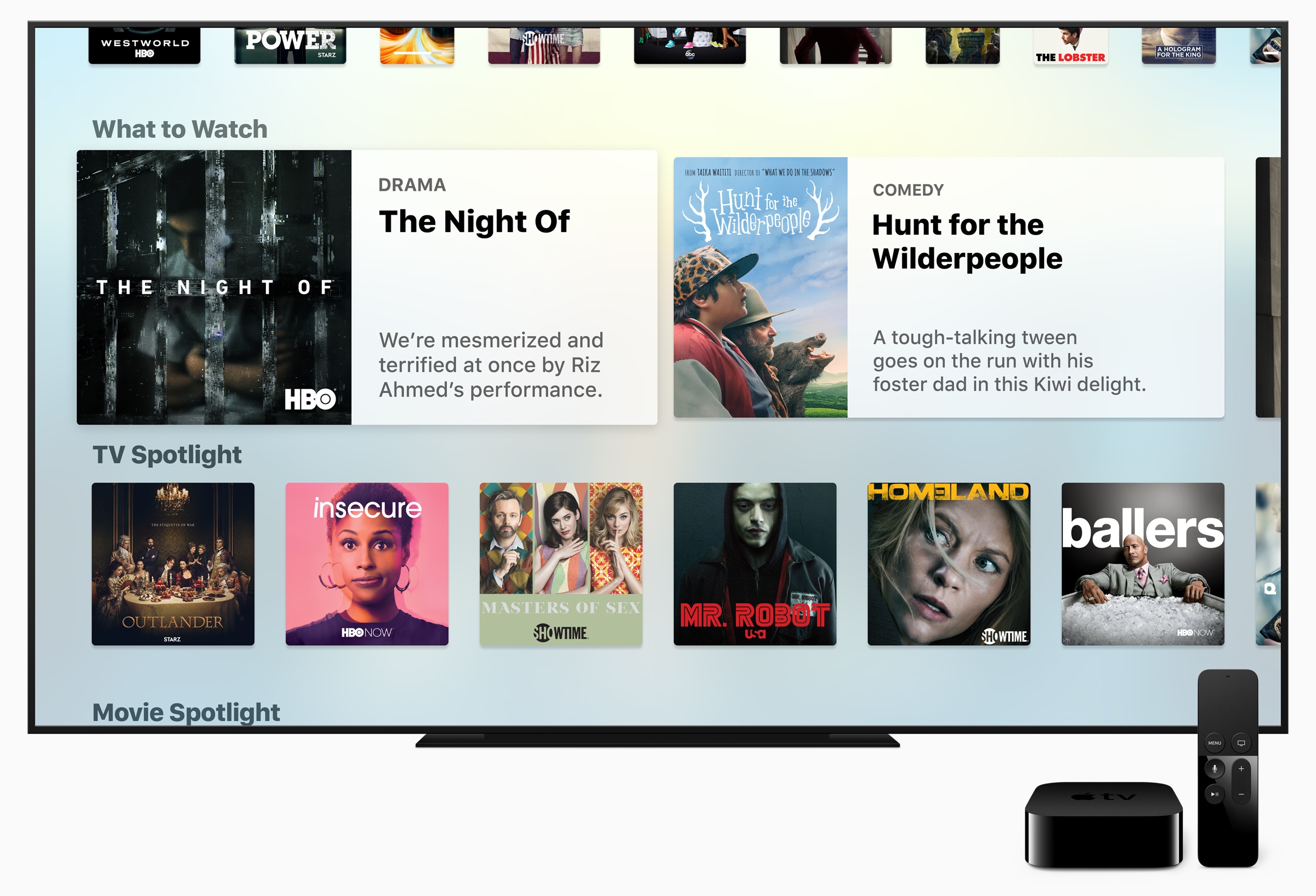
tvOS 11 Will Add Automatic AirPod Pairing and Dark Mode Activation Plus Home Screen Syncing

The Apple TV’s stage time at WWDC was limited to an announcement by Tim Cook that Amazon Prime Video will introduce an app to Apple’s streaming television-connected box later this year. Although they didn’t receive stage time during Apple’s WWDC keynote, Zac Hall at 9to5Mac discovered that Apple’s first beta of tvOS 11 includes a handful of additional features that look like they could come in handy.

The first tvOS 11 beta includes automatic pairing of AirPods to Apple TVs. When you pair AirPods with an iPhone, the settings are currently propagated across other iOS devices and Macs that are signed into the same iCloud account. That means you only have to pair AirPods once and then you can easily connect with other devices and Macs. However, Apple TVs were left out of the original implementation of this feature, which required them to be manually paired each time someone wanted to use AirPods with an Apple TV. tvOS 11 promises to eliminate those extra pairing steps by automatically pairing with Apple TVs on the same iCloud account too.

The tvOS beta also includes Home screen syncing among multiple Apple TVs. If you own more than one Apple TVs and want a consistent experience across them all, turning on Home Screen Sync ensures that the same apps will be installed automatically on each and organized in the same way.

Finally, the tvOS 11 beta has a setting for automatically switching between light and dark mode based on the sunrise and sunset times where you live.

The tvOS 11 beta is currently for developers only but will be available as part of Apple’s public beta program soon.

Connected, Episode 145: LEGO for Shortcuts

Live from San Jose, the trio talk about the news from a little event known as WWDC.

Last week’s Connected, recorded in person during WWDC, is all about Apple’s announcements and our reactions to pro updates for Macs and iPads. You can listen here.

Sponsored by:

  • Hover: Transfer your domain and get 40% off an additional year.
  • MacStadium: It’s time to get your Mac infrastructure out of the office closet and into the hands of the experts.
  • Igloo: A digital workplace platform Free for up to 10 people.
Permalink

iOS 11 Drag and Drop on the iPhone

Steven Troughton-Smith played around with the first beta of iOS 11 and discovered that inter-app drag and drop – one of the marquee features for iPad this year – could in theory be used on the iPhone as well.

At WWDC, Apple explained that the same drag and drop API that powers iPad apps can be used on the iPhone to move content inside the app you’re currently using. So while on the iPad we’re going to get a wide array of gestures to transfer content between different apps, on the iPhone drag and drop will be limited to rearranging content in the current app only.

I want inter-app drag and drop to come to the iPhone eventually (it’s such a better solution than extensions and share sheets), but I could see a couple of reasons why Apple might want to wait for now.

First, giving the iPad exclusive access to the functionality is a great marketing move as Apple “relaunches” the iPad line this year. But more importantly, while the iPad supports multi-hand drag and drop, the same system would be awkward, if not downright impossible, on the iPhone’s screen. And if I had to guess, I’d say that Apple would prefer iPhone drag and drop to work well with one-handed operations – which makes me wonder if the company is waiting for a future software solution (a Shelf, a spring-loaded virtual Home button, or a new Dock) to enable more powerful drag and drop on the iPhone.

Permalink

iOS 11 Will Not Support 32-bit Processors

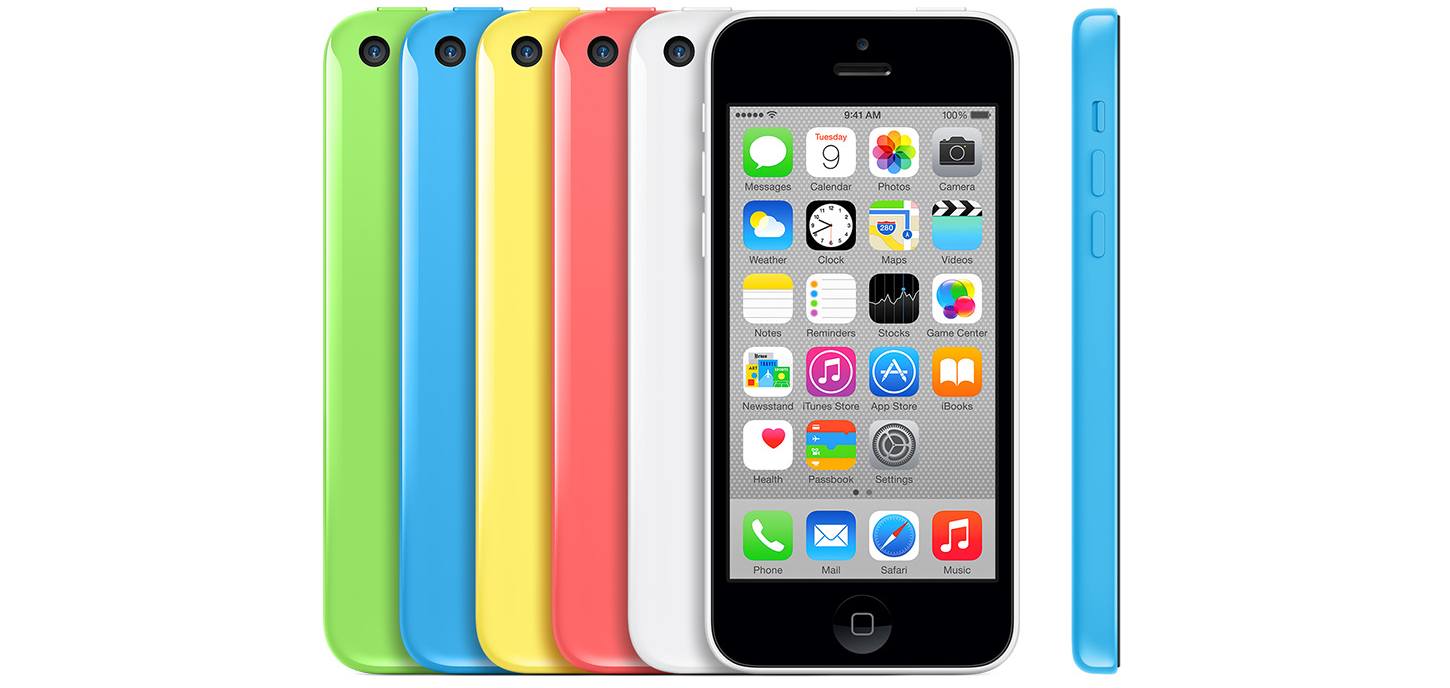
It’s not unusual for older iOS devices to get left behind with the introduction of new versions of iOS. This year will be no different. With the anticipated release of iOS 11 this fall, Apple will end iOS support for the iPhone 5, 5c, and iPad 4, which are the last three iOS devices in Apple’s product lineup with 32-bit processors supported under iOS 10. That means iOS 11 will be compatible with the iPhone 5S and newer models, the 6th generation iPod Touch, the iPad mini 2 and newer, the 5th generation iPad and newer, and all iPad Pro models.

The latest change goes hand-in-hand with a compatibility alert added to iOS 10.3 that appears when 32-bit-only apps are launched. Apps that haven’t made the transition to a 64-bit architecture will no longer run under iOS 11. SensorTower, a mobile app analytics company, estimates the move could render approximately 187,000 apps unusable.


V for Wikipedia: A Reading Interface To Discover The World [Sponsor]

V for Wikipedia is a beautifully-designed reader for Wikipedia. The app, which has won awards for its design and was declared an Editors’ Choice by Apple, emphasizes typography and mapping to make exploring Wikipedia a delight.

V for Wikipedia features a four-tab interface with a search box that is always available at the top of the main interface. The first tab features the most popular Wikipedia articles in an attractive two column layout. There are also search history and bookmark tabs for easily finding recently browsed or saved articles.

But where V for Wikipedia really shines is its location tab. The app marks locations around you that have Wikipedia entries with colorful markers that have lines that gracefully curve to a row of articles that scrolls horizontally across the bottom of the screen. The design is attractive, but also functional, like an interactive travel guide or encyclopedia.

https://vimeo.com/188793327

Another highlight of V for Wikipedia is its attention to each article’s layout, imagery, and typography. From the signature map view, to the the careful design of the articles, V for Wikipedia transforms Wikipedia into a stylish reading experience that sets it apart from other Wikipedia readers. Chosen by Apple as one of the best apps of 2016, V for Wikipedia is the best choice for travelers, students, researchers, and anyone else who uses Wikipedia regularly.

V for Wikipedia is available on the App Store as a Universal app for the iPhone, iPad, and Apple Watch. Learn more about V for Wikipedia here.

Our thanks to Raureif for sponsoring MacStories this week.


The 10.5” iPad Pro: Future-Proof

There’s something about the screen of the new 10.5” iPad Pro that feels immediately novel but quickly becomes normal, and something that seems obvious at first but reveals itself as a deeper change after a few days. As a heavy user of the 12.9” iPad Pro, I’ve been pleasantly deceived by this new iPad, and the more I think about it, the more I keep coming back to the display and the story behind its new form factor.

Read more


Apple’s App Store Guidelines Now Allow Executable Code in Educational Apps and Developer Tools

Apple made several changes to the App Store Review Guidelines during WWDC this week, including an easing of the prohibition against downloading and executing code on an iOS device. The ban on executable code remains intact, but rule 2.5.2 now also provides that:

Apps designed to teach, develop, or test executable code may, in limited circumstances, download code provided that such code is not used for other purposes. Such apps must make the source code provided by the Application completely viewable and editable by the user.

The change to the guidelines is limited, but it’s an important signal to third-party developers that Apple will accept certain educational apps and developer tools on iOS, which brings the promise of app development on iOS one step closer to reality.

Permalink

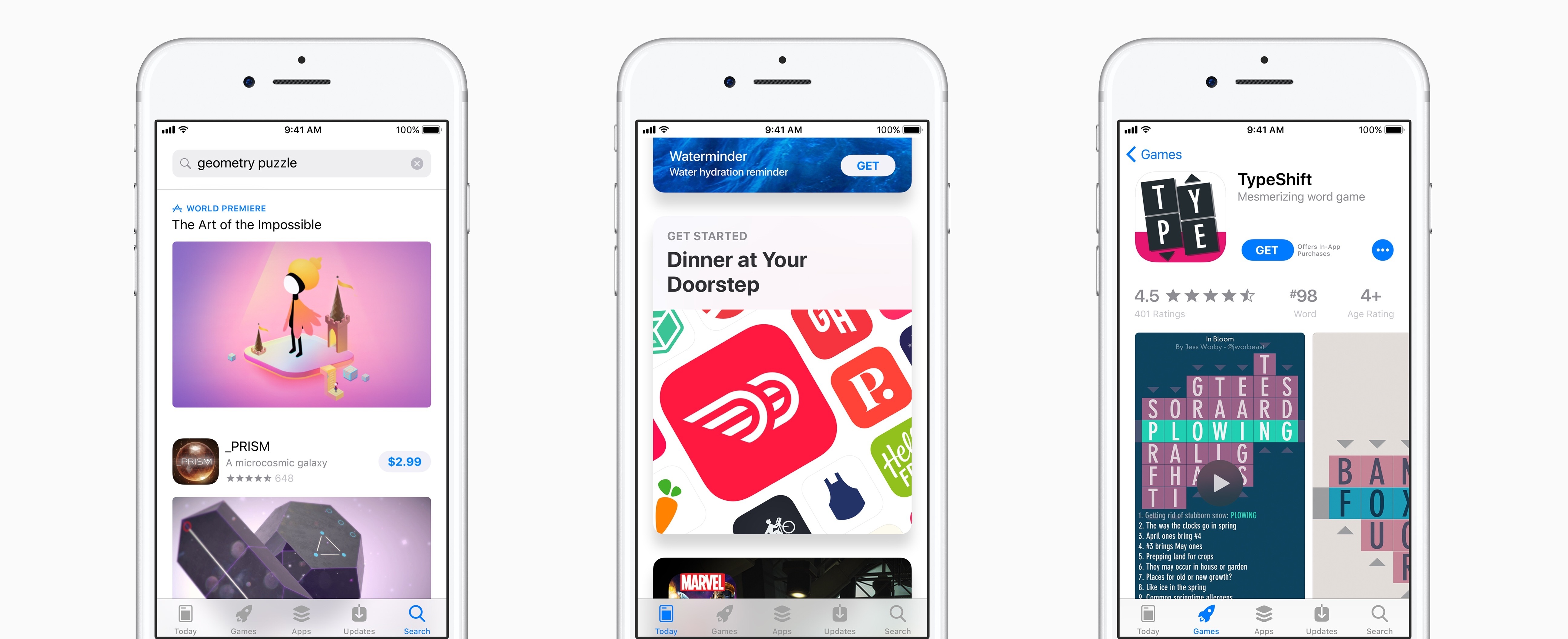
Apps Can No Longer Use Custom Review Prompts; Apple Mandates Standardized Method

In iOS 10.3 earlier this year, Apple introduced a new API for prompting users to give apps an App Store review. At the time, developers were allowed to continue using any custom review prompts they had previously implemented, with the warning that such permission would eventually be revoked. As reported by 9to5Mac, that day has already come.

App Store policy has been updated to mandate use of Apple’s standardized rating API going forward, disallowing custom review prompts. The updated language in Apple’s review guidelines reads:

Use the provided API to prompt users to review your app; this functionality allows customers to provide an App Store rating and review without the inconvenience of leaving your app, and we will disallow custom review prompts.

In the few months since its introduction, adoption of Apple’s review prompt API has been slow. Perhaps it is due to that lack of adoption that the company wasted little time before requiring its use.

Apple’s solution certainly provides a better user experience than custom alternatives, particularly since it allows rating an app without needing to visit the App Store. But the concern from developers may be the loss of control over when, or how often, that prompt is presented.