Austin Mann Reviews the iPhone X Camera

On paper, the differences between Apple’s iPhone cameras can be hard to discern year-to-year. That’s why I find photographer Austin Mann’s iPhone camera reviews so valuable. Every year, Mann puts Apple’s cameras through their paces while traveling around the world. In September, Mann took the iPhone 8 Plus to India. He’s back, this time from Guatemala, with a review of the iPhone X’s cameras.

Mann was particularly impressed with the iPhone X’s telephoto lens:

When we got the telephoto lens in the 7 Plus, it was a huge upgrade but the telephoto quality was noticeably less than the wide lens, especially in low light. This created a shooting conundrum… often wishing to zoom in but not wanting to sacrifice quality. Apple closed that gap this year by investing heavily into improving the telephoto lens.  

The iPhone’s screen gets high marks too:

This probably the most amazing display I’ve ever seen. Colors pop, blacks are true black and contrast feels just right. I actually found it more rewarding to shoot & share because of how amazing the screen is. 

During his tests, Mann also discovered that the iPhone X’s slow-sync flash has been substantially improved:

One of my favorite things about the iPhone 8 Plus review was the slow sync flash comparison against the 7 Plus so I decided to take the iPhone X to the streets for a similar test. While I set out to see the difference in slow shutter effects, what I actually found was the iPhone 7 was easily 2 seconds slower in focusing/firing when shooting moving objects in low light…

The technical differences between the lenses in an iPhone 8 Plus and X may seem small on paper. Austin Mann does an excellent job demonstrating the added flexibility those differences afford users in everyday situations. Be sure to check out his post for examples of what the iPhone X’s camera can do.


Permalink

iOS 11.1 Autocorrect Bug Explained

Jeremy Burge at Emojipedia explains what’s happening when iOS 11.1 replaces the letter ‘I’ with an ‘A’ followed by ‘⍰’:

What’s really going on is that the letter “I” is being appended with an invisible character known as Variation Selector 16 when auto-correct kicks in.
This VS-16 character is intended to be used to make the previous character have emoji appearance.1 When used in conjunction with the letter “I” it displays in some apps as “A ⍰”.

The correct behaviour should be to ignore the invisible variation selector if the previous character doesn’t have an emoji version.

The bug, which was a hot topic on Twitter over the weekend, only affects some users. Until a software update is issued by Apple to fix the issue, the company recommends setting up a text replacement rule that replaces a capital ‘I’ with a lower case ‘i’ as a workaround.


  1. eg: Snowman Without Snow is an old Unicode character ☃ but if you append Variation Selector 16 you get the emojified version: ⛄ 
Permalink

Remaster, Episode 47: Super Mario Odyssey Review

Mario is back! Is he better than ever?

On this week’s episode of Remaster, we share our thoughts on Super Mario Odyssey. There are spoilers in the second half of the show. This is a good one. You can listen here.

Sponsored by:

  • Squarespace: Make your next move. Enter offer code INSERTCOIN at checkout to get 10% off your first purchase.
  • Podcast Listener Survey: We rely on advertising as a way to support this show. If you could do us a favor and answer a few short questions, it would be really helpful to us.
Permalink


Controversy Surrounds Proposed Frowning Pile of Poo Emoji

There’s a debate raging in the halls of the Unicode Consortium, and the fate of creative expression hangs in the balance. Okay, maybe that’s a bit of an overstatement, but the same could be said of some of the concerns raised in the dispute over the ‘Frowning Pile of Poo’ emoji. The unhappy pile, depicted above in an Emojipedia mockup, is under consideration for inclusion in the emoji lexicon alongside the happier version next fall, which has some Consortium members steaming mad.

BuzzFeed News published a story about the controversy today. Two typographers, Michael Everson and Andrew West, are leading the lobbying efforts against the frowning poo. Author Charlie Warzel reporting on a memo that Everson sent to the Consortium:

“Organic waste isn’t cute,” Everson wrote, aghast that the technical committee would even deign to consider additional excremoji. “It is bad enough that the Emoji Subcommittee came up with it, but it beggars belief that the Unicode Technical Committee actually approved it,” he wrote. Everson continued:

“The idea that our 5 committees would sanction further cute graphic characters based on this should embarrass absolutely everyone who votes yes on such an excrescence. Will we have a CRYING PILE OF POO next? PILE OF POO WITH TONGUE STICKING OUT? PILE OF POO WITH QUESTION MARKS FOR EYES? PILE OF POO WITH KARAOKE MIC? Will we have to encode a neutral FACELESS PILE OF POO?”

West penned a note to the Consortium voicing similar concerns.

It’s not clear yet what will become of ‘Frowning Pile of Poo.’ Final decisions on next year’s new emoji are still months away. One thing’s for sure though, form a committee, and literally, anything can become a drama.

Permalink

Apple Q4 2017 Results: $52.6 Billion Revenue, 46.7 Million iPhones, 10.3 Million iPads Sold

Apple has just published its financial results for Q4 2017. The company posted revenue of $52.6 billion. Apple sold 10.3 million iPads, 46.7 million iPhones, and 5.4 million Macs during the quarter.

“We’re happy to report a very strong finish to a great fiscal 2017, with record fourth quarter revenue, year-over-year growth for all our product categories, and our best quarter ever for Services,” said Tim Cook, Apple’s CEO. “With fantastic new products including iPhone 8 and iPhone 8 Plus, Apple Watch Series 3, and Apple TV 4K joining our product lineup, we’re looking forward to a great holiday season, and with the launch of iPhone X getting underway right now, we couldn’t be more excited as we begin to deliver our vision for the future with this stunning device.”

Read more


Overcast 4.0 Brings UI Optimizations for iOS 11 and iPhone X, Drag and Drop, and New Advanced Settings

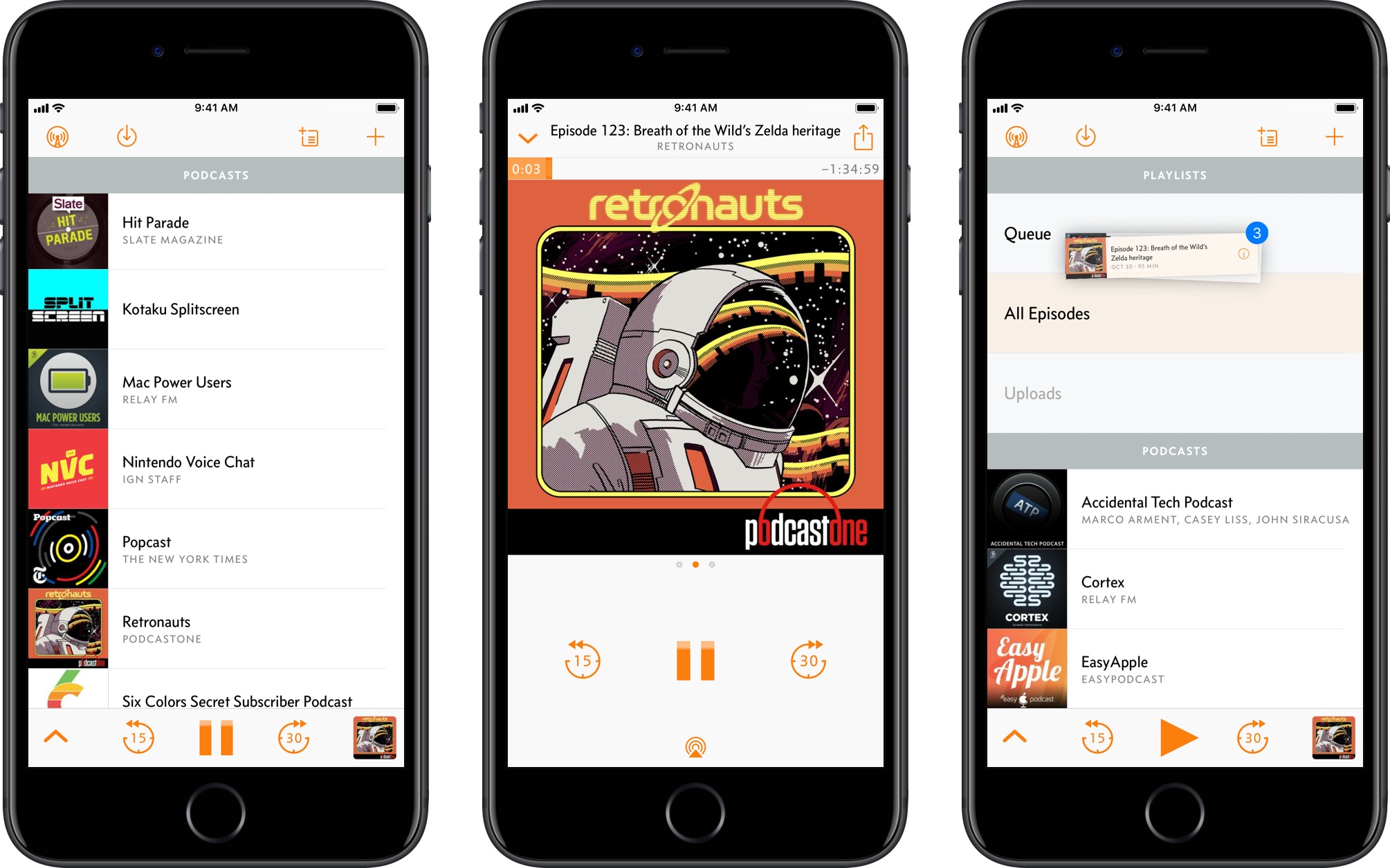
The combination of iOS 11 and iPhone X is pushing developers to reconsider many of their interaction paradigms and interface affordances that predated the Super Retina display and drag and drop. In a span of two months, iOS 11 made custom implementations of multiple item selection and reordering effectively obsolete, while the iPhone X now requires apps to embrace its display and novel status bar design.

Overcast 4.0 is a good example of how Apple’s biggest releases of the year impacted apps that needed a lot of work to be updated for the iPhone X and iOS 11. Released today on the App Store, Overcast 4.0 bears no groundbreaking additions to the experience; instead, developer Marco Arment focused on design refinements and simplifying the app’s navigation, modernizing Overcast’s appearance and flow while bringing smaller enhancements to the listening and browsing experience.

There are some notable changes in this version – drag and drop is present, albeit in a limited fashion – but Overcast 4.0 is primarily aimed at foundational improvements and laying the groundwork for the future. Despite this “Snow Leopard approach”, however, heavy Overcast users should still find the many optimizations as well as the “by popular demand” tweaks more than welcome.

Read more


Amazon Adopts ARKit in iOS Shopping App for Select Products

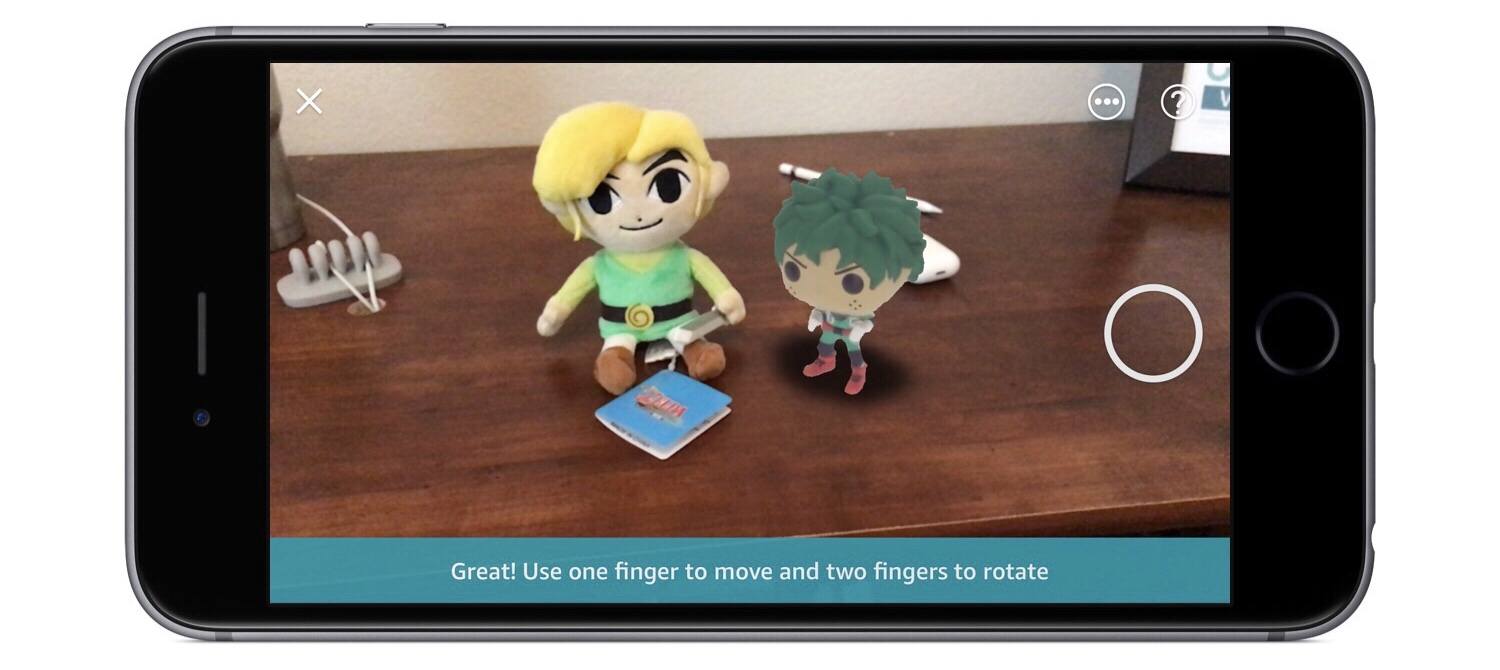
In an update released for its iOS shopping app, Amazon has introduced a new way of viewing items from the online retailer: AR View. Built on Apple’s ARKit technology in iOS 11, AR View provides shoppers with a better understanding of how products will look when placed inside their homes.

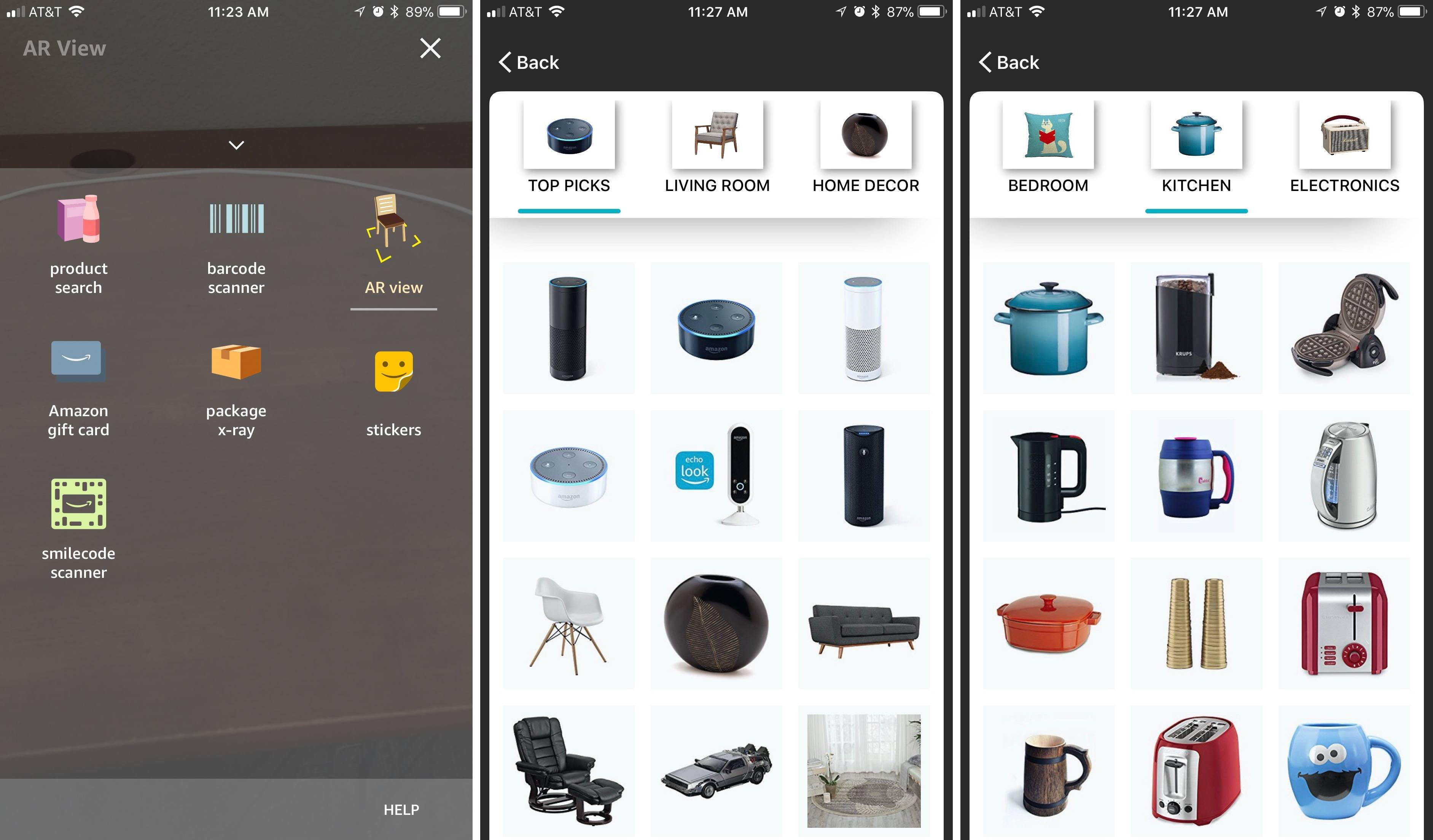
AR View is accessed inside the Amazon app by tapping the camera button, then selecting AR View from the assortment of camera options. You’ll then get to browse through a limited selection of product categories, such as Living Room, Kitchen, and Electronics; there’s also a Top Picks section. Unlike the similar AR experience from IKEA Place, only one product can be previewed in Amazon’s AR View at a time. After placing a product in AR, you can move its position or rotate it, and pressing the button with three dots will take you to the full product page for initiating a purchase.

Amazon claims that thousands of items are available in AR View, but currently only a fraction of that estimate appears for me inside the app; we should except the number of AR-compatible items to grow over the coming holiday shopping season. It also wouldn’t be surprising to see AR View roll out to other parts of the app in the future, such that if you’re viewing the product page for an Amazon Echo, for example, there will be a button that allows you to instantly view the item in AR.

Today’s version of AR View is a first step toward enhancing the Amazon shopping experience with AR. There’s plenty more work to be done, but it’s exciting to see a glimpse into how transformative AR can potentially be for online shopping.