
 MacStories Weekly: Issue 103
Controversy Surrounds Proposed Frowning Pile of Poo Emoji→

There’s a debate raging in the halls of the Unicode Consortium, and the fate of creative expression hangs in the balance. Okay, maybe that’s a bit of an overstatement, but the same could be said of some of the concerns raised in the dispute over the ‘Frowning Pile of Poo’ emoji. The unhappy pile, depicted above in an Emojipedia mockup, is under consideration for inclusion in the emoji lexicon alongside the happier version next fall, which has some Consortium members steaming mad.
BuzzFeed News published a story about the controversy today. Two typographers, Michael Everson and Andrew West, are leading the lobbying efforts against the frowning poo. Author Charlie Warzel reporting on a memo that Everson sent to the Consortium:
“Organic waste isn’t cute,” Everson wrote, aghast that the technical committee would even deign to consider additional excremoji. “It is bad enough that the Emoji Subcommittee came up with it, but it beggars belief that the Unicode Technical Committee actually approved it,” he wrote. Everson continued:
“The idea that our 5 committees would sanction further cute graphic characters based on this should embarrass absolutely everyone who votes yes on such an excrescence. Will we have a CRYING PILE OF POO next? PILE OF POO WITH TONGUE STICKING OUT? PILE OF POO WITH QUESTION MARKS FOR EYES? PILE OF POO WITH KARAOKE MIC? Will we have to encode a neutral FACELESS PILE OF POO?”
West penned a note to the Consortium voicing similar concerns.
It’s not clear yet what will become of ‘Frowning Pile of Poo.’ Final decisions on next year’s new emoji are still months away. One thing’s for sure though, form a committee, and literally, anything can become a drama.
Apple Q4 2017 Results: $52.6 Billion Revenue, 46.7 Million iPhones, 10.3 Million iPads Sold

Apple has just published its financial results for Q4 2017. The company posted revenue of $52.6 billion. Apple sold 10.3 million iPads, 46.7 million iPhones, and 5.4 million Macs during the quarter.
“We’re happy to report a very strong finish to a great fiscal 2017, with record fourth quarter revenue, year-over-year growth for all our product categories, and our best quarter ever for Services,” said Tim Cook, Apple’s CEO. “With fantastic new products including iPhone 8 and iPhone 8 Plus, Apple Watch Series 3, and Apple TV 4K joining our product lineup, we’re looking forward to a great holiday season, and with the launch of iPhone X getting underway right now, we couldn’t be more excited as we begin to deliver our vision for the future with this stunning device.”
Overcast 4.0 Brings UI Optimizations for iOS 11 and iPhone X, Drag and Drop, and New Advanced Settings
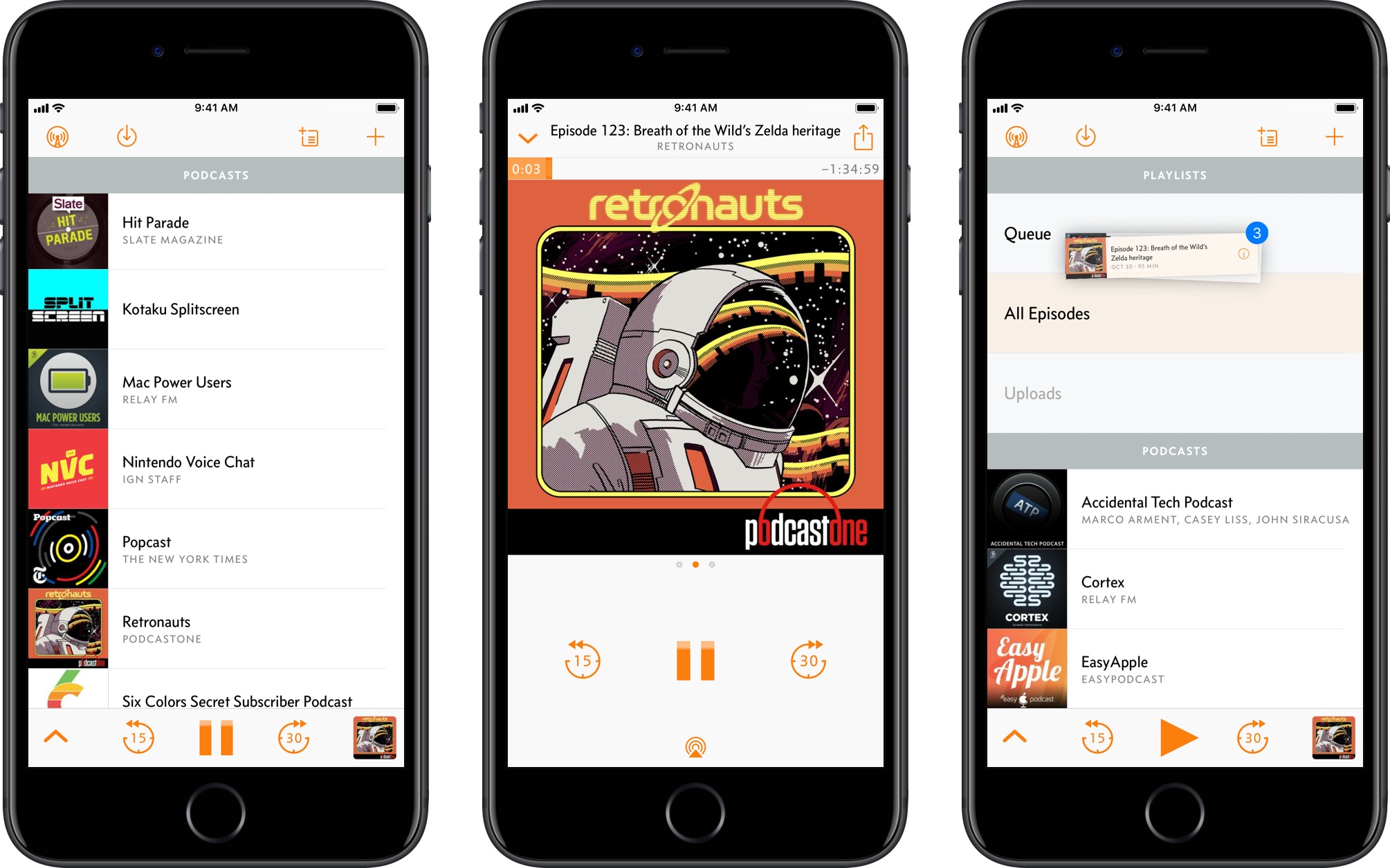
The combination of iOS 11 and iPhone X is pushing developers to reconsider many of their interaction paradigms and interface affordances that predated the Super Retina display and drag and drop. In a span of two months, iOS 11 made custom implementations of multiple item selection and reordering effectively obsolete, while the iPhone X now requires apps to embrace its display and novel status bar design.
Overcast 4.0 is a good example of how Apple’s biggest releases of the year impacted apps that needed a lot of work to be updated for the iPhone X and iOS 11. Released today on the App Store, Overcast 4.0 bears no groundbreaking additions to the experience; instead, developer Marco Arment focused on design refinements and simplifying the app’s navigation, modernizing Overcast’s appearance and flow while bringing smaller enhancements to the listening and browsing experience.
There are some notable changes in this version – drag and drop is present, albeit in a limited fashion – but Overcast 4.0 is primarily aimed at foundational improvements and laying the groundwork for the future. Despite this “Snow Leopard approach”, however, heavy Overcast users should still find the many optimizations as well as the “by popular demand” tweaks more than welcome.
1Password 7 Adds Face ID Support, ‘Quick Copy’ Feature for Faster Copy & Paste
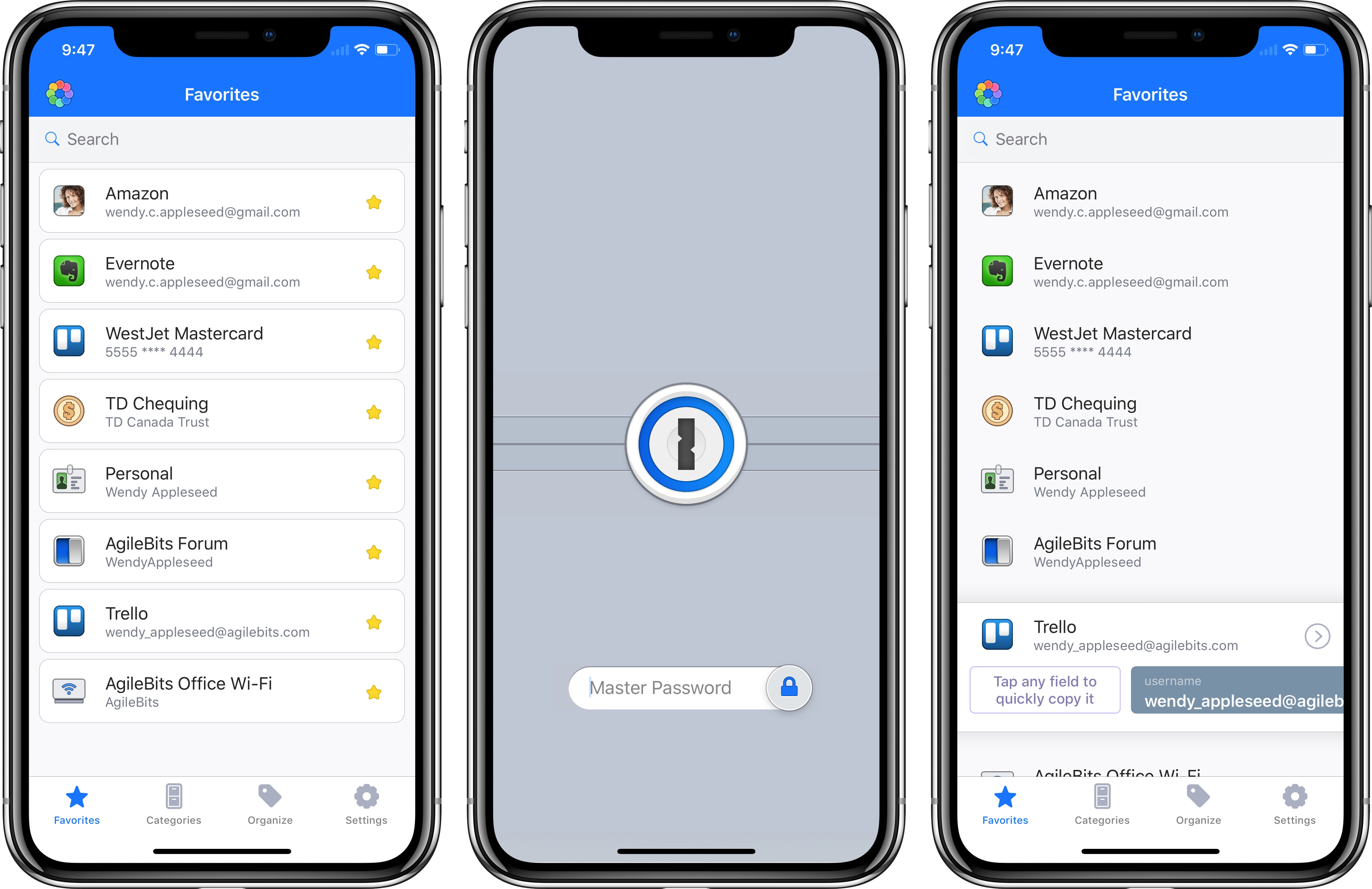
Ahead of the iPhone X’s public debut tomorrow, 1Password received a significant update today that brings native Face ID authentication, plus enhancements for clipboard integration and iPad users.
Amazon Adopts ARKit in iOS Shopping App for Select Products
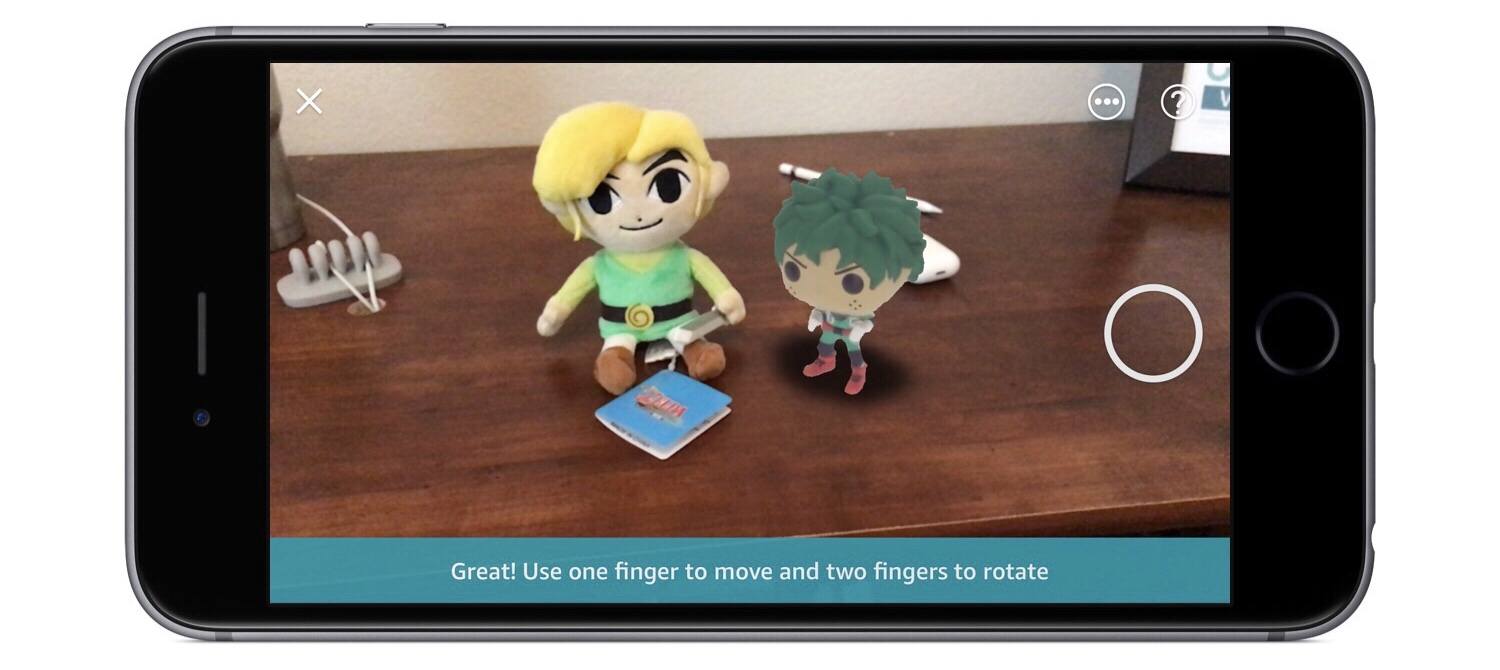
In an update released for its iOS shopping app, Amazon has introduced a new way of viewing items from the online retailer: AR View. Built on Apple’s ARKit technology in iOS 11, AR View provides shoppers with a better understanding of how products will look when placed inside their homes.
AR View is accessed inside the Amazon app by tapping the camera button, then selecting AR View from the assortment of camera options. You’ll then get to browse through a limited selection of product categories, such as Living Room, Kitchen, and Electronics; there’s also a Top Picks section. Unlike the similar AR experience from IKEA Place, only one product can be previewed in Amazon’s AR View at a time. After placing a product in AR, you can move its position or rotate it, and pressing the button with three dots will take you to the full product page for initiating a purchase.
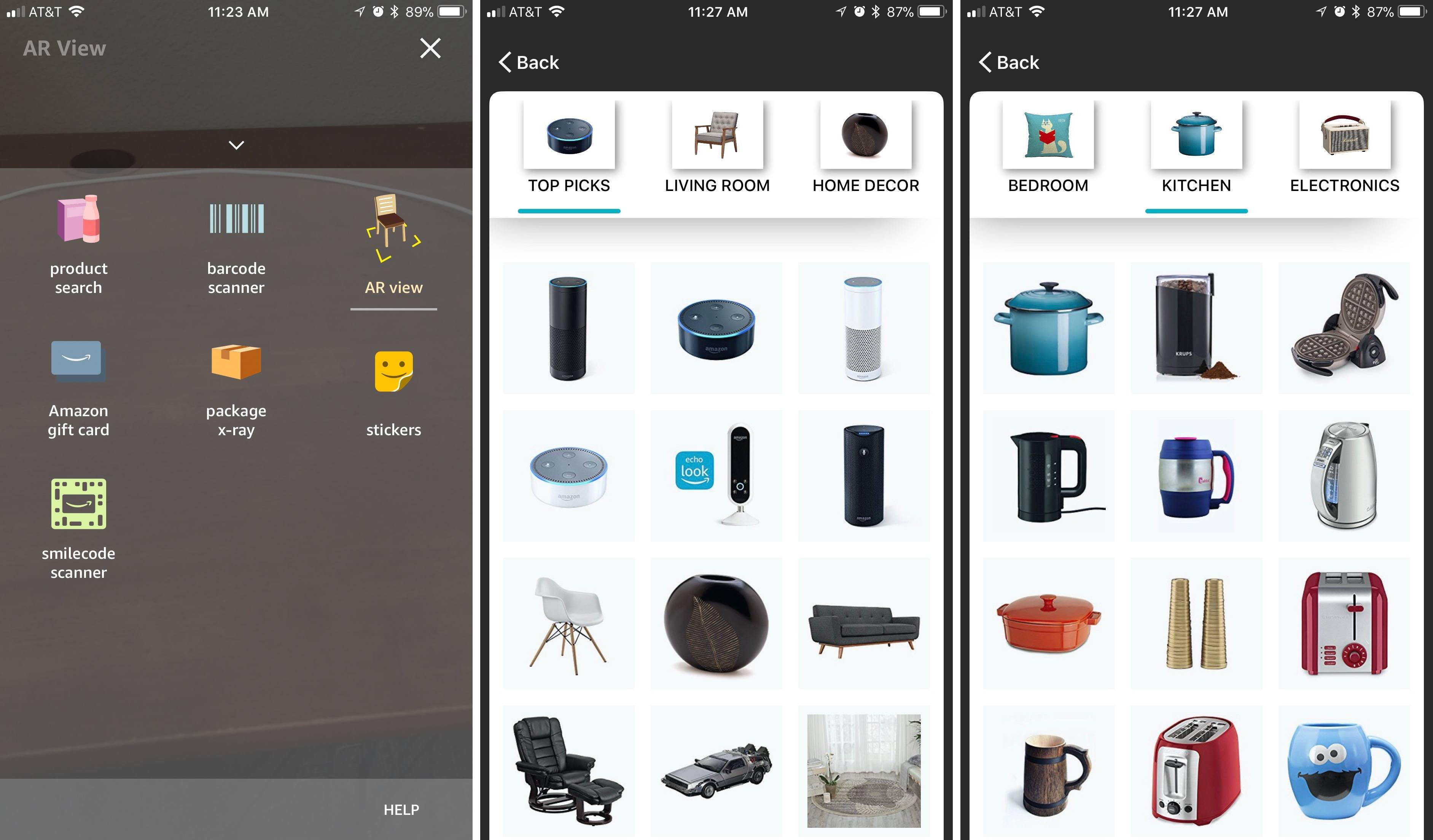
Amazon claims that thousands of items are available in AR View, but currently only a fraction of that estimate appears for me inside the app; we should except the number of AR-compatible items to grow over the coming holiday shopping season. It also wouldn’t be surprising to see AR View roll out to other parts of the app in the future, such that if you’re viewing the product page for an Amazon Echo, for example, there will be a button that allows you to instantly view the item in AR.
Today’s version of AR View is a first step toward enhancing the Amazon shopping experience with AR. There’s plenty more work to be done, but it’s exciting to see a glimpse into how transformative AR can potentially be for online shopping.
AppStories, Episode 29 – Geeky macOS Apps→
On this week’s episode, we dig into our favorite geeky macOS apps that we use for work and play.
Sponsored by:
- Learn Ulysses - Easy video tutorials for the best writing and ideas app.







Unread 1.8 Gets iPhone X and iPad Split View Support, Readability Improvements→
I’ve been a fan of Unread, the elegant RSS reader for iOS, since it came out in early 2014. I stopped using it when I moved to Inoreader as my RSS service (and also because Unread wasn’t receiving major updates anymore), but Golden Hill Software recently acquired the app, and development pace has picked up again.
With today’s version 1.8, Unread is finally gaining support for Split View and Slide Over on the iPad, allowing you to read articles next to your favorite note-taking app or Twitter client. In addition to these iPad multitasking improvements, Unread is now compatible with the iPhone X, and its readability mode should be more accurate as it’s now based on Mozilla’s fork of the popular third-party tool.
I still would like to see Inoreader integration and support for the Taptic Engine as well as drag and drop in Unread. I would love the ability to pick up an article from the main list and drop its URL in another iPad app. For now though, this is another much needed update that modernizes the app’s codebase and puts it on the same base level of other iOS 11 RSS clients. Unread 1.8 is available on the App Store.
IKEA’s Trådfri Lighting System Adds HomeKit and Alexa Support
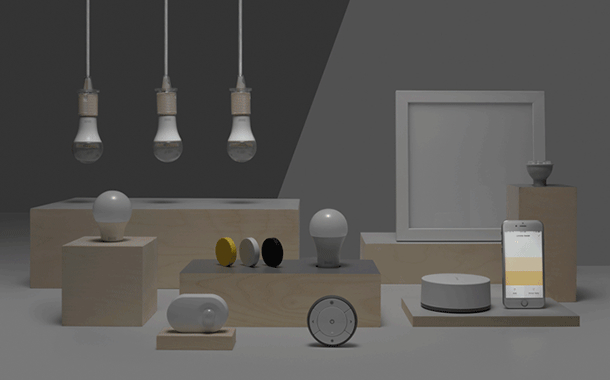
After a miscommunication in August, IKEA has added Alexa and HomeKit support to its Trådfri smart lighting system, which it originally promised back in May. The lighting system includes a gateway, remote controls, and LED lightbulbs that can be mixed and matched in different configurations at prices that are competitive with rival systems. For example, two Trådfri bulbs, a remote, and the required gateway costs $79.99 compared to two similar Philips Hue bulbs and a gateway for $69.99. Each gateway controls up to 10 lightbulbs using one of IKEA’s remotes, an iOS app, Amazon’s Alexa App, Apple’s Home app, or your voice via Amazon and Apple’s smart assistants.
The addition of Alexa and HomeKit support means the Trådfri lighting system can be integrated with smart home accessories from other companies and controlled with any Alexa or Siri-enabled device. The IKEA Trådfri app, which can be downloaded for free from the App Store, lets users control their Trådfri lights, customize settings like the warmth of the the light, and set timers.
The release of HomeKit-enabled devices has accelerated this year. An increasing number of manufacturers like IKEA are also hedging their bets by integrating Alexa support alongside HomeKit support, which is good for consumers who benefit whether they’ve chosen one system over the other or assembled a hybrid Alexa/HomeKit environment.