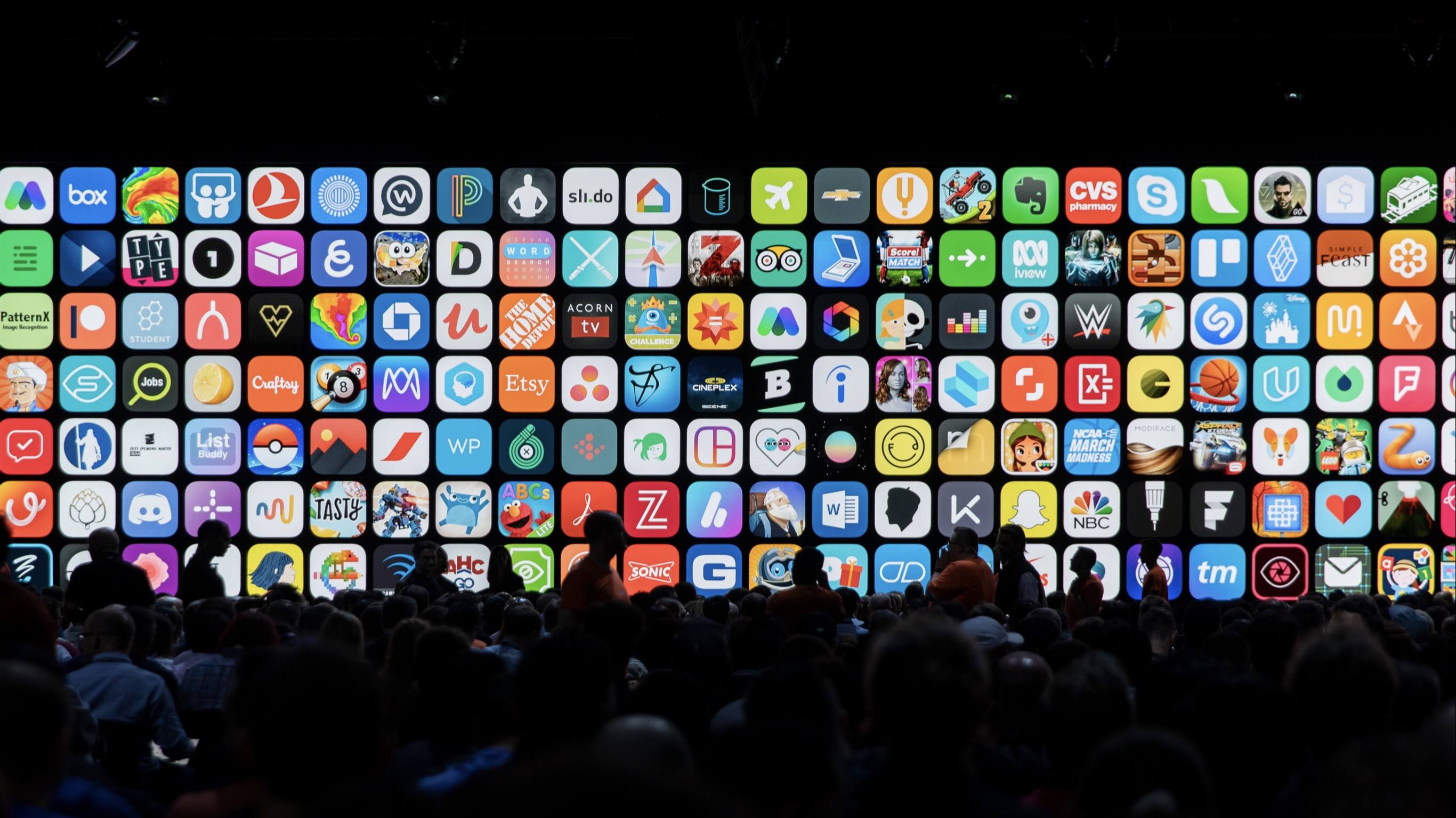
This evening, capping off the first day of Apple’s WWDC conference, the company recognized the best of the App Store at its 2018 Apple Design Awards ceremony.
The Apple Design Awards are a WWDC tradition dating back all the way before the turn of the century. The ceremony is an opportunity for Apple to applaud developers whose apps demonstrate a high level of quality and innovation. 2017’s winners included the excellent Things 3 and Bear.
Last year the company broke from its norm for the ADAs by making them a private ceremony, exclusive to the award winners themselves, rather than a public event for all conference attendees. This year things were back to normal, as all developers in attendance could attend.
Apple selected the following apps across iOS, macOS, watchOS, and tvOS as 2018 Apple Design Award winners:
Every time Apple holds a keynote event, the company shares a variety of numbers related to things like user counts for certain products, software performance improvements, and customer satisfaction. With the company announcing the future of key platforms like iOS, macOS, watchOS, and tvOS today, there was unsurprisingly a lot of data mentioned at today’s WWDC event.
We’ve collected some of the most important numbers shared on-stage during the keynote and outlined them below.
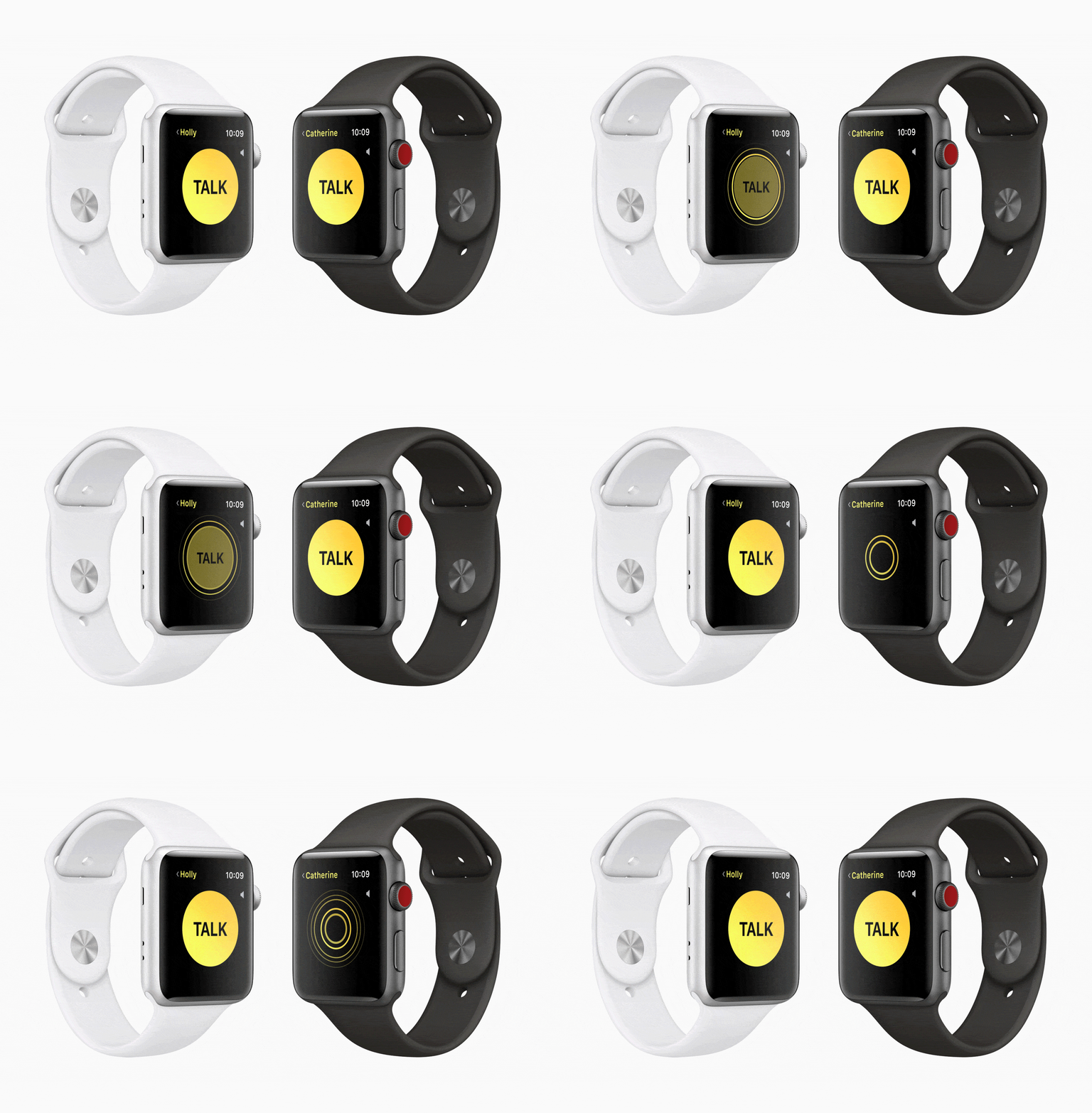
This morning at the WWDC keynote presentation in San Jose, Apple’s Vice President of Technology Kevin Lynch took the stage to announce the latest version of the company’s smartwatch operating system. watchOS 5 will ship this fall and include improvements to the Apple Watch fitness features, new methods of communication, Siri and notification enhancements, the introduction of web content, and more.
Over the coming months we’ll be diving deep into these new features and testing them thoroughly, but for now read on for an in-depth overview and some initial thoughts on everything new in watchOS 5.
Every year a major new version of iOS is released, adding a wealth of powerful improvements that transform the way we use some of our most important tools in life. In comparison to updates in recent years, iOS 12 – which Apple introduced at today’s WWDC keynote – doesn’t have as many flashy new features or major changes to system apps. When it gets in public hands this fall, lots of users may install it and not notice anything different. And that’s partly on purpose.
Apple spent a lot of time this year focusing on performance improvements that make iOS run better on a wide assortment of devices. In iOS 12, even though your iPhone or iPad may not be getting a major Home screen redesign or anything similarly noticeable, one change Apple hopes you will recognize is that your device runs better than ever before. In addition to being available on all the same hardware as iOS 11, iOS 12 claims to bring a Camera that opens up to 70 percent faster from the Lock screen, apps that launch up to twice as fast, smoother animations system-wide, a keyboard that loads up to 50 percent faster, and more response typing. These may not be the kind of details that make for great marketing campaigns, but they make the tasks we do every day better.
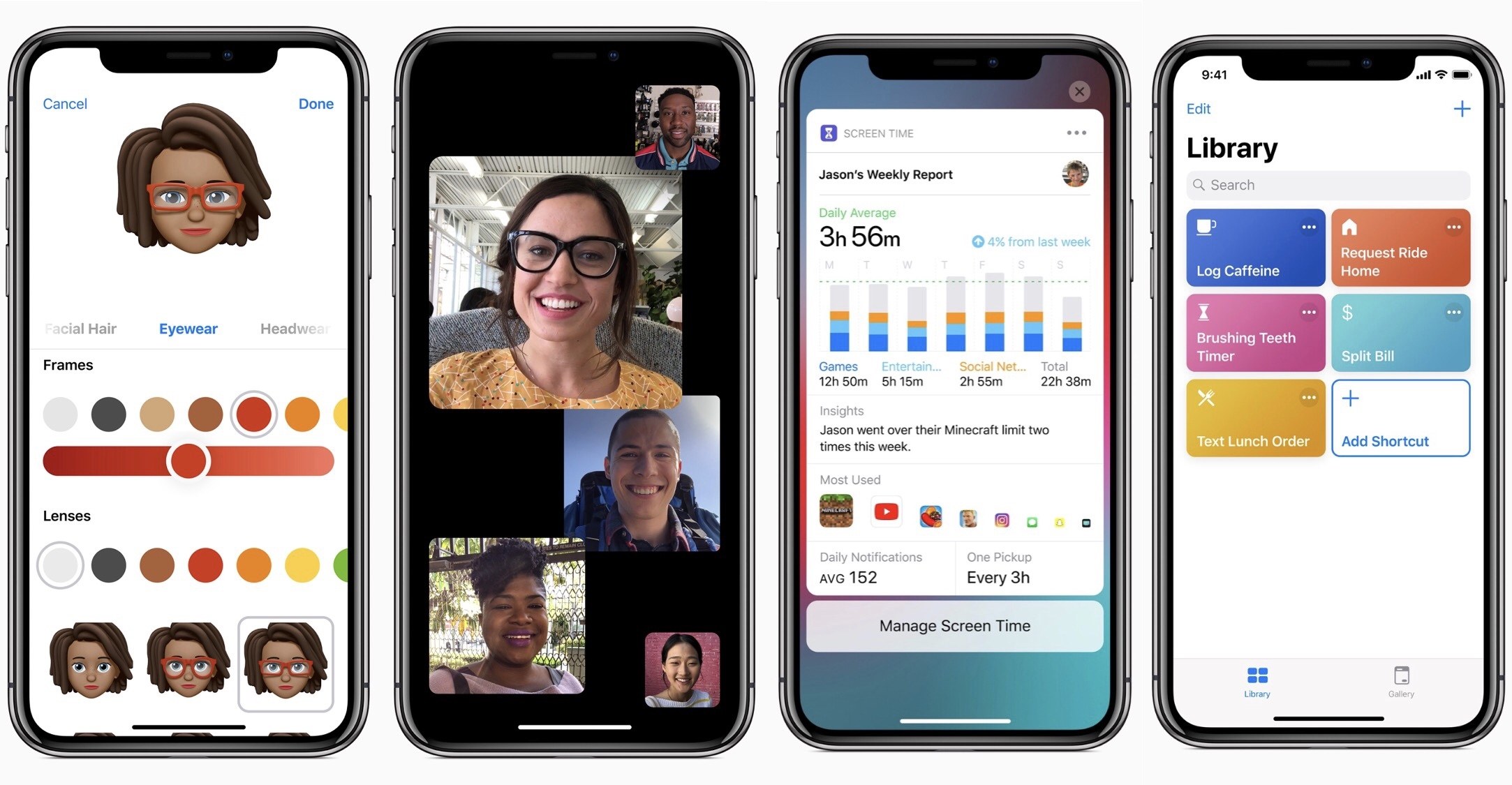
It’s not fair to call iOS 12 a release mainly focused on fixing bugs and improving performance, however. Apple has also put together an impressive assortment of features, big and small, which will empower you to do things with your device that wasn’t previously possible. There are impressive new automation capabilities integrated deeply with Siri, improved tools for monitoring how you use your devices, excellent new features for Messages, FaceTime, Photos, and more, and the arrival of ARKit 2.
Here’s an in-depth look at all that iOS 12 will bring when it launches this fall.
During the WWDC keynote today, Apple announced a redesigned Mac App Store, elements of which leaked this past Saturday in a 30-second Mac App Store preview video for Xcode 10.1 The video was discovered by Steve Troughton-Smith:
Unlike the iOS App Store, the Mac App Store has never included preview videos, which indicated additional Mac App Store improvements were likely.
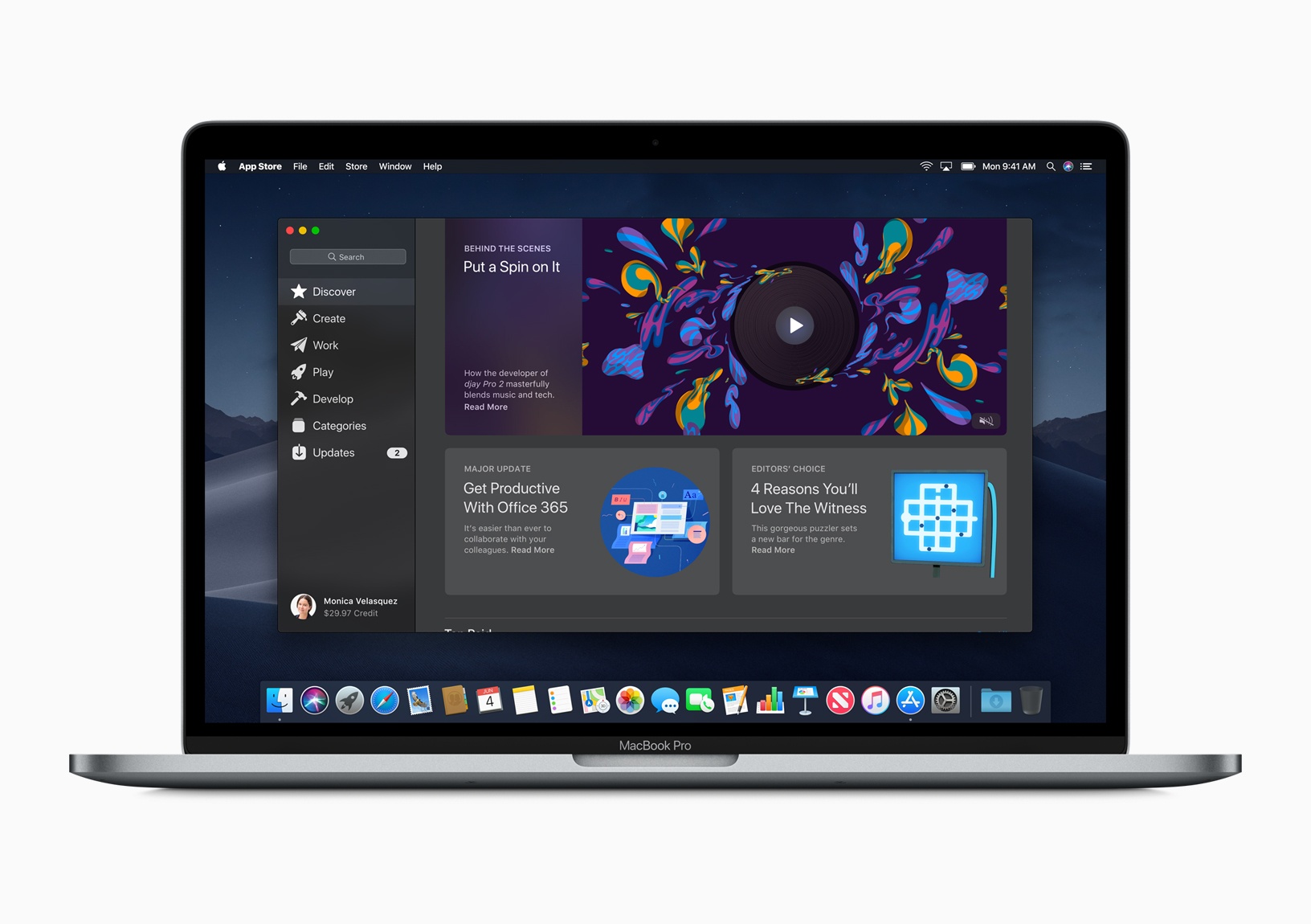
Those suspicions were confirmed during the keynote this morning when Apple revealed an ambitious redesign of the Mac App Store. The update takes several cues from the iOS App Store, implementing lessons learned from that store’s successful update in iOS 11.
Transmit 5 by Panic takes the hassle out of managing files on a server and locally. For 20 years, Mac users have relied on Transmit for FTP and SFTP file transfers. That remains one of Transmit’s core strengths, but the app has evolved into much more.
Transmit’s power starts with its design. The clean, two-pane design makes it easy to understand which files are on your local drive and where they’re going. With version 5, Panic focused on every element, refining and modernizing its design, while remaining familiar to long-time users.
The app still works with FTP, SFTP, WebDAV, and S3, but it also works with Amazon Drive, Backblaze B2, Box.com, DreamObjects, Dropbox, Google Drive, Microsoft OneDrive and Azure, OpenStack Swift, Rackspace Cloud Files, and more, bringing a native Mac app experience to every service.
The new cloud support opens up all sorts of possibilities. For example, Transmit can see your entire Dropbox, even if you sync only a subset of your files to your Mac. That means if you’re short on storage space, you can turn off Dropbox sync for a folder full of large files with the peace of mind of knowing you can still access them with Transmit.
Transmit 5 has other great features too. It supports:
Panic Sync, which provides secure, encrypted sync of your data across all of the Panic products you use;
File Sync, which keeps your files in sync across local and remote computers, or even multiple local machines;
Batch file renaming; and
Yubikey devices and the Krypton iOS app for easy, secure password-less connections.
Transmit is also much, much faster than its predecessor.
Whether you’re managing a server, or even just local files across multiple drives, Transmit 5 is the tool with the flexibility and power you need to get the job done quickly, safely, and securely.
MacStories readers can purchase Transmit directly from Panic using this link to receive 20% off automatically at checkout through June 11, 2018. As announced earlier today, Transmit will be returning to the Mac App Store later this year as a subscription-based app. You will still be able to buy Transmit directly from Panic for an up-front payment, but whether you buy now or subscribe later, be sure to visit Panic’s website to learn more about Transmit 5.
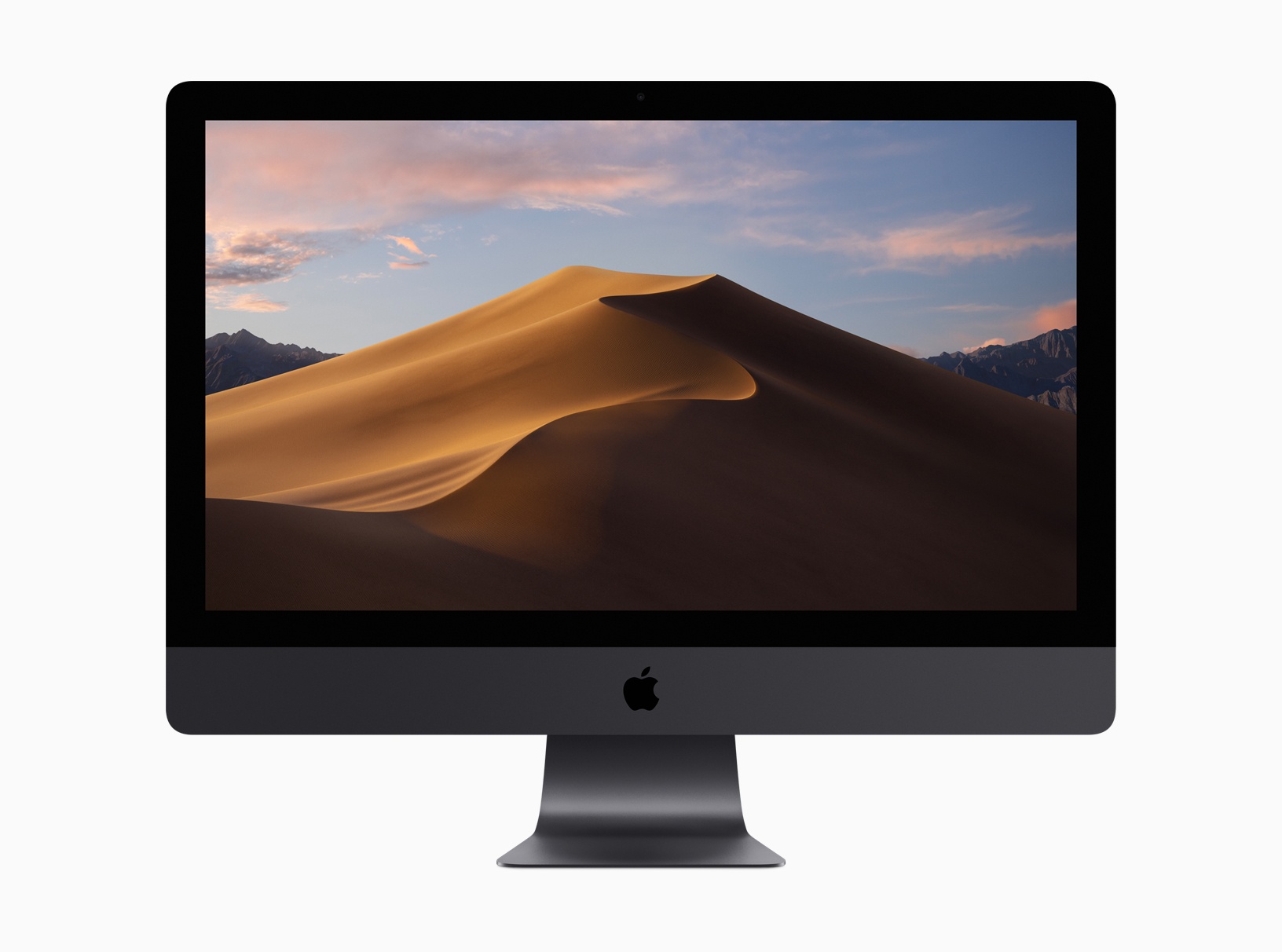
During its WWDC keynote presentation today, Apple took the wraps off macOS 10.14, also known as Mojave, which will be released this fall. One of the marquee features of the update is a completely redesigned Mac App Store, which we will cover in a separate article. In addition to a previously-leaked Dark Mode, the update will also include Finder, screenshot, and Desktop updates, the addition of several apps previously-available only on iOS, which Apple ported to the Mac using new frameworks under development for release in late 2019, and other new features.
The video for Apple’s WWDC keynote address, which was held earlier today at the San Jose Convention Center, is now available on the company’s website.
Expectations going into today’s keynote were relatively muted in the Apple community, in part due to rumors surrounding major iOS and macOS features that had reportedly been internally pushed to future updates. However, the kickoff event for this year’s conference was in no way short on exciting news, with strong updates for iOS, macOS, and watchOS. No hardware was announced, but it was still a jam-packed keynote.
We’re actively at work on in-depth coverage for all of today’s announcements, and will be reporting on any additional news that trickles out in the coming days as WWDC 2018 continues.
Apple kicked off its WWDC keynote today with a comical video highlighting various aspects of the life of developers. The video is available to watch below.