Creating the World of Red Rising with Author Pierce Brown (Part 2)

Today on Dialog, we conclude our conversation with New York Times best-selling author Pierce Brown, the creator of the Red Rising series of novels. In the second part of our two-part interview, we talk about Brown’s writing process, the usefulness of typewriters and deadlines, the challenges of writing dialogue and multiple points of view, Iron Gold, Dark Age, and the tools used to write it.

You can find the episode here or listen through the Dialog web player below.

Sponsored by:

  • Astropad Studio – Turn your iPad into a professional graphics tablet. Get started today with a 30-day free trial.
  • Hullo – Your favorite pillow, guaranteed.
Permalink

AppStories, Episode 123 – Is Competing with Apple’s iOS Apps Getting Tougher?

On this week’s episode of AppStories, we consider the state of Apple’s built-in apps and whether it’s getting harder for third-party developers to compete with them.

Sponsored by:

  • Textastic – The code editor for your iPad and iPhone.
  • Pingdom – Start monitoring your website performance and availability today, and get instant alerts when an outage occurs or a site transaction fails. Use offer code APPSTORIES to get 30% off.

AppStories+ Deeper into the world of apps

AppStories Episode 123 - Is Competing with Apple’s iOS Apps Getting Tougher?

0:00
30:17

AppStories+ Deeper into the world of apps

Permalink

Apple Card Available Today in Phased Rollout, Full Launch Coming Later in August

Today Apple is officially launching its latest service, Apple Card, but only to a subset of users ahead of a broader rollout later this month. The new credit card is limited to US users running at least iOS 12.4, and today it will only be available to certain people who signed up on Apple’s website to be notified about Apple Card. If you’re part of that chosen group, applying for Apple Card can be done right inside the Wallet app, where the card will be added for immediate use upon credit approval; a physical credit card is also mailed out if you choose to receive one, built from titanium. For those who don’t get invited for early access, the full Apple Card launch will arrive before the end of August.

Read more


Milanote: The Tool for Organizing Creative Projects [Sponsor]

Milanote is the perfect tool for organizing your next creative project. The Mac and web app, which also has a companion iPhone app, is an incredibly easy way to create beautiful visual boards of ideas and inspiration that you can organize any way you’d like.

Conceived initially to fulfill the needs of the cofounders’ design agency, Milanote has grown to over 250,000 users that include teams at companies like Apple, Nike, Netflix, and Uber. The strength of Milanote is its flexibility. You can combine notes, images, files, and links all in one place and then connect them using drag and drop. Because Milanote uses a freeform canvas, the app makes it simple to find connections between ideas that you’d miss in a traditional notes app. The Milanote boards you create are private by default, but they can be shared with colleagues allowing you to work collaboratively with team members too.

The latest addition to Milanote is its iPhone companion app that lets you gather photos, notes, to-dos, and links on the go. You can then organize everything when you return to your Mac. It’s a great way to ensure that you can capture ideas even when you’re away from your Mac.

Milanote has a special offer just for MacStories readers. For a lifetime 20% off on a Milanote Pro account, which adds unlimited notes, links, images, and file uploads as well as powerful board and content search to Milanote’s free plan, use the coupon code ‘macstories20’ at checkout. So don’t delay, head over to Milanote’s website to learn more and sign up for a Milanote Pro account.

Our thanks to Milanote for supporting MacStories this week.


Apple Suspends Program In Which Contractors Listened to Recorded Siri Snippets

Last week, The Guardian reported on Apple’s Siri grading program in which contractors listen to snippets of audio to evaluate the effectiveness of Siri’s response to its trigger phrase. That article quoted extensively from an anonymous contractor who said they and other contractors regularly heard private user information as part of the program.

In response, Apple has announced that it is suspending the Siri grading program worldwide. While suspended, Apple says it will re-evaluate the program and issue a software update that will let users choose whether to allow their audio to be used as part of the program.

In a statement to Matthew Panzarino, the editor-in-chief of TechCrunch, Apple said:

“We are committed to delivering a great Siri experience while protecting user privacy,” Apple said in a statement to TechCrunch. “While we conduct a thorough review, we are suspending Siri grading globally. Additionally, as part of a future software update, users will have the ability to choose to participate in grading.”

In an earlier response to The Guardian, Apple had said that less than 1% of daily Siri requests are sent to humans as part of the grading program. However, that’s not very comforting to users who are left wondering whether snippets of their daily life are part of the audio shared with contractors. Consequently, I’m glad to see that Apple is re-examining its Siri quality-control efforts and has promised to give users a choice of whether they participate.


Connected, Episode 254: Hot Salt

On this week’s episode of Connected:

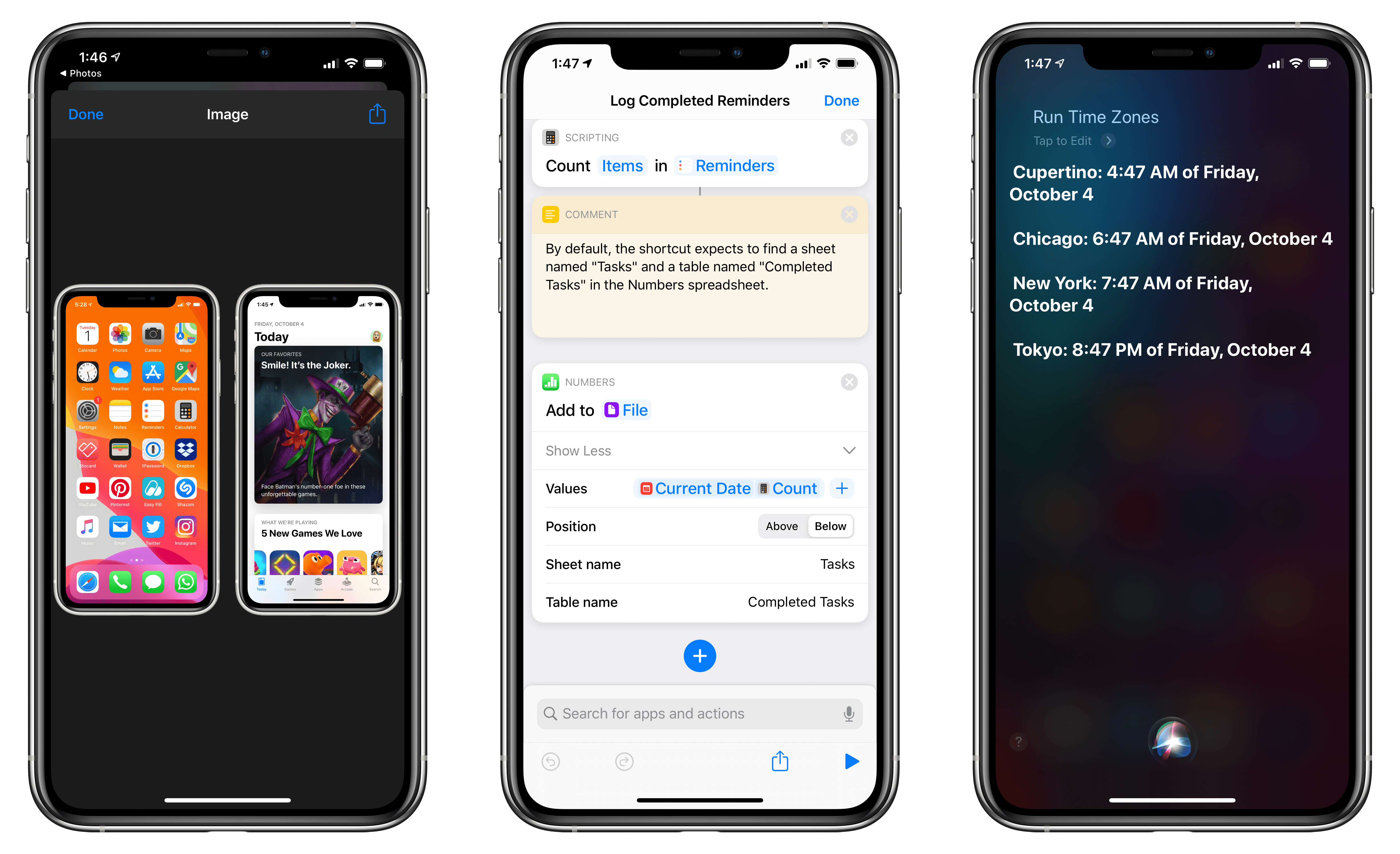
Stephen is back from repairing Macs and ruined the intro. Federico explains what’s going on with iOS 13 Beta 5, and Myke is excited about the second coming of the Galaxy Fold. Then, the guys discuss Apple’s Q3 results.

You can listen below (and find the show notes here).

AppStories+ Deeper into the world of apps
0:00
01:24:56

Connected, Episode 254

AppStories+ Deeper into the world of apps

Sponsored by:

  • ExpressVPN: High-Speed, Secure & Anonymous VPN Service. Get 3 months free with a 1-year package.
  • Bombas: The most comfortable socks in the history of feet. Use this link for 20% off.
Permalink

How I Edit Podcasts on the iPad Using Ferrite

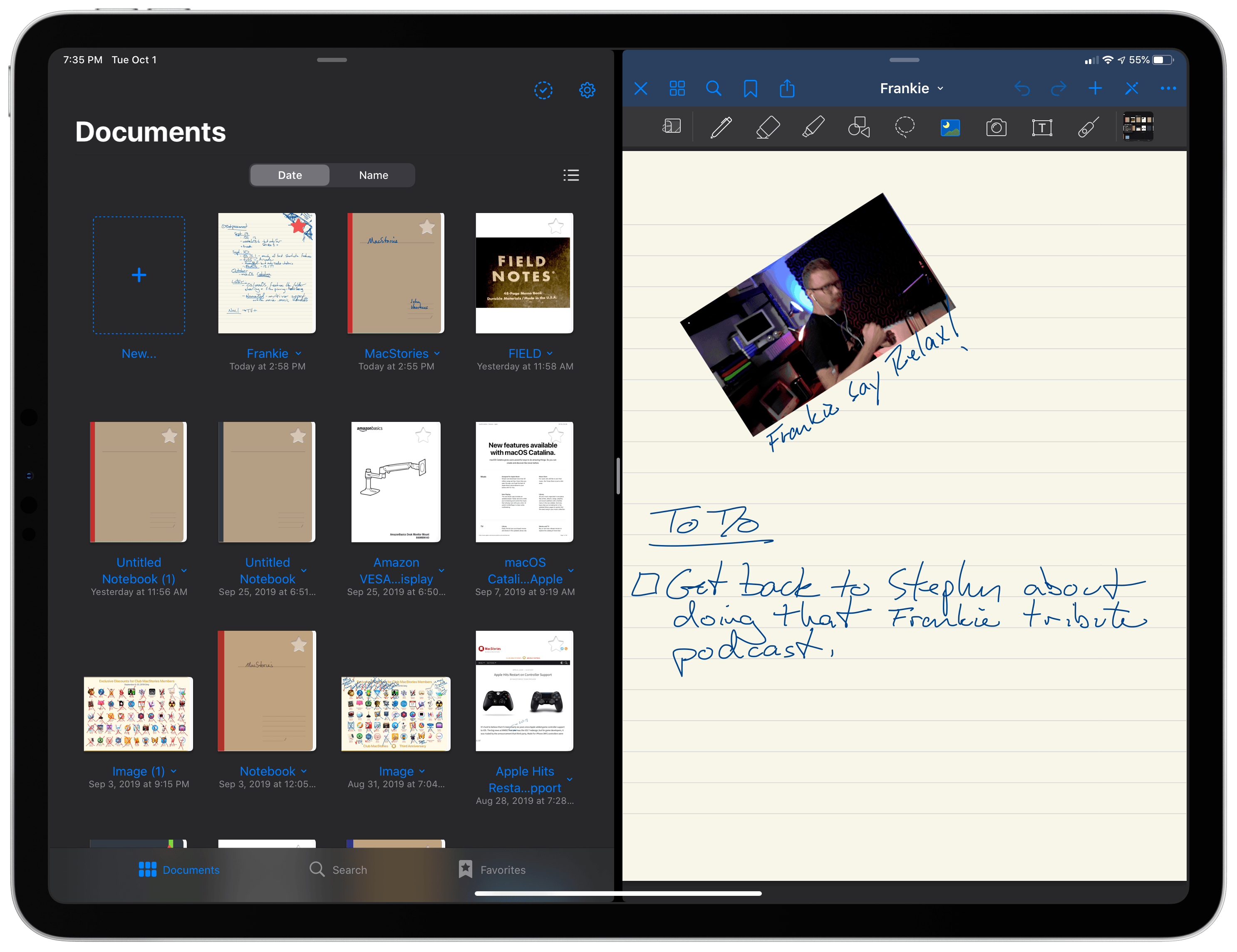
This has been a year of new creative projects for me. In addition to some personal endeavors that have yet to see the light of day, I joined Federico as the co-host of Adapt, a new iPad-focused podcast on Relay FM. Learning the art of expressing my Apple takes in speech rather than text has been an adventure in itself, but I’ve also grown to cultivate a very different skill: audio editing.

When I was charged with editing this iPad-focused podcast, I naturally turned to an iPad-based editing tool: every episode of Adapt has been edited in Ferrite Recording Studio, and I’ve never even tried using another app. Most podcasters I’m familiar with edit in Logic, but my Mac mini is purposely utilized as little as possible, so I knew when I dove into podcasting that I wanted an iPad-based solution if at all possible. On multiple occasions I’ve heard and read Jason Snell extol the virtues of Ferrite, so that was the app I turned to.

Getting started with podcast editing, even with an app like Ferrite that’s built for it, can be extremely intimidating. There are lots of settings, and unless you have previous experience working with audio, you likely have no idea what any of them do. I learned a lot from Ferrite’s user guide in the early days, and the aforementioned Jason Snell articles on Six Colors. And before long, I found an editing setup that worked well for me. Now, I want to share it with you.

Read more


Apple Maps in iOS 13: Sights Set on Google

Apple’s path to a home-brewed mapping solution has been long and perilous, but it’s almost arrived.

12 years ago the iPhone launched with Google powering its pre-installed navigation software; five years later, the botched debut of Apple’s own Maps app led to the firing of a key Apple executive; Apple Maps has steadily improved over the years, but seemingly its biggest weakness is that it has never truly contained Apple’s own maps. The app is Apple’s, but the maps have always come from other sources.

Last year, Apple announced a coming change that had been years in the works: Maps would soon contain the company’s own maps, and they would be transformative. The new maps started rolling out in the US last fall with iOS 12, and Apple claims they’ll cover the entire US by the end of 2019.

Timed with the spread of its first-party mapping data, Apple is giving the Maps app a big upgrade in iOS 13 that represents the company’s biggest push yet to overtake Google Maps as the world’s most trusted, go-to mapping service. Apple Maps in iOS 13 represents – if you’re in the US at least – Apple’s purest vision to date for a modern mapping service. Here’s everything that it brings.

Read more