New Beats Solo Pro Headphones Featuring Apple’s H1 Chip Are Available for Pre-Order


Apple subsidiary Beats has announced a new version of the Beats Solo Pro noise cancelling headphones, which can be pre-ordered now and will begin shipping at the end of the month.

The new headphones, which retail for $299, feature Apple’s H1 chip that also powers the second-generation AirPods and Powerbeats Pro. The H1 chip enables hands-free ‘Hey Siri’ commands and the ability to share audio with someone using the Audio Sharing feature that Apple debuted with iOS and iPadOS 13. The headphones also have volume, track, and call controls on the right ear cup and a button for turning noise cancellation and their Transparency feature on and off on the left ear cup.

Unfolding and folding the Solo Pros turns them on and off.

Unfolding and folding the Solo Pros turns them on and off.

The Beats Solo Pros feature active noise cancellation to filter out external sound and what Beats calls Transparency that uses external microphones to allow some sounds through, so users remain aware of their surroundings when using the headphones. According to Beats, the headphones, which are turned on and off by unfolding and folding them, get 22 hours of battery life with noise cancellation and Transparency turned on. If those features are turned off, the company says the battery life lasts 40 hours. The company also says that a ten-minute charge provides up to 3 hours of battery life. The Solo Pros charge with a USB-A to Lightning cable for the first time too.

The Solo Pros come in six colors: light blue, red, dark blue, ivory, black, and gray. Although The Verge and other sites report that the new headphones will begin shipping on October 30th in the US, apple.com currently lists the ship date as October 29th during the pre-order checkout process.


Roku Devices Gaining Apple TV App Today

Roku announced in a press release that the Apple TV app would be available on its streaming devices starting today:

For the first time ever, Roku users can add the Apple TV app via the Roku Channel Store to discover and watch movies, TV shows and more, including accessing their iTunes video library and subscribing to Apple TV channels directly on Roku devices. Starting November 1, Apple TV+, Apple’s home for all-original shows and movies from the world’s greatest storytellers, will be available on the Apple TV app on the Roku platform.

Like the TV app on Samsung smart TV sets, the Roku version of the app offers access to all iTunes movie and TV show content, as well as all Apple TV channels options, such as HBO, CBS All-Access, and soon Apple TV+. However, content from non-channels like Hulu or Amazon Prime Video, which are accessible on iOS and tvOS devices, will not be present on the Roku version of the TV app because it lacks third-party app integrations. Moving forward though, I expect that all of Apple’s new content partners with the TV app will be full-on channels rather than legacy app integrations.

Earlier this year Apple announced that the TV app would also be arriving on Amazon Fire TV devices and TV sets from more manufacturers, so as we get closer to the November 1 launch of Apple TV+, I expect we’ll see those other vendors all follow Roku’s lead.

Permalink

AppStories, Episode 134 – Mac Catalyst and the First Wave of Apps Built with It

On this week’s episode of AppStories, we discuss Mac Catalyst, the technology for bringing iPad apps to the Mac, and round up some of our favorite Mac Catalyst apps that have been released so far.

Sponsored by:

  • Kolide – User focused security for teams that Slack. Try it free for 30 days.
  • Direct Mail – Create and send great looking email newsletters with Direct Mail, an easy-to-use email marketing app designed exclusively for the Mac.
  • UpHabit: – The app that makes connecting with people you care about part of your routine. Try it for free or take advantage of 60% off for new subscribers

AppStories+ Deeper into the world of apps

AppStories Episode 134 - Mac Catalyst and the First Wave of Apps Built with It

0:00
40:47

AppStories+ Deeper into the world of apps

Permalink

Agenda: Date-Focused Note Taking [Sponsor]

Agenda is the award-winning note-taking app for iOS, iPadOS, and the Mac with a focus on dates. Our lives are full of notes and dates, and it only makes sense to bring order to the chaos by integrating the two. Agenda, the winner of an Apple Design Award, does precisely that, ensuring that your notes are always at your fingertips when and where you need them most.

By tightly integrating your calendar and notes, Agenda becomes something more than either can offer on their own. By tying those notes you’ve been taking in advance of your next meeting to the event on your calendar, they are right there when you need them. You can use Agenda to track your team’s progress as you work on hitting milestones for a big project too. The app is also terrific for keeping a daily journal or simply expanding your to-do list with relevant reference material and notes to help keep you on track.

You can create and edit events without ever leaving Agenda too. Rather than competing with your calendar, Agenda complements it, working perfectly together.

Agenda is continually updated with the latest features for every platform. For instance, with the release of iPadOS 13, you can now use the Apple Pencil to handwrite notes or add sketches to your notes. Of course, Agenda also supports dark mode on every platform, Shortcuts, and is tightly integrated with Apple’s new Reminders app. You can even scan documents to create PDF attachments to notes on iOS and iPadOS.

Agenda is free to download and use forever. Premium features are available with an In-App Purchase that unlocks all current premium features and new ones introduced over the following 12 months.

To learn more, visit Agenda’s website, or just download Agenda now for free on the Mac App Store and on iOS and iPadOS.

Our thanks to Agenda for sponsoring MacStories this week.


The Important Role Design Plays in Building a Mac Catalyst App

There’s more to migrating an iPad app to the Mac than simply checking a box in Xcode. Although developers need to resort to AppKit APIs used to build Mac apps for some functionality, thoughtful design that respects the interaction model of the Mac is a significant part of the process too.

Vidit Bhargava is the designer behind the dictionary app LookUp and the cofounder of Squircle Apps. Bhargava, who we interviewed in the most recent issue of MacStories Weekly for Club MacStories, has written an in-depth look at how much of the process of bringing LookUp’s iPad app to the Mac was about design. As he explains:

I’m sharing this design document to highlight some of the design considerations I made for bringing LookUp’s iOS App to macOS. And while I did use fall backs to AppKit in certain situations (Even though I had no prior knowledge to AppKit, the APIs were relatively easy to get to), I still feel that a lot of apps can design a good experience without having to use them.

We’ve covered the iOS and iPadOS version of LookUp before and love it. On the Mac, there are dozens of little touches implemented throughout the app that make LookUp one of the best examples of an excellent Mac Catalyst app. What I find most fascinating is how familiar but also unmistakably Mac-like LookUp’s Mac design is, which is why it was one of a handful of apps that I spotlighted in my macOS Catalina review.

Bhargava’s full post is worth a read because it’s fully-illustrated with examples of the differences between the iPad and Mac designs, early prototypes, and the evolution of the app’s design.

Permalink

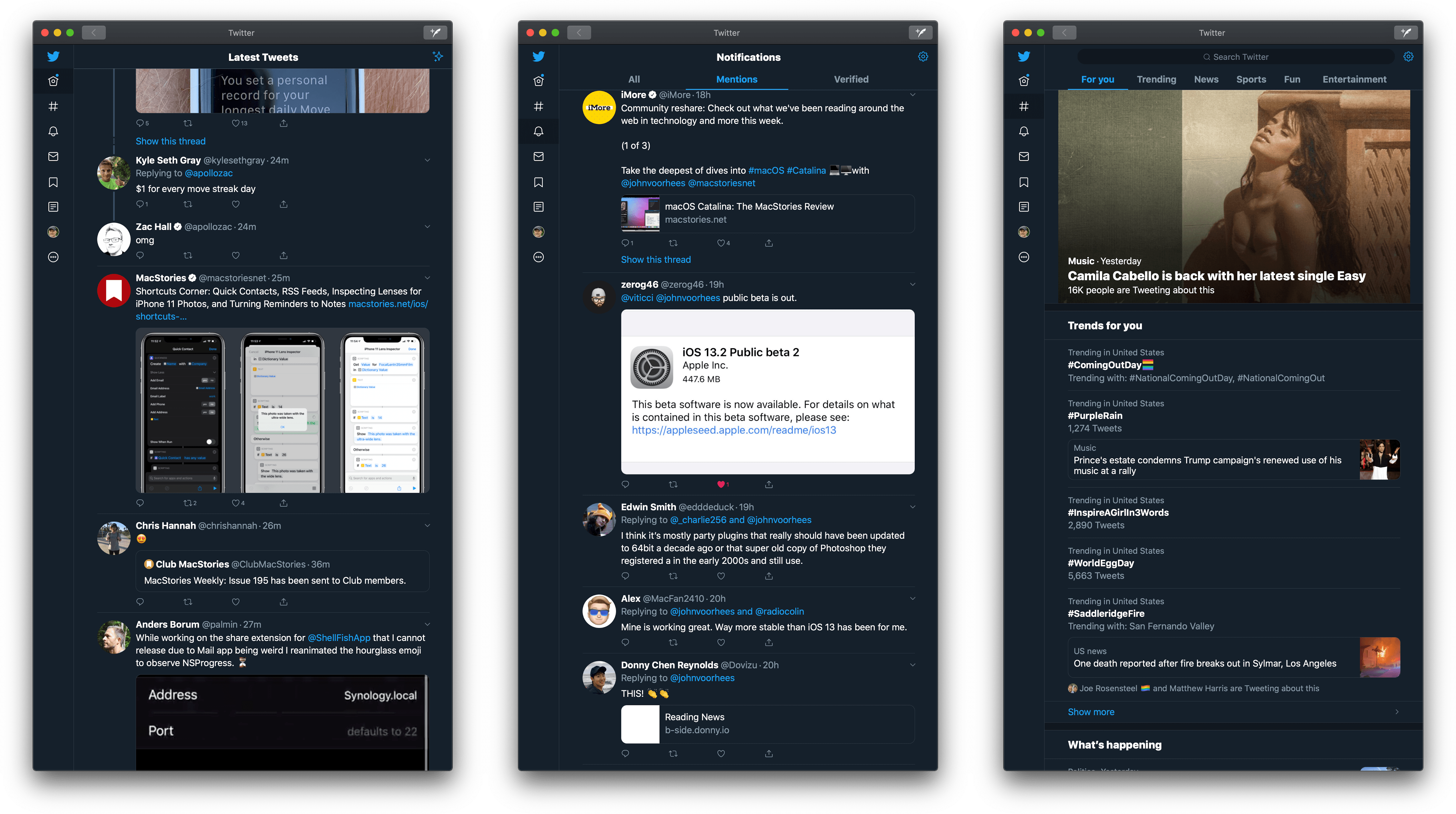
Despite Some Rough Edges, Twitter’s Mac Catalyst App Provides an iPad-like Experience That’s Better Than the Company’s Web App

Twitter is back on the Mac with an all-new Catalyst app. Twitter abandoned its Mac app early last year with a late Friday tweet:

https://twitter.com/TwitterSupport/status/964635740444360704

Given the lack of support for the app leading up to that point, Twitter’s actions weren’t surprising. However, that left Mac users with only Twitter’s web app or third-party apps until yesterday, when the company released a Mac Catalyst version of their iPad app.

Twitter’s iPad app isn’t known for a strong design:

Four years have passed since Federico tweeted that and Twitter’s iPad client hasn’t gotten much better, which left me skeptical about what a Mac Catalyst version of Twitter’s app would look like. However, I’ve been pleasantly surprised by how well the port works on the Mac despite some rough edges.

Read more


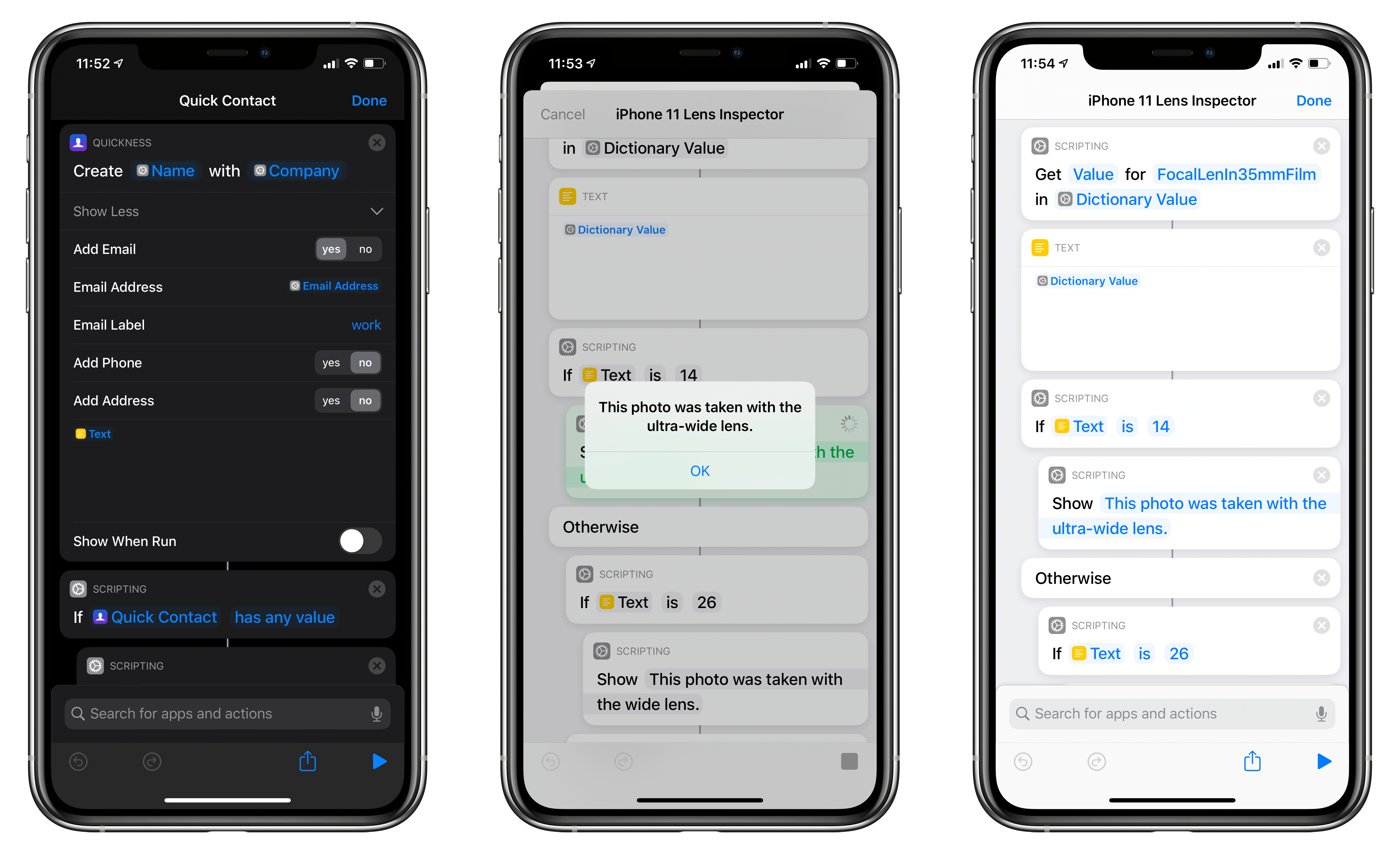
Shortcuts Corner: Quick Contacts, RSS Feeds, Inspecting Lenses for iPhone 11 Photos, and Turning Reminders to Notes

In this week’s installment of the Shortcuts Corner, I share two app-based shortcuts (for Quickness and Fiery Feeds) that I teased earlier this week, which let you create new contacts and subscribe to RSS feeds, respectively. Additionally, I’ve been working on an iPhone 11 Pro photography story, and I’ve created a shortcut that lets you double-check which camera was used to take a particular picture. Lastly, I share a preview of a shortcut to batch-convert reminders to notes, which is exclusive to Club MacStories members this week. Let’s dive in.

Read more


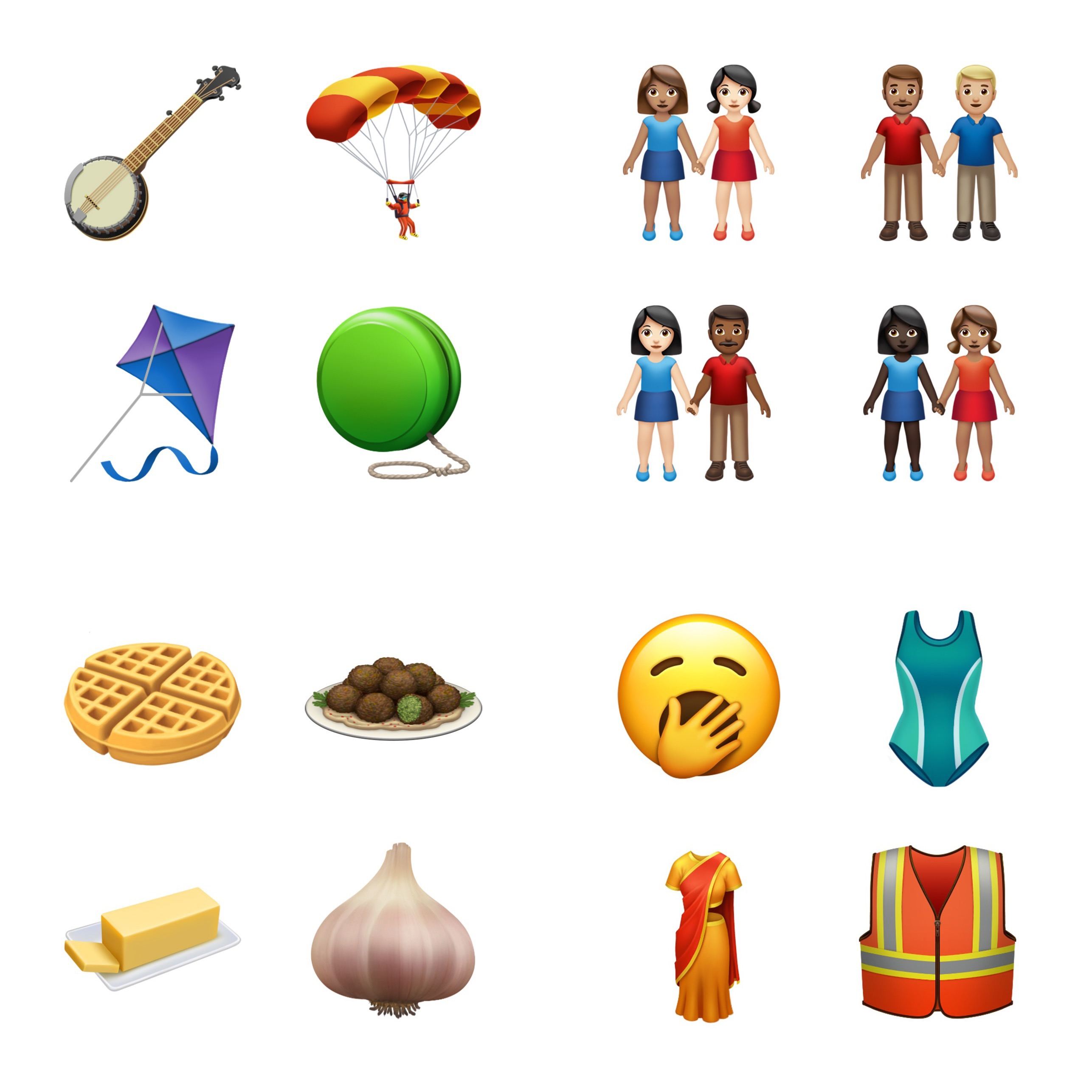
More than 200 New Emoji Coming Soon Are Now Available in iOS and iPadOS 13.2 Beta 2

It’s October, which means Apple’s latest crop of emoji is right around the corner. As usual, Jeremy Burge at Emojipedia has all of the details. As previewed earlier this year, Apple will release its version of Emoji 12.0 from the Unicode Consortium this fall in iOS and iPadOS 13.2 and in a future update of macOS Catalina and watchOS 6 too.

The release of the new emoji is a long process. The first step came in February when the Unicode Consortium announced the details of the emoji that it had approved for 2019. Apple, like other platform vendors, took the specifications from the Unicode Consortium and implemented its interpretation of each emoji, which the company previewed in July.

Today, those emoji, plus a few that weren’t previewed on World Emoji Day in July, have been added to the iOS and iPadOS 13.2 betas. The new emoji should be shipped to the broader public as the official iOS and iPadOS 13.2 release soon. Among the new emoji are people in wheelchairs, skin tone support for people holding hands, a sloth, a waffle, a yawning face, a skunk, garlic, a yo-yo, and a flamingo.

https://twitter.com/jeremyburge/status/1182350386188828677

For the first time today, Apple also revealed its emoji for an otter, a pinching hand, a beverage box, and a ringed planet. Also added to iOS and iPadOS 13.2 is a new emoji keyboard interaction for picking the skin tone for emoji that depict multiple people.

Emoji have become a significant driver of OS updates for Apple, and I expect this year will be no different. With the explosion of choices, though, I do wish Apple would implement an emoji search mechanism on iOS and iPadOS and improve the search functionality on the Mac.

Permalink