

The first HomePod orders arrive today, and there’s a feature you might not remember that I expect will be very useful for HomePod owners. It’s called Personal DJ, and initially, it’s only accessible via Siri, which is why many people forget it exists. Personal DJ, which was described in detail by Kirk McElhearn when...
 Q&A
Q&A
Question: Why can’t I edit my spreadsheets in Microsoft Excel, Word, or PowerPoint from iCloud Drive on my iPad Pro and have them update on all my devices that are signed into the same iCloud account and using the same Office 365 account? If I use my iMac they update everywhere. Why isn’t it ubiquitous?...
Media Outlets Use ARKit to Bring the News into Your Living Room
Last week, The New York Times announced that it had added an augmented reality feature to its iOS app. The first article with embedded AR content was a preview of the feature published last week that explained to readers how it worked. At the bottom of the article was a newspaper box that could be dropped into your surroundings. I showed it off to some friends over the weekend, and everyone was impressed by how realistic it looked as they walked around the box in a neighbor’s kitchen.

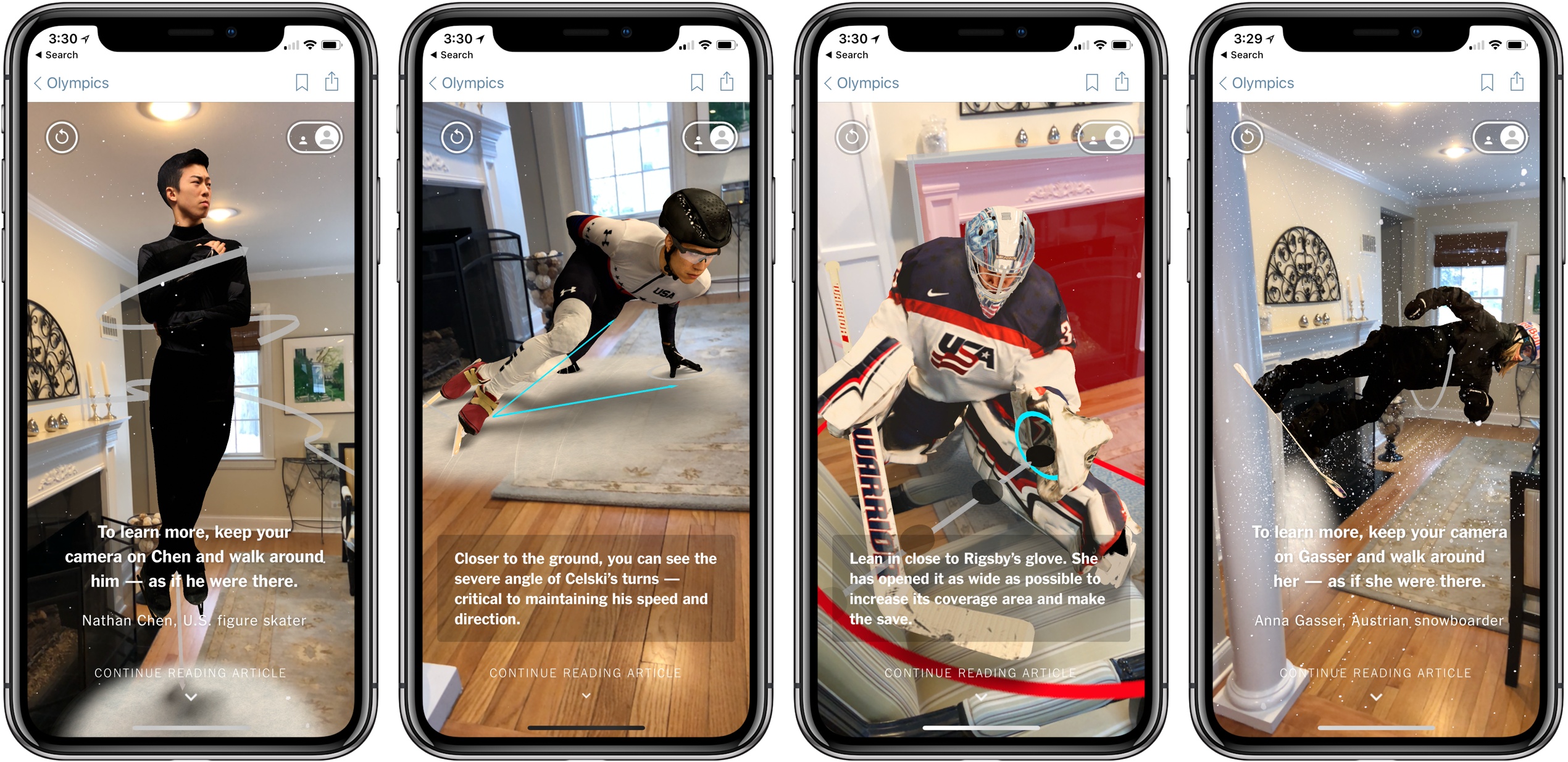
This week, the Times rolled the feature out as part of its Winter Olympics coverage. In Four of the World’s Best Olympians, as You’ve Never Seen Them Before, the publication spotlights figure skater Nathan Chen, speed skater J.R. Celski, hockey player Alex Rigsby, and snowboarder Anna Gasser. The results are impressive. I placed each athlete in my living room, then walked around them. From each angle, snippets of text about what I was seeing were overlaid on the image providing additional details and context. The app also makes use of haptic feedback on the iPhone to alert users to new information as they examine a scene.
AppStories, Episode 41 – iOS 11’s Effect on Our iOS Habits→
On this week’s episode of AppStories, we take a look at how iOS 11 has changed not only the way we work, but also how it has impacted our use of lifestyle, health and fitness, media consumption, and other types of apps.
Sponsored by:
- WALTR 2 - A Magic Drop Area to Convert & Push Media into Any iPhone, iPad or iPod
- Use the coupon code APPSTORIES for 30% off
AppStories Episode 41 - iOS 11’s Effect on Our iOS Habits
0:00
38:23
38:23






HomePod Review Roundup
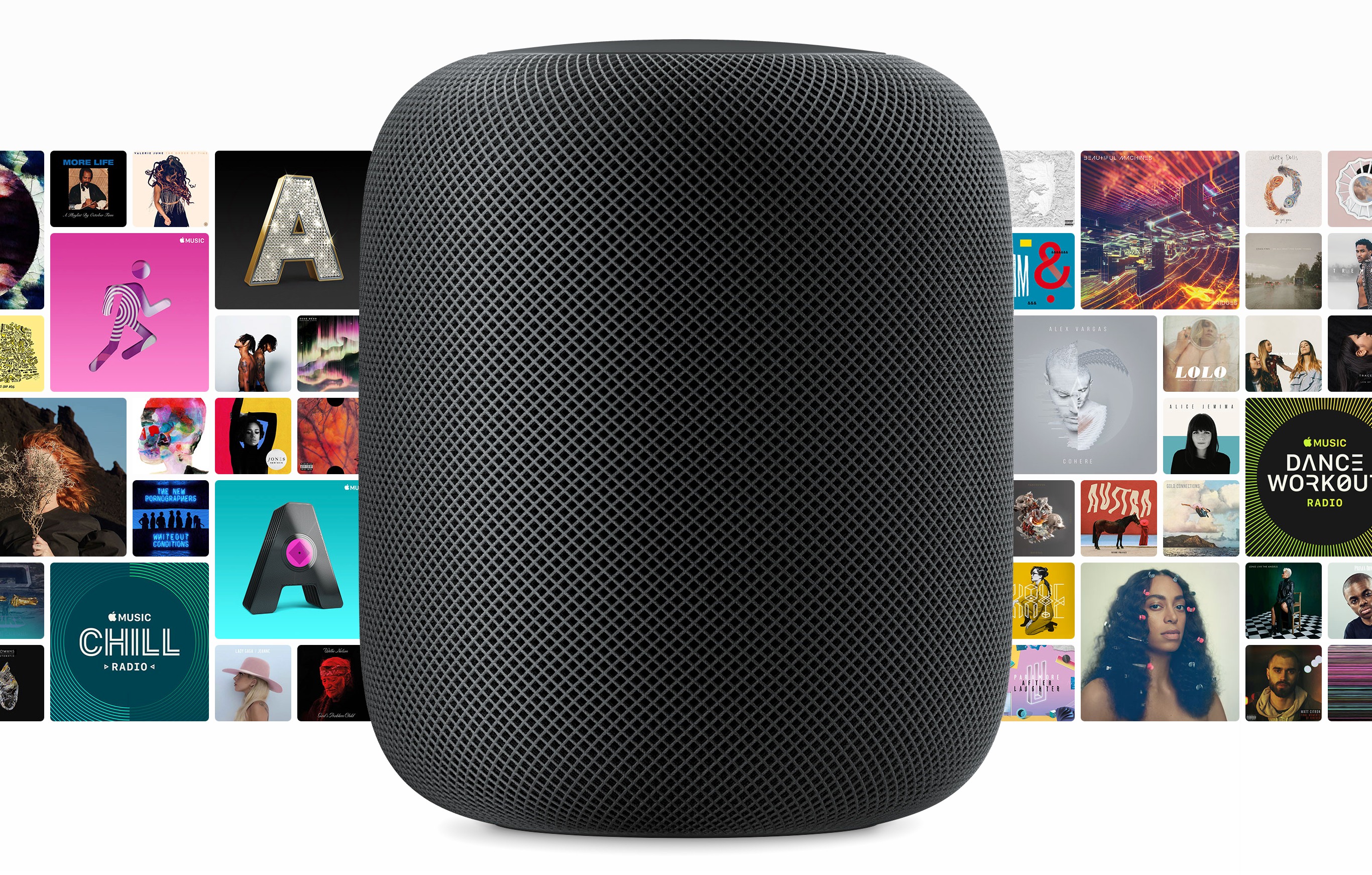
Initial orders of Apple’s new HomePod smart speaker will arrive on doorsteps and in Apple stores beginning Friday in the US, UK, and Australia. Today, reviews were published by several media outlets that have had about a week to test the HomePod. Apple also invited several journalists for a tour of its audio labs in Cupertino with Phil Schiller, hardware VP Kate Bergeron, and senior director of audio design and engineering Gary Greaves.
The consensus of the first wave of reviews is that the HomePod sounds fantastic. Apple has brought its engineering expertise and computing power to bear in a way that reviewers say produces remarkable sound for the HomePod’s size and price.
However, Siri’s limitations and the lack of support for third-party music streaming services also mean that the HomePod’s voice assistant features lag behind those of the Amazon Echo and Google Home. As a result, the HomePod’s appeal will likely be limited to people who already subscribe to Apple Music, use iOS devices, and care about high-quality audio.
Matthew Panzarino of TechCrunch:
Apple’s HomePod is easily the best sounding mainstream smart speaker ever. It’s got better separation and bass response than anything else in its size and boasts a nuance and subtlety of sound that pays off the 7 years Apple has been working on it.
As a smart speaker, it offers best-in-class voice recognition, vastly outstripping the ability of other smart speakers to hear you trying to trigger a command at a distance or while music is playing, but its overall flexibility is limited by the limited command sets that the Siri protocol offers.
Buy a HomePod if you already have Apple Music or you want to have it and you’re in the market for a single incredibly over-designed and radically impressive speaker that will give you really great sound with basically no tuning, fussing, measuring or tweaking.
Nilay Patel sums up what that means for everyone else:
The Apple engineers I talked to were very proud of how the HomePod sounds, and for good reason: Apple’s audio engineering team did something really clever and new with the HomePod, and it really works. I’m not sure there’s anything out there that sounds better for the price, or even several times the price.
Unfortunately, Apple’s audio engineering team wasn’t in charge of just putting out a speaker. It was in charge of the audio components of a smart speaker, one that simply isn’t as smart as its competitors.
That’s really the crux of it: the HomePod sounds incredible, but not so world-bendingly amazing that you should switch away from Spotify, or accept Siri’s frustrating limitations as compared to Alexa.
iOS 11’s Effect on Our iOS Habits
 Federico
AppStories Episode 41 - iOS 11’s Effect on Our iOS Habits
0:00
38:23
38:23
Nearly five months into iOS 11, Federico and John take a look at how iOS 11 has changed not only the way they work, but also how it has impacted their use of lifestyle, health and fitness, media consumption, and other types of apps.
Newton: Supercharged Email with Space-Age Features [Sponsor]
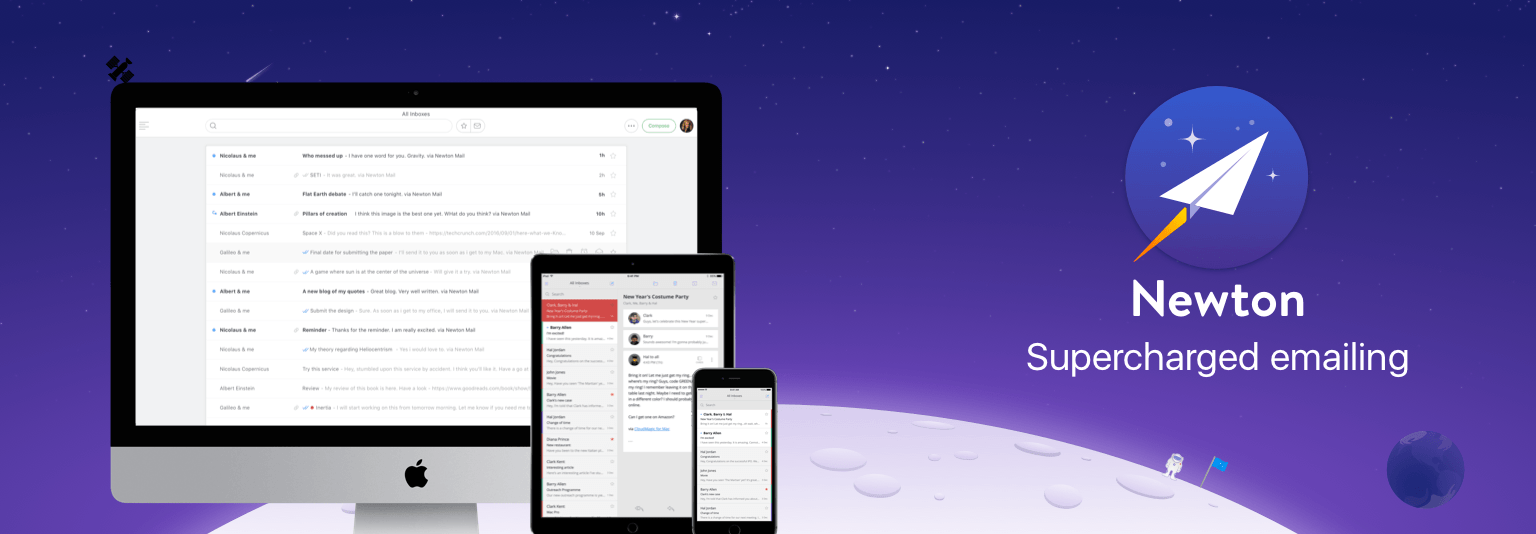
Reliability is essential when it comes to email. Newton has you covered with rock-solid messaging, lightning-fast push notifications, sync across all your devices, and modern email management tools.
Life doesn’t just happen at your desk. Email streams in all day whether you’re working at your desk or out running errands. With Newton, you can keep on top of it all regardless of where you are because Newton works seamlessly across platforms.
What makes Newton stand out from the crowd is its simple, elegant design and flexibility. Newton supports all your email accounts whether they’re based on IMAP, Gmail, iCloud, Office 365, or another platform. The app also features modern functionality that you won’t find in many other email client. For example, with Newton, you can request read receipts and quickly find attachments. You can also schedule emails to be sent later, which is handy if you work unusual hours or with people across the world. Newton can even tidy up your inbox by putting things like newsletters to the side until you have time to look at them.
Newton works with your calendar too, eliminating the need to leave your messages when you want to add an event to your calendar. Other key features include integrations for saving email messages to Evernote, Trello, Todoist, Pocket, and other apps, snoozing messages, and sender profiles, so you know more about the people with whom you interact. It’s a powerful set of features that make it easier to manage your inbox by getting actionable items out of your email and putting them where they belong.
Harness the power of Newton to get control of your email once and for all. You can learn more on Newton’s website or go download it now and start your free trial immediately.
Thanks to Newton for sponsoring MacStories this week.
Dismantling the Digital Hub
I’ve changed my mind about the HomePod several times since it was first announced at WWDC. Part of that has to do with how little information was known about it for so many months. We know more now than we did last summer, but there are still a lot of open questions as Ryan...
Q&A
Question: Do you know or can you recommend an iOS app that can create AES-256 encrypted .zip files? (Anonymous)
I hesitate to recommend it because the app is so poorly designed, but the only app I’ve been able to find that uses AES-256 encryption for .zip files is WinZip. The app is available for...