John is MacStories' Managing Editor, has been writing about Apple and apps since joining the team in 2015, and today, runs the site alongside Federico.
John also co-hosts four MacStories podcasts: AppStories, which covers the world of apps, MacStories Unwind, which explores the fun differences between American and Italian culture and recommends media to listeners, Ruminate, a show about the weird web and unusual snacks, and NPC: Next Portable Console, a show about the games we take with us.
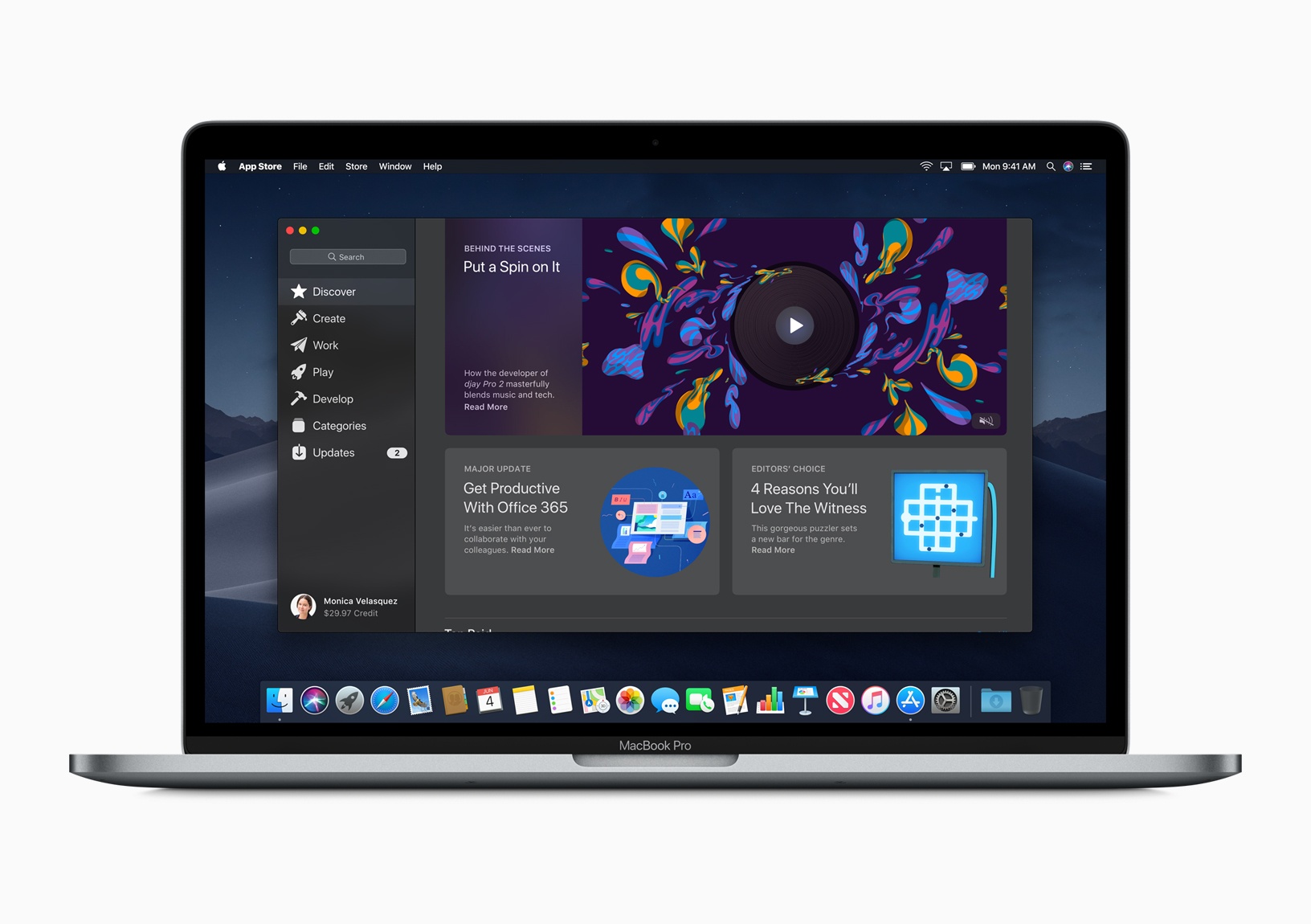
During the WWDC keynote today, Apple announced a redesigned Mac App Store, elements of which leaked this past Saturday in a 30-second Mac App Store preview video for Xcode 10.1 The video was discovered by Steve Troughton-Smith:
Unlike the iOS App Store, the Mac App Store has never included preview videos, which indicated additional Mac App Store improvements were likely.
Those suspicions were confirmed during the keynote this morning when Apple revealed an ambitious redesign of the Mac App Store. The update takes several cues from the iOS App Store, implementing lessons learned from that store’s successful update in iOS 11.
Transmit 5 by Panic takes the hassle out of managing files on a server and locally. For 20 years, Mac users have relied on Transmit for FTP and SFTP file transfers. That remains one of Transmit’s core strengths, but the app has evolved into much more.
Transmit’s power starts with its design. The clean, two-pane design makes it easy to understand which files are on your local drive and where they’re going. With version 5, Panic focused on every element, refining and modernizing its design, while remaining familiar to long-time users.
The app still works with FTP, SFTP, WebDAV, and S3, but it also works with Amazon Drive, Backblaze B2, Box.com, DreamObjects, Dropbox, Google Drive, Microsoft OneDrive and Azure, OpenStack Swift, Rackspace Cloud Files, and more, bringing a native Mac app experience to every service.
The new cloud support opens up all sorts of possibilities. For example, Transmit can see your entire Dropbox, even if you sync only a subset of your files to your Mac. That means if you’re short on storage space, you can turn off Dropbox sync for a folder full of large files with the peace of mind of knowing you can still access them with Transmit.
Transmit 5 has other great features too. It supports:
Panic Sync, which provides secure, encrypted sync of your data across all of the Panic products you use;
File Sync, which keeps your files in sync across local and remote computers, or even multiple local machines;
Batch file renaming; and
Yubikey devices and the Krypton iOS app for easy, secure password-less connections.
Transmit is also much, much faster than its predecessor.
Whether you’re managing a server, or even just local files across multiple drives, Transmit 5 is the tool with the flexibility and power you need to get the job done quickly, safely, and securely.
MacStories readers can purchase Transmit directly from Panic using this link to receive 20% off automatically at checkout through June 11, 2018. As announced earlier today, Transmit will be returning to the Mac App Store later this year as a subscription-based app. You will still be able to buy Transmit directly from Panic for an up-front payment, but whether you buy now or subscribe later, be sure to visit Panic’s website to learn more about Transmit 5.
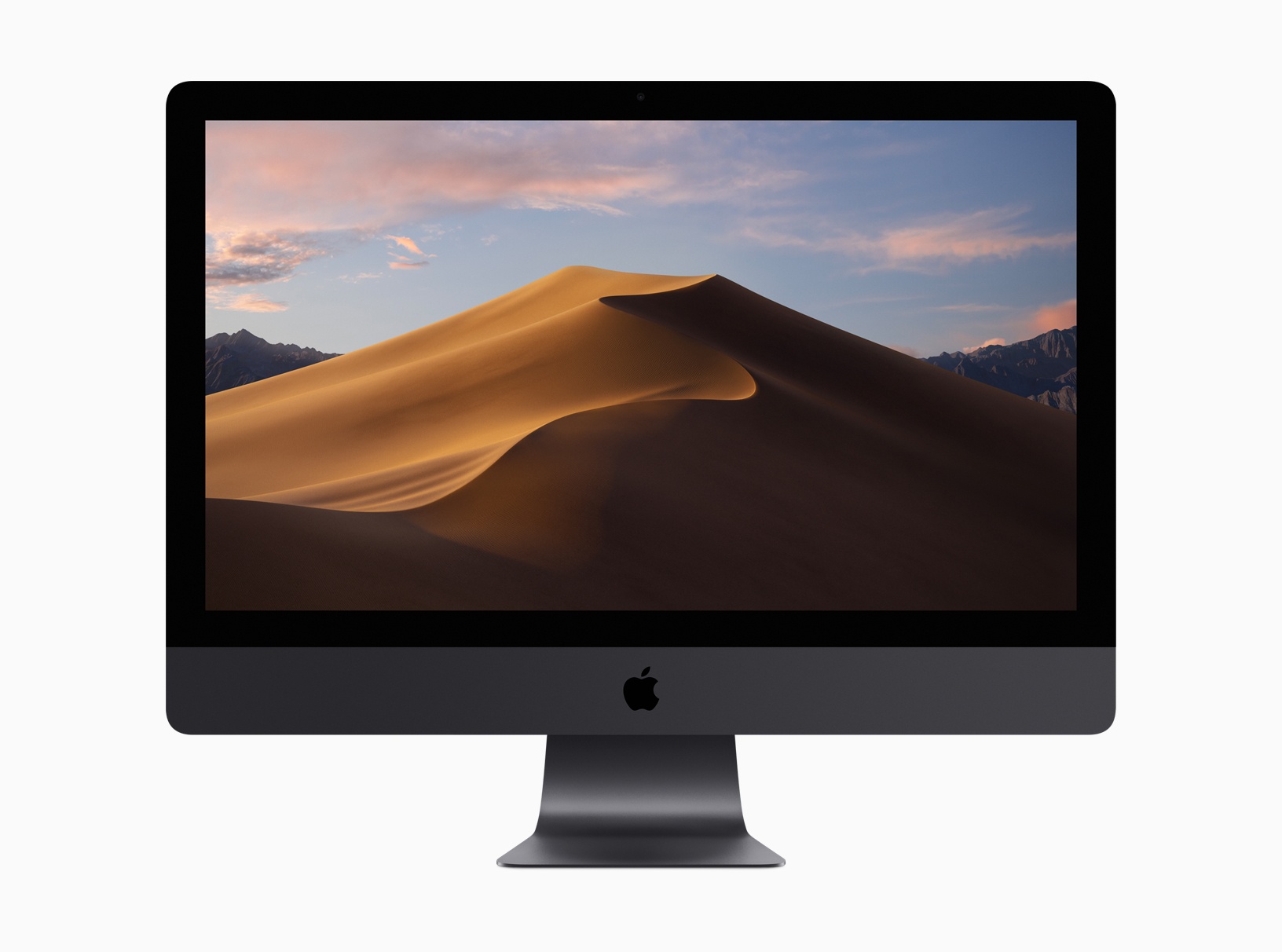
During its WWDC keynote presentation today, Apple took the wraps off macOS 10.14, also known as Mojave, which will be released this fall. One of the marquee features of the update is a completely redesigned Mac App Store, which we will cover in a separate article. In addition to a previously-leaked Dark Mode, the update will also include Finder, screenshot, and Desktop updates, the addition of several apps previously-available only on iOS, which Apple ported to the Mac using new frameworks under development for release in late 2019, and other new features.
With WWDC around the corner and speculation continuing about why Apple purchased Workflow a little over a year ago, Wired has published a profile of Sal Soghoian, who worked on Automator at Apple until 2016. The feature piece, also covers the development of x-callback-urls on iOS and the introduction Workflow, which was acquired by Apple in 2017.
Soghoian is a guy who’s built a long career creating technology that lets users hand the tedium of repetitive grunt work off to their computers in creative ways. In the early 2000s, he created a program that let Mac users turn clunky, multi-step tasks into something that could be run at any time with just a double click of the mouse. This process, and the field where Soghoian’s excels, is known as PC automation. Nearly a decade after the original Automator app arrived on the Mac, a group of hungry iOS developers were inspired to hard-code a way for apps to share information between each other. The creation, which built upon Soghian’s [sic] work, made iOS more elegant and useful.
Automation has a long history at Apple. However, in the 18 months or so since Soghoian left Apple and roughly one year since the company acquired Workflow, Apple has been relatively quiet about automation. One of my hopes for WWDC this year is that we start to see signs of why Apple acquired Workflow and its team of talented developers that include the incorporation of some of their automation work into iOS and macOS.
Since the end of 2017, I’ve tried more great games than I’ve been able to review. Today, I wanted to highlight some of the best that would be a great way to pass the time on a long flight to WWDC or while you’re taking it easy this weekend. The Bonfire: Forsaken Lands...
Question: I have an iMac and MacBook Pro. I mirror data using iCloud, Dropbox, and other cloud services, but I want to mirror my application environments across both Macs so my app settings and programming environments are the same on both computers. I’m afraid to try it and damage something but is there any chance...
Stationery Stationery is an iPad-only app that lets you design digital stationery. The app comes with three free templates, with more available via In-App Purchase. After you have a design you like, you can write a handwritten note or draw on your stationery and send it to someone as an email attachment. It’s not...
The combination of the Files app and file providers in iOS 11 has become one of my favorite features of iOS. It took a while to get used to and it’s not perfect, but it’s had one of the most meaningful impacts on how I use my iOS devices. However, I want more, of...




 Federico