

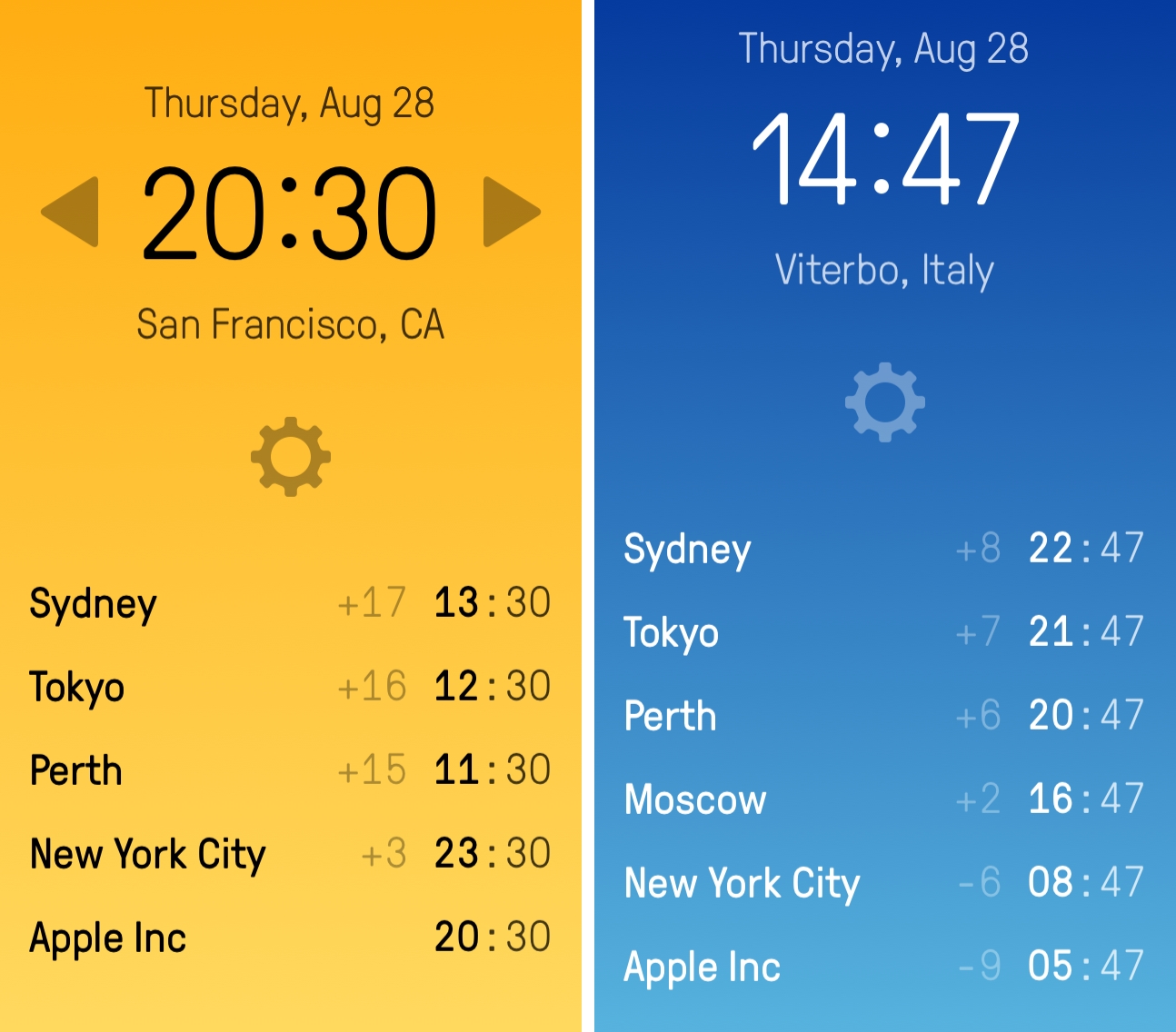
Developed by Jared Sinclair, Time Zones is a clean and nifty utility to see time zones at a glance without having to convert offsets between cities in your head. The app was released today on the App Store, and it’s free with a $4.99 In-App Purchase to remove ads.
Time Zones Is a Clean and Effective Time Zone Converter
The Technology Behind Hyperlapse→
Very early on in the development process of Hyperlapse, we decided that we wanted an interactive slider for selecting the level of time lapse. We wanted to provide instant feedback that encouraged experimentation and felt effortless, even when complex calculations were being performed under the hood.
This is a technical, but highly fascinating look at the technology Instagram used in Hyperlapse. Not as advanced as Microsoft’s research, but impressive for a mobile device.
TextBundle for Markdown→
An interesting initiative by Brett Terpstra and The Soulmen: TextBundle is a new file format to bundle Markdown files, metadata, and referenced images in a single file that multiple apps can exchange without asking for additional permissions due to Sandboxing on OS X.
From the website:
The TextBundle file format aims to provide a more seamless user expericence when exchanging Markdown files between sandboxed applications.
Sandboxing is required for all apps available on the Mac and iOS app store, in order to grant users a high level of data security. Sandboxed apps are only permitted access to files explicitly provided by the user - for example Markdown text files. When working with different Markdown applications, sandboxing can cause inconveniences for the user.
Here’s Brett’s explanation:
The Textbundle format is very simple. A folder containing a plain text file, a JSON data file, and an assets sub-folder. An app, such as Ulysses, can write a Textbundle out and pass it to Marked, and all of the necessary components are automatically included. Images, additional text files, and any metadata needed are all there and safe from sandboxing restrictions.
What’s especially intriguing is metadata support: with TextBundle, all kinds of information could be stored in the file and passed across devices and platforms:
This means that data such as revision history, writing statistics, and all kinds of things we haven’t imagined yet can be stored with a file that can move across folders, entire machines, and even platforms.
For new formats to work, they need to be ubiquitous; for Markdown formats to work, they need to be supported by the community of developers who make text editors. Right now, Ulysses III and Marked 2 have added support for TextBundle; developers can check out the official spec here.
What Is a Card?→
Khoi Vinh has a great introduction to software cards for presentation and rich content:
Even as the notion of cards as the next big software interaction paradigm continues to gain momentum, it hasn’t gotten much easier to explain to the uninitiated what, exactly, a card is. When asked this question, I find it hard not to ramble on at great length, and even harder to avoid using technical jargon, which usually produces diminishing returns in conversations with “normal people.”
Make sure to check out his Pinterest board for screenshots of card UIs and see what they actually look like.
While I don’t rely on many card-based apps or web services, I do believe that Twitter cards are largely underrated and ignored by people who use third-party Twitter clients, which can’t display cards.
In my limited experience, setting up a MailChimp card for our MacStories Weekly newsletter doubled our number of subscribers thanks to its design and ease of use. With Twitter Cards, the link I shared appeared as a card inside Twitter timelines with an interactive signup form to subscribe with one click.
That’s a powerful idea, potentially applicable to hundreds of web services and publishers that are sharing content on Twitter. I’m definitely planning to explore cards more for MacStories.
Smile Announces TextExpander Custom Keyboard for iOS 8, Public Beta Program
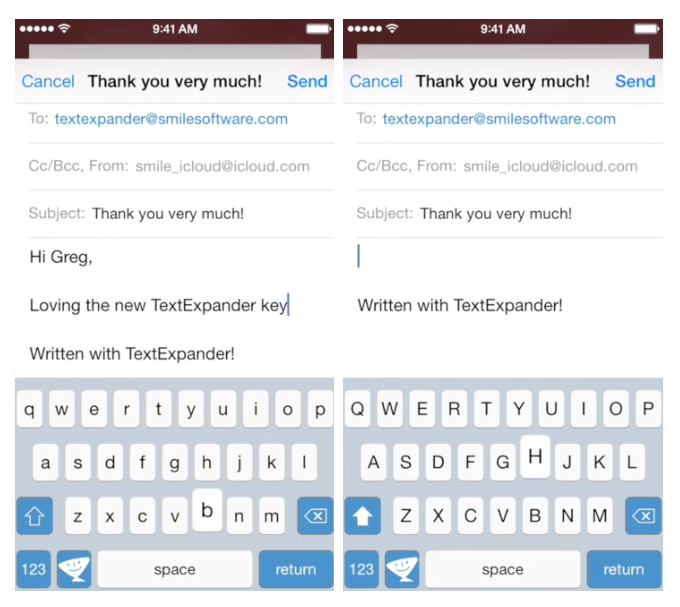
Smile, makers of popular snippet expansion utility TextExpander and PDF editing tool PDFpen, have announced today that TextExpander touch, the company’s mobile version of the app for iPhone and iPad, will feature a custom keyboard on iOS 8, allowing users to expand snippets in any app.
Introducing Perspective Icons 2
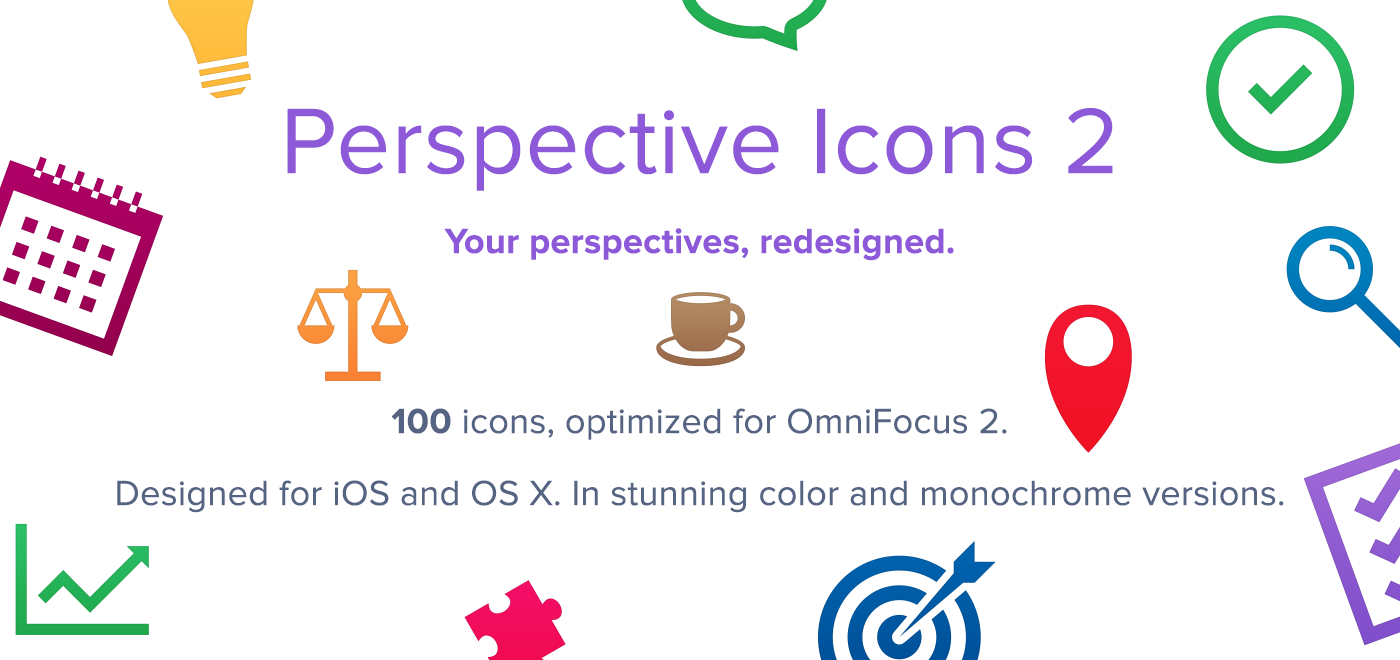
Icons & Coffee – the side-project that I run with my girlfriend – has released a new icon set for OmniFocus 2 today. It’s called Perspective Icons 2 and it’s available here for an introductory price of $9.99. It contains 100 icons for custom perspectives in multiple colors and resolutions. Read more
Dropbox Launches New Pro Features, Cuts Pricing
In a blog post, Dropbox announced changes to their paid tier today, cutting the price of Dropbox Pro to $9.99/month with 1 TB of storage and introducing new features for Pro users.
Hyperlapse and Detached Utility
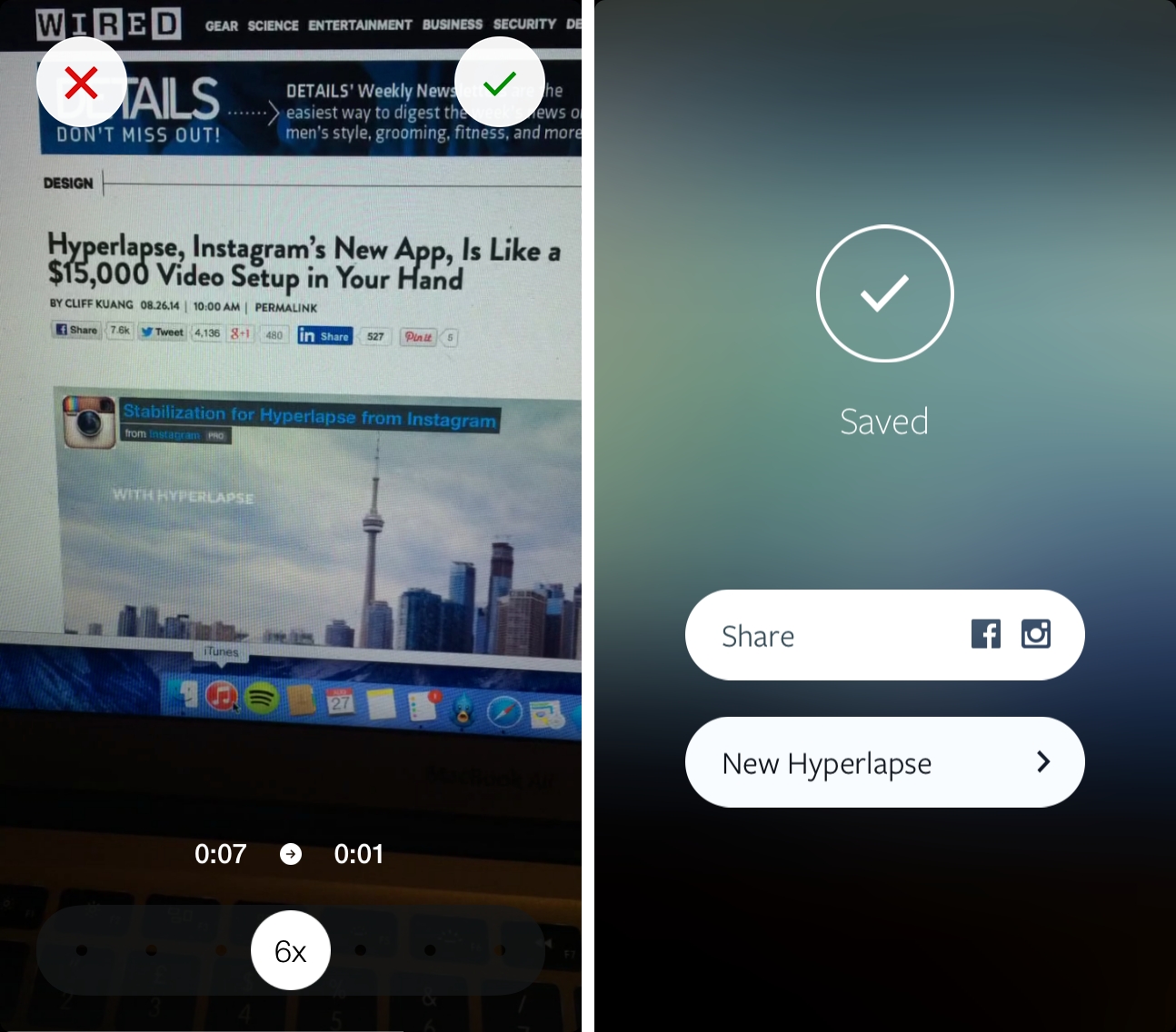
Earlier today, Instagram released Hyperlapse, a Universal app to create time-lapse videos and share them to Facebook and Instagram. You can read Wired’s story on the creation of Hyperlapse and check out The Verge’s test video. I’ve spent a few hours having fun with Hyperlapse and creating time-lapse videos around Viterbo, and I’ve come away impressed with the refreshing focus and simplicity of the app.
“Wacky Mobile Cases Have Become a Serious Business”→
Adam Welch, writing at The Financial Times (via Ben Evans):
The wacky phone case made its catwalk debut at Jeremy Scott’s inaugural show for Moschino autumn/winter 2014. In keeping with the rest of the collection – kitsch, colourful, cute – it was shaped to resemble a packet of French fries.
I was in Porto Cervo last month, and I saw a Moschino boutique with the French fries case mentioned in the article. Initially, I thought it was silly, but then I looked around and all my friends and people who were checking out the store were pointing out how cool that case was because it was funny and unique.
While I’m not a case person, I’ve noticed an increase in popularity of these “wacky” phone cases – for iPhones and Android phones – over the past year. The numbers seem to prove that, just like old Nokia phones, the smartphone cover/case as a lifestyle accessory is back.