
Boxy for Twitter Twitter app drama has been at a high in recent months, with the company killing its own Mac app to focus more on its web experience, and later removing certain APIs that provide key functions to third-party clients. Twitter users on the Mac have had a tumultuous year. While I don’t...
 Checking in with HomePod: Half a Year Later
Whenever a new Apple product comes along, I always experience that initial wave of excitement about trying something new, then after a few days the newness wears off and it’s just another tool serving my needs. My time with the HomePod so far has followed that trend. I’ve written a lot about HomePod since...
Doppler Enables Pain-Free Importing of Music and Podcasts from Safari on iOS
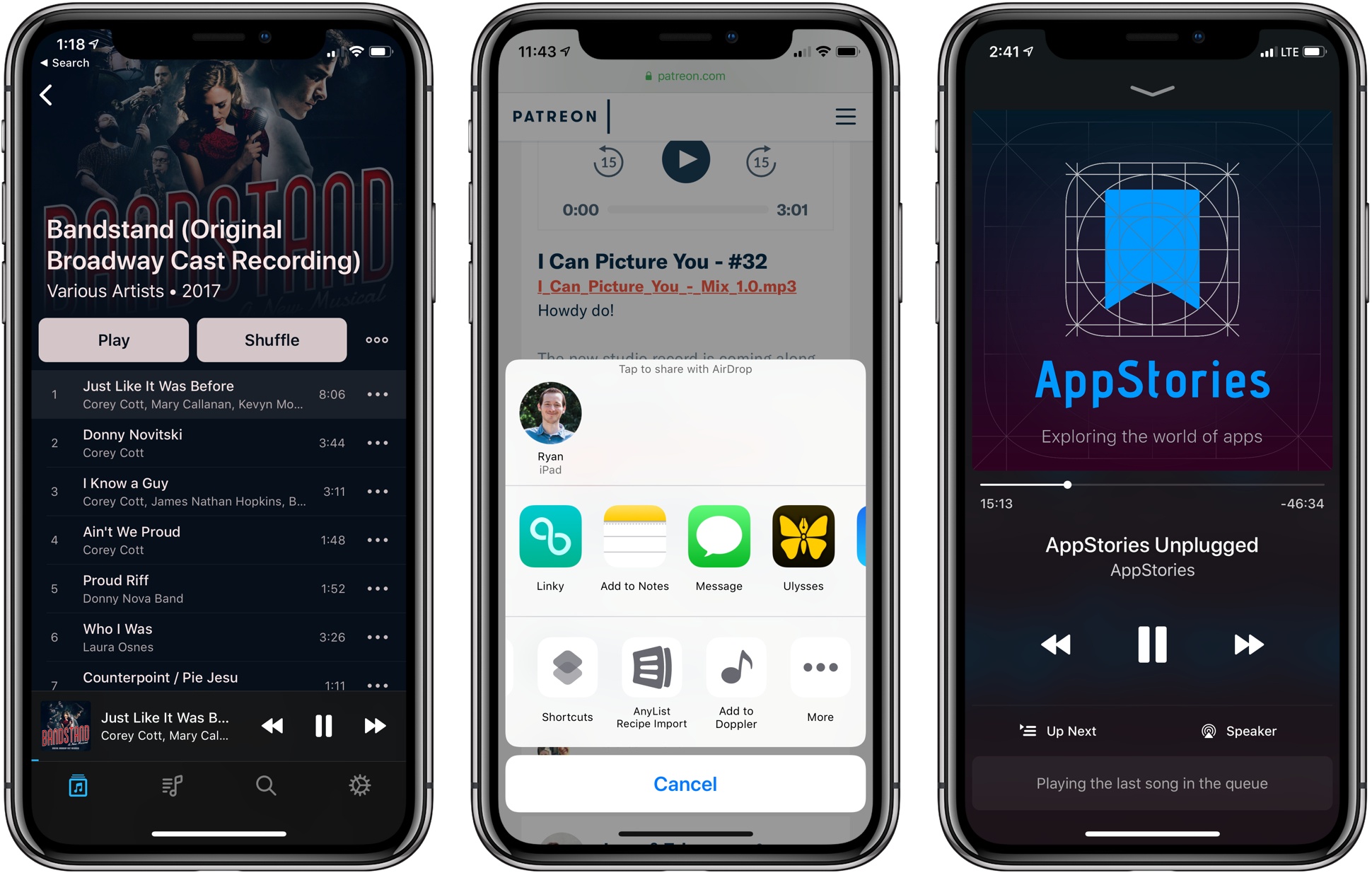
I’ve been an iOS-first user for nearly three years now, and during that time there have been very few tasks that required me to pull out my old MacBook Air. One remaining holdout has been downloading music or podcast files from the web and saving them somewhere I can conveniently access them on iOS. The ideal scenario would enable importing those files into iTunes, where they get added to my iCloud Music Library – unfortunately, that remains impossible on iOS today. But the next-best option I’ve discovered can be found in an iPhone app called Doppler.
Doppler launched a few months ago as a music app aimed at the non-streaming market. Despite the increasing popularity of services like Apple Music and Spotify, there are still plenty of users who want greater ownership of their music library, and that’s where Doppler comes in. It specializes in offline playback and custom library curation. You can import your existing iTunes purchases, or import songs or podcasts saved in the Files app, and customize metadata so your library’s organized exactly as you like it.
Today in version 1.2, Doppler adds a feature I’ve long wanted on iOS: the ability to import files directly from Safari.
My main use cases for Doppler’s new feature include downloading MP3 tracks from an artist I support on Patreon, and downloading special members-only podcasts, like AppStories Unplugged from Club MacStories. In both cases, getting the audio files from Safari into a music player, or even just a cloud storage provider, has historically been way too difficult on iOS. Last year when iOS 11 introduced the Files app, I thought this problem would finally be taken care of; surely I’d be able to use Files’ share extension from Safari to save the audio tracks. Unfortunately, Safari only presents the Files extension when downloading certain file types, and audio files aren’t included. And that’s where Doppler comes in.
Doppler now offers an action extension that can be used in two contexts: either when an audio file is already loaded in Safari, or even just when long-pressing a link to an audio file and hitting the ‘Share…’ option. The action extension then pulls in the file, lets you modify track metadata, and saves it to your Doppler library. The app is billed as a music player, but this same process works well for podcasts too – just know that due to their increased track size, podcasts will take longer to import.
Doppler is still a young app, so it’s missing key features that will hopefully be added in the future, such as an iPad app and iCloud sync. Its design is solid though – I like how it evokes past versions of Apple’s Music app with backgrounds matching the color scheme of each album. Despite being feature-light, Doppler works well as a basic music player for your non-streaming service needs. And now, thanks to its Safari import feature, it’s become a crucial utility that’s staying installed on my device.
Doppler is available for iPhone on the App Store.
Apple Showcases New Emoji Arriving in iOS 12, macOS Mojave, and watchOS 5
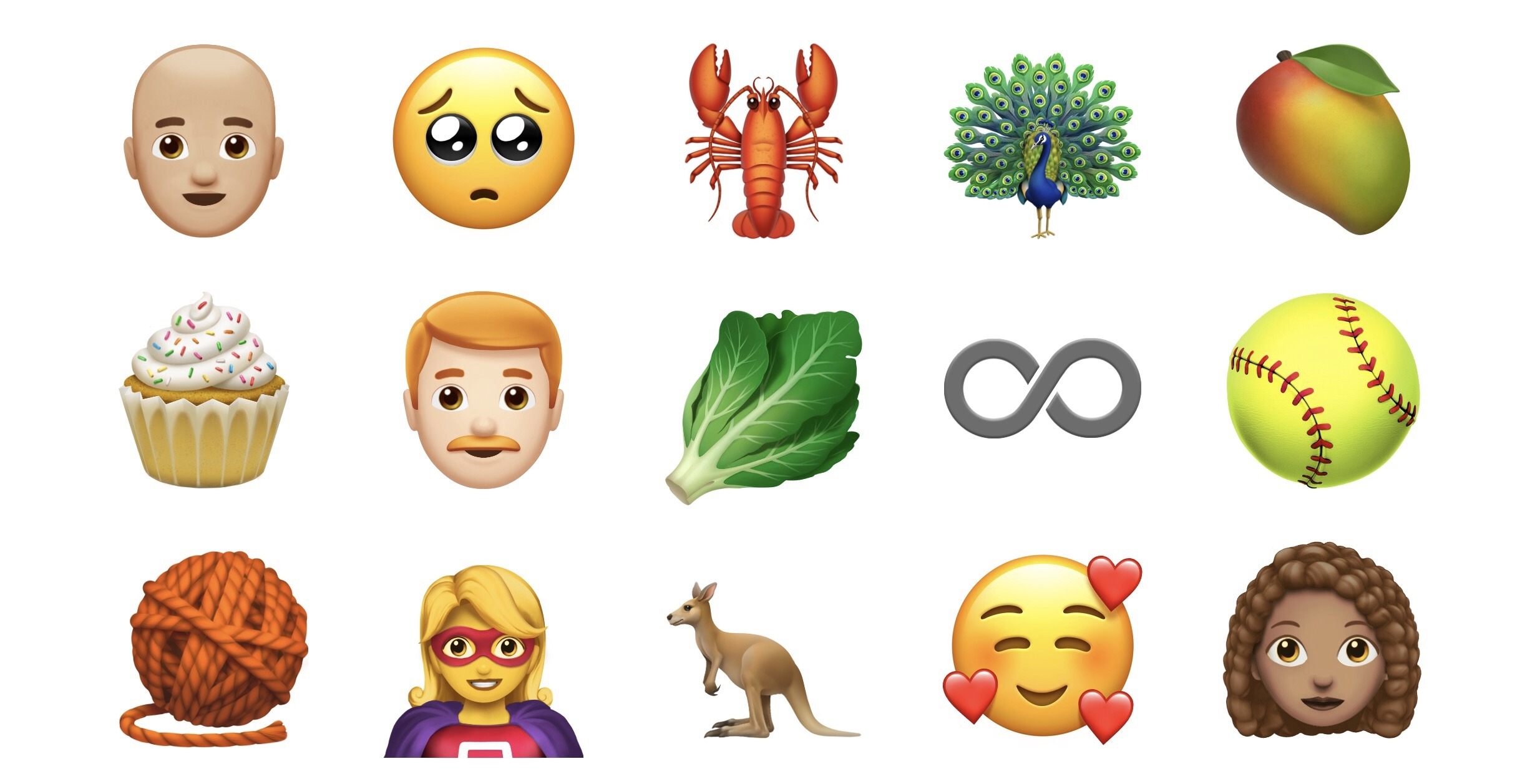
In celebration of World Emoji Day, Apple has released a preview of the new emoji arriving later this year in updates to iOS, macOS, and watchOS. There will be 157 new emoji in total, but today’s preview only features a select few.
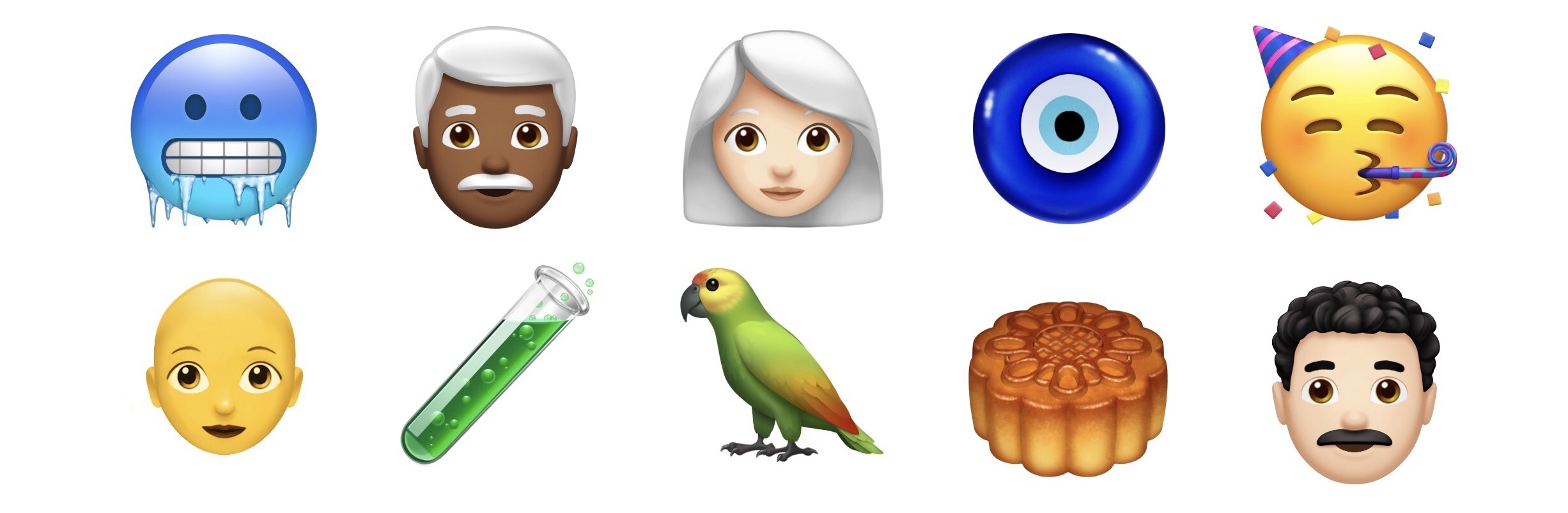
A centerpiece of the emoji additions this year will be improved diversity in hair options, including red hair, gray hair, curly hair, and bald.
Last year the new set of emoji was added with iOS 11.1 in October, while the year before that new emoji didn’t arrive until iOS 10.2 in December. One way or another, it’s only a matter of months until some version of iOS 12 puts the 157 new emoji in the hands of users.
After Two Years with Pinterest, Instapaper Regains Its Independence→
Today, we’re announcing that Pinterest has entered into an agreement to transfer ownership of Instapaper to Instant Paper, Inc., a new company owned and operated by the same people who’ve been working on Instapaper since it was sold to betaworks by Marco Arment in 2013. The ownership transfer will occur after a 21 day waiting period designed to give our users fair notice about the change of control with respect to their personal information.
We want to emphasize that not much is changing for the Instapaper product outside the new ownership. The product will continue to be built and maintained by the same people who’ve been working on Instapaper for the past five years. We plan to continue offering a robust service that focuses on readers and the reading experience for the foreseeable future.
Following Pinterest’s acquisition of Instapaper almost two years ago, there was a reasonable level of concern about what that change would mean for the popular read-it-later service. From an outside perspective, however, it seems like the transition has gone smoothly – which makes today’s announcement all the more surprising.
It will be interesting to see what changes this move brings in the short-term. In the immediate future, the company has already confirmed it’s working hard on making Instapaper available in Europe again. Looking further out, the service’s business model is a big question mark. Before Pinterest came along, Instapaper offered a premium subscription option that was later discontinued post-acquisition and its features made publicly available to all users. A new subscription plan may be in the works, likely with currently unannounced new features. Only time will tell what the future holds, but in any case, it’s always nice to see an app’s development team in full control of its product’s destiny.
Linea Sketch

When Apple released the first iPad Pro and Apple Pencil in late 2015, it shipped a proof-of-concept for these two devices’ capabilities inside of Apple Notes. When Notes scored a major new version in iOS 9, one feature that had many scratching their heads was the sketch option. While I certainly have nothing against...
10 Years of App Store Controversies
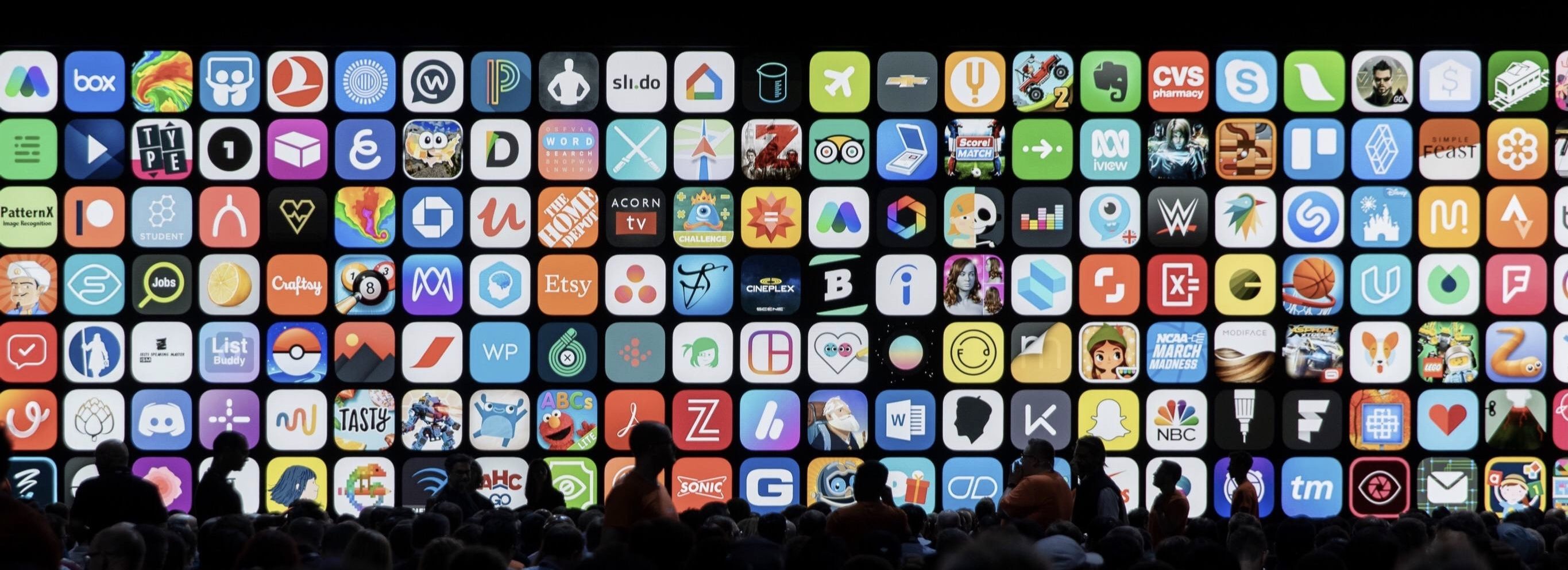
The App Store is a wildly successful product. In 2017 alone it brought Apple somewhere in the range of $11.4 billion, and app developers pocketed $26.5 billion – an increase of 30% over 2016. To kick off 2018, New Year’s Day alone yielded $300 million of App Store purchases. With ever-more Apple devices in the world, the rest of 2018 is sure to end up in the record books.
When the App Store first launched in 2008, it was an unproven concept in the software market. Historically when you wanted to download software for your computer, you would usually visit the developer’s website, which handled both the payment and actual download. While it could be argued that smartphones at that time weren’t proper “computers,” the computer designation undoubtedly fit the iPhone. With its powerful operating system built on Mac OS X, the expectation from many developers was that, eventually at least, the device would gain access to native third-party apps through traditional means. Instead, the iPhone – and subsequently, the iPad – has remained a closed platform. And for 10 years now, the App Store has been that platform’s sole gatekeeper.
Apple’s vision for the App Store has always been driven by privacy and security. Rather than sending users out to a host of unvetted websites to find software that may or may not be what it claims, the App Store was a single unified market for approved, malware-free software to live. As a user, you could download any app in the confidence that it wouldn’t be able to bring harm to your device – and you could do so without providing your credit card details to anyone but Apple.
Apple created and has maintained the safety of its closed platform thanks to its thorough review procedures and guidelines. Every app on the App Store must follow Apple’s rules, which for the most part is widely accepted as a good thing. If an app’s aims are nefarious, it should be rejected by Apple and, hence, not allowed in public view. However, throughout the App Store’s life, there have regularly been controversial app rejections that stirred up the Apple community. Here are a few of those controversies.
Affinity Designer Debuts on iPad as a Full-Featured Graphic Design Tool
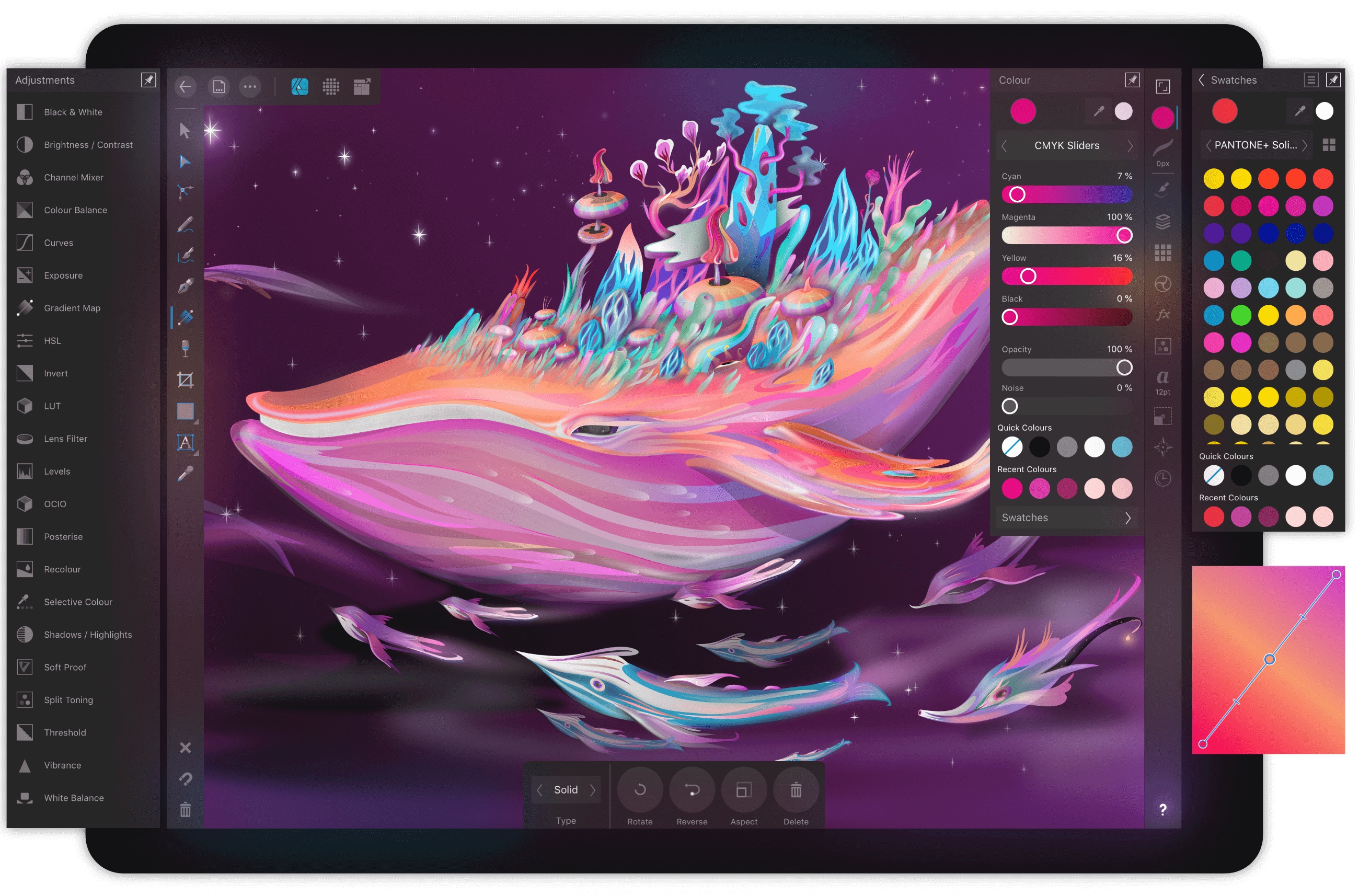
Nearly one year ago, Serif released Affinity Photo for the iPad as a full-featured photo editing powerhouse. Unlike what companies such as Adobe do, where a Mac app like Photoshop is broken down into less powerful versions on iOS, Affinity Photo was brought to the iPad with no compromises whatsoever. Today, that same philosophy is bringing us Serif’s second major iPad app: Affinity Designer.
Where Affinity Photo focuses on photo editing, Affinity Designer is a vector-based illustration tool. And with full support for the Apple Pencil, iOS 11’s drag and drop, and system technologies like Metal, the app looks like the ultimate portable design studio.
For a limited time, Affinity Designer is available at a launch price of $13.99, 30% off the regular price of $19.99. If this kind of app in any way interests you, it looks like a steal at this price. One important note is that, similar to Affinity Photo, due to the power demanded by Affinity Designer, it’s only available on a select number of iPad models: all iPad Pros, plus the iPad Air 2, and the 5th and 6th generation iPad.
John Giannandrea, Former Google Executive, Is Apple’s Chief of Machine Learning and AI Strategy

Earlier this year The New York Times reported that Apple had made a big new hire: John Giannandrea, at the time Google’s Chief of Search and Artificial Intelligence. Today Giannandrea officially joined the ranks of Apple’s leadership page on Apple.com.
As part of Giannandrea’s employee profile, we learn his official title with Apple: ‘Chief of Machine Learning and AI Strategy.’ He reports directly to Tim Cook and oversees technologies related to Siri and machine learning.
Breaking the news of Giannandrea’s new role, Matthew Panzarino wrote for TechCrunch:
Apple is creating a new AI/ML team that brings together its Core ML and Siri teams under one leader in John Giannandrea.
[…]
The internal structures of the Siri and Core ML teams will remain the same, but they will now answer to Giannandrea. Apple’s internal structure means that the teams will likely remain integrated across the org as they’re wedded to various projects including developer tools, mapping, Core OS and more. ML is everywhere, basically.
The last two years especially, AI and machine learning have been heavy focuses of Apple, particularly on iOS. Giannandrea is a major hire for the company, and while it may take some time for his impact to be seen in user-facing products, bringing together Siri and machine learning teams under this new leader is a key step toward realizing future potential in an area that’s bound to grow more important as time passes.