


The iPhone has a tremendous history as a pioneer for camera innovation and making quality photography accessible to far more people than ever before. Each year when a new iPhone is announced, Phil Schiller takes time to explain why the work Apple has done upgrading its camera system is special. And it really has...
Apple Music Introduces ‘New Music Daily’ Playlist
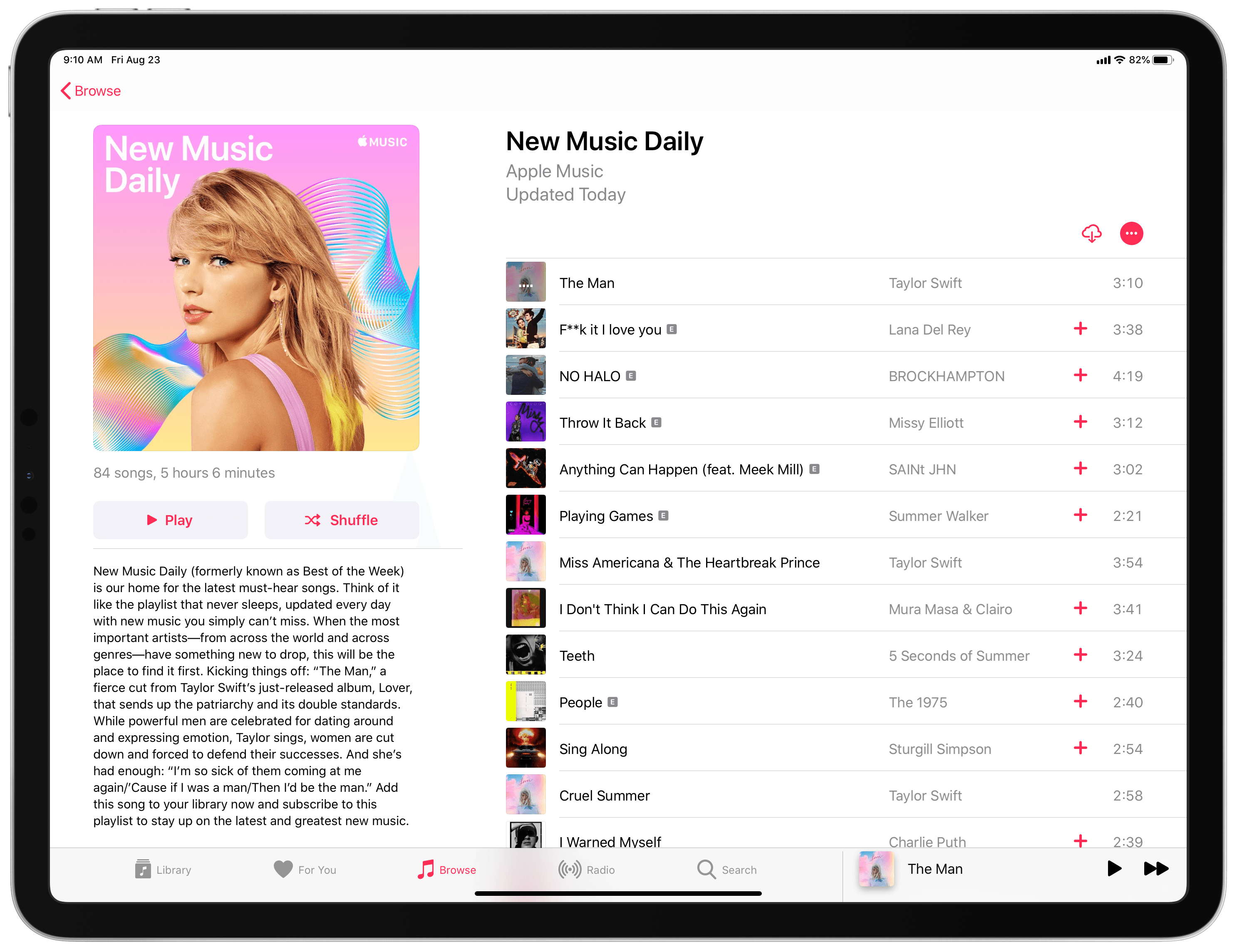
Recently Apple Music has been in the process of rebranding many of its longstanding editorial playlists, such as turning The A-List: Alternative into ALT CTRL and The A-List: Hip-Hop into Rap Life. These changes have reflected a shift in brand tone, but not a fundamental difference in the content of the playlists. The latest playlist change, however, is bit more substantial. What was formerly known as Best of the Week has been changed to New Music Daily, which as its name implies, makes this a daily-updated playlist rather than weekly.
New Music Daily aims to collect the most noteworthy new songs across a variety of genres around the world. Today on its launch, it’s filled with lots of Taylor Swift to coincide with her new album’s release, but it will be interesting to see what shape the playlist takes from day to day.
The most newsworthy detail about New Music Daily is simply its update schedule, which is fairly unique for Apple Music. Historically Apple’s editorial team has focused on providing weekly updates for its big playlists, or even rarer updates for less popular playlists, so the transition to daily is a big shift. I don’t expect we’ll see many other playlists follow suit, due to the sheer amount of labor required in editorially selecting songs each day, but it’s nice to see Apple’s team enter new territory.
Apple Launches iCloud for Web Redesign in Beta
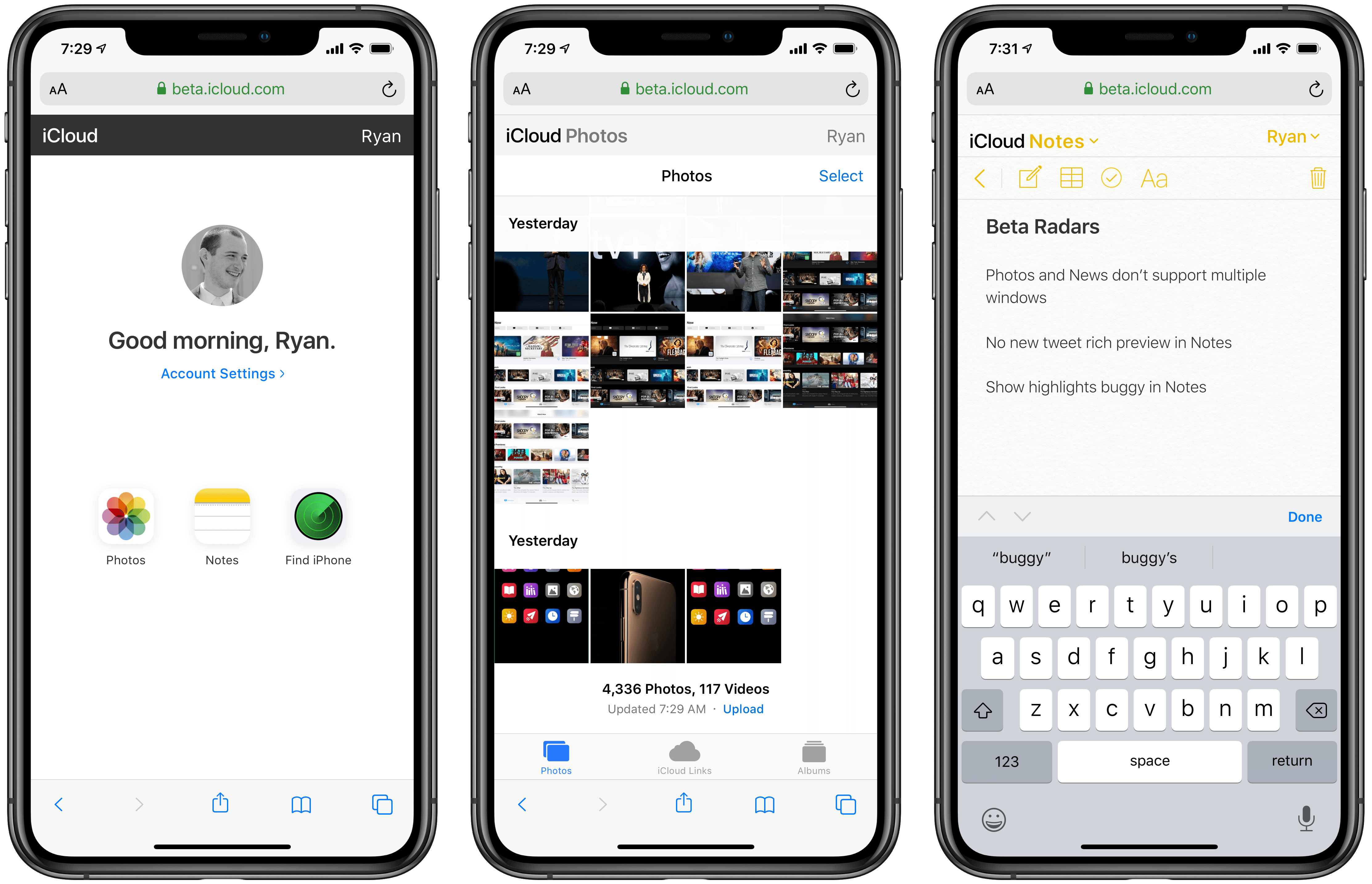
Last night our own Federico Viticci shared a discovery on Twitter, first noticed by Kyle Seth Gray, which is that Apple has quietly launched a beta version of a redesigned iCloud.com interface.
The old look for iCloud.com reflected the iOS 7 design era, while this new version, which is accessible by visiting beta.icloud.com, fits better with Apple’s modern design conventions. It also brings new functionality to the iPhone. While you can’t access the full slate of web apps on the iPhone like you can the iPad or Mac, Photos and Notes join Find iPhone in being available on the iPhone. Also of note: on devices that support the full range of iCloud web apps, the Reminders app has been redesigned to reflect its forthcoming iOS 13 version.
The web version of iCloud has long felt overlooked by Apple, so it’s nice to see it finally receive some attention. Though native apps still offer the best experience for users, it’s great to have the option of web access for important tools when needed.
Apple’s New TV Strategy Might Just Work
It’s been a very significant week for Apple’s TV efforts. On Monday the company debuted its first full-length trailer for an Apple TV+ original; that trailer was for The Morning Show, which has long been destined as a tentpole title for Apple. From what I’ve seen online, the trailer has been well-received, aided by an aggressive marketing push on YouTube and Twitter.
While The Morning Show’s first full trailer is a big occasion, and we’ll likely start seeing promos for other Apple TV+ shows soon with its fall launch fast approaching, the most important TV news in Apple’s week came from Disney.
Disney announced that its Disney+ streaming service would launch with native iOS and tvOS apps, which will use Apple’s In-App Purchase system for subscriptions, and the service will be “fully integrated with the Apple TV app.” Depending on your interpretation of that quote, Disney didn’t technically announce that Disney+ would be a channel in the TV app, but “fully integrated” is a strong phrase, and since Disney’s adopting Apple’s In-App Purchase system and integrating in some way with TV already, there’s virtually no reason to think it won’t be a full-fledged channel.
Following these two key events – the marketing push for Apple TV+ starting to gain steam, and Disney+ partnering with Apple in a key way – I’ve been reflecting on what Apple’s future in TV may hold.
We’ve known since March what the company’s TV strategy entailed: putting the TV app everywhere as an aggregator, bolstered by channels and Apple TV+. With the TV app Apple can do something that no one else seems to be trying: control the full stack of TV experience through integrating hardware, software, and services – the classic Apple playbook. But Apple needs partners to make this vision a reality. Without TV app commitments from big players like Netflix or Disney, it was unlikely that Apple’s strategy could ever find success. Signing Disney+, however, changes everything.
Absent Disney, failure seemed inevitable. The lack of both Netflix and Disney+ would have been a death blow to Apple’s plans. But with the home of Disney, Pixar, Marvel, and Star Wars now on board, I’m starting to think Apple’s TV strategy might just work. Here’s why.
Sign In with Apple: Goodbye Account Management
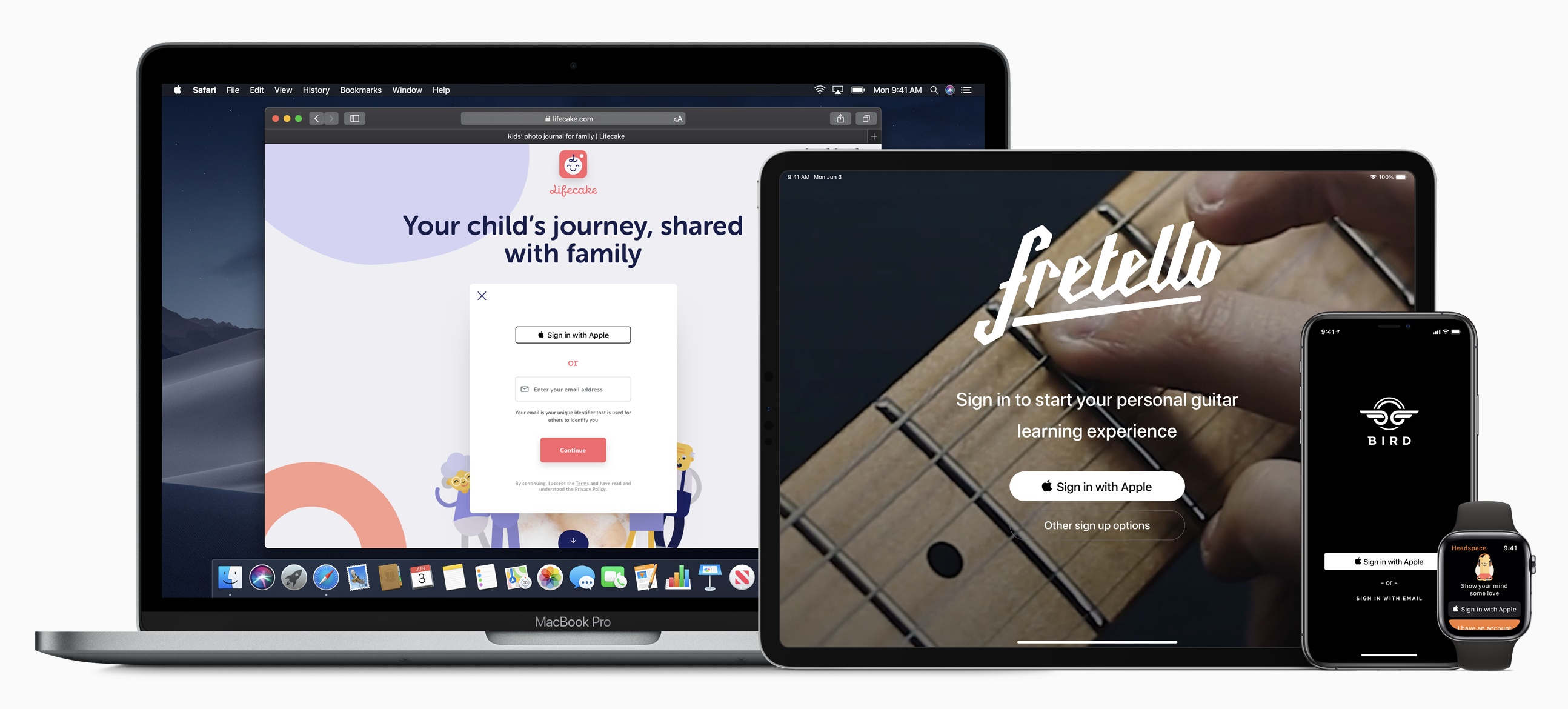
I love trying new apps and services. It may be part of my job at MacStories, but even if it weren’t, I would still constantly be on the lookout for interesting, creative products that can benefit either my work or leisure. In recent years it seems like there’s always a fresh stream of apps and services to check out. Often when I try something new, however, I’m immediately confronted with the obstacle of a login screen. At which point there’s a choice to make: do I go through the hassle of creating an account for this service, or – if the option is available – do I simply authenticate via a third party like Google or Facebook? Sadly, neither option is ideal.
Creating a new account for every service you try is a major pain. It’s made easier with the aid of iCloud Keychain and 1Password, but while those tools eliminate lots of friction, they can be a little clunky, and in the end you’re still trusting your data to the (usually unknown) privacy policies of the service you sign up for.
Third-party login buttons solve the convenience problem, mostly. They may require entering your credentials for that third-party service, but at least you don’t have to create and remember new credentials for multiple services. The data privacy issue can be a question mark with these buttons though; when you authenticate through, let’s say Facebook, do you really know exactly what data you’re sharing with the new service? Or how the service will use that data? As consumers continue losing trust in Facebook itself to secure their data, why would they trust a service that taps into their Facebook data?
Sign In with Apple is a modern alternative to the current mess of login methods, offering Apple users a solution that addresses the current options’ shortfalls. It makes account creation and sign-in trivially simple – even more so than buttons from Google or Facebook – while also keeping your data in the hands of a company with a decent privacy track record.
When apps update to adopt Sign In with Apple, I suspect many users’ initial thoughts will be some variation of what immediately popped into my mind after trying it for the first time: “Where has this been all my life?”
Apple Card Now Available for All US Customers, Adds New 3% Daily Cash Partners
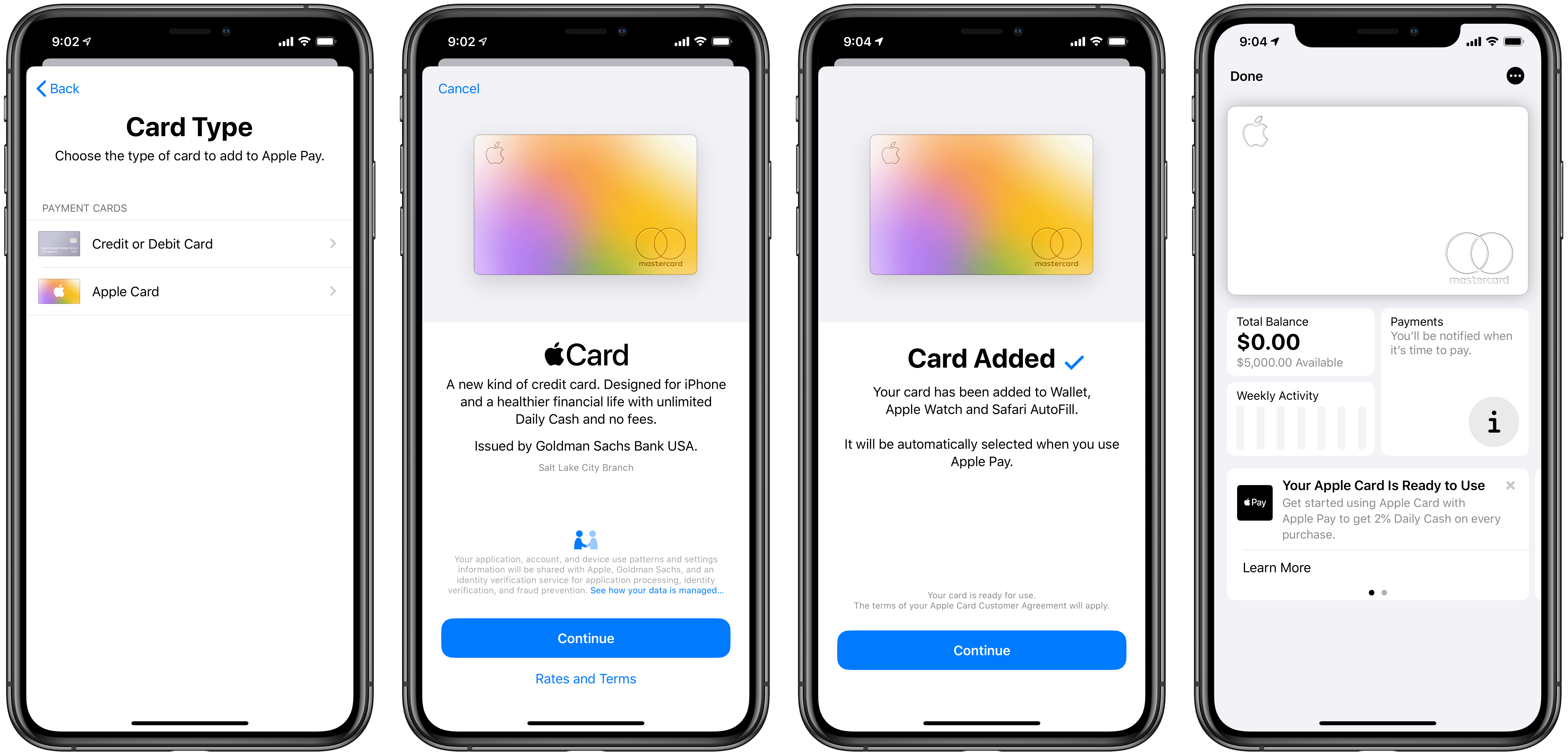
Following a limited preview earlier this month, Apple has today opened up applications for Apple Card to all US customers. Users can apply through the Wallet app on an iPhone running iOS 12.4 or later, and in most cases receive instant access to Apple Card if approved. Opening the Wallet app then tapping the plus button in the top-right leads to the option to add Apple Card.
Alongside Apple Card’s wide release, Apple is announcing that its Daily Cash program is getting better thanks to a new partner that supports the highest 3% Daily Cash rate which was previously exclusive to Apple purchases.
Apple Card is extending 3 percent Daily Cash to more merchants and apps. Starting today, customers will receive 3 percent Daily Cash when they use Apple Card with Apple Pay for Uber and Uber Eats. Customers can request a ride through Uber in more than 700 cities across the globe and order a meal through Uber Eats in more than 500 cities around the world. Apple Card will continue to add more popular merchants and apps in the coming months.
Apple has never before mentioned that it would be seeking additional partners to support the 3% Daily Cash rate. Initially that rate was limited to purchases from the Apple Store, Apple.com, the App Store, and other Apple services; 2% is the standard Daily Cash rate available for Apple Pay transactions, and 1% for everything else. Adding Uber and Uber Eats to the 3% pool, with “more popular merchants and apps” in the pipeline for future partnerships, makes Apple Card’s Daily Cash program more attractive than before – a welcome surprise for the card’s wide release.
Disney+ Will Launch with iOS and tvOS Apps and Integration with TV App→
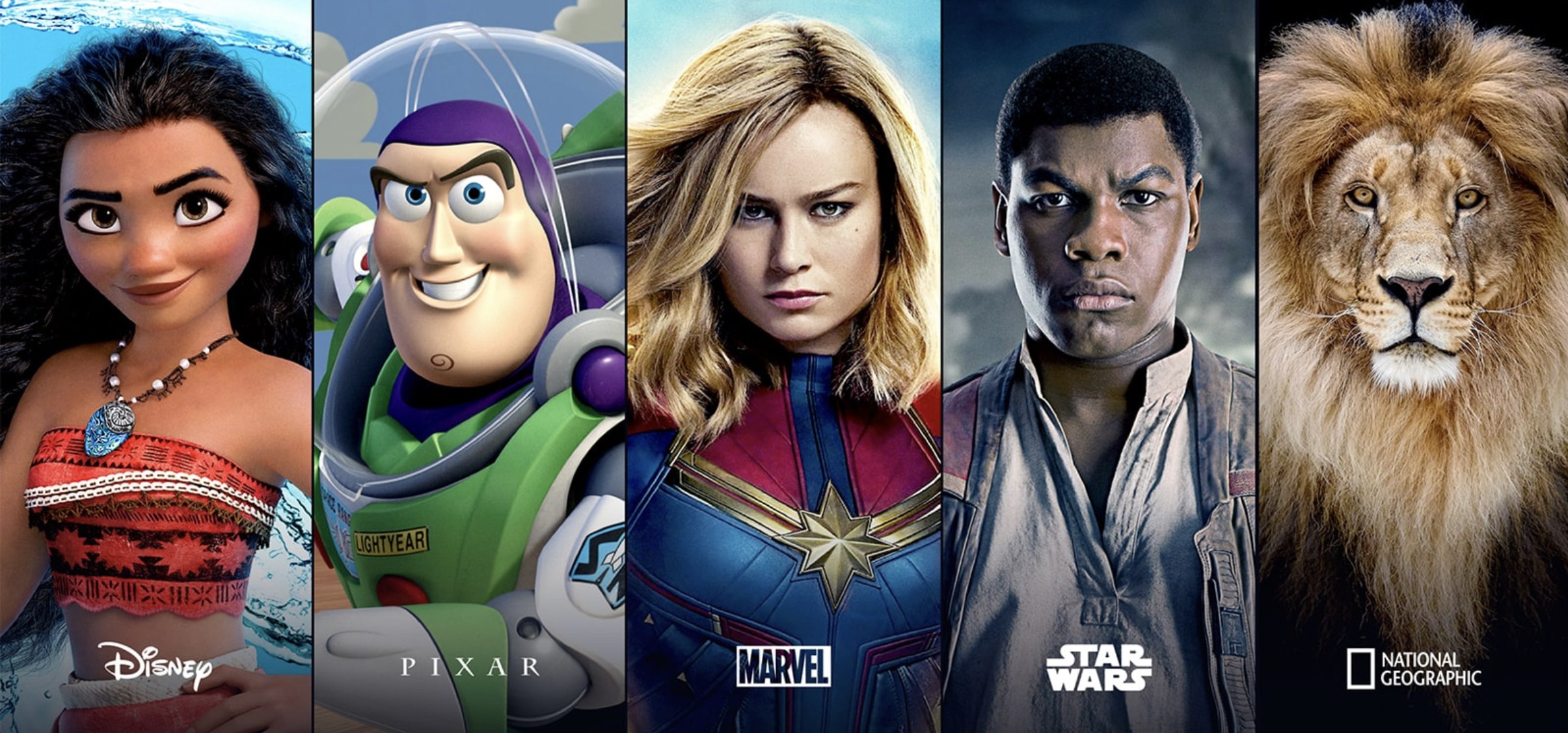
Disney announced today which platforms its Disney+ streaming service would be available on at launch, and unsurprisingly iOS and tvOS are on the list. One tidbit that’s particularly noteworthy, however, comes from Chris Welch’s report for The Verge:
Disney also plans to integrate its content with the Apple TV app so that movies, originals, and shows will appear there among other suggested things to watch.
Integration with the TV app means Disney+ subscribers will be able to add the service’s content to their Up Next queue inside TV, in addition to seeing recommendations for movies and shows like Welch mentions. This is a significant piece of news for people like myself who rely on the TV app for much of their TV viewing. Also noteworthy is that Disney+ will support Apple’s In-App Purchase system for subscriptions, so you can subscribe directly through Apple rather than needing to set up a separate Disney account.
This is a big win for Apple’s TV ambitions, as Disney+ is expected to quickly grow into one of the most popular streaming services on the market. Netflix, the current streaming king, doesn’t integrate at all with Apple’s TV app, and recently it even abandoned Apple’s In-App Purchase system for subscriptions. If Disney had followed in Netflix’s footsteps, Apple’s hopes of the TV app gaining widespread adoption would have been slim to none.
The only outstanding question concerns whether Disney+ will become a full-on channel inside the TV app, or if it will rely on the legacy integration that apps like Hulu and Amazon Prime Video currently utilize. Welch writes:
A Disney spokesperson told The Verge that Disney has nothing to announce regarding “channel” marketplaces like Apple TV Channels or Amazon Prime Channels. I wouldn’t bet on Disney giving Apple (or anyone) extra control over its hugely important service; allowing Disney+ to be streamed entirely within the Apple TV app would be a nice convenience for the customers who want it, but I don’t see it happening.
My take is that Disney+ becoming a channel actually makes a lot of sense for the company. Since it’s already going to integrate with TV, and use In-App Purchases, there’s little to no “extra control” Disney would be handing Apple if Disney+ became a channel. All the control is already conceded. The only advantage of forcing people to jump from the TV app into the Disney+ app would be that, when a movie or show finishes playing, users would find themselves in Disney’s app rather than Apple’s. But that’s a small bit of ground to give up considering all the control Disney’s already forfeited.
If Disney+ becomes a channel, it will make for a better user experience for everyone, including parents who can download content offline for their kids via the TV app. Plus, if Disney only supports TV’s legacy integration, that will mean it’s only available in Apple’s TV app on Apple devices; third-party streaming sticks and TV sets that include the TV app wouldn’t offer Disney+ content at all, which again would make for a worse experience.
I expect that Disney’s hesitation to announce channels support is only temporary. Either the company is still negotiating its exact deal with Apple, or an announcement is being held back for Apple’s iPhone event in September. The latter scenario seems likely: Disney+ garnering stage time at the biggest marketing event of the year for one of the world’s biggest companies is a win for both Apple and Disney.
Apple Brings App Store Editorials to the Web→
Benjamin Mayo, reporting for 9to5Mac:
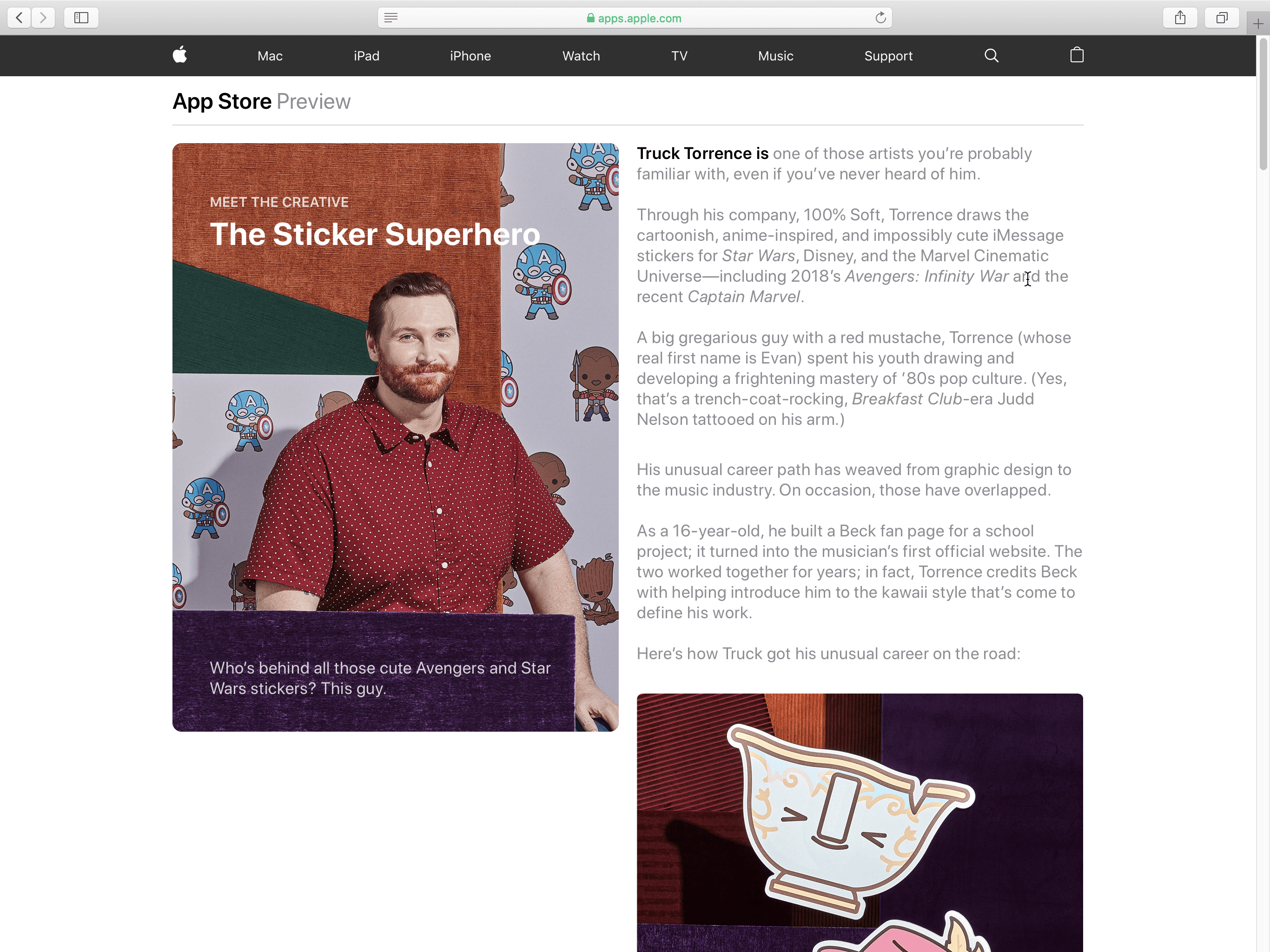
Apple has recently updated its App Store Preview pages for stories to allow users to view the full content of stories from inside their desktop web browser. App Store stories have always been shareable as links, but the web version was just a title and a navigation link to ‘open this story in the App Store’.
Between August 9th and August 11th, Apple has upgraded the experience and now includes full imagery, app lists and paragraphs copy in the web version. This means you can access the same content online as you would be ale to find in the native App Store experience.
Historically, App Store editorials could only be viewed inside the App Store itself, whether on an iPhone, iPad, or Mac. Anyone not using an Apple device would thus be unable to view such stories, even if they had the appropriate link for them. Now, however, every App Store editorial can be read in full on the web. iOS devices still default to opening stories in the App Store, but you can now open a story’s link in Safari on the Mac, or in browsers on non-Apple devices.
Apple still doesn’t let you initiate app downloads from the web, so while you will be able to see preview pages for apps from a browser, to start a download you’ll need to visit the App Store or Mac App Store.
Watch Dependence→
Joe Cieplinski, writing on his blog:
I have reached the unfortunate conclusion that RECaf’s watch app will not be able to go fully independent this fall with the release of watchOS 6. While you have always been able to log from your wrist using the app or Siri shortcuts, I was hoping folks who didn’t want to keep RECaf installed on their phones would be able to continue using RECaf on their wrist.
There are simply too many things that can’t be done on watchOS alone at this point, however. So for now, you’ll have to keep that phone app installed.
Cieplinski outlines three main areas that independent Watch apps are currently lacking in their capabilities, two of which involve HealthKit limitations, while the third is that you can’t perform any kind of In-App Purchase on an independent Watch app, so unlocking pro features or a subscription plan is impossible without an iPhone companion.
These are significant drawbacks, not the type of edge cases that would be more understandable and expected for watchOS’ first take on stand-alone apps. App independence was the primary story Apple told for watchOS 6 at WWDC, but I suspect not many apps will be able to go independent until greater feature parity is achieved between independent apps and those still tethered to the iPhone.