John Voorhees

5806 posts on MacStories since November 2015

John is MacStories' Managing Editor, has been writing about Apple and apps since joining the team in 2015, and today, runs the site alongside Federico. John also co-hosts four MacStories podcasts: AppStories, which covers the world of apps, MacStories Unwind, which explores the fun differences between American and Italian culture and recommends media to listeners, Ruminate, a show about the weird web and unusual snacks, and NPC: Next Portable Console, a show about the games we take with us.

This Week's Sponsor:

Crickets

The first alarm app for families.


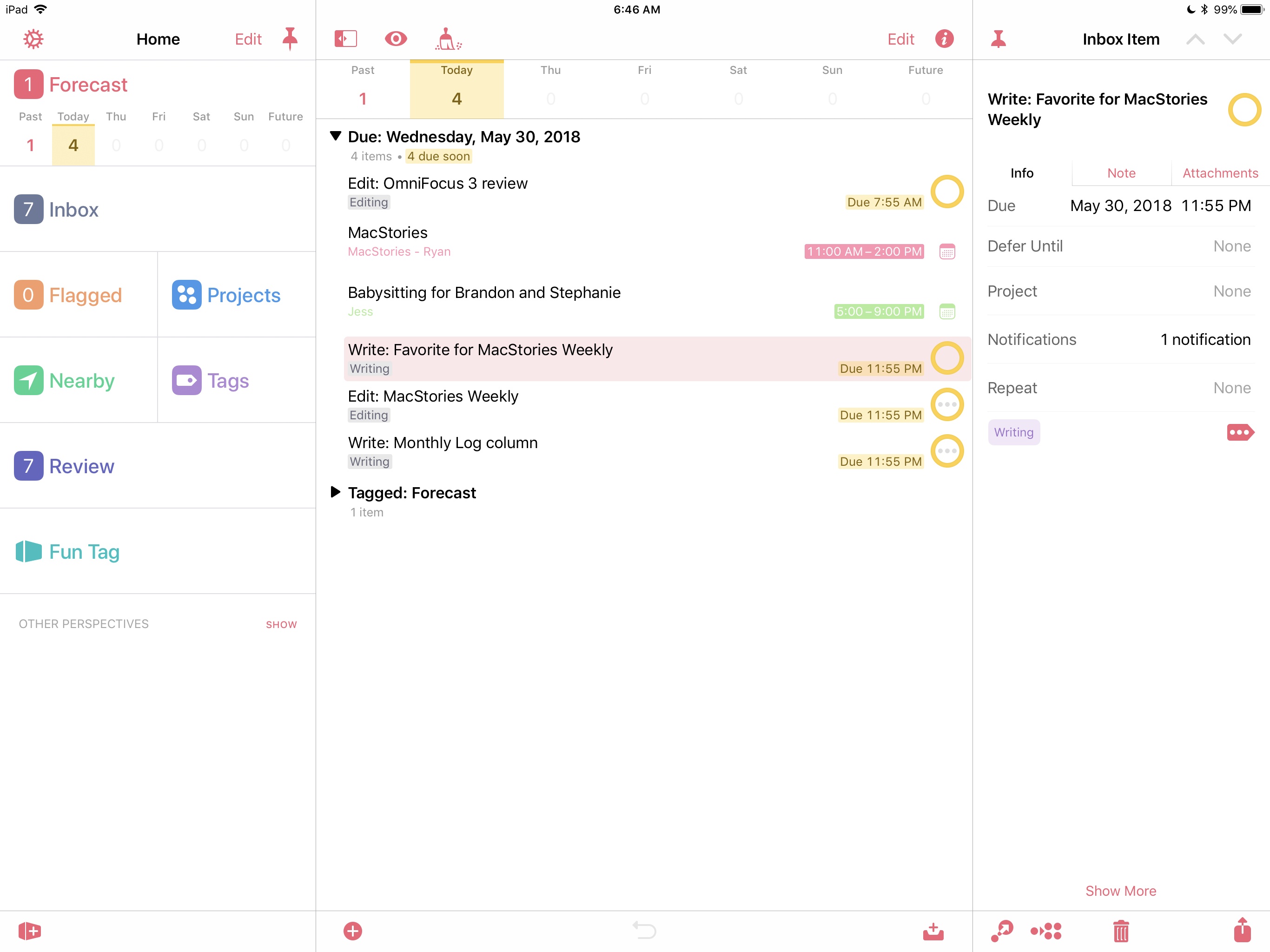
Omni to Offer Optional Subscriptions to OmniFocus and Its Upcoming Web Service→

Next month, OmniFocus for the Web will launch as a subscription service for $4.99/month or $49.99 annually. In a post on The Omni Group blog, Ken Case explains that the subscription is necessary to pay the ongoing costs of the web-based version of the popular task manager:

Running it on our computers means we have to maintain those computers, their network connections, power, and so on, as a constantly available online service, for as long as customers use the product. Running that service costs us money every month, so if we want the service to be sustainable we need an income stream which brings in money every month to cover those costs. In other words, this service model requires subscriptions—an arrangement where customers pay us money each month to keep the service going.

In addition to offering a subscription to the web version of OmniFocus, Omni will offer the Pro versions of OmniFocus for iOS and the Mac as a bundle with the web version for $9.99/month or $99.99 annually. As Case further explains, the subscription is entirely optional. The Omni Group will continue to offer its iOS and Mac apps as separate purchases as it does now.

When a historically paid-up-front app introduces subscription pricing, there’s usually an online dustup of unhappy customers who don’t want to subscribe to the apps they use. Although Omni’s announcement was met with a handful of angry tweets, the reaction has been notably muted, which makes sense because the subscription isn’t required. Users who have already purchased the apps can subscribe to just the web service or subscribe to the service plus the apps. The only combination that doesn’t appear to be possible is subscribing to just the iOS and Mac apps.

Adding subscriptions as an option adds complexity to OmniFocus’ business model, but the upside is choice. Instead of migrating its entire user-base to subscriptions, customers can keep using OmniFocus the way they already do. They also gain the option to subscribe to OmniFocus for the Web when it becomes available in January. The approach strikes me as the right balance for an app like OmniFocus, on which users have relied since the earliest days of the App Store.

Permalink


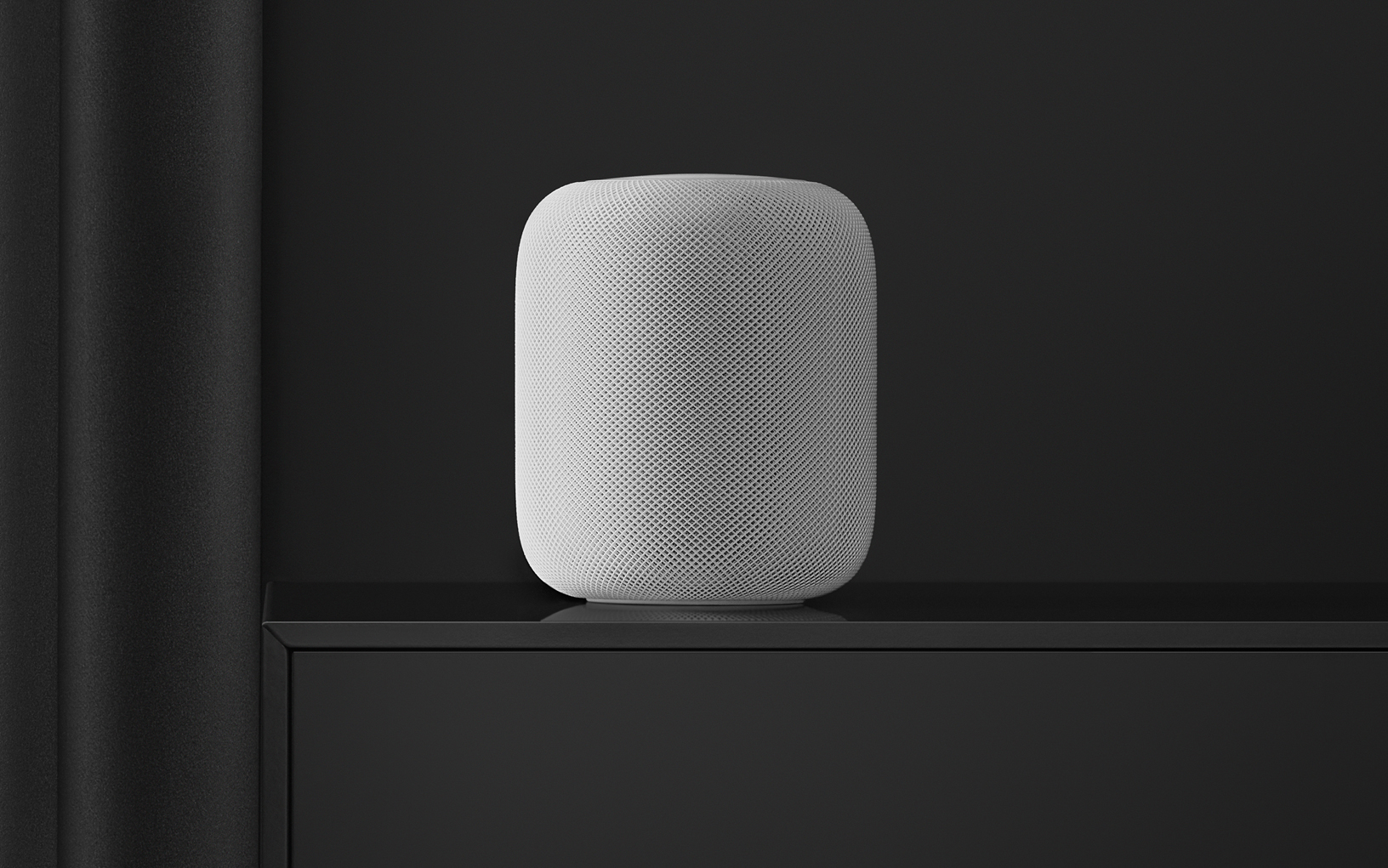
Apple’s Machine Learning Journal Posts Paper on How Siri Works on the HomePod in Noisy Environments→

Apple’s online Machine Learning Journal has published a paper on the methodologies the HomePod uses to implement Siri functionality in far-field settings. As Apple’s Audio Software Engineering and Siri Speech Teams explain:

Siri on HomePod is designed to work in challenging usage scenarios such as:

  • During loud music playback
  • When the talker is far away from HomePod
  • When other sound sources in a room, such as a TV or household appliances, are active

Each of those conditions requires a different approach to effectively separate a spoken Siri command from other household sounds and to do so efficiently. The report notes that the HomePod’s speech enhancement system uses less than 15% of one core of a 1.4 GHz A8 processor.

Apple engineers tested their speech enhancement system under a variety of conditions:

We evaluated the performance of the proposed speech processing system on a large speech test set recorded on HomePod in several acoustic conditions:

  • Music and podcast playback at different levels
  • Continuous background noise, including babble and rain noise
  • Directional noises generated by household appliances such as a vacuum cleaner, hairdryer, and microwave
  • Interference from external competing sources of speech

In these recordings, we varied the locations of HomePod and the test subjects to cover different use cases, for example, in living room or kitchen environments where HomePod was placed against the wall or in the middle of the room.

The paper concludes with examples of filtered and unfiltered audio from those HomePod tests. Regardless of whether you’re interested in the details of noise reduction technology, the sample audio clips are worth a listen. It’s impressive to hear barely audible commands emerge from background noises like a dishwasher and music playback.

Permalink

Instagram Adds Close Friends Feature to Stories

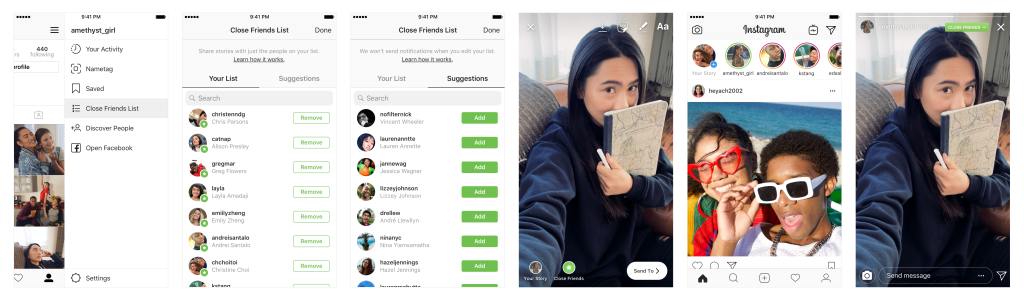
In development for over a year, Instagram announced today that it is adding a new ‘close friends’ feature to Stories. The new feature, which is rolling out in stages today, lets users limit who can see individual Instagram Stories posts.

Limiting a photo or video to close friends is straightforward. Friends can be added or removed from the ‘Close Friends’ list from the side menu in your Instagram profile. When you’re ready to share a photo or video as part of your Instagram Story, the new feature adds a circular green button with a white star to the bottom of the screen that restricts sharing to people on your close friends list.

When you receive content from people who have added you as a close friend, their avatar at the top of Instagram’s main view will be outlined in green to signal that a close friend has shared something. The image or video is also badged as having been shared by a close friend.

It will be interesting to see how the Close Friends feature impacts Instagram. I like the idea of limiting some of what I share on Instagram with a smaller circle of friends. For many people, I expect the feature will make them more comfortable with sharing more as opposed to moving their entire Stories usage to a private group. However, it also has the potential to drain Stories of much of their content in favor of private silos.


Mac Email Clients Gmail Users May Not Have Tried

If you use Gmail, you have a lot of options to get it out of a browser tab and into an app. Many of our readers are familiar with Apple Mail and excellent third-party apps like Airmail and Spark, but there are lots of other interesting email clients available on the Mac that...


Taking the Time to Explore

My piece on photography above got me thinking about trying new things and experimenting. Like a lot of people, I’m sometimes better at starting new projects than finishing them. Left to my own devices, I’d flit from one shiny object to the next, dabbling in more than I can master. Starting is fun, but...


App Debuts

Home Home, the third-party HomeKit utility by Matthias Hochgatterer, has been updated with a new camera widget and even more powerful options for advanced automation. For cameras, Home now comes with a HomeCam-like widget to visualize a grid of real-time video feeds of your favorite cameras without opening the app. I like how the...


Q&A

Question: I just got a new 12.9-inch iPad Pro, but I still have many USB-A chargers throughout my home. I like that I can charge my iPhone from just about anywhere, but I want to be able to do the same with my iPad. Can you recommend any cheap and reliable USB-A to USB-C cables?...