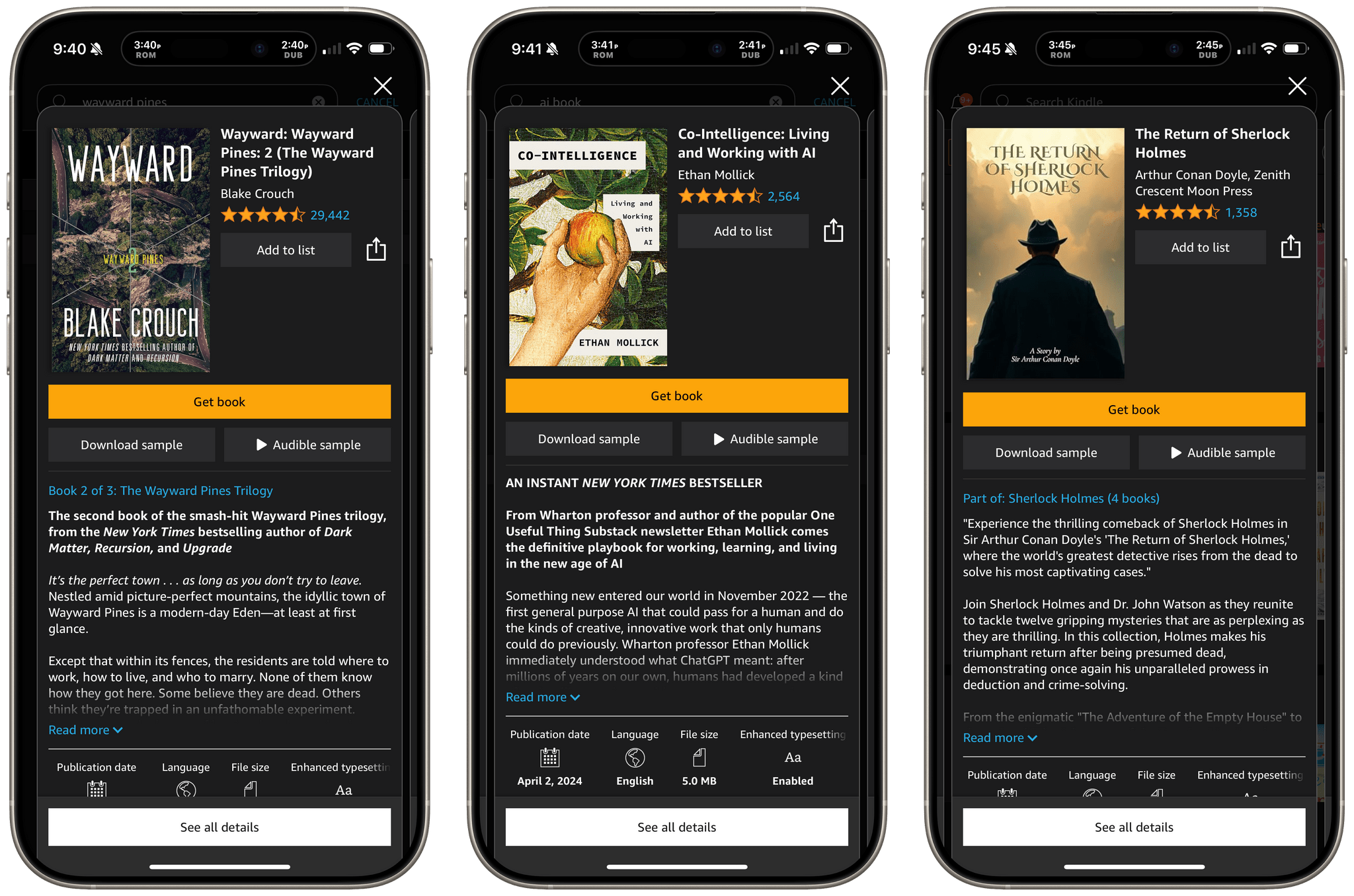
As reported by Andrew Liszewski at The Verge, Amazon has updated the Kindle app to add a “Get Book” button, a direct result of last week’s contempt order entered by Judge Gonzalez Rodgers. When tapped, it takes users to the Amazon page for the book in Safari with the Kindle version selected. Before today’s update, you couldn’t purchase a book without going to Safari first.
We regularly make improvements to our apps to help ensure we are providing customers the most convenient experience possible. By selecting ‘Get Book’ within the Kindle for iOS app, customers can now complete their purchase through their mobile web browser.
I expect other companies will follow Amazon and Spotify’s leads in the coming weeks. Although Apple has appealed Judge Gonzalez Rodgers’ contempt order, the Judge declined to stay its enforcement during the appeals process. It’s always possible an appeal could force Amazon and others to undo changes like this, but I think a more likely outcome is that an appellate court allows Apple to charge a fee where Judge Gonzalez Rodgers wasn’t – one that’s lower than the 27% that got Apple into trouble in the first place.
Fascinating analysis by Allen Pike on how, beyond traditional chatbot interactions, the technology behind LLMs can be used in other types of user interfaces and interactions:
While chat is powerful, for most products chatting with the underlying LLM should be more of a debug interface – a fallback mode – and not the primary UX.
So, how is AI making our software more useful, if not via chat? Let’s do a tour.
There are plenty of useful, practical examples in the story showing how natural language understanding and processing can be embedded in different features of modern apps. My favorite example is search, as Pike writes:
Another UI convention being reinvented is the search field.
It used to be that finding your flight details in your email required typing something exact, like “air canada confirmation”, and hoping that’s actually the phrasing in the email you’re thinking of.
Now, you should be able to type “what are the flight details for the offsite?” and find what you want.
Having used Shortwave and its AI-powered search for the past few months, I couldn’t agree more. The moment you get used to searching without exact queries or specific operators, there’s no going back.
Experience this once, and products with an old-school text-match search field feel broken. You should be able to just find “tax receipts from registered charities” in your email app, “the file where the login UI is defined” in your IDE, and “my upcoming vacations” in your calendar.
Interestingly, Pike mentions Command-K bars as another interface pattern that can benefit from LLM-infused interactions. I knew that sounded familiar – I covered the topic in mid-November 2022, and I still think it’s a shame that Apple hasn’t natively implemented these anywhere in their apps, especially now that commands can be fuzzier (just consider what Raycast is doing). Funnily enough, that post was published just two weeks before the public debut of ChatGPT on November 30, 2022. That feels like forever ago now.
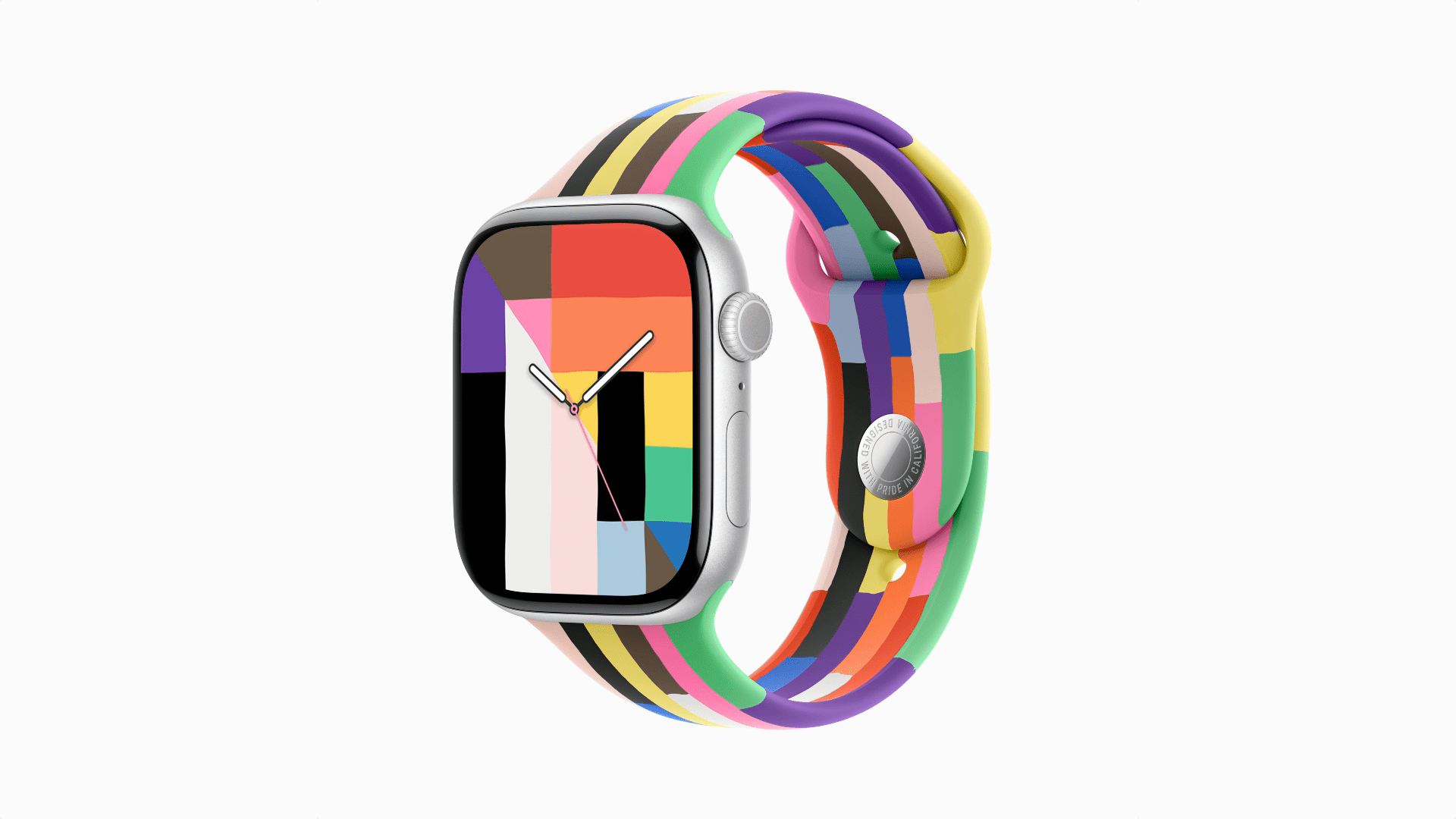
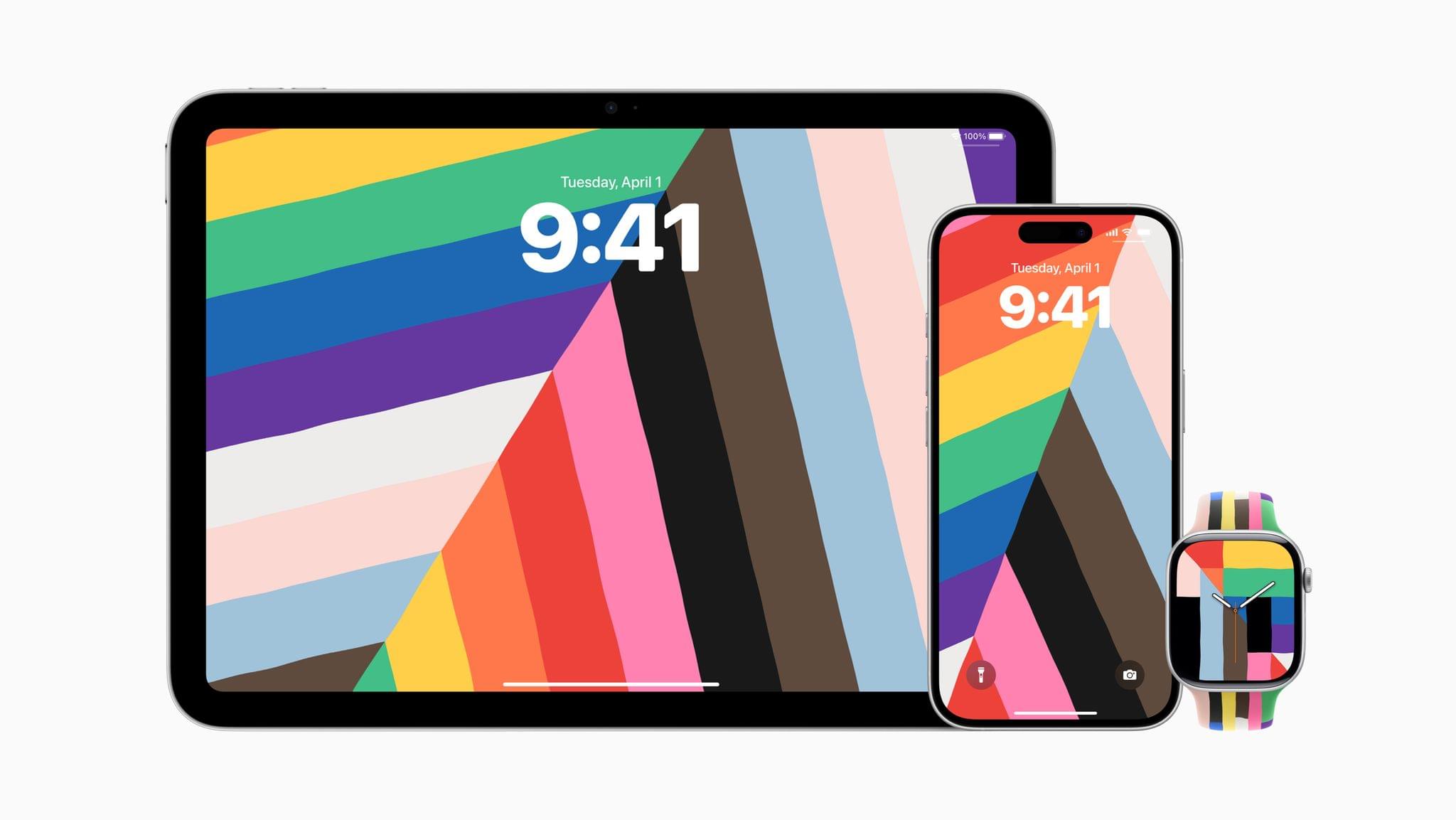
Today, Apple introduced their 2025 Pride Collection, with a set of new LGBTQ+-themed wallpapers for iOS and iPadOS that will be available as part of iOS and iPadOS 18.5. The collection also includes an Apple Watch Pride Edition Sports band, which matches a new Pride Harmony watch face in watchOS 11.5.
Despite being just another installment in what has become an annual tradition for the company, the 2025 collection rings hollow in contrast with Apple’s stance regarding the current U.S. administration.
This seemingly nuanced alignment with President Trump contrasts with Tim Cook’s outspoken support for the LGBTQ+ community when he came out in 2014, and Apple’s continued participation in the San Francisco Pride Parade. The same dissonance appears in the final sentence of the company’s press release which states that “Apple is proud to financially support organizations that serve LGBTQ+ communities.”
Today’s announcement of the 2025 Pride Collection’s made me think back to Joe Rosensteel’s great piece that he published in January soon after the inauguration, in which he expresses immense disappointment in Tim Cook. In regard to Apple’s yearly Apple Watch Pride bands and its participation in the San Francisco Pride parade, he rightly asked:
How should people reconcile Tim’s explicit support of Trump with his support of trans and enby people working at Apple, buying products from Apple, and attending pride parades with Apple?
At a time when some trans people are actively seeking to flee the U.S. to preserve their fundamental right to a healthy, safe, and decent life free from the threat of President Trump’s actions, Apple doesn’t seem to be stepping up to its professed values to the extent that the situation requires. As of today, there have been no reports of the company increasing its financial support of organizations that support LGBTQ+ people in the U.S. Nor has Apple attempted to publicly and explicitly speak out against the administration’s attacks targeting trans people. Instead, Apple has chosen to simply iterate on its Pride wallpapers and watch bands, which will retail at $49.
Maybe I should feel relieved that Apple chose not to discontinue the Pride Collection. But considering the urgency felt by the LGBTQ+ community, Apple releasing Pride bands and wallpapers is simply not enough to compensate for its decision not to speak out against President Trump’s attacks on trans people. There are certainly risks to Apple if it were to do more to stand up for the LGBTQ+ community, but those risks pale in comparison to the increasing threats trans and other people in the LGBTQ+ community face in the U.S. and around the world every day. It’s time for Apple to step up and do more than wallpapers and a watch band.
Today we’re publishing the AppStories+ post-show for all AppStories listeners to enjoy for free.
This week’s subscriber-only post-show is all about the contempt order entered against Apple last week. In a world or tech litigation where Google and Meta are at risk of being broken up, the contempt order entered against Apple may seem inconsequential. However, the reality is much different.
In the post-show, I walk listeners through what this sort of high-stakes litigation is like and pinpoint the critical mistakes Apple made in complying with Judge Gonzalez Rodgers’ order. It’s a fascinating story of hubris, miscalculation, and the critical difference between assumptions and facts. It’s also a decision that will change the App Store in the U.S. and perhaps worldwide.
Today also marks the beginning of our annual OS wish list episodes of AppStories, which we kick off with our iOS and iPadOS 19 wishes. Each week until WWDC, Federico and I will be detailing what we’ll be looking for at Apple’s annual developer conference.
We hope AppStories listeners enjoy the extended bonus this week. As many readers and listeners are probably aware, the ad market for podcasts and websites is in an extended period of decline, and I don’t think it’s ever coming back to where it once was. As a result, we rely on listener support more than ever. AppStories has been around since 2017, and we want to continue producing the show long into the future.
AppStories+ is also available to Club Premier members. That’s the highest tier of a Club MacStories subscription that gets you everything the Club offers, including AppStories+. It’s the best deal of all if you want everything we do for Club MacStories members. You can learn more about Club Premier, which is $12/month or $120/year, here.
We work hard to make every episode of AppStories the best episode, but some are naturally better than others. This is one of the better ones. We hope you enjoy it.
Finally, thanks as always to everyone who supports what we do at MacStories, whether you subscribe to AppStories+, are a member of the Club, leave our shows a rating on Apple Podcasts, or recommend what we do to a friend. Every bit helps us continue to do what we love and try new things.
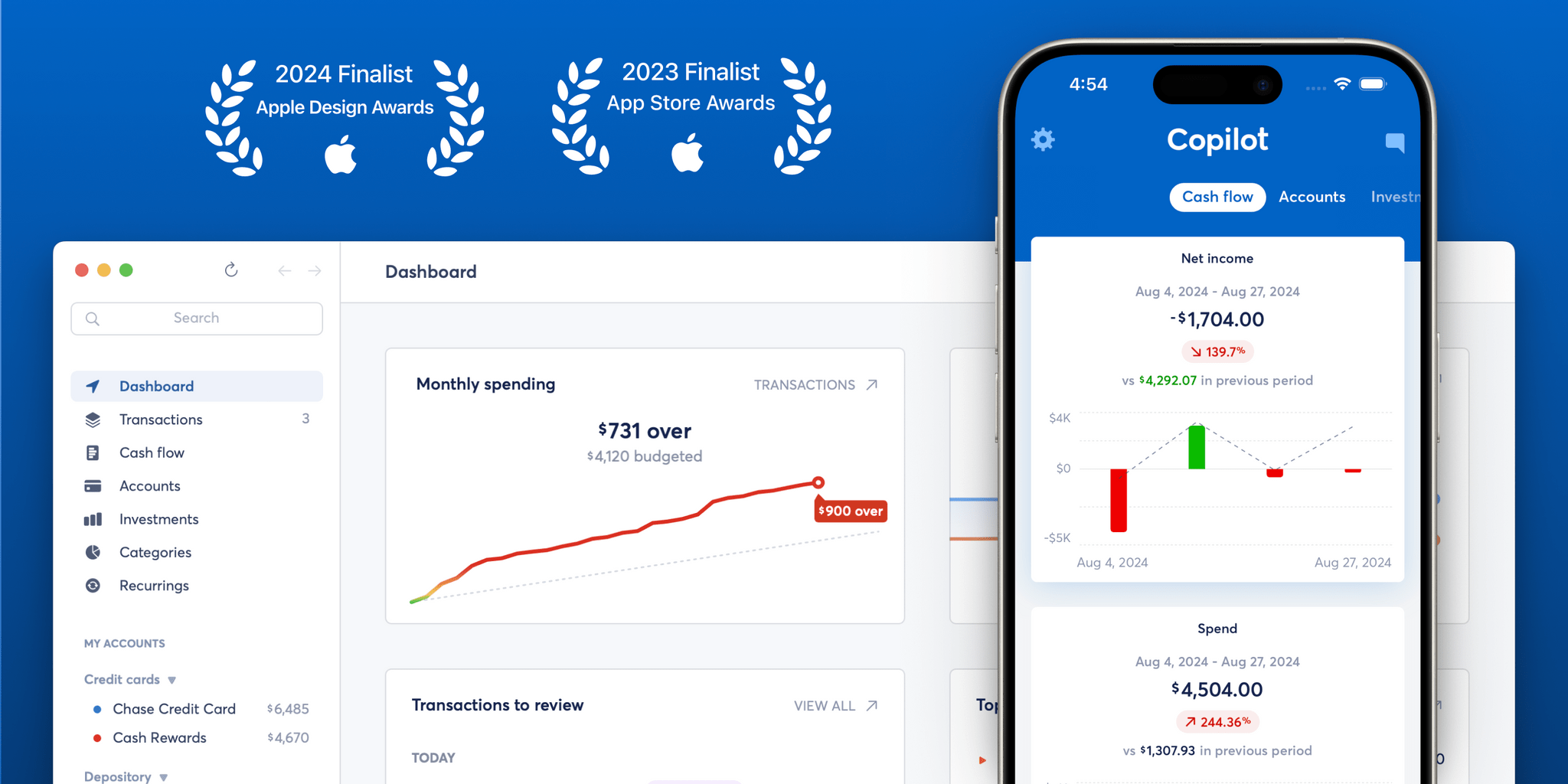
If you haven’t heard of Copilot Money yet, you’re overdue to check out Apple’s Editors Choice award-winning money tracker app. Copilot makes it simple to monitor your finances while providing personalized insights.
Their native iPhone, iPad and Mac apps are award winning for a reason: you can track your spending, budgets, investments, and net worth all in one place, allowing you to drill into the details without losing sight of the big picture.
Beyond beautiful design and functionality, Copilot’s mission is to build a future where everyone has a clear picture of their finances, without all the anxiety. Where anyone can reclaim their data from the banks to build their own plan for achieving their goals — with confidence and trust in their tools for doing so.
Launching later this month, Copilot Money is adding their #1 most user requested feature to the line-up. Savings Goals will empower you to track the money you’re saving for whatever you choose. Goals will feature smart tips informed by your data, like smart suggestions based on your cash flow, and goal ideas for you based on your categories and spending.
For a limited time, MacStories readers can get a special two-month free trial by using the code MACSTORIES when signing up. Visit their website to learn more and download Copilot from the App Store to get started today.
Our thanks to Copilot for sponsoring MacStories this week.
Enjoy the latest episodes from MacStories’ family of podcasts:
Comfort Zone
Chris achieves a new level of focus on the Mac with a familiar app, Matt finds comfort for his sore fingers, and Niléane leads the hardest challenge ever put forth on the show.
MacStories Unwind
This week, Federico and I compare wildlife notes, I get set up to work outdoors, Federico has an album to share, and I recommend a movie about ancient Rome.
This episode is sponsored by:
Textastic – The Powerful Code Editor for iPad and iPhone — Now Free to Try
Magic Rays of Light
Sigmund and Devon highlight the premiere of French-language Apple Original series Carême, discuss the Apple Watch’s tenth anniversary and how the device plays into their TV-viewing, and recap Dope Thief.
On Wednesday evening, Judge Yvonne Gonzalez Rodgers held Apple in contempt, ordering, among other things, that it immediately drop the 27% fee it was charging developers who linked users to the web for purchases. As the judge put it:
This is an injunction, not a negotiation. There are no do-overs once a party willfully disregards a court order. Time is of the essence. The Court will not tolerate further delays.
The App Review Guidelines have been updated for compliance with a United States court decision regarding buttons, external links, and other calls to action in apps. These changes affect apps distributed on the United States storefront of the App Store, and are as follows:
3.1.1: Apps on the United States storefront are not prohibited from including buttons, external links, or other calls to action when allowing users to browse NFT collections owned by others.
3.1.1(a): On the United States storefront, there is no prohibition on an app including buttons, external links, or other calls to action, and no entitlement is required to do so.
3.1.3: The prohibition on encouraging users to use a purchasing method other than in-app purchase does not apply on the United States storefront.
3.1.3(a): The External Link Account entitlement is not required for apps on the United States storefront to include buttons, external links, or other calls to action.
(Source: Apple email to developers on May 1, 2025).
Notably, the changes affect only the U.S. App Store, further fragmenting App Store rules along geopolitical boundaries which began with regulations in China, South Korea, Japan, the Netherlands, and the EU.
Probably the best evidence that Apple’s former rules were restraining competition is the flurry of additional news since Judge Gonzalez Rodgers’ ruling:
As I predicted in my story, Patreon has said it will submit an update to its app to allow creators to accept payments outside its iOS app, something that was possible until last summer when Patreon was forced to retrofit its app to account for Apple’s In-App Purchases and payments through its website in what was an inelegant solution that forced creators to either charge more on iOS or absorb Apple’s fees on what are often small monthly payments to begin with.
Spotify posted on its blog that it has already submitted an update to its app that will let users see how much a Spotify subscription costs from inside the app and link out to Spotify’s website to upgrade or change their subscription plans.
Beginning in June, the Epic Games Store will handle payment processing for developers at no cost up to the developers’ first $1 million of revenue. After $1 million of revenue the split will be the existing 88% to developers and 12% to Epic Games. In June, Epic Games will also offer developers the ability to set up their own webshops for ‘out-of-app purchases.’ The webshops will be available to iOS developers in the U.S. and EU and users making purchases in them will get 5% back in Epic Rewards for their purchases. Epic Games has not said how much it will charge developers who set up a webshop.
These moves by big players aren’t surprising, and I’m sure we’ll see more companies explore ways to take advantage of Wednesday’s ruling. Over time, though, the more interesting consequence of Wednesday’s ruling will be whether and how it changes the business models of indie developers and other small businesses that offer apps.
Today, second-quarter 2025 earnings are out and Apple reported record revenue of $95.4 billion, a 5% year-over-year gain. The diluted earnings per share was $1.65 an 8% year-over-year gain.
Today Apple is reporting strong quarterly results, including double-digit growth in Services. We were happy to welcome iPhone 16e to our lineup, and to introduce powerful new Macs and iPads that take advantage of the extraordinary capabilities of Apple silicon. And we were proud to announce that we’ve cut our carbon emissions by 60 percent over the past decade.
These results, which beat Wall Street expectations, may strike some as odd given the overhang of tariffs on goods entering the U.S., but it’s the threat and delays that have caused consumers to accelerate purchases, pulling sales into the last quarter that might have been deferred otherwise. It’s a little like COVID, which caused a similar tech purchasing spree. However, sales pulled into the last quarter are sales that won’t be made later, especially if the U.S. government follows through and imposes tariffs on Apple products.
Another threat to future earnings is the decision by Judge Yvonne Gonzalez Rodgers. That decision has the potential to upend the dynamics of the App Store, but it’s going to take a while before any effects are felt in earnings because, as the Court found, few developers currently offer links to goods outside the App Store.
So, for now, Apple’s earnings are good and its stock price is stable, but the threat of tariffs and the disillusionment of developers are very real storm clouds on Apple’s horizon that very well may have a negative impact on its future earnings. Come back in three months to see what happens.


](https://cdn.macstories.net/banneras-1629219199428.png)