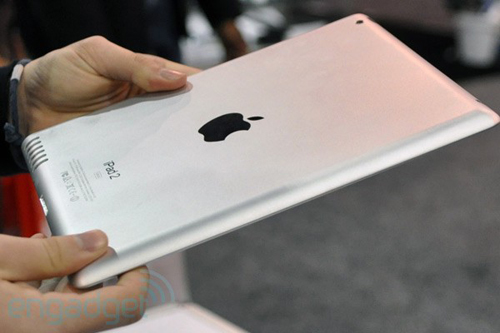
iPad 2: The Rumor Timeline

With the iPad 2 announcement reportedly scheduled for a media event next week in San Francisco, it’s time to take a step back and re-analyze rumors posted in past months about the next-generation device. If rumors are of any indication and sources to be trusted, this little trip down the memory lane should give us a quick recap of the details we think we know about the iPad 2.

So read along after the break, and let’s see what the Apple rumor mill offered so far about the new tablet. Read more


#MacStoriesDeals - Tuesday

So, an unofficial iPad 2 announcement for Wednesday, March 2. Do you believe? Here are today’s deals on iOS, Mac, and Mac App Store apps that are on sale for a limited time, so get ‘em while they’re hot!

Read more


iPad 2 Event on March 2?

All Things Digital reports Apple will unveil the iPad 2 next week, at a media event on March 2:

To those who intensely cares about this kind of stuff–which would be pretty much everyone in the tech ecosystem–Apple will hold its much-anticipated event on March 2, where the tech giant seems poised to unveil a new version of its hugely successful iPad.

It’s not clear when Apple will begin sending out its famous invites for gathering, but I am guessing soon, in order to get the Apple faithful to the proper level of froth.

Invitations for the event haven’t been sent out to bloggers and journalists yet, and if the date is real this time, we suspect it may happen as early as tonight or tomorrow morning. Note that March 2nd is a Wednesday, a day that fits Apple’s typical patterns for media events. It is also unclear whether Apple will hold a smaller event for the announcement in Cupertino, or at the Yerba Buena Center in San Francisco. Steve Jobs won’t likely announce the product on stage, leaving the presentation to Tim Cook and Phil Schiller – like in 2009 for the iPhone 3GS media event (when Jobs was on a medical leave of absence). The Yerba Buena Center calendar indeed shows there are no available programs on March 2. Read more


Smartr Launches Web App to “Read Twitter” From Your Browser

I am a huge fan of the Smartr Twitter app. Smartr, in case you missed my review, is an elegant Twitter client that, instead of focusing just on your timeline and letting you tweet like other apps do, provides a neat way to strip away tweets that don’t have http:// links, and formats articles coming from Twitter in an uncluttered view. Sort of like Flipboard, but meant for Twitter on the iPhone.

The concept is simple: you log in with your Twitter account, and the app only displays messages that contain links to webpages. These status updates, however, don’t appear in the app’s timeline as the original tweets — rather, they’re formatted to be visualized with the article’s title, a thumbnail preview of the first image and a short excerpt. Just like in Flipboard, Twitter becomes a “news aggregator” of links shared by people you follow, with the app excluding unrelated material like Foursquare check-ins, pictures and tweets that don’t come with links. Smartr is a Twitter client that uses the platform to fetch content available on the web. Because of that, it also makes sure content is formatted for the iPhone’s screen with the possibility to display the original, unformatted webpage.

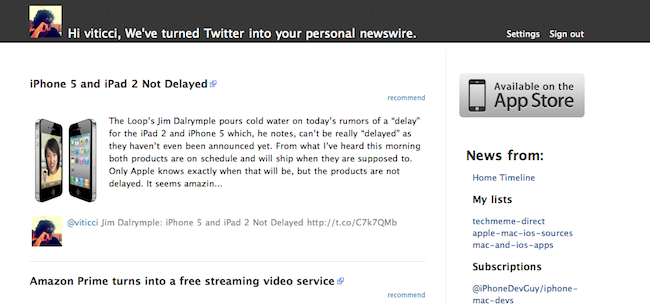
Smartr is launching a web version of their Twitter utility today, allowing users to log in with their account from the browser and read news aggregated from the service without using the mobile app. The web app doesn’t come with all the features seen in Smartr for iPhone, as it’s a simple, continually updating list of links found in your timeline. These links are given a visual preview with an image thumbnail and an excerpt, together with the original tweet and author displayed inline.

Speaking to The Next Web, Smartr developer Temo Chalasani says:

We built this web application because a lot of our mobile users were demanding a desktop Smartr client. The webapp is still in its infancy, but we hope to bring the Smartr experience to the web through this release.

Indeed the web app is very straightforward right now and doesn’t let you do much besides opening articles in new browser tabs, but I like the fact that there’s a real-time update at the top for news posted while you were reading. Check out the web app here, and go download Smartr from the App Store.


Jim Dalrymple: iPhone 5 and iPad 2 Not Delayed

Jim Dalrymple: iPhone 5 and iPad 2 Not Delayed

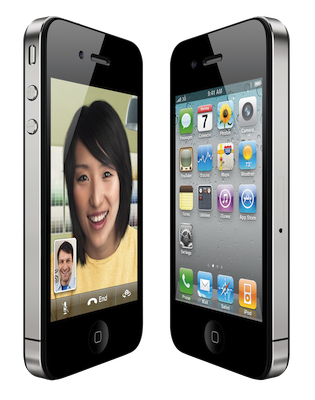
The Loop’s Jim Dalrymple pours cold water on today’s rumors of a “delay” for the iPad 2 and iPhone 5 which, he notes, can’t be really “delayed” as they haven’t even been announced yet.

From what I’ve heard this morning both products are on schedule and will ship when they are supposed to. Only Apple knows exactly when that will be, but the products are not delayed.

It seems amazing that rumors of Apple missing product deadlines are running rampant when Apple hasn’t even announced the product yet. The only deadlines that have been set are by the media, not Apple.

Jim has a great track record and his sources are usually spot-on. Like we said this morning those rumors felt very inconsistent, and we believe Jim when he says Apple is on track to ship the next generation iPhone and iPad without “delays”.

Update: Reuters and Barron’s are now claiming the rumors are false, too. Both websites cite sources close to Apple and people familiar with the matter as sources denying a delay for the rumored iPhone 5 and iPad 2 releases.

Permalink

Wunderlist For iOS Gets A Hefty Update To 1.2.0

Wunderlist Features

Wunderlist Features

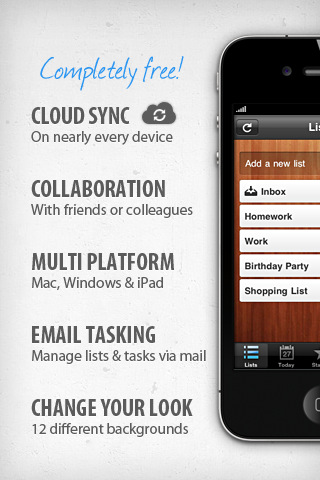
Wunderlist is an excellent, cross-platform alternative to apps like Things if you want to access your to-do lists anywhere, and today there’s a big update that brings even more functionality to the already flexible manager. Alongside visual improvements to the interface between a new icon, some sidebar adjustments, and three new backgrounds, the iOS version has been updated to support landscape mode, push notifications, and email tasking (manage your tasks from your inbox). Wunderlist also sports a new date picker and an “optimized” detail view for tasks. If you’re a Wunderlist user, check the App Store to download the latest free update.


Apple Joins Silicon Valley Companies To Build $2 Billion Hospital

Apple is joining HP, eBay, Intel, Oracle and other Silicon Valley companies to build a $2 billion hospital in Stanford, with $550 million of the initial cost being donated and raised by the corporate partners program that Apple has joined as member. Steve Jobs and Vice President of Retail Ron Johnson are quoted in the press release and video of the upcoming hospital, which will feature technological advancements to “change the way people interface with the hospital” with ideas contributed by the companies mentioned above.

AppleInsider reports:

More than just contributing resources, the partners will work with New Stanford Hospital planners to develop innovative new approaches to providing patient access, information, education and navigation, a program that “has the ability to change the face of health care,” according to Stanford Hospital president and chief executive Amir Dan Rubin.

The project balances new technical innovations with the goal of creating a healing environment “responsive to the emotional, social and psychological needs of patients, families, visitors, medical professionals and staff,” said a report by the hospital.

Steve Jobs, quoted on the project’s website:

All of us are very fortunate to have Stanford’s world-class medical center right here in Silicon Valley. We are very excited about the development of their new hospital and really want to support their plans.

Full press release is available here, check out the video below featuring Apple’s Ron Johnson below. Read more


Apple Looking To Improve Sound Quality of iTunes Store Songs?

According to the CNN (via MacRumors), Apple is in talks with music industry executives to improve the sound quality of songs offered in the iTunes Store, bringing them to high-fidelity standards of 24-bit instead of the current 16-bit offerings:

Professional music producers generally capture studio recordings in a 24-bit, high-fidelity audio format. Before the originals, or “masters” in industry parlance, are pressed onto CDs or distributed to digital sellers like Apple’s iTunes, they’re downgraded to 16-bit files.

From there, the audio can be compressed further in order to minimize the time the music will take to download or to allow it to be streamed on-the-fly over the internet.

CNN reports Apple might as well offer these high-quality versions as separate “premium” purchases available as an option next to the existing iTunes Store 16-bit files. The move to 24-bit, however, would bring some issues with compatible hardware – considering that iTunes also works on Windows PCs:

Many models of Mac computers can play 24-bit sound, and the iTunes program is capable of handling such files. But most portable electronics, and many computers, don’t support 24-bit audio.

To make the jump to higher-quality music attractive for Apple, the Cupertino, California, company would have to retool future versions of iPods and iPhones so they can play higher-quality files.

In 2009, Apple made the first steps to increase the quality of iTunes digital downloads by offering “Plus” – a selection of albums and songs encoded at 256 kbps without digital rights management (DRM) protection copy. Regular iTunes downloads used to be encoded at 128 kbps with DRM enabled by default. Shifting to higher quality song downloads also rises some questions on Apple’s rumored streaming service for music and data center in North Carolina: will a section of the data center be dedicated to these rumored 24-bit songs? And if the rumors of “iTunes in the cloud” are to be believed, will Apple allow users to stream 24-bit audio files to their mobile devices?

As far as kbps stats are concerned, Spotify’s current Premium subscription enables users to stream 320 kbps songs from the cloud onto their computers and iPhones, offering an option to decrease quality on slower 3G connections.


iOS Dominant In European Smartphone Usage

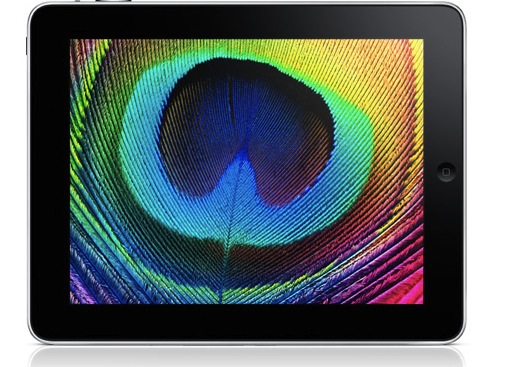
A report by RegHardware based on data from service StatCounter reveals that Apple’s iOS is still dominating the smartphone usage in Europe, in spite of its “gentle decline”. StatCounter isn’t of course installed on any website available on the internet, but it provides good indication of trends in the mobile space thanks to its 3 million tracked webpages.

Europe as a whole clearly favours iOS - its market share has run between 50 per cent and 45 per cent between January 2010 and January 2011 - which is well ahead of nearest rivals Symbian, BlackBerry and Android.

It’s no surprise to see the decline in Symbian usage - any more than it is to see the rise in Android mobile browsing, but BlackBerry usage certainly appears to have peaked, hitting 18 per cent and then falling back. And while Apple’s share is trending downward, it’s a very gentle decline.

UK stats provided by StatCounter also gives us a glimpse at the rapid increase of Android’s marketshare, while BlackBerry OS surpassed iOS’ web traffic in the last few months of 2010 in the UK. iOS and Android are clearly shaping up to be the two most important and relevant mobile platforms for years to come, with RIM’s BlackBerry and Nokia’s Symbian now left behind to generate lower numbers.

The number of tablets coming out in the next months running Google’s Android and Nokia’s adoption of Windows Phone 7 for its future handsets will likely affect the overall OS usage in the mobile environment, but analysts expect iOS to remain dominant throughout all 2011 with the release of the next-generation iPhone and an eventual price drop of the current-gen iPhone 4.